
Products
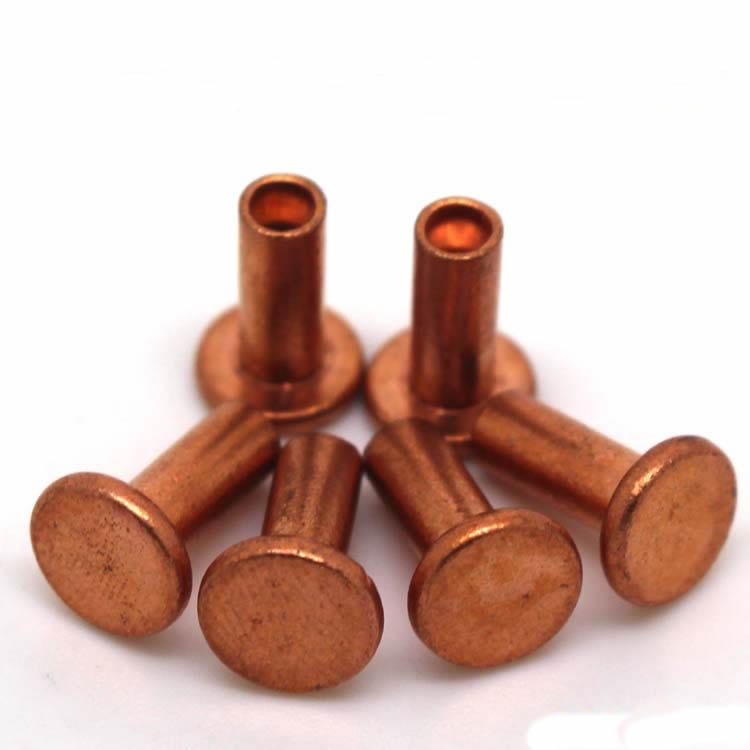
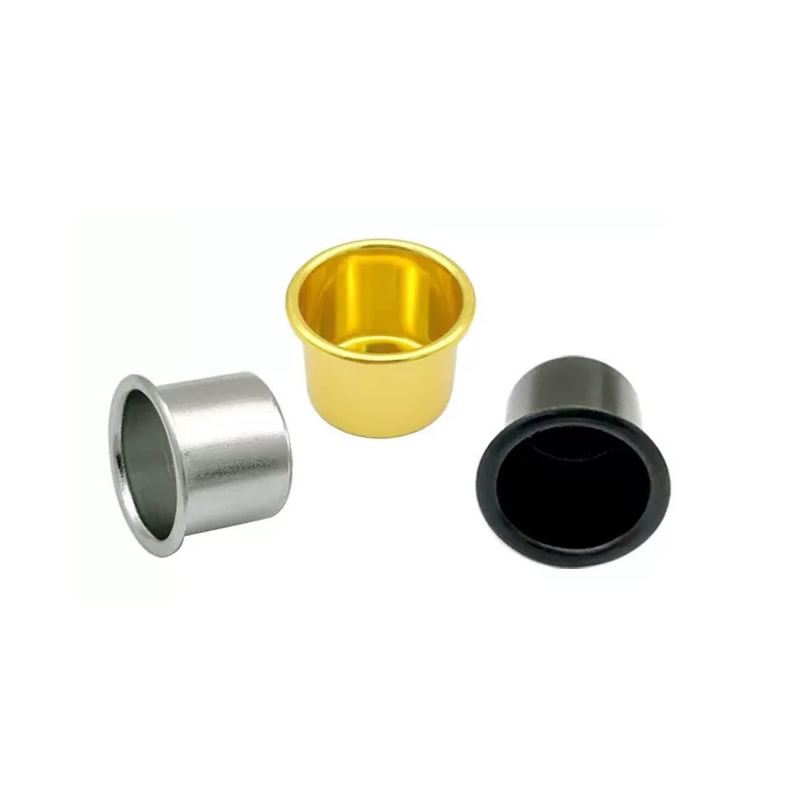
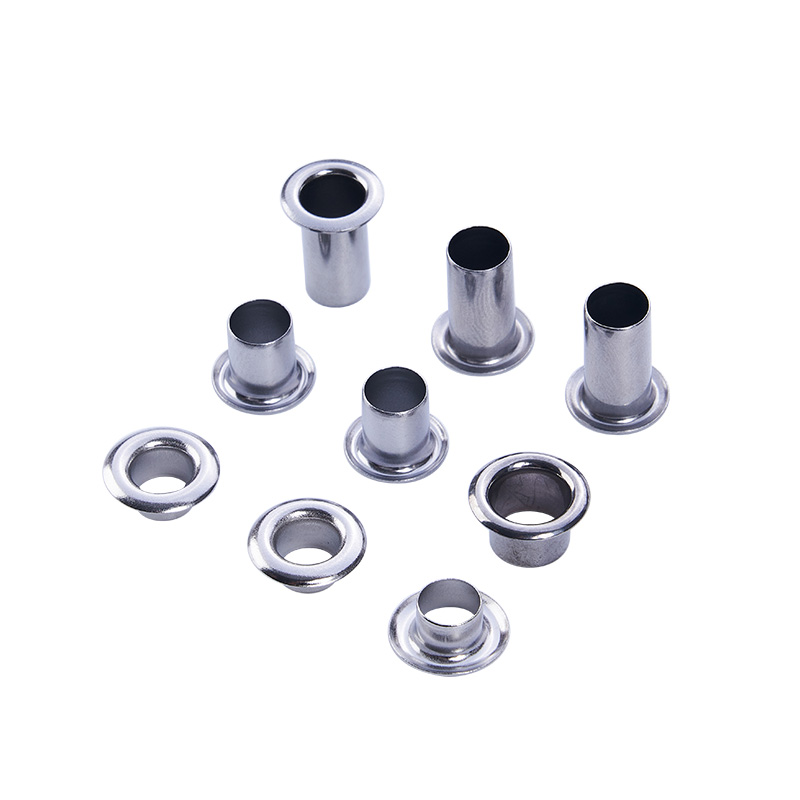
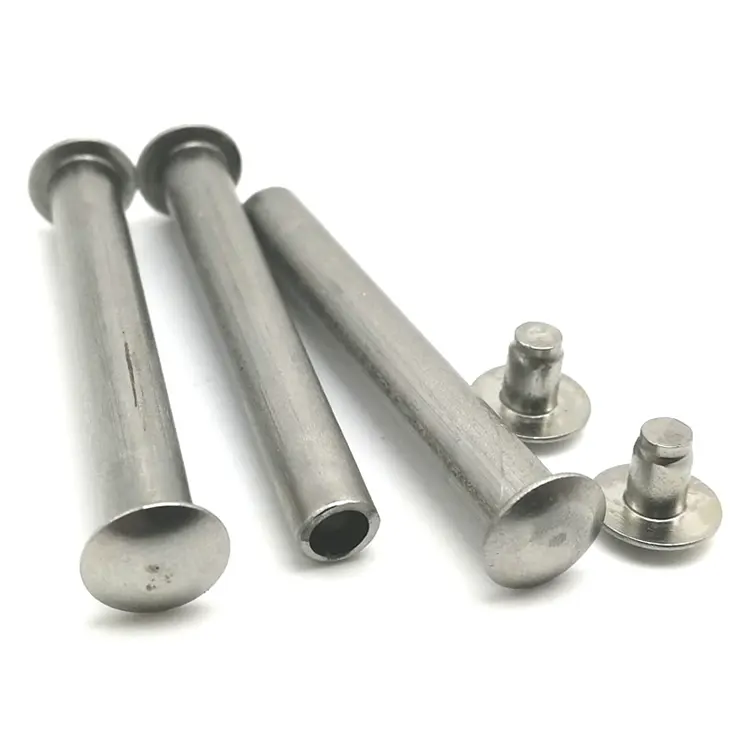
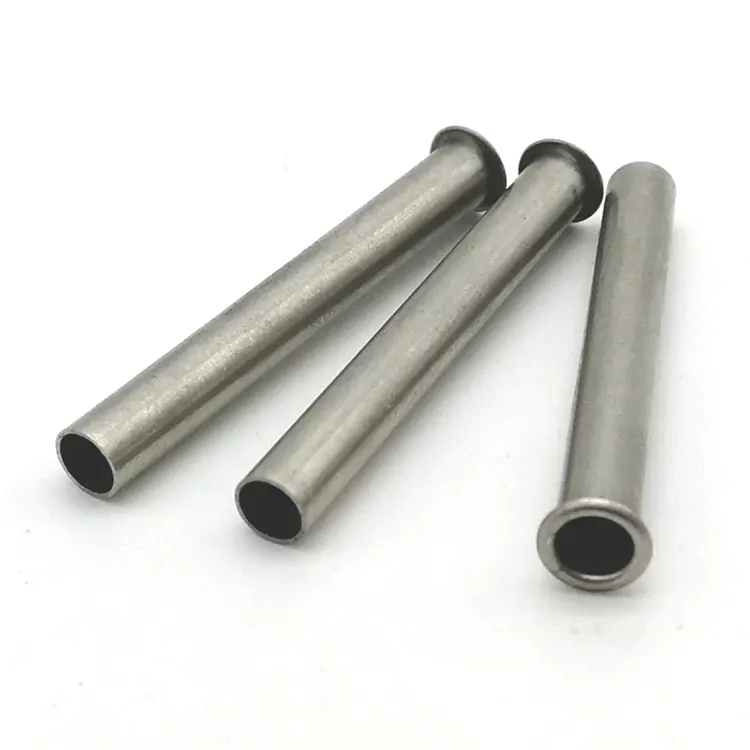
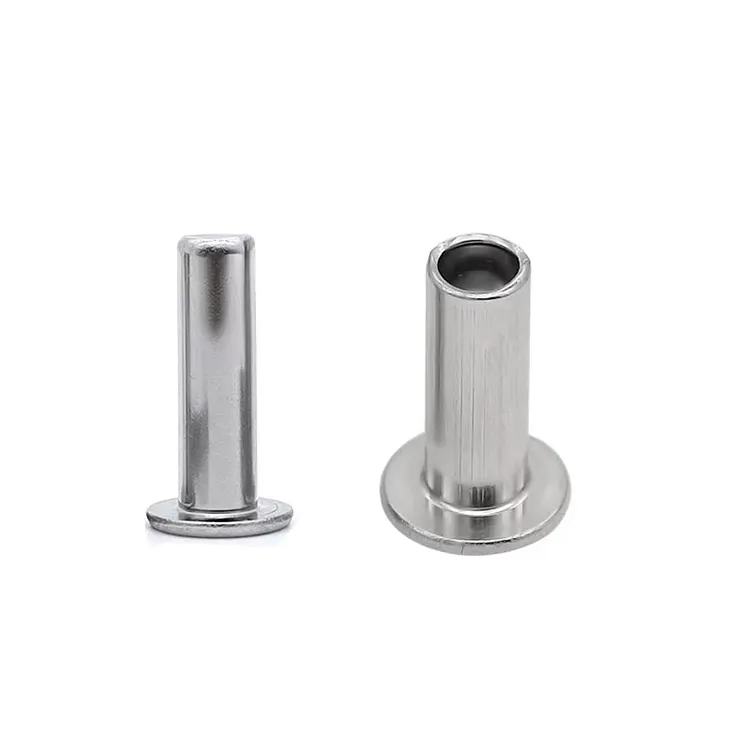
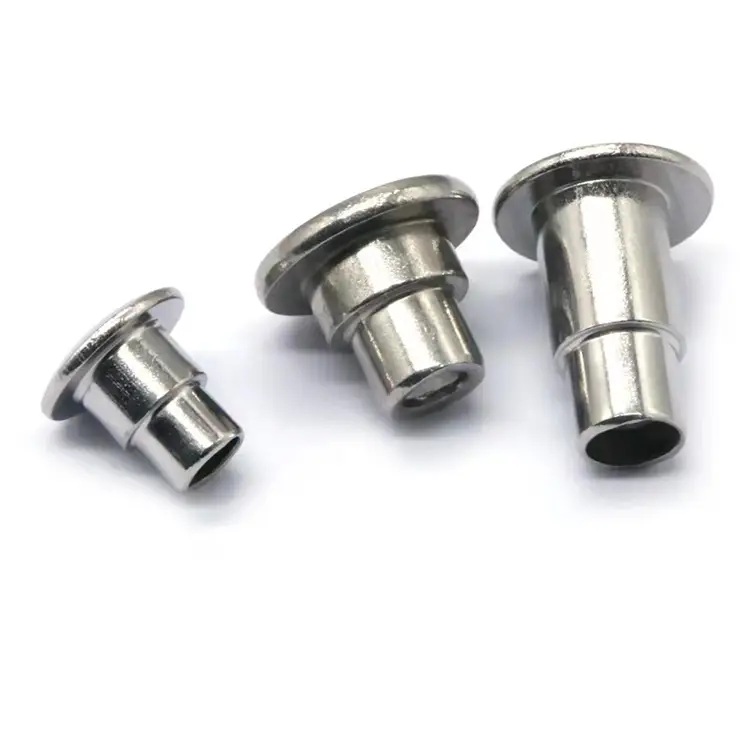
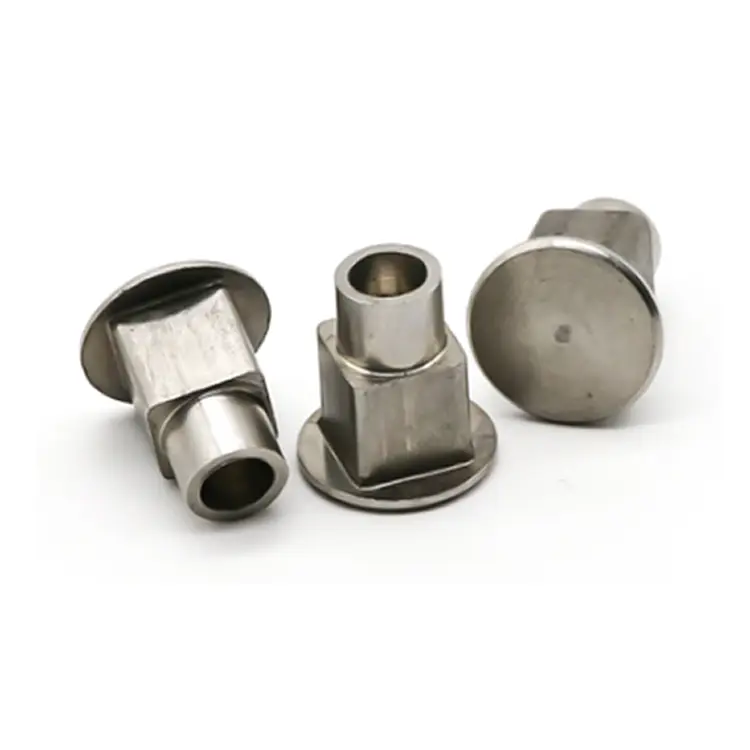
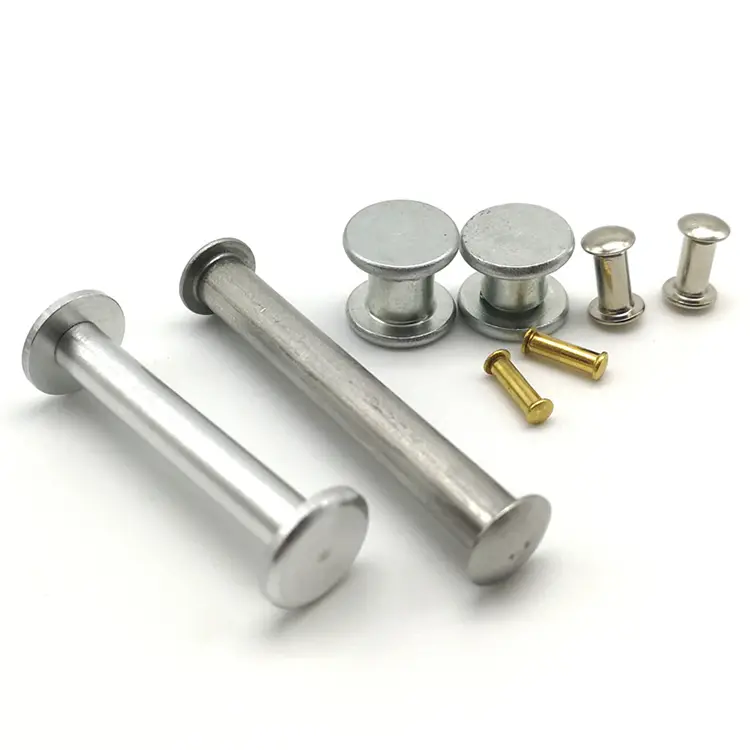
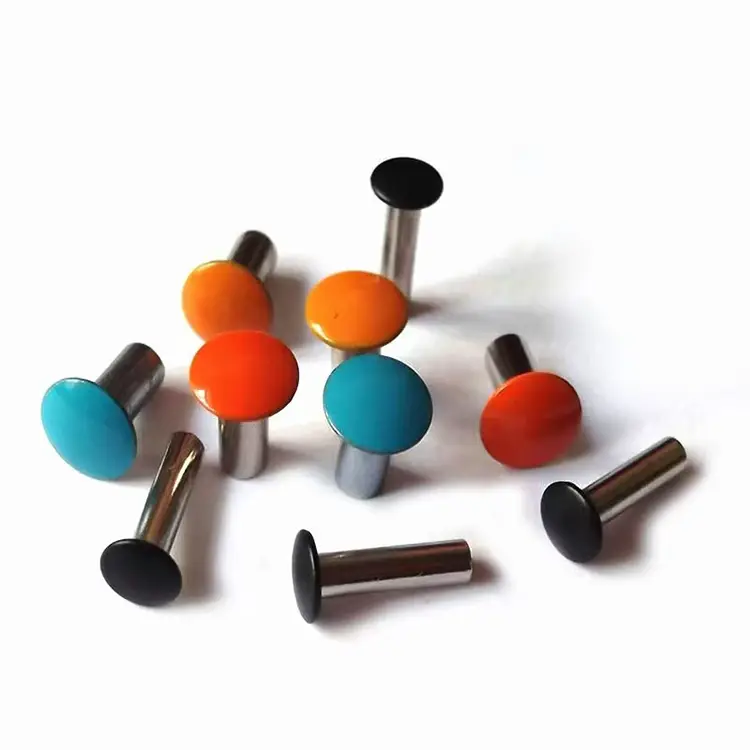
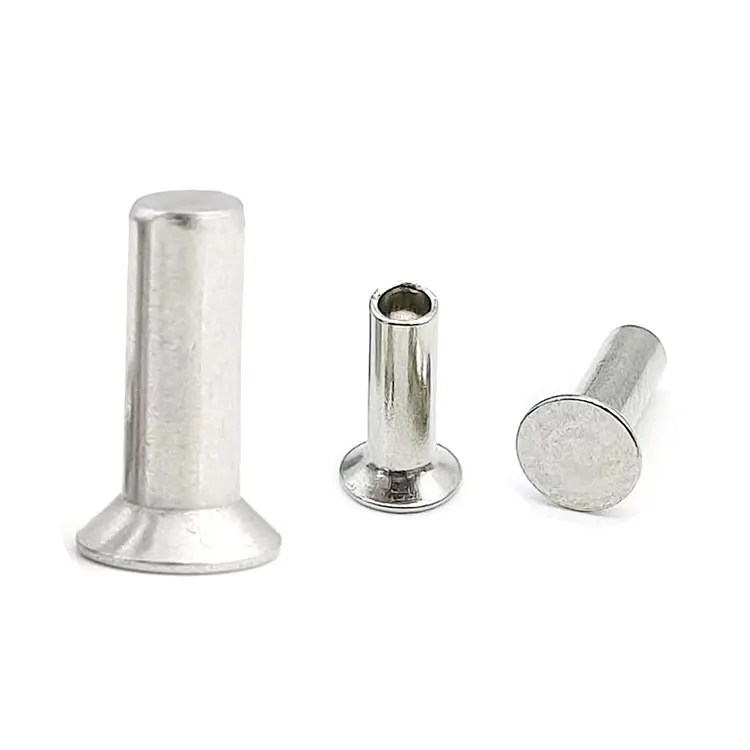
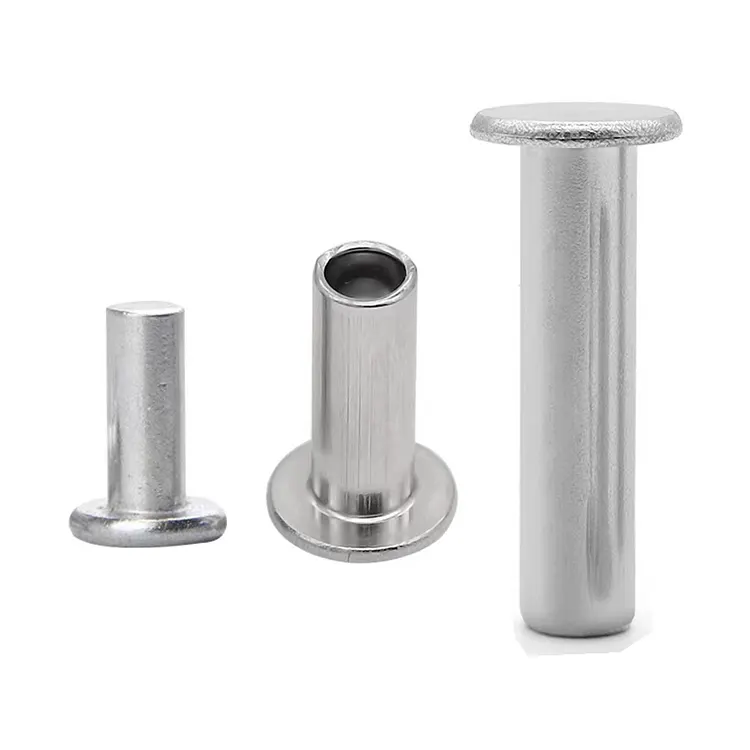
Stainless Steel Flat Head Rivets
Nuote Metals specializes in the production of stainless steel flat head rivets. We use SUS304 or SUS316L materials, resulting in a smooth, scratch-free surface. Dimensions are strictly adhered to customer drawings, and our quality inspection department rigorously inspects both appearance and dimensions to ensure that each rivet meets customer specifications. Stainless steel flat-head rivets are primarily made of stainless steel, an alloy known for its corrosion resistance, high temperature resistance, and high strength. This ensures that these flat-head stainless steel rivets remain stable even in humid, acidic, or alkaline environments, resisting rust or deformation.
Send Inquiry
Product Description
Carbon steel flat head rivets need plating to prevent rust. Plating wears off. Edges rust. Surfaces stain.
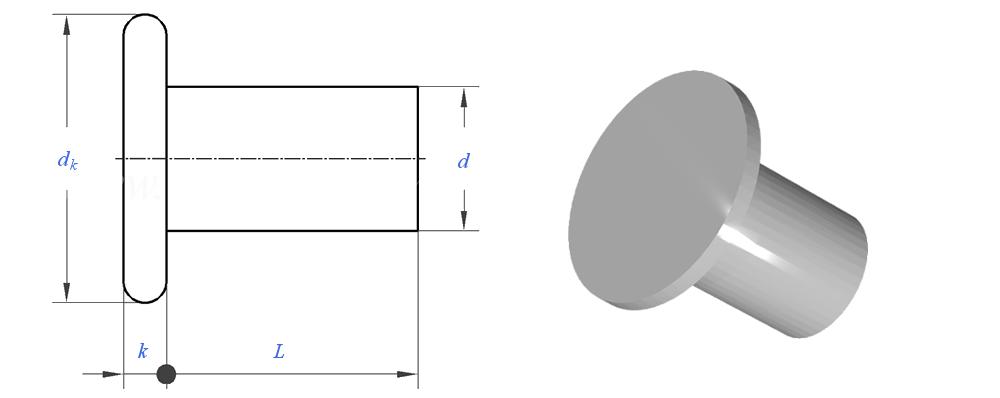
Stainless steel flat head rivets do not need plating. The chromium oxide layer is self‑healing – scratches do not expose bare metal to corrosion. The flat head sits just 0.8–1.2mm above the surface for a 5mm shank – low enough for most clearance‑limited assemblies, but without the extra cost of countersinking.
When your assembly is exposed to moisture, chemicals, salt spray, or outdoor conditions – and you need a low‑profile fastener that will not rust – stainless steel flat head rivets are the engineered answer.
304 vs. 316 – Which Stainless Steel Grade Do You Need?
The choice between 304 and 316 determines how long your rivets will last in your environment.
| Grade | Key Alloy | Salt Spray Resistance (ASTM B117) | Best For |
|---|---|---|---|
| 304 | 18% Cr, 8% Ni | 200 – 500 hours | General outdoor, rain, humidity, food contact |
| 316 | 16% Cr, 10% Ni, 2% Mo | 1,000+ hours | Marine, coastal, saltwater, chemical, acidic environments |
Choose 304 for general outdoor applications, food processing equipment, and industrial assemblies where salt exposure is limited.
Choose 316 for marine environments, coastal installations, chemical plants, and any application where chlorides or acids are present. The molybdenum in 316 provides superior resistance to saltwater attack and crevice corrosion.
Flat Head vs. Round Head – The Low‑Profile Difference
| Feature | Stainless Steel Flat Head Rivet | Stainless Steel Round Head Rivet |
|---|---|---|
| Head protrusion (5mm shank) | 0.8 – 1.2mm | 2.5 – 3.5mm |
| Head diameter / shank ratio | 2.0 – 2.5 : 1 | 1.6 – 1.8 : 1 |
| Hole preparation | Straight hole only | Straight hole only |
| Corrosion resistance | Excellent (material itself) | Excellent (material itself) |
| Best for | Clearance‑limited assemblies, sliding surfaces, visible applications | Metal‑to‑metal, traditional appearance |
Choose flat head when: You need a low profile but do not want the extra cost and step of countersinking. The rivet will be visible and appearance matters. You need a wide bearing surface to distribute load. Clearance is limited.
Solid vs. Semi‑Tubular – Which Design Do You Need?
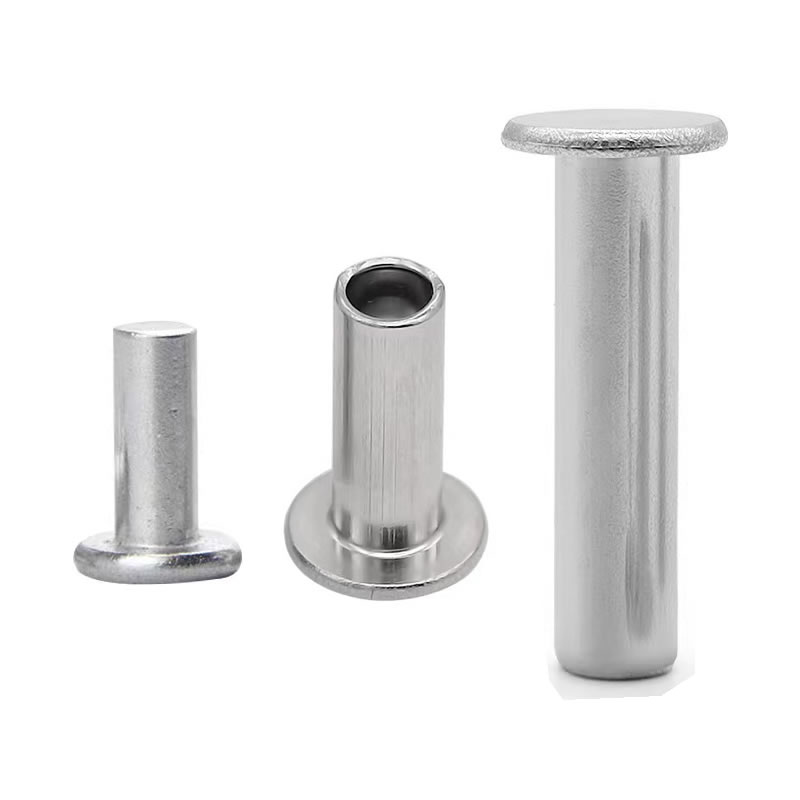
Stainless steel flat head rivets are available in two designs.
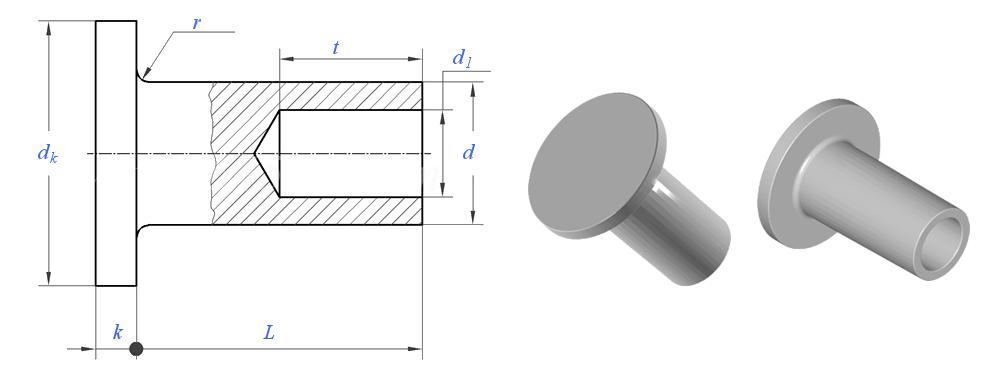
A solid rivet is fully solid – the entire shank deforms during installation, delivering maximum shear and tensile strength. This is the right choice for structural joints, load‑bearing assemblies, and applications where failure is not an option. However, solid rivets require higher setting force and slower installation.
A semi‑tubular rivet has a shallow cavity at the tail (45–55% of barrel length). Only the thin wall of this hollow section rolls outward during installation, requiring about 70% less setting force. It retains 80–90% of solid rivet strength, but installs much faster and is gentler on thin or delicate materials.
Choose solid for structural joints where maximum strength is required. Choose semi‑tubular for high‑volume production, thin materials, and faster assembly lines.
Mechanical Performance – What You Can Expect
For a 5mm 304 stainless flat head semi‑tubular rivet set into 2mm stainless sheet:
| Property | Value |
|---|---|
| Single shear strength | 11,000 – 13,000 N |
| Tensile strength | 620 – 750 MPa |
| Hardness | HRB 80 – 95 |
| Recommended hole size | Shank + 0.15 – 0.20 mm |
| Setting force | 1.5 – 2.5 tons |
One Real Application – Outdoor Marine Control Box
A manufacturer of marine navigation and control systems needed a fastener for assembling weatherproof control boxes mounted on boat decks. The boxes were exposed to continuous salt spray, rain, and UV. The previous zinc‑plated steel flat head rivets showed rust after one season. The customer needed a low‑profile fastener that would not rust and would maintain a clean appearance.
We supplied 316 stainless steel flat head semi‑tubular rivets – 4.0mm shank, 8.0mm head, 8.0mm barrel length, passivated finish. The 316 grade delivered 1,000+ hours of salt spray resistance – more than enough for continuous marine exposure. The flat head sat only 0.9mm above the panel surface – low enough to avoid snagging on lines and cables. The passivated surface matched the powder‑coated enclosures. The semi‑tubular cavity cut setting force from 3.5 tons to 1.0 ton – no deformation of the thin enclosure walls. The customer tested 500 rivets across 100 boxes. After 18 months of saltwater exposure, zero rust, zero loosening. They now order stainless steel flat head rivets in batches of 150,000 pieces annually.
About Nuote Metals – Company and Rivet Production
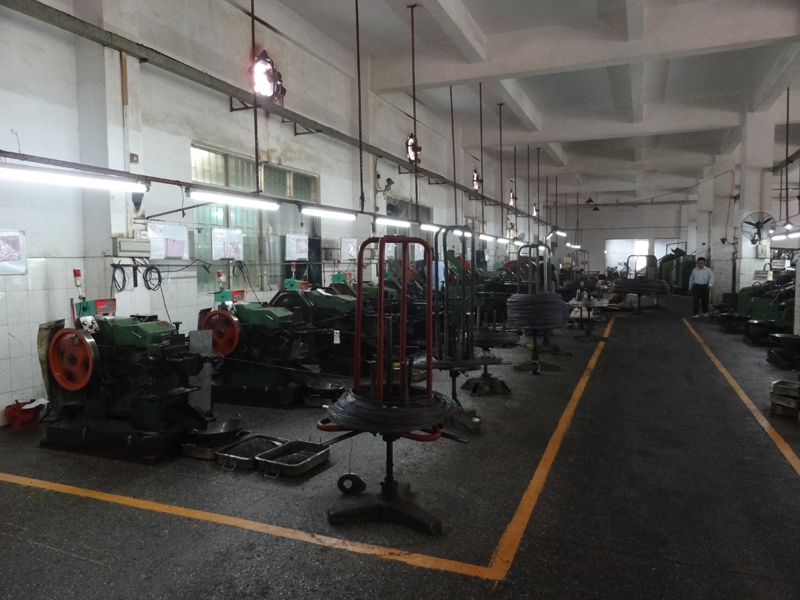
We are a Dongguan‑based fastener manufacturer with over a decade of experience in cold heading stainless steel. Our facility runs 45 cold‑heading machines capable of producing rivets from 0.8mm to 10mm in diameter, in both solid and semi‑tubular designs. We hold ±0.05mm tolerances on standard dimensions and stock over 3,000 sizes for rapid sampling and production.
We ship to manufacturers across North America, Europe, Asia, and beyond.
Why Customers Choose Us – Real Feedback
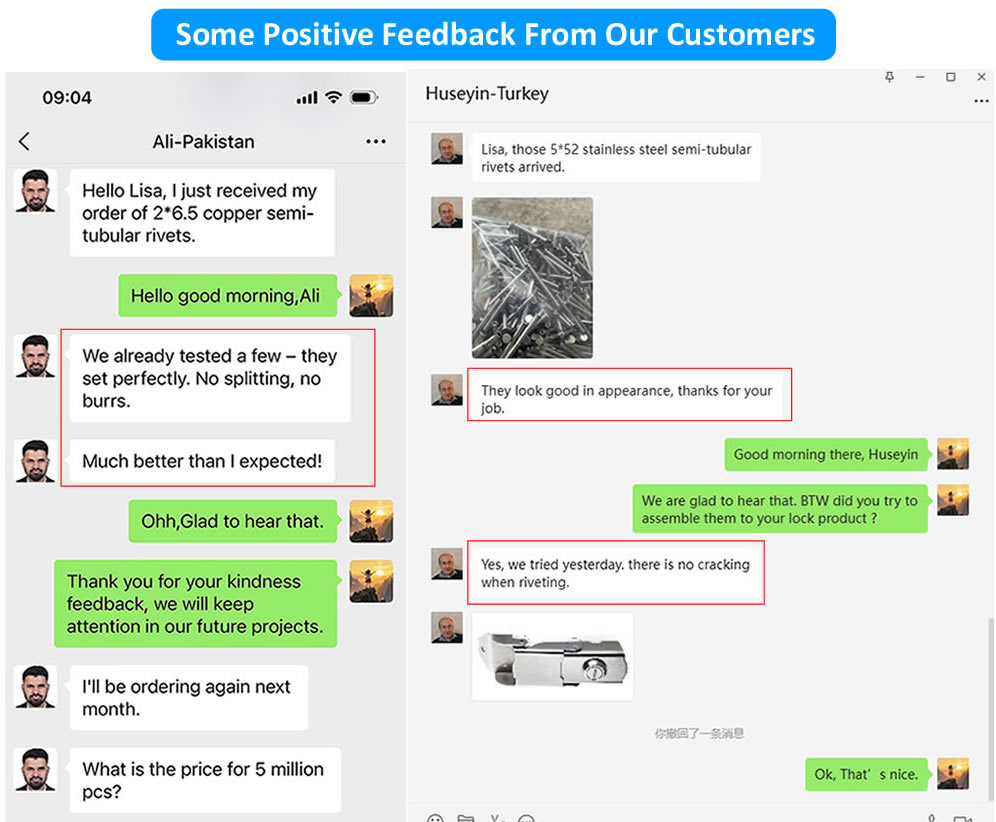
"We switched from plated steel to 316 stainless flat head rivets two years ago. Zero rust complaints since." – Marine equipment manufacturer
"The passivated finish on their rivets is consistent – no staining on our powder‑coated panels." – Outdoor enclosure builder
"Their documentation is complete – material certs, passivation reports, everything we need." – Food processing equipment supplier
What gives them confidence:
- ISO 9001:2015 certified; RoHS and REACH compliant
- SGS test reports available per batch
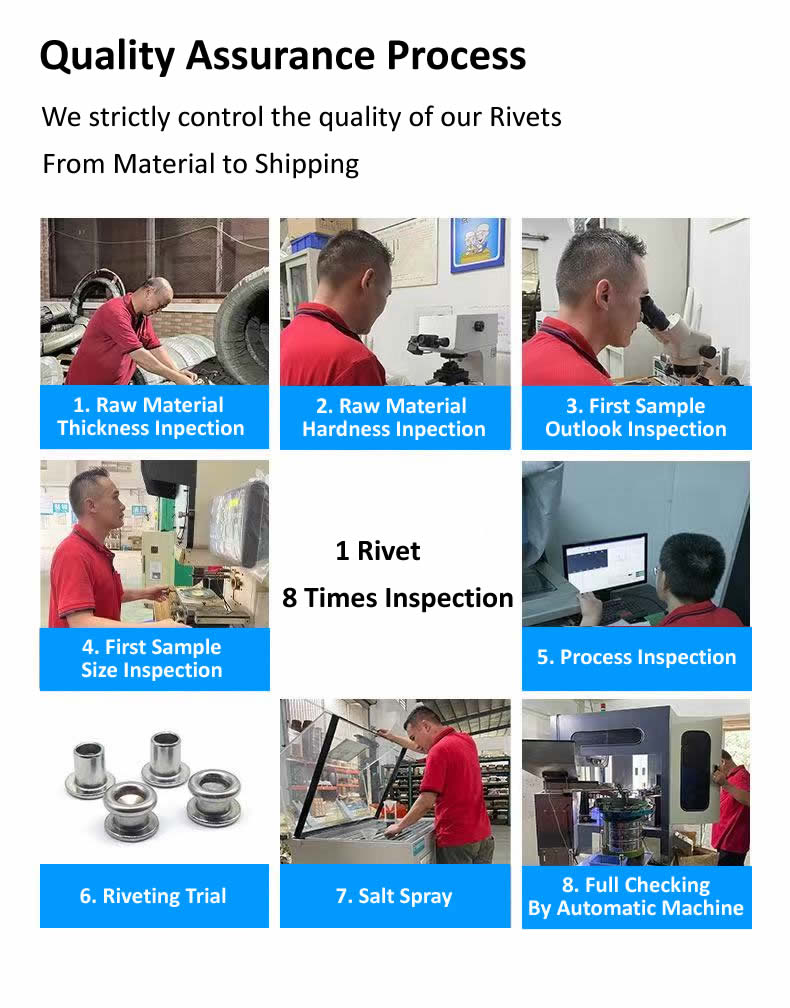
- 100% inspected – laser micrometers, optical comparators, hardness testers, spectrometers, salt spray chambers, XRF gauges
- Full traceability – mill certificates and heat numbers for every coil
- Samples in 5–7 days, production on schedule
Three Questions We Answer Often
Q: "Can I get samples for testing – what is the lead time and cost?"
A: Yes – we offer samples for all our products. For standard stocked specifications, samples are provided free of charge – you only pay the shipping cost. Sample lead time is 5–7 days for standard sizes. For custom sizes or custom tooling, sample availability and lead time depend on the specific requirements. We will provide a sample cost estimate and timeline when we quote. We believe in testing before committing – we want you to be confident in the product before you order production quantities.
Q: "What is the difference between 304 and 316 stainless steel flat head rivets – which one should I choose?"
A: The difference is molybdenum content. 316 contains 2–3% molybdenum, which provides superior resistance to chlorides (saltwater, de‑icing salts, bleach). 304 offers excellent general corrosion resistance but can pit in prolonged saltwater exposure. Choose 304 for general outdoor use – rain, sun, humidity, food contact. Choose 316 for marine environments, coastal installations, chemical plants, and any application where salt spray is present. In the marine control box case above, 316 was the right choice because the boxes were exposed to continuous saltwater.
Q: "Do stainless steel flat head rivets require special handling or storage?"
A: Stainless steel flat head rivets do not require special handling, but they should be stored in a dry environment to avoid surface contamination. Unlike carbon steel, they will not rust if stored properly. However, if they come into contact with carbon steel particles (e.g., from storage bins or tools), those particles can rust and create surface stains – even though the rivet itself is stainless. We recommend storing them in clean, dry conditions, separate from carbon steel products. For marine applications, we recommend passivated finish as standard to ensure the surface is free from any free iron contamination.
Hot Tags: Stainless Steel Flat Head Rivets,China Flat Head Rivets,Stainless Steel Rivets Manufactuer
Product Tag
Related Categories
Send Inquiry
Please feel free to fill your inquiry in the form below. We will reply you in 24 hours.



X
We use cookies to offer you a better browsing experience, analyze site traffic and personalize content. By using this site, you agree to our use of cookies.
Privacy Policy