
Products
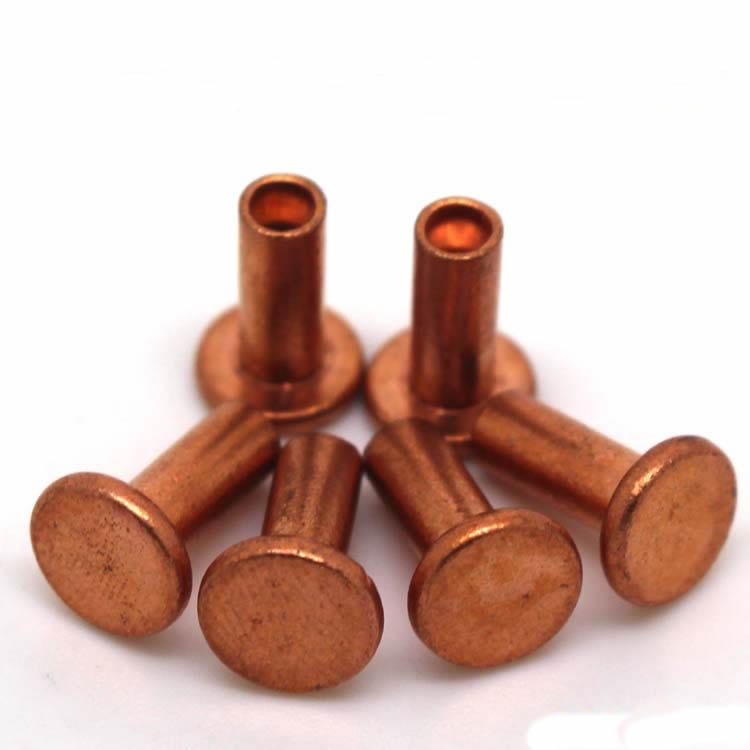
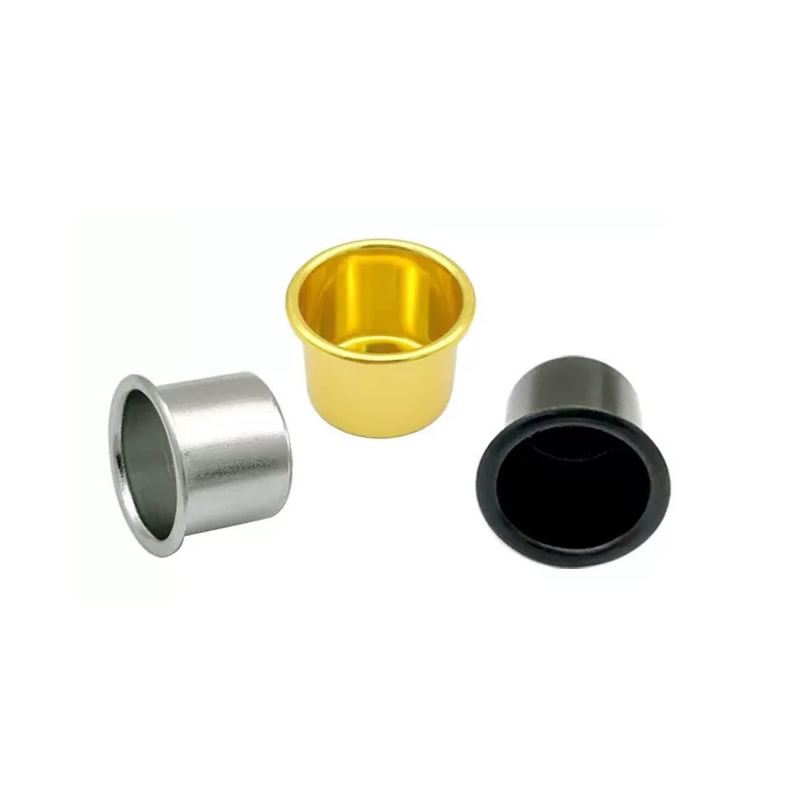
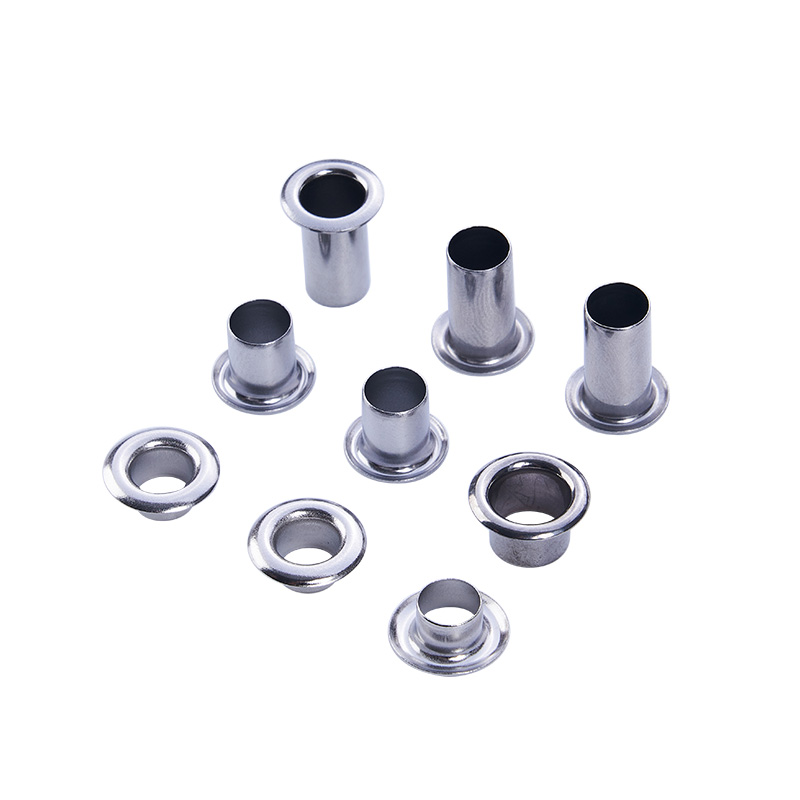
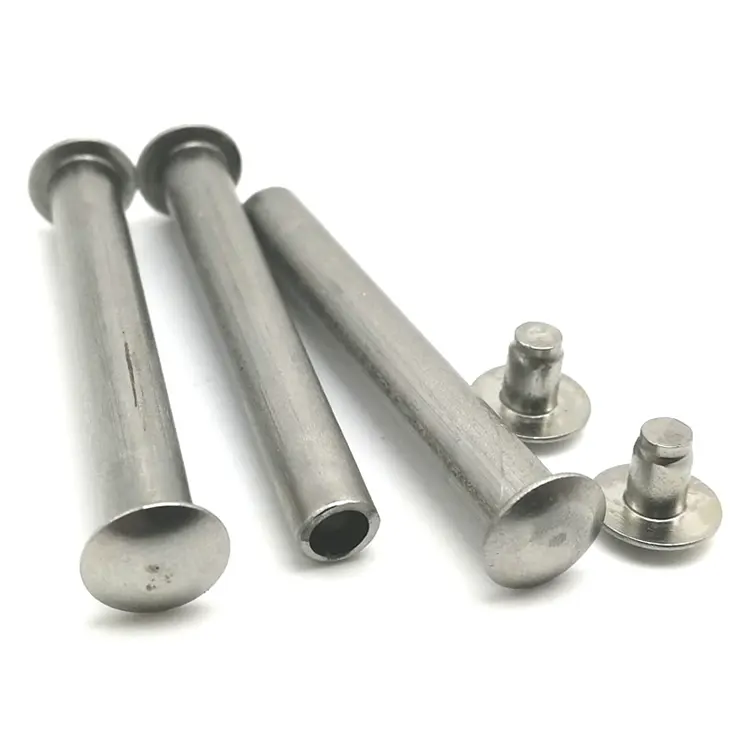
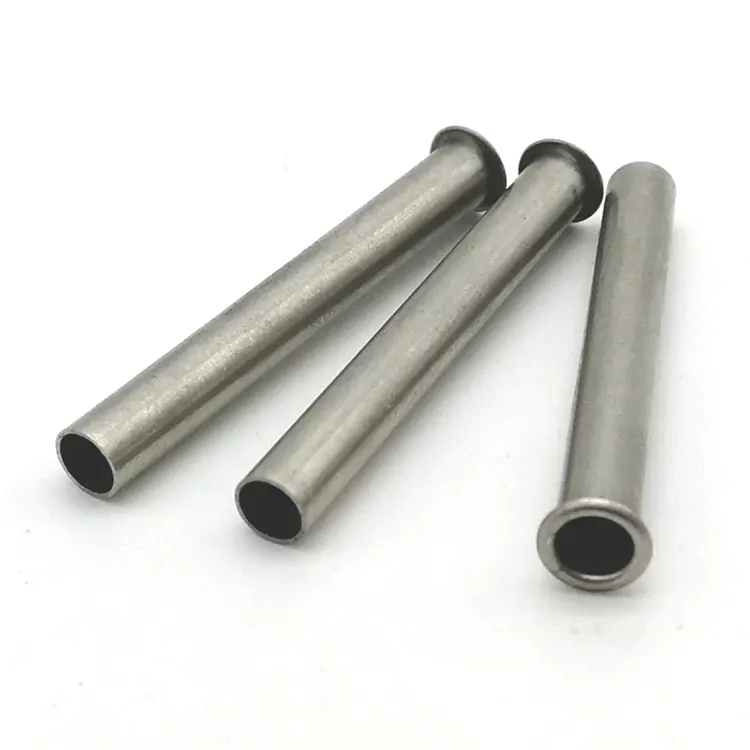
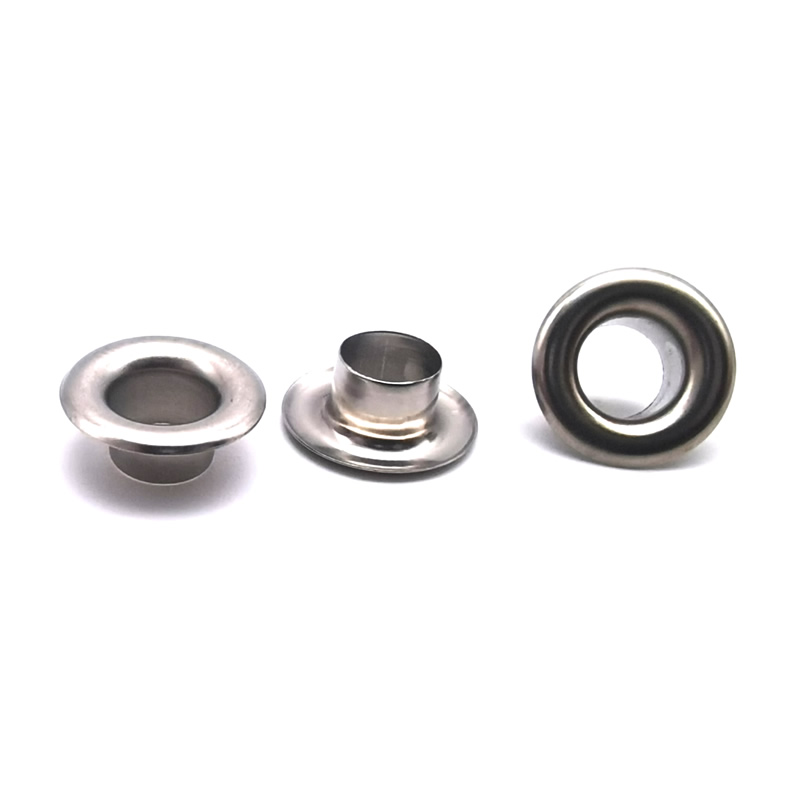
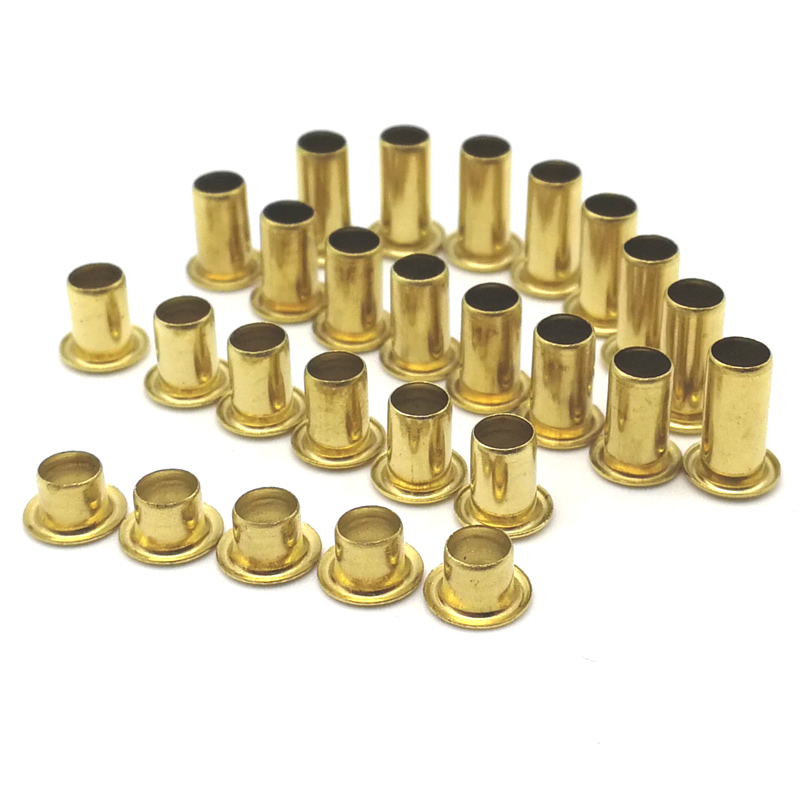
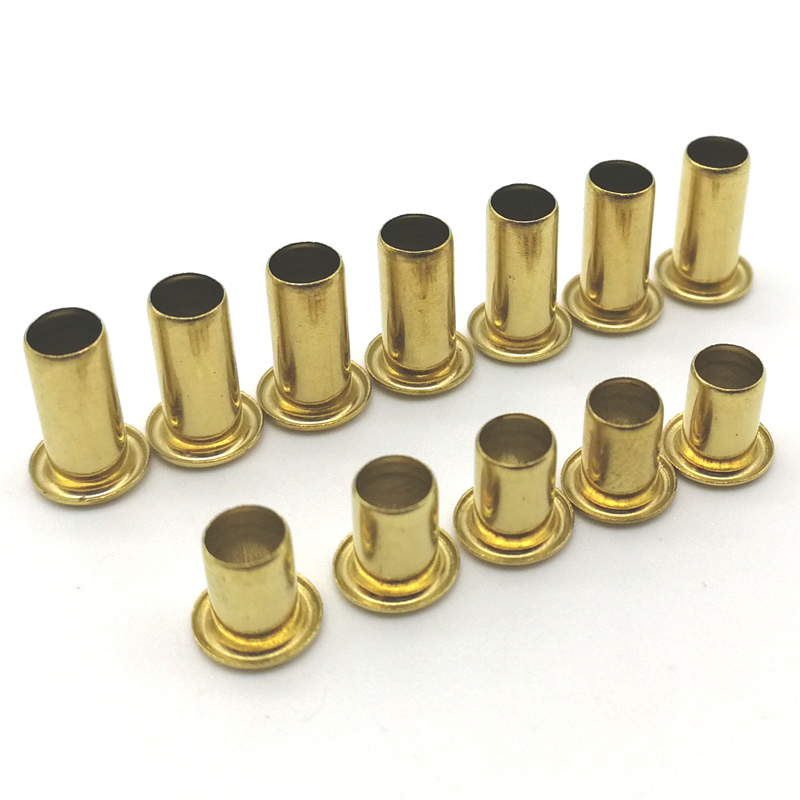
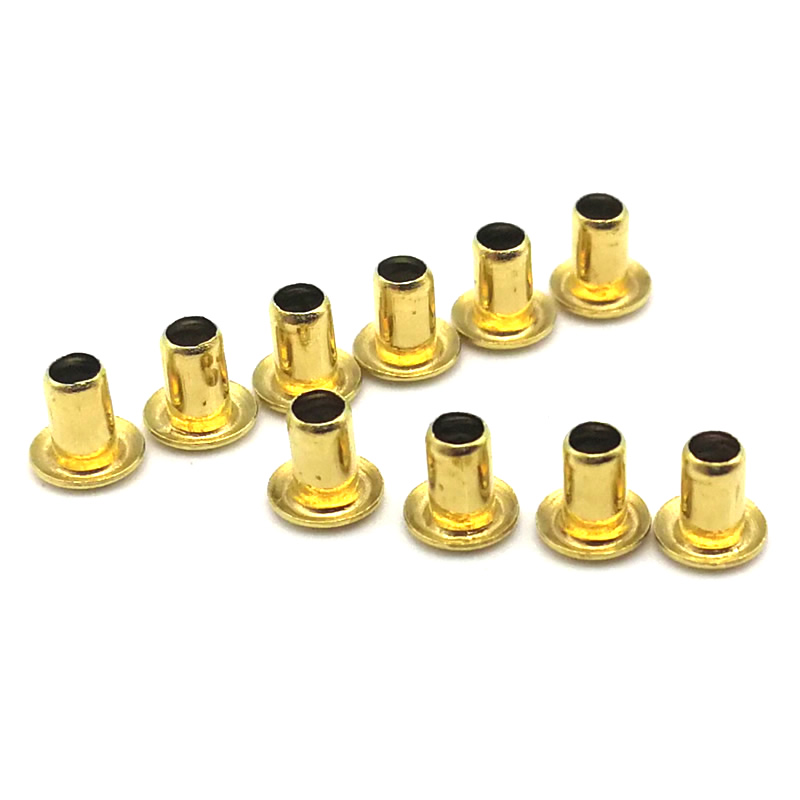
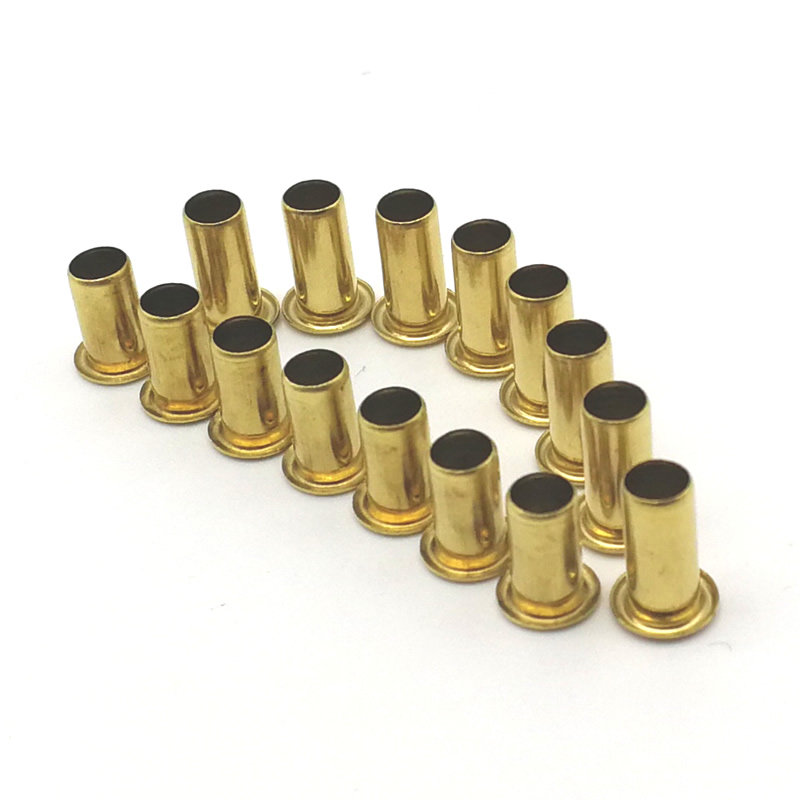
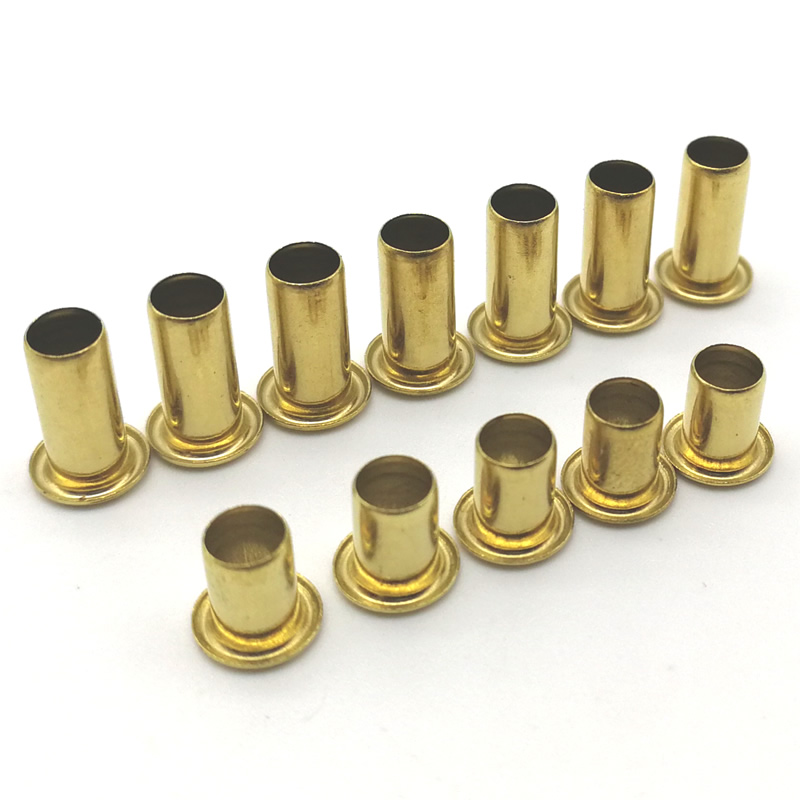
5mm Brass Eyelets
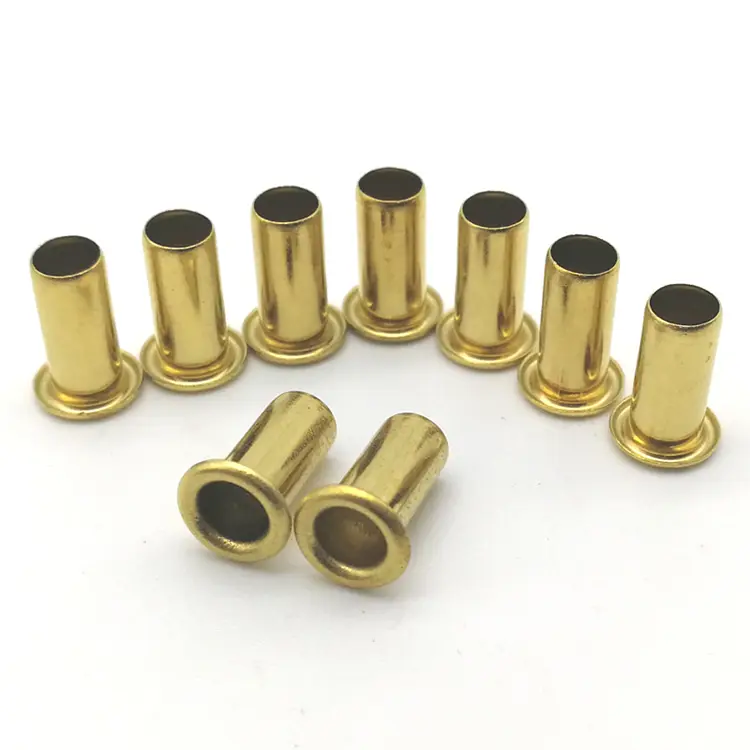
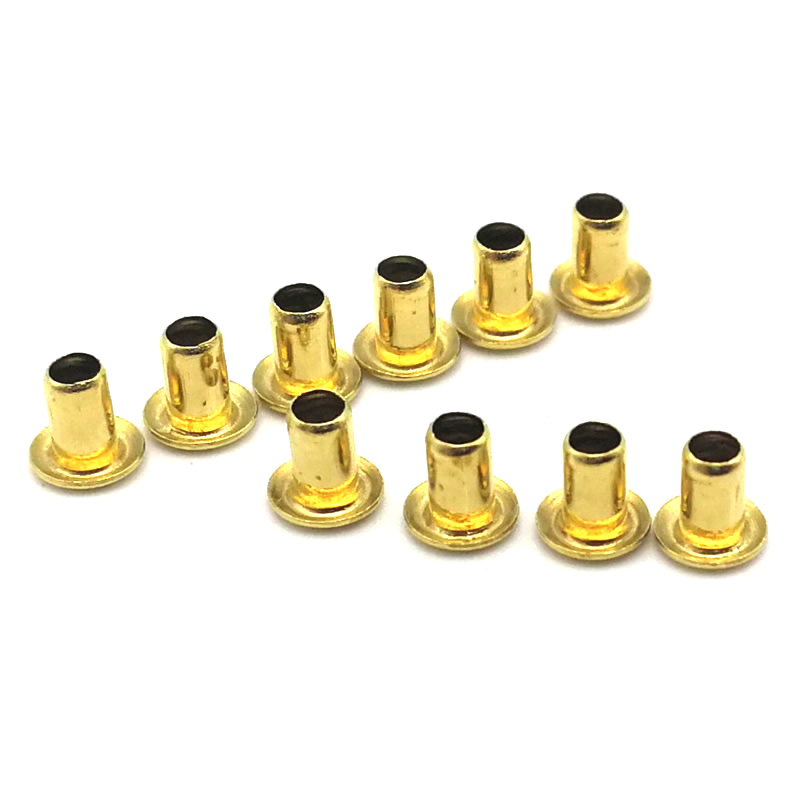
Bigger holes for bigger cords. Our China factory, Nuote Metals, produces Custom 5mm brass eyelets. Perfect for heavy work boots, thick canvas tarps, and marine covers. The wider inner diameter easily accepts 6mm rope or leather lacing, while brass construction resists rust and crushing. Rolled edges protect fabric from tearing under load. Stop forcing thick cords through tiny eyelets. Choose our 5mm size for smoother lacing and longer life. Trust us for factory-direct Custom eyelets.
Send Inquiry
Product Description
A belt is only as good as its holes. Too tight, the leather stretches. Too loose, the buckle slips. And if the eyelet rusts or pulls through, the belt is ruined. For leather goods makers, the choice of eyelet is not a detail – it is a durability decision.
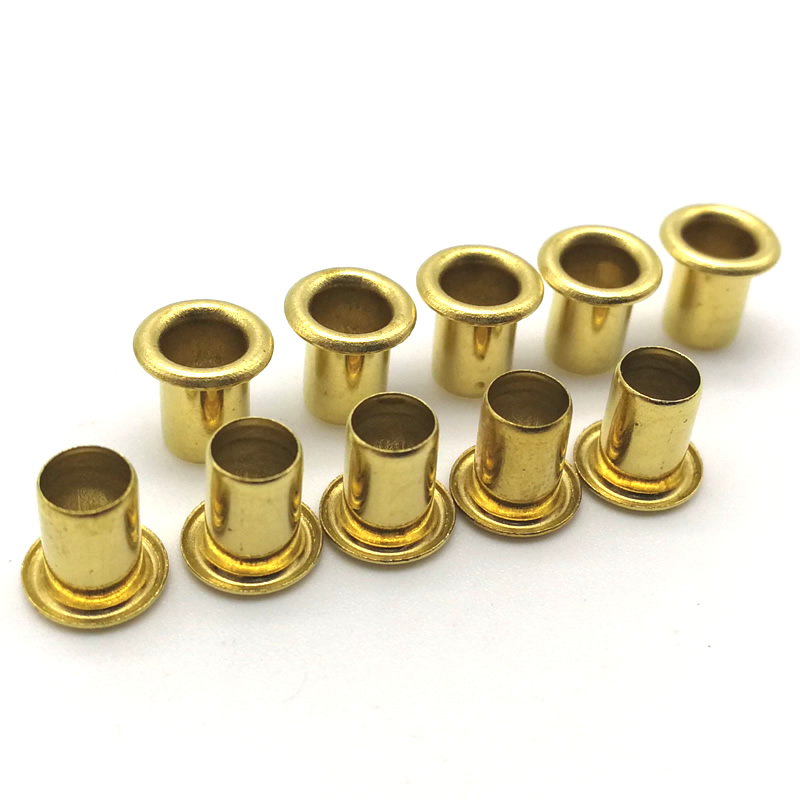
Nuote Metals manufactures 5mm brass eyelets specifically for leather, canvas, and heavy fabrics. The 5mm inner diameter fits standard belt prongs, cordage, and small hardware. Made from C2680 brass (higher zinc content for increased hardness) with optional nickel plating, these eyelets resist sweat, humidity, and daily wear. This page walks you through one real order from a belt manufacturer, then gives you the technical data and quality controls behind every piece.
One Customer’s Story – 20 Eyelets Per Belt, Zero Failures
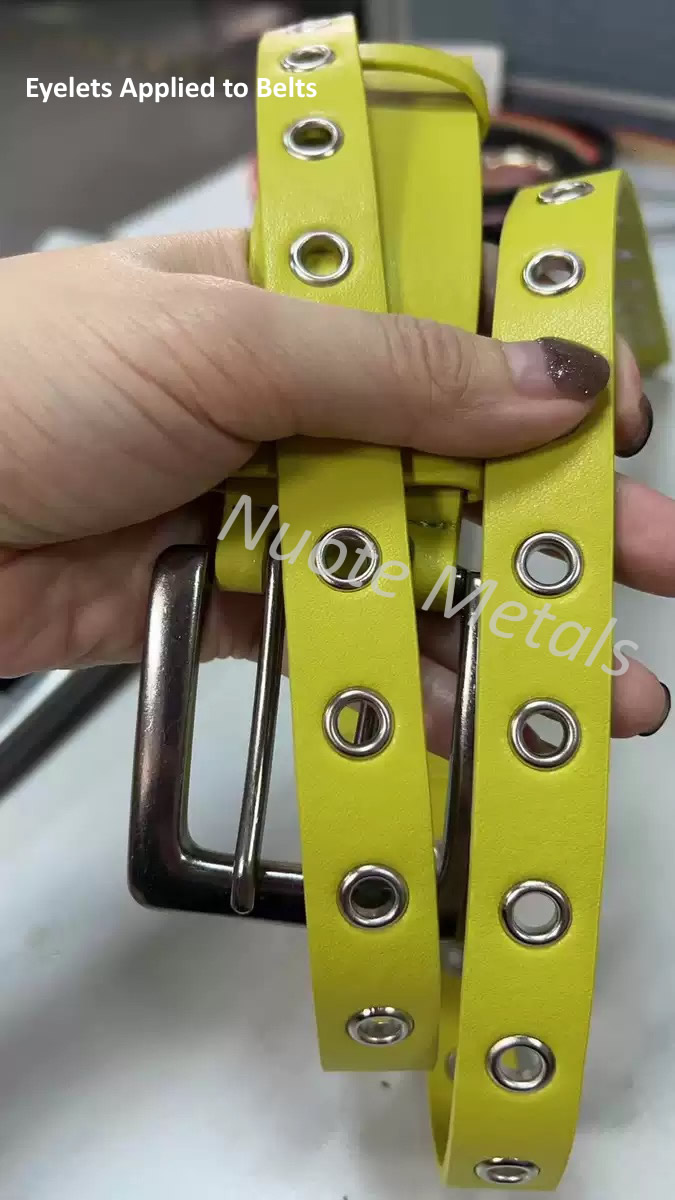
A mid‑size leather workshop produced custom belts for retail and corporate clients. Their signature design featured a removable buckle with 10 adjustment holes on each side – 20 5mm brass eyelets per belt. The original eyelets were raw brass without plating. After a few months of use, the brass tarnished and left green marks on the leather. Worse, some eyelets loosened because the barrel length was too short for the 3.5mm thick leather.
The workshop owner contacted Nuote Metals for a solution. We supplied C2680 brass 5mm brass eyelets with nickel plating, using a 5mm barrel length (suitable for 3.5–4.0mm leather). The nickel plating prevented tarnishing and matched the silver buckle finish. The wide 9mm flange distributed tension evenly, eliminating pull‑through.
The workshop first ordered 10,000 eyelets as a trial – enough for 500 belts. After three months of wear testing and customer feedback, they placed a production order for 300,000 pieces. Subsequent annual orders have ranged from 300,000 to 500,000 eyelets. Each belt uses exactly 20 of our eyelets, with zero reported field failures.
Real Customer Feedback
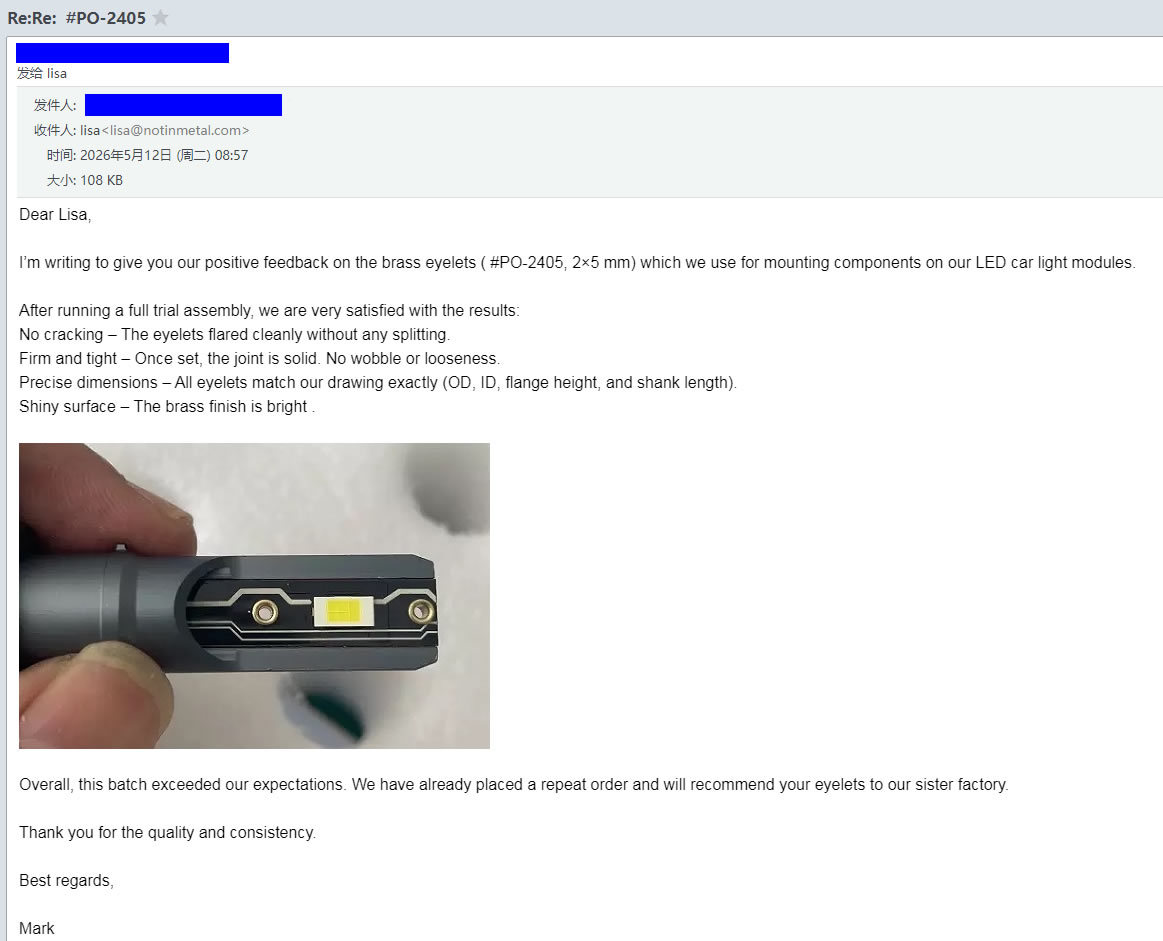
Technical Parameters – What Makes a 5mm Brass Eyelet
Material and Finish Options
| Material | Alloy | Best For | Typical Finish |
|---|---|---|---|
| Brass | C2680 (higher zinc) | Leather, canvas, fabric (harder, more wear‑resistant) | Natural lacquered, nickel‑plated, antique |
| Optional nickel plating | — | Sweat resistance, silver colour | 96 hrs salt spray (ASTM B117) |
For the belt case, C2680 brass with nickel plating was chosen for its increased hardness and corrosion resistance.
Standard Dimensions (5mm Inner Diameter)
| Inner Dia (mm) | Outer Flange (mm) | Barrel Lengths (mm) | Flange Thickness | Recommended Leather Thickness |
|---|---|---|---|---|
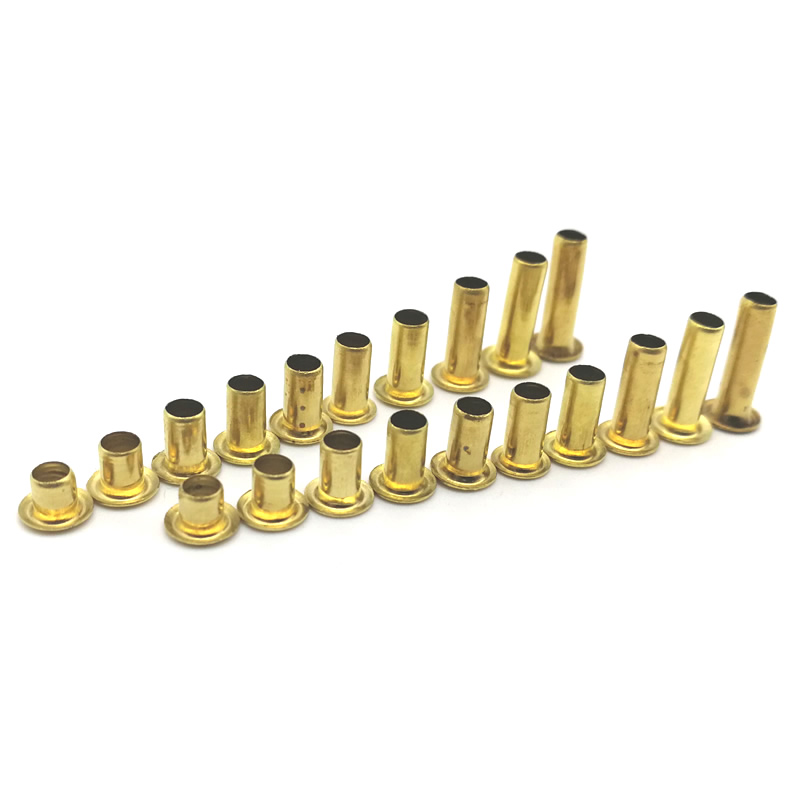
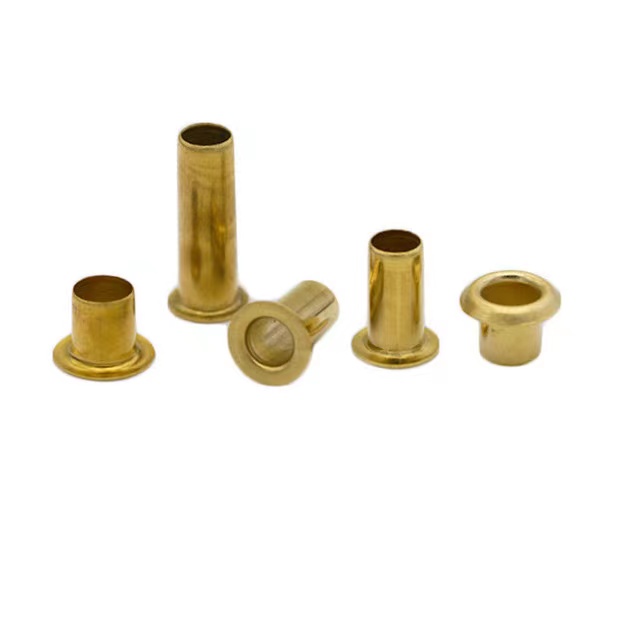
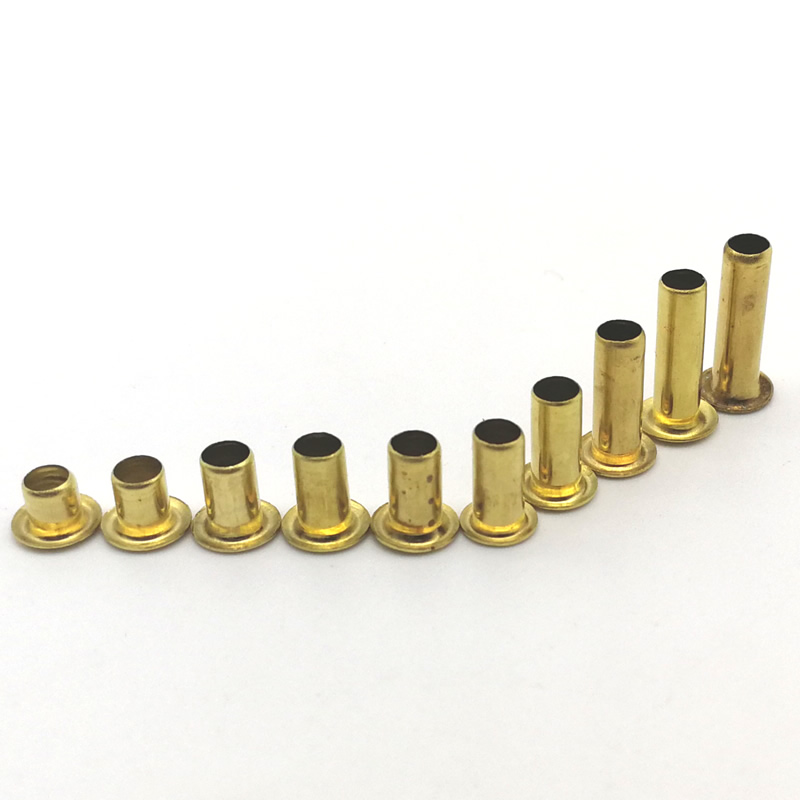
| 5.0 | 9.0 – 10.0 | 4.0, 5.0, 6.0, 7.0, 8.0 | 0.5 – 0.6 mm | 2.0 – 5.5 mm |
For 3.5mm thick leather, we recommend a barrel length of 5.0mm – this leaves 1.5mm for the rolled clinch.
Mechanical Data (Set into 3.5mm Leather)
| Property | Value |
|---|---|
| Pull‑out force (axial) | 55 – 70 kg (121 – 154 lbs) |
| Recommended hole size | 5.15 – 5.25 mm |
| Setting force (hand press) | 0.8 – 1.2 tons |
How We Make Eyelets--See The Video
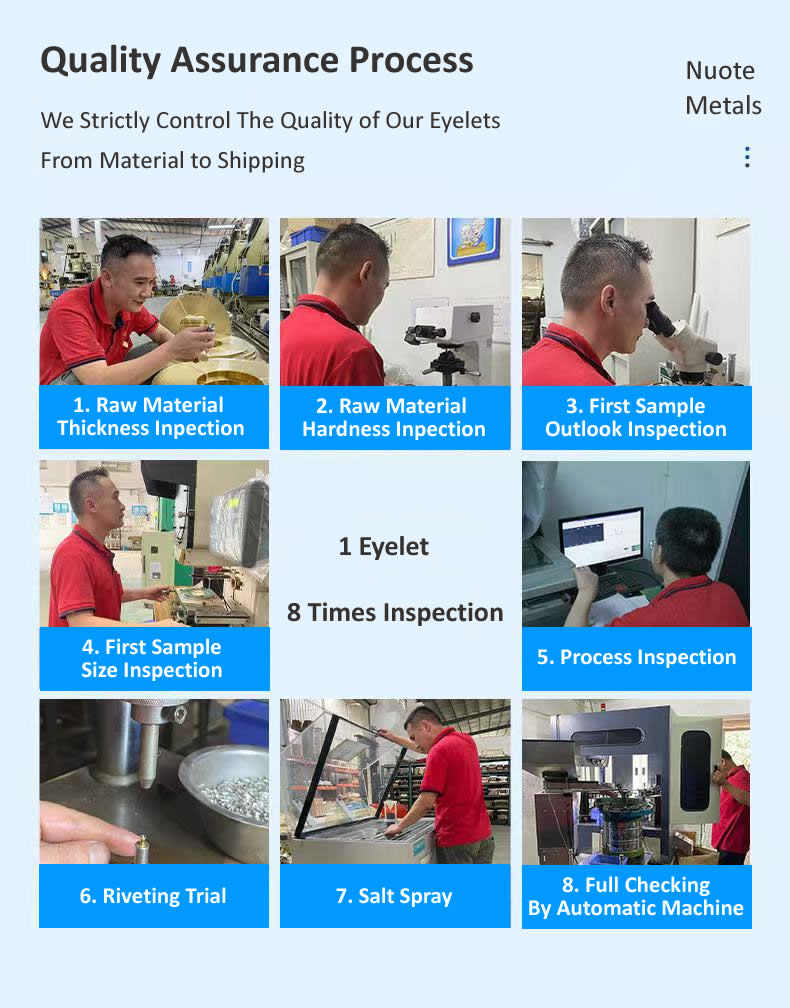
How We Control Quality – One Eyelet, Eight Checks
We do not batch‑test randomly. Every order of 5mm brass eyelets goes through a documented sequence using calibrated instruments.
- Raw material diameter check – Incoming brass wire is measured with a digital micrometer (±0.001mm). Reject if outside 5.00 ±0.02mm.
- Raw material hardness check – Rockwell hardness tester (HRB). Acceptable range for C2680: HRB 65–80.
- First article appearance check – First 10 eyelets examined under 20× microscope. Look for cracks, burrs, or uneven flange.
- First article dimensional check – Using caliper, micrometer, and optical comparator. Head diameter, flange thickness, inner diameter, barrel length, and concentricity all recorded.
- In‑process inspection – 5 eyelets every 500 pieces. Check inner diameter and barrel length with go/no‑go gauge.
- Test setting (trial riveting) – Every 2,000 pieces, set 3 eyelets into sample leather (same thickness as customer’s). Inspect clinch symmetry and pull resistance.
- Salt spray test (if nickel‑plated) – ASTM B117, 96 hours minimum. Certificate issued per batch.
- Final outgoing inspection – 100% optical sorting (cameras check ID, flange, length). Then AQL sample (Level II, 1.0) manually verified with calipers and projector.
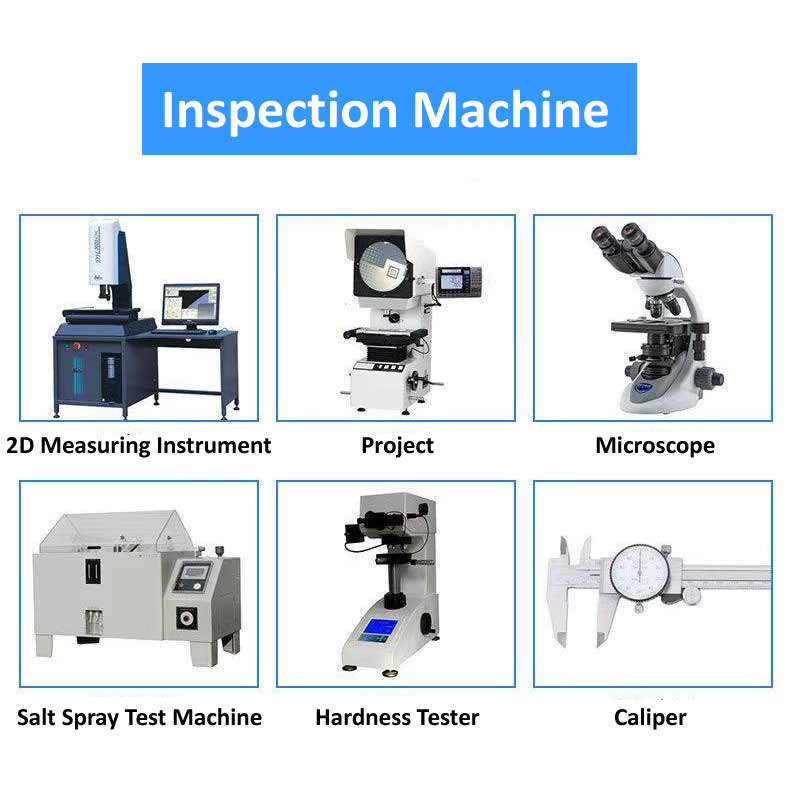
Our In‑House Inspection Equipment
We use the following calibrated instruments to verify every batch:
| Equipment | Purpose |
|---|---|
| Digital caliper | Measure flange diameter, total length |
| Micrometer | Precision measurement of inner diameter, wire diameter |
| 2.5D image measuring system (二次元) | Full contour measurement, hole position, concentricity |
| Profile projector (optical comparator) | Inspect cavity depth, flange angle, edge radius |
| Rockwell hardness tester | Check hardness of incoming brass wire |
| Salt spray test chamber | Corrosion resistance testing for nickel‑plated eyelets |
All equipment is calibrated annually by an accredited third‑party lab. Records are kept for five years.
What You Receive With Every Order
- Mill test certificate (C2680 brass composition)
- Dimensional inspection report (10 pieces measured)
- Nickel plating thickness certificate (if plated)
- Salt spray test certificate (if requested)
- Certificate of Conformance (signed, batch‑traceable)
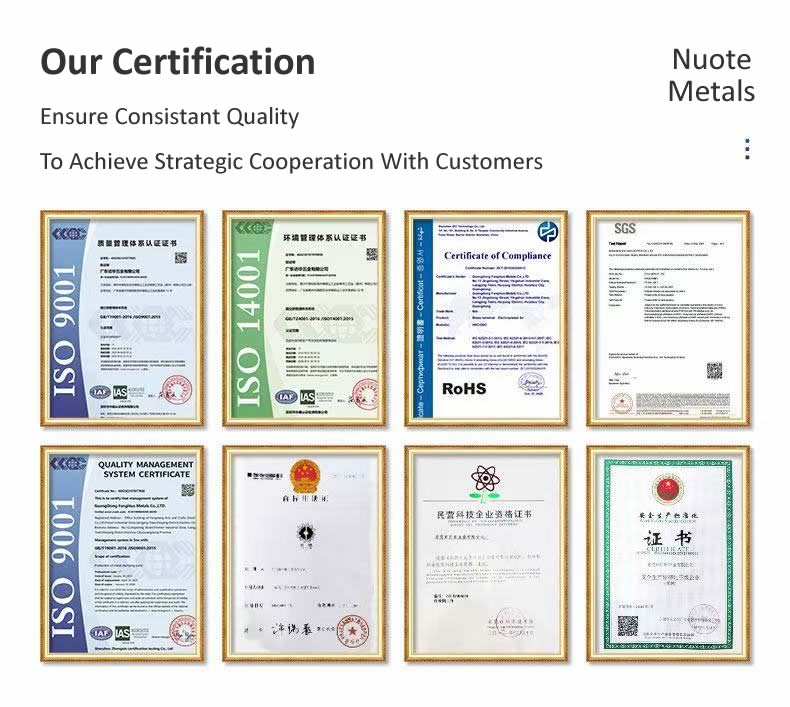
Nuote Metals is ISO 9001:2015 certified. RoHS and REACH declarations provided.
Policies for Belt Makers and Other Customers
- Samples – 20–50 free pieces for standard 5mm sizes (customer pays shipping). Test on your actual leather.
- Trial order – 10,000 pieces recommended for first‑time validation.
- Production MOQ – 30,000 pieces (nickel‑plated C2680)
- Lead time (stock) – 5–7 business days
- Lead time (custom barrel) – 10–12 days
- Tooling charges – None for standard 5mm tooling
Three Questions We Answer Often
Q1: My leather belt is 3.5mm thick. What barrel length should I choose for a 5mm brass eyelet made of C2680?
A: Select a barrel length 1.0–1.5mm longer than your material thickness. For 3.5mm leather, use a 5.0mm barrel. That leaves 1.5mm of barrel to roll outward. Too short (4.0mm), and the clinch will be weak. Too long (6.0mm), and the barrel may crumple. For the belt maker above, we supplied 5.0mm barrels. C2680 brass is slightly harder than C2600, so it holds the clinch more firmly. If your leather varies (e.g., 4.0mm at the fold), send us a sample, and we will recommend the exact length.
Q2: Why C2680 brass instead of C2600 for belt eyelets?
A: C2680 contains approximately 65% copper and 35% zinc – higher zinc than C2600 (70/30). This gives C2680 increased hardness and wear resistance, which is beneficial for eyelets that experience repeated friction from belt prongs. It also has a brighter, more golden colour. The trade‑off is slightly lower ductility, but for standard barrel lengths up to 6mm, we have not observed cracking. For the belt case, the customer chose C2680 after testing both alloys. We stock both and can advise based on your application.
Q3: Can I set 5mm brass eyelets with a hand hammer, or do I need a press for 300,000 pieces?
A: For trial quantities (10,000 pieces), a hand hammer with a concave anvil is acceptable. For production volumes of 300,000–500,000 pieces, we strongly recommend a pneumatic or hydraulic press. It ensures consistent clinch force, reduces operator fatigue, and prevents damage to the nickel plating. The belt maker uses a foot‑operated press at 1.0 ton. We provide a setting guide with recommended force for each barrel length and material thickness.
Try 20 Eyelets on Your Own Leather
We can mail you 20–50 pieces of 5mm brass eyelets in C2680 with nickel plating and your choice of barrel length. Punch 5mm holes in a scrap belt piece. Set the eyelets. Pull. Compare.
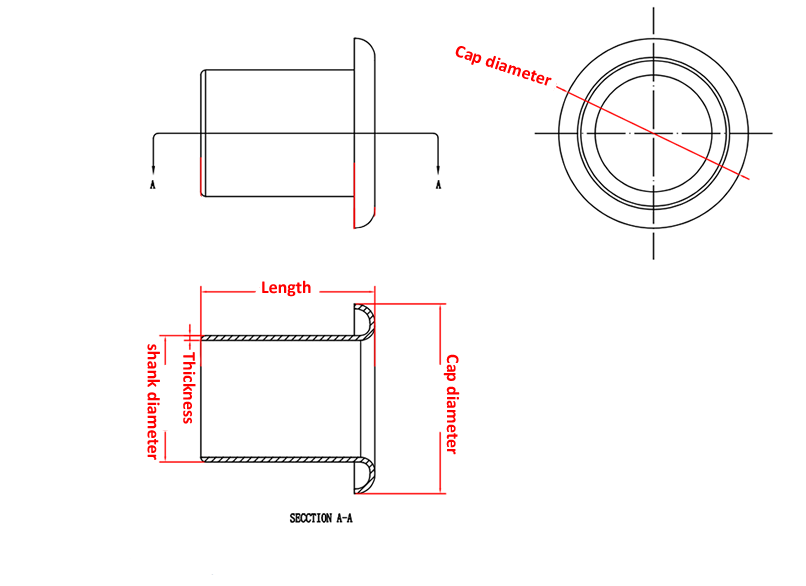
Send us the dimension of the eyelets as per our above drawing.
Contact Nuote Metals with your leather thickness and desired finish. Free samples ship within one business day.
Hot Tags: 5mm Brass Eyelets,China Brass Eyelets,Brass Eyelets Factory
Related Categories
Send Inquiry
Please feel free to fill your inquiry in the form below. We will reply you in 24 hours.



X
We use cookies to offer you a better browsing experience, analyze site traffic and personalize content. By using this site, you agree to our use of cookies.
Privacy Policy