
Products
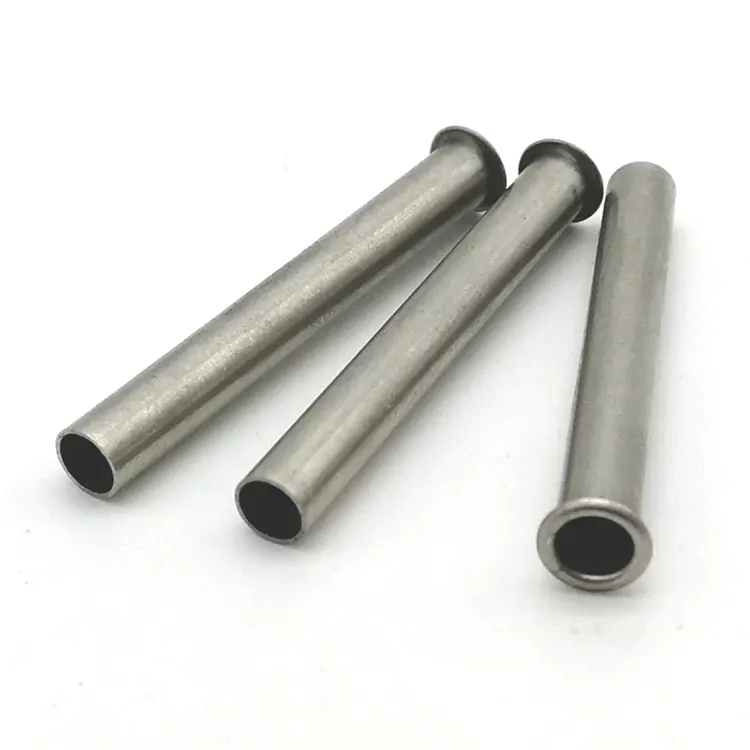
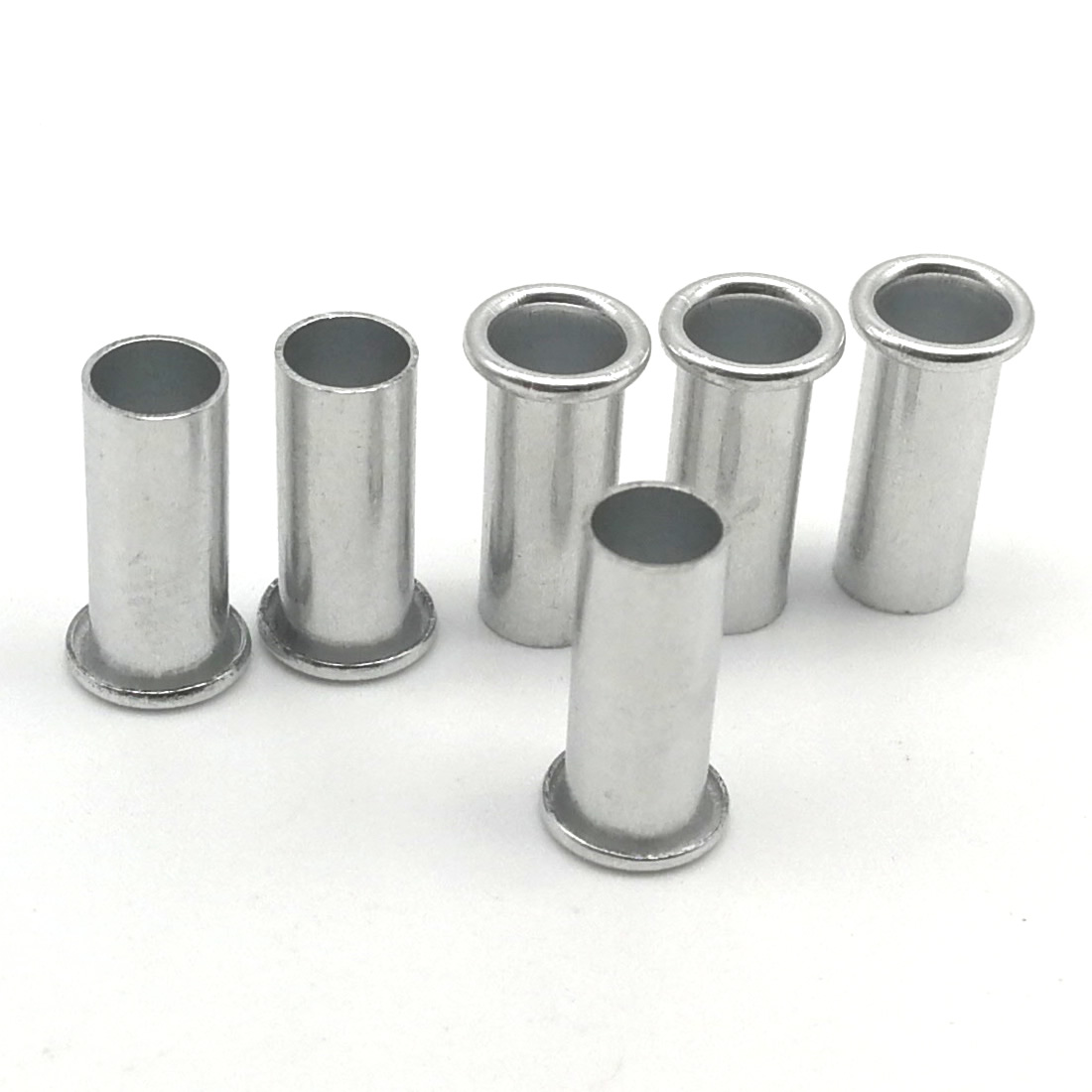
Aluminum Hollow Rivets
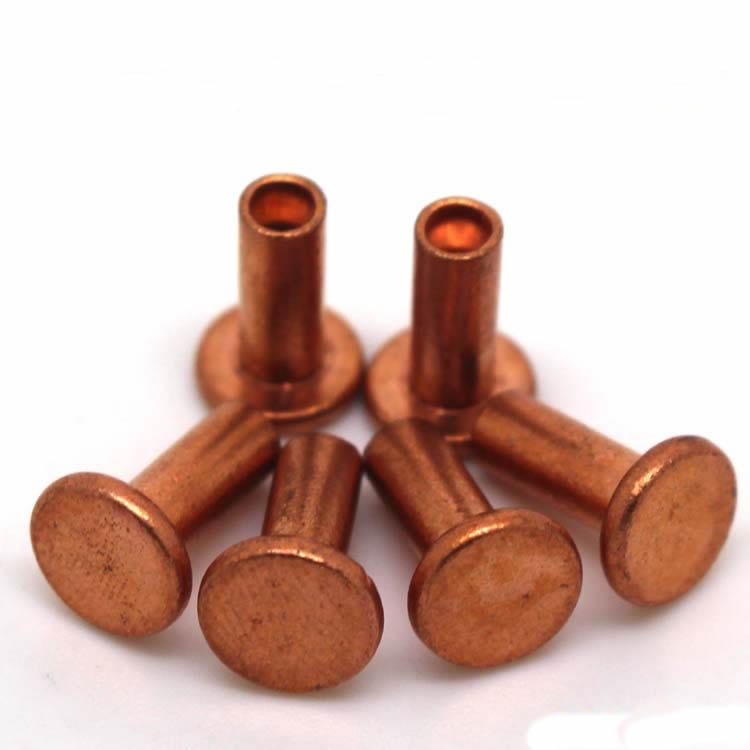
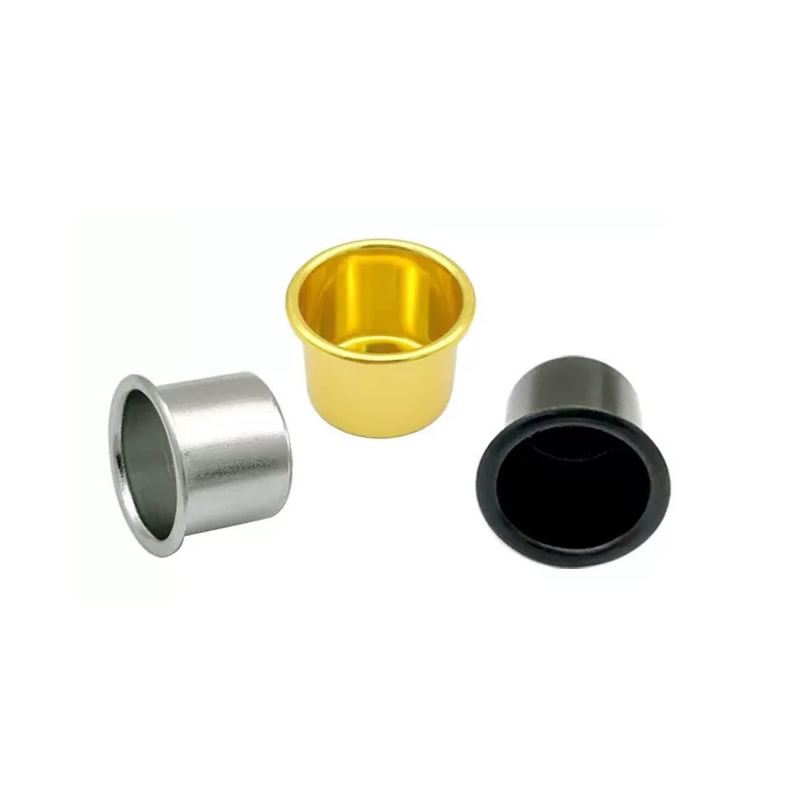
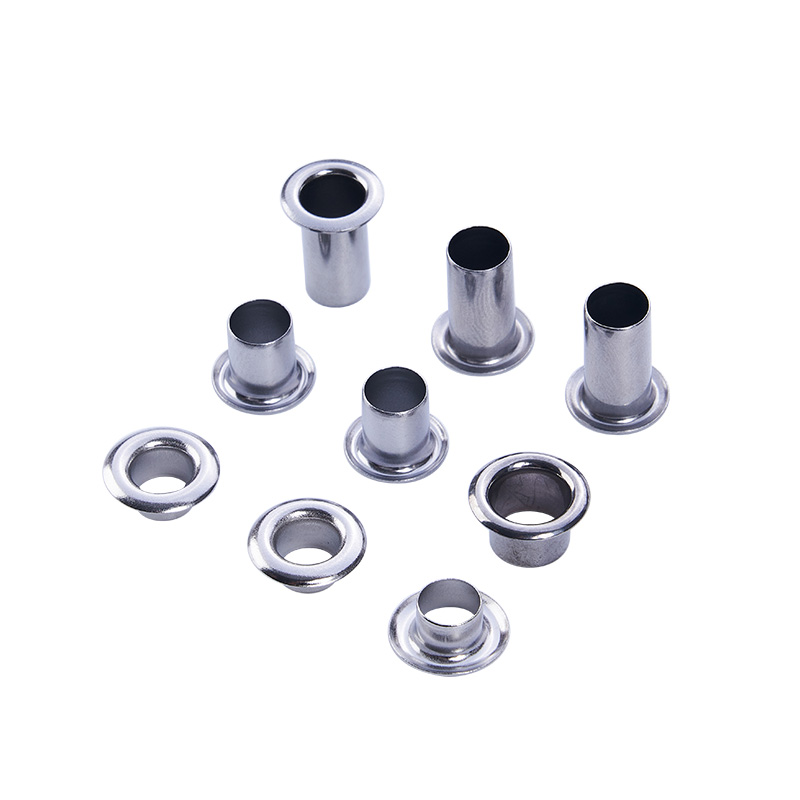
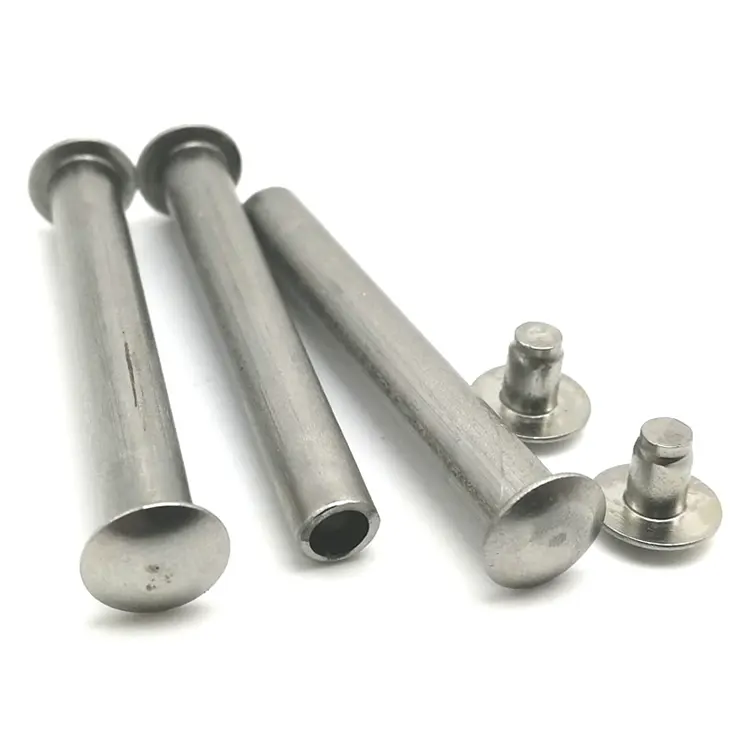
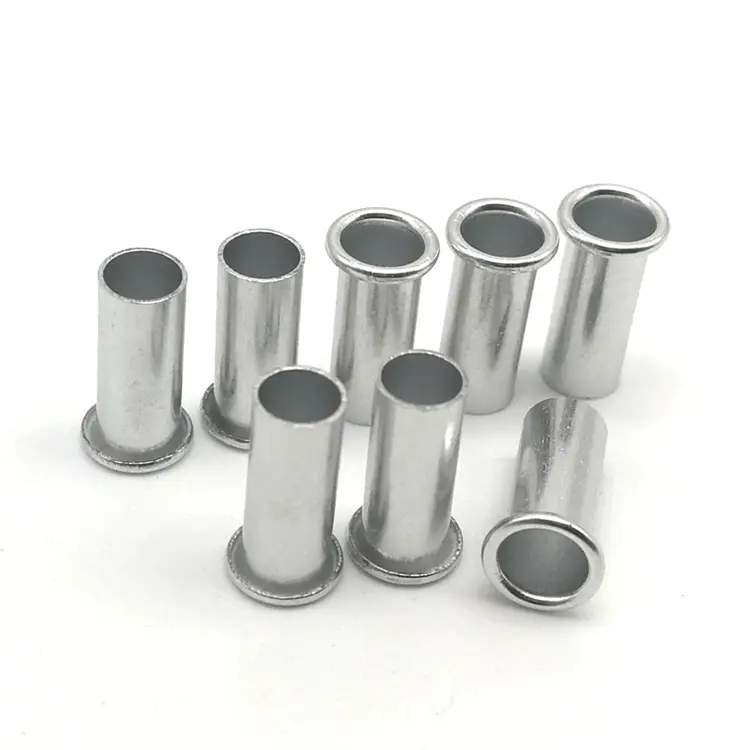
Aluminum hollow rivets are a kind of common fastener, they are widely used in many fields due to their light weight, corrosion resistance and good electrical conductivity. Nuote Metals produces and sells aluminium hollow rivets in China, we have more than 10 years working experience in this industry.
Send Inquiry
Product Description
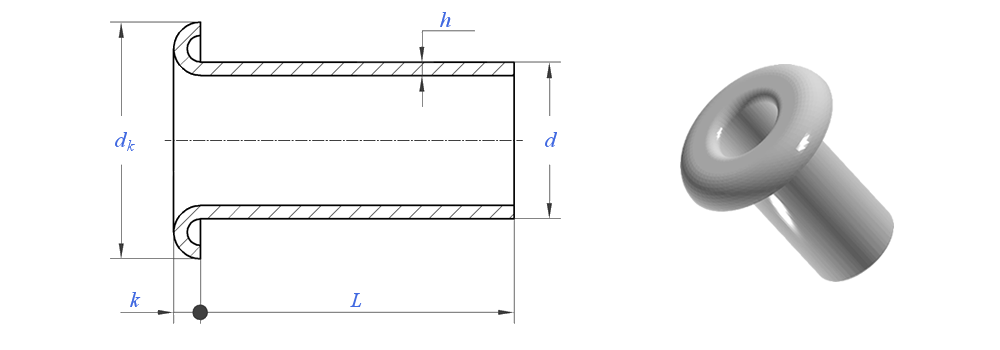
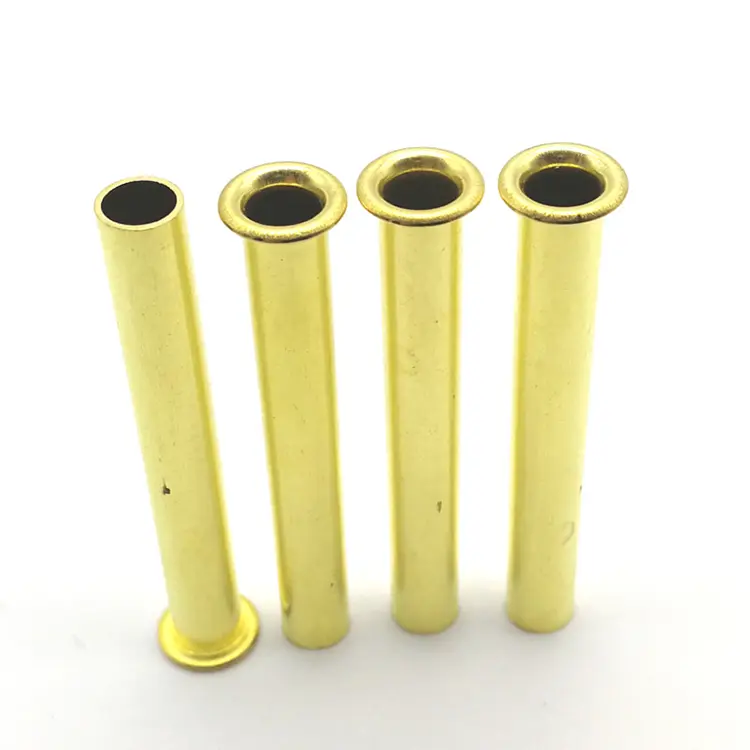
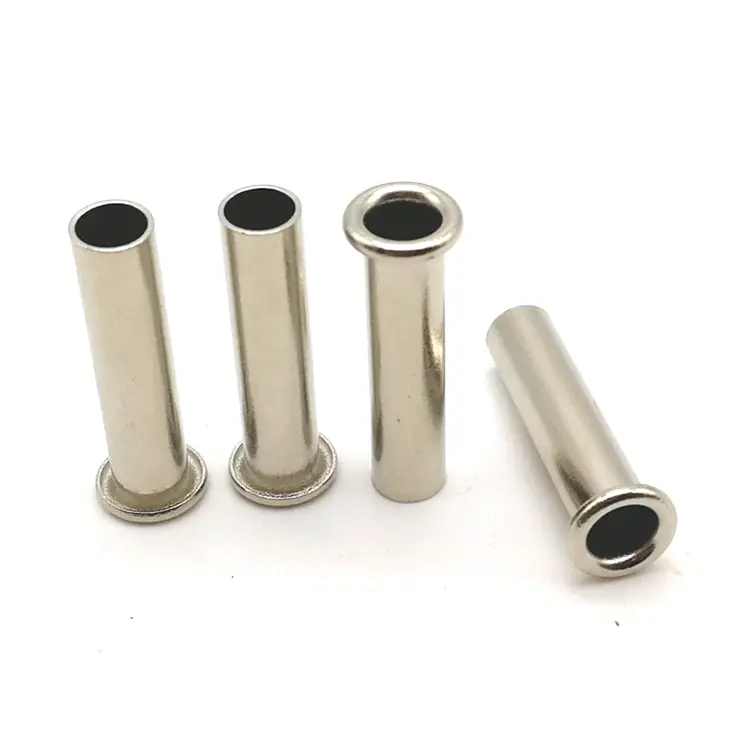
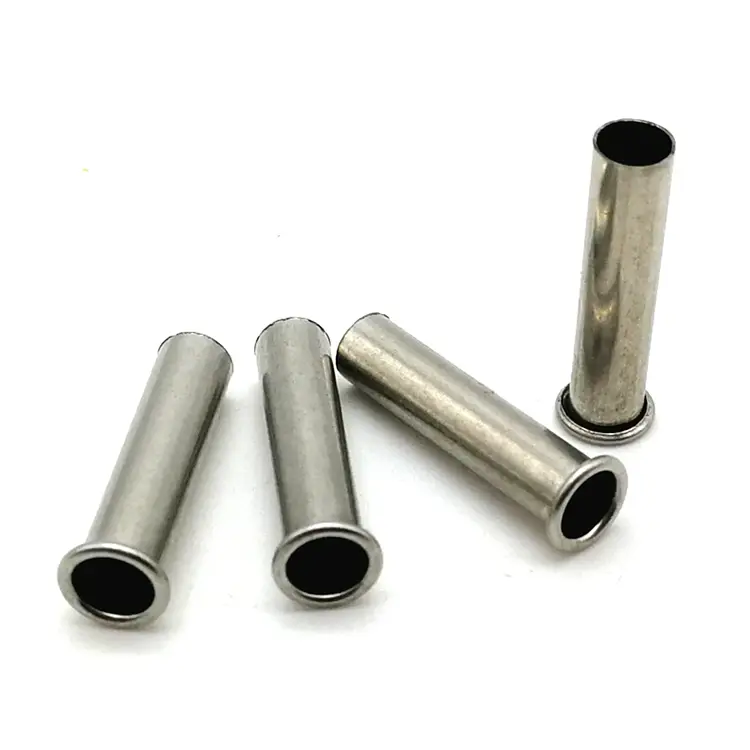
Aluminum hollow rivets are fully hollow fasteners made from aluminum tube stock – cut to length with a head formed on one end. This delivers uniform wall thickness, a consistent inside bore, and a clean finish. At roughly one-third the weight of steel, they are the lightest option in the hollow rivet family. They are non-magnetic, naturally corrosion-resistant, and ideal for weight-sensitive assemblies where a permanent, low-force fastener is required.
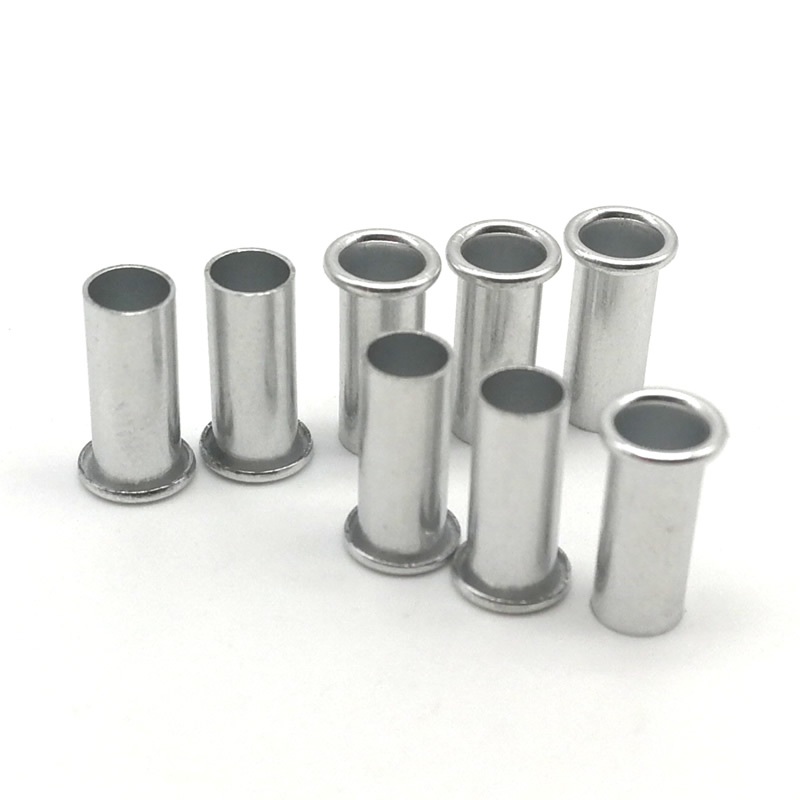
We manufacture them from aluminum tube stock in multiple grades to match your application requirements.
Material Options – Pure Aluminum and Alloys
| Grade | Type | Tensile Strength | Best For |
|---|---|---|---|
| 1100 | Pure aluminum | 90 – 130 MPa | Non-structural, decorative, lightweight enclosures |
| 5052 | Alloy | 220 – 280 MPa | General purpose, moderate loads, corrosion resistance |
| 5056 | Alloy | 280 – 350 MPa | High-strength, marine, outdoor, structural assemblies |
| 6061 | Alloy | 240 – 310 MPa | General structural, automotive, industrial |
Choose 1100 for non-structural applications where weight is critical and strength requirements are low.
Choose 5052 for general-purpose lightweight assemblies where moderate strength and corrosion resistance are needed.
Choose 5056 for higher-strength requirements, marine environments, and maximum corrosion resistance.
Choose 6061 for structural applications requiring good strength and machinability.
Available Finishes
We offer multiple surface finishes for aluminum hollow rivets to match your application requirements:
| Finish | Appearance | Best For |
|---|---|---|
| Plain (as-formed) | Natural silver | General purpose, indoor applications |
| Clear anodized | Silver, slightly enhanced | Corrosion protection, clean appearance |
| Color anodized | Various colors | Brand identity, decorative, identification |
One Real Application – Wooden Craft Figurines
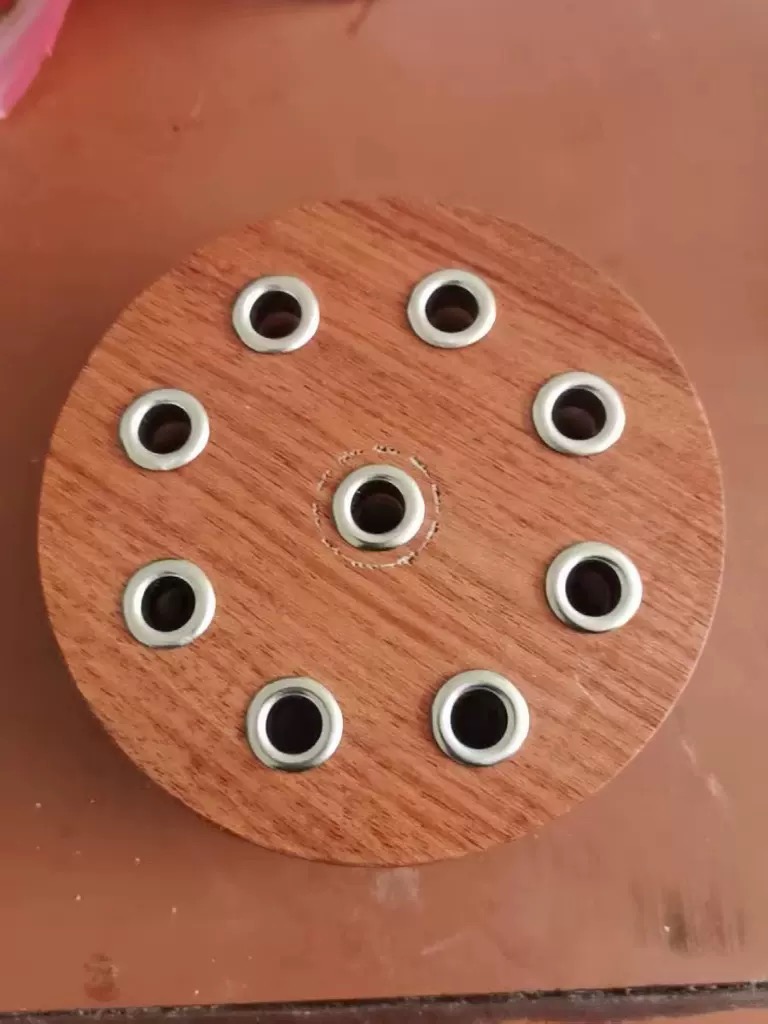
A manufacturer of handcrafted wooden figurines and decorative crafts needed a lightweight, non-magnetic fastener for attaching moving arms and accessory parts. Each figurine required 9 hollow rivets – 3 for each arm joint and 3 for decorative attachments. The previous steel rivets added unnecessary weight and caused the figurines to tip over. The customer needed a lighter fastener that would not split the soft wood during installation.
We supplied 5052 aluminum hollow rivets – 2.5mm shank, 5.0mm round head, 4.0mm barrel length, plain finish. The aluminum rivets reduced overall weight by 60% – the figurines remained stable and balanced. The hollow design flared with minimal force – no splitting of the soft wood. The non-magnetic aluminum caused zero interference. The customer tested 500 figurines (4,500 rivets). After 5,000 movement cycles, zero loosening, zero splits. They now order our hollow rivets in batches of 200,000 pieces annually.
How We Manufacture Hollow Rivets – Tube Cutting + Heading
Aluminum hollow rivets are manufactured exclusively from aluminum tube stock – not drawn from sheet. This process ensures uniform wall thickness and a consistent inside bore.
1. Tube Stock Procurement – Certified aluminum tube (1100, 5052, 5056, or 6061) from approved mills. Each batch comes with a mill test certificate and heat number.
2. Incoming Material Inspection – Tube stock checked for outside diameter (±0.02mm), wall thickness, and material composition (spectrometer). Tubes outside specification are rejected.
3. Tube Cutting – The tube is cut to precise blank length. Each blank becomes one rivet.
4. Heading – The cut tube blank is placed into a heading press. A carbide die forms the head (round, flat, or countersunk) on one end.
5. Trimming – Flash around the head edge is removed.
6. Tumbling – Micro-burrs are eliminated.
7. Surface Finishing (if specified) – Anodizing, chem-film, or bright dipping applied as required.
8. Final Inspection – 100% optical sorting. AQL sample manually verified. Dimensional report, material certificate, and Certificate of Conformance issued.
Sample lead time: 5–7 days standard; custom tooling: 15–20 days.
Precision Inspection Equipment – Safeguarding Quality at Every Step

To ensure every batch of aluminum hollow rivets meets your specifications, we maintain a full range of calibrated inspection equipment:
Laser micrometer – High-speed, non-contact measurement of shank diameter, outer diameter, and wall thickness to ±0.02mm accuracy.
Optical comparator (profile projector) – Visual inspection of head profile, flange diameter, edge radius, and overall shape.
2.5D image measuring system – Automated measurement of inner diameter, flange concentricity, barrel length, and surface flatness.
Spectrometer – Material composition verification for aluminum grades.
Rockwell hardness tester – Raw material and finished product hardness verification.
Salt spray test chamber – Corrosion resistance testing (ASTM B117) when required.
All equipment is calibrated annually by accredited third-party laboratories. Inspection records are retained for five years and included with every shipment.
Working with Customers Worldwide

We work with manufacturers across North America, Europe, and Asia – from electronics manufacturers to drone builders to wooden craft producers. The images above show some of our valued partners visiting our facility, collaborating on custom projects, and sharing their experiences with aluminum hollow rivets.
Three Questions We Answer Often
Q: "Can I get samples of aluminum hollow rivets before placing a production order?"
A: Yes – we offer samples for all our products. For standard existing specifications, samples are provided free of charge – you only pay the shipping cost. For custom sizes or custom tooling, sample availability and lead time depend on the specific requirements. Please contact our sales team with your drawing or specification, and they will advise on sample cost and delivery timeline.
Q: "Can you handle urgent orders with shorter lead times?"
A: Yes – we understand that production schedules can change unexpectedly. For standard sizes that we have in stock or existing tooling for, we can often accommodate rush orders with lead times as short as 3–5 days. For custom sizes requiring new tooling, our standard lead time is 15–20 days, but we can discuss expedited options. We recommend contacting our sales team as early as possible with your requirements – the more notice we have, the better we can accommodate your timeline. We will always be transparent about what is achievable.
Q: "How can I prevent my aluminum hollow rivets from cracking during setting?"
A: Cracking during setting is less common with aluminum than with stainless steel, but it can still occur. Here are the likely causes and solutions:
Cause 1: Barrel length is too short. If the barrel does not extend 1.0–1.5mm beyond your material thickness, the hollow section bottoms out and cracks. Solution: Measure your total stack thickness – we will adjust the barrel length on your next order.
Cause 2: Setting force is too high. Aluminum is soft – it does not need high force. Hollow rivets only need 15–20% of the force required for solid rivets. Solution: Reduce setting force by 30–40% and test again.
Cause 3: Material is too hard for the application. 5056 and 6061 alloys are harder than 1100 and may crack in thin-walled rivets. Solution: For softer applications, consider switching to 1100 or 5052.
Cause 4: Hole size is too tight. If the hole is undersized, the barrel is compressed excessively. Solution: Increase hole size to shank diameter + 0.15–0.20mm.
If none of these solve the problem, send us a sample of your cracked rivets and your material stack. We will analyze the failure and recommend a specific fix – at no charge.
Hot Tags: Aluminum Hollow Rivets,China Aluminium Hollow Rivets,Aluminium Hollow Rivets
Related Categories
Send Inquiry
Please feel free to fill your inquiry in the form below. We will reply you in 24 hours.



X
We use cookies to offer you a better browsing experience, analyze site traffic and personalize content. By using this site, you agree to our use of cookies.
Privacy Policy