
Products
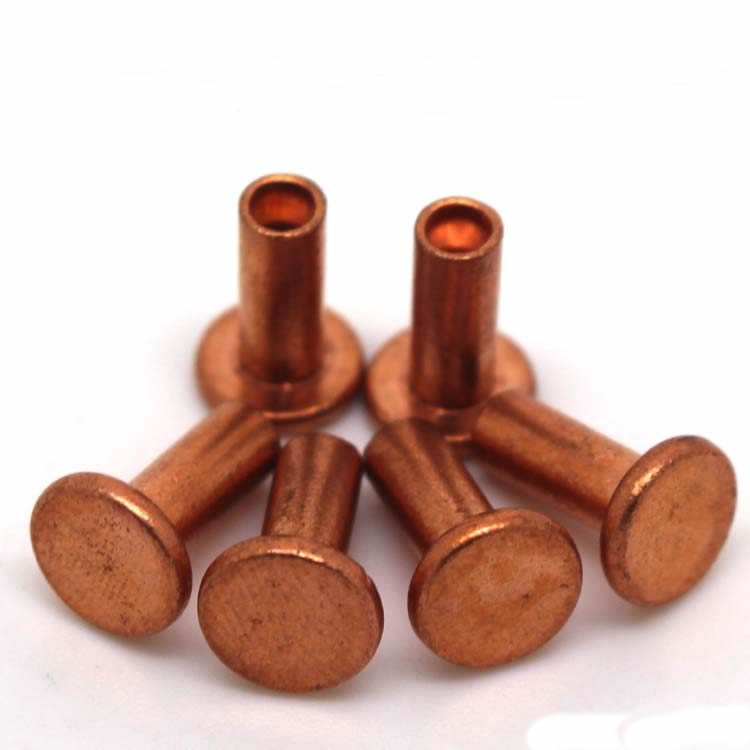
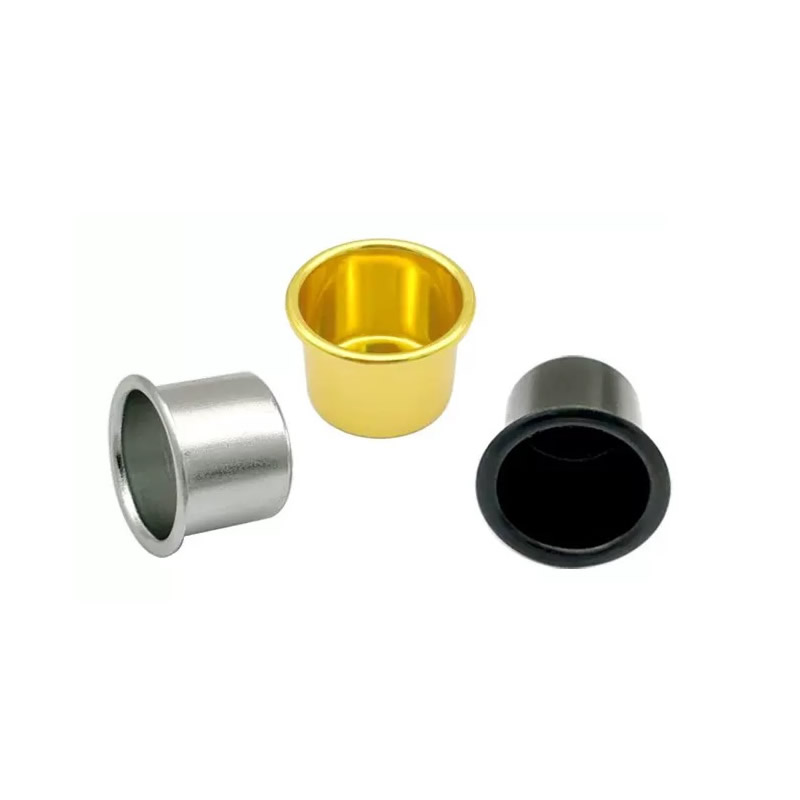
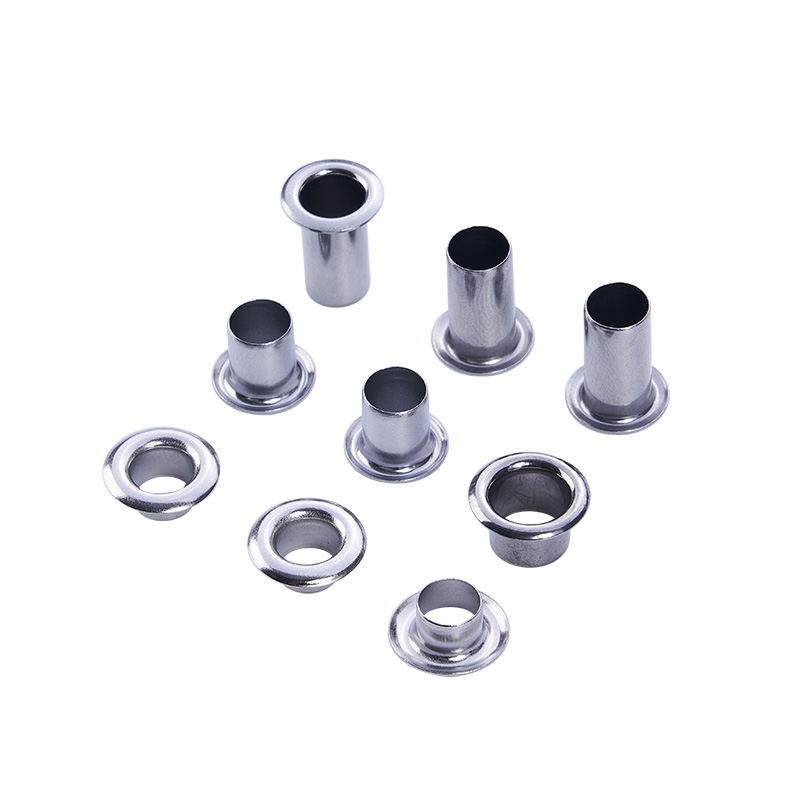
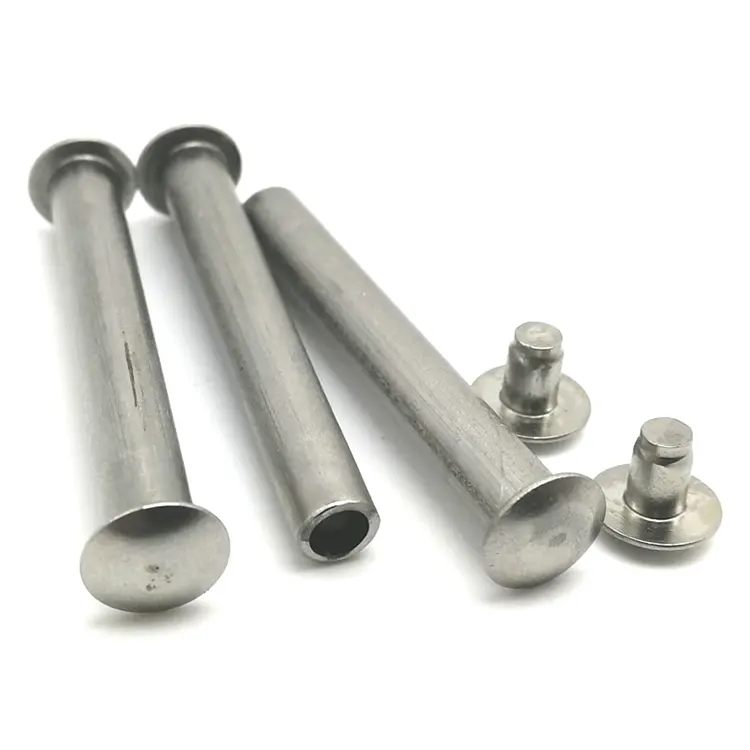
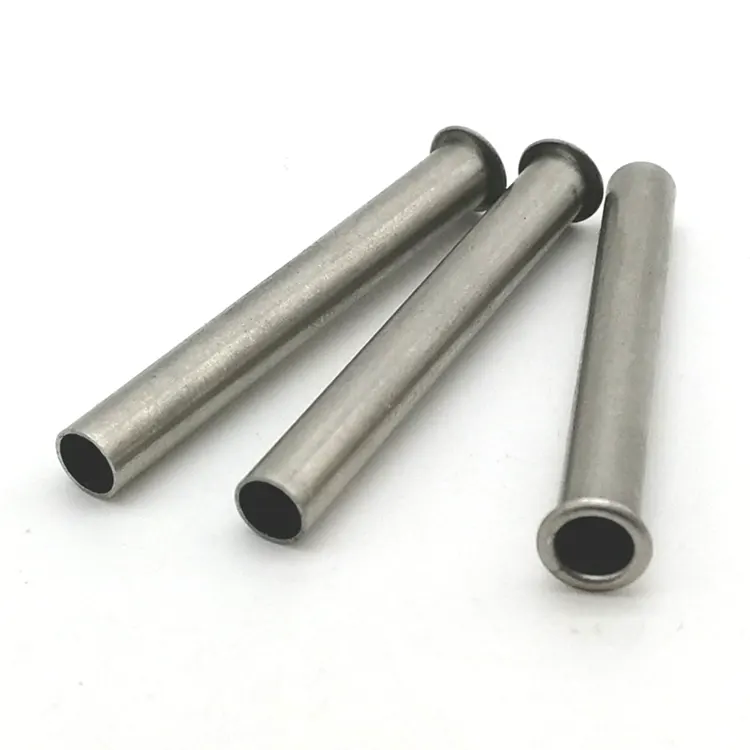
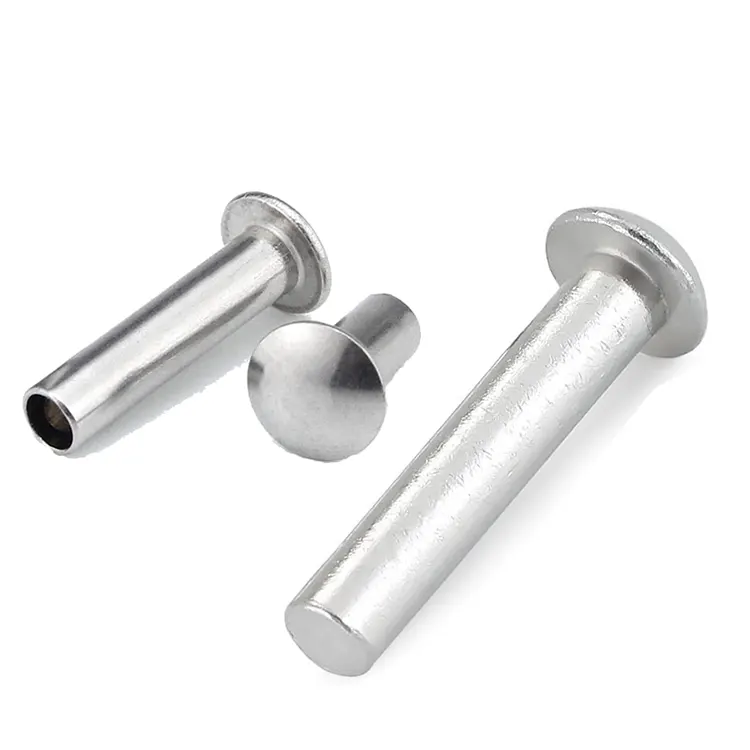
Aluminum Pan Head Rivets
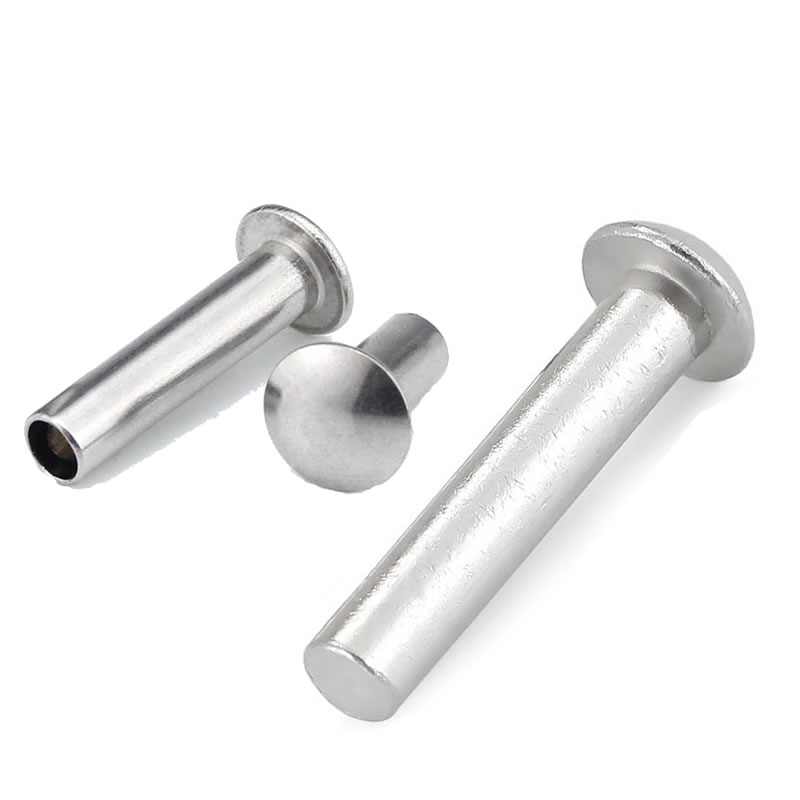
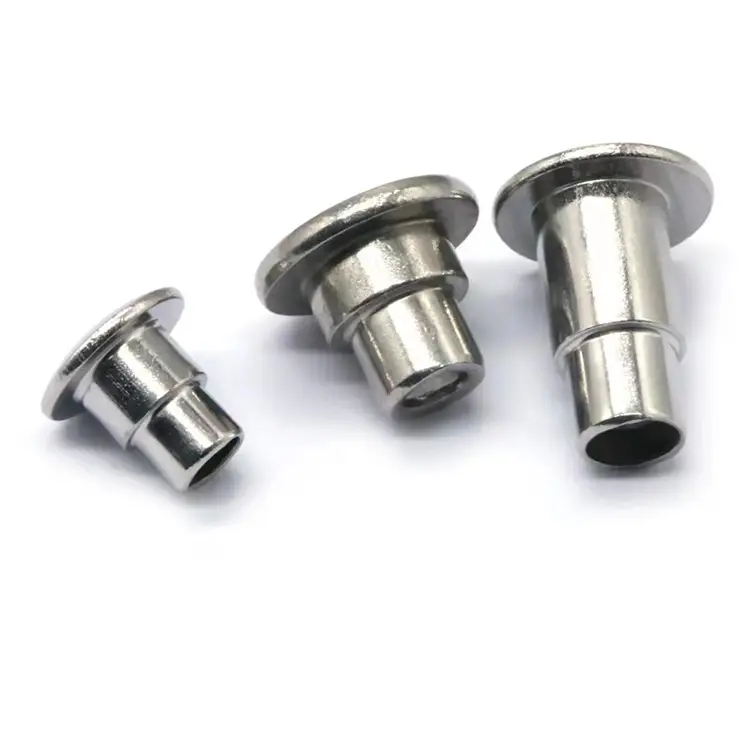
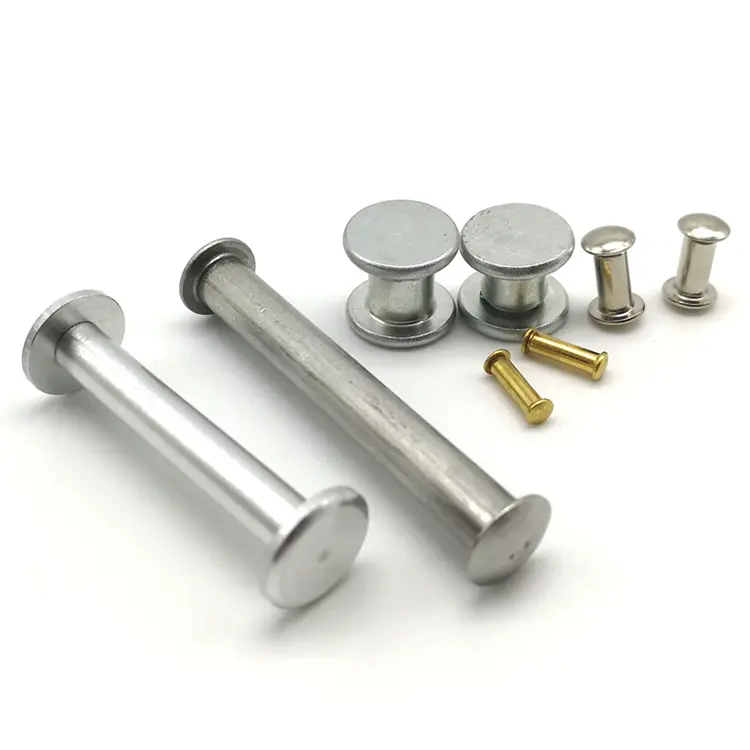
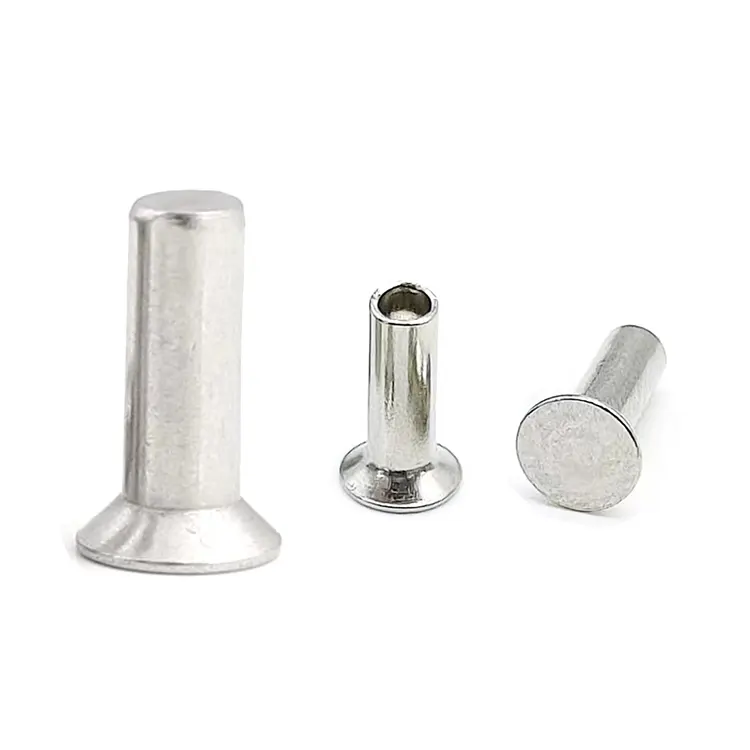
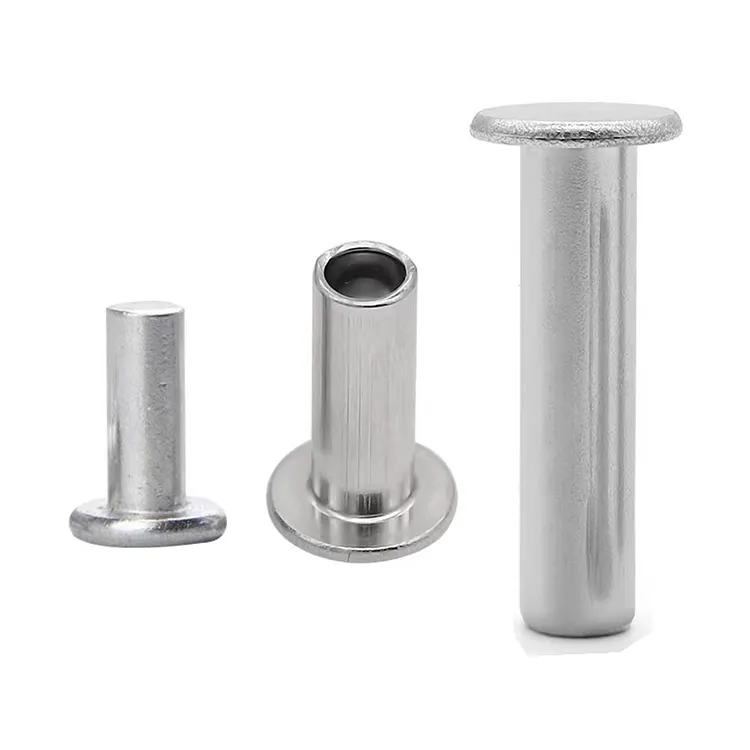
As the name suggests, aluminum pan head rivets are aluminum rivets with a pan-shaped head. Compared to traditional flat head rivets, pan head aluminum rivets offer greater shear strength and resistance to breakage during the riveting process. This riveting method is often used for connecting structural components requiring higher security and safety, such as in aircraft and automotive applications.
Send Inquiry
Product Description
Aluminum Pan Head Rivets – Wide Contact Area Without the Weight
Thin aluminum panels are everywhere—HVAC ducting, electronic enclosures, automotive interior trim, signage. They are chosen because they are light, corrosion-resistant, and easy to form. But they also present a fastening challenge: the material is soft, and a narrow rivet head will dimple or pull through under load.
Aluminum Pan Head Rivets from Nuote Metals solve this with a wide, low-profile head that spreads clamping force over a larger area of aluminum. The result is a joint that stays tight without deforming the panel—and because the rivet is aluminum, you avoid adding unnecessary weight or introducing galvanic mismatch.
This is not a general-purpose rivet. It is a fastener shaped for lightweight, thin-gauge aluminum assemblies.
The Aluminum-Specific Problem – Thin Sheets, Soft Material
Aluminum's low yield strength makes it prone to deformation under concentrated load. A standard round head focuses force directly under the dome. A flat head has a smaller bearing area, so the same force creates higher pressure at the hole edge. Both can dimple a 1mm aluminum panel.
The pan head changes the distribution. For a 4mm rivet in 1mm aluminum sheet, a pan head contacts roughly 60% more surface area than a flat head of the same shank diameter. That extra contact area spreads the clamping force over a wider ring of aluminum, reducing stress at the hole edge. In many cases, it eliminates the need for a separate washer.
Technical Specifications – Aluminum Pan Head Rivets
Manufactured to DIN 603 and ISO 1051 dimensions. Custom head diameters available for thin-gauge applications.
| Parameter | Value / Range | Test Standard / Tolerance |
|---|---|---|
| Shank Diameter (d) | 1.5 – 10 mm | ±0.05mm (≤6mm) |
| Head Diameter (dk) | 1.8×d to 2.0×d | ±0.15mm |
| Head Height (k) | 0.5×d to 0.6×d | ±0.1mm |
| Length (L) | 3 – 40 mm | ±0.3mm |
| Tensile Strength | 110 – 310 MPa (alloy dependent) | ASTM B316 |
| Shear Strength | 70 – 190 MPa | ASTM F606 |
| Density | 2.7 g/cm³ | – |
| Standards | DIN 603, ISO 1051 | Custom per drawing |
Alloys for thin aluminum assemblies:
5052: Best corrosion resistance and formability. Ideal for outdoor and marine.
6061-T6: Highest strength (310 MPa). Best for structural brackets and automotive.
1100: Most ductile. Best for electronics and heat sinks.
When Pan Head Is the Only Right Choice for Aluminum
This is not a generic head comparison. It is specific to aluminum's softness and lightweight nature.
Choose Pan Head when:
- The aluminum sheet is under 2mm thick – the wide head prevents dimpling without a separate washer.
- The joint requires a low profile – pan head sits lower than round head, avoiding snags in dense assemblies.
- The assembly is weight-sensitive – aluminum pan head rivets weigh 65% less than steel equivalents.
- The joint experiences moderate vibration – pan head offers better resistance than flat head, though round head is superior for extreme vibration.
Choose Flat Head when: The surface must be nearly flush and the aluminum is thick enough (≥2mm) to resist deformation without a wide bearing ring.
Choose Round Head when: The joint faces constant vibration or impact and the higher dome is acceptable.
Solid vs. Semi-Tubular – For Thin Aluminum Panels
For thin aluminum, the setting force matters as much as the head shape. Semi-tubular pan head rivets require 50–60% less force than solid, which directly reduces the risk of sheet deformation during installation.
Semi-tubular is the better choice for aluminum sheets under 1.5mm, delicate electronic enclosures, and high-volume automated lines. The rolled tip clinches gently without compressing the aluminum.
Solid is preferred for thicker aluminum plates (≥2mm), load-bearing joints, or where maximum shear strength is required.
Nuote Metals can supply either configuration with the same pan head geometry. For most thin-aluminum applications, we recommend semi-tubular.
How Nuote Metals Supports Thin-Aluminum Assembly
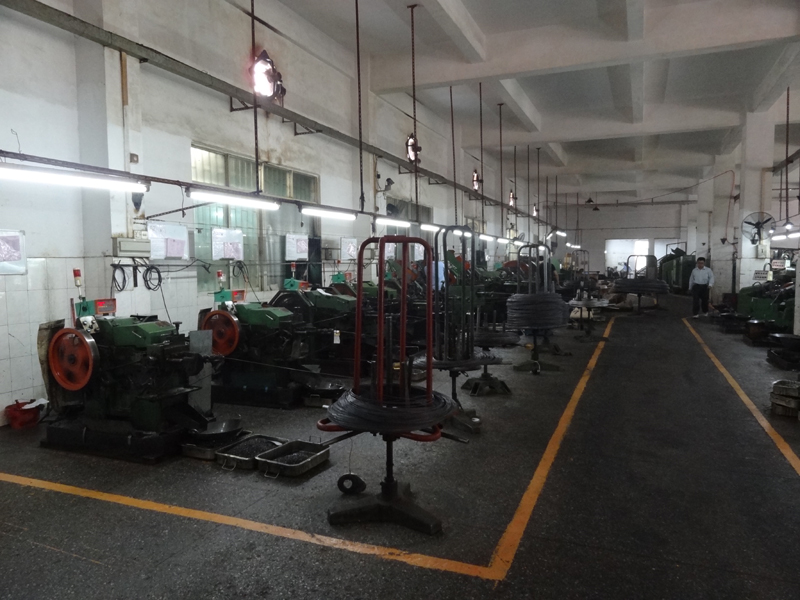
Pan head aluminum rivets fail for two reasons: cracking during head forming, or dimpling during installation. We address both before your order ships.
Tooling designed for aluminum flow:
Pan heads have a wide, shallow dome. In aluminum, that shape is prone to cracking at the head-shank junction if the fillet radius is too sharp. Our dies use a minimum radius of 0.5×d and are polished to remove micro-scratches. We also run multi-stage forming—three to four strokes—to let the aluminum flow gradually instead of forcing it in one hit.
Pre-production sampling for thin sheets:
Send us your aluminum thickness and expected setting method. We will produce a small batch and test it on your actual sheet material—not a standard coupon. You receive a setting report with recommended force, anvil type, and photos of the installed head. This eliminates trial-and-error on your line.
Optical inspection at 10x:
Every batch is checked for head diameter, height, and concentricity. A 0.05mm variation in head height is visible on a polished aluminum surface—we reject it before it reaches you.
Traceability:
ASTM B316 material certificates accompany every shipment. We share inspection data openly—because pan head performance depends on geometry you cannot see with the naked eye.
This application-level support is why HVAC, electronics, and automotive interior customers choose Nuote Metals for aluminum pan head rivets.
Frequently Asked Questions About Aluminum Pan Head Rivets
Q1: Can Aluminum Pan Head Rivets be used with carbon fiber or composite panels?
A: Yes—but with important precautions. Carbon fiber is cathodic to aluminum, meaning galvanic corrosion will attack the aluminum if moisture bridges the joint. For dry, indoor applications, direct contact is usually acceptable. For outdoor or humid environments, you must isolate the aluminum rivet from the carbon fiber using a fiberglass or nylon isolation layer, or choose a chromate conversion coating (Alodine) on the rivet. The wide pan head actually helps here—it distributes clamping force over a larger area, reducing the risk of crushing or delaminating the composite panel. Nuote Metals can supply chromate-finished aluminum pan head rivets and advise on isolation methods for composite assemblies.
Q2: What is the difference between anodized and chromate conversion finishes for aluminum rivets?
A: Both are corrosion-resistant finishes, but they serve different purposes. Anodizing creates a thick oxide layer (5–25μm) that is excellent for outdoor weathering and decorative color. However, anodized aluminum is electrically insulating—it will not conduct. Chromate conversion coating (Alodine) is much thinner (0.5–3μm) and remains electrically conductive, making it the preferred finish for grounding and electrical connections. For HVAC or architectural applications where appearance and weather resistance matter, choose anodized. For electronics or electrical grounding, choose chromate. Nuote Metals offers both finishes and can advise based on your application.
Q3: How do I prevent aluminum pan head rivets from loosening over time?
A: Loosening in aluminum joints comes from two sources: vibration and thermal cycling. To maximize joint life: (1) Choose solid over semi-tubular for better vibration resistance. (2) Maintain correct hole size—d + 0.05mm to d + 0.1mm—so the aluminum shank fills the hole completely. (3) Use a flat anvil that matches or exceeds the head diameter to ensure proper shop head formation. (4) For extreme vibration, consider adding a thread-locking adhesive or switching to round head aluminum rivets, which offer higher pull-out resistance. Nuote Metals can provide setting specifications and anvil recommendations for your specific aluminum thickness and joint design.
Nuote Metals – Engineered Fasteners, Built to Last.
Hot Tags: Aluminum Pan Head Rivets,Aluminum Rivets Manufacturer,China Aluminum Pan Head Rivets
Related Categories
Send Inquiry
Please feel free to fill your inquiry in the form below. We will reply you in 24 hours.



X
We use cookies to offer you a better browsing experience, analyze site traffic and personalize content. By using this site, you agree to our use of cookies.
Privacy Policy