
Products
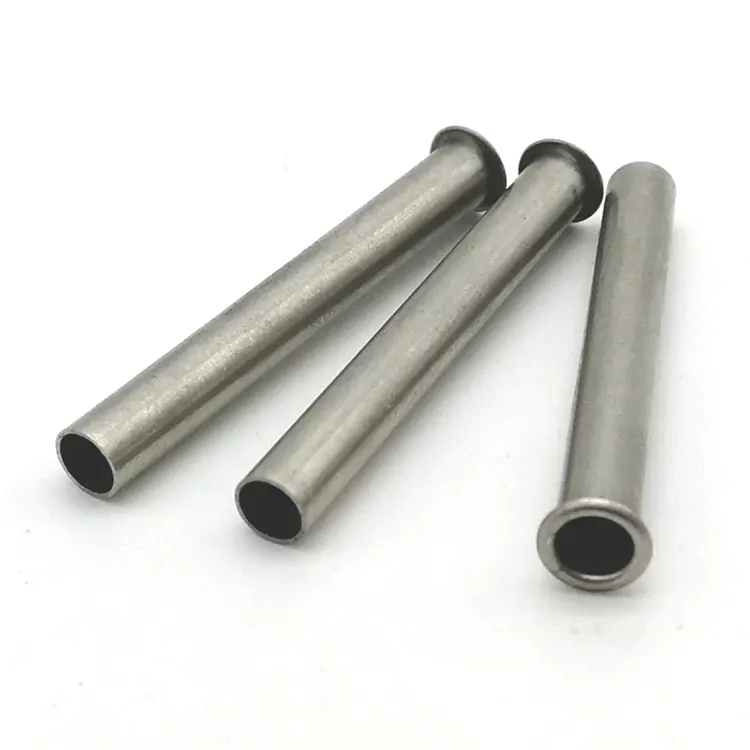
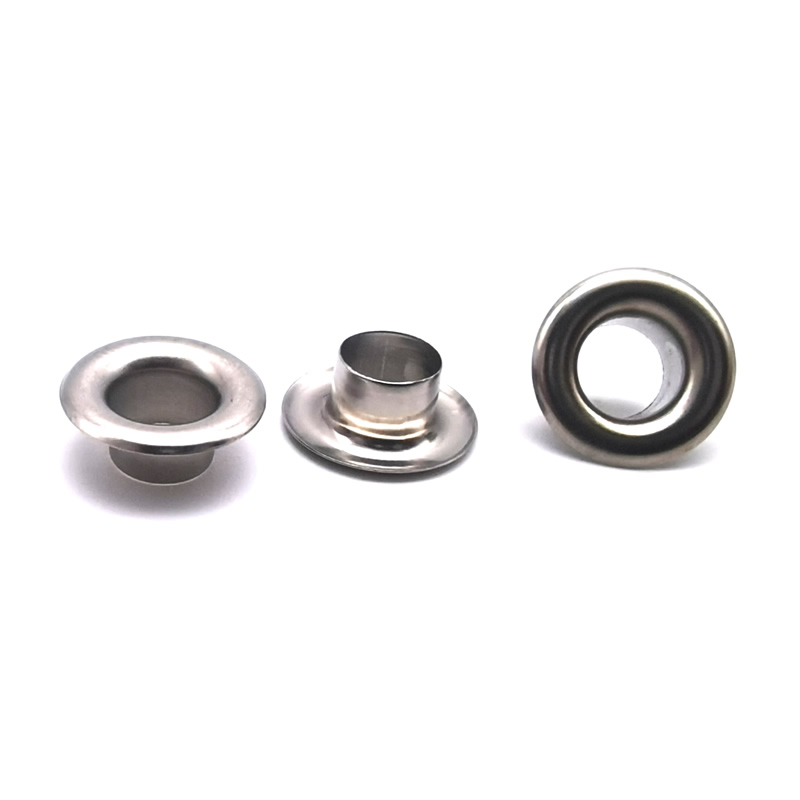
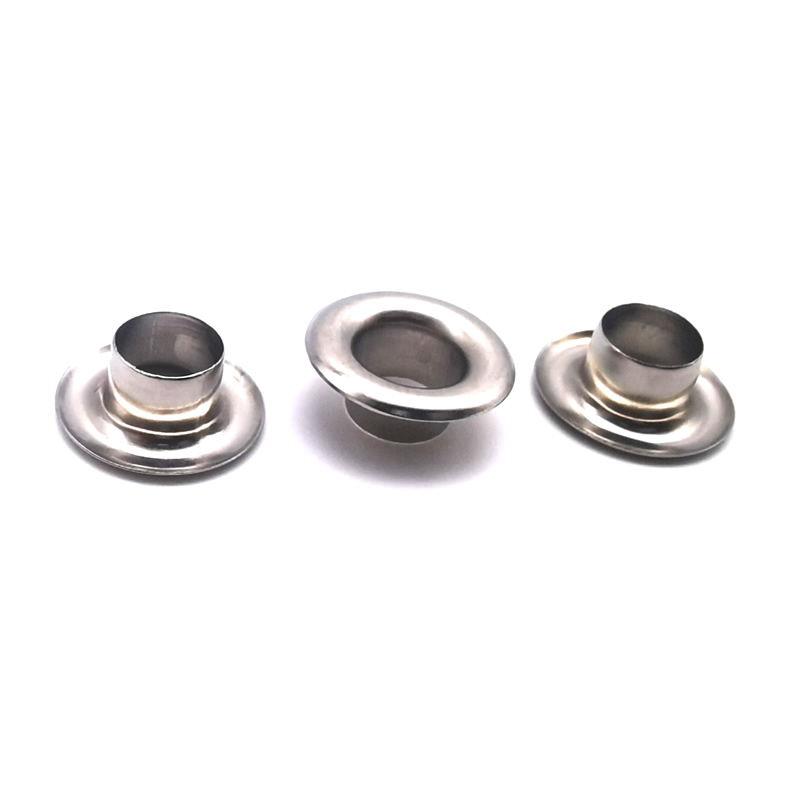
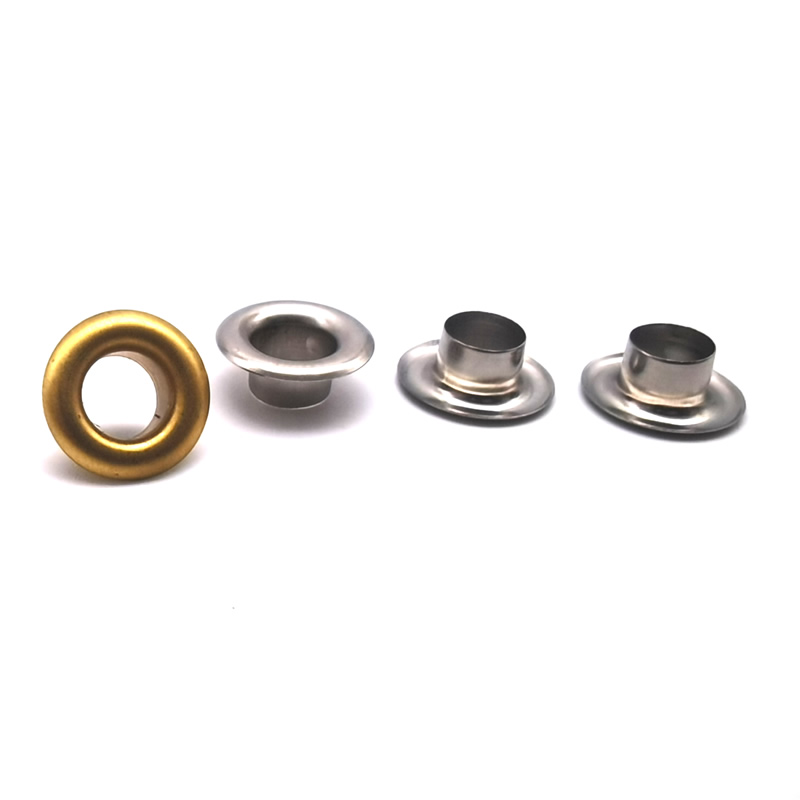
Bag Eyelets
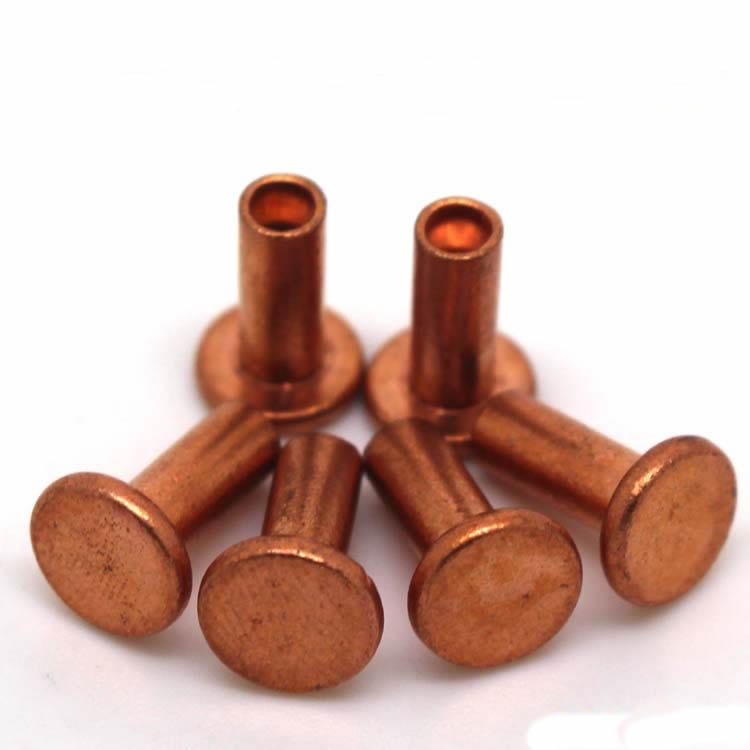
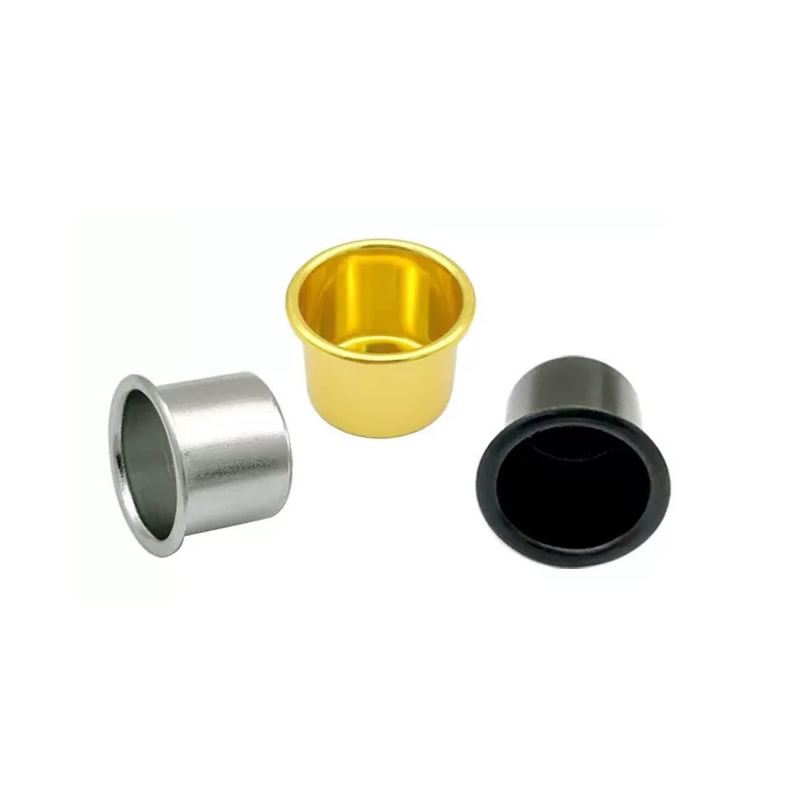
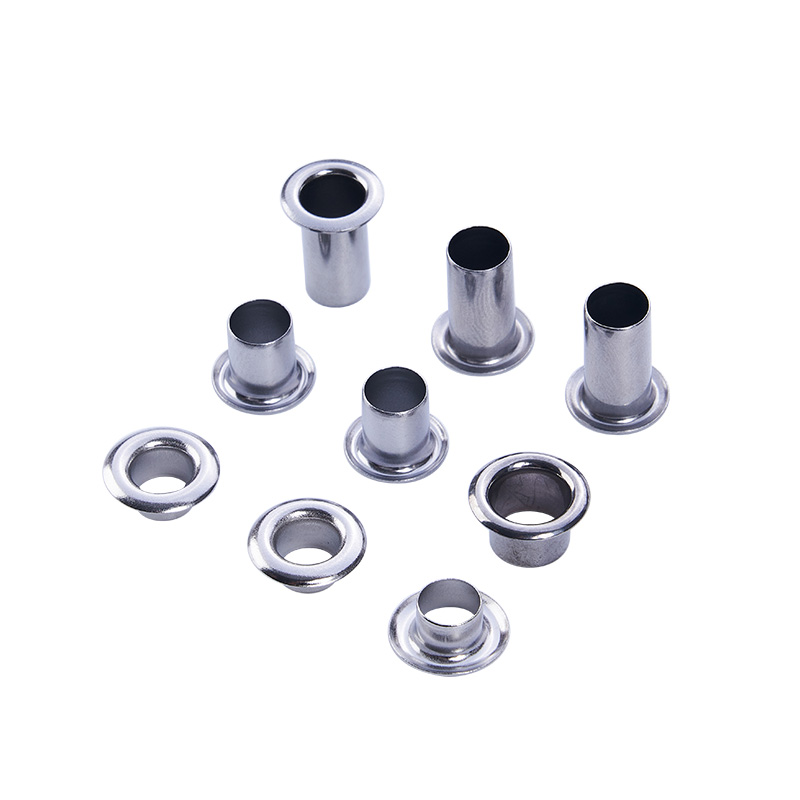
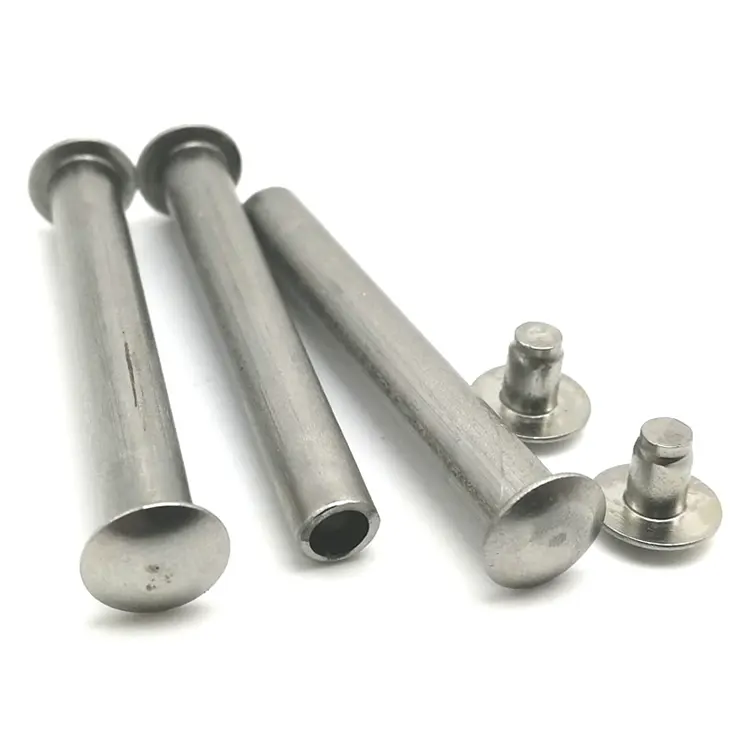
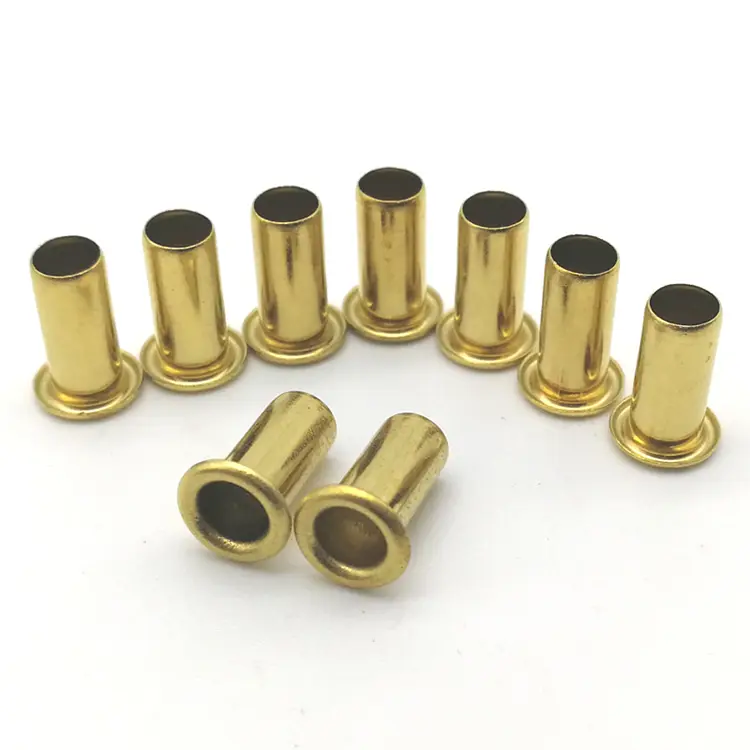
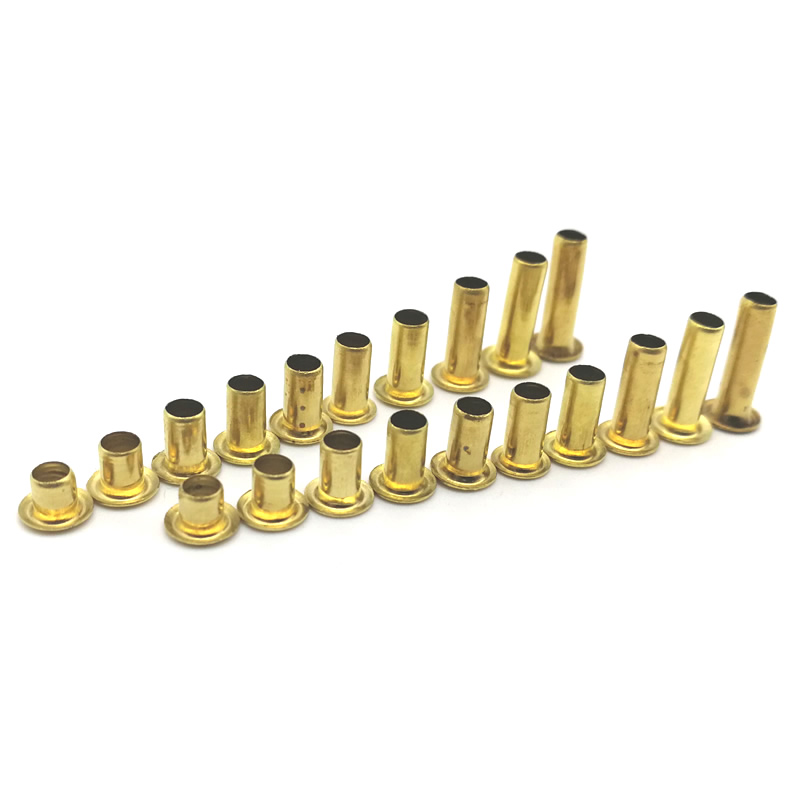
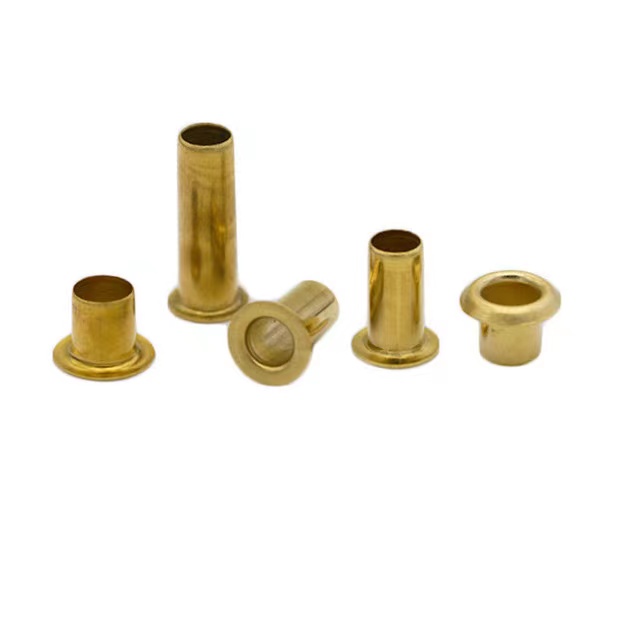
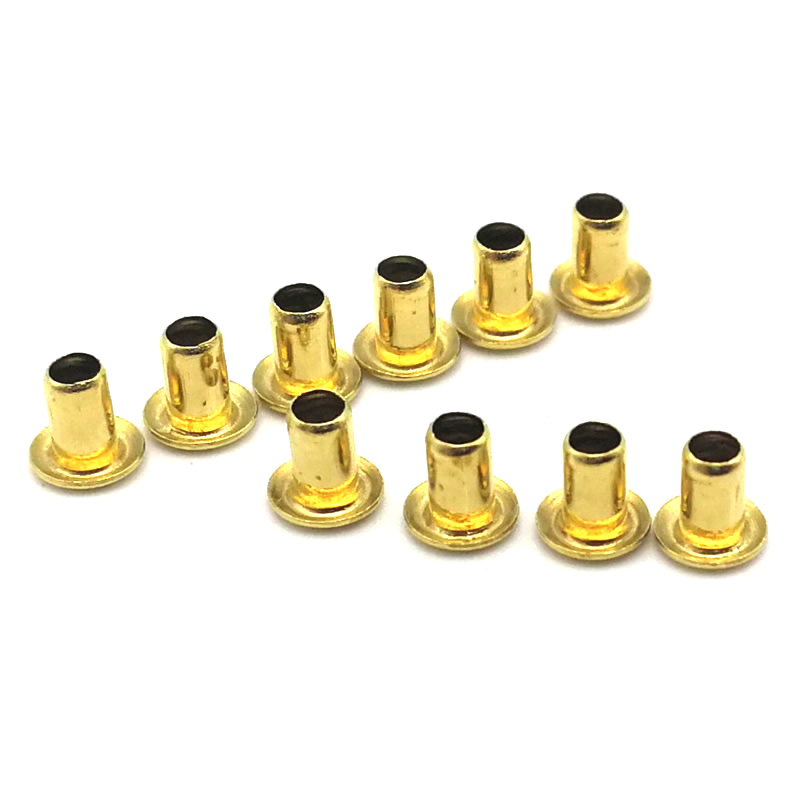
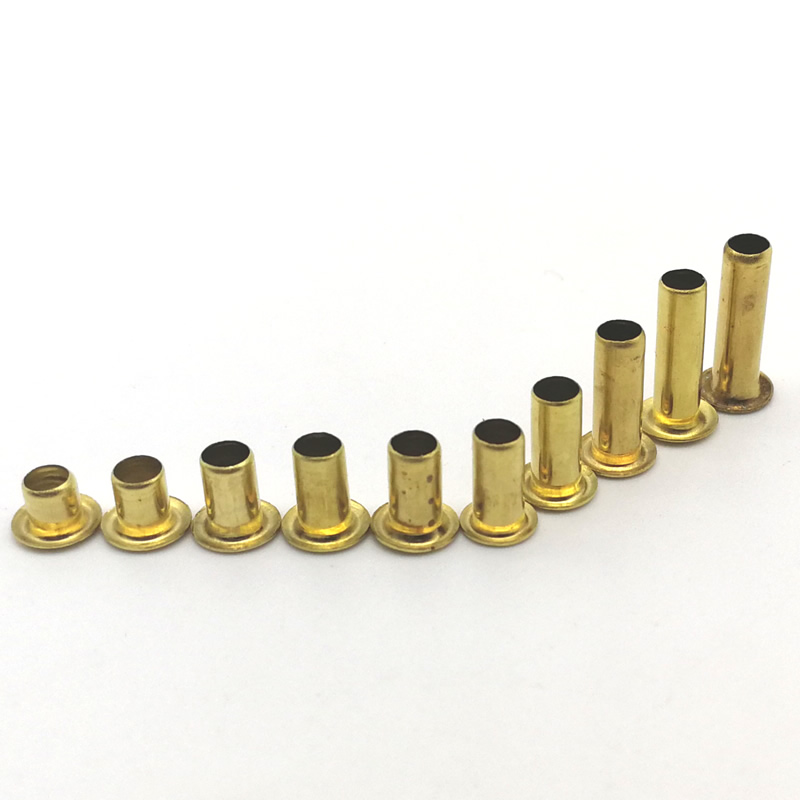
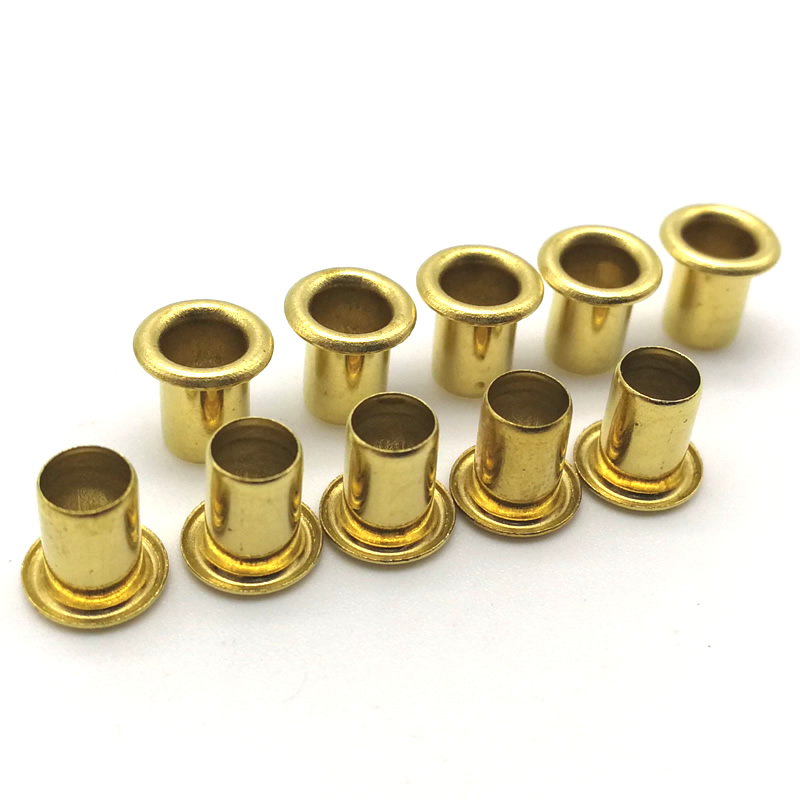
Designing a handbag often calls for multiple eyelet sizes. Nuote Metals, a China factory, supplies Custom Bag Eyelets from 2mm to 10mm, in brass, steel, stainless steel, or aluminum, with nickel, zinc, or antique plating. Rolled rims protect fabric edges, and flush setting ensures a refined finish. Mix and match for strap holes, ventilation, or decorative accents. Trust our factory for consistent quality and tailored solutions.
Send Inquiry
Product Description
A handbag is judged by its details. The stitching, the hardware, the lining—and the eyelets. On a premium handbag, bag eyelets are not just functional reinforcements; they are design elements that signal quality. A consistent finish, a clean roll, and a secure fit tell the customer that every component has been considered.
Nuote Metals manufactures eyelets specifically for the leather goods industry. Made from C2680 brass with a durable nickel plating, our eyelets offer the corrosion resistance, consistent appearance, and reliable setting that bag manufacturers require. This guide covers our technical specifications, one real example from a handbag production line, and how we work with bag brands.
What Are Eyelets?
They are small metal rings used to reinforce holes in leather, faux leather, and heavy fabrics. They serve two purposes:
Reinforcement – Prevents tearing, stretching, and fraying around holes where straps, handles, or drawstrings pass through.
Aesthetic finishing – Provides a clean, professional edge that elevates the overall appearance of the bag.
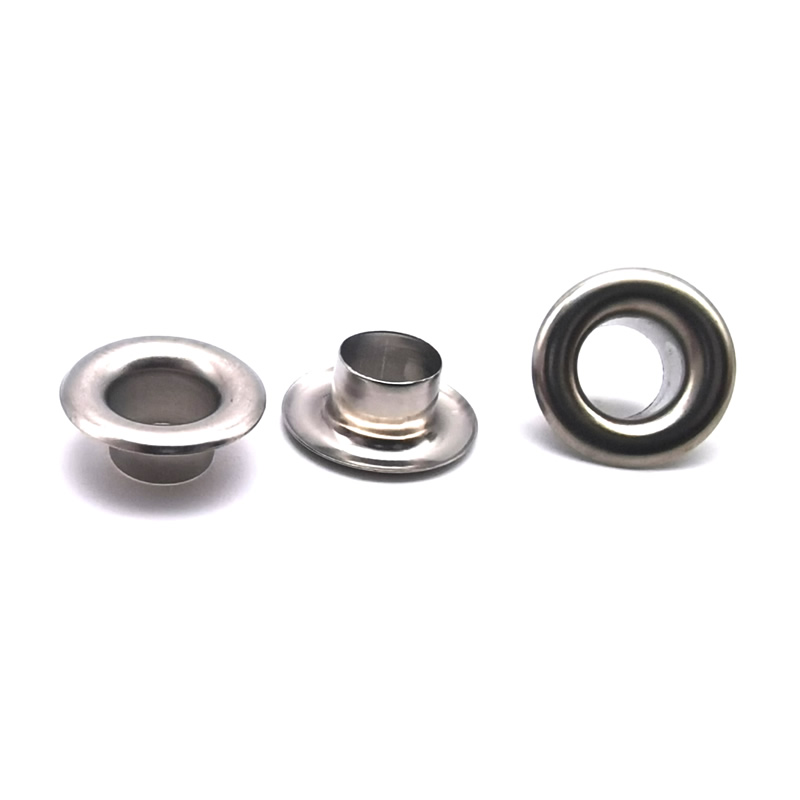
For handbags, eyelets are typically made from brass with a plated finish—nickel, gold, or antique—to match the bag's hardware. They are set using a hand press or foot press, and once installed, they stay put without loosening.
Why Brass with Nickel Plating?
Brass is the material of choice for bag eyelets because it is easy to form, takes plating well, and will not rust. Nickel plating adds a bright, silver-like finish that matches modern hardware trends and provides 96 hours of salt spray resistance—important for bags that may be exposed to rain or humidity.
We use C2680 brass, a higher-zinc alloy that offers increased hardness and wear resistance compared to standard C2600. This means our eyelets hold their shape during setting and resist deformation under repeated stress.
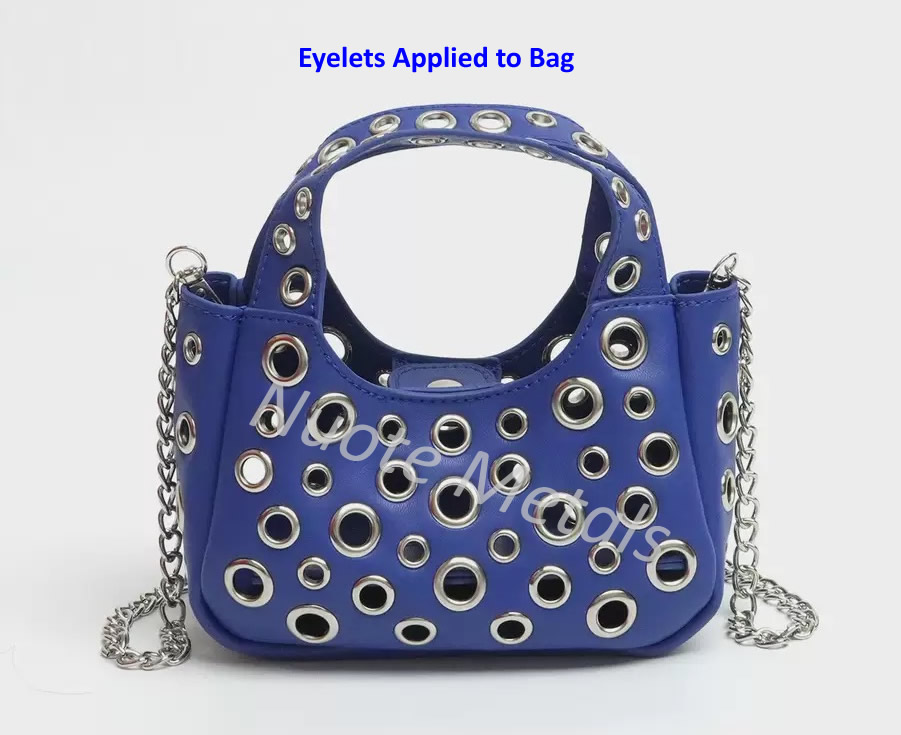
One Real Customer Example – A Premium Handbag Collection
This is one of many applications for eyelets. We include it to show real production use, not to suggest limitation.
A European handbag brand was launching a new collection of premium leather totes. The design called for multiple eyelet sizes across different parts of the bag:
Large eyelets (5mm inner diameter) for the shoulder strap attachment points – 2 per bag
Medium eyelets (3.5mm inner diameter) for the drawstring closure – 6 per bag
Small eyelets (2.5mm inner diameter) for decorative detailing along the front panel – 12 per bag
Each bag used 20 eyelets in total, all in the same nickel-plated finish to match the brand's silver-toned hardware. The challenge was consistency: all bag eyelets had to share the same plating colour, the same flange profile, and the same setting behaviour across three different sizes.
Nuote Metals supplied all three sizes of eyelets in C2680 brass with nickel plating. Each size was produced from the same coil batch and plated in the same tank run, ensuring colour consistency. The barrel lengths were matched to the leather thickness at each location—4.0mm for the 5mm eyelets (4mm leather at strap points), 3.5mm for the 3.5mm eyelets (3mm leather at the drawstring), and 3.0mm for the 2.5mm eyelets (2mm leather at the front panel).
The brand ordered 5,000 sets (100,000 eyelets total) for their initial production run. After three months of wear testing and customer feedback, they placed a reorder for 30,000 sets. The brand now uses our eyelets across multiple collections, with zero reported loosening or plating issues.
Technical Specifications – Standard Sizes for Bag Applications
Material and Finish
| Property | Specification |
|---|---|
| Material | C2680 Brass (higher zinc content for increased hardness) |
| Finish | Nickel plated (bright silver), 96 hours salt spray (ASTM B117) |
| Alternative finishes | Gold plated, antique brass, natural lacquered |
Common Sizes for Handbags
| Inner Diameter (mm) | Outer Flange (mm) | Barrel Length (mm) | Typical Use on Bag |
|---|---|---|---|
| 2.5 | 5.0 – 5.5 | 2.5, 3.0, 3.5 | Decorative detailing, small strap guides |
| 3.0 | 6.0 – 6.5 | 3.0, 3.5, 4.0 | Drawstring holes, medium strap attachments |
| 3.5 | 6.5 – 7.0 | 3.5, 4.0, 4.5 | Drawstring closures, handle attachments |
| 4.0 | 7.5 – 8.0 | 4.0, 4.5, 5.0 | Main strap attachment points |
| 5.0 | 9.0 – 9.5 | 4.0, 5.0, 6.0 | Shoulder strap pivots, heavy-load points |
Tolerances: Inner diameter ±0.05mm, outer flange ±0.10mm, barrel length ±0.10mm.
Mechanical Data (Set into 3mm Leather)
| Property | Value |
|---|---|
| Pull-out force (3.5mm eyelet) | 40 – 55 kg (88 – 121 lbs) |
| Recommended hole size | Inner diameter + 0.15 – 0.20 mm |
| Setting force (hand press) | 0.5 – 1.0 tons |
From Coil to Finished Eyelet – A Visual Process Overview
Instead of a step-by-step text description, we present our manufacturing process as a clear visual flow. Below is the sequence our brass sheet follows from the moment it enters our factory to the moment finished eyelets are packed.

1. Coil receiving & inspection – C2680 brass sheet arrives with a mill test certificate. We verify thickness and composition before releasing to production.
2. Progressive stamping – A transfer press with a multi-station die performs blanking, three-stage drawing, piercing, and flanging in a single continuous sequence. Speed: 80–150 strokes per minute. Output: up to 600 eyelets per minute.
3. Tumbling & surface preparation – Eyelets are tumbled to remove micro-burrs, then cleaned to prepare for plating.
4. Nickel plating – Plating is applied in a controlled bath. Thickness is verified by XRF on every batch. Target: 5–8µm.
5. Optical sorting – High-speed cameras inspect every single eyelet for inner diameter, outer flange, and barrel length. Rejects are automatically ejected.
6. Packaging – Sorted eyelets are counted and packed into anti-static bags, then into cartons with batch labels.
We produce eyelets at a rate of up to 10 million pieces per day across our press lines. Each batch is traceable back to the original coil through our internal tracking system.
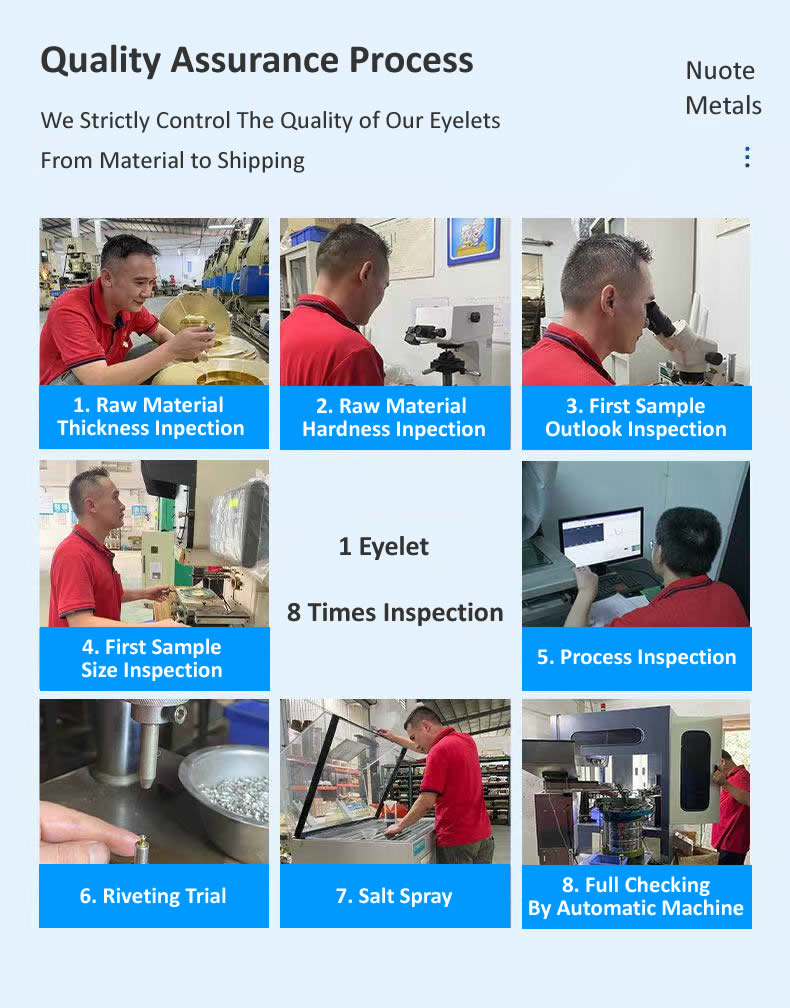
How We Prevent Defects – Our Six Critical Control Points
Rather than listing inspection steps, we focus on the six points in our production line where quality is most likely to drift—and how we catch it.
| Control Point | What We Check | How We Check | Action if Out of Tolerance |
|---|---|---|---|
| Coil receiving | Thickness, composition | Micrometer, spectrometer | Reject the entire coil |
| Die setup (first-off) | Inner diameter, outer flange, barrel length | Optical comparator, calipers | Adjust die; re-sample |
| During production (every 500 pcs) | Inner diameter, barrel length | Go/no-go gauge, digital calipers | Stop press; adjust tooling |
| Setting test (every 2,000 pcs) | Clinch symmetry, tightness | Test setting into sample leather | Adjust cavity depth or plating |
| Plating (per batch) | Thickness, adhesion, salt spray resistance | XRF, tape test, ASTM B117 | Re-plate or reject batch |
| Final sorting | All dimensions, surface defects | Optical sorting + AQL manual check | Reject non-conforming parts |
Every eyelet that passes these six points is guaranteed to meet your drawing specifications. We keep control charts for every production run and can share them upon request.
Your Shipment – What’s Inside the Box
When you receive a shipment of bag eyelets from us, here is exactly what you will find:
Eyelets in sealed poly bags – Each bag is labeled with the part number, batch number, and quantity. No loose parts, no guessing.
Hard copy of the dimensional report – We print the measurement results for 10 eyelets from the batch. You can verify against your own inspection.
Material certificate – A copy of the mill test certificate for the brass coil used in your order.
Plating certificate – XRF results showing nickel thickness and salt spray test results (if requested).
Certificate of Conformance – Signed by our QA manager, with a unique batch number. If you ever need to trace back, that number links to all our internal records.
No extra charge for documentation. We include it with every shipment because we believe transparency is part of the product.
How We Work – Practical Information for Bag Manufacturers
Here is what you can expect when ordering eyelets from Nuote Metals:
- First order? Start with samples. We will send you 20–50 pieces in your chosen size and finish. Test them on your actual leather. If they do not work, we will adjust the barrel length or finish—no charge.
- Trial quantities welcome. Many of our bag manufacturer customers start with 5,000–10,000 pieces to validate the product in production before committing to larger volumes.
- Custom barrel lengths. If your leather thickness is not standard, we can adjust the barrel length in 0.5mm increments. Tooling charges are waived for orders above 5,000 pieces.
- Lead times. Stock sizes ship in 5–7 business days. Custom barrel lengths ship in 10–12 days. We will confirm lead time at quotation.
- Shipping. We ship by air or sea, whichever you prefer. We will provide tracking information as soon as your order leaves our factory.
Nuote Metals is ISO 9001:2015 certified. RoHS and REACH declarations are provided on request.
Three Questions We Answer Often
Q1: Why use nickel‑plated brass for bag eyelets instead of stainless steel or zinc‑plated steel?
A: Brass is the traditional material for bag hardware because it is easy to form, takes plating well, and will not rust. Nickel plating provides a bright, silver finish that matches modern hardware trends and offers 96 hours of salt spray resistance. Stainless steel is stronger but more expensive and harder to set. Zinc‑plated steel is cheaper but less corrosion‑resistant and does not have the same premium appearance. For handbags, nickel‑plated brass offers the best balance of appearance, corrosion resistance, and setting ease.
Q2: How do I select the correct barrel length for a eyelet when my leather thickness varies across the bag?
A: Measure the leather thickness at each eyelet location. Select a barrel length 1.0–1.5mm longer than that thickness. For the handbag case above, the brand used three different barrel lengths because the leather thickness varied: 4.0mm at the strap points, 3.5mm at the drawstring, and 3.0mm at the front panel. If you are unsure, send us a sample of your leather, and we will recommend the exact barrel length for each location.
Q3: Can eyelets be used in faux leather or PU without cracking?
A: Yes, but care is needed. Faux leather and PU are less forgiving than genuine leather. We recommend using a slightly shorter barrel length (1.0mm longer than material thickness, rather than 1.5mm) and setting with a press (not a hammer) at lower force. For the handbag case, the brand used genuine leather. We have also supplied eyelets for PU bags with good results—just test a sample first.
Request a Quote – Tell Us What You Need
To receive a firm quotation for bag eyelets, please provide:
- Inner diameter (mm)
- Barrel length (mm) – or your leather thickness
- Finish (nickel / gold / antique / natural)
- Estimated annual quantity
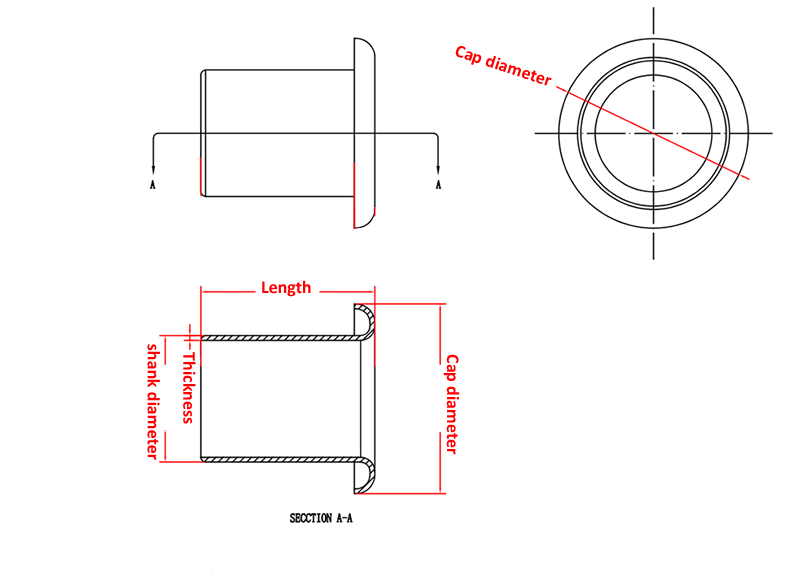
You can also attach a drawing, a photo of your current eyelet, or a sample part. We will reply within 24 hours with tooling cost (if any), piece price, lead time, and free sample policy.
Send your RFQ to Nuote Metals today. No pressure, no obligation – just a clear, competitive quotation.
Hot Tags: Bag Eyelets,China Bag Eyelets,Bag Eyelets Manufacturer
Related Categories
Send Inquiry
Please feel free to fill your inquiry in the form below. We will reply you in 24 hours.



X
We use cookies to offer you a better browsing experience, analyze site traffic and personalize content. By using this site, you agree to our use of cookies.
Privacy Policy