
Products
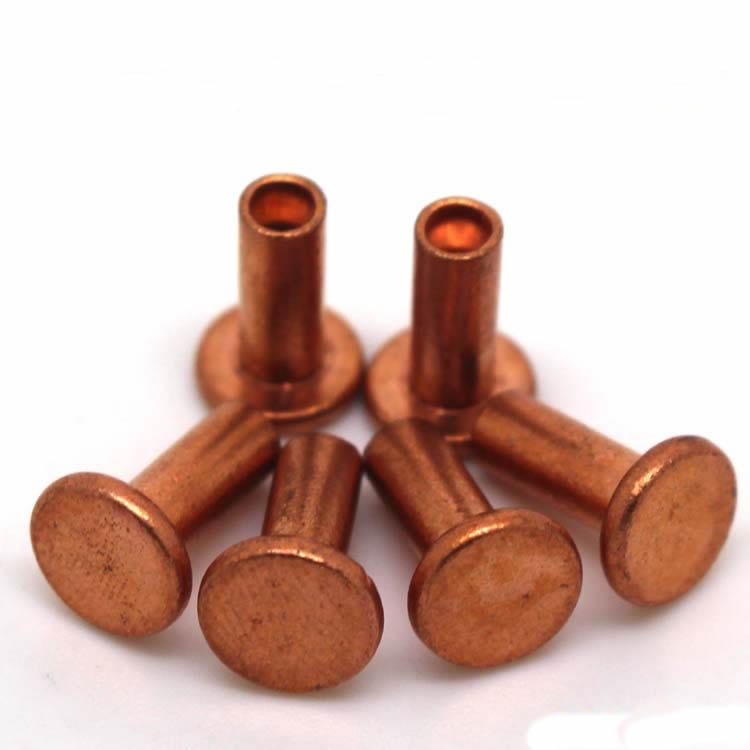
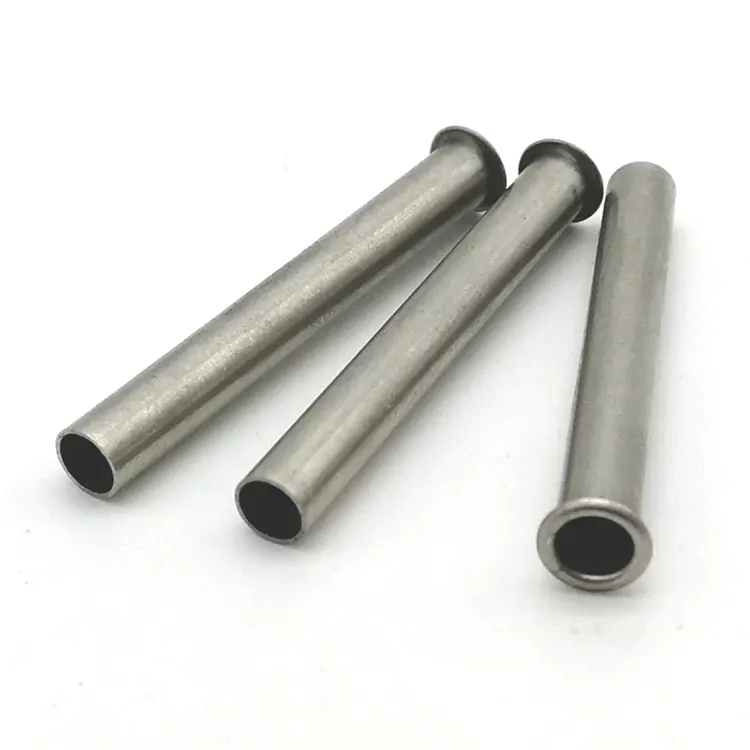
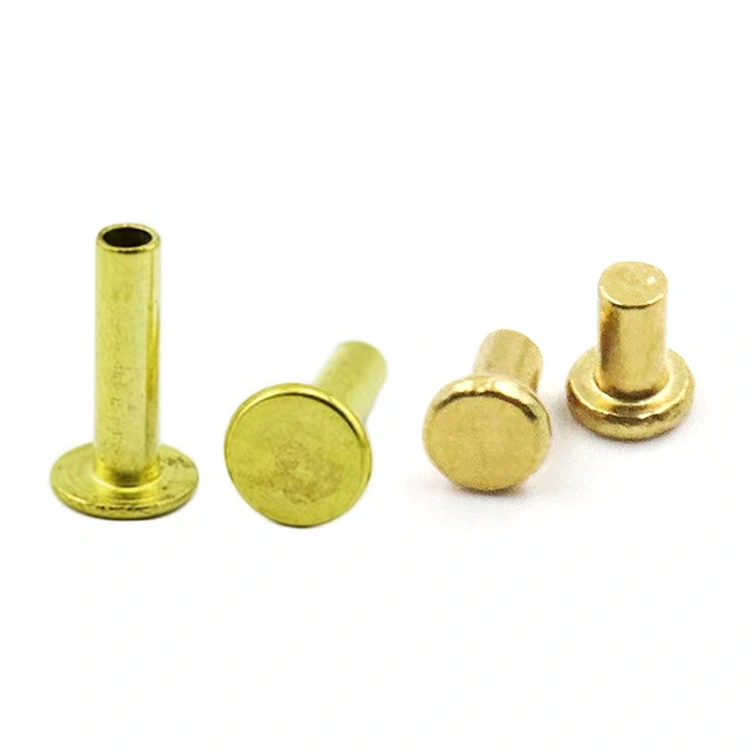
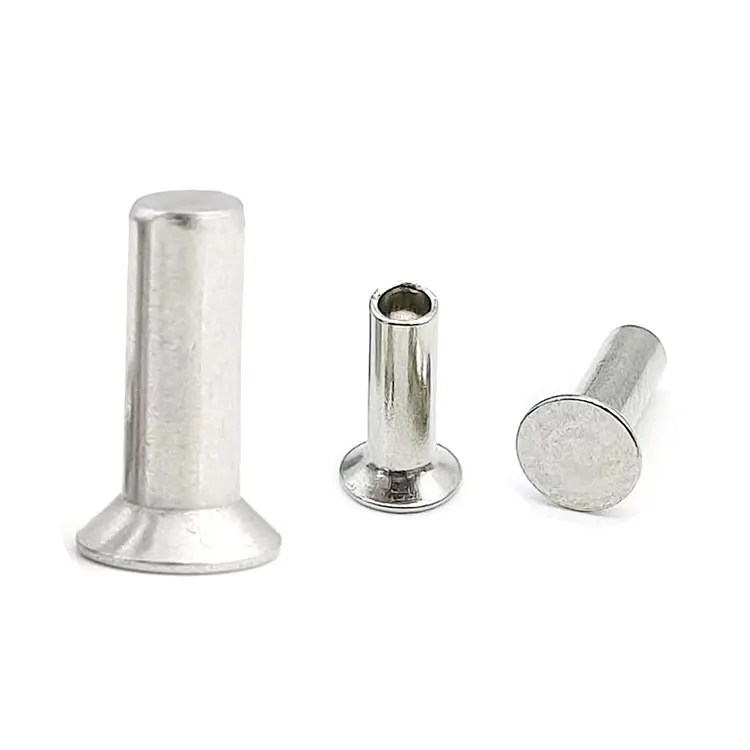
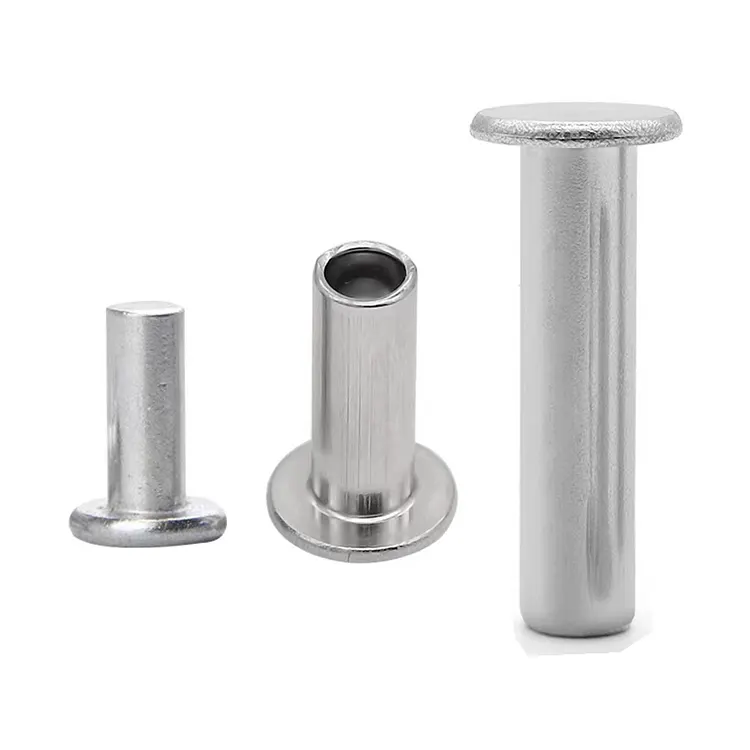
Brass Flat Head Rivets
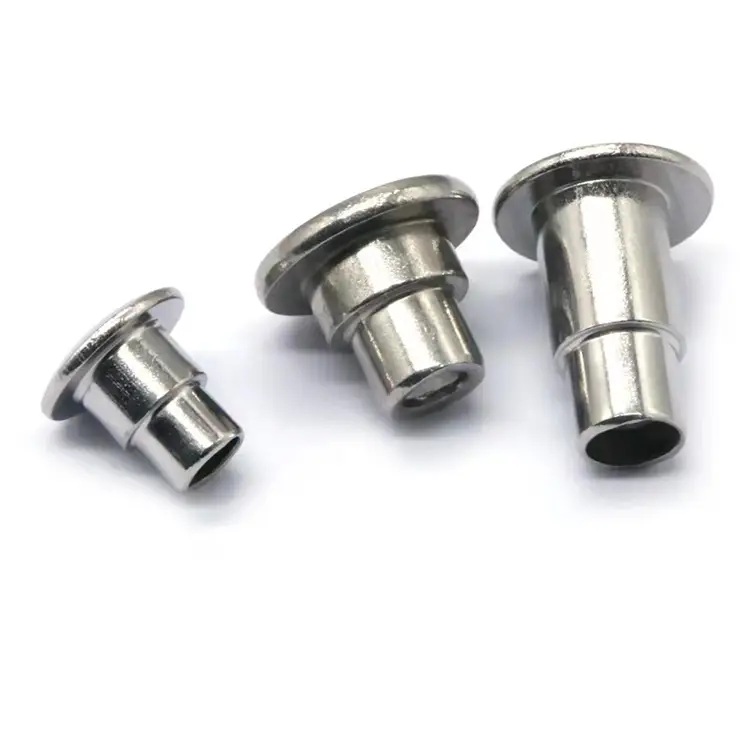
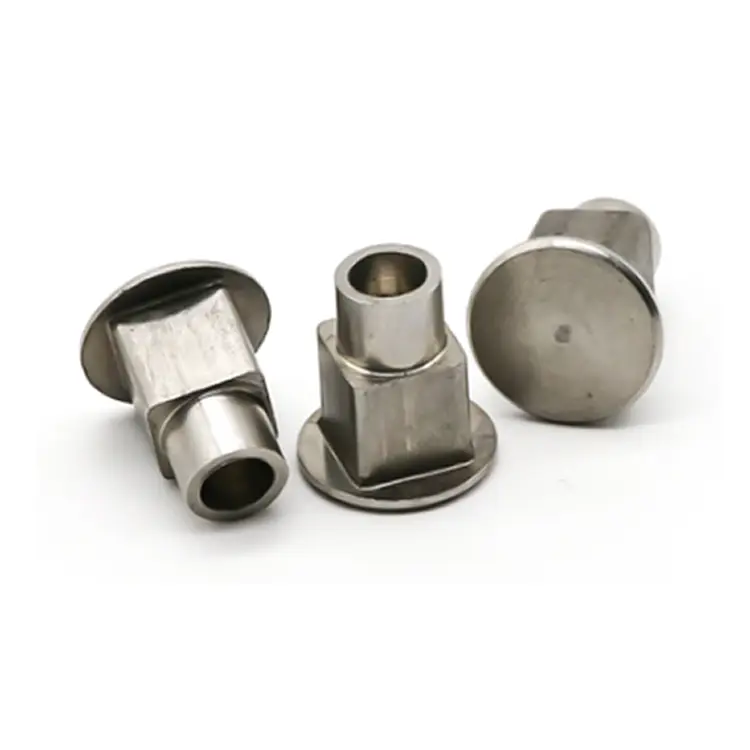
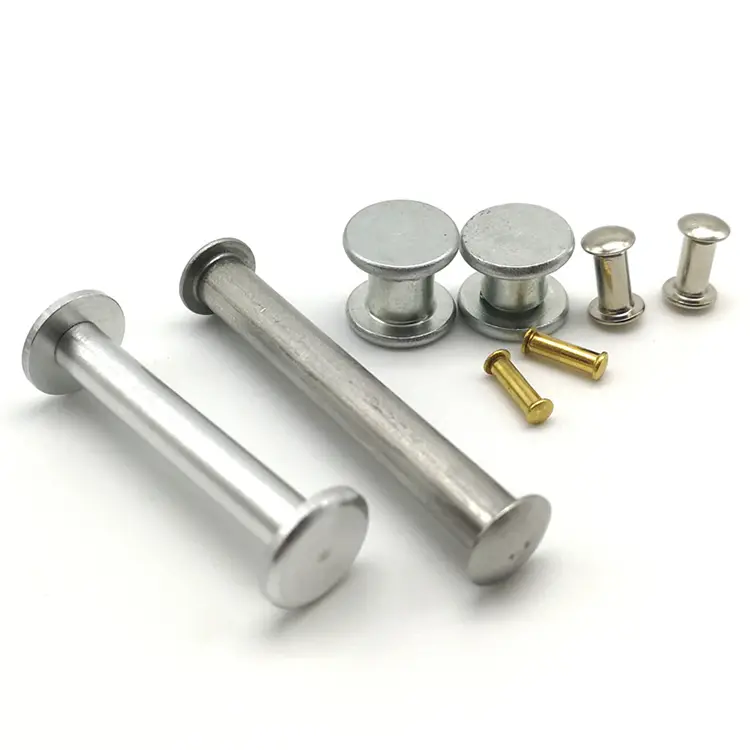
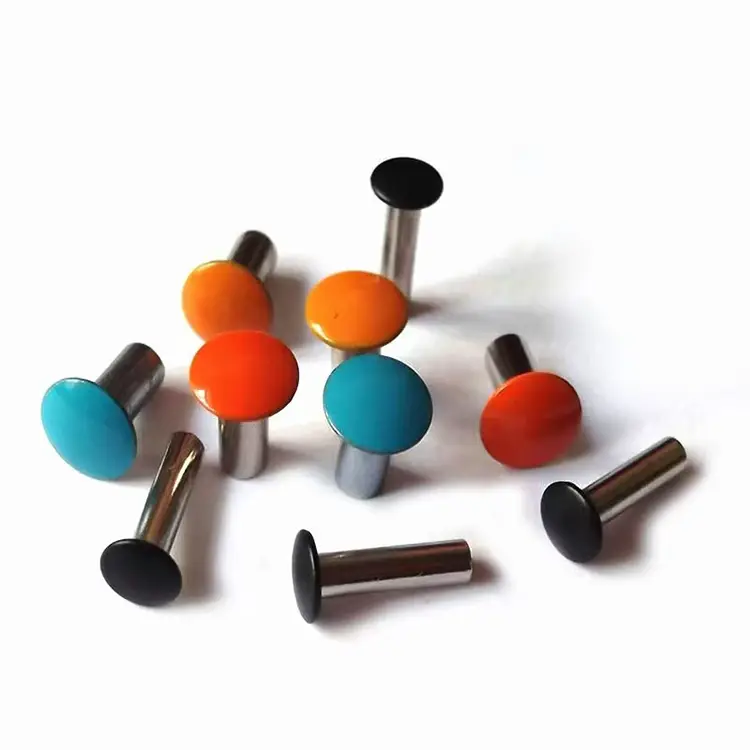
Brass flat head rivets are metal rods with a cap on one end. They achieve riveting through deformation or interference fit and are a common fastener. The flat head design reduces surface protrusions, making it suitable for applications requiring high flatness. The corrosion resistance of brass ensures connection stability even in humid and corrosive environments. Nuote Metals specializes in the production of brass flat head rivets. We have thousands of molds and can produce a variety of rivet specifications. We also support custom designs and samples.
Send Inquiry
Product Description
When a rivet head needs to stay low without requiring a countersink, the flat head is the answer. Unlike a countersunk head that demands extra machining, or a round head that sticks up and snags, the flat head sits just 0.8–1.2mm above the surface for a 5mm shank – low enough for most clearance‑limited assemblies, but without the extra cost of countersinking.
Brass flat head rivets combine this low profile with the natural advantages of brass: corrosion resistance, a warm gold appearance, and good electrical conductivity. They are used in leather goods, marine hardware, electrical grounding connections, light metal fabrication, and anywhere you want a tidy, permanent fastener that won't rust.
And because they are available in both solid and semi‑tubular designs, you can choose the version that matches your strength requirements and production speed.
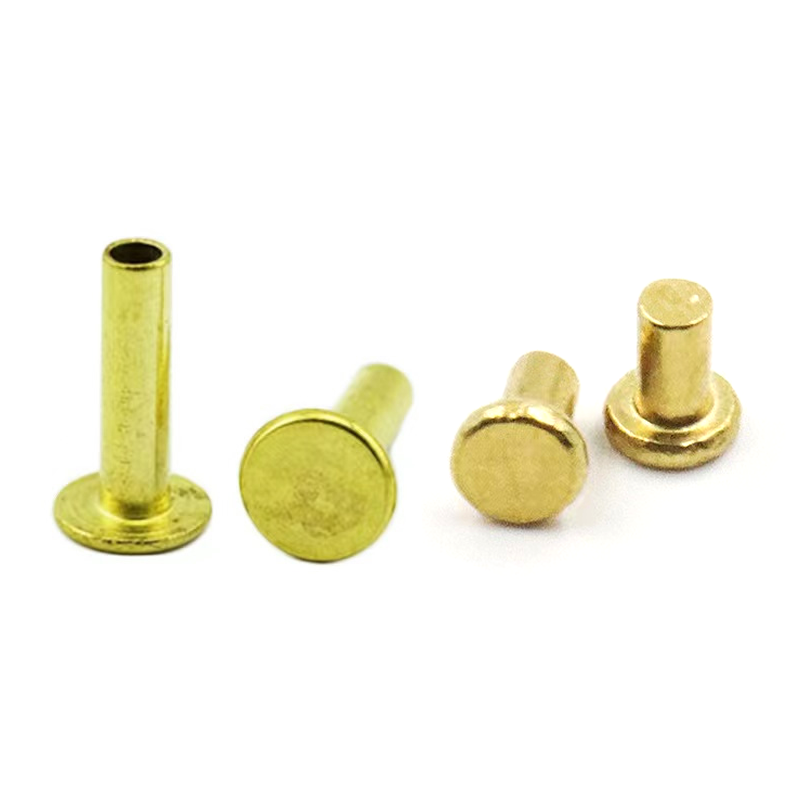
Flat Head vs. Round Head – The Low‑Profile Difference
| Feature | Brass Flat Head Rivet | Brass Round Head Rivet |
|---|---|---|
| Head protrusion (5mm shank) | 0.8 – 1.2mm | 2.5 – 3.5mm |
| Head diameter / shank ratio | 2.0 – 2.5 : 1 | 1.6 – 1.8 : 1 |
| Hole preparation | Straight hole only | Straight hole only |
| Best for | Clearance‑limited assemblies, sliding surfaces, visible applications | Metal‑to‑metal, high shear, traditional appearance |
| Appearance | Low, neat, finished | Prominent dome |
Choose flat head when: You need a low profile but do not want the extra cost and step of countersinking. The rivet will be visible and appearance matters. You need a wide bearing surface to distribute load. Clearance is limited.
Solid vs. Semi‑Tubular – Which Design Do You Need?
| Feature | Brass Flat Head Solid Rivet | Brass Flat Head Semi‑Tubular Rivet |
|---|---|---|
| Tail design | Fully solid | Partially hollow (45–55% of length) |
| Setting force | 100% | 25–30% of solid |
| Shear strength | Maximum (100%) | 80–90% of solid |
| Installation speed | Slower, heavy press | Fast, automated |
| Best for | Structural, maximum strength, high‑load | High‑volume, thin materials, fast assembly |
Choose solid for structural joints where maximum strength is required. Choose semi‑tubular for high‑volume production, thin materials, and faster assembly lines.
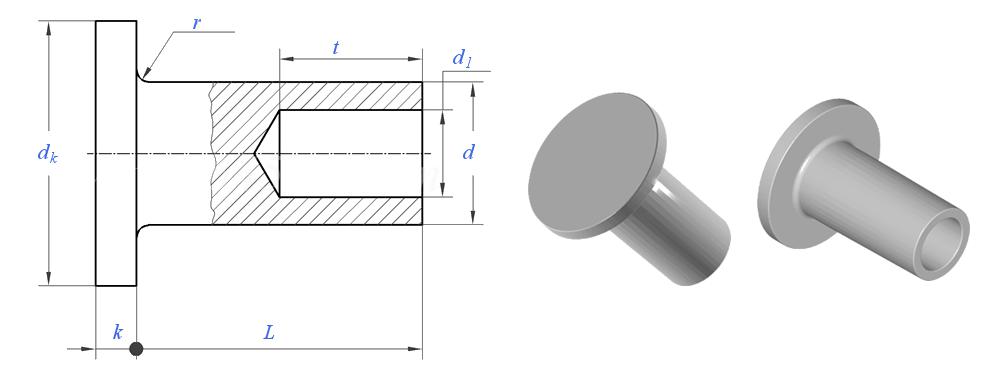
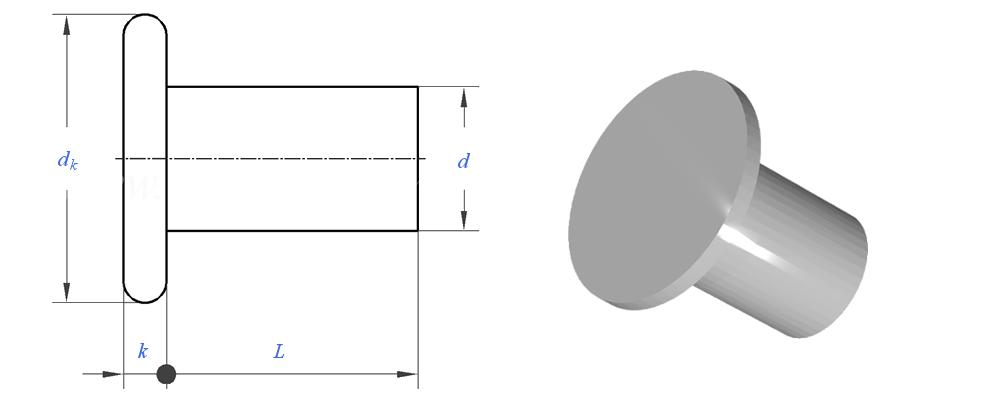
Materials and Finishes – What We Offer
Material: C2680 brass (64.0–68.5% Cu, 31.5–36.0% Zn)
| Property | C2680 Brass |
|---|---|
| Copper content | 64.0 – 68.5% |
| Zinc content | 31.5 – 36.0% |
| Electrical conductivity | ~28% IACS |
| Corrosion resistance | Good – develops protective patina |
| Key advantage | Good formability, excellent corrosion resistance, non‑magnetic |
Available finishes: Natural (lacquered), nickel‑plated, tin‑plated, antique, plain
One Real Application – Leather Bag Strap Attachment
A manufacturer of premium leather bags needed a fastener for attaching shoulder straps to the bag body. The rivets would be visible on the finished product – customers would see and touch them. The previous round head rivets protruded too far and caught on clothing. Countersunk rivets were considered but would have required additional machining. The customer needed a low‑profile, permanent fastener that looked intentional and professional.
We supplied brass flat head semi‑tubular rivets – 4.0mm shank, 8.0mm head diameter, 6.0mm barrel length, antique finish. The flat head sat only 0.9mm above the leather surface – low enough to avoid snagging. The semi‑tubular cavity reduced setting force to 1.0 ton, preventing damage to the leather. The antique finish matched the bag's vintage hardware. The customer tested 500 rivets across 250 bags. After 10,000 load cycles, zero failures. They now order brass flat head rivets in batches of 100,000 pieces annually.
About Our Company – And How We Make Your Custom Rivets
We are a Dongguan‑based fastener manufacturer with over a decade of experience in cold heading. We specialize in brass flat head rivets across solid and semi‑tubular designs, with shank diameters from 0.8mm to 10mm.
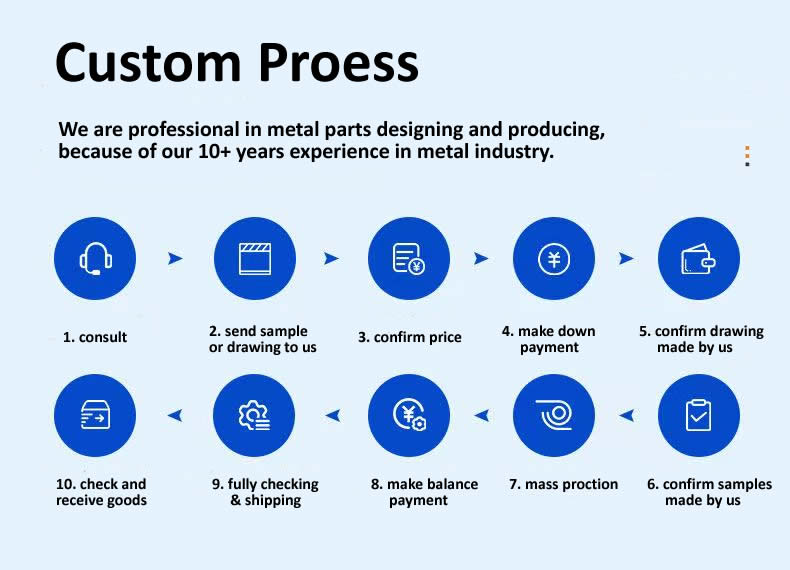
Here is how we work with you from design to delivery:
1. Consultation – You share your drawing, material thickness, head style, and quantity requirements.
2. Drawing & Quotation – Our engineers prepare a production drawing. We provide a clear quote – piece price, tooling cost (if any), and lead time.
3. Drawing Approval – We send you the drawing for confirmation.
4. Sample Production – We produce first articles (20–50 pieces) and ship them to you for testing.
5. Mass Production – Upon sample approval, we run full quantity on our 45 cold‑heading machines.
6. Quality Inspection – 100% optical sorting. AQL sample manually verified. Full documentation issued.
7. Shipping & Follow‑up – Packed to your requirements. We check that everything works as expected.
Sample lead time: 5–7 days standard; custom tooling: 15–20 days.
Why Customers Choose Us – Quality You Can Rely On
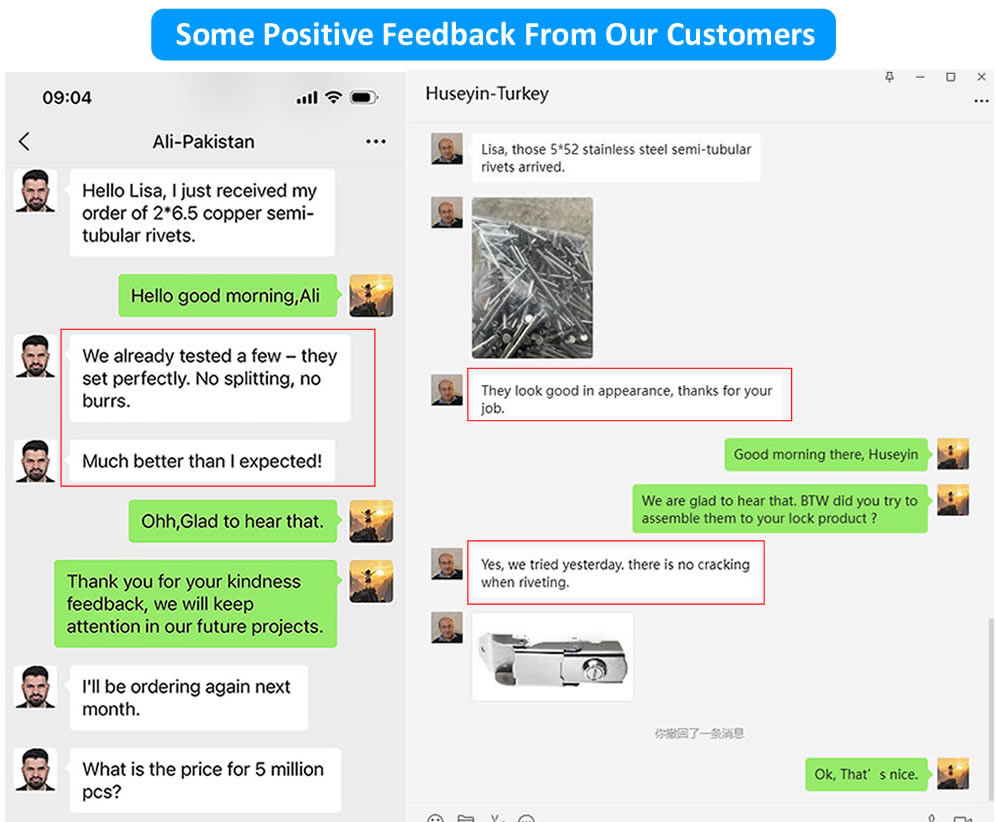
Manufacturers who use our brass flat head rivets come back to us for consistent quality and reliable delivery. Here is what we do to earn that trust:
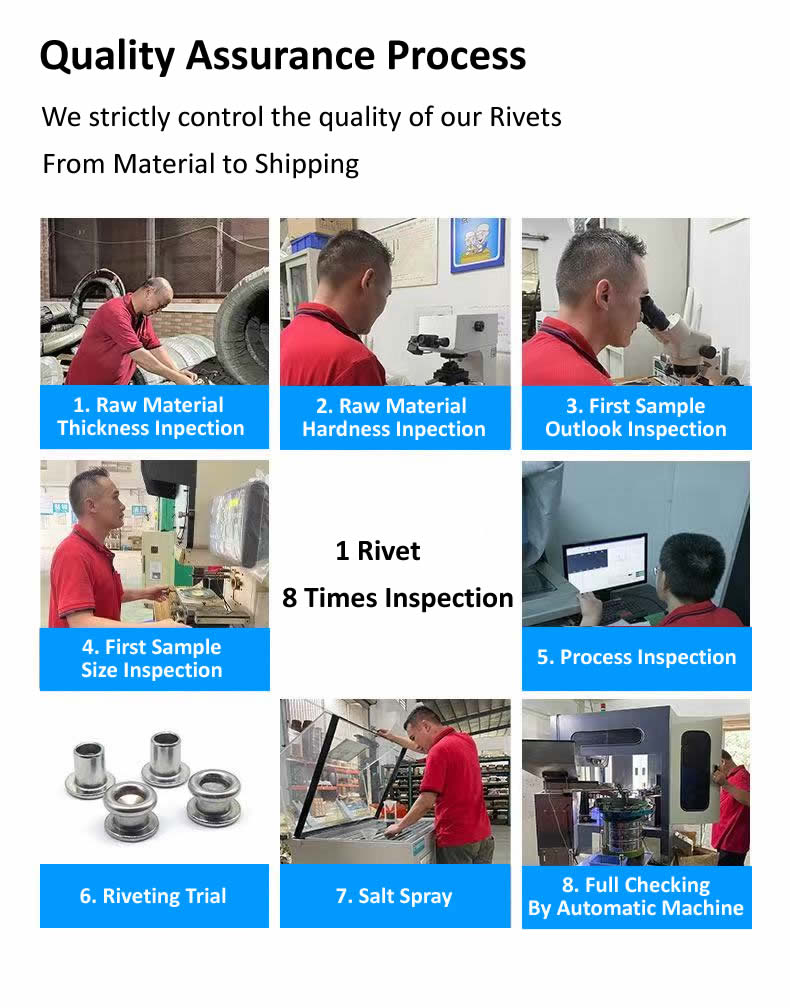
Material traceability – Every coil of C2680 brass wire comes with a mill test certificate and heat number. We can trace every batch back to the original melt.
Cold heading expertise – Our senior technicians have an average of 10+ years of experience forming brass rivets, understanding how brass behaves, how dies wear, and how to adjust before a machine drifts out of spec.
In‑process inspection – Operators pull samples every 500 pieces. Head geometry, shank diameter, and cavity depth (for semi‑tubular) are checked in real time.
100% optical sorting – Every rivet passes through a high‑speed optical sorting machine before packaging. Rejects are automatically ejected.
Full documentation – Every shipment includes a dimensional inspection report, material certificate, and Certificate of Conformance.
ISO 9001:2015 certified – Our quality management system is certified. We follow documented procedures, not guesswork.
We work with manufacturers in leather goods, marine hardware, electrical grounding, light metal fabrication, decorative trim, and automotive interiors – across North America, Europe, and Asia.
Two Questions We Answer Often
Q: "What is the difference between solid and semi‑tubular brass flat head rivets – and which one should I use for my application?"
A: The difference is the tail design – and it affects both setting force and strength.
A solid brass flat head rivet is fully solid – the entire shank deforms during installation. It delivers maximum shear and tensile strength, but requires high setting force (about 3.5 tons for a 5mm rivet) and slower installation. This is the right choice for structural joints, load‑bearing assemblies, and applications where failure is not an option.
A semi‑tubular brass flat head rivet has a shallow cavity at the tail (45–55% of barrel length). Only the thin wall of this hollow section rolls outward during installation – requiring about 70% less setting force (about 1.0 ton for a 5mm rivet). It retains 80–90% of solid rivet strength, but installs much faster and is gentler on thin or delicate materials.
Choose solid for maximum strength and permanent structural joints. Choose semi‑tubular for high‑volume production, thin materials, leather, plastics, and faster assembly lines.
Q: "In what applications are brass flat head rivets commonly used – and why brass?"
A:They are used across multiple industries where low profile, corrosion resistance, and appearance matter:
- Leather goods and accessories – Belts, bags, wallets, watch straps, saddlery – the flat head sits nearly flush, preventing snagging on clothing, while brass adds a premium, warm gold finish.
- Marine hardware – Boat fittings, deck hardware, canvas attachments – brass resists saltwater corrosion without plating, and the flat head prevents snagging on lines and sails.
- Electrical grounding – Grounding connections, terminal assemblies – brass offers ~28% IACS conductivity, and the flat head sits cleanly on panel surfaces.
- Light metal fabrication – Thin sheet metal assemblies, enclosures, housings – the low profile clears tight clearances, and brass does not rust like steel.
- Decorative trim and signage – Nameplates, architectural hardware, furniture trim – the flat head looks intentional and professional, and brass develops a warm patina over time.
Why brass? Steel rusts. Aluminum is weaker and less decorative. Brass gives you the corrosion resistance, appearance, and reliability you need – without the premium cost of stainless steel or the maintenance of plated steel.
Hot Tags: Brass Flat Head Rivets,China Flat Head Rivets,Flat Head Rivets Manufacturer
Related Categories
Send Inquiry
Please feel free to fill your inquiry in the form below. We will reply you in 24 hours.



X
We use cookies to offer you a better browsing experience, analyze site traffic and personalize content. By using this site, you agree to our use of cookies.
Privacy Policy