
Products
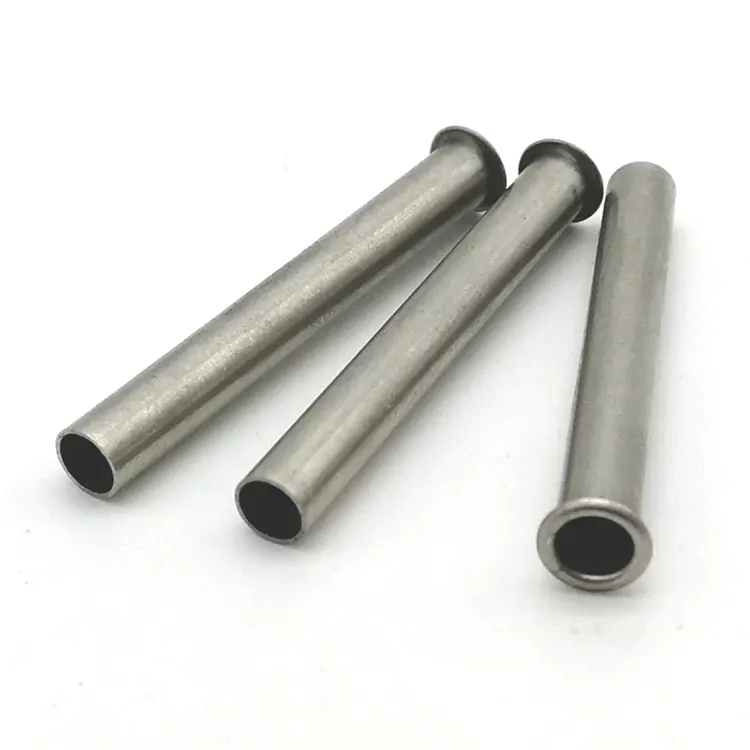
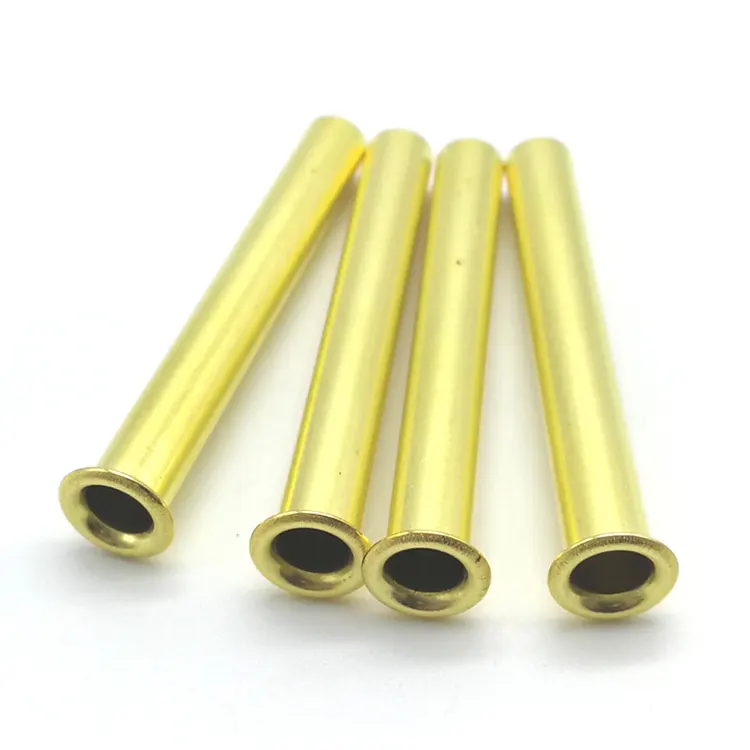
Brass Hollow Rivets
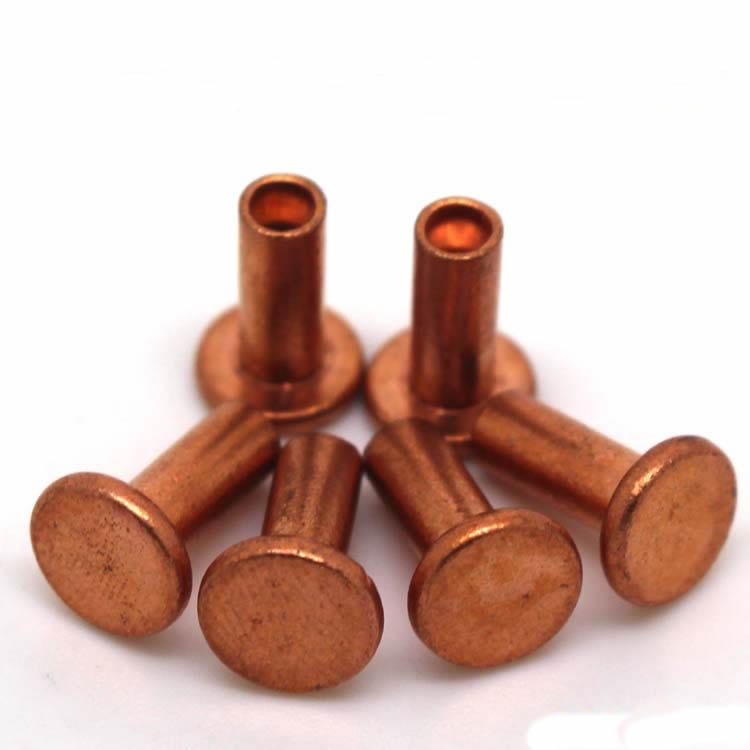
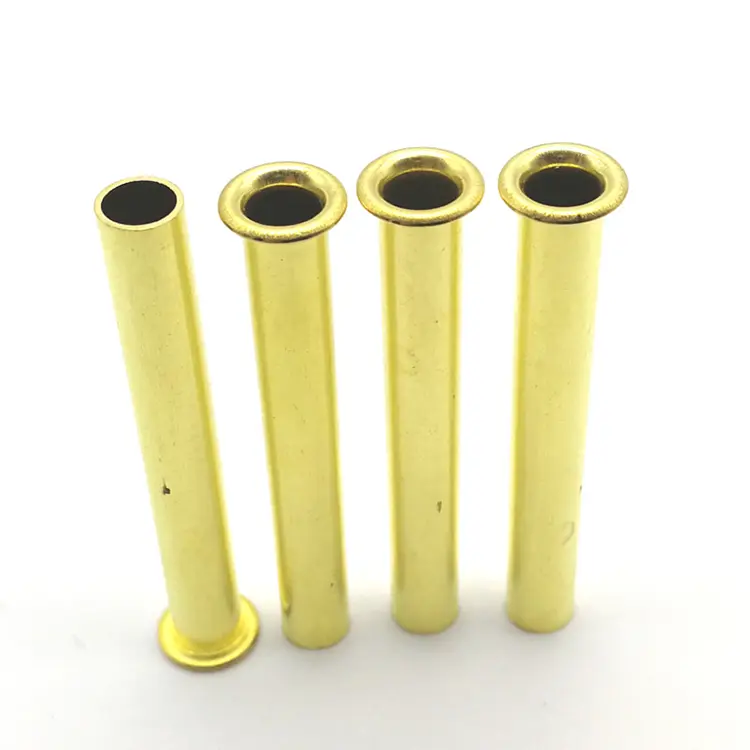
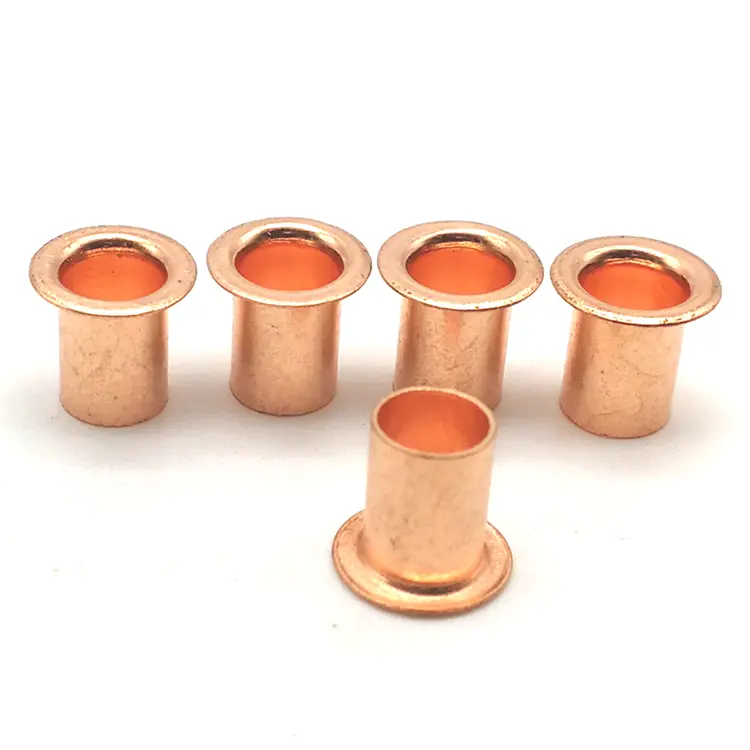
Brass hollow rivets are generally made of brass tubes. Brass tubes are hard, not easy to corrode, and resistant to high temperature and high pressure. They can be used in a variety of environments. At the same time, they are easier to bend, twist, crack, and break than ordinary metals. Nuote Metals is a professional manufacturer of brass hollow rivets in China, we are in this industry for more than 10 years.
Send Inquiry
Product Description
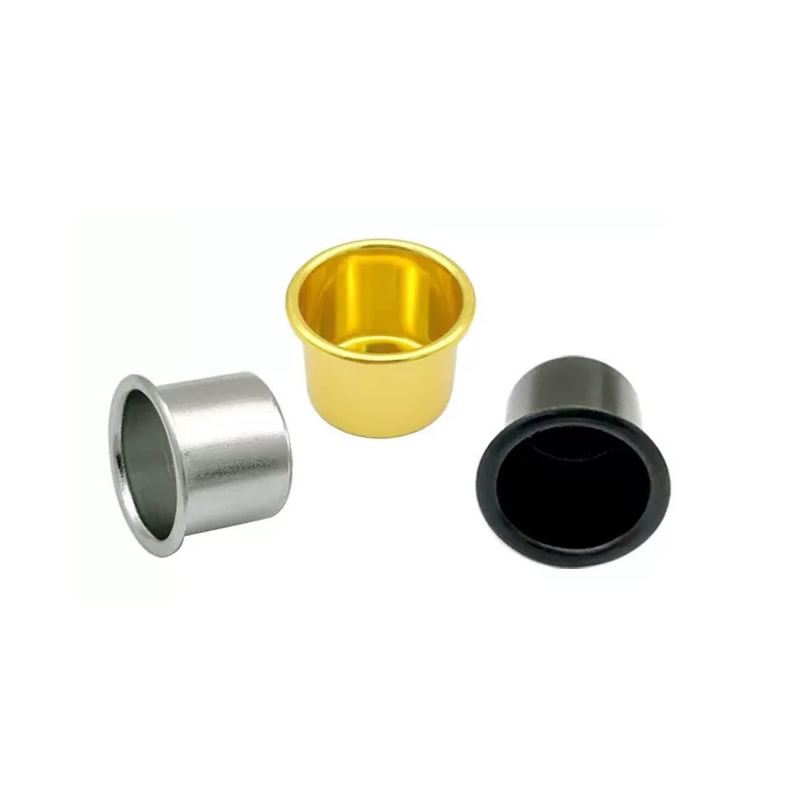
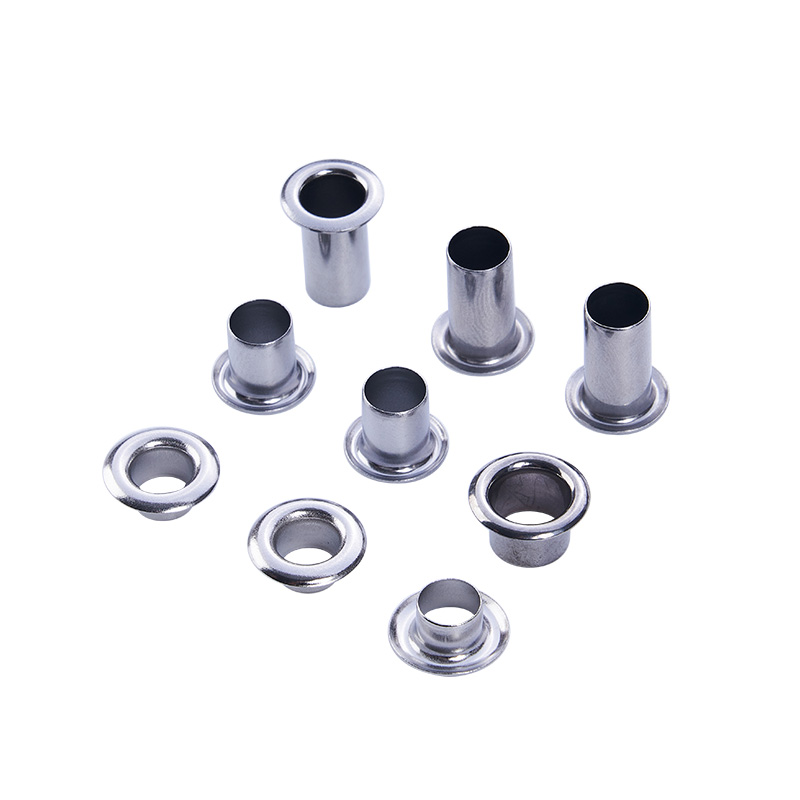
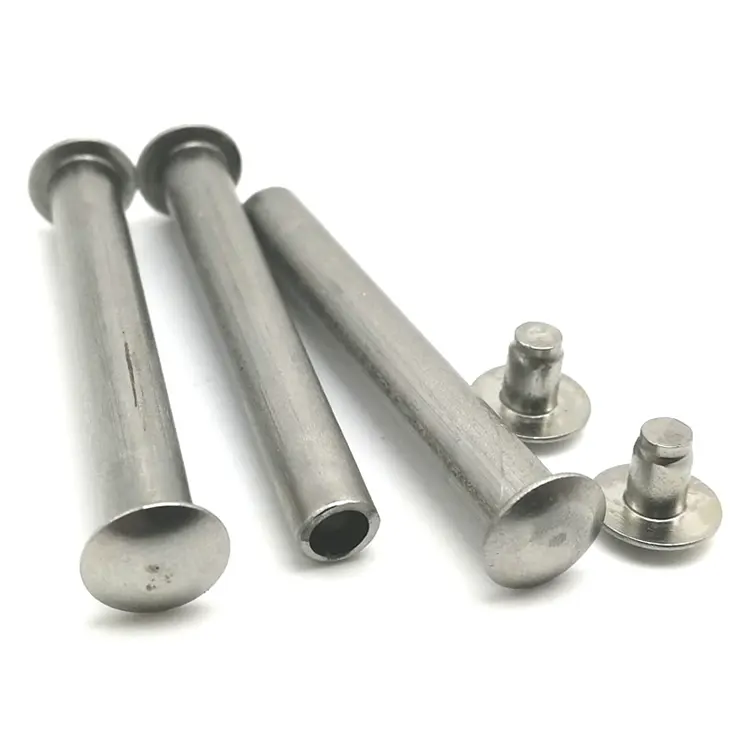
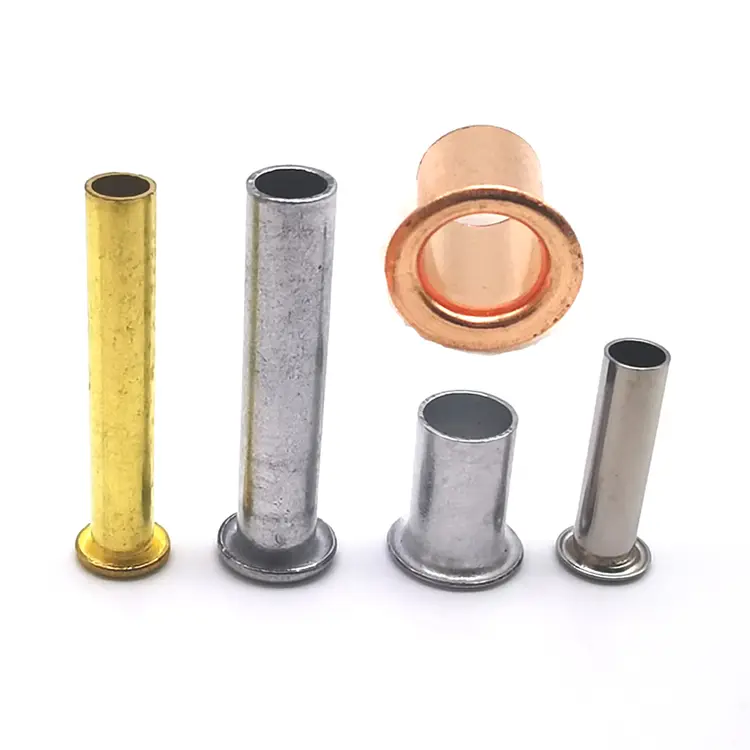
Brass hollow rivets are fully hollow fasteners with a central bore that can be used for lacing, wiring, or lightweight fastening. Unlike semi‑tubular or solid rivets, hollow rivets have a thin wall that flares outward during installation with minimal force.
We offer two manufacturing routes for brass hollow rivets, and the choice depends on your specific requirements:
Tube‑cutting + heading – We start with brass tube stock, cut it to length, and form the head on one end. This method is cost‑effective for larger diameters and thicker walls, and offers faster tooling lead times.
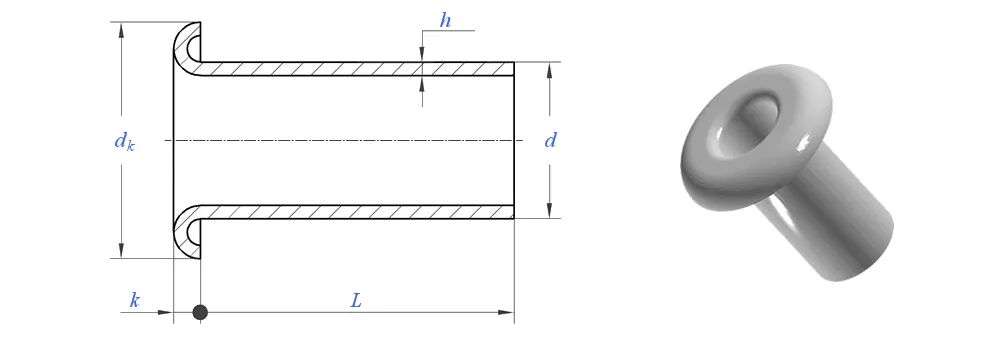
Deep drawing from sheet – We start with brass sheet and form the rivet through progressive drawing. This method produces a seamless, one‑piece construction with consistent wall thickness and a smooth inside bore, ideal for thinner walls and tighter tolerances.
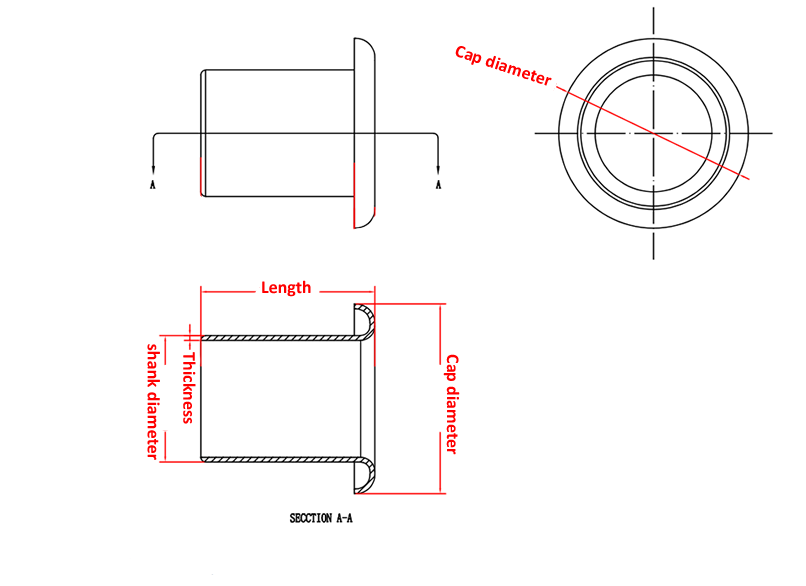
The right process depends on your application, quantity, and dimensional requirements. We review your drawing and recommend the optimal manufacturing route at quotation stage.
Tube‑Cutting vs. Deep‑Drawing – Which Process Is Right for You?
| Feature | Tube‑Cutting + Heading | Deep‑Drawing from Sheet |
|---|---|---|
| Starting material | Brass tube stock | Brass sheet (coil) |
| Construction | Cut tube + headed end | Seamless, one‑piece drawn |
| Wall thickness | Uniform, thicker | Uniform, can be thinner |
| Inside bore | Smooth, may have seam (if welded tube) | Smooth, seamless |
| Tooling lead time | Faster (2–3 weeks) | Longer (3–4 weeks) |
| Best for | Larger diameters, thicker walls, faster turnaround | Thin walls, tight tolerances, seamless requirement |
| Cost | Lower tooling cost | Higher tooling cost, lower piece price at volume |
We recommend tube‑cutting when: You need larger diameters, thicker walls, or faster tooling lead time. The application does not require a seamless bore.
We recommend deep‑drawing when: You need thinner walls, tighter tolerances, or a seamless bore. Production volumes are high enough to justify tooling investment.
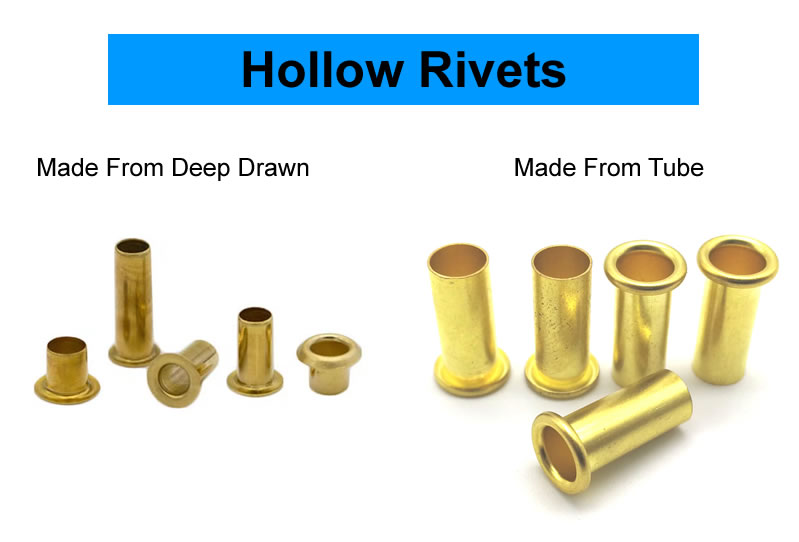
If you are unsure which process is right for your application, send us your drawing. We will review and recommend the optimal method – at no charge.
Materials – C2680 Brass
We manufacture brass hollow rivets from C2680 brass:
| Property | C2680 Brass |
|---|---|
| Copper content | 64.0 – 68.5% |
| Zinc content | 31.5 – 36.0% |
| Electrical conductivity | ~28% IACS |
| Corrosion resistance | Good – develops protective patina |
| Key advantage | Harder and more wear‑resistant than C2600 |
Available Finishes
We offer multiple surface finishes for them to match your application requirements:
| Finish | Appearance | Best For |
|---|---|---|
| Natural lacquered | Bright gold | General purpose, visible applications, tarnish protection |
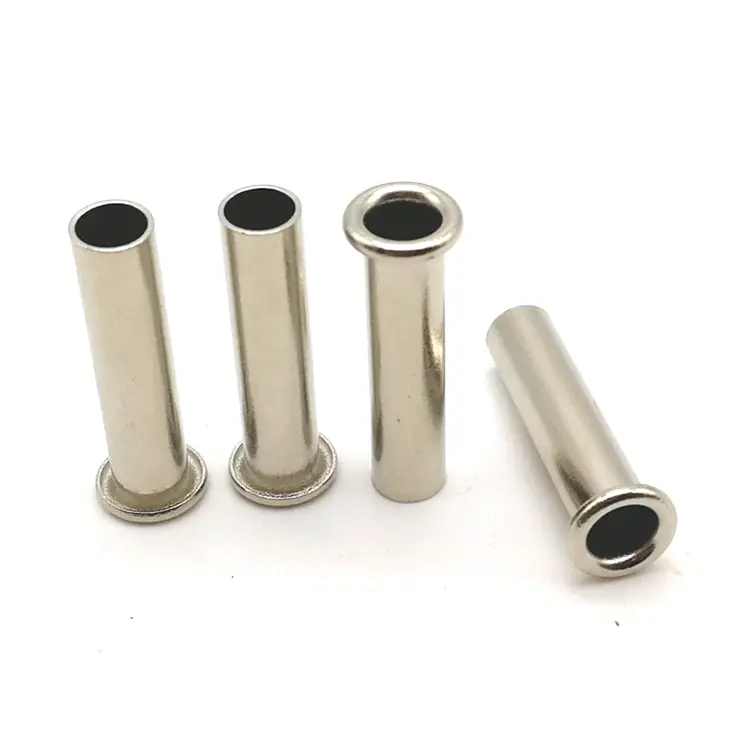
| Nickel‑plated | Bright silver | Matching silver hardware, wear resistance, modern appearance |
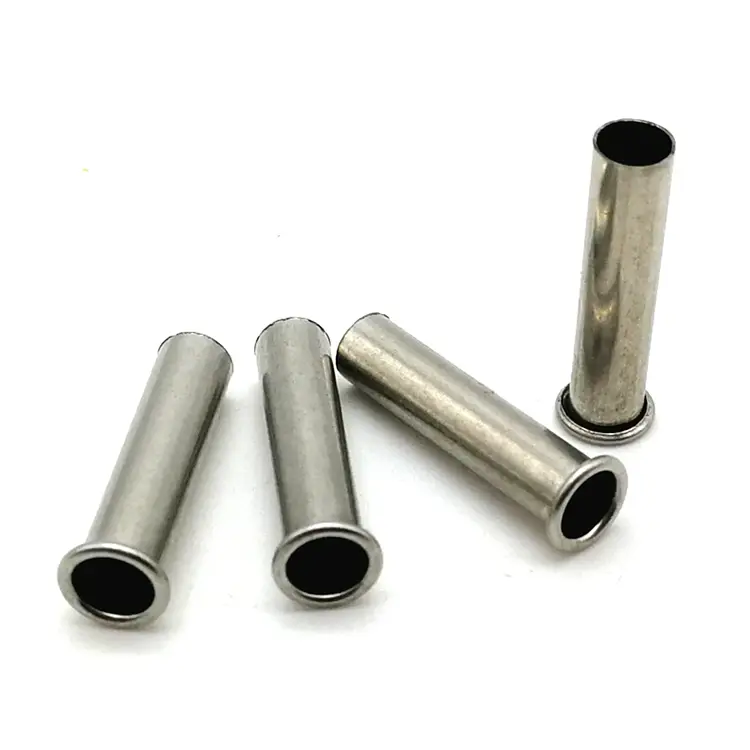
| Tin‑plated | Matte silver | Solderability, food contact, corrosion resistance |
| Silver‑plated | Bright white | High‑end electrical contacts, premium appearance |
| Antique | Dark, aged bronze | Vintage‑style, decorative, leather goods |
One Real Application – Round Tinplate Packaging Box
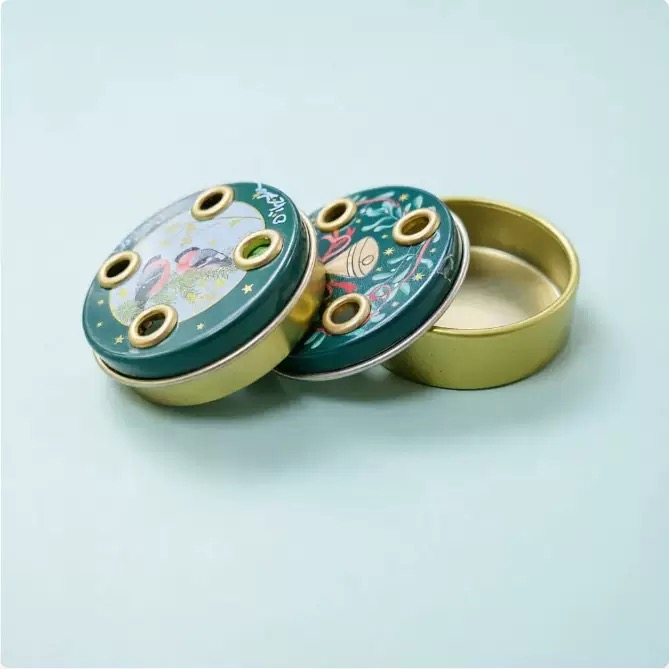
A manufacturer of premium tinplate packaging boxes needed a decorative yet functional fastener for their round container lids. Each box required four hollow rivets to attach the lid hinge mechanism – the rivets had to be visually consistent, corrosion‑resistant, and set cleanly without distorting the thin tinplate material. The customer also wanted a finish that matched the gold‑toned printing on the packaging.
We supplied natural lacquered brass hollow rivets – 3.0mm shank, 5.5mm round head, 4.0mm barrel length. The hollow design flared with minimal force – no distortion to the thin tinplate. The lacquered finish provided tarnish protection and matched the packaging design. The customer tested 500 boxes (2,000 rivets). After 10,000 open‑close cycles, zero failures. They now order our hollow rivets in batches of 200,000 pieces annually.
How We Manufacture Hollow Rivets – Two Routes
Route 1: Tube‑Cutting + Heading
1. Tube Stock Procurement – Certified C2680 brass tube from approved mills. Each batch comes with a mill test certificate and heat number.
2. Incoming Material Inspection – Tube stock checked for outside diameter (±0.02mm), wall thickness, and material composition.
3. Tube Cutting – The tube is cut to precise blank length.
4. Heading – The cut tube blank is placed into a heading press. A carbide die forms the head on one end.
5. Trimming – Flash around the head edge is removed.
6. Tumbling – Micro‑burrs are eliminated.
7. Plating or Lacquering – Applied as specified.
8. Final Inspection – 100% optical sorting. AQL sample manually verified.
Route 2: Deep‑Drawing from Sheet
1. Sheet Stock Procurement – Certified C2680 brass sheet from approved mills.
2. Incoming Material Inspection – Sheet stock checked for thickness and material composition.
3. Progressive Deep Drawing – The sheet feeds into a transfer press with a multi‑station progressive die. In a single continuous sequence, the die blanks a disc, draws it into a cup, deepens it to final barrel length, and pierces the bottom to create the hollow bore.
4. Flanging – The flange is coined flat and parallel.
5. Tumbling – Micro‑burrs are eliminated.
6. Plating or Lacquering – Applied as specified.
7. Final Inspection – 100% optical sorting. AQL sample manually verified.
Sample lead time: 5–7 days standard; custom tooling: 15–20 days.
Our Quality Control Process
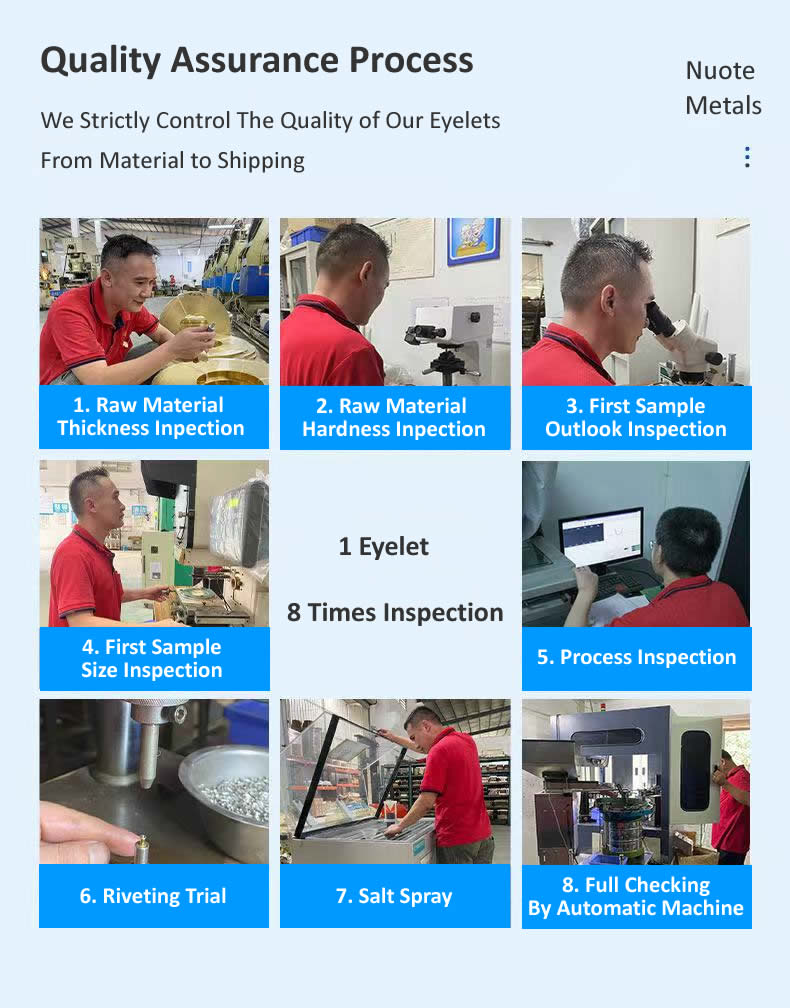
We follow a layered inspection system for every batch of brass hollow rivets – from incoming material to finished product.
Incoming material inspection – Tube or sheet stock checked for dimensions and material composition. Spectrometer verifies C2680 brass grade. Any material outside specification is rejected.
Setup and first‑off inspection – When tooling is installed, the first 10 rivets are examined under magnification for surface defects. Every dimension – inner diameter, outer flange, barrel length, and flange thickness – is measured on an optical comparator. The batch cannot proceed unless all dimensions match the drawing.
In‑process monitoring – During mass production, operators pull 5 rivets every 500 pieces. Critical dimensions are checked with digital calipers. Any drift beyond tolerance triggers an immediate press stop and tooling adjustment.
Clinch verification – Every 2,000 pieces, we set 3 rivets into a sample of your actual material. The rolled clinch is inspected for symmetry, tightness, and crack‑free formation.
Plating/lacquer verification – Thickness checked by XRF (if applicable).
Final outgoing inspection – Every rivet passes through an optical sorting machine with high‑speed cameras. Rejects are automatically ejected. After sorting, a random AQL sample (Level II, 1.0) is manually verified.
All inspection records are retained for five years and included with every shipment.
What Our Customers Say – Real Feedback
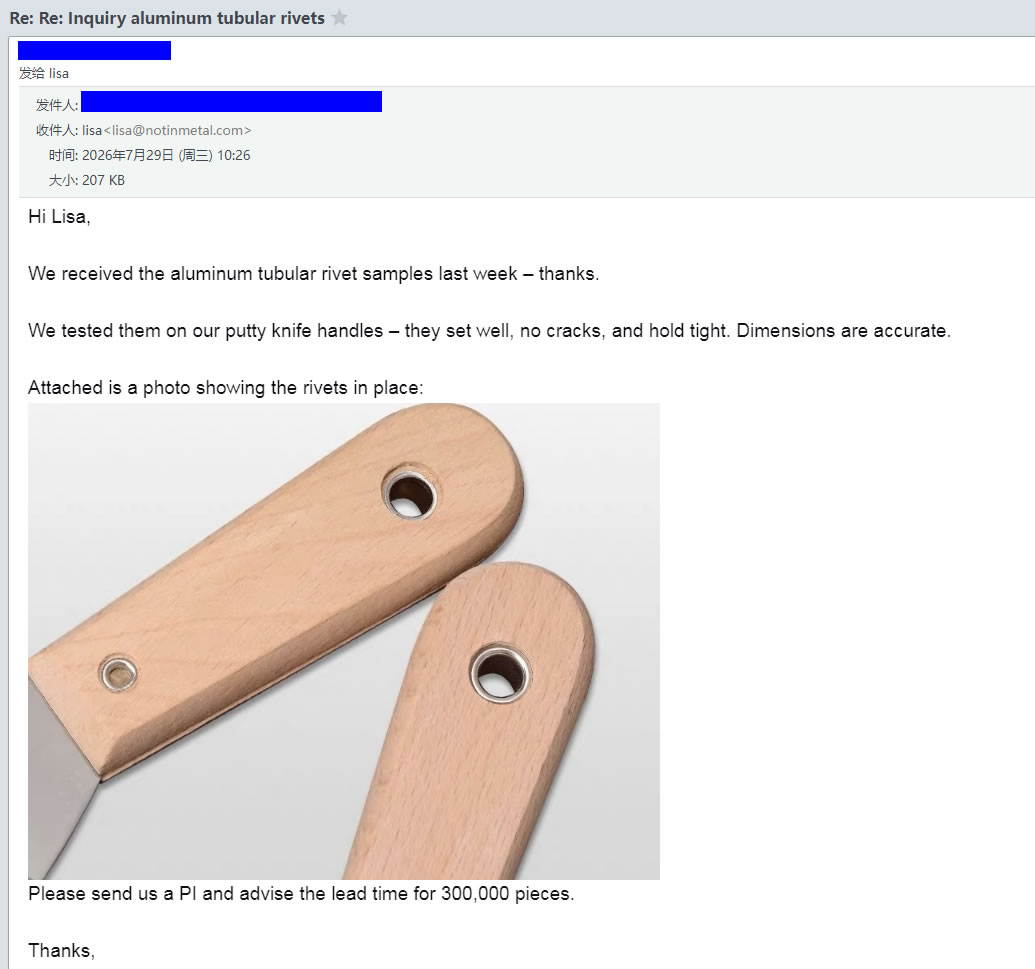
We let our customers speak for us. The images above show real feedback from manufacturers who have used our brass hollow rivets – from packaging companies to leather goods makers to electrical equipment builders.
We maintain full traceability and quality documentation for every batch:
Material certificates – Mill test certificates traceable to original coil
Dimensional inspection reports – Actual measurements from every batch
Plating/lacquer verification – Thickness and quality documented
Certificate of Conformance – Signed, batch‑traceable
Three Questions We Answer Often
Q: "Which manufacturing process should I choose – tube‑cutting or deep‑drawing?"
A: The choice depends on your application. Tube‑cutting + heading is ideal for larger diameters, thicker walls, and faster tooling lead times. Deep‑drawing from sheet is better for thinner walls, tighter tolerances, and seamless bore requirements. If you are unsure, send us your drawing. We will review your application and recommend the optimal method – at no charge. For the tinplate packaging case above, deep‑drawing was used because the customer needed thin walls and a clean, seamless bore.
Q: "What is the difference between brass hollow rivets and brass tubular rivets?"
A: The distinction can be confusing. In general, brass hollow rivets are deep‑drawn from sheet metal – seamless, one‑piece construction with a smooth inside bore. Brass tubular rivets are cut from tube stock and headed – they may have a seam (if welded tube) and feel more substantial. However, some manufacturers use the terms interchangeably. At Nuote Metals, we define hollow rivets as deep‑drawn from sheet, and tubular rivets as cut from tube stock. Both are available. Tell us your application, and we will recommend the right product.
Q: "How do I select the correct barrel length for a brass hollow rivet?"
A: Select a barrel length approximately 1.0–1.5mm longer than your total material stack thickness. For example, if you are reinforcing 2.5mm thick tinplate, choose a barrel length of 3.5–4.0mm. This extra length provides enough material for the barrel to roll outward and form a secure clinch. Too short, the clinch will be weak. Too long, the barrel may crumple. Send us your material stack thickness and we will recommend the exact length.
Hot Tags: Brass Hollow Rivets Supplier, Hollow Brass Rivets,Brass Hollow Rivets Manufacturer
Related Categories
Send Inquiry
Please feel free to fill your inquiry in the form below. We will reply you in 24 hours.



X
We use cookies to offer you a better browsing experience, analyze site traffic and personalize content. By using this site, you agree to our use of cookies.
Privacy Policy