
Products
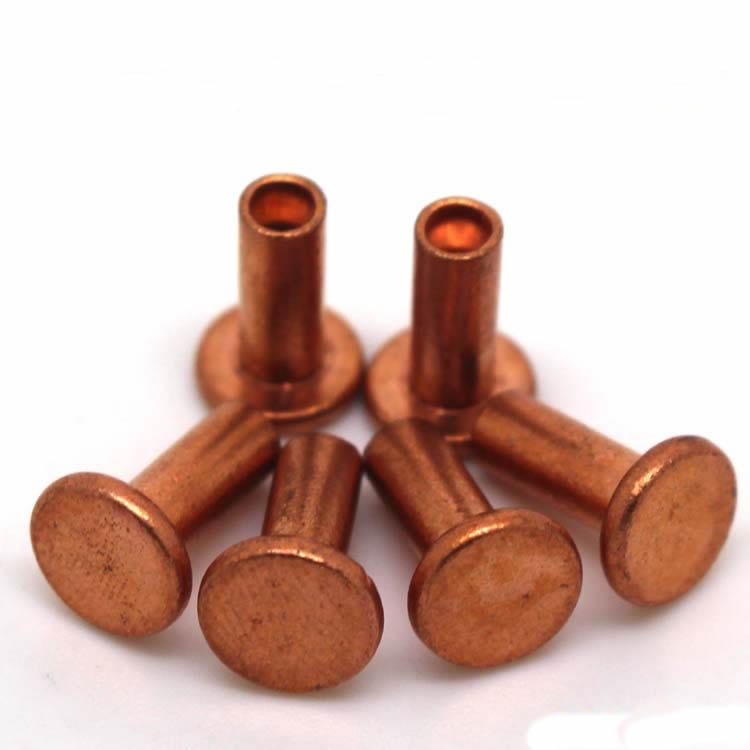
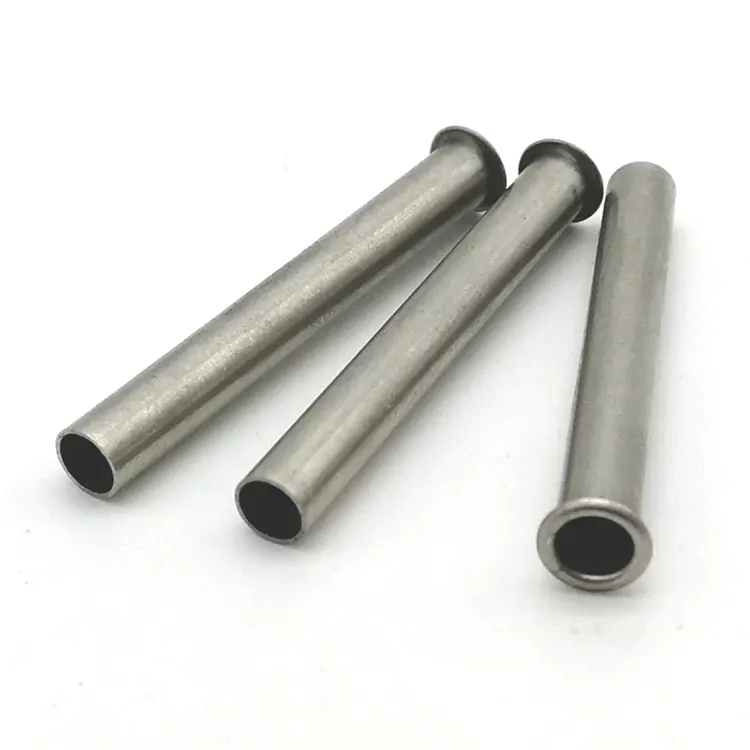
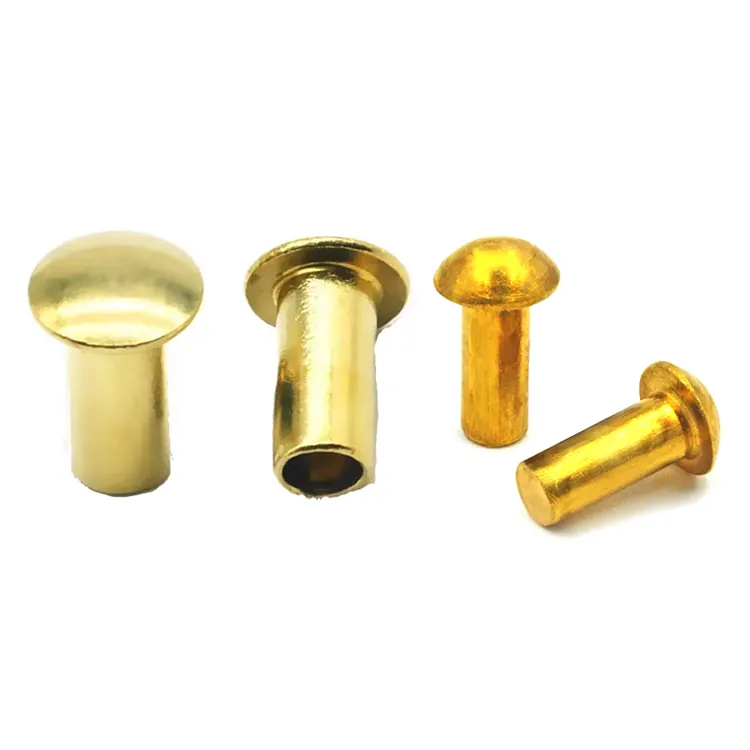
Brass Mushroom Head Rivets
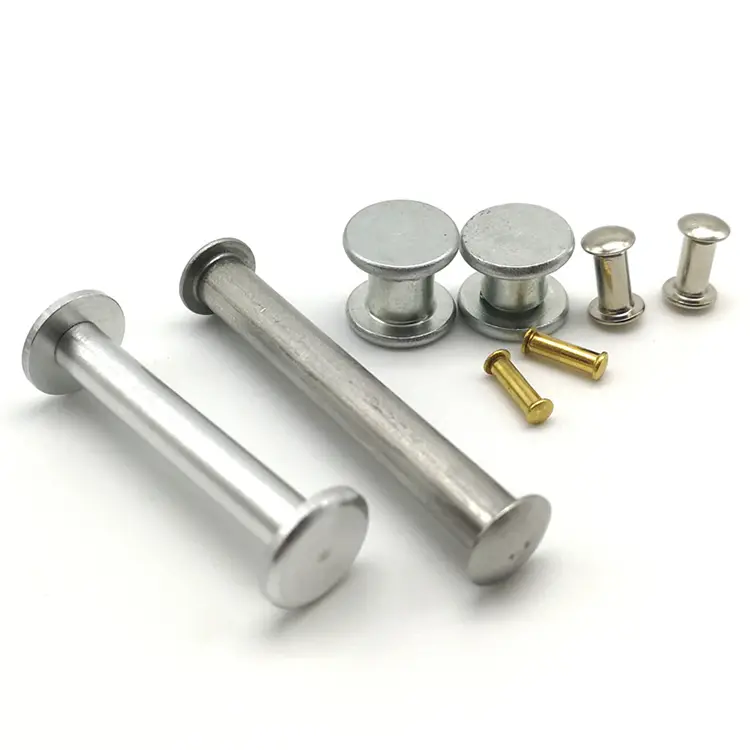
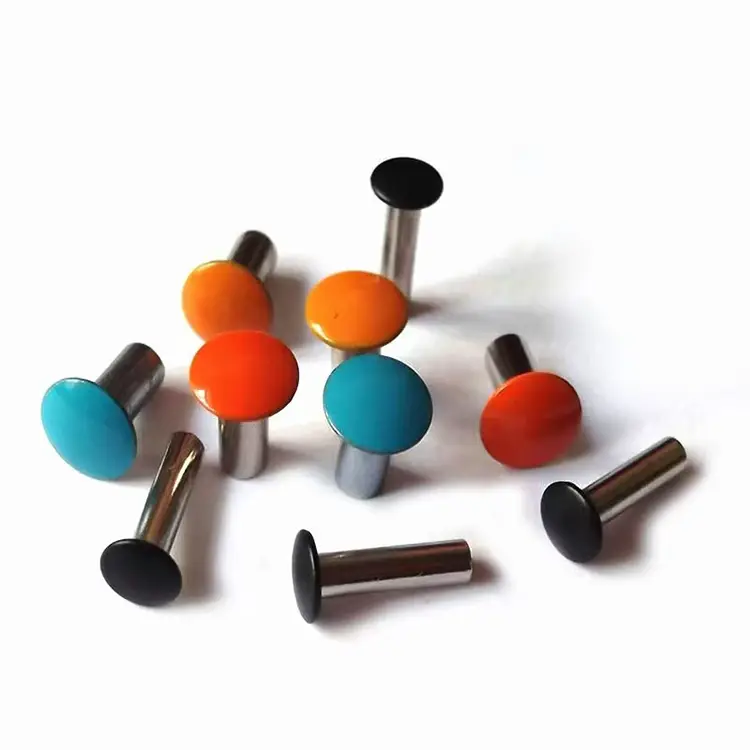
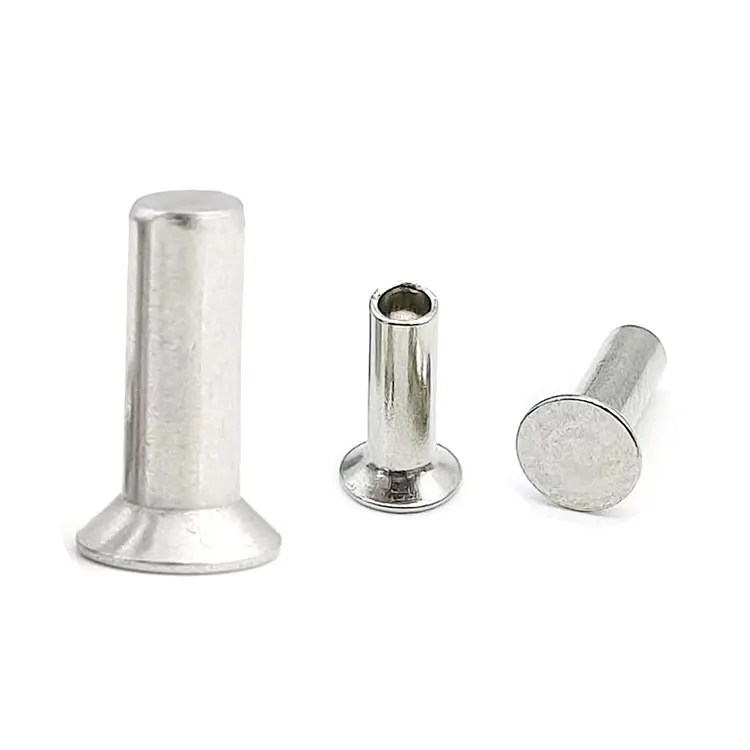
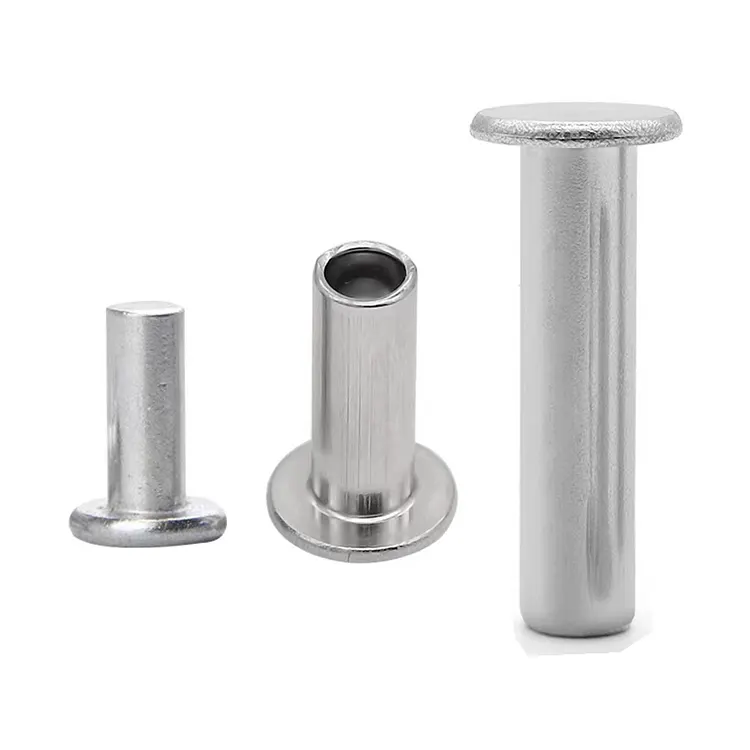
Brass mushroom head rivets consist of a head and a body. The head is round and slightly flattened, resembling a mushroom cap. The body is semi-hollow, meaning it has a hole in the center but doesn't go completely through. These are called brass semi-hollow mushroom head rivets. Some rivets have a solid body, called brass solid mushroom head rivets. During installation, a specialized tool is used to insert the body into the pre-drilled hole. Pressure is applied to deform the body, causing it to expand and grip the material, creating a secure connection. Nuote Metals specializes in producing these brass mushroom head rivets.
Send Inquiry
Product Description
A rivet head that is too sharp is more than a cosmetic problem. It catches on gloves, scratches surfaces, and creates stress points that can lead to material failure. Brass mushroom head rivets solve this with a wide, low dome and a generous radius at the edge – smooth, rounded, no sharp transition from head to material.
The wide head distributes clamping force over a larger area, reducing stress on the material. The radiused edge eliminates sharp corners. The brass material provides corrosion resistance, a warm gold appearance, and good electrical conductivity.
This is the rivet you specify when safety and surface protection matter as much as holding strength.
Mushroom Head vs. Round Head – The Smooth Edge Difference
| Feature | Brass Mushroom Head Rivet | Brass Round Head Rivet |
|---|---|---|
| Edge profile | Large, smooth radius | Small, distinct edge |
| Head diameter / shank ratio | 2.2 – 2.5 : 1 | 1.6 – 1.8 : 1 |
| Head height | Low (30–35%) | Tall (45–50%) |
| Snag risk | Lowest of any head | Moderate |
| Best for | Safety‑critical, worker‑accessible, surface‑sensitive | Metal‑to‑metal, traditional appearance |
The difference is the radius. A round head has a distinct edge – it may not feel sharp, but it can catch on gloves or scratch finishes over time. A mushroom head has a smooth, continuous curve from the center to the edge. Run your finger across a mushroom head rivet, and you will feel nothing but a gentle dome.
Choose mushroom head when: The rivet will be touched by workers or users. The surface finish must be protected from scratches. You need a wide bearing surface but cannot risk sharp edges. Safety and appearance both matter.
Brass vs. Steel vs. Stainless vs. Aluminum – How Mushroom Head Compares
| Feature | Brass (C2680) | Steel (Low‑Carbon) | Stainless Steel (304) | Aluminum (5052) |
|---|---|---|---|---|
| Edge finish | Smooth, radiused | Depends on finish | Smooth, radiused | Smooth, radiused |
| Corrosion resistance | Good – natural patina | Depends on plating | Excellent – self‑healing | Good – natural oxide |
| Appearance | Warm gold | Silver (plated) | Bright silver | Silver |
| Electrical conductivity | ~28% IACS | ~10% | <5% | ~61% |
| Strength | 315–390 MPa | 400–500 MPa | 620–750 MPa | 220–280 MPa |
| Best for | Safety, visible, decorative, marine | Industrial, cost‑sensitive | Outdoor, marine, food | Lightweight, non‑magnetic |
Why brass for mushroom heads? The mushroom head is all about surface protection – and brass is the material that protects best. Steel needs plating that can scratch or wear off, exposing sharp edges. Stainless is strong but expensive. Brass is corrosion‑resistant without plating, takes a smooth radius easily, and looks good doing it. It is the material that matches the head style.
One Real Application – Heavy Equipment Control Panel
A manufacturer of heavy construction equipment needed a fastener for control panel assemblies that workers would touch daily. The previous round head rivets had sharp edges that caught on gloves and scratched the powder‑coated panel surface. Safety concerns were rising. The customer needed a fastener that would eliminate sharp edges, protect the surface finish, and hold securely under vibration.
We supplied zinc‑plated steel mushroom head semi‑tubular rivets – 5.0mm shank, 11.0mm head, 12.0mm barrel length. The smooth, radiused edge eliminated sharp corners – no more snagged gloves, no more scratched panels. The wide head distributed clamping force evenly across the panel. The semi‑tubular cavity cut setting force from 4.0 tons to 1.2 tons. The customer tested 500 rivets across 50 equipment units. After 12 months of field operation, zero failures, zero safety complaints. They now order brass mushroom head rivets in batches of 200,000 pieces annually.
About Nuote Metals – Who We Are and What We Make
We are a Dongguan‑based fastener manufacturer with over a decade of experience in cold heading, deep drawing, stamping, and CNC machining. Our facility runs dozens of cold heading machines with a daily output of tens of millions of rivets. We also operate high‑speed stamping presses and CNC turning equipment to produce a full range of metal components.
Our product lines include:
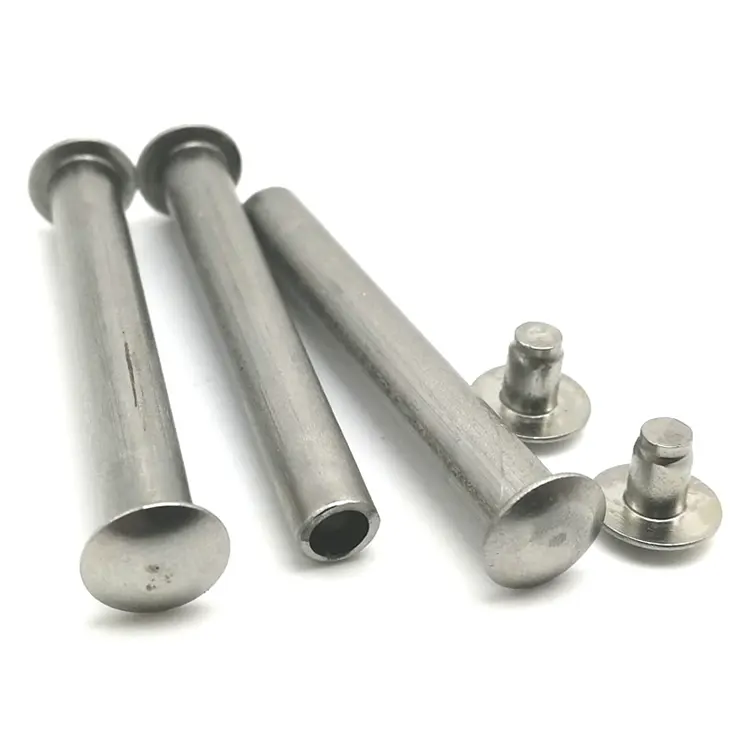
Rivets – solid, semi‑tubular, full tubular, and special rivets in carbon steel, stainless steel, brass, copper, and aluminum
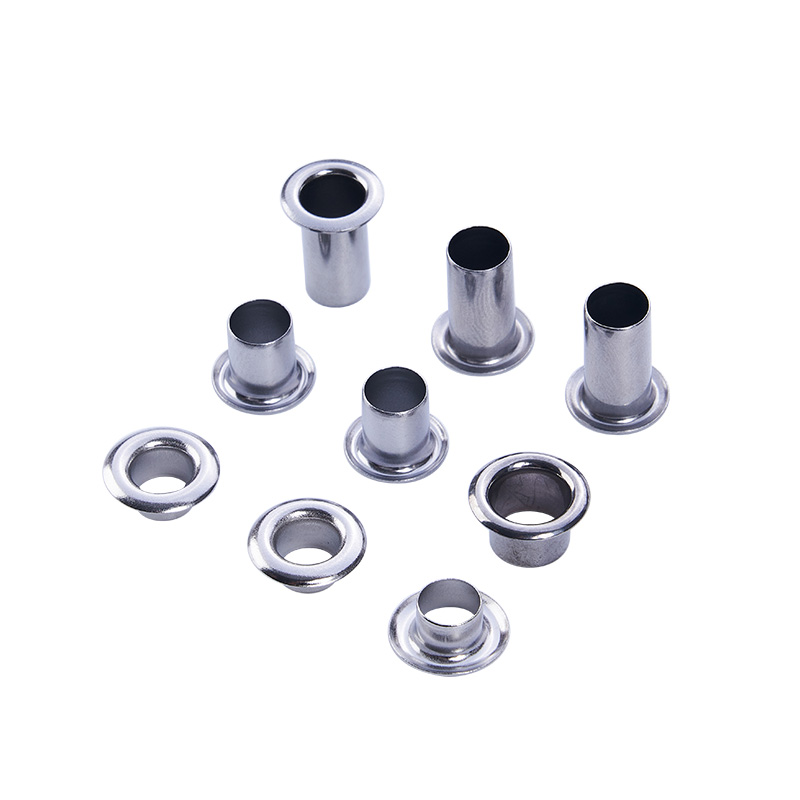
Eyelets – produced on dedicated deep‑drawing equipment
Stamping parts – high‑speed stamping for precision metal components
CNC turning parts – precision components with tolerances down to ±0.005mm
What we hold:
Tolerances – ±0.05mm on standard rivet dimensions; down to ±0.005mm on CNC parts
Stock – over 3,000 different sizes, from 0.8mm to 10mm shank diameter
Lead time – 3–5 days for stocked sizes; 15–25 days for custom orders
Quality – 100% inspected before shipment
Certification – ISO 9001:2015
We ship to manufacturers across North America, Europe, Asia, and beyond.
What Our Customers Say – Real Feedback
(Image placeholder – customer testimonial screenshots, review photos, or email feedback)
Manufacturers who use our brass mushroom head rivets come back to us for consistent quality and reliable delivery. Here is what they tell us:
"No more snagged gloves on our assembly line." – Heavy equipment manufacturer
"The smooth heads do not scratch our powder‑coated panels." – Control panel assembler
"We switched to mushroom heads and eliminated a safety complaint." – Construction equipment supplier
"The brass finish matches our hardware perfectly." – Marine equipment builder
We work with manufacturers in heavy equipment, marine hardware, construction machinery, automotive interiors, mining equipment, and industrial assemblies – across North America, Europe, and Asia.
(Image placeholder – customer collaboration photos, factory visit photos, or team photos)
Two Questions We Answer Often
Q: "What is the difference between a mushroom head and a truss head – which one should I choose?"
A: The difference is the edge profile. A mushroom head has a large, generous radius at the edge – smooth, rounded, no sharp transition. A truss head has a sharper edge – less radius, more defined. The mushroom head is specifically designed to eliminate sharp edges and protect surfaces. The truss head is designed for maximum bearing surface – it is wider and flatter, but the edge is less forgiving. Choose mushroom head when safety, surface protection, and a smooth finish matter. Choose truss head when you need the widest possible bearing surface and edge sharpness is not a concern.
Q: "What is the maximum edge radius you can achieve on a brass mushroom head rivet?"
A: The maximum edge radius depends on the head diameter and shank size. For a typical 4mm shank with a 9.5mm mushroom head, we can achieve a radius of 0.8–1.2mm – smooth enough to eliminate snagging and reduce stress concentration. For custom applications requiring a larger radius, we can modify the heading die geometry. The limiting factor is the head height – the radius cannot exceed the head height without compromising the dome shape. Send us your application details – we will recommend the optimal radius for your needs.
Hot Tags: Brass Mushroom Head Rivets,China Brass Rivets Supplier,Mushroom Head Rivets Manufacturer
Related Categories
Send Inquiry
Please feel free to fill your inquiry in the form below. We will reply you in 24 hours.



X
We use cookies to offer you a better browsing experience, analyze site traffic and personalize content. By using this site, you agree to our use of cookies.
Privacy Policy