
Products
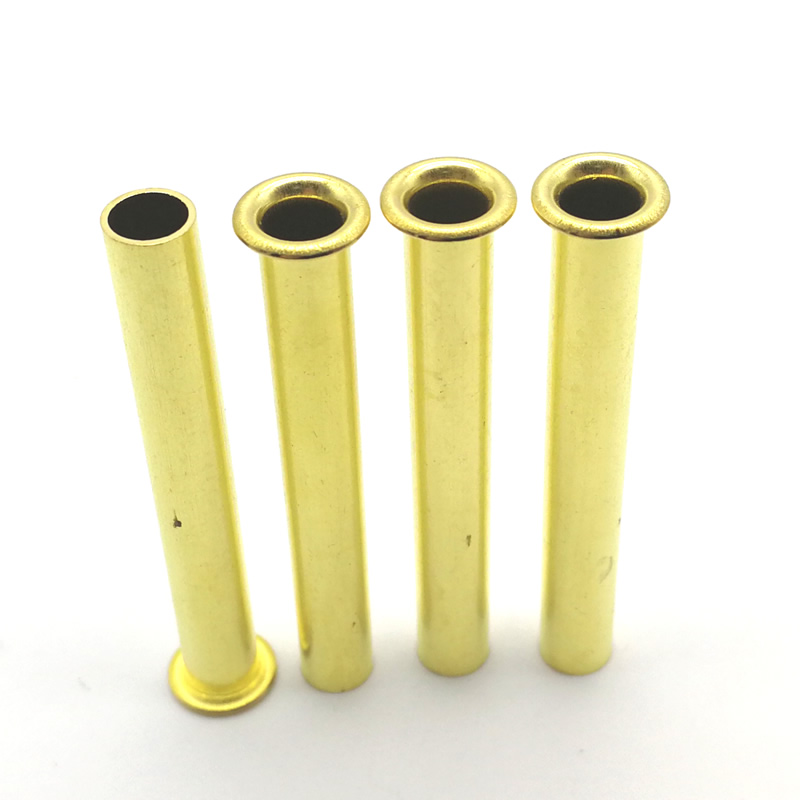
Full Hollow Rivets
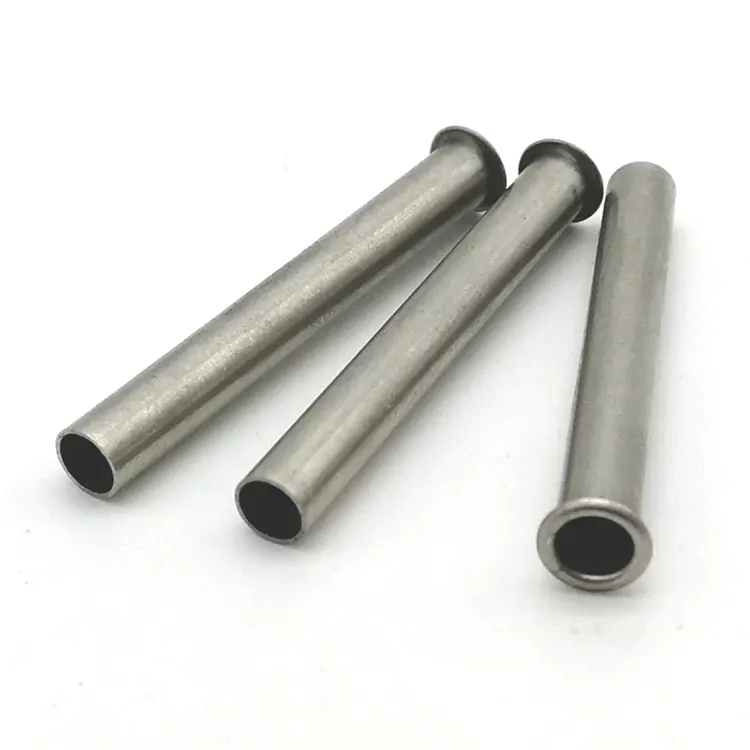
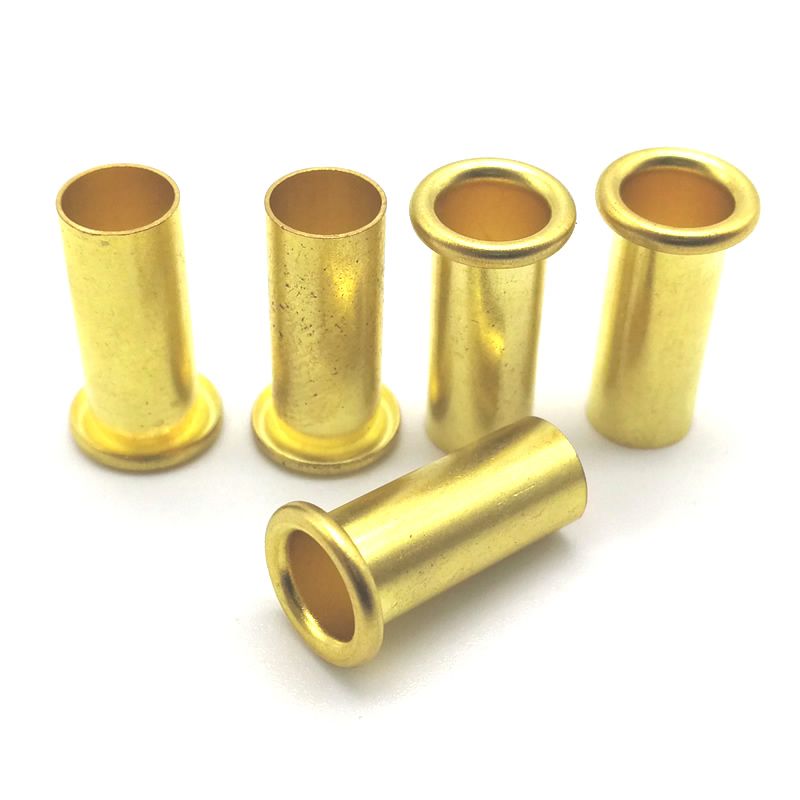
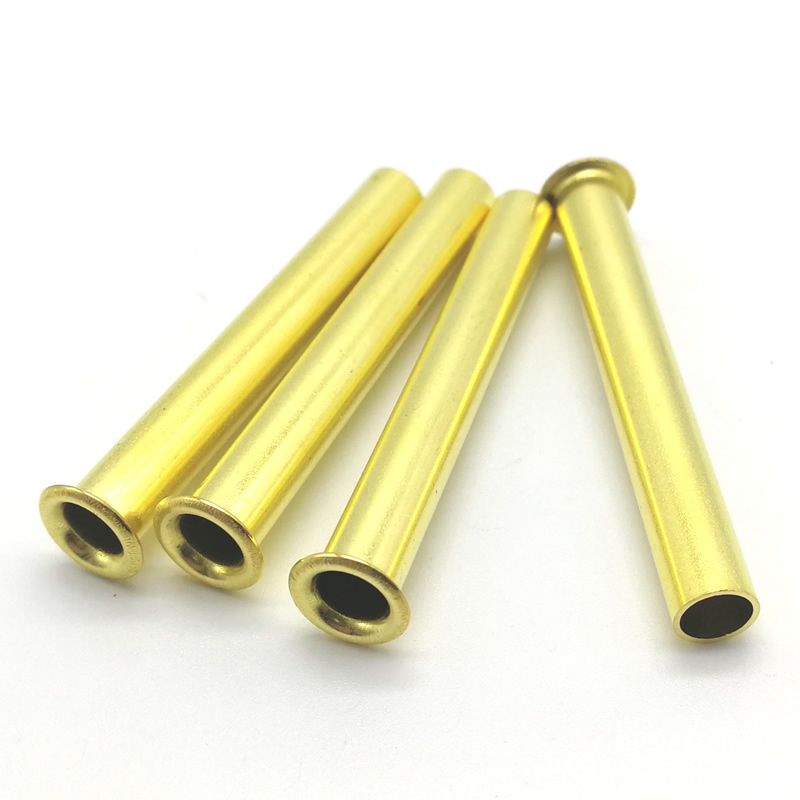
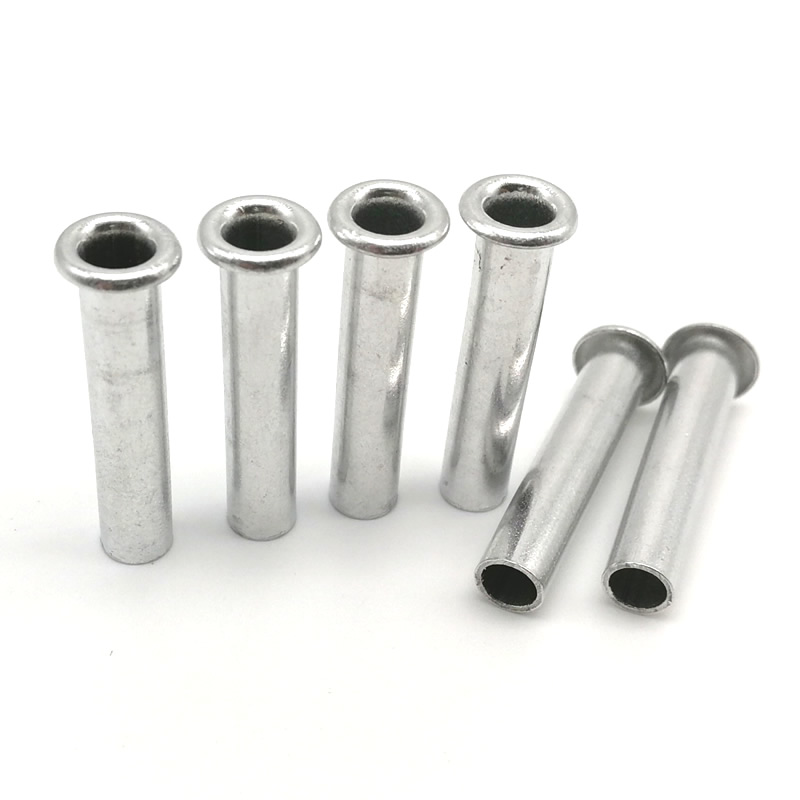
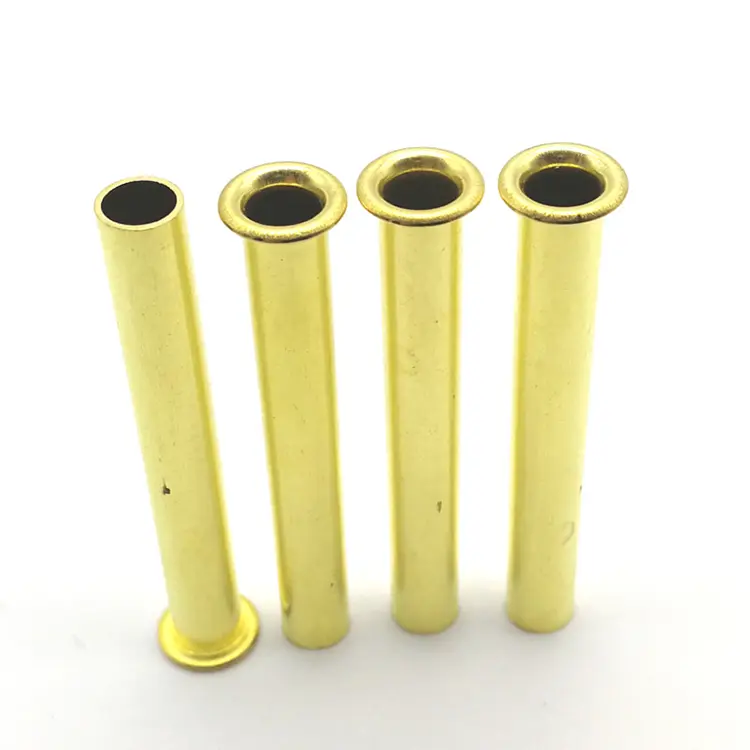
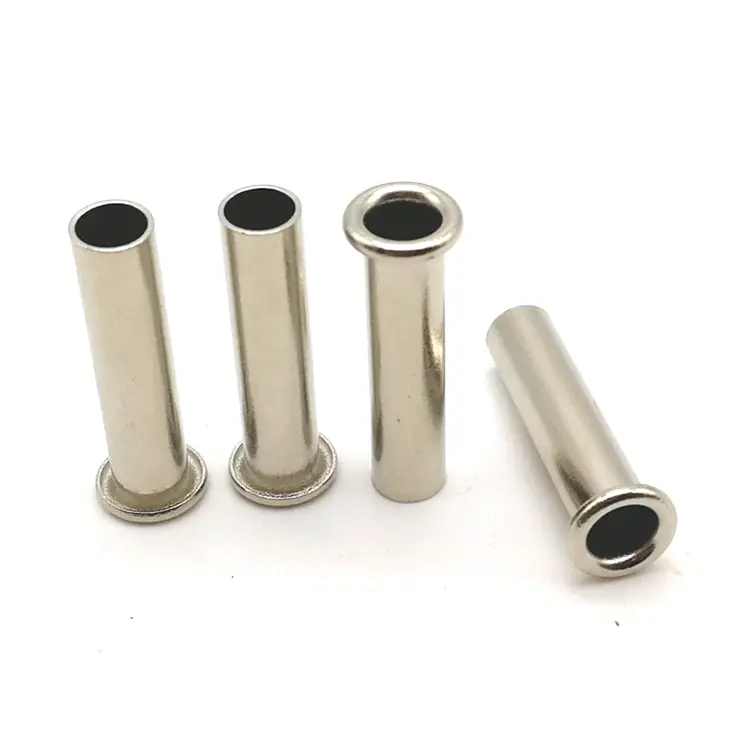
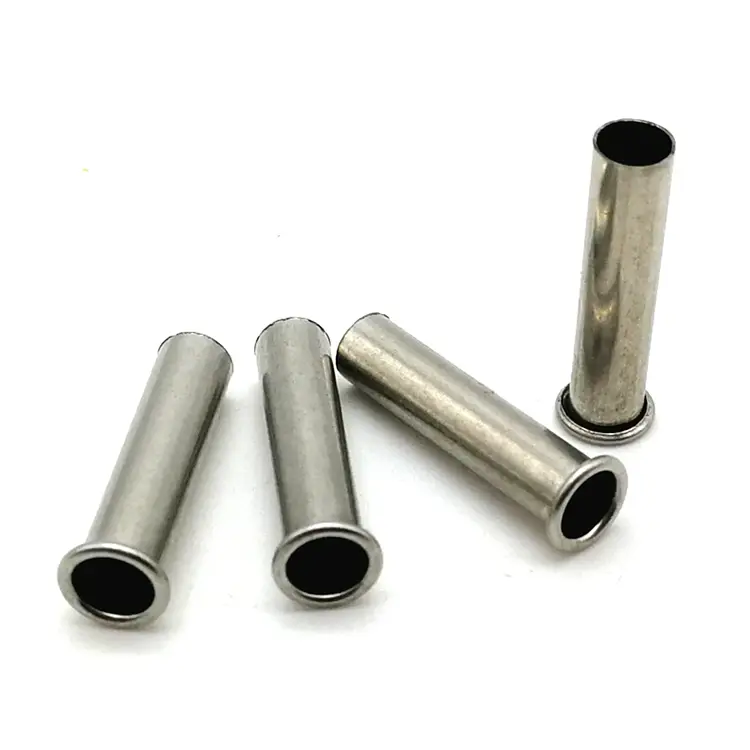
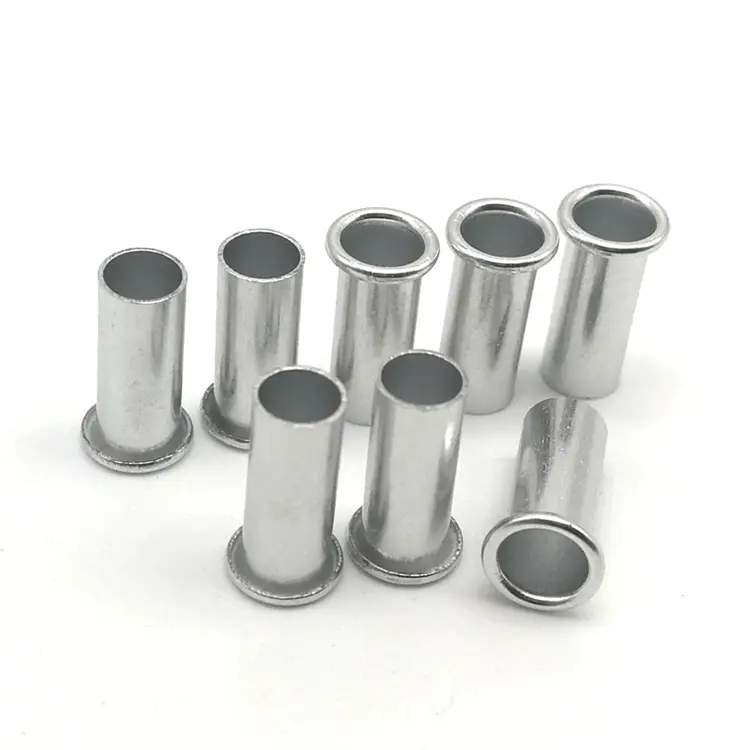
Nuote Metals supplies full hollow rivets – the hollowest rivet in our range, with a shank that is fully hollow from end to end. At 15–20% of solid rivet setting force, they are the lowest‑force permanent fastener you can specify. Available in 0.8–10mm shank diameters, carbon steel, stainless steel, brass, copper, and aluminum. ISO 9001 certified.
Send Inquiry
Product Description
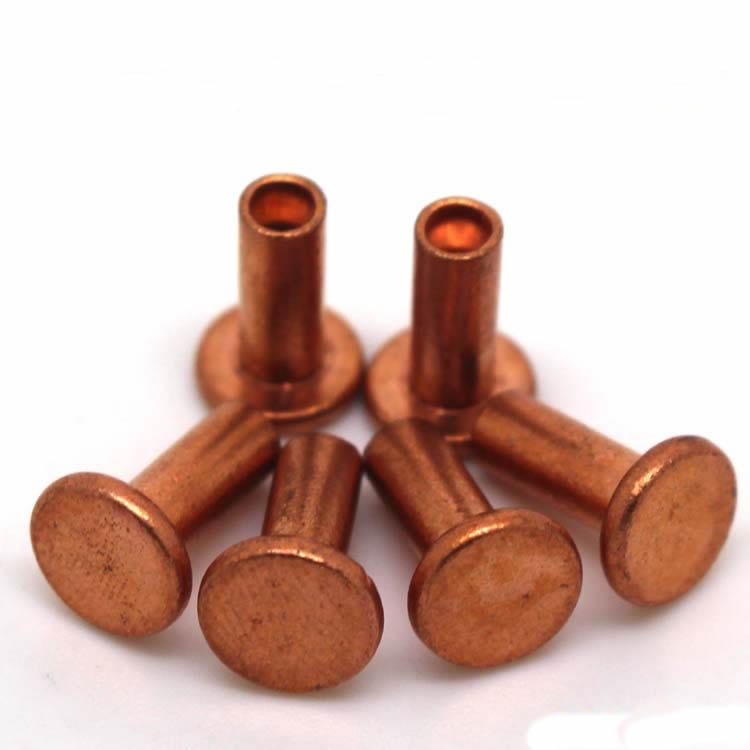
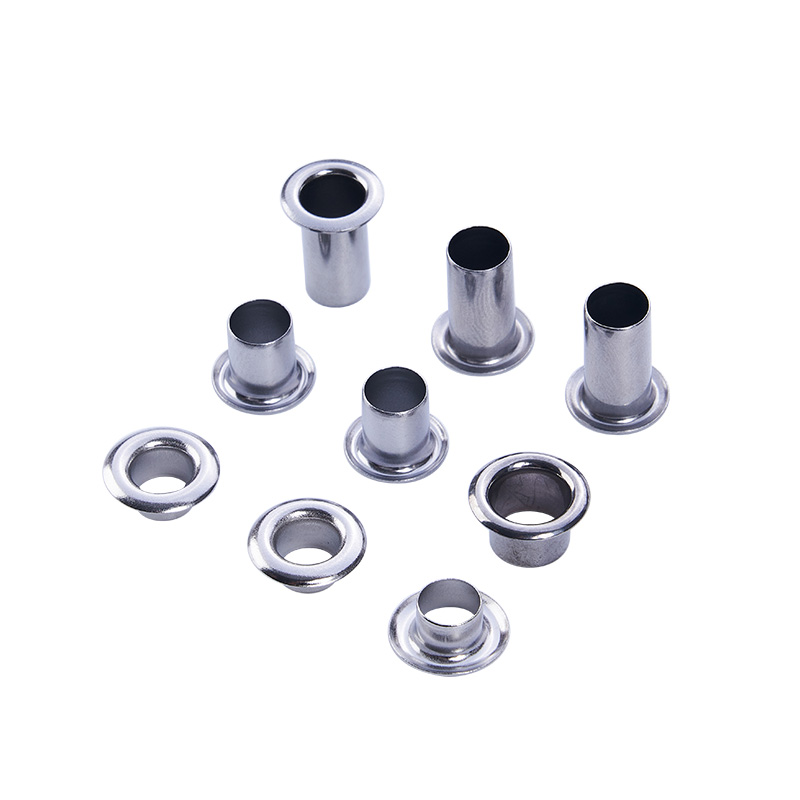
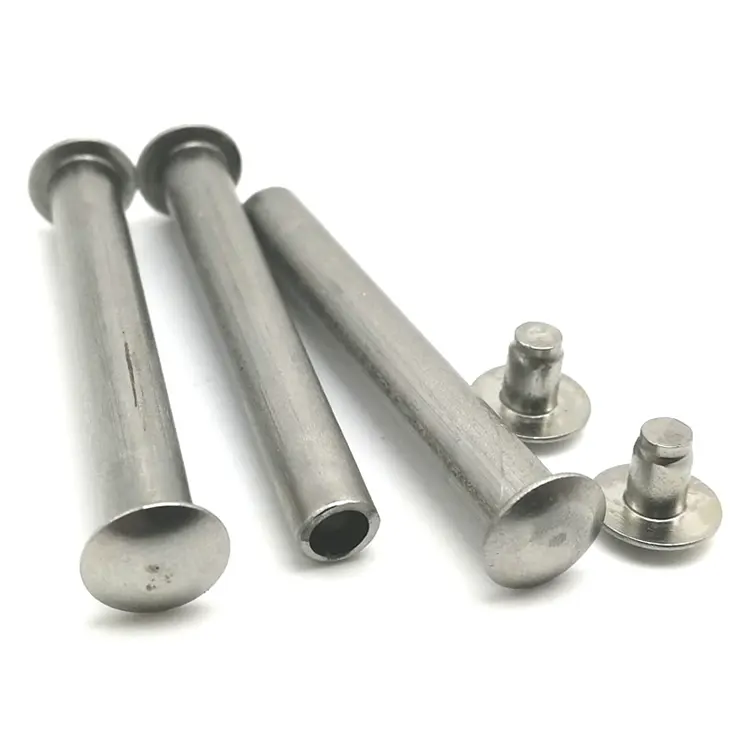
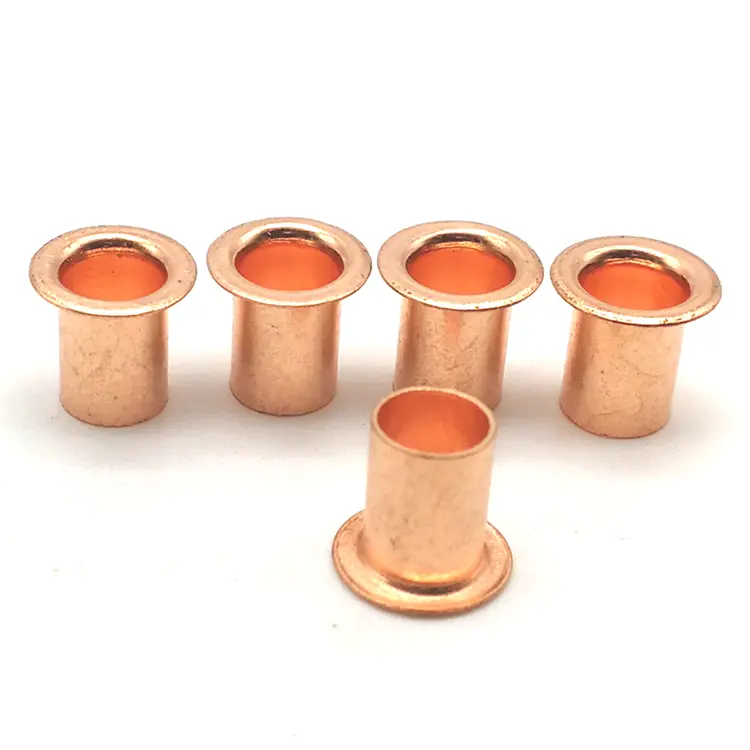
Full hollow rivets are exactly what they sound like: a short piece of metal tubing with a head formed on one end. The shank is fully hollow – there is no solid material at the bottom. The hollow runs from the tip all the way up to the head.
You might call them tubular rivets, hollow rivets, or full tubular rivets. We call them what they are: the fastener that requires the least force to set, the lightest weight for its size, and the gentlest touch on soft materials.
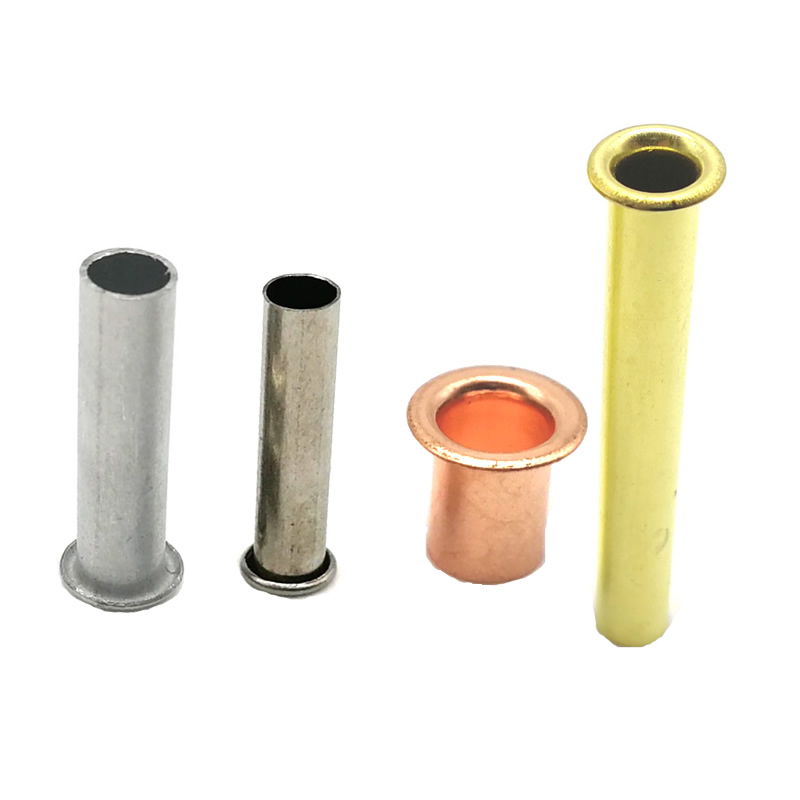
Full Hollow vs. Semi‑Tubular vs. Solid – The Hollow That Makes the Difference
| Feature | Full Hollow Rivet | Semi‑Tubular Rivet | Solid Rivet |
|---|---|---|---|
| Shaft design | Fully hollow (tube) | Partially hollow (45–55% of length) | Fully solid |
| Setting force | 15–20% of solid | 25–30% of solid | 100% |
| Wall thickness | Thinnest | Moderate | Solid |
| Weight | Lightest | Lighter | Heaviest |
| Best for | Soft materials, lightest weight, lowest force | General purpose, moderate loads | Structural, heavy‑duty |
Full hollow rivets have the thinnest wall and are fully hollow. They flare outward with the least resistance, making them the fastener of choice when your material cannot tolerate high setting force – leather, fabric, rubber, thin plastics, and delicate assemblies.
Five Materials – Five Reasons to Choose Full Hollow
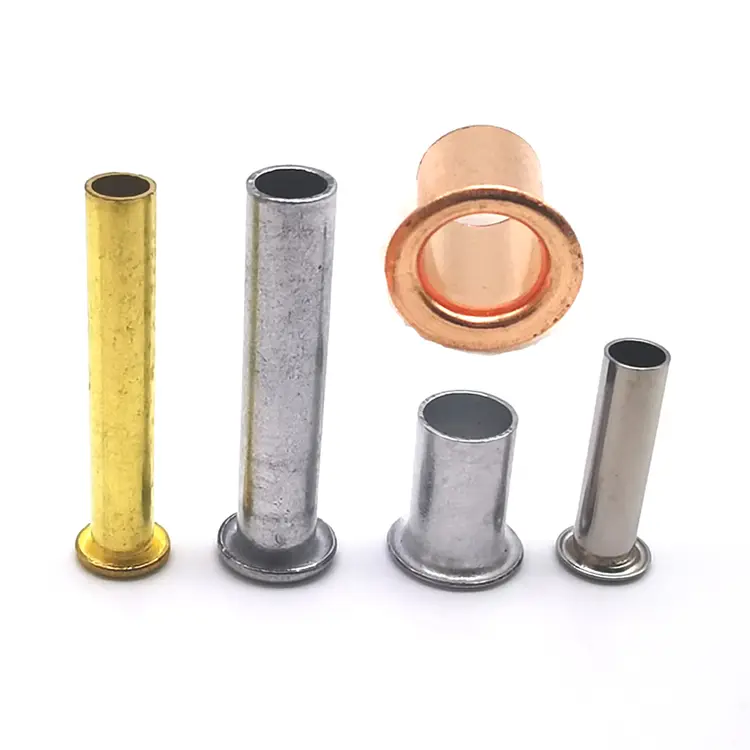
We manufacture full hollow rivets in five material families, each offering a distinct advantage:
| Material | Key Advantage | Best For |
|---|---|---|
| Carbon steel (zinc‑plated / nickel‑plated) | Lowest cost, good strength | Industrial, high‑volume, cost‑sensitive |
| Stainless steel (304/316, passivated) | Permanent corrosion resistance | Outdoor, marine, food, medical |
| Brass (C2680) | Conductivity, decorative, non‑magnetic | Leather goods, electrical, vintage hardware |
| Copper (C11000) | 100% IACS conductivity, antimicrobial | Electrical, thermal, hygiene‑critical |
| Aluminum (1100/5052/5056) | Lightest weight, non‑magnetic | Drones, aerospace, portable equipment |
Head styles available: Round, flat, countersunk.
One Real Application – Fabric Tarpaulin Tie‑Down
A manufacturer of heavy‑duty truck tarpaulins needed a fastener for tie‑down points on PVC‑coated polyester fabric. Solid rivets tore through the material. Semi‑tubular rivets still required more force than the fabric could handle.
We supplied brass full hollow rivets – 6.0mm shank, 11.0mm round head, 10.0mm barrel length. The fully hollow shank flared outward with minimal force – no tearing, no distortion. The brass provided corrosion resistance for outdoor exposure. The customer tested 500 rivets across 100 tarpaulins. After 10,000 pull cycles, zero failures. They now order 200,000 pieces annually.
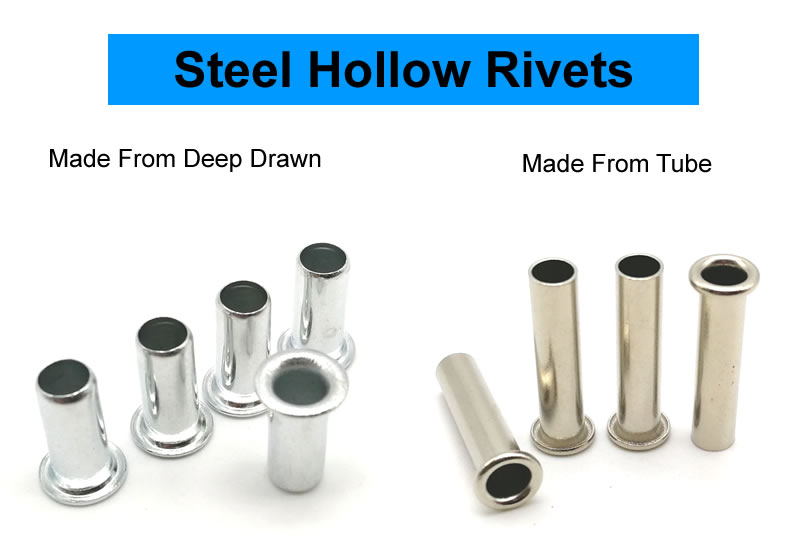
How We Make Hollow Rivets – Two Routes, One Result
Route 1: Tube‑cutting + heading – We start with metal tube stock, cut it to length, and form the head on one end. The hollow shank remains open. This is the most direct way to make a full hollow rivet – the hollow is already there.
Route 2: Deep‑drawing from sheet – We start with sheet metal and progressively draw it into a cup, then deepen it until the shank is fully hollow. For longer rivets, we may anneal the metal between draws to prevent cracking.
Which route is right for you? Tube‑cutting is faster for larger diameters and thicker walls. Deep‑drawing is better for thin walls, tight tolerances, and seamless construction. We recommend the optimal method based on your drawing – at no charge.
Sample lead time: 5–7 days standard; custom tooling: 15–20 days.
Our Inspection Equipment – Protecting Your Quality

We maintain calibrated equipment to verify every batch of full hollow rivets:
Laser micrometer – Shank diameter, wall thickness (±0.02mm)
Optical comparator – Head profile, flange diameter
2.5D image measuring system – Hollow depth verification (fully hollow), concentricity
Spectrometer – Material composition verification
Salt spray chamber – Corrosion testing (when required)
All equipment is calibrated annually. Inspection records retained for five years.
Working with Customers Worldwide
We supply full hollow rivets to manufacturers across North America, Europe, and Asia – from tarpaulin makers to leather goods manufacturers to electronics assemblers.
Every batch includes:
Material certificate – Traceable to original coil
Dimensional inspection report – Actual measurements
Certificate of Conformance – Signed, batch‑traceable
Three Questions We Answer Often
Q: "Can I get samples before ordering production quantities?"
A: Yes. For standard specifications, samples are free – you only pay shipping. For custom sizes, contact our sales team for sample cost and lead time.
Q: "What is the difference between full hollow rivets and tubular rivets?"
A: In most cases, they are the same thing – both refer to a fully hollow rivet made from tube stock. Some manufacturers use one term, some use the other. At Nuote Metals, we use both interchangeably to describe the same product: a rivet with a shank that is fully hollow from end to end.
Q: "How do I select the correct barrel length for a full hollow rivet?"
A: Select a barrel length approximately 2.0–2.5mm longer than your total material stack thickness. The thin wall of a full hollow rivet needs extra length to flare outward cleanly without crumpling. Too short, the flare will be weak. Too long, the tube may crumple. Send us your material stack thickness and we will recommend the exact length.
Hot Tags: Full Hollow Rivets,China Full Hollow Rivets,Hollow Rivets Factory
Related Categories
Send Inquiry
Please feel free to fill your inquiry in the form below. We will reply you in 24 hours.



X
We use cookies to offer you a better browsing experience, analyze site traffic and personalize content. By using this site, you agree to our use of cookies.
Privacy Policy