Products
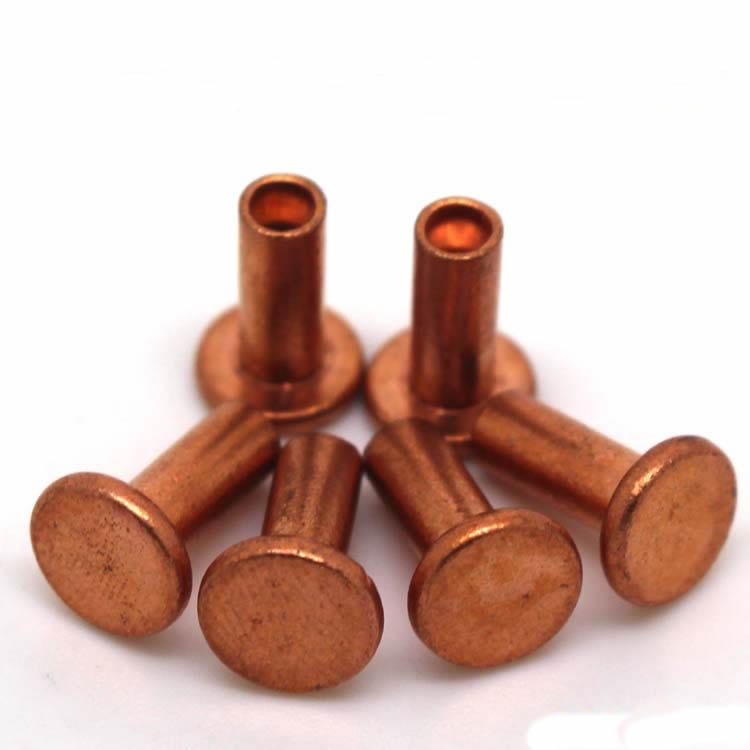
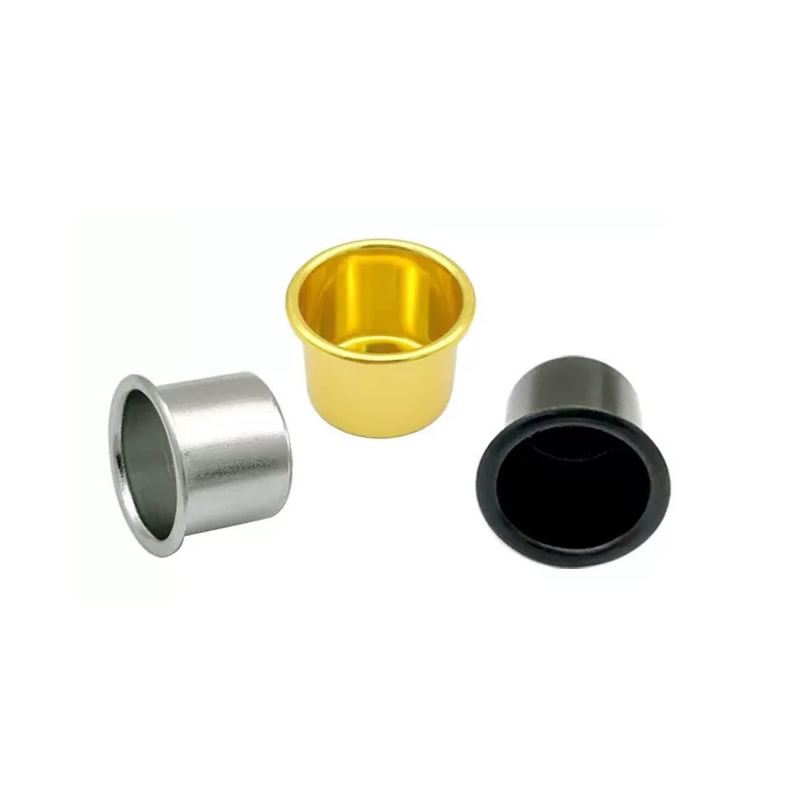
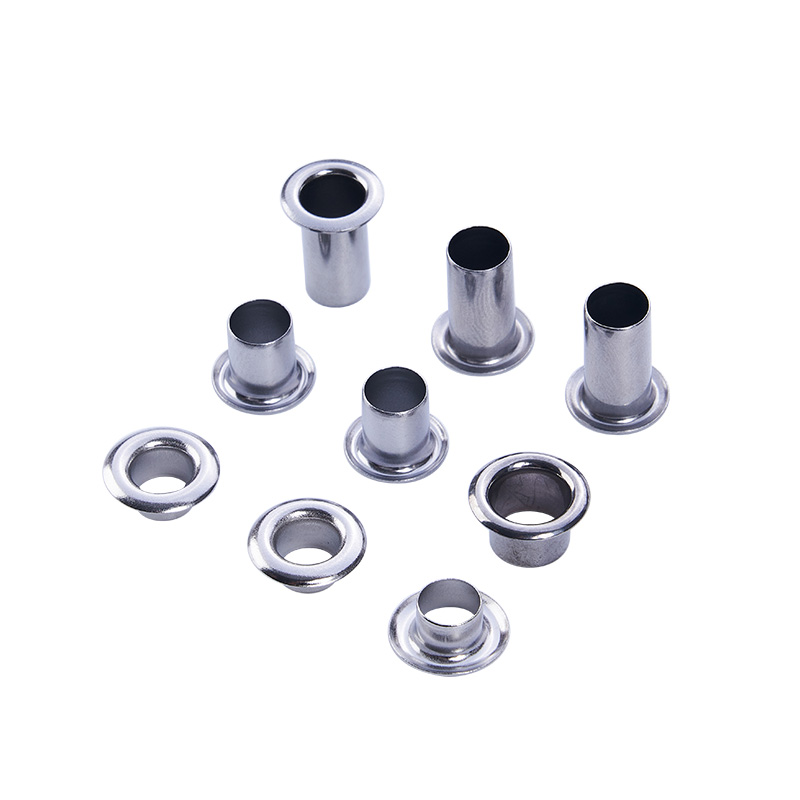
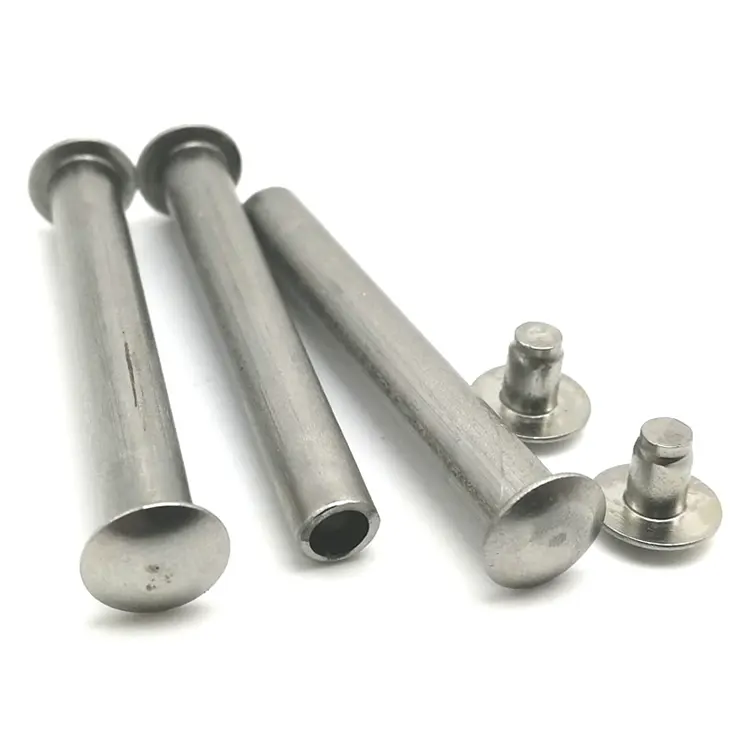
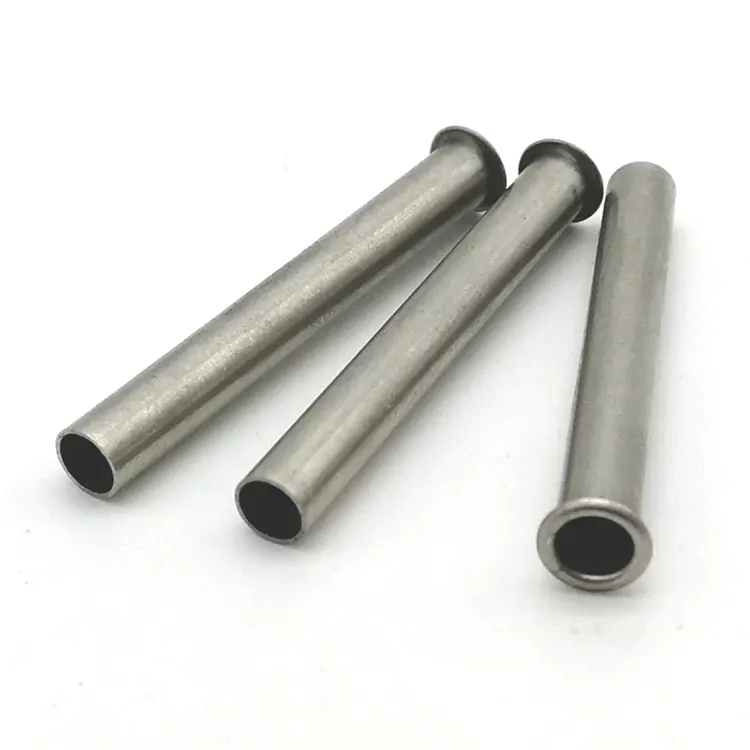

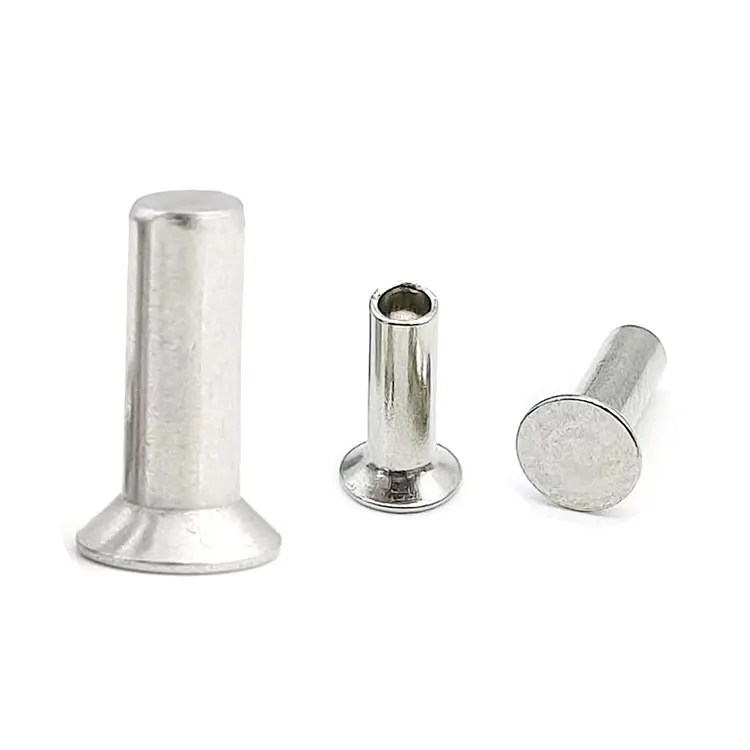
Stainless Steel Countersunk Head Rivets
stainless steel countersunk head rivets are made of stainless steel to ensure corrosion resistance and durability. Common stainless steel materials include 304 and 316, and the specific material to be used depends on the specific application environment and requirements. Nuote Metals specializes in the production of stainless steel rivets, including various head shapes, such as flat head stainless steel rivets, dome head stainless steel rivets, mushroom head stainless steel rivets, pan head stainless steel rivets, and more. We welcome your inquiries.
Send Inquiry
Product Description
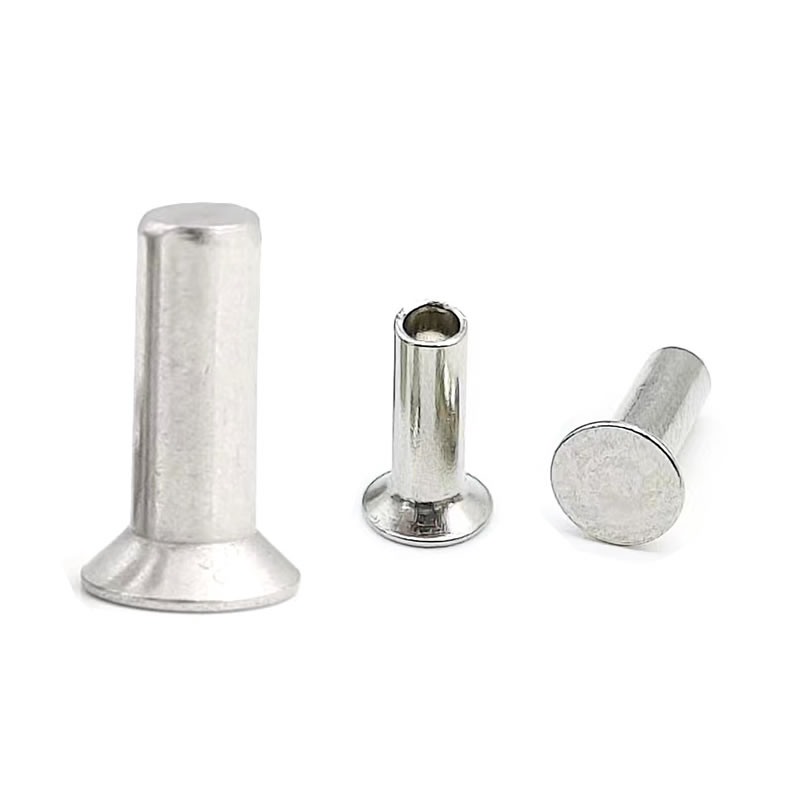
Countersunk head rivets sit flush. No protrusion. No snag points. Just a smooth, uninterrupted surface.
Stainless steel countersunk head rivets add permanent corrosion resistance to this flush‑finish design. No plating to wear off. No rust to stain the surrounding surface. When your assembly requires a flush finish, corrosion resistance, and permanent holding power – these are the rivets you specify.
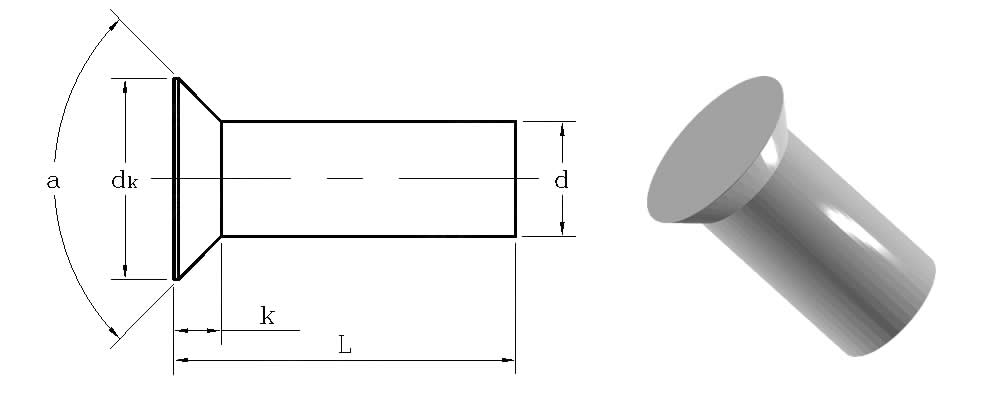
Get the Angle Right, or It Won't Sit Flush
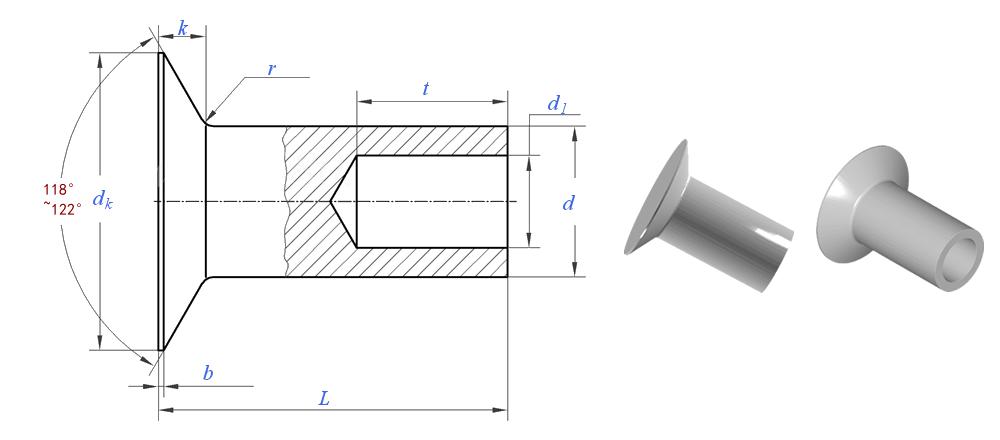
A countersunk head only sits flush if the head angle matches your countersink tool.
| Head Angle | Standard | Best For |
|---|---|---|
| 90° | DIN 661, GB/T 1015 | General industrial, automotive, furniture, electronics – most standard countersink tools are 90° |
| 120° | ISO 15984, GB/T 874 | Thicker materials, heavy‑duty assemblies – construction, heavy equipment |
| 100° | Aerospace standards | Aerospace, defence – aircraft and high‑performance assemblies |
Choose 304 for general outdoor, food equipment, and industrial applications. Choose 316 for marine, coastal, saltwater, and chemical environments.
Countersunk vs. Flat Head – The Flush‑Finish Difference
| Feature | Stainless Steel Countersunk Head Rivets | Stainless Steel Flat Head Rivets |
|---|---|---|
| Head protrusion | Zero – sits flush | 0.8–1.2mm |
| Hole preparation | Straight hole + countersink | Straight hole only |
| Best for | Flush surfaces, mating parts, sliding assemblies | Low‑profile, clearance‑limited |
Solid or Semi‑Tubular?
Solid – Maximum strength for structural joints and load‑bearing assemblies.
Semi‑tubular – 70% less setting force, 80–90% of the strength. Faster to set, gentler on thin materials. Choose this for high‑volume production.
One Real Application – Marine Navigation Console Panel
A marine navigation console manufacturer needed flush‑finish fasteners for display screen mounting. The panels are touched daily by operators – any protruding head would snag. The marine environment demanded corrosion resistance.
We supplied 316 stainless steel countersunk head semi‑tubular rivets – 3.0mm shank, 6.0mm head, 90° angle, 8.0mm barrel length, passivated finish. The heads sat flush with the panel surface. The 316 grade delivered 1,000+ hours of salt spray resistance. After 18 months of saltwater exposure, zero corrosion, zero failures. The customer now orders 150,000 pieces annually.
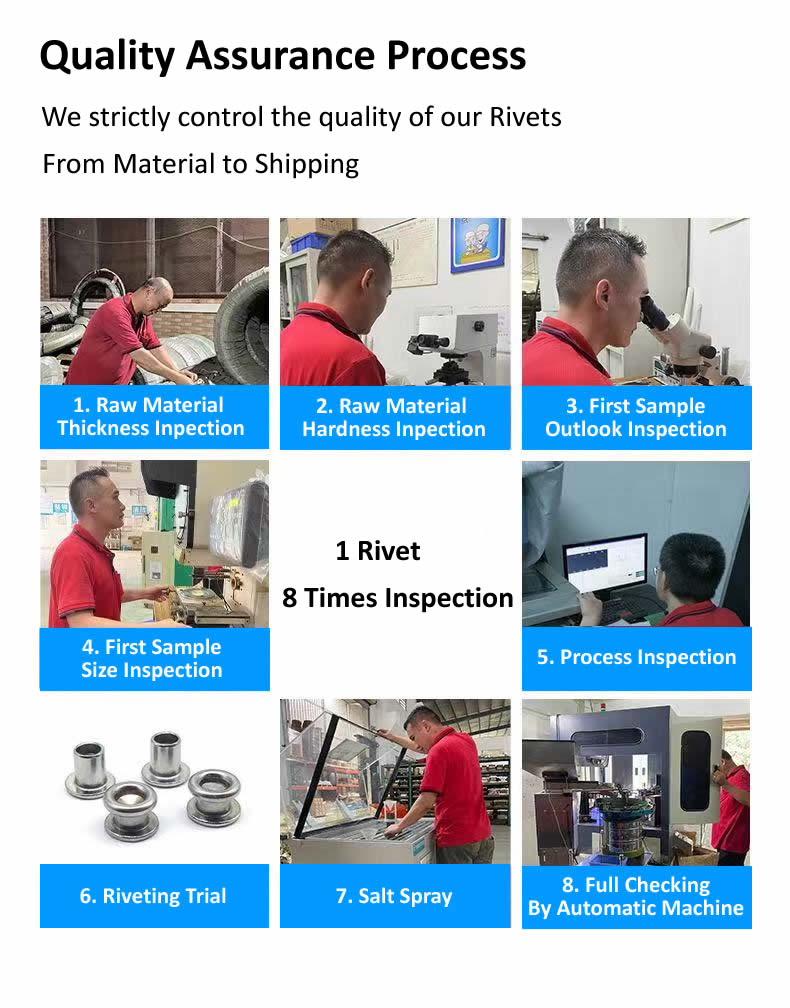
One Rivet, Eight Checks – Quality Assurance
Every batch passes eight gates before shipment:
Wire diameter – Laser micrometer, ±0.02mm
Wire hardness – Rockwell tester, HRB 80–95
First article appearance – 10× magnification for cracks, flash, defects
First article dimensions – Optical comparator: head angle, head diameter, shank, length, cavity
In‑process – 5 rivets every 500 pieces
Test setting – Every 2,000 pieces, set into your material with countersink, verify flush fit
Salt spray – ASTM B117 (304: 200–500 hrs; 316: 1,000+ hrs) if required
Final sorting – 100% optical inspection + AQL manual verification
Records kept for five years. Full documentation with every shipment.
Three Questions We Answer Often
Q: "Can I get samples for testing – what is the lead time and cost?"
A: Yes. For standard stocked specifications, samples are free – you only pay shipping. Sample lead time is 5–7 days. For custom sizes, contact us for sample cost and timeline.
Q: "Stainless steel vs. aluminum rivets – which one should I use and when?"
A: The choice depends on your environment and what you are joining.
Stainless steel rivets are the right choice when corrosion resistance is critical. Use them for marine and coastal applications, food processing equipment, outdoor structures, medical devices, and chemical environments. They are strong, rust‑proof, and hold up in wet, humid, or chemically aggressive conditions.
Aluminum rivets are the right choice when weight reduction is the priority. Use them for drones and UAVs, portable equipment, electronics enclosures, sporting goods, and aerospace interiors. They are roughly one‑third the weight of steel and non‑magnetic, but softer and weaker than stainless.
Key rule of thumb: If the assembly will get wet or be exposed to chemicals, choose stainless. If weight is the primary concern, choose aluminum. If you are not sure, send us your application details – we will recommend the right material based on your load, environment, and budget.
Q: "How does the semi‑tubular design affect installation force?"
A: A 5mm solid stainless steel countersunk head rivet needs about 3.5 tons. The same diameter semi‑tubular needs about 1.0–1.2 tons – 70% less. Lighter presses, faster cycles, less risk of damaging thin materials. If your press is set up for solid rivets, reduce pressure to about 30% of your usual setting and adjust up until the clinch forms cleanly.
Hot Tags: Stainless Steel Countersunk Head Rivets,China Countersunk Head Rivets,Countersunk Head Rivets Manufacturer
Product Tag
Related Categories
Send Inquiry
Please feel free to fill your inquiry in the form below. We will reply you in 24 hours.



X
We use cookies to offer you a better browsing experience, analyze site traffic and personalize content. By using this site, you agree to our use of cookies.
Privacy Policy