
Products
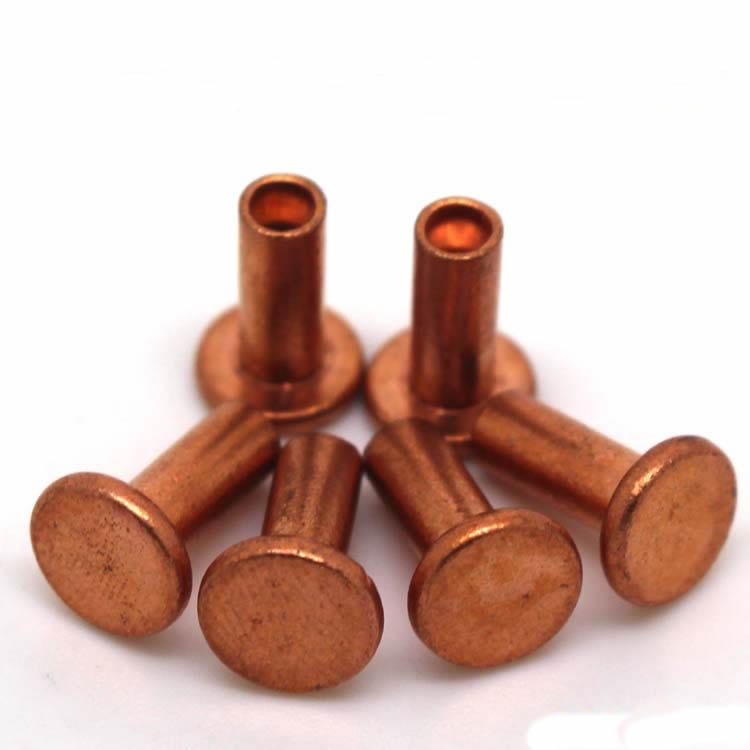
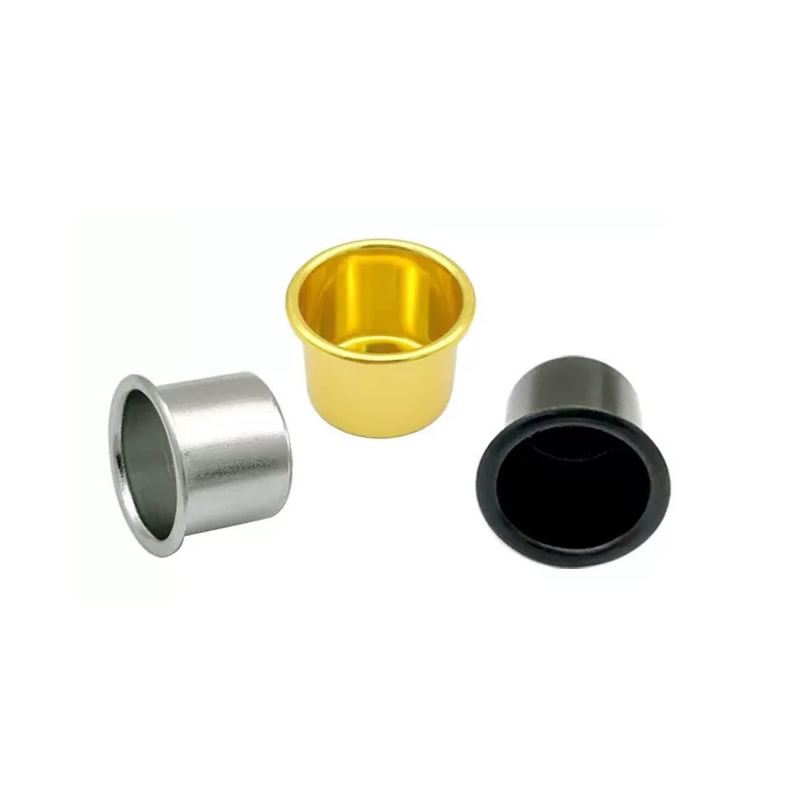
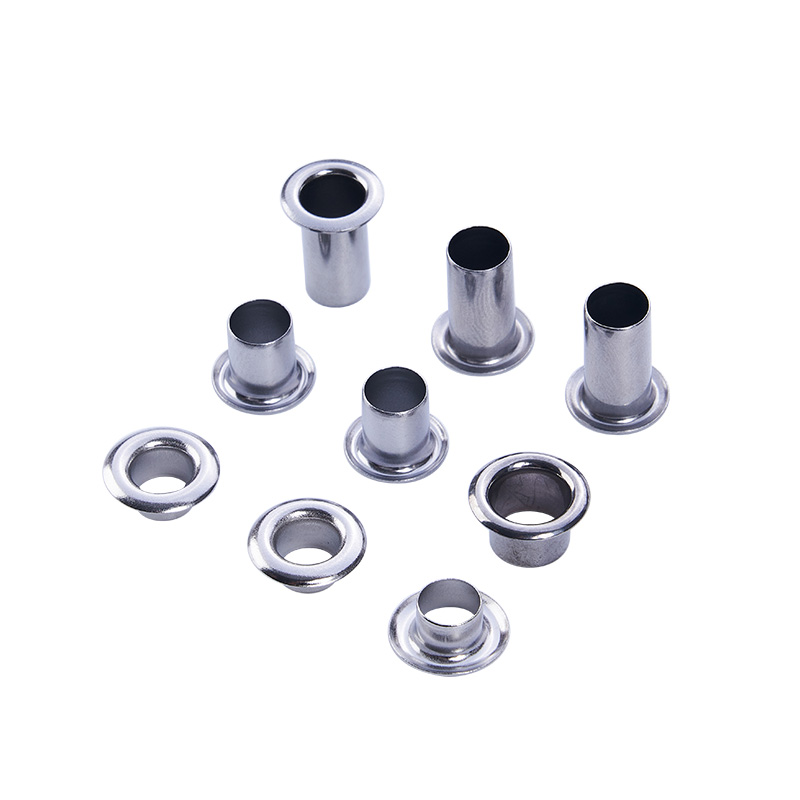
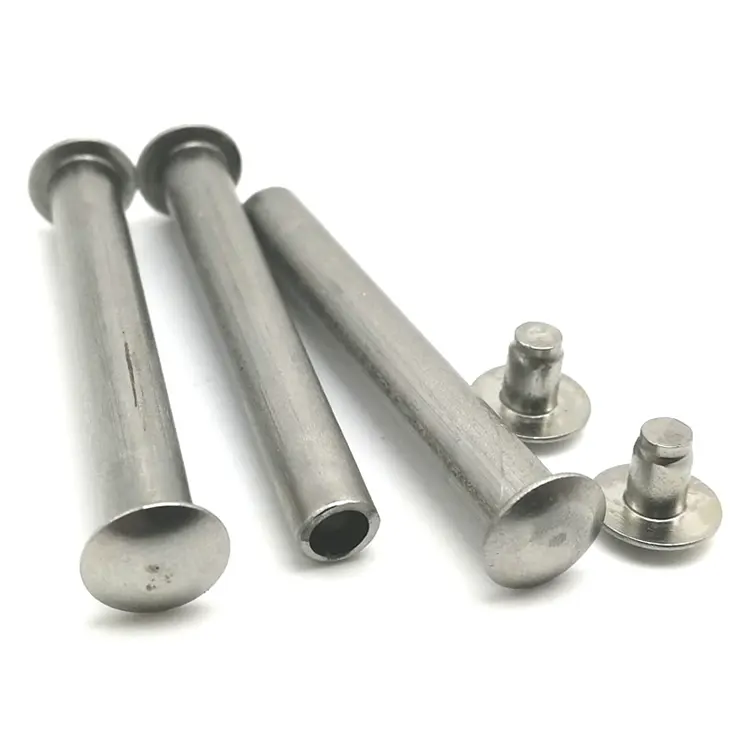
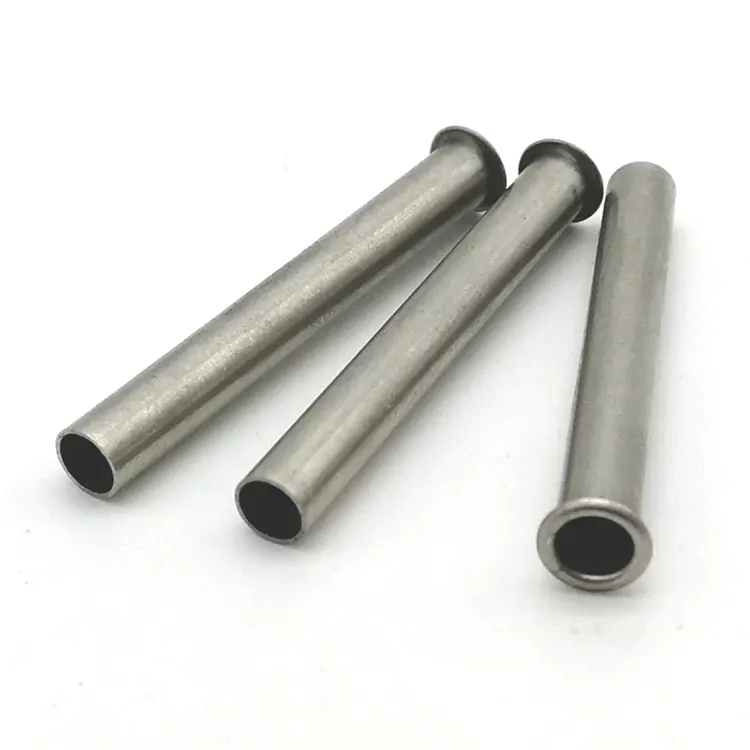
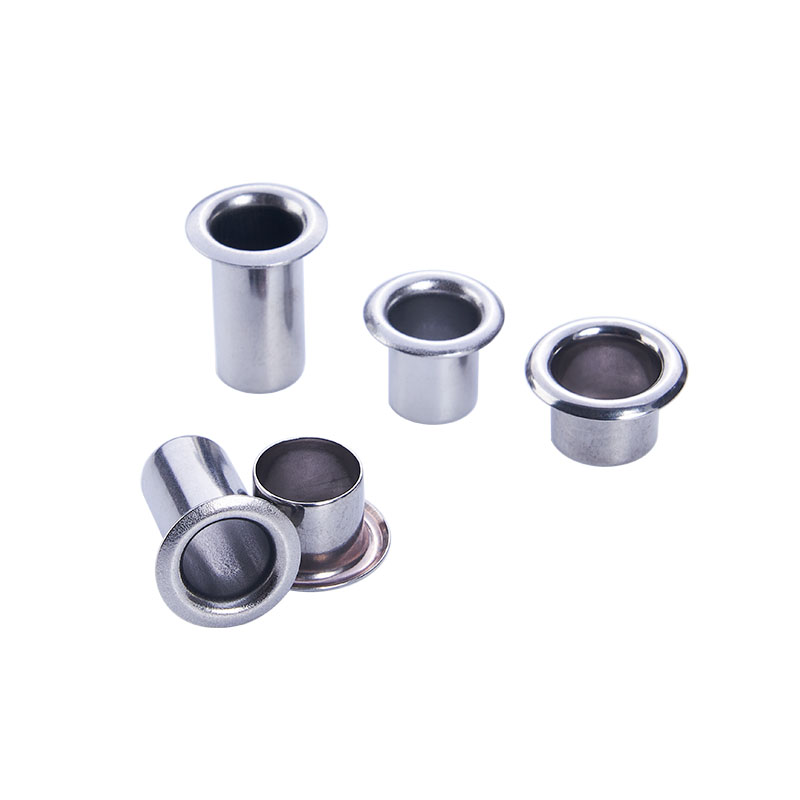
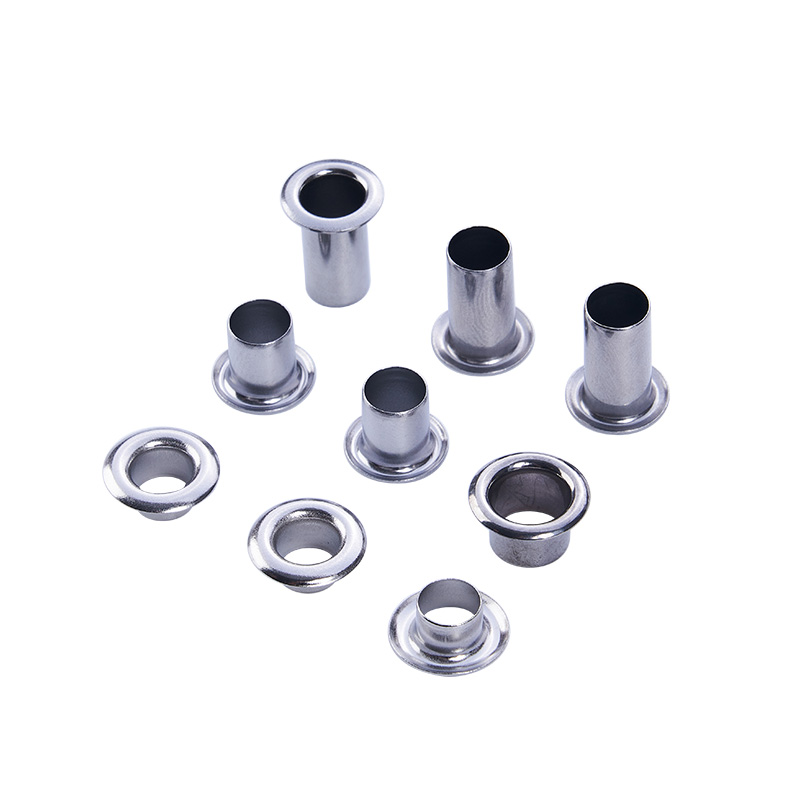
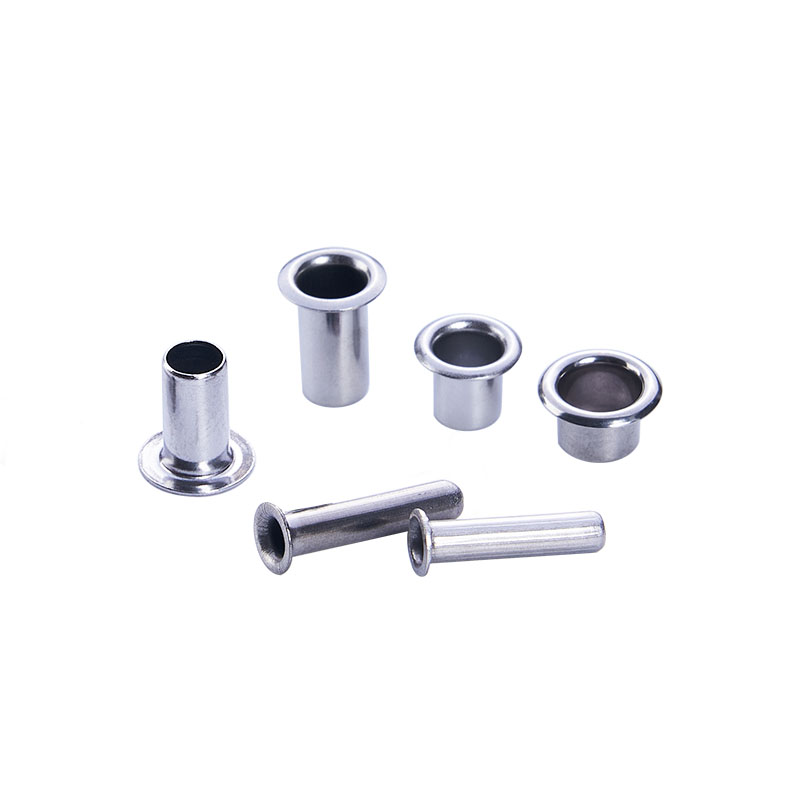
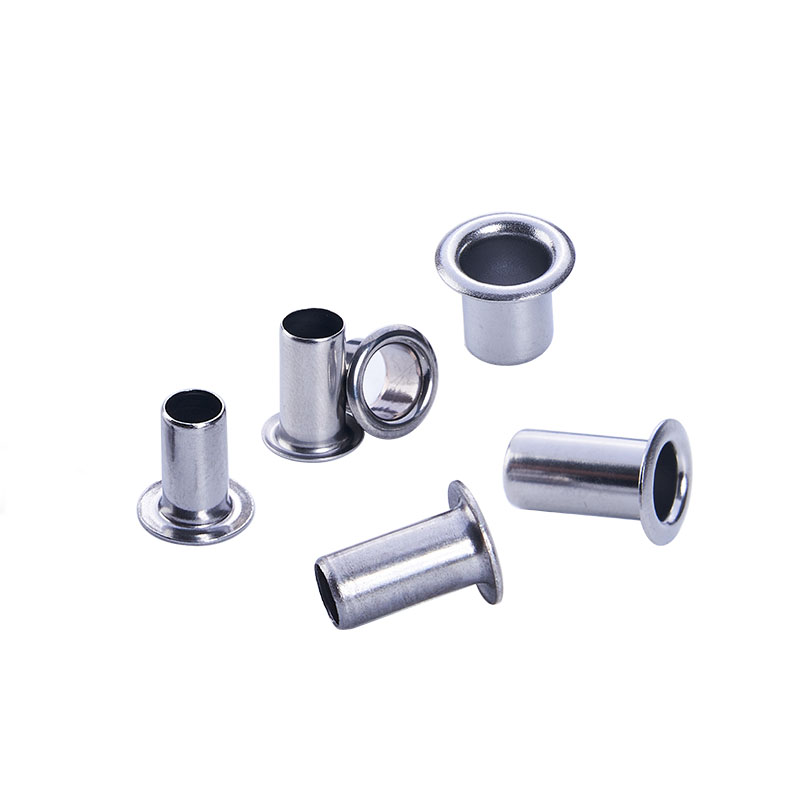
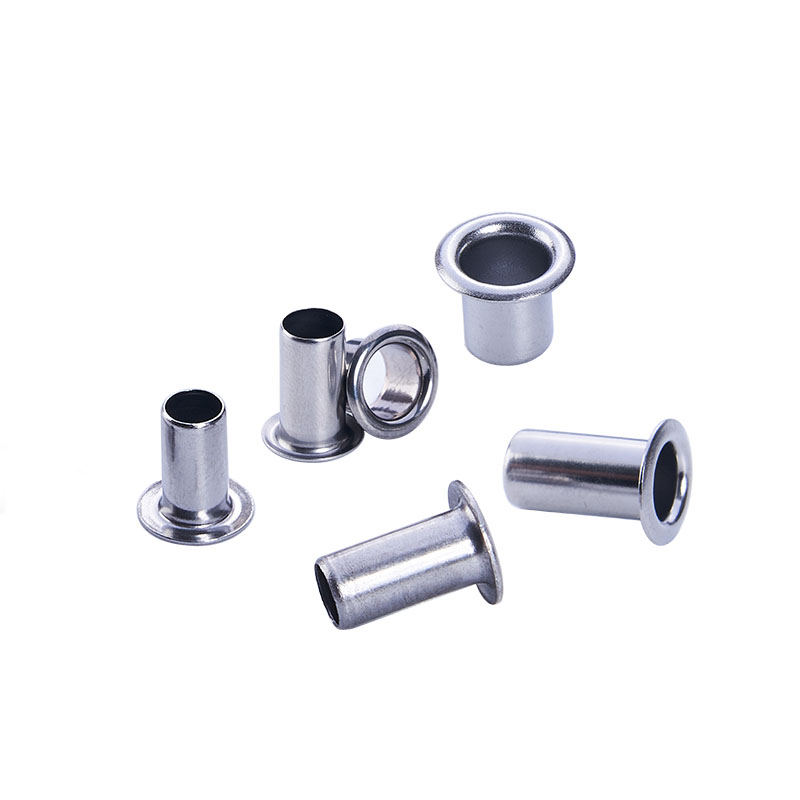
Stainless Steel Eyelets For Canvas
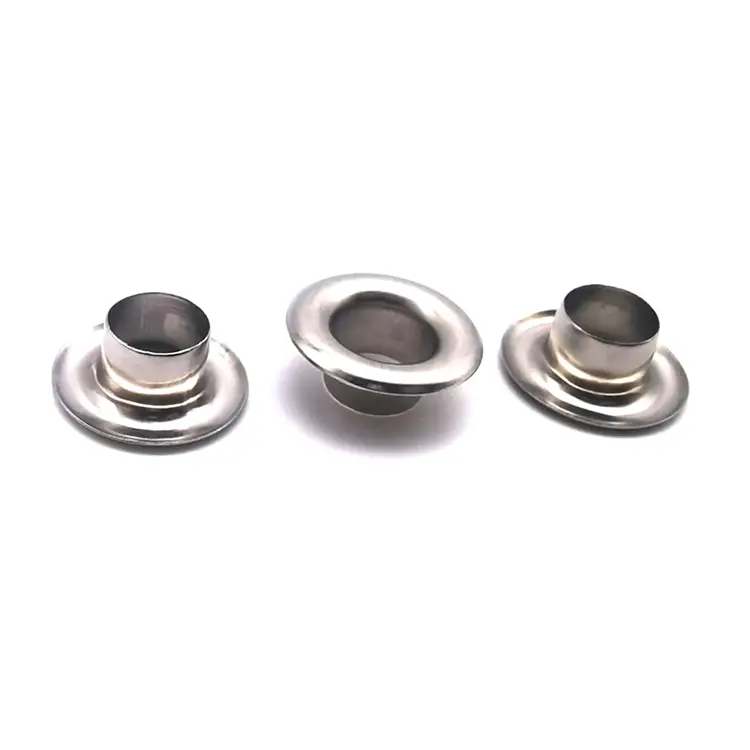
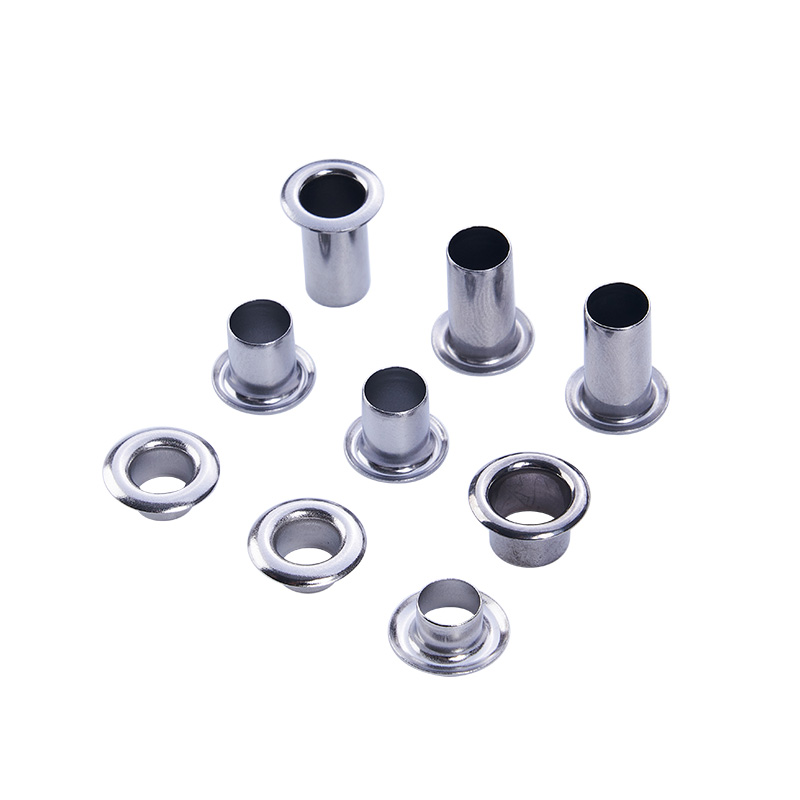
Outdoor and marine environments demand corrosion-proof reinforcement. Our China factory, Nuote Metals, produces Custom stainless steel eyelets for canvas. Grade 304 or 316 steel withstands salt spray, UV, and moisture without rust staining. The rolled rim protects fabric edges from fraying under tension. Perfect for boat covers, truck tarps, and awnings. Solve fastener failure in harsh conditions. Trust us for stainless eyelets that outlast ordinary brass or zinc.
Send Inquiry
Product Description
Canvas is tough. It resists tearing, stands up to sun, and sheds rain. But drill a hole through it – for a tie‑down, a vent, or a lacing point – and that hole becomes the failure point. Raw canvas holes stretch. Threads fray. Grommets pull out. And if the eyelet rusts? It stains the fabric and weakens the hole further.
The right reinforcement changes everything. Stainless steel eyelets for canvas do not rust. They do not stain. They clamp the fabric, protect the cut edge, and distribute pull forces across a wide flange. Unlike brass (which tarnishes) or zinc‑plated steel (which eventually corrodes), stainless steel keeps its grip in salt air, rain, and UV.
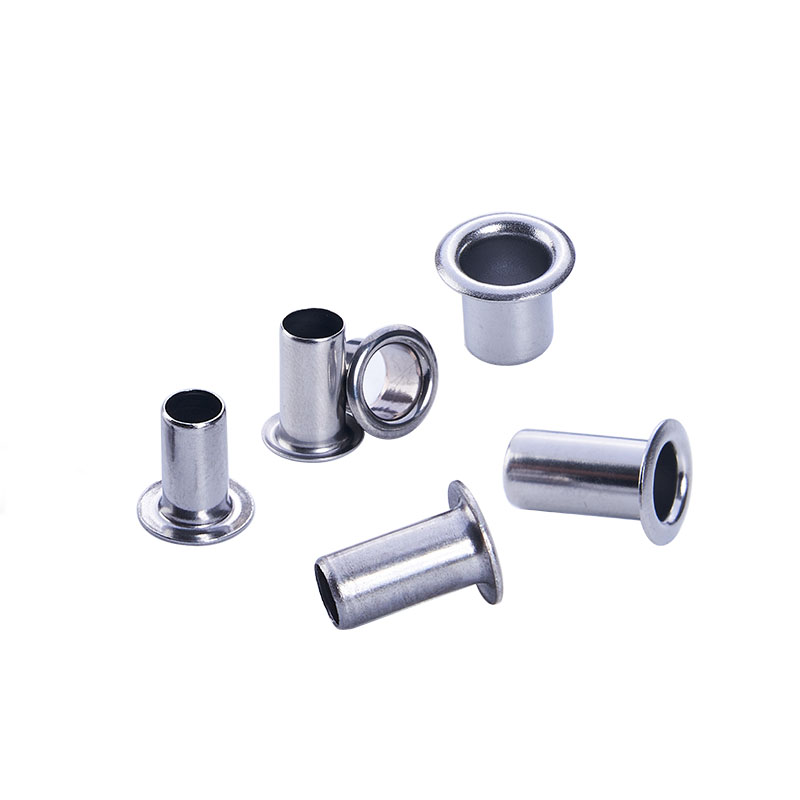
Nuote Metals manufactures stainless steel eyelets for canvas from 304 and 316 grades using progressive deep drawing (also known as punched eyelet production). This process is fully automated: a continuous strip of stainless sheet feeds through a transfer press with a multi‑station progressive die. The result is a seamless, burr‑free eyelet formed in a single, rapid sequence – no secondary operations, no handling between steps.
This guide gives you the technical data first, then shows how one tent maker solved a costly failure.
Technical Parameters – What Makes a Stainless Eyelet Suitable for Canvas
Canvas is not metal. It is woven, flexible, and prone to fraying. An eyelet for canvas must have specific features, regardless of material.
Critical Design Features
| Feature | Requirement | Why It Matters |
|---|---|---|
| Seamless barrel | Deep‑drawn, no welded seam | A seamed barrel has a sharp edge that cuts canvas threads |
| Wide flange | Outer diameter ≥ 1.8× inner diameter | Prevents pull‑through under load |
| Smooth barrel end | Rolled or coined edge | No sharp metal to abrade fabric |
| Corrosion resistance | 500+ hours salt spray (ASTM B117) | Canvas often lives outdoors |
Our stainless steel eyelets for canvas meet all four. We use 304 stainless as standard (good for general outdoor) and 316 for marine/coastal environments.
Standard Sizes for Canvas
| Inner Dia (mm) | Outer Flange (mm) | Barrel Length (mm) | Recommended Canvas Thickness |
|---|---|---|---|
| 5.0 | 10.0 | 5.0 | 1.5 – 2.5 mm |
| 6.0 | 12.0 | 6.0 | 2.0 – 3.5 mm |
| 8.0 | 15.0 | 7.0 | 3.0 – 5.0 mm |
| 10.0 | 18.0 | 8.0 | 4.0 – 6.0 mm |
| 12.0 | 22.0 | 10.0 | 5.0 – 8.0 mm |
Tolerances: ID ±0.1mm, flange ±0.2mm, barrel ±0.15mm. Custom barrel lengths available for non‑standard fabric stacks.
Material Grades and Finishes
Grade Best Environment Finish Options Salt Spray (ASTM B117)
304 General outdoor, rain, sun Passivated (standard), bead blasted 200 – 500 hours
316 Marine, coastal, salt spray Passivated, electropolished 1,000+ hours
Passivation is included at no extra charge. It removes free iron from the surface and restores the chromium oxide layer.
One Customer’s Story – A Tent Manufacturer’s Turning Point
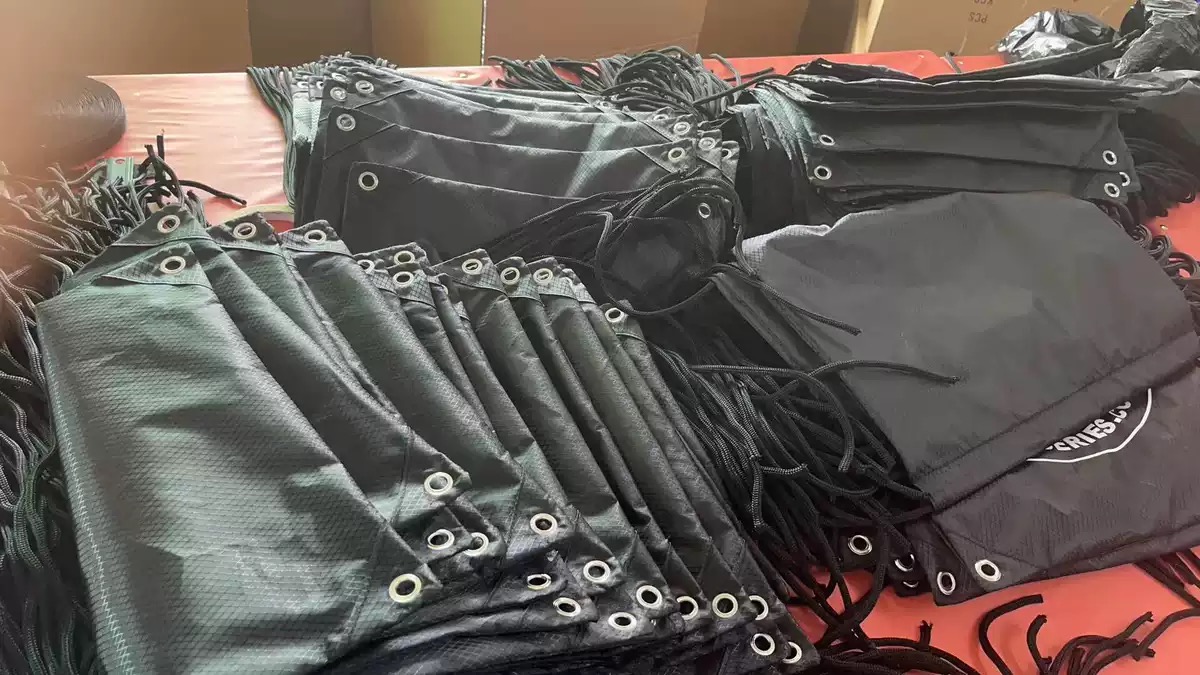
A producer of expedition‑grade tents for alpine and coastal environments faced a recurring warranty claim. Their four‑season tents used brass eyelets for guy line tie‑outs. After one season in salt air or heavy rain, the brass tarnished severely – and in some cases, developed green verdigris that stained the tent fabric. Worse, the tarnish made the eyelets rough, abrading the guy lines.
They tried stainless steel from another supplier, but the eyelets had a sharp inner edge that cut the fabric during installation. They needed a stainless steel eyelet for canvas that was truly smooth, truly corrosion‑proof, and easy to set.
Nuote Metals supplied 316 stainless stainless steel eyelets for canvas (8mm ID, 15mm flange, 7mm barrel length, passivated). The deep‑drawn barrel had no seam. The inner edge was rolled, not sheared. The 316 grade resisted salt spray for over 1,000 hours in ASTM B117 testing. We also provided a matched setting punch to ensure consistent roll‑over without fabric damage.
The tent maker tested 500 eyelets in their production line. Zero installation tears. After two field seasons in Patagonia and the Scottish Highlands, no rust, no stains, no loosening. The warranty claims related to eyelet failure dropped to zero. The customer now specifies stainless steel eyelets for canvas across their entire product line – from ultralight backpacking tents to basecamp shelters.
How We Manufacture Stainless Steel Eyelets for Canvas – One Continuous Process
Our production is not a collection of separate steps. It is a single, automated progressive die that transforms stainless sheet into finished eyelets in seconds.
Raw material receipt – Certified coils of 304 or 316 stainless sheet (thickness selected based on final barrel length) are received from approved mills. Each coil carries a heat number for full traceability.
Incoming material inspection – Every coil is tested with a spectrometer to verify chromium, nickel, and (for 316) molybdenum content. Thickness is measured with a laser micrometer. Coils that do not meet our internal standards are rejected at the door.
Progressive deep‑draw stamping – The coil feeds into a transfer press with a multi‑station progressive die. In one continuous, automated sequence, the die:
Blanks a disc from the strip
First draw (shallow cup)
Second draw (deeper cup)
Third draw (final barrel length)
Pierces the bottom to create the inner diameter
Coins the flange flat and parallel
Rolls the barrel edge to remove sharpness
Separates the finished eyelet from the carrier strip
No handling. No secondary operations. Every eyelet is formed identically, at speeds of 80–150 strokes per minute.
First article inspection (FAI) – When a new die is set up or a new coil is introduced, the first 20 eyelets are pulled. A full dimensional report is generated: inner diameter, outer flange, barrel length, flange thickness, concentricity. The customer receives this report for approval.
In‑process inspection – During mass production, operators check critical dimensions (ID, barrel length) every 500 pieces. A laser micrometer on the press provides real‑time feedback. Any drift beyond tolerance triggers an immediate press stop.
Cleaning (degreasing) – After stamping, the eyelets pass through an ultrasonic cleaning bath to remove drawing lubricant and metal fines. This ensures a pristine surface for passivation.
Final outgoing inspection – Before packaging, every batch is 100% optically sorted. Cameras check ID, OD, barrel length, and flange flatness. Rejects are automatically ejected. A random sample (AQL 1.0) is then pulled for manual verification and salt spray testing (on a per‑batch basis for critical orders).
Packaging and shipment – Approved eyelets are counted and packed into anti‑static poly bags, then into cartons. Labels include part number, batch number, and quantity. A Certificate of Conformance, mill test certificate, and dimensional report are enclosed.
This disciplined workflow ensures that every stainless steel eyelet for canvas leaving our factory is identical to the first article – and to the last.

You can also visit our video to know how we make an eyelet
Quality Documentation – What You Receive
Every shipment includes:
- Mill test certificate (chemistry, hardness per heat number)
- First article inspection report (for new dies or new coils)
- Dimensional inspection report (10 eyelets from the batch)
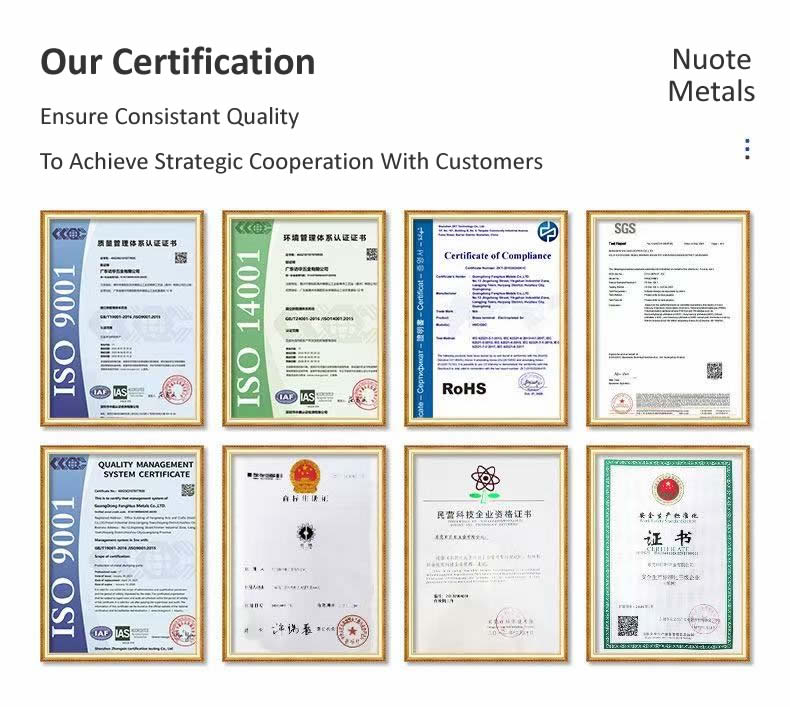
- Passivation certificate (ASTM A967 compliance)
- Certificate of Conformance (signed, batch‑traceable)
Nuote Metals is ISO 9001:2015 certified. RoHS and REACH declarations are provided for all materials.
Policies for Production Orders
- Minimum order quantity – 2,000 pieces (304), 3,000 pieces (316)
- Lead time (stock sizes) – 5–7 business days
- Lead time (custom barrel) – 10–12 business days
- Tooling charges – None for standard sizes (5–12mm ID)
- Returns – Defective parts replaced at our cost
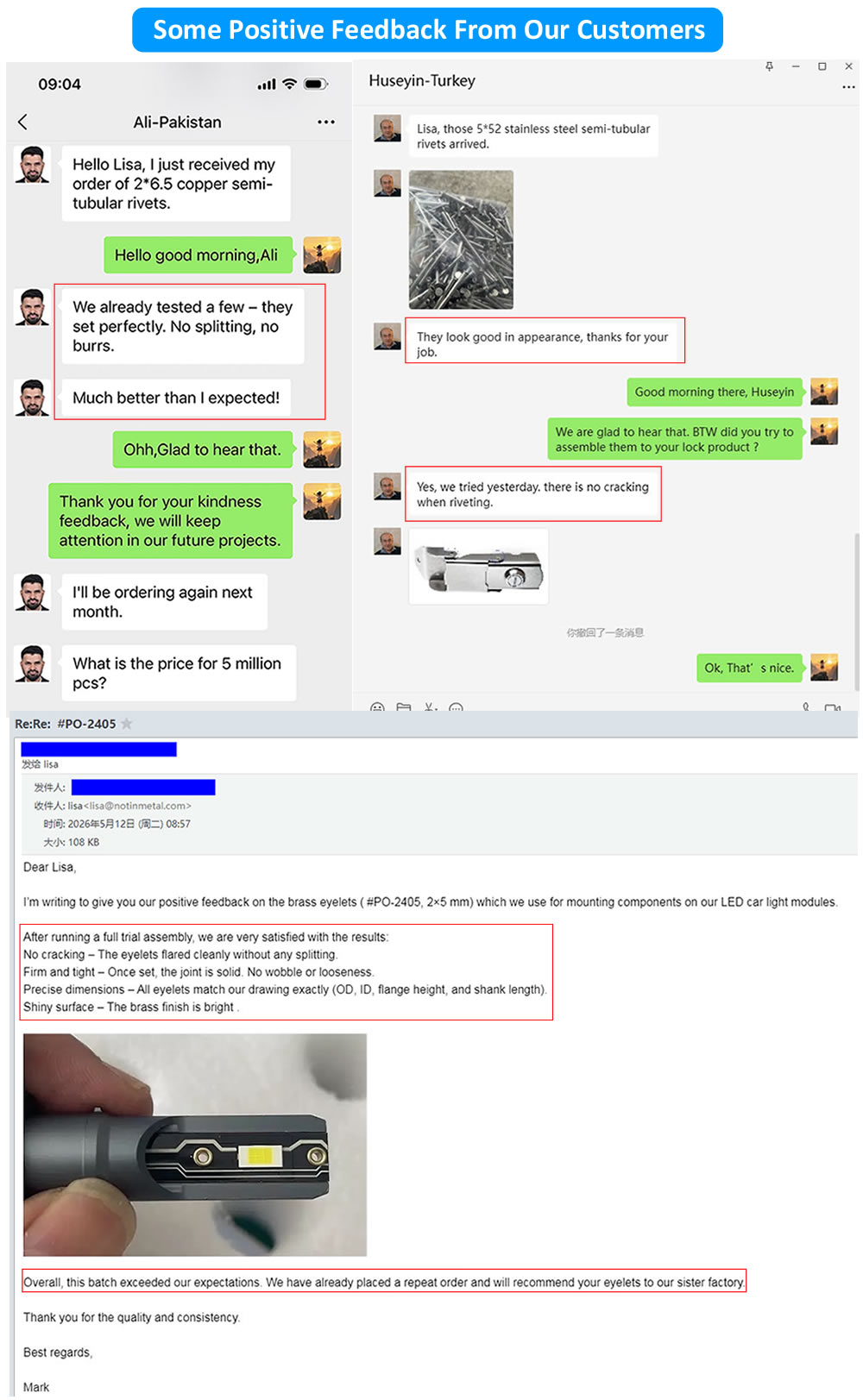
Listen to Our Customers' Saying
Three Questions We Answer Often
Q1: I see you offer both 304 and 316 stainless. For a tent used in coastal camping (salt spray), is 316 necessary?
A: For occasional coastal use (a week per year), 304 is usually sufficient. Our passivated 304 eyelets resist 200–500 hours of salt spray. For continuous coastal exposure – a tent set up near the ocean for months, or a sail cover – we recommend 316. The molybdenum in 316 prevents pitting corrosion that can occur even on 304. For the tent maker case above, they chose 316 because their tents were used in Patagonian coastal conditions. If you are unsure, we can send you test samples of both grades. You can expose them to your environment.
Q2: Can stainless steel eyelets for canvas be installed with a hand hammer and die set, or do I need a press?
A: Both work. For low volumes (under 500 eyelets), a hand hammer with a concave anvil and a setting punch works fine. Place the eyelet on a steel plate, insert the punch, and strike once. For production volumes, we recommend a manual arbor press or a pneumatic press – more consistent, less fatigue. We provide a setting guide with recommended force ranges for each size. For the tent maker, they used a foot‑operated press at 1.2 tons for the 8mm eyelet.
Q3: Your eyelets are deep‑drawn from sheet. How is that different from tube‑style eyelets, and why does it matter for canvas?
A: Tube‑style eyelets start from a welded or seamed tube. That seam creates a slight ridge on the inside of the barrel. When the barrel rolls over during setting, the seam can cut into the canvas fibers. Deep‑drawn eyelets have no seam – the barrel is a single, continuous piece of metal. Our stainless steel eyelets for canvas are deep‑drawn. The barrel rolls smoothly without any sharp transition. For the tent maker, that eliminated the fabric tearing they experienced with a competitor’s tube‑style eyelet.
Verify Before You Order
Every canvas is different. A barrel length that works for 18 oz cotton duck may be wrong for 10 oz polyester‑coated canvas.
Nuote Metals offers a simple test. Send us a 10cm x 10cm sample of your canvas. Tell us the inner diameter you need. We will set our stainless steel eyelets for canvas into your material and return the assembly to you. No charge. No obligation.
Contact us with your canvas type and desired eyelet size. Your test assembly will ship within three business days.
Hot Tags: Stainless Steel Eyelets For Canvas,Stainless Steel Eyelets,China Stainless Steel Eyelets Factory
Related Categories
Send Inquiry
Please feel free to fill your inquiry in the form below. We will reply you in 24 hours.



X
We use cookies to offer you a better browsing experience, analyze site traffic and personalize content. By using this site, you agree to our use of cookies.
Privacy Policy