
Products
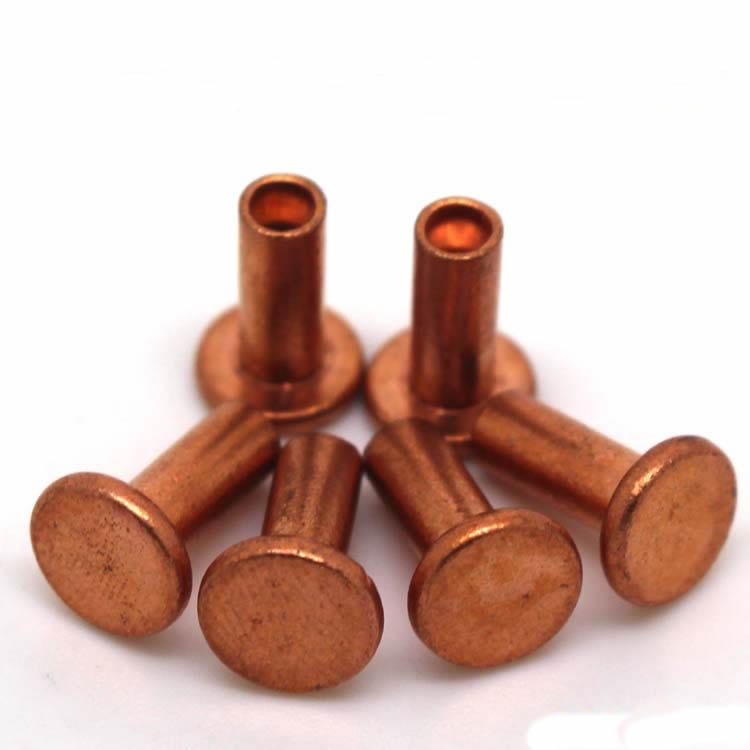
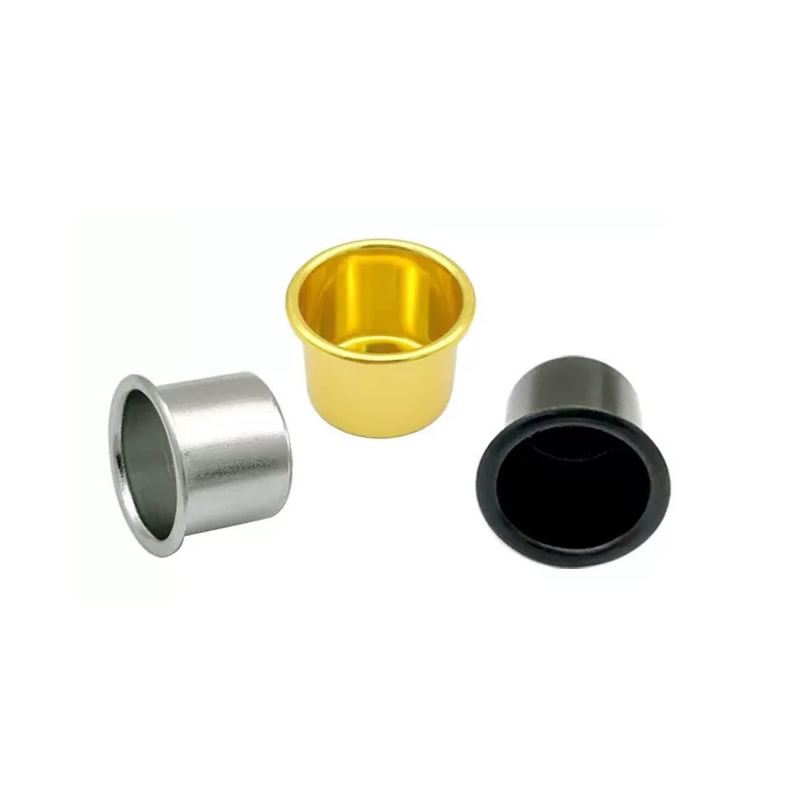
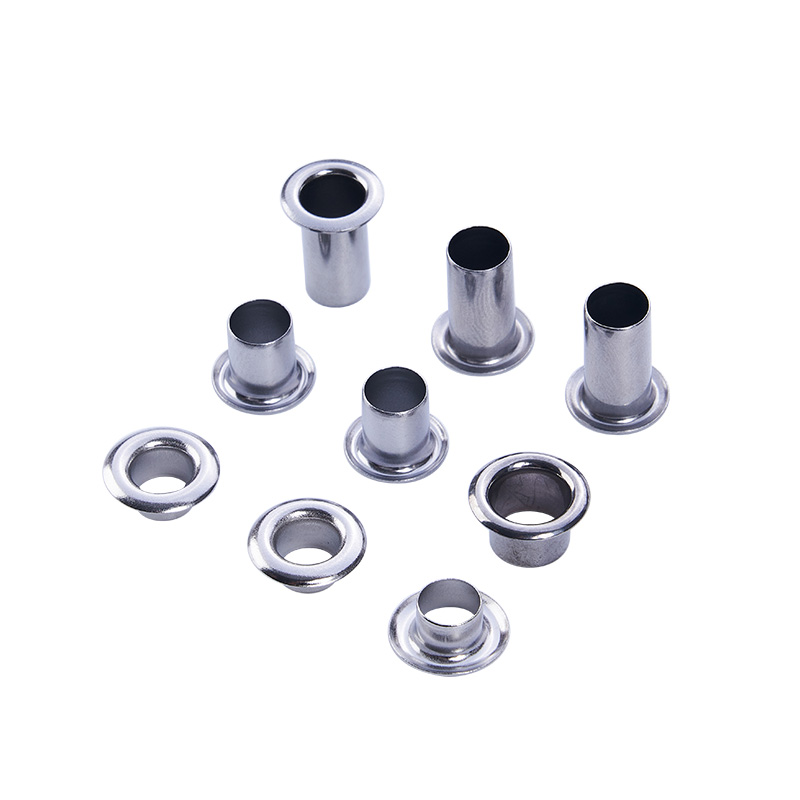
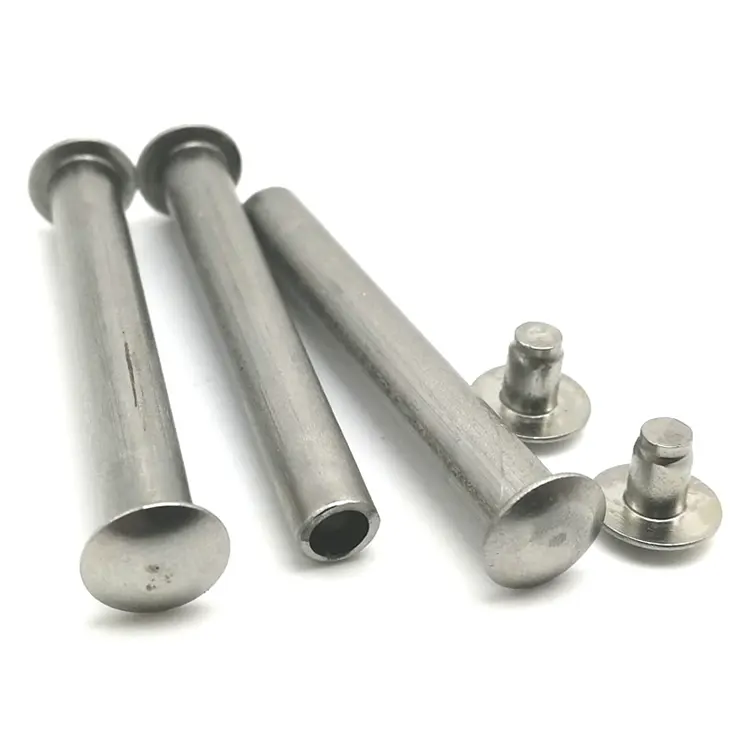
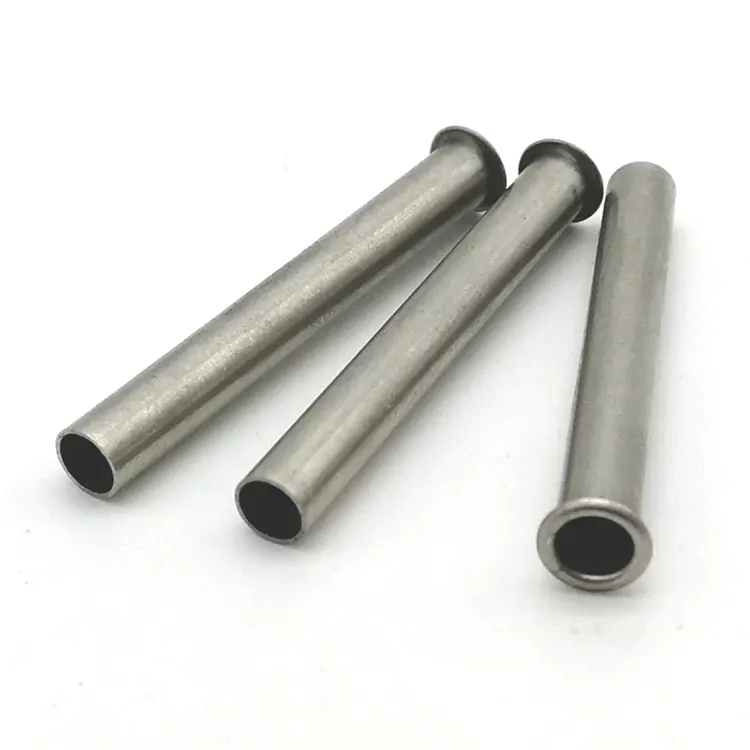
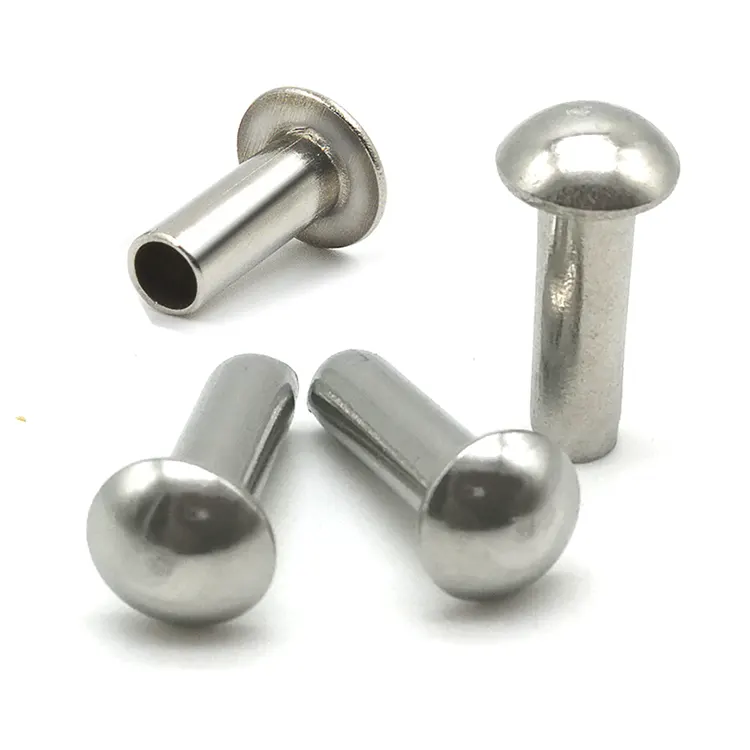
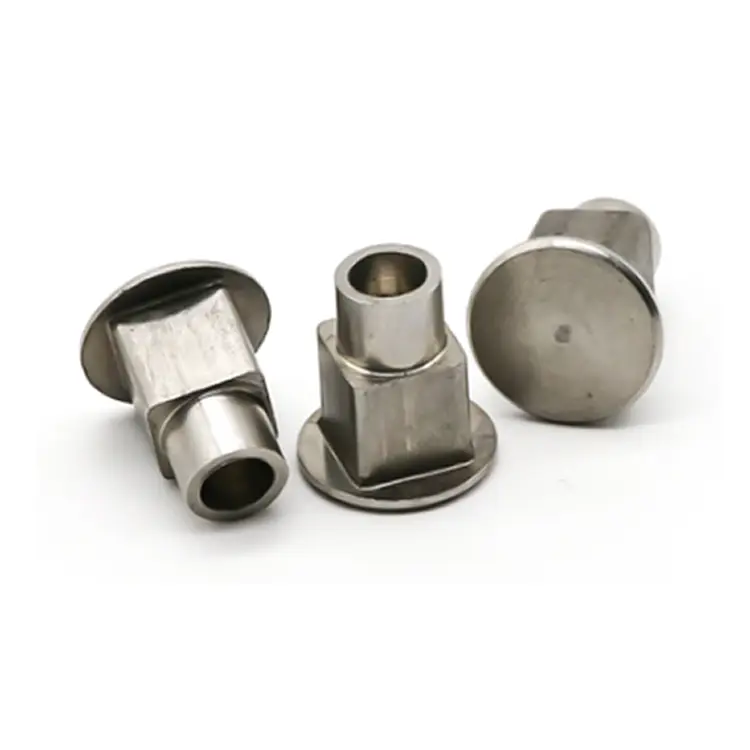
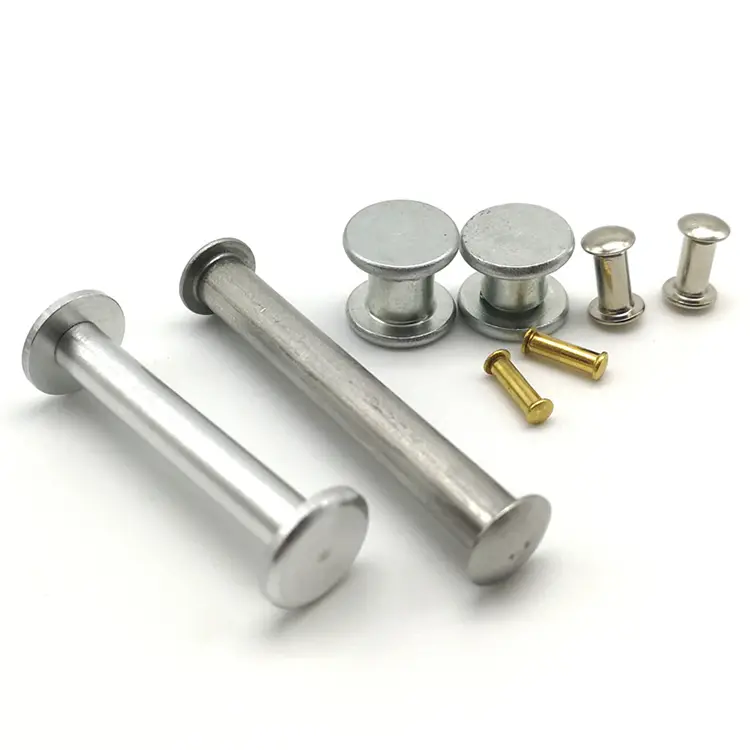
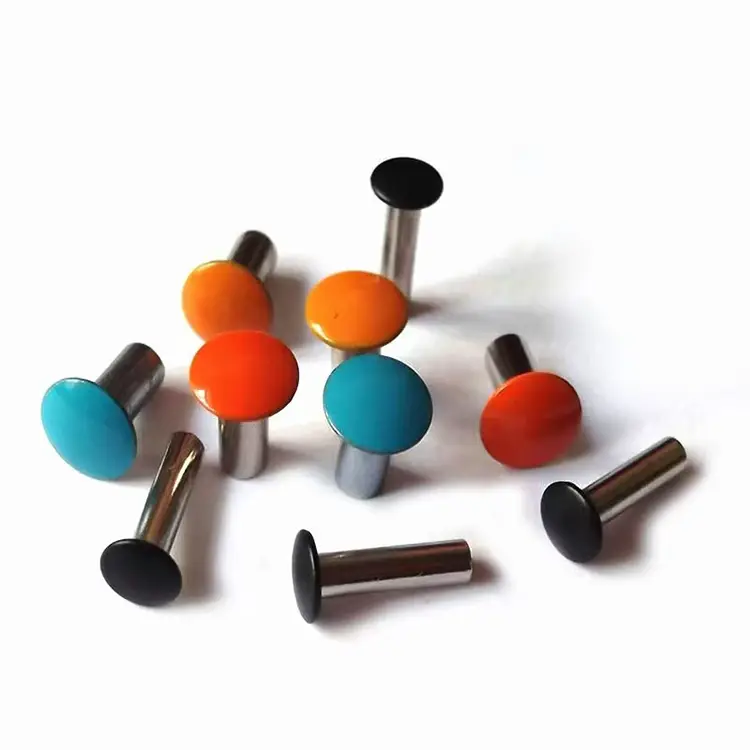
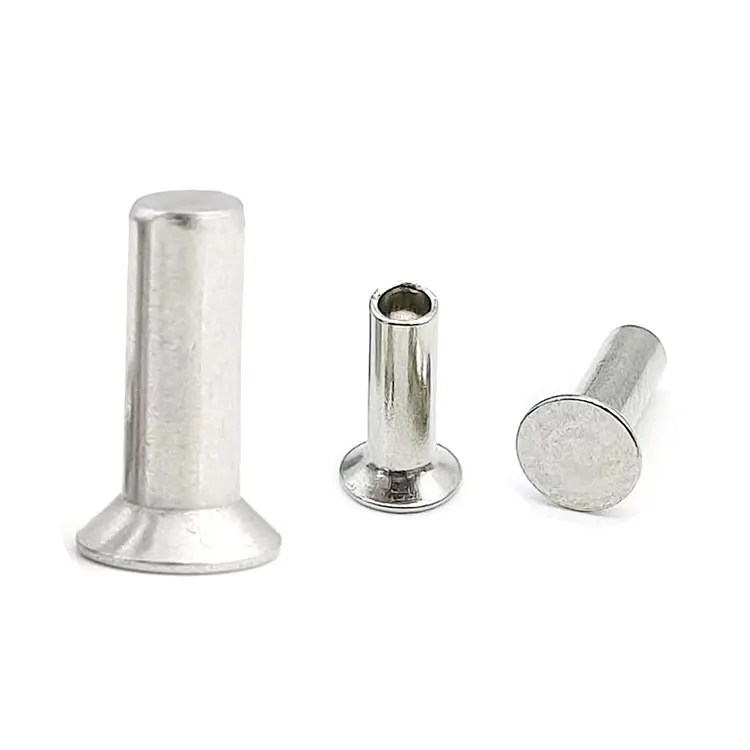
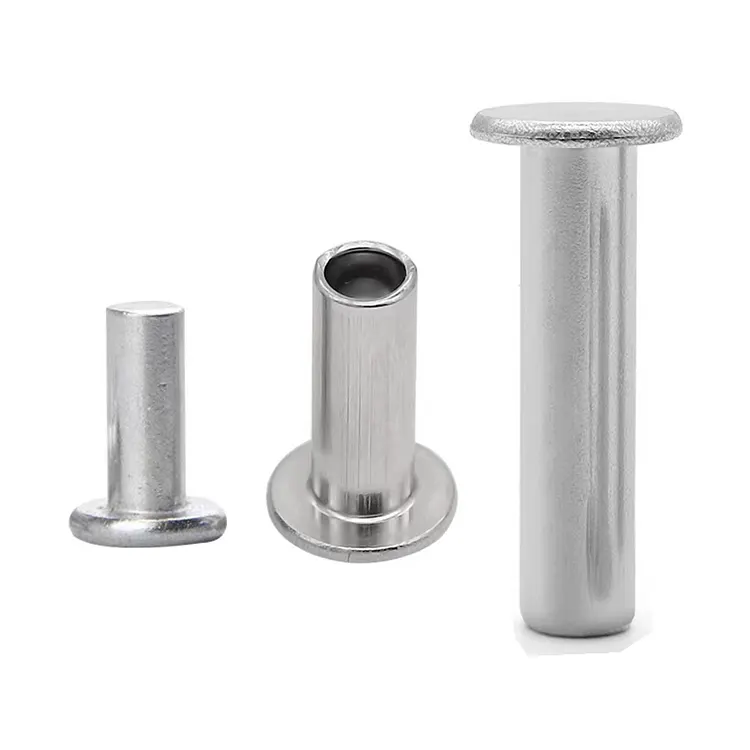
Stainless Steel Round Head Rivets
Round head rivets offer excellent corrosion resistance. This is especially true for 304 stainless steel round head rivets, which are made from 304 stainless steel, a material renowned for its excellent corrosion resistance, good workability, and aesthetically pleasing finish. 304 stainless steel resists attack from a wide range of chemicals, making it ideal for use in wet and corrosive environments. As a result, 304 stainless steel round head rivets offer a longer service life in outdoor or humid environments, are less prone to rust, and offer low maintenance costs.
Send Inquiry
Product Description
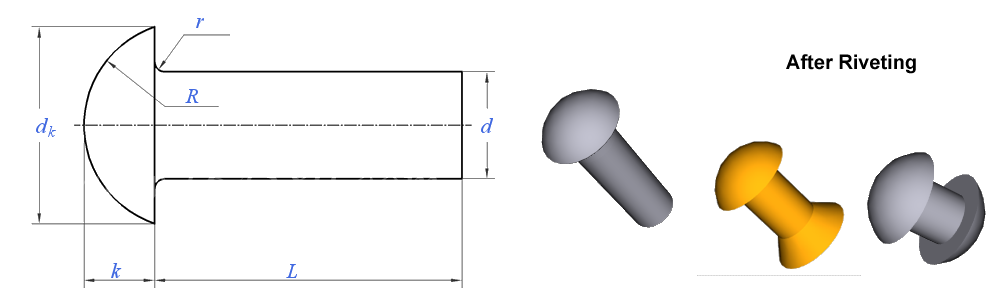
A round head rivet is not trying to hide. It is meant to be seen. The dome signals strength, permanence, and craftsmanship – it has been the visible fastener of choice for centuries, from bridges to shipbuilding to heavy machinery.
Stainless steel round head rivets take this proven design and add the one thing that was missing in the past: corrosion resistance that lasts as long as the joint itself. No plating to wear off. No rust to compromise the connection. Just the classic dome, made permanent.
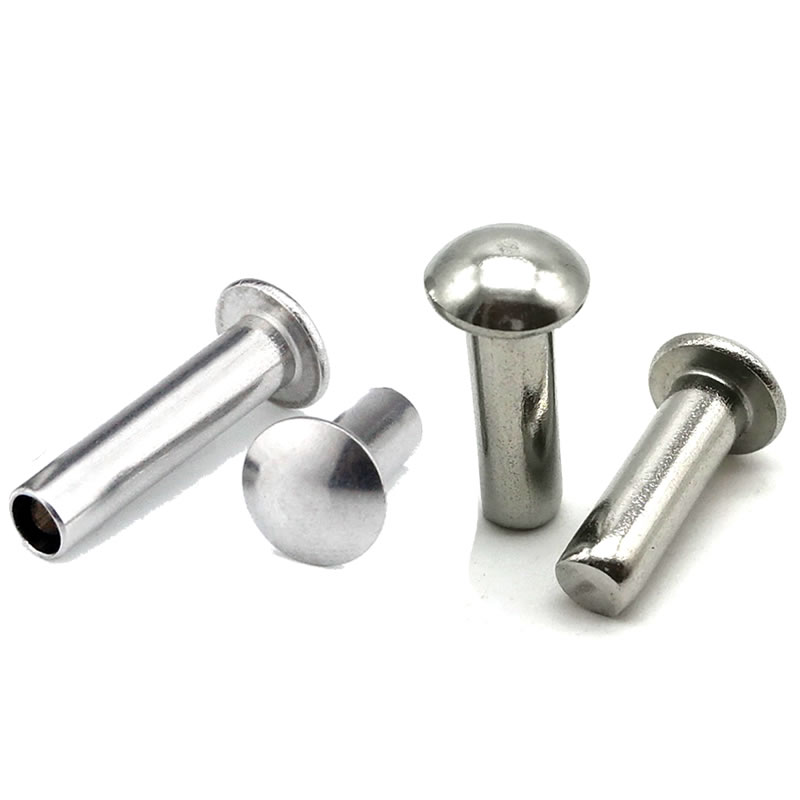
The Stainless Advantage – No Plating, No Surprises
Every other material has a catch. Carbon steel needs plating – and plating wears off. Brass looks good but tarnishes and softens. Aluminum is lightweight but weak. Stainless steel has no catch. The chromium oxide layer is self‑healing – scratches do not expose bare metal to corrosion.
| Grade | Key Alloy | Corrosion Resistance | Best For |
|---|---|---|---|
| 304 | 18% Cr, 8% Ni | 200–500 hrs salt spray | General outdoor, food equipment, rain, humidity |
| 316 | 16% Cr, 10% Ni, 2% Mo | 1,000+ hrs salt spray | Marine, coastal, saltwater, chemical, acidic environments |
The Round Head Difference – Why It Is Still the Standard
The round head persists because it works better than any other head style for certain applications. The dome sits proud for good reason – it distributes impact loads, protects the shank from shearing, and provides a visual indicator of a properly set rivet.
| Feature | Stainless Steel Round Head Rivets | Stainless Steel Flat Head Rivets |
|---|---|---|
| Head protrusion (5mm shank) | 2.5–3.5mm | 0.8–1.2mm |
| Impact resistance | Excellent | Moderate |
| Head strength | Maximum | Good |
| Appearance | Classic, traditional, intentional | Low, neat, minimal |
Choose round head when: The rivet will be visible and you want it to look like it belongs. You need maximum head strength and impact resistance. You are building something that is meant to last, and you want the fasteners to show it.
Solid or Semi‑Tubular – A Design Decision, Not a Compromise
Solid – The full shank deforms during installation, delivering 100% of the shear strength. This is the choice for structural joints where failure is not an option. Slower to set, but permanent.
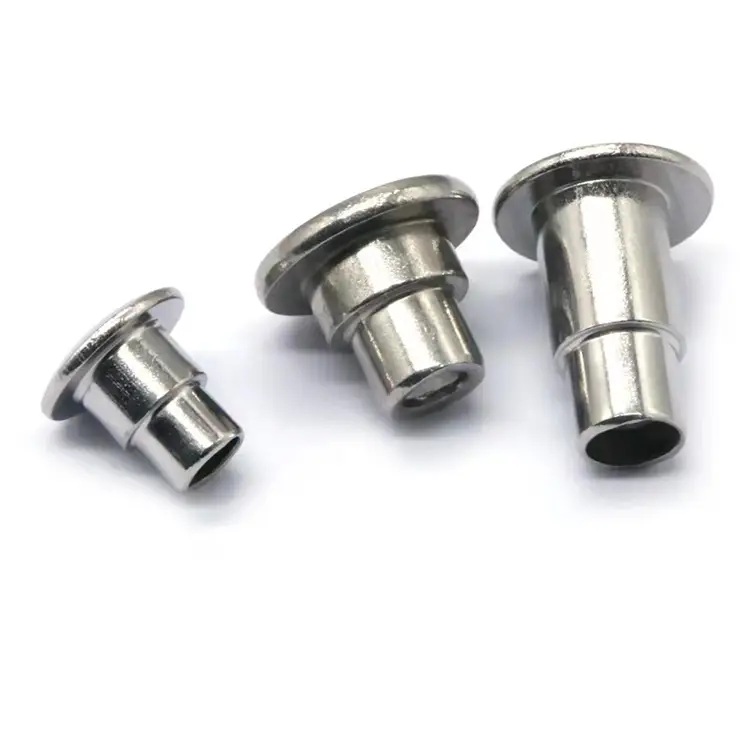
Semi‑tubular – A shallow cavity at the tail reduces setting force by about 70% while retaining 80–90% of the strength. Faster to set, easier on thin materials, and gentle on automated assembly lines.
Both designs look identical when installed. The dome is the same. The difference is in how they are made and how they set.
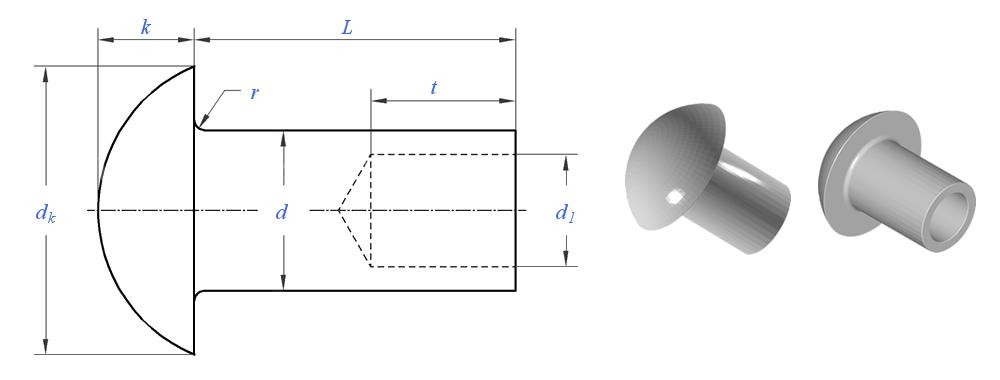
One Real Application – Shipboard Valve Handwheel Assembly
A marine valve manufacturer needed a permanent, visible fastener for assembling handwheel hubs on shipboard valves. The handwheel is operated by crew members daily – the rivet head is visible and touched frequently. The environment is salt spray, temperature extremes, and constant humidity. Previous zinc‑plated steel rivets rusted within months, and brass rivets tarnished and weakened.
We supplied 316 stainless steel round head solid rivets – 6.0mm shank, 10.5mm head, 20.0mm overall length, passivated finish. The solid construction delivered maximum strength for a load‑bearing assembly. The round head provided a classic, maritime appearance. The 316 grade ensured permanent corrosion resistance in saltwater conditions. The customer tested 1,000 rivets across 500 valves. After 24 months of service, zero rust, zero loosening. They now order stainless steel round head rivets in batches of 200,000 pieces annually.
About Nuote Metals – Company and Rivet Production
We are a Dongguan‑based fastener manufacturer with over a decade of experience in cold heading stainless steel. Our facility runs 45 cold‑heading machines capable of producing rivets from 0.8mm to 10mm in diameter, in both solid and semi‑tubular designs. We hold ±0.05mm tolerances on standard dimensions and stock over 3,000 sizes for rapid sampling and production.
Why Customers Choose Us – Real Feedback
"We have been using their 316 round head rivets for two years on our marine valves. No rust, no loosening, no complaints." – Marine valve manufacturer
"Their solid rivets set cleanly every time – no lopsided heads, no tool marks." – Shipyard supplier
"They actually shipped samples in 5 days, and the quality was identical to the production run." – Industrial equipment builder
What gives them confidence:
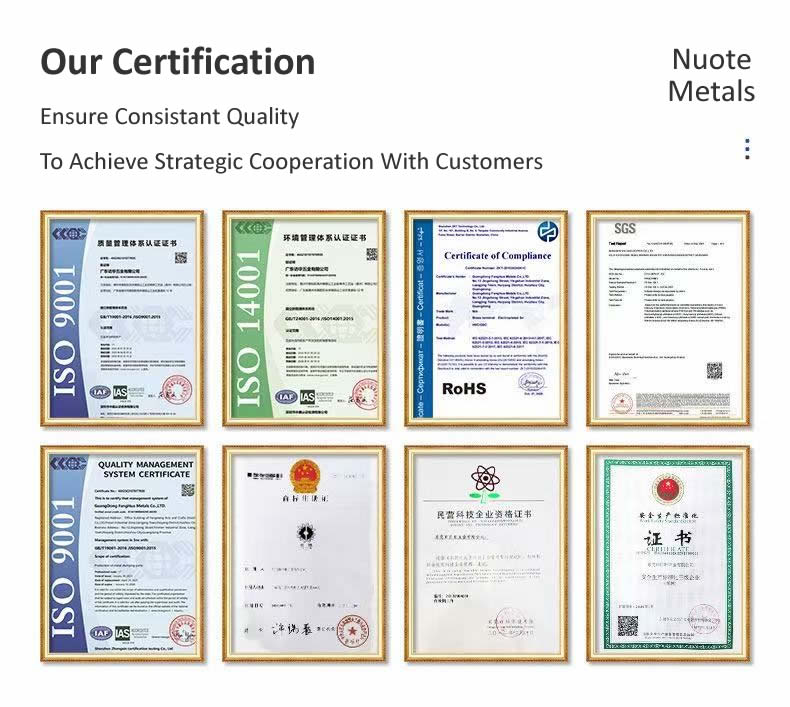
- ISO 9001:2015 certified; RoHS and REACH compliant
- 100% inspected – laser micrometers, optical comparators, spectrometers, salt spray chambers
- Full traceability – mill certificates and heat numbers for every coil
- Samples in 5–7 days, production on schedule
Three Questions We Answer Often
Q: "Can I get samples for testing – what is the lead time and cost?"
A: Yes – we offer samples for all our products. For standard stocked specifications, samples are provided free of charge – you only pay the shipping cost. Sample lead time is 5–7 days for standard sizes. For custom sizes or custom tooling, sample availability and lead time depend on the specific requirements. We will provide a sample cost estimate and timeline when we quote.
Q: "What is the difference between 304 and 316 stainless steel round head rivets – which one should I choose?"
A: The difference is molybdenum content. 316 contains 2–3% molybdenum, which provides superior resistance to chlorides (saltwater, de‑icing salts, bleach). 304 offers excellent general corrosion resistance but can pit in prolonged saltwater exposure. Choose 304 for general outdoor use – rain, sun, humidity, food contact. Choose 316 for marine environments, coastal installations, chemical plants, and any application where salt spray is present. In the shipboard valve case above, 316 was the right choice because the valves were exposed to continuous saltwater.
Q: "How does a round head affect the strength of the rivet compared to a flat head?"
A: The round head is actually stronger in impact applications. The dome distributes impact forces more evenly than a flat head – there is no sharp transition where stress can concentrate. For applications where the rivet head is struck, bumped, or subject to vibration, the round head outperforms flat heads. This is why round heads have been the standard for heavy machinery, marine hardware, and structural steel for centuries. The trade‑off is head height – round heads sit higher, so they are not suitable for clearance‑limited assemblies.
Hot Tags: Stainless Steel Round Head Rivets,China Stainless Steel Rivets,Stainless Steel Rivets Manufacturer
Product Tag
Related Categories
Send Inquiry
Please feel free to fill your inquiry in the form below. We will reply you in 24 hours.



X
We use cookies to offer you a better browsing experience, analyze site traffic and personalize content. By using this site, you agree to our use of cookies.
Privacy Policy