
Products
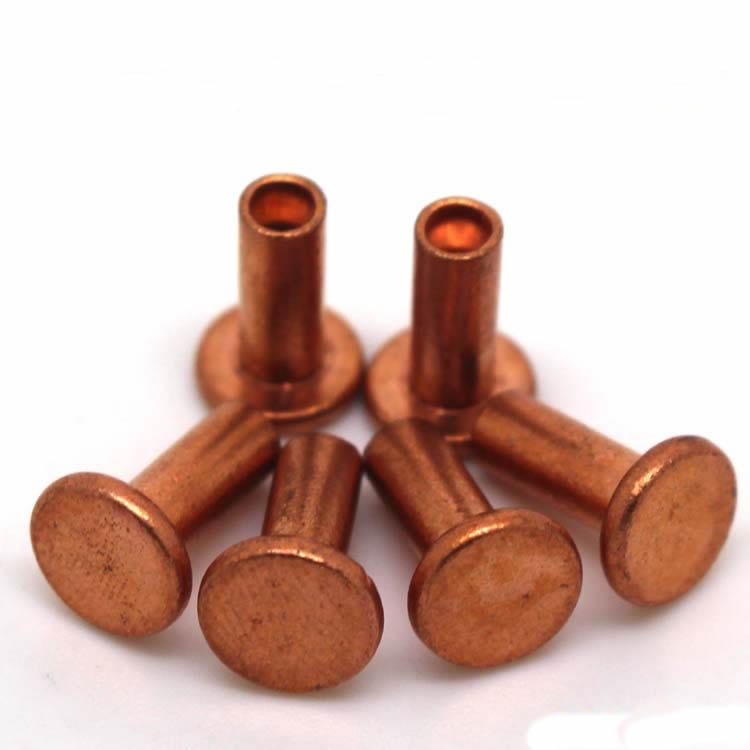
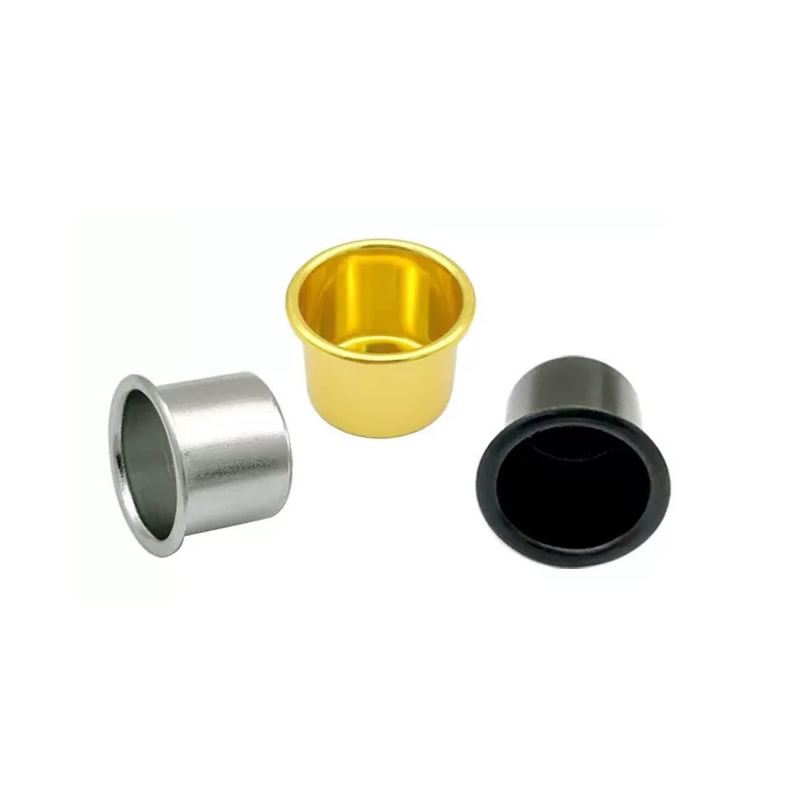
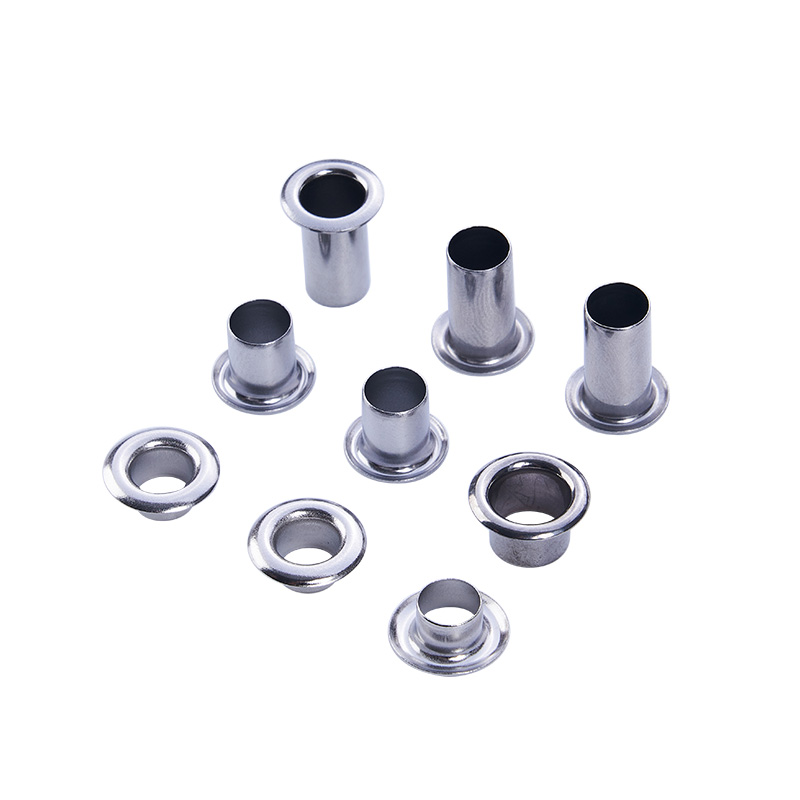
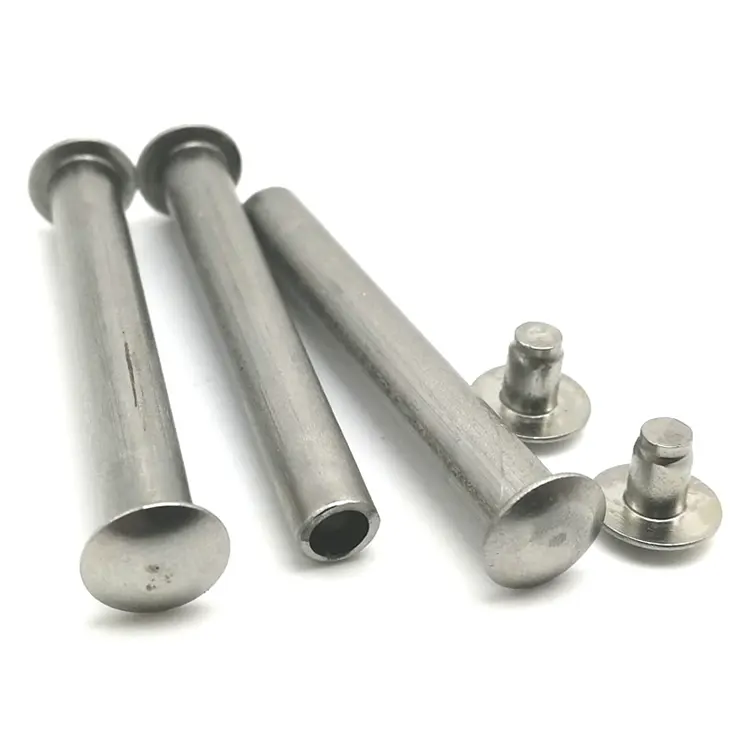
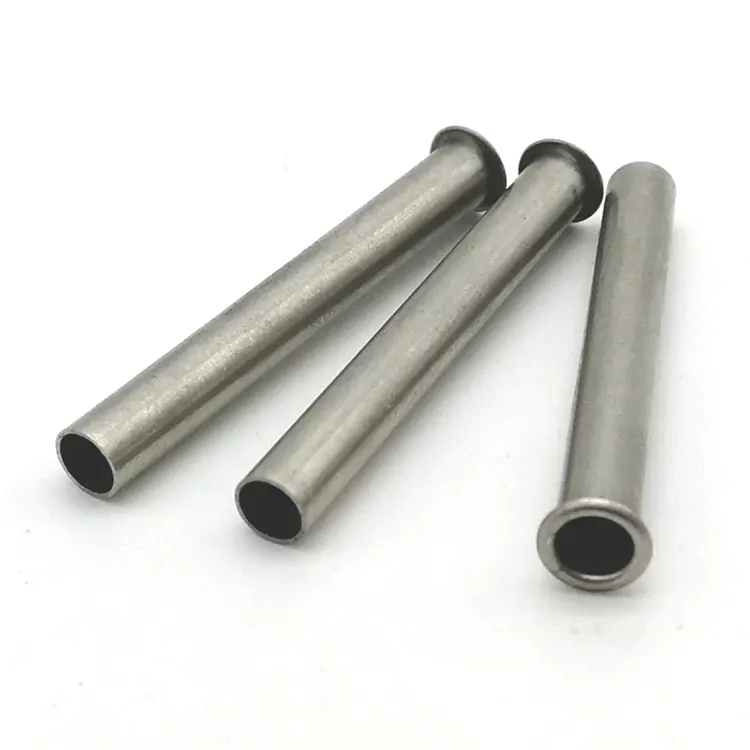
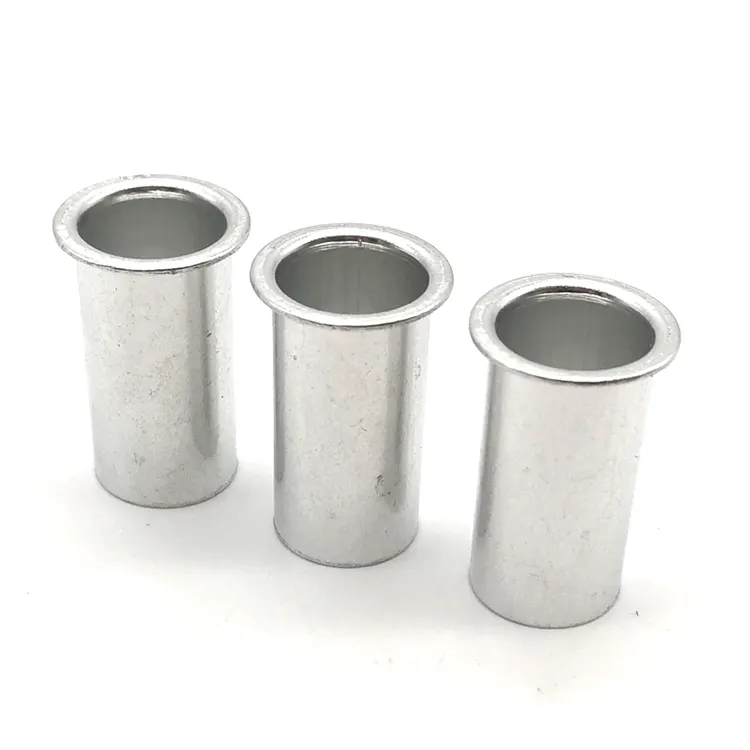
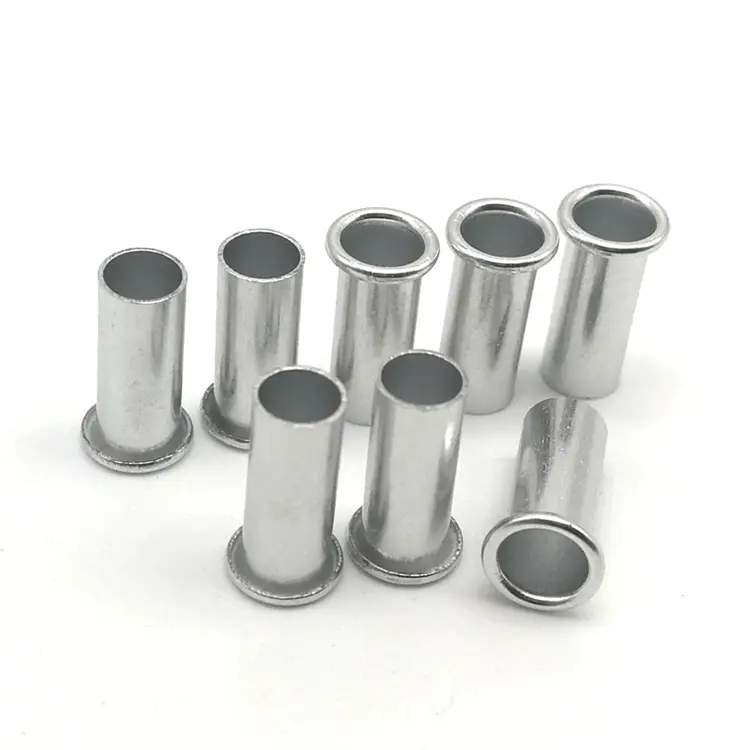
Aluminum Tube Rivets
Aluminum tube rivets are made from high-strength aluminum alloy, boasting remarkable lightweight properties, with a density only one-third that of steel rivets. Furthermore, this material offers excellent corrosion resistance, effectively resisting erosion from atmospheric and seawater environments. The unique hollow structure design further reduces overall weight while maintaining strength.Aluminum tube rivets made by Nuote Metals are high in precision, feel free to send us your inquiry.
Send Inquiry
Product Description
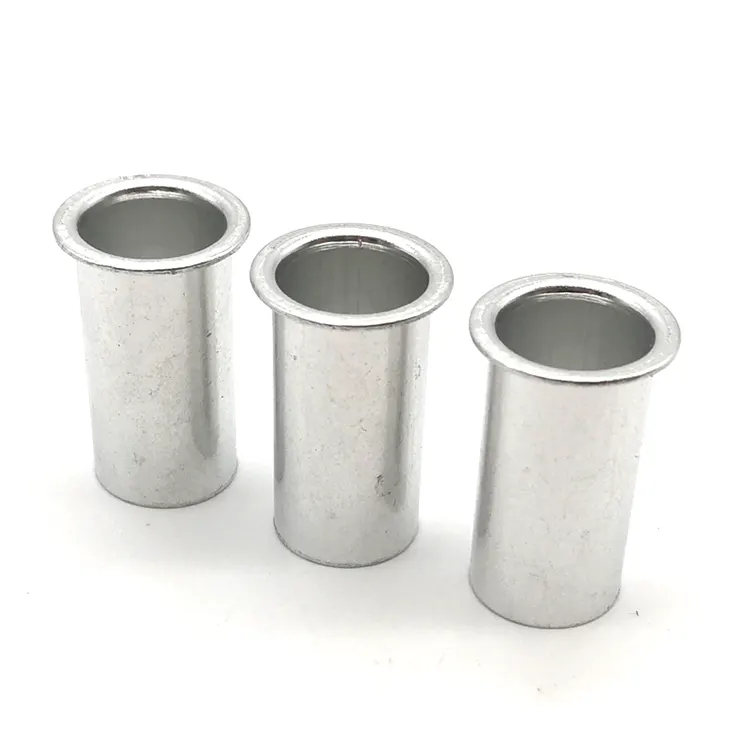
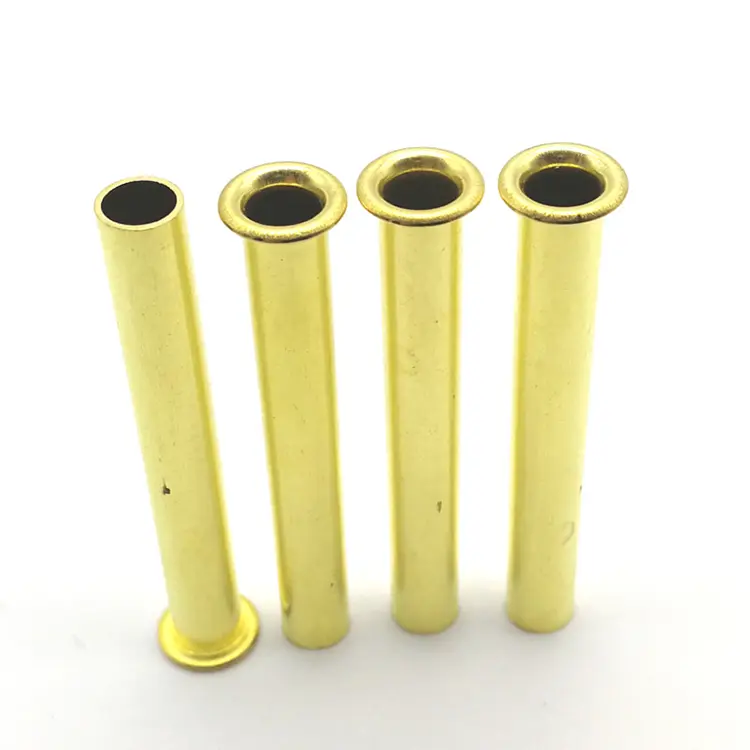
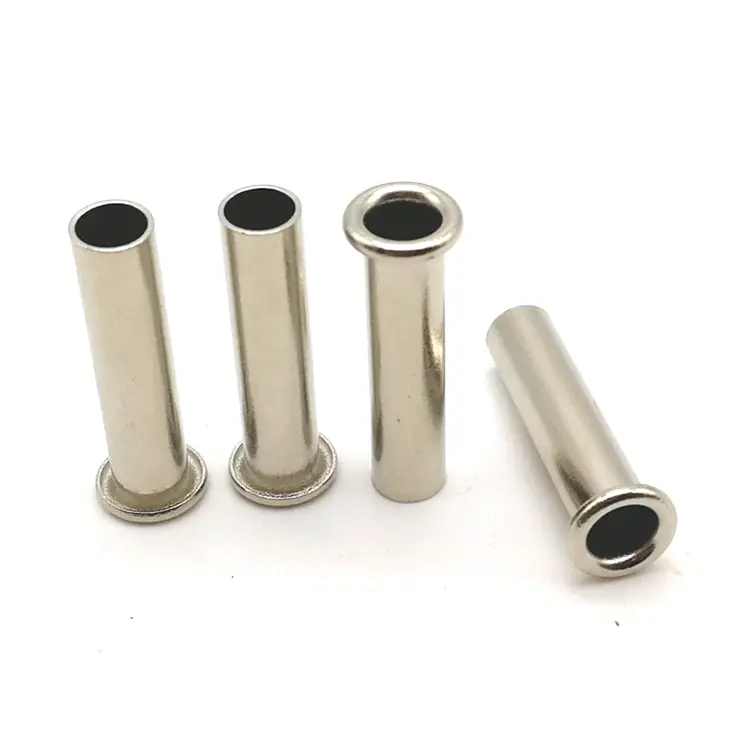
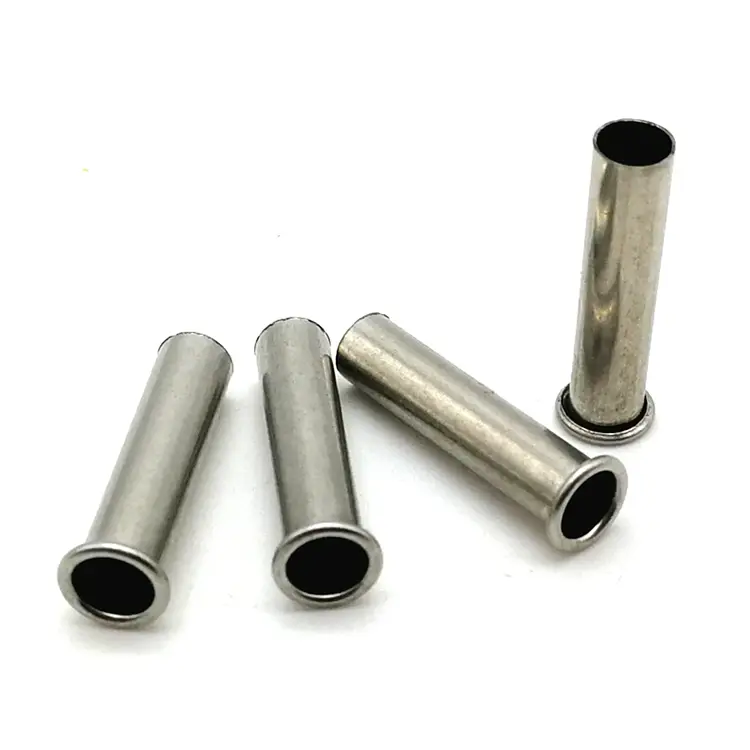
An aluminum tube rivet is a short piece of aluminum tubing with a head formed on one end. The shank is hollow from the tail to the head. During installation, the thin wall rolls outward with very low force – typically 15–20% of what a solid rivet requires.
This is the rivet you choose when weight matters more than strength. Aluminum tube rivets are the lightest hollow fasteners available – roughly one‑third the weight of steel. Non‑magnetic. Naturally corrosion‑resistant. And available in multiple alloys to match your application.
Tube Rivet vs. Solid vs. Semi‑Tubular – Where the Hollow Wins
| Feature | Aluminum Tube Rivet (Fully Hollow) | Aluminum Semi‑Tubular Rivet | Aluminum Solid Rivet |
|---|---|---|---|
| Hollow depth | 100% of shank | 45–55% of shank length | None |
| Setting force | 15–20% of solid | 25–30% of solid | 100% |
| Weight | Lightest | Light | Moderate |
| Wall thickness | Thin (0.15–0.30mm) | Moderate | Solid |
| Corrosion resistance | Excellent (natural oxide) | Excellent (natural oxide) | Excellent (natural oxide) |
| Magnetic | Non‑magnetic | Non‑magnetic | Non‑magnetic |
| Best for | Weight‑sensitive, non‑magnetic, lacing, wiring | General purpose, moderate loads | Structural, maximum strength |
| Setting speed | Fastest | Fast | Slow |
1100 vs. 5052 vs. 5056 – Which Alloy Do You Need?
| Grade | Type | Tensile Strength | Corrosion Resistance | Best For |
|---|---|---|---|---|
| 1100 | Pure aluminum | 90 – 130 MPa | Excellent | Non‑structural, decorative, lightweight enclosures |
| 5052 | Alloy | 220 – 280 MPa | Excellent | General purpose, moderate loads, outdoor |
| 5056 | Alloy | 280 – 350 MPa | Excellent (marine‑grade) | High‑strength, marine, structural assemblies |
Choose 1100 for applications where weight is critical and strength requirements are low – trim, enclosures, decorative assemblies.
Choose 5052 for general‑purpose lightweight assemblies where moderate strength is needed.
Choose 5056 for higher‑strength requirements and marine or saltwater exposure.
Available Finishes
| Finish | Appearance | Best For |
|---|---|---|
| Plain (as‑formed) | Natural silver | General purpose, indoor applications |
| Clear anodized | Silver, slightly enhanced | Corrosion protection, clean appearance |
| Color anodized | Various colors | Brand identity, decorative, identification |
| Chem‑film (Alodine) | Gold/yellow tint | Corrosion protection, paint base |
One Real Application – Lightweight Hiking Equipment Assembly
A manufacturer of lightweight hiking and camping equipment needed a fastener for assembling trekking pole handles and tent pole joints. The previous steel rivets added unnecessary weight – every gram counted for ultralight backpackers. The customer needed a permanent, lightweight fastener that would hold securely in the field and survive outdoor conditions.
We supplied 5052 aluminum tube rivets – 3.0mm shank, 5.5mm round head, 5.0mm barrel length, clear anodized finish. The aluminum rivets reduced fastener weight by 65% compared to steel. The anodized finish provided corrosion protection for outdoor use. The hollow design flared with minimal force – no damage to the lightweight alloy tubing. The customer tested 500 rivets across 250 pieces of equipment. After 5,000 field cycles, zero failures. They now order our tube rivets in batches of 150,000 pieces annually.
How We Make Tube Rivets – Production That Keeps Them Light
They start as genuine aluminum tube stock. Aluminum is soft and forgiving, which makes it the easiest material for tube‑based manufacturing – but it also requires careful handling to avoid tool marks and surface damage.
Tube cutting – Aluminum tube is cut to precise blank length. Tolerance: ±0.02mm. Sharp tooling prevents burrs and deformation.
Heading – The blank is placed into a heading press. A carbide die forms the head (round, flat, or countersunk) on one end. Polished dies prevent surface marks.
Trimming & tumbling – Flash is removed. Micro‑burrs are eliminated.
Anodizing (if specified) – Clear or color anodizing applied for enhanced corrosion protection.
Final inspection – 100% optical sorting. AQL sample manually verified.
What makes this work for production:
- Material traceability – Each coil comes with a mill test certificate and heat number. We can trace every batch back to the original melt.
- Alloy flexibility – We stock 1100, 5052, and 5056 alloys for different applications.
- Volume capability – We produce aluminum tube rivets in quantities from 2,000 to 500,000+ pieces.
Sample lead time: 5–7 days standard; custom tooling: 15–20 days.
One Rivet, Eight Checks – How We Ensure Quality
We do not rely on random sampling alone. Every batch of tube rivets passes through eight separate quality gates before leaving our factory. The principle is simple: measure early, measure often, and never assume.
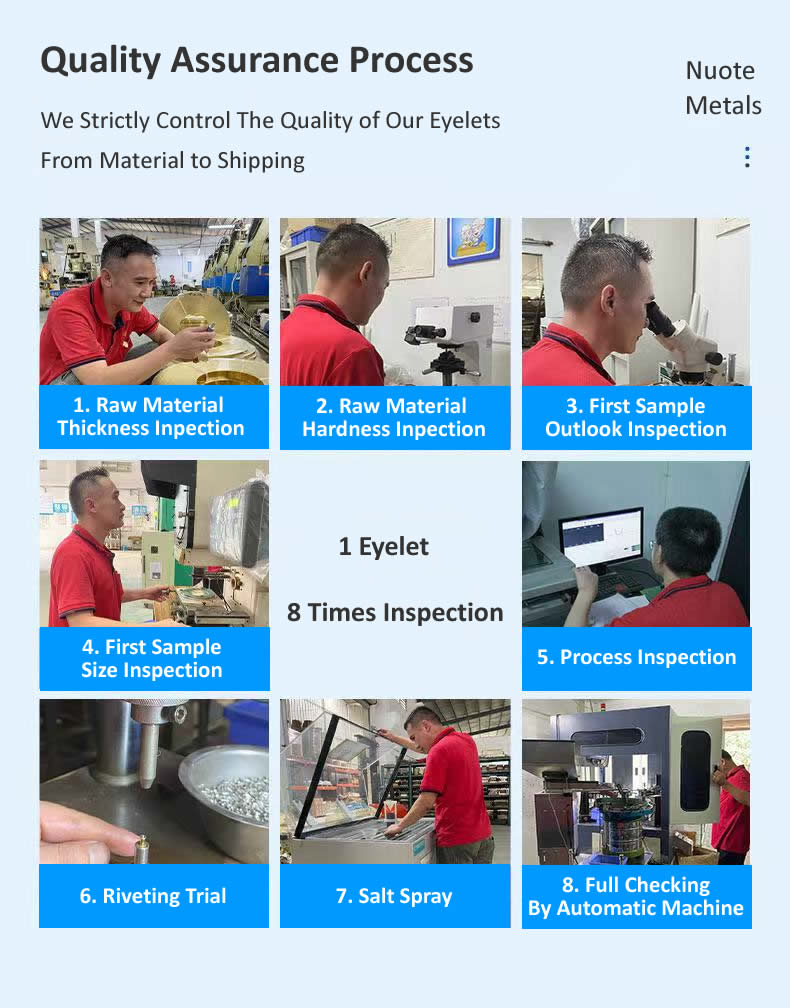
Raw material diameter check – Incoming tube stock is measured with a laser micrometer. Diameter tolerance: ±0.02mm. Any coil outside this range is rejected before it reaches the production floor.
Raw material hardness check – A sample from each coil is tested on a Rockwell hardness tester. Acceptable range varies by alloy. Too soft, and the rivet will deform during heading. Too hard, and the tube may crack during flaring.
First article appearance check – After tooling setup, the first 10 rivets are visually inspected under magnification. We look for cracks, uneven heads, surface marks, or burrs. Any visible defect stops the press.
First article dimensional check – The same 10 rivets are measured on an optical comparator. Inner diameter, outer flange, barrel length, and wall thickness must be within drawing tolerances before production starts.
In‑process checks – During mass production, the operator pulls 5 rivets every 500 pieces. Dimensions are verified with digital calipers and go/no‑go gauges. Any drift triggers tooling adjustment.
Test setting (trial flaring) – Every 2,000 pieces, we set 3 rivets into a representative material sample (same thickness and type as your assembly). The flared clinch is inspected for symmetry, tightness, and crack‑free formation. No loose or cracked rivets are accepted.
Salt spray test (if required) – For outdoor or anodized rivets, we send samples to our lab for ASTM B117 salt spray testing. A certificate is issued with the batch.
Final outgoing inspection – Before packaging, every rivet passes through an optical sorting machine. Cameras check inner diameter, outer flange, barrel length, and concentricity. Rejects are automatically ejected. A random AQL sample (Level II, 1.0) is then pulled for manual verification.
An aluminum tube rivet that survives all eight steps is ready to leave our factory. We keep records of every check for five years.
What Our Customers Say – Real Feedback
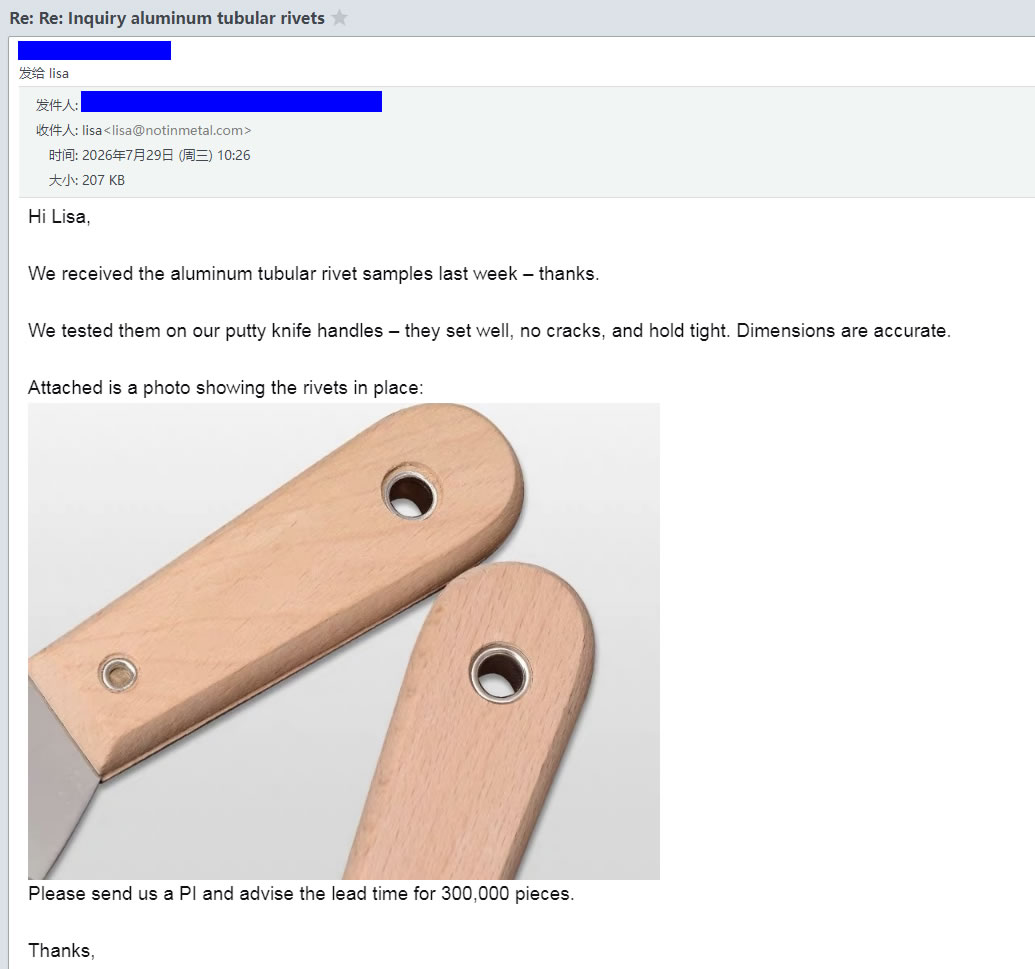
We let our customers speak for us. The images above show real feedback from manufacturers who have used our aluminum tube rivets in their production lines – from outdoor equipment builders to electronics manufacturers to sporting goods brands.
They come back to us for the same reasons:
- Lightest weight – One‑third the weight of steel, minimal added mass
- Non‑magnetic – Zero interference with sensitive electronics
- Consistent quality – Uniform wall thickness and inside diameter, batch after batch
- Reliable delivery – Samples ship in 5–7 days, production on schedule
Three Questions We Answer Often
Q: "Can I get samples before ordering production quantities?"
A: Yes – we offer samples for all our products. For standard existing specifications, samples are provided free of charge – you only pay the shipping cost. For custom sizes or custom tooling, sample availability and lead time depend on the specific requirements. Please contact our sales team with your drawing or specification, and they will advise on sample cost and delivery timeline.
Q: "How do aluminum tube rivets compare to steel tube rivets for outdoor applications?"
A: The choice depends on your priorities:
| Factor | Aluminum Tube Rivet | Steel Tube Rivet |
|---|---|---|
| Weight | Lightest | Heavier |
| Corrosion resistance | Excellent (natural oxide) | Depends on plating |
| Strength | Moderate (220–350 MPa) | Higher (400–500 MPa) |
| Cost | Higher | Lower |
| Magnetic | Non‑magnetic | Magnetic |
Choose aluminum when weight and non‑magnetic properties matter. Choose steel when cost is the priority and weight is not a concern. For the hiking equipment case above, aluminum was the right choice – the customer needed the lightest possible fastener for ultralight gear.
Q: "How do I select the correct alloy for my application?"
A: The choice depends on your strength requirements:
1100 – Use for non‑structural applications where weight is critical and strength is not – trim, decorative, low‑load assemblies.
5052 – Use for general‑purpose assemblies where moderate strength and corrosion resistance are needed.
5056 – Use for higher‑strength requirements, marine environments, and structural applications where maximum strength in a lightweight fastener is required.
If you are unsure, send us your application details – we will recommend the right alloy based on your load requirements and environmental conditions.
Hot Tags: Aluminum Tube Rivets Manufacturer, Aluminum Tube Rivets Supplier, Aluminum Tube Rivets
Related Categories
Send Inquiry
Please feel free to fill your inquiry in the form below. We will reply you in 24 hours.



X
We use cookies to offer you a better browsing experience, analyze site traffic and personalize content. By using this site, you agree to our use of cookies.
Privacy Policy