Products
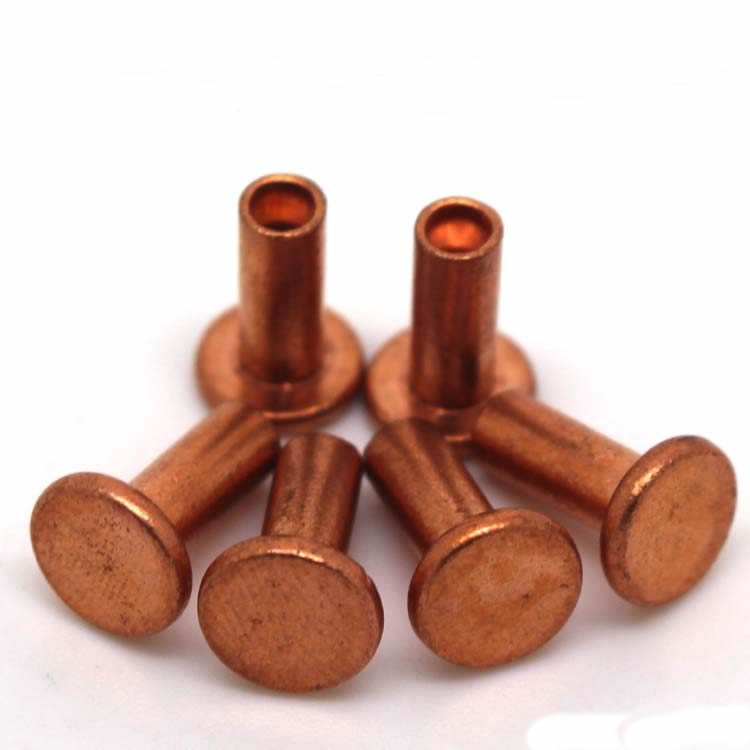
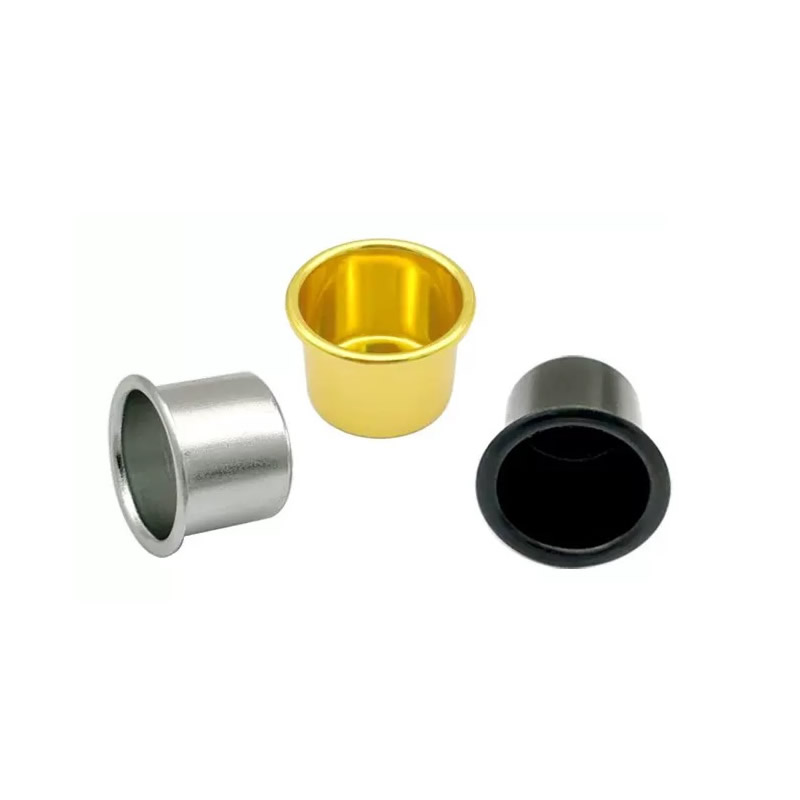
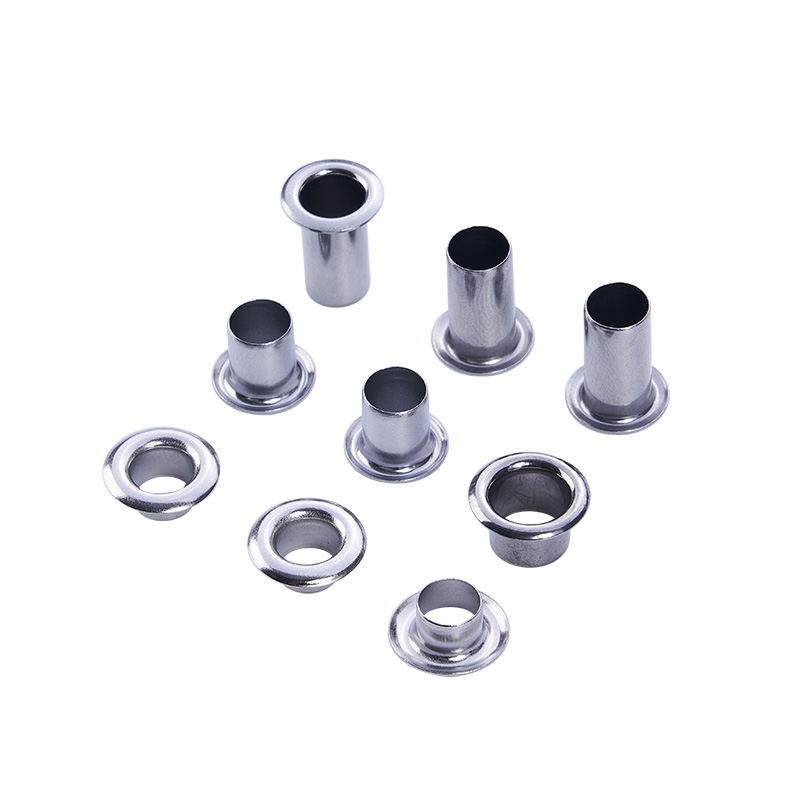
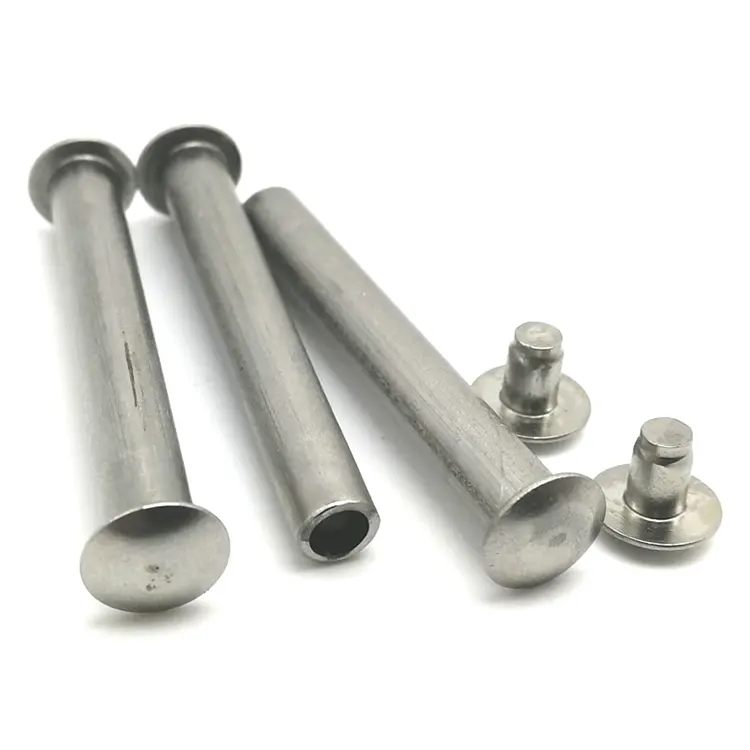
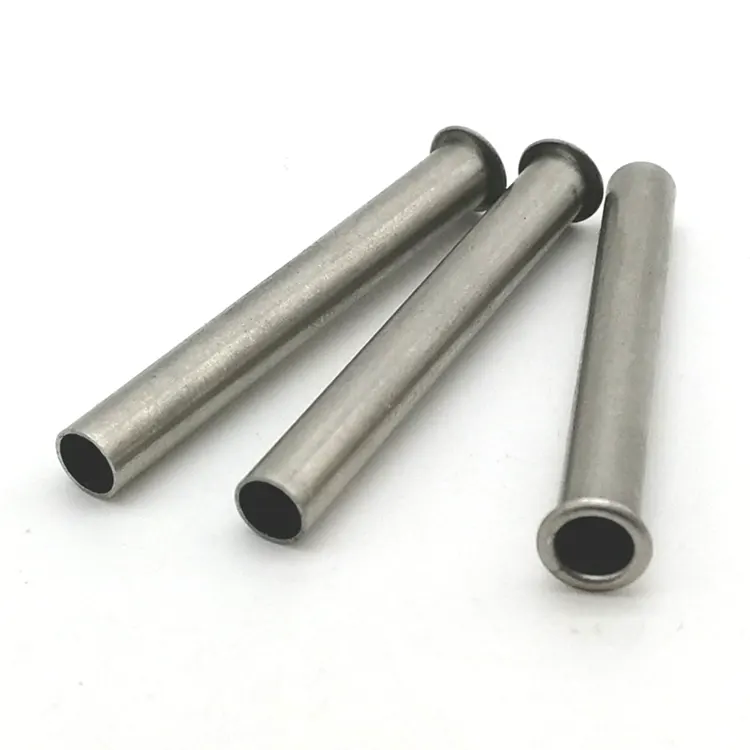

Aluminum Turning Parts
Nuote Metals produces and supplies a variety of custom CNC aluminum turning parts in China, offering aluminum machining services. We have advanced CNC turn & mill machines to provide one-stop machining solutions.
Send Inquiry
Product Description
Aluminum is the most machinable metal in common use. It cuts fast, produces short chips, and requires less tool wear than steel or stainless. That's why many shops treat aluminum as a beginner's material—simple to quote, simple to run.
But precision Aluminum Turning Parts are not simple. Aluminum's softness causes burrs that are difficult to remove. Its low stiffness means thin-wall parts deflect under clamping pressure. Its high thermal expansion means dimensions can shift between machining and inspection. And its surface is easily smeared or scratched—a cosmetic defect that becomes a functional failure for anodized or sealing surfaces.
Nuote Metals machines aluminum differently. We treat it as a precision material, not a commodity. Every part gets tooling, coolant, and inspection protocols designed for aluminum's specific behaviors.
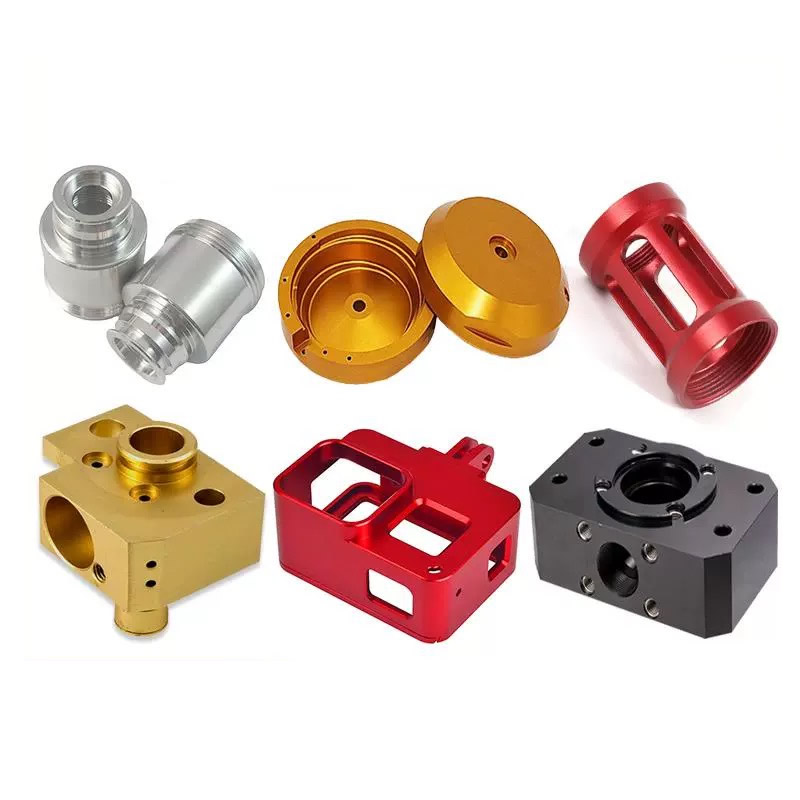
The Three Hidden Problems in Aluminum Turning
1. Burr formation on edges and threads.
Aluminum turning parts ductile, stringy burrs that cling to the part. Standard deburring misses internal edges, cross-holes, and thread roots. For anodized parts, trapped burrs become visible defects. For sealing surfaces, they cause leaks. We use controlled feed rates and tool geometry to minimize burr formation at the source, then thermal deburring or abrasive flow finishing for internal features that hand tools cannot reach.
2. Thin-wall deflection under clamping.
Aluminum's low modulus of elasticity (69 GPa vs. 200 GPa for steel) means thin-wall parts deform under chuck pressure. A wall that measures 0.5mm may compress by 0.1mm during turning, then spring back after release. We use soft jaws machined to the part's outer diameter, low-pressure clamping, and support rings for thin-wall sections. For critical parts, we verify wall thickness with an ultrasonic gauge after machining.
3. Thermal expansion drift.
Aluminum expands 23 μm/m·°C—roughly twice as much as steel. A 100mm part can grow 0.05mm with a 20°C temperature change. In a temperature-controlled inspection room, the part shrinks back—but if the machine shop is warmer, the dimension may appear out of tolerance. We soak parts to room temperature before final inspection and use temperature-compensated measurement for critical features.
Aluminum Alloys We Machine – And What Each Is For
| Alloy | Machinability | Strength | Corrosion Resistance | Best Application |
|---|---|---|---|---|
| 6061-T6 | Excellent | Moderate (310 MPa) | Good | General purpose, brackets, housings |
| 7075-T6 | Good | High (570 MPa) | Moderate | Aerospace, high-strength structural |
| 2024-T4 | Fair | High (470 MPa) | Poor (needs coating) | Aircraft fittings, fatigue-critical |
| 5052-H32 | Good | Low (230 MPa) | Excellent (marine) | Marine, chemical, outdoor |
| 6082-T6 | Excellent | Moderate (340 MPa) | Good | European equivalent of 6061 |
| 2011 | Excellent | Moderate | Poor | High-speed turning, connectors |
A note on 7075 vs. 6061: 7075 offers nearly double the strength of 6061, but it is more expensive, less corrosion-resistant, and more prone to stress corrosion cracking. For most general-purpose turned parts, 6061-T6 is the best balance of strength, machinability, and cost. We help customers choose based on load requirements, environment, and budget—not just what's in stock.
Our Aluminum Turning Line – Built for Precision and Volume
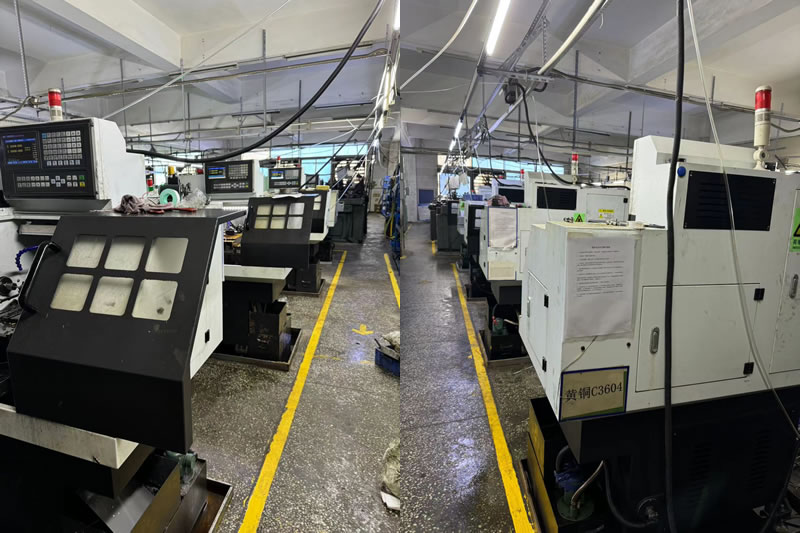
Nuote Metals operates a dedicated aluminum turning department, separate from our steel and brass lines. This separation prevents cross-contamination of chips and coolant—a critical factor for anodizing quality. A single aluminum chip embedded in a steel part is a cosmetic defect; a steel chip embedded in an aluminum part becomes a visible black spot after anodizing.
Equipment and capacity:
12 CNC lathes dedicated to aluminum, ranging from 5-axis mill-turn centers to high-speed bar-fed lathes.
Bar capacity: 3mm to 80mm diameter for bar-fed work; 300mm for chucked work.
Spindle speeds: Up to 8,000 RPM for small-diameter parts, ensuring clean shear cuts.
High-pressure coolant: 70–100 bar, directed at the cutting edge to break chips and control heat.
In-house anodizing and chromate conversion lines – we control the entire process from raw bar to finished, coated part.
Volume capability:
Prototype: 1–50 pieces, machined on our 5-axis mill-turn centers for complex geometries in a single setup.
Low-volume production: 50–5,000 pieces, run on CNC lathes with quick-change tooling.
High-volume production: 5,000–500,000+ pieces, run on high-speed bar-fed lathes with automatic bar loaders and in-process gauging.
Why this matters to you: When you send us an aluminum turning parts drawing, it goes to a team that machines aluminum every day—not a general-purpose shop that switches between steel, brass, and plastic. This focus is why we can hold ±0.005mm tolerances on thin-wall parts and deliver anodizing-ready surfaces without secondary deburring.
A Real Example – 7075-T6 Aerospace Actuator Housing
A European aerospace supplier needed a 7075-T6 actuator housing with a 0.008mm bore tolerance, Ra 0.4μm internal finish, and no visible burrs on cross-holes. Their previous supplier delivered parts that failed anodizing inspection—burrs trapped in cross-holes created visible defects after coating.
What we did differently:
- Used controlled feed rates on cross-hole drilling to minimize burr formation at the source.
- Applied abrasive flow finishing to internal cross-holes—removing burrs that hand tools cannot reach.
- Verified surface finish with a portable profilometer before anodizing.
- Shipped 2,500 pieces with zero anodizing rejections. The customer eliminated their incoming deburring operation and reduced lead time by 8 days.
Frequently Asked Questions About Aluminum Turning Parts
Q1: What is the best aluminum alloy for CNC turning?
A: 6061-T6 is the best all-around choice for most turned parts—it offers good strength (310 MPa), excellent machinability, and good corrosion resistance at a reasonable cost. 7075-T6 is better for high-strength applications but costs more and is less corrosion-resistant. 2024 offers high fatigue strength for aircraft parts but requires protective coating. 5052 is best for marine or chemical environments. Nuote Metals can recommend the optimal alloy based on your load, environment, and budget.
Q2: How do you prevent burrs on aluminum turned parts?
A: Burr prevention starts with tool geometry and cutting parameters. We use sharp, high-positive rake inserts and program feed rates that shear the material cleanly instead of pushing it. For cross-holes and threads, we use controlled feed and spindle speed to minimize burr formation. For internal features that hand tools cannot reach, we apply abrasive flow finishing or thermal deburring. For anodized parts, we inspect for burrs before coating—because anodizing makes them permanent.
Q3: Can you hold tight tolerances on thin-wall aluminum parts?
A: Yes—with the right workholding. Aluminum's low stiffness means thin-wall parts deflect under clamping pressure. We use soft jaws machined to the part's outer diameter, low-pressure chucks, and support rings for thin-wall sections. For walls under 1mm, we may machine in multiple passes with stress-relief between operations. We verify wall thickness with an ultrasonic gauge and final dimensions with a CMM after the part has stabilized at room temperature.
Hot Tags: Aluminum Turning Parts
Send Inquiry
Please feel free to fill your inquiry in the form below. We will reply you in 24 hours.





X
We use cookies to offer you a better browsing experience, analyze site traffic and personalize content. By using this site, you agree to our use of cookies.
Privacy Policy