Products
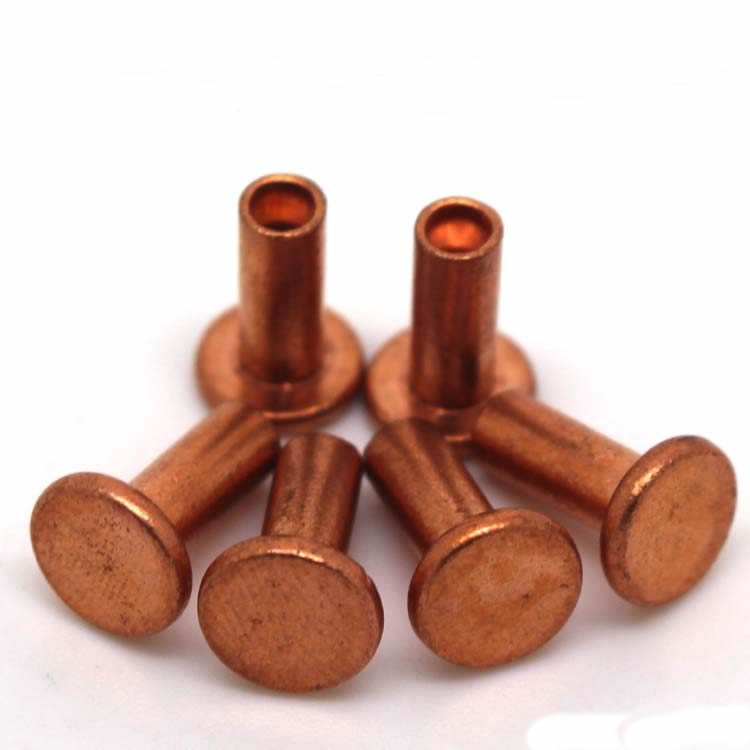
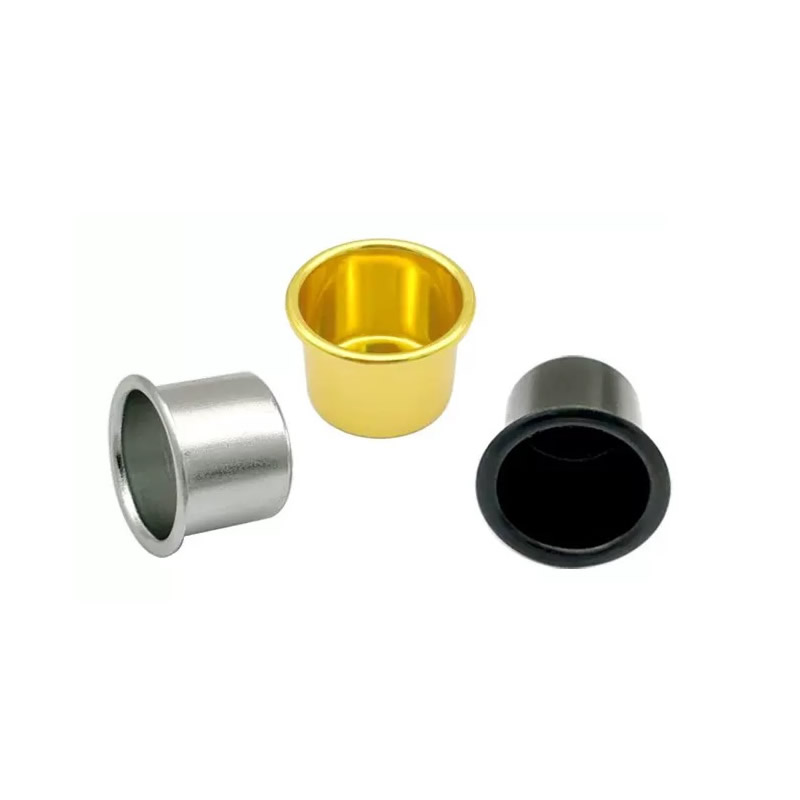
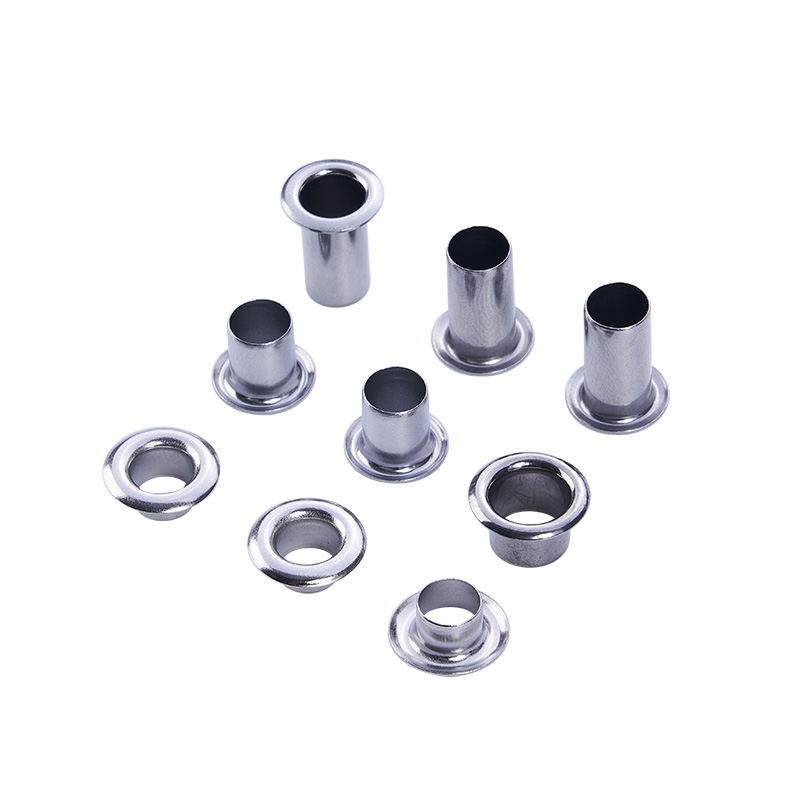
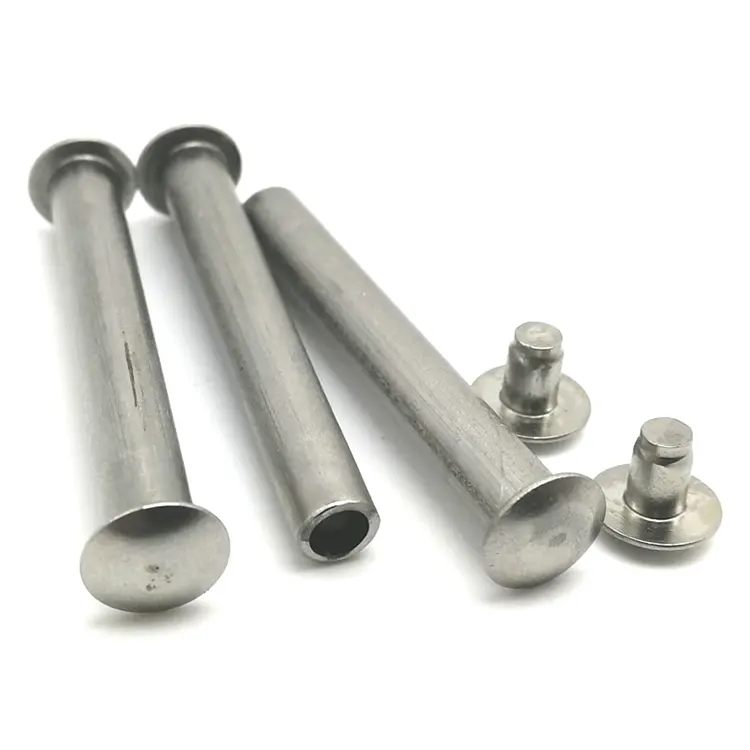
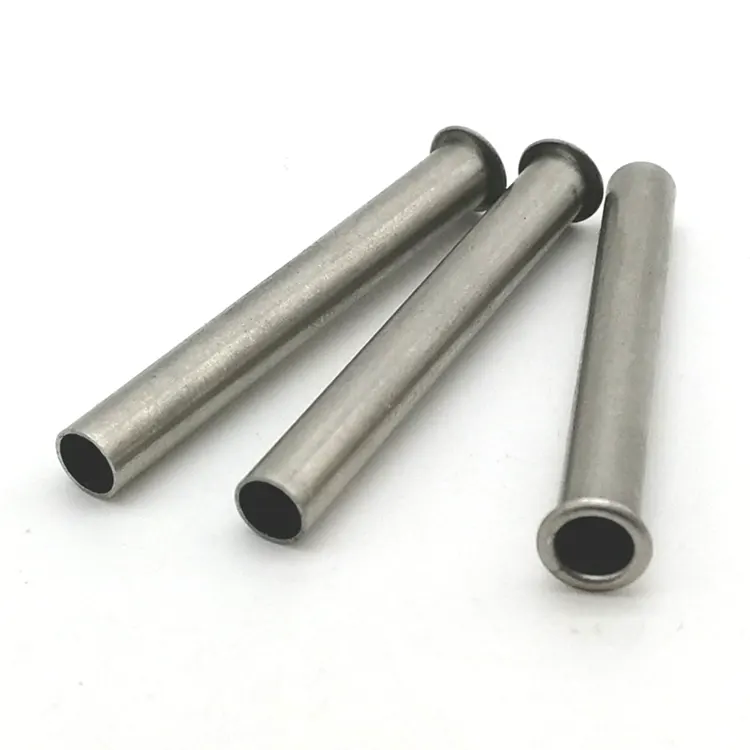

Brass CNC Machining
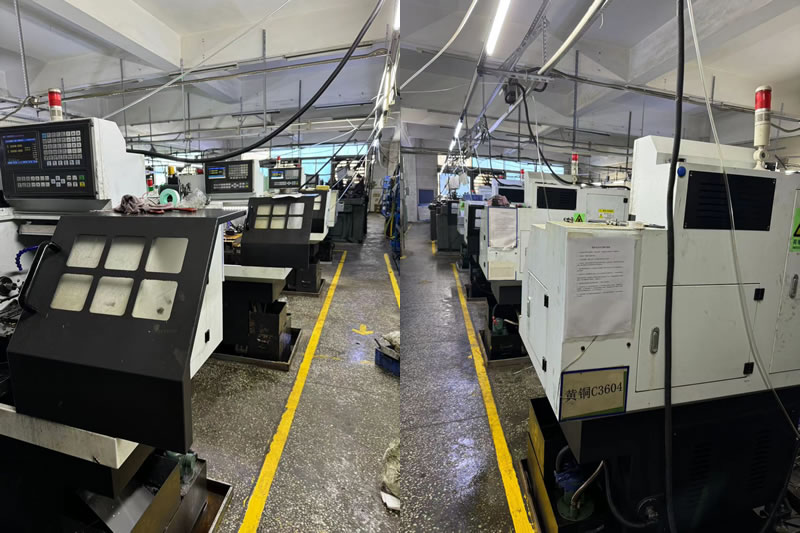
We have been in the CNC screw machining industry for more than 10 years now, which means we have the experience necessary to provide you with any kind of Brass CNC Machining parts that you may need. At Nuote Metals, we make sure to adhere to international standards for quality and customer satisfaction.
Send Inquiry
Product Description
Brass CNC Machining – The Easiest Metal to Cut, the Hardest Alloy to Choose
Brass is the most machinable metal in common use. It cuts fast, produces short chips, and leaves a smooth finish with minimal tool wear. That is why buyers often assume brass projects are simple—pick a grade, send a drawing, receive a part. But brass CNC machining has a complication that does not appear on the machinability chart: lead.
The most machinable brass—C36000, the free-cutting standard—contains 2.5–3.5% lead. Lead acts as a chip breaker and lubricant, allowing high speeds and long tool life. But lead is toxic. RoHS restricts it. The EU Drinking Water Directive limits lead leaching to 5μg/L. California Prop 65 requires warning labels. For plumbing, food equipment, and consumer electronics, leaded brass is increasingly unacceptable.
At Nuote Metals, we machine both leaded and lead-free brass—and we help customers choose the right alloy for the application, not just the easiest one to cut. This article explains the lead-free challenge, the dezincification risk, and how we control both.

Lead-Free Brass – Why It Machines Differently
Lead-free brasses replace lead with silicon, bismuth, or selenium to maintain machinability. But none of them cut exactly like leaded brass.
C27450 (silicon-brass): Lead-free, machinability rating ~80% of C36000. Produces longer chips that require more aggressive chip breaker geometry. Good corrosion resistance. Common for plumbing fittings.
C69300 (silicon-brass): Lead-free, dezincification-resistant. Machinability ~75% of C36000. The standard choice for potable water applications where both lead and dezincification are concerns.
C35330 (bismuth-brass): Lead-free, machinability ~90% of C36000—the closest to leaded brass in cutting behavior. But bismuth is expensive and can cause embrittlement at high temperatures.
Why this matters: A shop that quotes lead-free brass at leaded brass speeds and feeds will produce torn surfaces, long stringy chips, and short tool life. We adjust cutting parameters for each alloy—lower surface speeds, modified chip breaker geometry, and higher coolant pressure for the longer chips that lead-free brasses produce.
The Dezincification Problem – When Brass Corrodes From the Inside
Brass is an alloy of copper and zinc. In certain water conditions—especially chlorinated water, high-temperature water, or seawater—the zinc can leach out of the alloy, leaving a porous copper sponge behind. This is dezincification. The part looks intact from the outside but fails under pressure or vibration.
Where dezincification occurs:
- Potable water fittings (especially in areas with high chloride levels)
- Marine hardware exposed to seawater
- Heat exchanger components
- Valve bodies and pump parts
How we control it:
- Alloy selection: C69300 (silicon-brass) and C46400 (naval brass) are dezincification-resistant. For potable water, C69300 is the standard. For marine, C46400 with tin addition resists both dezincification and erosion-corrosion.
- Machining surface integrity: A smeared or torn surface accelerates dezincification by exposing more zinc to the environment. We control surface finish to Ra 0.8μm or better on wetted surfaces.
- Post-machining cleaning: Residual chips and cutting fluid can trap chlorides against the surface. We clean and dry parts before shipping—especially for water-contact applications.
Brass Alloys We Machine – And When to Choose Each
| Alloy | Lead Content | Machinability | Corrosion Resistance | Best Application |
|---|---|---|---|---|
| C36000 | 2.5–3.5% Pb | 100% (best) | Moderate | High-volume turned parts, connectors (non-regulated) |
| C27450 | Lead-free | ~80% | Good | Plumbing fittings, general hardware |
| C69300 | Lead-free | ~75% | Excellent (DZR) | Potable water, valves, fittings |
| C46400 | Lead-free | ~60% | Excellent (marine) | Marine hardware, pump components |
| C35330 | Lead-free | ~90% | Moderate | Electronics connectors, precision turned parts |
A note on C36000: It is still the most machinable brass and remains acceptable for many industrial applications—hydraulic fittings, pneumatic connectors, non-consumer electronics. But for plumbing, food equipment, or any product that contacts drinking water, lead-free is now the standard. We help customers determine whether their application is regulated before recommending an alloy.
A Real Example – Lead-Free Brass Valve Body for Potable Water
A German plumbing equipment manufacturer needed a brass valve body for a potable water system. The part required lead-free material, dezincification resistance per EN 12165, and a Ra 0.8μm finish on the sealing surface. Their previous supplier used C36000—the parts failed the lead leaching test and were rejected at incoming inspection.
What we did differently:
- Switched to C69300 silicon-brass—lead-free and dezincification-resistant.
- Adjusted cutting parameters for the lower machinability: reduced surface speed by 20%, modified chip breaker geometry to break the longer chips.
- Verified surface finish on the sealing surface with a profilometer—Ra 0.8μm or better.
- Cleaned and dried parts to remove residual chlorides before shipping.
- Shipped 4,500 pieces with zero lead leaching failures and zero dezincification failures after 2,000-hour testing.
This is what brass CNC machining should deliver: not just a part that meets dimensions, but an alloy and surface that pass the regulatory and environmental tests the application demands.
Why Brass Machining Is Not a Commodity
Brass cuts easily, which makes it tempting to treat as a commodity. But the alloy choice, the lead content, the dezincification resistance, and the surface integrity all determine whether the part passes inspection—or fails in service.
We plan brass CNC machining around the application, not just the drawing:
- Regulated vs. non-regulated application determines lead content.
- Water contact vs. dry contact determines dezincification resistance.
- Decorative vs. functional determines surface finish and post-processing.
- High-volume vs. low-volume determines tooling and bar feed strategy.
This is not a premium service. It is the minimum standard for a supplier who understands that brass is not just "easy metal."
Frequently Asked Questions
Q1: Can I use C36000 brass for potable water fittings?
A: No—not if the fitting contacts drinking water. C36000 contains 2.5–3.5% lead, which can leach into the water supply. The EU Drinking Water Directive and US Safe Drinking Water Act both restrict lead content in wetted surfaces. For potable water, use C69300 silicon-brass or C27450—both lead-free and dezincification-resistant. If your drawing specifies C36000 for a water application, we will flag it before quoting. Nuote Metals machines both leaded and lead-free brass, and we help customers navigate the regulatory requirements for their market.
Q2: Why does lead-free brass machine differently from leaded brass?
A: Lead acts as an internal lubricant and chip breaker in C36000. Without it, lead-free brasses produce longer, stringier chips that can wrap around the tool and scratch the surface. Machinability drops by 10–25% depending on the alloy. We compensate with modified chip breaker geometry, higher coolant pressure, and adjusted surface speeds. For brass CNC machining of lead-free alloys, the process plan matters more than the machine—a shop that uses leaded brass parameters will produce torn surfaces and short tool life.
Q3: What is dezincification, and how do I know if my brass part needs protection?
A: Dezincification is the selective leaching of zinc from brass, leaving a porous copper structure that looks intact but fails under load. It occurs in water-contact applications—potable water, seawater, heat exchangers. If your part contacts water, especially chlorinated or high-temperature water, specify a dezincification-resistant alloy such as C69300 or C46400. If the part is used in dry indoor applications, standard brass is sufficient. Nuote Metals reviews the application environment before recommending an alloy—and machines the wetted surfaces to Ra 0.8μm or better to reduce the risk of dezincification initiation.
Hot Tags: Brass CNC Machining, Custom Brass CNC Parts, CNC Machining Services
Product Tag
Send Inquiry
Please feel free to fill your inquiry in the form below. We will reply you in 24 hours.





X
We use cookies to offer you a better browsing experience, analyze site traffic and personalize content. By using this site, you agree to our use of cookies.
Privacy Policy