
Products
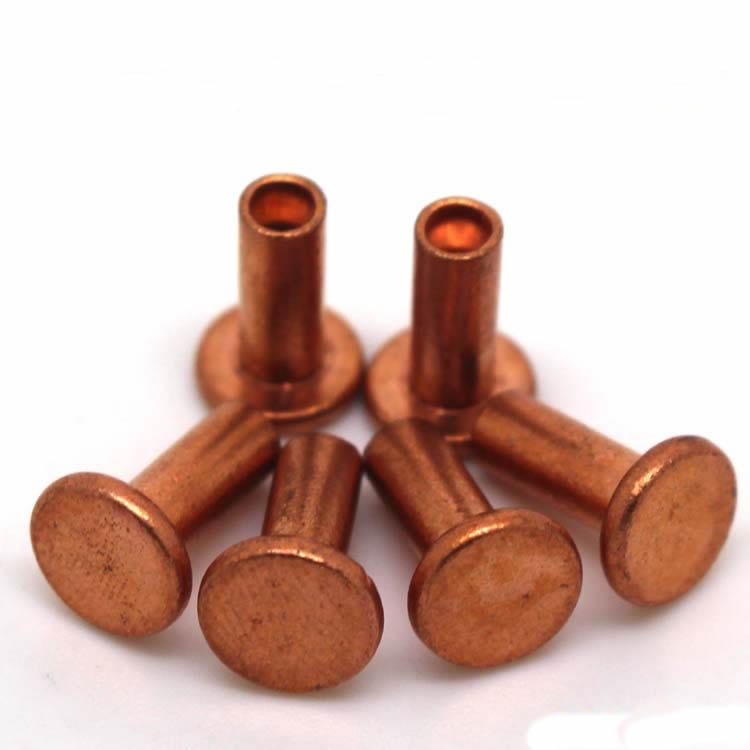
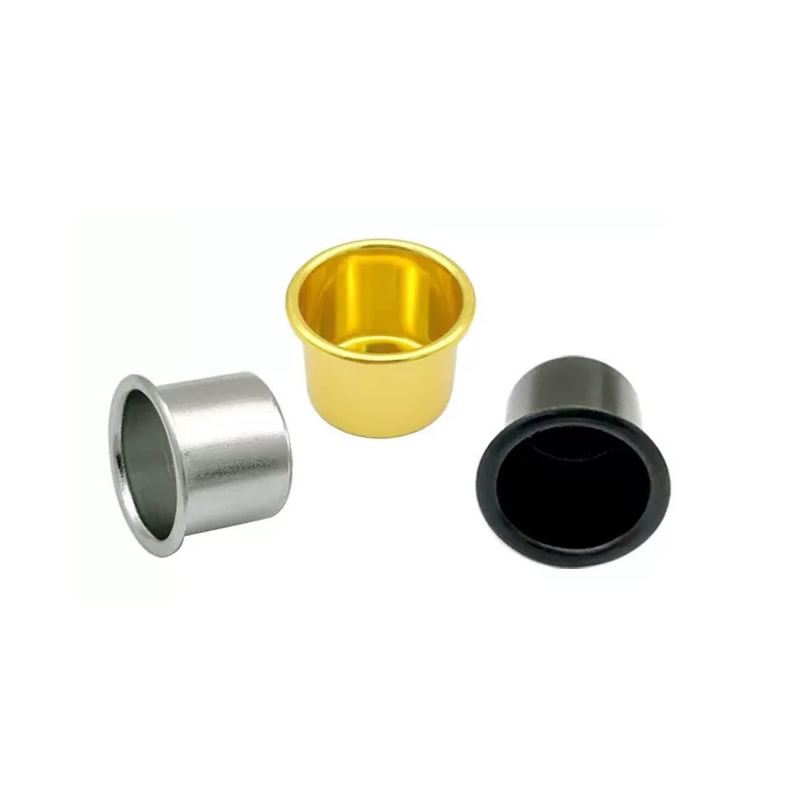
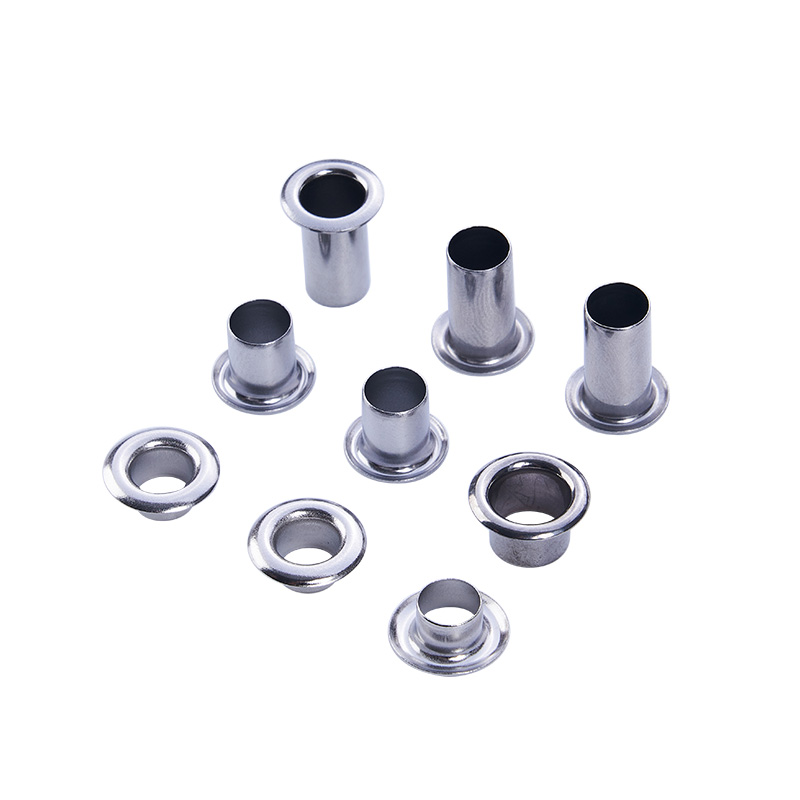
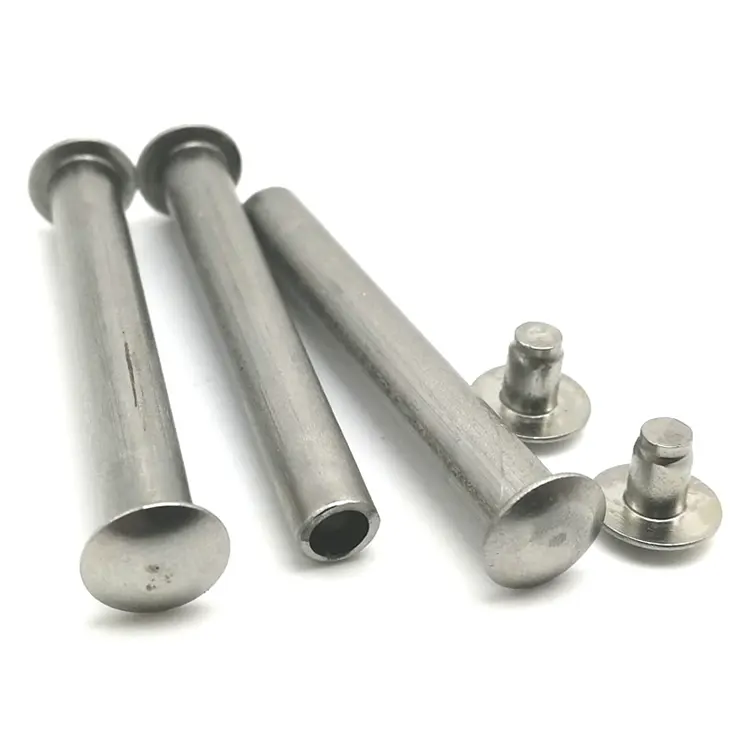
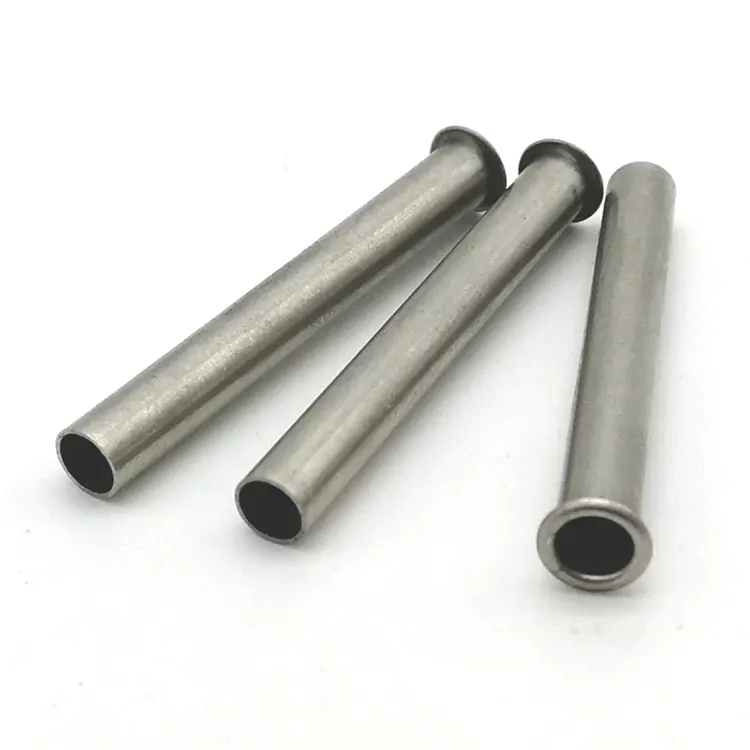
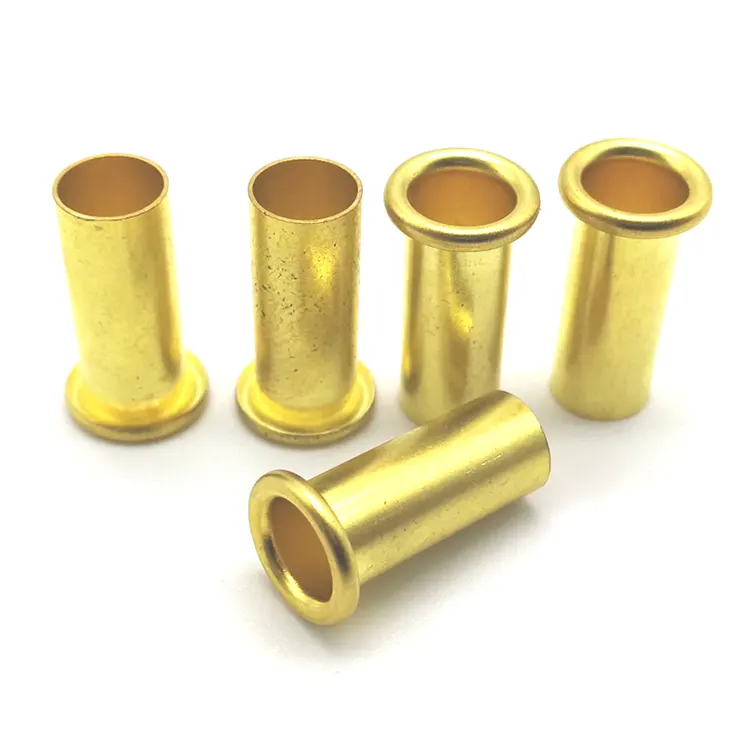
Brass Tube Rivets
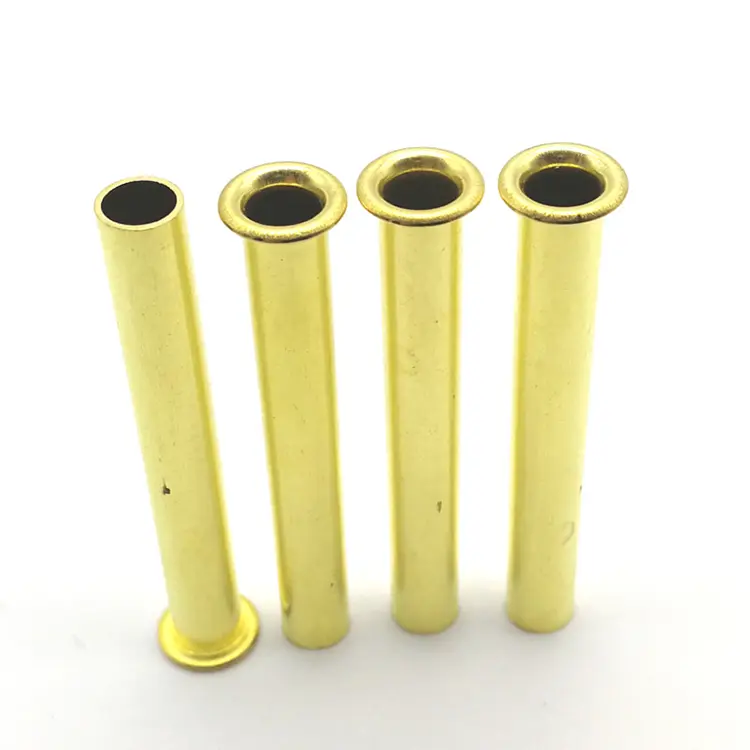
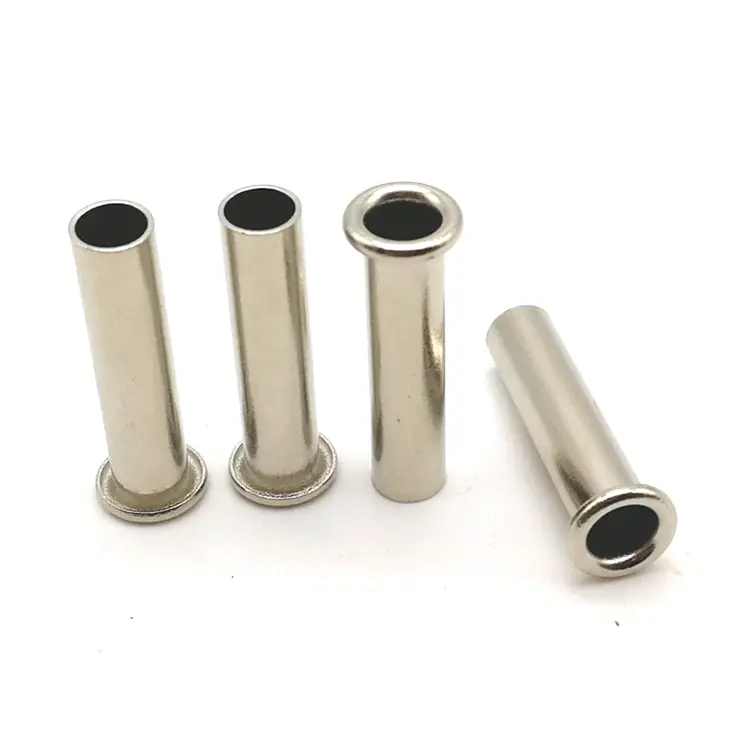
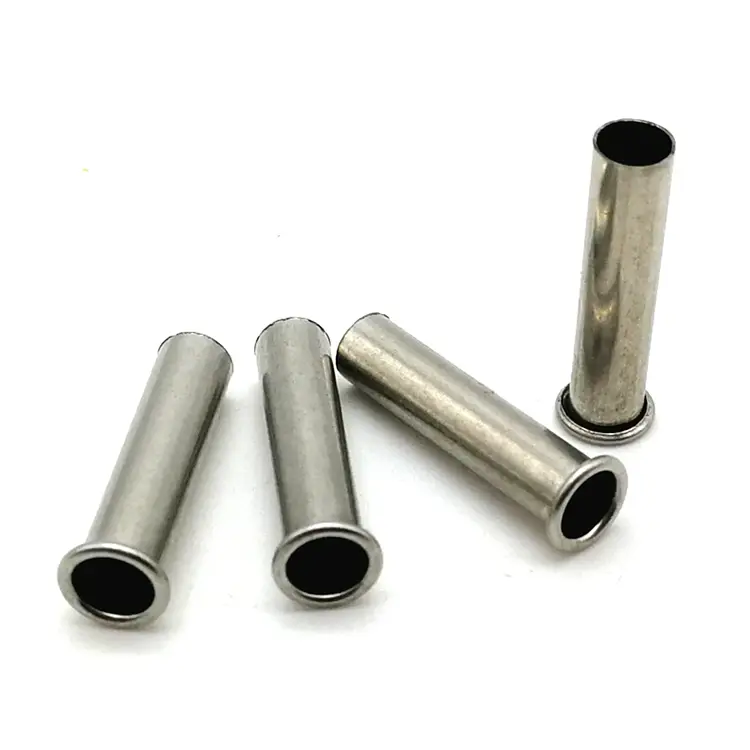
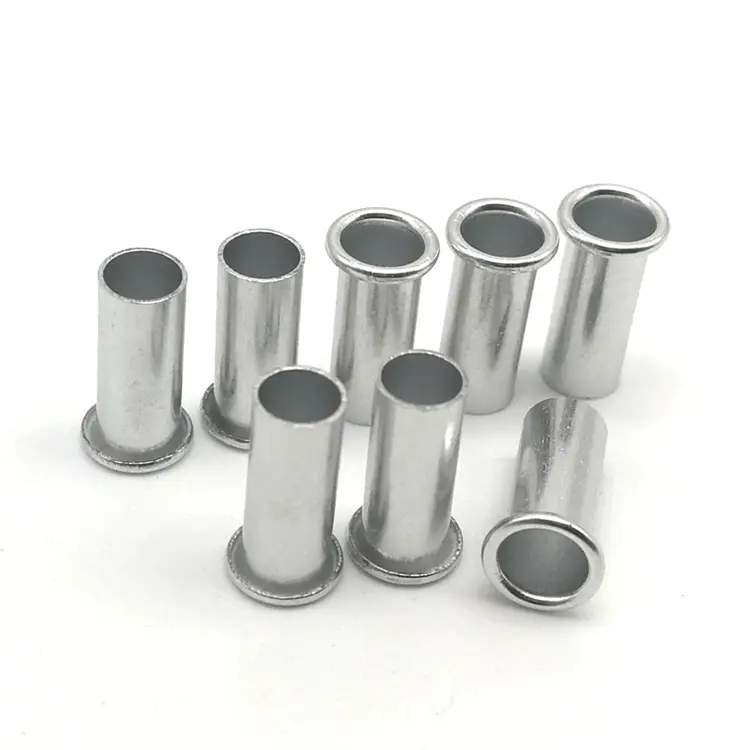
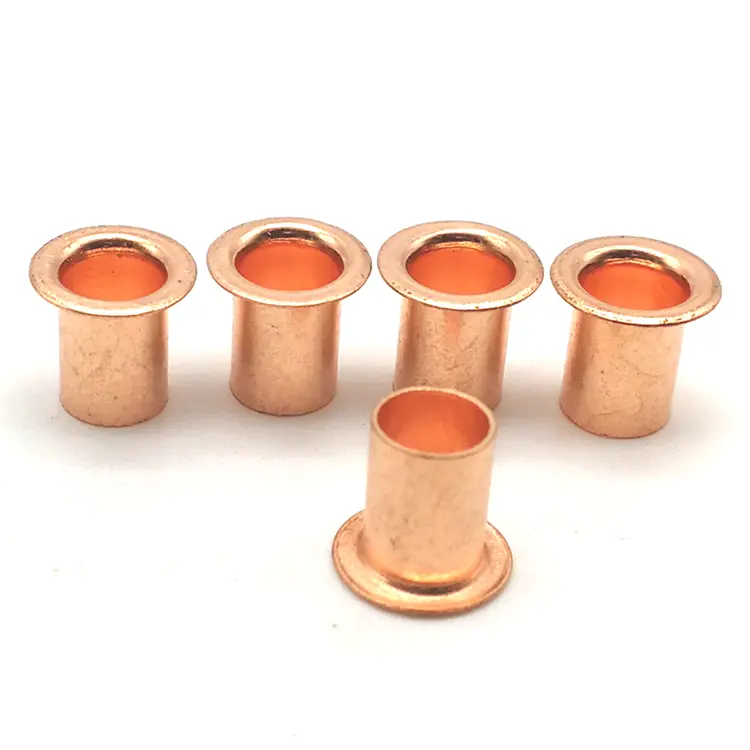
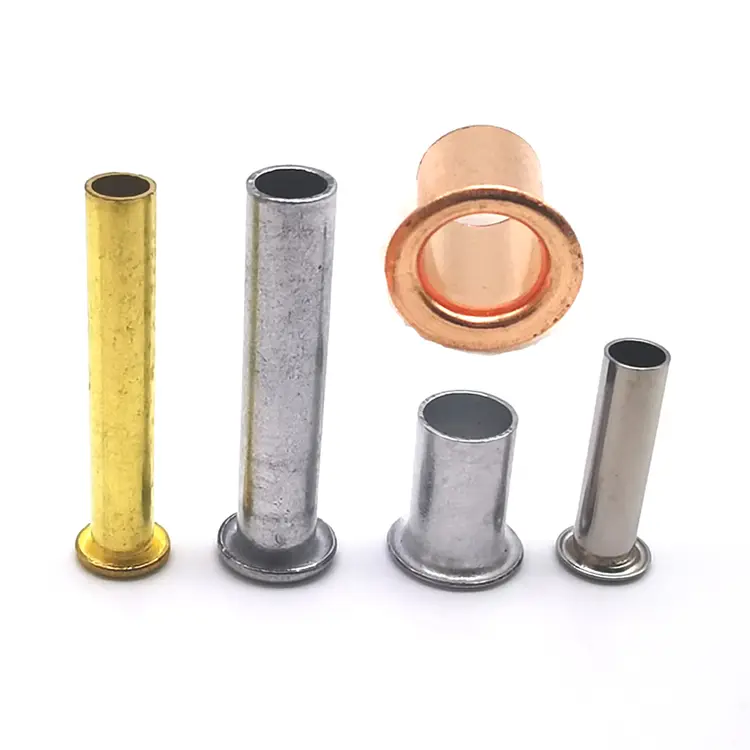
brass tube rivets are hollow rivets made of brass, typically cylindrical in shape with a central hole. Their primary function is to connect two or more components through riveting. They are often used in applications requiring lightweight, electrical conductivity, or corrosion resistance. Brass is a copper-zinc alloy, it has excellent mechanical properties and corrosion resistance, making it suitable for these fasteners. Nuote Metals is a proffesional manufacturer of brass tube rivets.
Send Inquiry
Product Description
A brass tube rivet is essentially a short piece of small‑diameter brass tubing with a head formed on one end. The shank is hollow from the tail all the way to the head. During installation, the thin wall rolls outward with very low force, creating a clean, uniform clinch.
This is the brass rivet you specify when you need something lightweight, corrosion‑resistant, and fast to set – without the bulk or high setting force of solid or semi‑tubular designs.
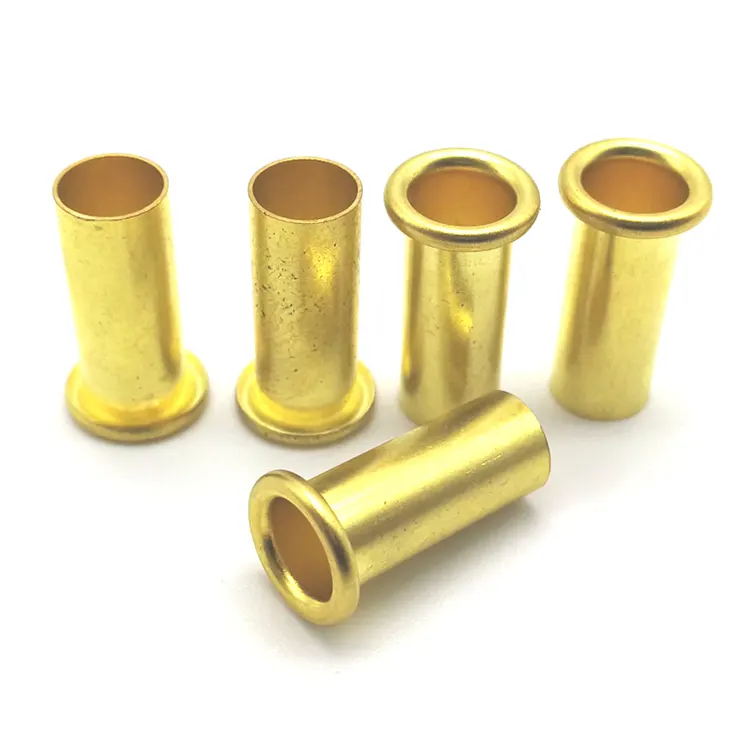
Brass Tube Rivet vs. Solid vs. Semi‑Tubular – The Hollow That Changes Everything
| Feature | Brass Tube Rivet (Fully Hollow) | Brass Semi‑Tubular Rivet | Brass Solid Rivet |
|---|---|---|---|
| Hollow depth | 100% of shank (fully hollow) | 45–55% of shank length | None |
| Setting force | 15–20% of solid | 25–30% of solid | 100% |
| Wall thickness | Thin (0.15–0.30mm) | Moderate | Solid |
| Weight | Lightest | Lighter | Heaviest |
| Best for | Soft materials, decorative, lightweight assemblies | General purpose, moderate loads, furniture pivots | Structural, high‑load, heavy‑duty |
| Setting speed | Fastest | Fast | Slow |
A tube rivet is fully hollow – the entire shank is a thin wall that rolls outward with minimal force. The wall thickness is typically 0.15–0.30mm, making it ideal for soft materials that cannot tolerate high setting pressure. Solid rivets are for structural joints. Semi‑tubular rivets are for general assembly. Tube rivets are for when speed, lightweight, and gentle setting are the priorities.
C2680 Brass – The Material Behind the Fastener
We manufacture brass tube rivets from C2680 brass:
| Property | C2680 Brass |
|---|---|
| Copper content | 64.0 – 68.5% |
| Zinc content | 31.5 – 36.0% |
| Electrical conductivity | ~28% IACS |
| Corrosion resistance | Good – develops protective patina |
| Key advantage | Harder and more wear‑resistant than C2600 |
Brass offers excellent corrosion resistance in humid environments, resisting oxidation and extending service life. It also provides moderate electrical conductivity, making them suitable for some electronic and electrical applications such as circuit board connections or grounding devices where high conductivity is not critical.
Available Finishes
| Finish | Appearance | Best For |
|---|---|---|
| Plain (natural) | Warm brass, develops patina | General purpose, vintage applications |
| Nickel‑plated | Bright silver | Matching silver hardware, modern appearance |
| Tin‑plated | Matte silver | Solderability, corrosion resistance |
| Silver‑plated | Bright white | High‑end electrical contacts, premium appearance |
| Lacquered | Clear coated, sealed | Preserves bright finish, prevents tarnishing |
| Gold‑plated | Bright gold | Decorative, premium hardware |
All platings are RoHS compliant.
One Real Application – Curtain Plastic Hardware Assembly
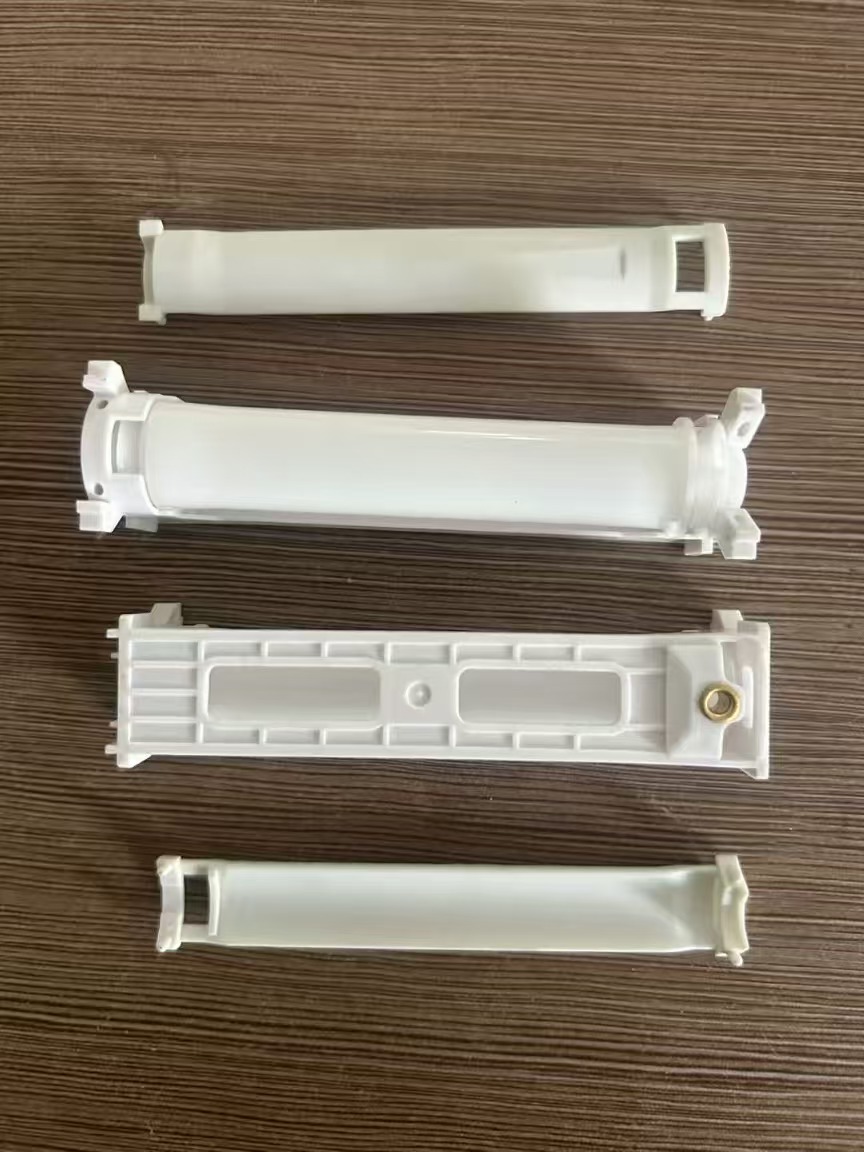
A manufacturer of curtain track systems and plastic accessories needed a fastener to attach metal brackets to the plastic end caps. The previous self‑tapping screws loosened over time due to the constant sliding motion of the curtains. Solid rivets required too much force and cracked the plastic components. Semi‑tubular rivets were still too aggressive for the thin plastic walls.
The customer needed a fastener that would:
Set with minimal force – no cracking of the plastic parts
Hold permanently – no loosening from continuous curtain movement
Match the brass‑colored finish of the curtain hardware
We supplied C2680 brass tube rivets – 3.0mm shank, 5.5mm round head, 5.0mm barrel length, nickel‑plated finish. The fully hollow design flared outward with minimal force – no cracking of the plastic end caps. The nickel plating matched the hardware finish. The customer tested 500 rivets across 250 curtain track assemblies. After 10,000 sliding cycles, zero loosening, zero failures. They now order our tube rivets in batches of 200,000 pieces annually.
From Brass Tube to Finished Rivet – How We Make Them
Brass tube rivets start as genuine C2680 brass tube stock.
Tube procurement – Certified C2680 brass tube from approved mills. Each batch comes with a mill test certificate and heat number.
Incoming inspection – Tube stock is checked for outside diameter (±0.02mm), wall thickness, and material composition. Spectrometer confirms C2680 grade. Out‑of‑spec material is rejected.
Tube cutting – The tube is cut to precise blank length. Each blank becomes one rivet.
Heading – The cut tube blank is placed into a heading press. A carbide die forms the head (round, flat, or countersunk) on one end. Polished dies prevent surface marks.
Trimming – Flash around the head edge is removed.
Tumbling – Micro‑burrs are eliminated.
Plating or coating (if specified) – Applied as required.
Final inspection – 100% optical sorting. AQL sample manually verified. Dimensional report, material certificate, and Certificate of Conformance issued.
Sample lead time: 5–7 days standard; custom tooling: 15–20 days.
How We Make Sure Every Tube Rivet Works in Your Assembly
Before any batch of brass tube rivets leaves our factory, we verify it on your material – not just on a gauge.

Step 1 – Material verification – Incoming tube stock is checked for outside diameter, wall thickness, and composition. Spectrometer confirms C2680 brass grade. Out‑of‑spec material does not enter production.
Step 2 – Dimensional check – The first 10 rivets from each tooling setup are measured on an optical comparator. Inner diameter, outer flange, barrel length, and wall thickness must match your drawing.
Step 3 – Setting test on your material – Every 2,000 pieces, we set 3 rivets into a sample of your actual material. We check:
- The clinch is tight and symmetrical
- The bore remains open and unobstructed
- No cracks or distortion
Step 4 – Final sorting – Every rivet passes through an optical sorting machine. Rejects are automatically ejected. A random AQL sample is manually verified.
We keep inspection records for five years. If a field issue ever occurs, we can trace the batch and pull the full file.
Who We Work With – Trusted by Manufacturers Worldwide

We supply brass tube rivets to manufacturers across North America, Europe, and Asia. Our customers build:
- Leather goods – Bags, belts, wallets, saddlery, watch straps
- Automotive interiors – Trim panels, seat covers, soft assemblies
- Lighting fixtures – Decorative hardware, nameplate attachments
- Consumer electronics – Lightweight enclosures, circuit board connections
- Jewellery and accessories – Decorative fasteners, closures
- Furniture – Hinge attachments, decorative trim
We partner with both small assembly shops and large OEMs – from rapid prototyping to high‑volume production runs. Our strength is flexibility: custom sizes, quick samples, and consistent quality at any volume.
Three Questions We Answer Often
Q: "Can I get samples before ordering production quantities?"
A: Yes – we offer samples for all our products. For standard existing specifications, samples are provided free of charge – you only pay the shipping cost. For custom sizes or custom tooling, sample availability and lead time depend on the specific requirements. Please contact our sales team with your drawing or specification, and they will advise on sample cost and delivery timeline.
Q: "What is the difference between C2680 and C2600 brass – which one is used for tube rivets?"
A: C2680 contains approximately 65% copper and 35% zinc, while C2600 contains approximately 70% copper and 30% zinc. C2680 offers higher hardness and wear resistance, making it ideal for rivets that experience repeated friction or stress during installation and use. For tube rivets – where the thin wall must roll outward without cracking – C2680 provides the optimal balance of hardness and ductility. We use C2680 as our standard brass alloy for tube rivets.
Q: "The wall of the brass tube rivet looks very thin – will it collapse during setting?"
A: The thin wall is intentional – it is what allows the rivet to roll outward with minimal force. However, collapse can happen if conditions are not correct. Common causes and solutions:
Barrel length too short – If the barrel does not extend 1.5–2.0mm beyond your material thickness, the wall has nowhere to go and collapses. We will adjust the length based on your stack thickness.
Setting force too high – Tube rivets only need 15–20% of the force required for solid rivets. Reduce press pressure.
Hole size too tight – The barrel must have room to expand. Increase hole size to shank + 0.15–0.20mm.
Tooling mismatch – Use a concave anvil that supports the head evenly. We can supply matched tooling.
Hot Tags: Brass Tube Rivets Manufacturer, Brass Rivets Supplier, Custom Tube Rivets
Related Categories
Send Inquiry
Please feel free to fill your inquiry in the form below. We will reply you in 24 hours.



X
We use cookies to offer you a better browsing experience, analyze site traffic and personalize content. By using this site, you agree to our use of cookies.
Privacy Policy