
Products
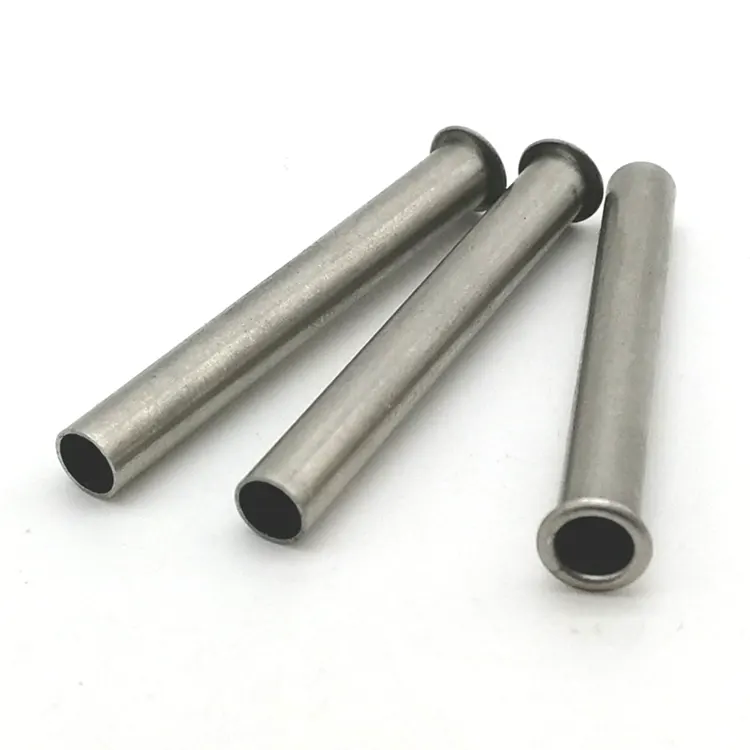

CNC Machining Service
Nuote Metals is located in Dongguan China, we offer CNC machining service here for more than 10 years,Regardless of the industry or application, we strive to deliver high-quality results that meet and exceed our clients' expectations.Introduction of CNC machining service
CNC machining service plays an important role in the industry of medical field, the production of custom implants and surgical instruments requires extreme precision, an area where CNC machining service excels. Our manufacturing process ensures that these medical devices meet the rigorous standards of the medical industry.
Product Parameter (Specification)
Send Inquiry
Product Description
CNC Machining Service – The Difference Is Not the Machine, It's the Response
Most suppliers can machine a part. Fewer can tell you, within 24 hours, whether the design is manufacturable, what it will cost, and when it will ship. That gap—between machining capability and service reliability—is where projects stall. A buyer sends a drawing, waits a week for a quote, receives no feedback on tolerance risk, places the order, and then discovers the lead time has slipped.
At Nuote Metals, we treat CNC machining service as a workflow, not a price list. The machine matters, but what surrounds it matters more: how fast we respond, how clearly we flag risk, and how consistently we deliver what we promised. This article explains how that service works from the first RFQ to the final shipment.
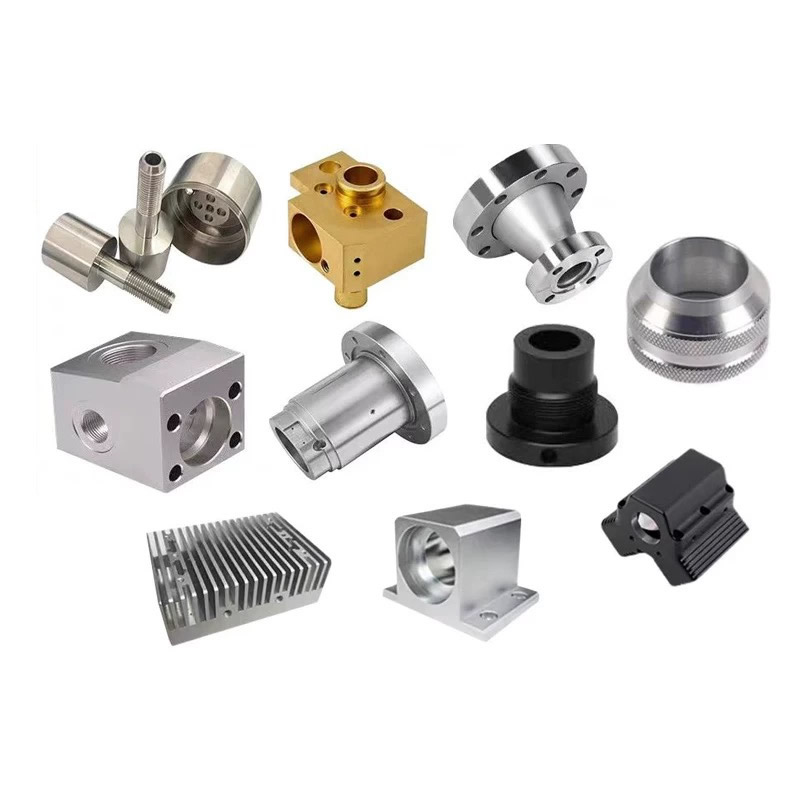
What a Machining Service Actually Includes – Beyond the Spindle
A machining service is more than cutting metal. It is a chain of deliverables, and each one affects your project timeline.
DFM review before quoting. We check tool access, datum accessibility, tolerance feasibility, and heat treatment risk—then tell you what we found. A quote without DFM feedback is just a number.
Material sourcing and verification. We purchase bar, billet, or casting, verify mill certificates, and confirm hardness and chemistry before machining. You do not manage a separate material supplier.
Process planning. Operation sequence, stock allowance for heat treatment, inspection points—defined before the first chip is cut.
Machining and secondary operations. Turning, milling, drilling, heat treatment, grinding, and finishing under one quality system.
Inspection and documentation. Dimensional reports, material certificates, heat treatment records, and functional test data where required.
Packing and logistics. Export-grade packing, shipping documents, and a tracking reference you can act on.
When you choose a CNC machining service, you are buying this entire chain—not just spindle time.
Three Service Failures That Cost Buyers Time
Most delays in machining projects do not come from the machine. They come from service gaps.
Failure 1 – Slow or vague RFQ response.
A quote that arrives in 10 days with no DFM notes forces you to guess. You either accept the price without understanding the risk, or you send the drawing to another supplier and restart the clock. We return a detailed quote—unit price, lead time, DFM feedback, and tolerance risk—within 24 hours for most drawings.
Failure 2 – Undisclosed tolerance risk.
A supplier quotes ±0.005mm without checking whether the geometry allows it. The first batch fails, and the discussion begins. We flag unachievable tolerances before quoting. If a feature needs grinding instead of turning, you know that upfront—not after the first article.
Failure 3 – Lead time that moves without notice.
A confirmed date that slips by two weeks is worse than a longer date given honestly. We publish a delivery schedule with each order and notify you at defined milestones—material received, machining started, inspection complete, shipped. If a delay occurs, you hear it from us first.
Our Service Workflow – From RFQ to Delivery
| Stage | What You Receive | Typical Time |
|---|---|---|
| RFQ review | Quote + written DFM feedback + tolerance risk notes | 24 hours |
| Order confirmation | Process plan, material lead time, delivery date | 2–3 days |
| First article | FAI report with actual measured values | 5–10 days |
| Production | SPC data on critical dimensions | Volume dependent |
| Final inspection | Dimensional report + material certificates | 1–2 days |
| Shipment | Packing list, tracking reference, export documents | Same day |
Service Capability – What We Cover In-House
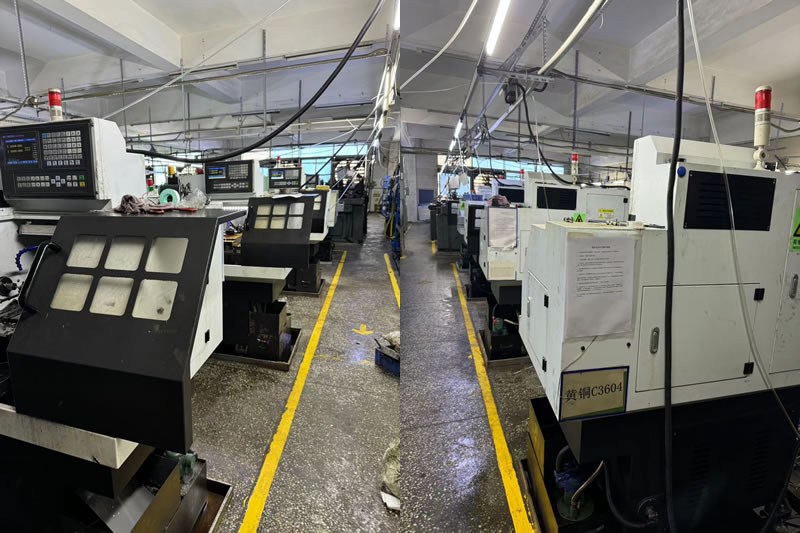
A CNC machining service is only as reliable as the processes it controls. The more we keep in-house, the fewer handoffs—and the fewer places a schedule can break.
| Process | In-House | Output |
|---|---|---|
| CNC turning | Yes | Cylindrical parts, 2–300mm |
| CNC milling | Yes | Prismatic parts, 3/4/5-axis |
| Heat treatment | Yes / partnered | Quench, temper, nitride, carburize |
| Grinding | Yes | Cylindrical, surface, internal |
| Finishing | Yes / partnered | Anodizing, plating, passivation |
| Assembly | Yes | Press-fit, threaded, staked |
| Inspection | Yes | CMM, Talyrond, profilometer |
Materials: Carbon steel, alloy steel, stainless steel, aluminum, brass, copper, titanium, and engineering plastics.
Volume: Prototype (1–50), low-volume (50–5,000), high-volume (5,000–500,000+).
Repeat Orders – Where Service Is Really Tested
The first order proves capability. The repeat order proves consistency. A CNC machining service that changes setup, tooling, or inspection between batches creates variation you cannot see until assembly.
We archive the setup sheet, tooling list, inspection plan, and approved first article for every part number. When a repeat order arrives—even a year later—we pull the original record and verify the first article against the approved sample before running production. If the material supplier or heat treatment cycle has changed, we tell you before the batch starts.
This is not a premium feature. It is the minimum standard for a service you can plan around.
A Real Example – RFQ Response That Prevented a Failed Batch
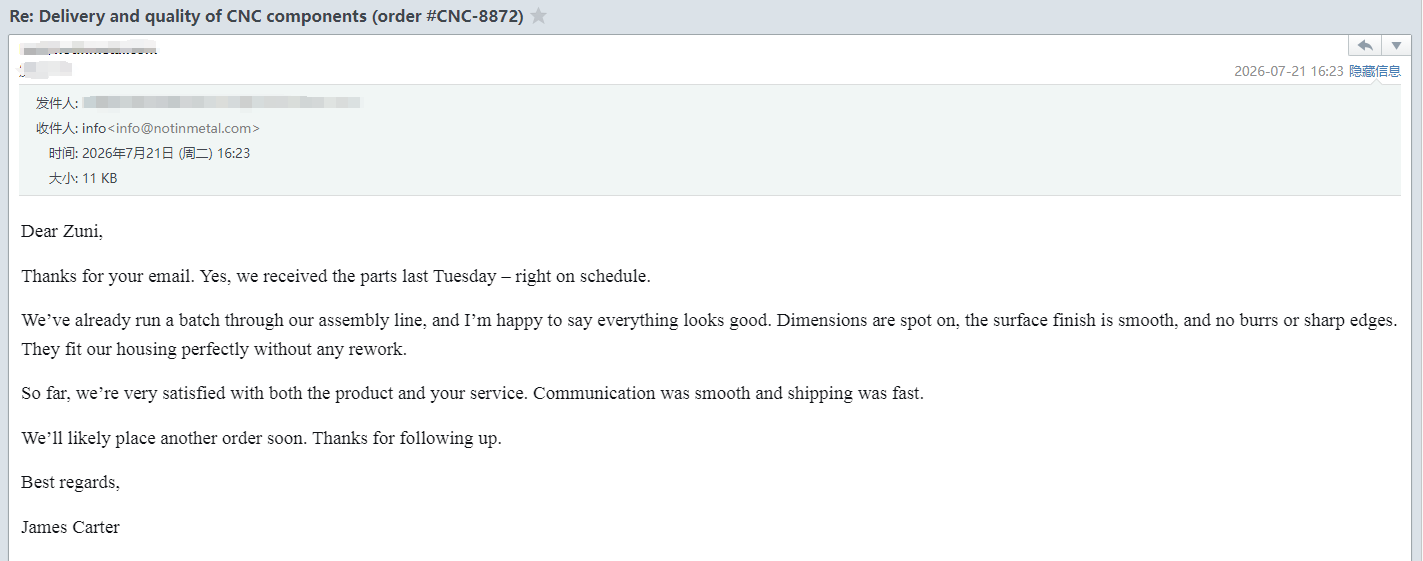
A European industrial equipment manufacturer sent an RFQ for a 4140 steel housing with a ±0.005mm bore tolerance and a 3-week delivery requirement. Their previous supplier had quoted the part at ±0.005mm without noting that the bore would distort during hardening.
What we did differently:
- Returned the quote in 22 hours with a written note: the bore tolerance was not achievable after through-hardening without a post-treatment grinding step.
- Proposed an alternative: machine oversize, harden to 28–32 HRC, then grind the bore to final tolerance.
- Added 4 days to the quoted lead time—and eliminated the risk of a failed first batch.
- Shipped 900 pieces on schedule with zero bore rejections. The customer moved their next three part numbers to our CNC machining service without re-quoting.
Frequently Asked Questions About Our Machining Service
Q1: How fast can you quote a new part?
A: Most RFQs receive a detailed quote within 24 hours. The quote includes unit price, lead time, DFM feedback, and notes on any tolerance or heat treatment risk. Complex assemblies or parts requiring custom tooling may take 48 hours. We do not send a price without reviewing the drawing—a fast number with no feedback is not a service.
Q2: Can you handle both prototypes and production under the same service?
A: Yes. We use the same datum, tooling strategy, and inspection standard from first article to production. Prototypes are machined on 5-axis mill-turn centers; production runs on bar-fed lathes and machining centers. Because the process logic does not change, the part you approve is the part you receive in volume. This is a core part of our CNC machining service—no re-validation between stages.
Q3: What documentation comes with each shipment?
A: Every shipment includes a dimensional report with actual measured values on critical features, material certificates, and heat treatment records where applicable. Functional test reports are included for assembled or sealed components. For regulated industries, we provide PPAP documentation and full traceability from raw material to finished part. If your CNC machining service provider cannot supply this paperwork, you are carrying the quality risk yourself.
Hot Tags: CNC Machining Service
Send Inquiry
Please feel free to fill your inquiry in the form below. We will reply you in 24 hours.





X
We use cookies to offer you a better browsing experience, analyze site traffic and personalize content. By using this site, you agree to our use of cookies.
Privacy Policy