Products
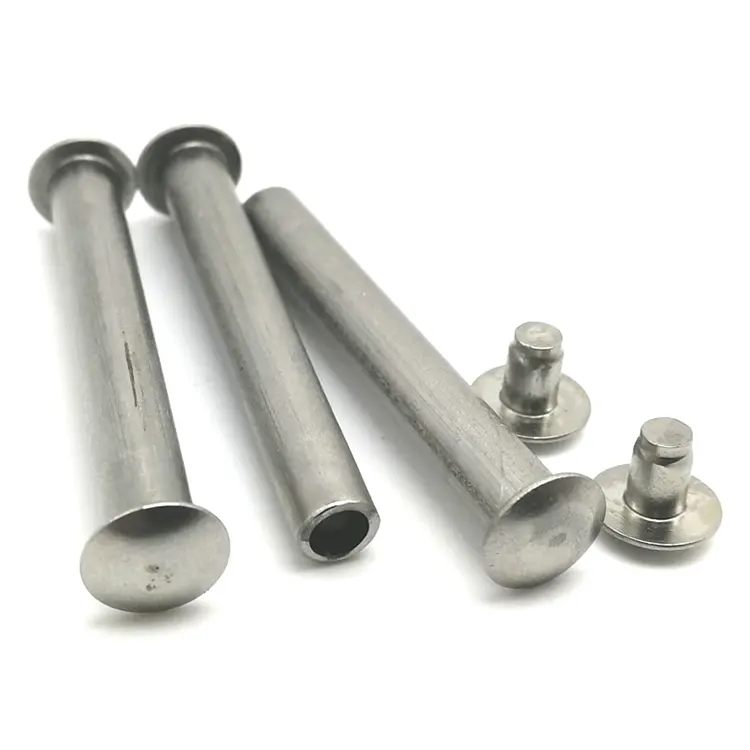
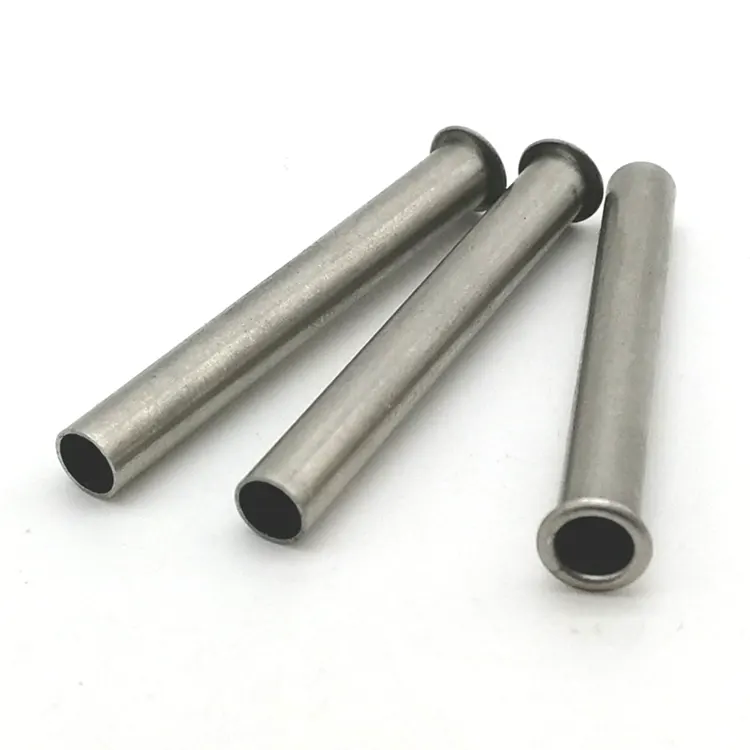

CNC Plastic Machining
With more than 10 years of experience in CNC plastic machining, Nuote Metals is able to offer customized production according to drawings. We process PE,POM,PET Plastic turned parts from our own production as well as a variety of other engineering plastics and offer flexible processing of individual production, small quantities and series. Our state-of-the-art machinery ensures the tightest tolerance ranges and our qualified employees guarantee the consistently high quality of your projects.
Send Inquiry
Product Description
CNC Plastic Machining – Why Metal Cutting Parameters Ruin Plastic Parts
Plastic does not conduct heat away from the cutting edge. It does not chip—it melts or smears. It does not hold tolerance after clamping is released. And each plastic behaves differently: a strategy that works for POM will fail on PEEK, and a strategy that works for PTFE will melt acrylic.
That is why CNC plastic machining cannot be treated as metal machining with a different material label. A shop that runs plastic on the same equipment, with the same tooling, and the same parameters as aluminum will produce parts that look acceptable on the day they ship—and warp, shrink, or crack after they reach the assembly line.
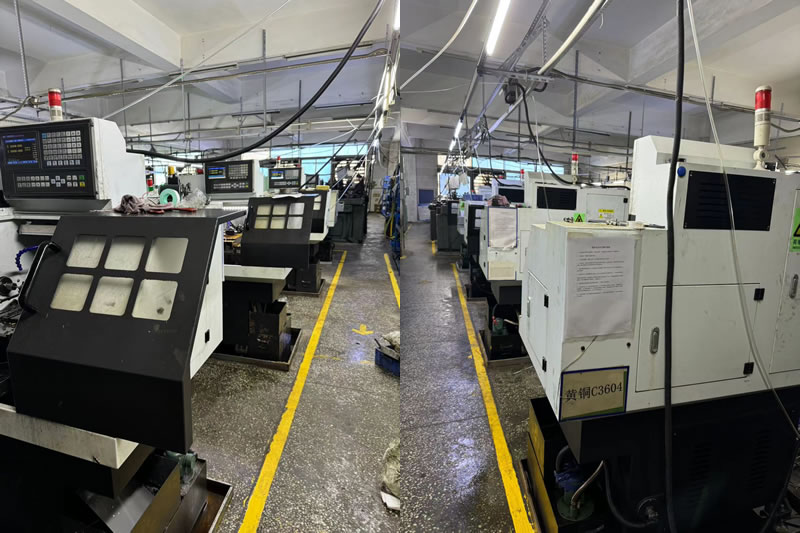
At Nuote Metals, we operate a dedicated plastic machining cell, separate from our metal lines. The cell runs sharp uncoated tooling, air-blast cooling, low-pressure fixturing, and annealing ovens for stress relief. With over 20 years of export experience to medical, electronics, and industrial customers, we have learned that plastic machining is a different discipline—not a material substitution.

Plastic vs. Metal – Three Differences That Change the Process Plan
1. Heat stays at the cutting edge.
Metal conducts heat away through the chip and workpiece. Plastic does not. The heat softens the material and produces a melted, gummy surface instead of a clean chip. POM and acrylic are especially sensitive. We control heat with sharp, high-positive rake tooling, high spindle speeds with moderate feeds, and air-blast or mist cooling—plastic needs cooling, not lubrication.
2. Clamping deforms the part.
Plastic is elastic. A standard metal vise compresses the part during machining, and it springs back after release—changing dimensions. We use soft jaws machined to the part contour, low-pressure clamping, and vacuum fixturing for thin parts. Critical dimensions are measured after the part stabilizes at room temperature.
3. Internal stress warps the part days later.
Plastic bar stock carries stress from extrusion. Machining redistributes that stress. The part measures correctly on the CMM, then warps two days later. For PEEK, PTFE, and large POM parts, we anneal the material before machining and stress-relieve between roughing and finishing. This is not optional—it is the difference between a part that ships correctly and a part that assembles correctly.
Plastic Grades We Machine – And How Each Behaves
| Material | Key Machining Risk | Tooling Strategy | Typical Application |
|---|---|---|---|
| POM (Delrin) | Melting, chip wrap | Sharp positive rake, air blast | Gears, bushings, insulators |
| PEEK | Stress warping, cost | Anneal before machining, sharp carbide | Medical implants, aerospace |
| PTFE (Teflon) | Cold flow, dimensional instability | Very sharp tooling, light clamping | Seals, chemical fittings |
| Nylon | Moisture absorption, deformation | Dry material before machining, low clamp | Gears, wear pads |
| Acrylic (PMMA) | Cracking, melting | High speed, air blast, no coolant | Displays, fluid cells |
| ABS | Smearing, low strength | Sharp tooling, moderate speed | Housings, prototypes |
A note on PEEK: PEEK is the most demanding plastic we machine. It is expensive, prone to stress warping, and sensitive to heat. We anneal PEEK bar stock before machining and finish-machine after stress relief—otherwise the part will move after delivery. For CNC plastic machining of PEEK, the annealing step is not optional.
A Real Example – PEEK Insulator for Medical Device
A German medical device manufacturer needed a PEEK insulator with a 0.01mm bore tolerance, 0.02mm flatness, and no melted edges. Their previous supplier machined the part from PEEK bar stock without annealing. The bore measured correctly at inspection—but three days later, it had shrunk by 0.04mm.
What we did differently:
- Annealed the PEEK bar stock before machining—relieving extrusion stress.
- Rough-machined, then stress-relieved the part before finish machining.
- Used sharp, high-positive rake carbide inserts with air-blast cooling—no melted edges.
- Measured the bore after 48 hours of stabilization—not immediately after machining.
- Shipped 2,500 pieces with zero post-delivery dimensional drift.
This is what CNC plastic machining should deliver: not just a part that measures correctly on the day it ships, but a part that stays correct after it reaches your assembly line.
Frequently Asked Questions
Q1: Why did my plastic part warp after machining?
A: Warping comes from internal stress. Plastic bar stock carries stress from extrusion. Machining removes material and redistributes that stress—the part measures correctly, then moves days later. The fix is to anneal the material before machining and stress-relieve between roughing and finishing. For PEEK, PTFE, and large POM parts, annealing is not optional. If your supplier machines plastic without stress relief, the part will move after delivery.
Q2: What coolant should be used for CNC plastic machining?
A: Most plastics do not need lubrication—they need cooling. Flood coolant can be absorbed by nylon, stain POM, or leave residue on PEEK. We use air-blast or mist cooling for most plastics. The exception is acrylic, which can crack under thermal shock—for acrylic, we use high speed and air blast only. For CNC plastic machining, the coolant strategy depends on the material, not on a universal rule.
Q3: Can you hold tight tolerances on PEEK and PTFE parts?
A: Yes—but with different strategies for each. PEEK holds tolerance well after annealing and stress relief, and we routinely hold ±0.01mm. PTFE is softer and creeps under load—it holds tolerance at inspection but may move in service. For PTFE, we machine to the lower end of the tolerance band and advise customers to allow for cold flow in their design. For CNC plastic machining of both materials, the key is to machine, stabilize, and measure—not to measure immediately after the tool stops.
Hot Tags: CNC Plastic Machining Manufacturer, Custom Plastic Parts Supplier, High Precision Plastic Machining
Send Inquiry
Please feel free to fill your inquiry in the form below. We will reply you in 24 hours.





X
We use cookies to offer you a better browsing experience, analyze site traffic and personalize content. By using this site, you agree to our use of cookies.
Privacy Policy