Products
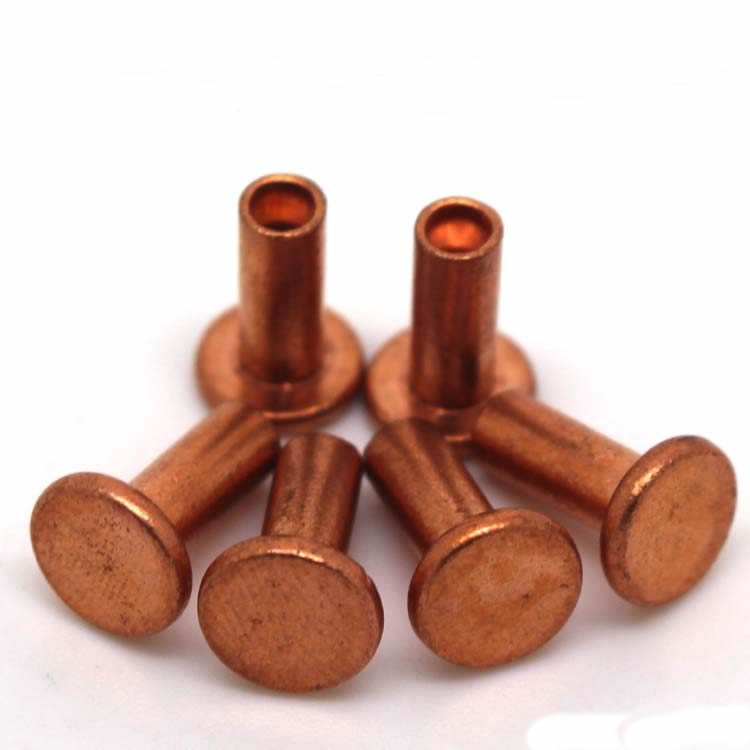
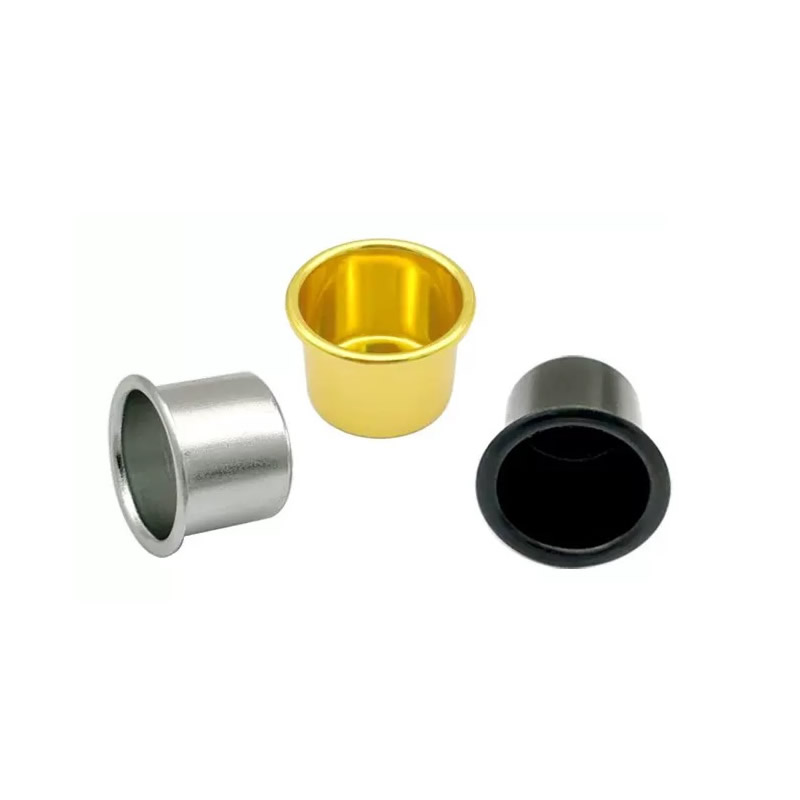
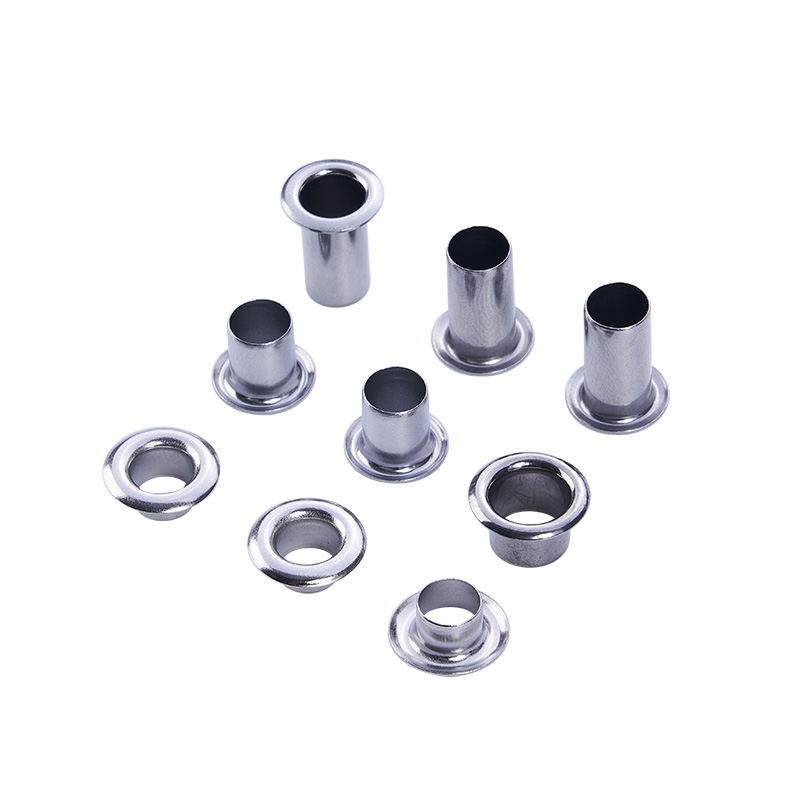
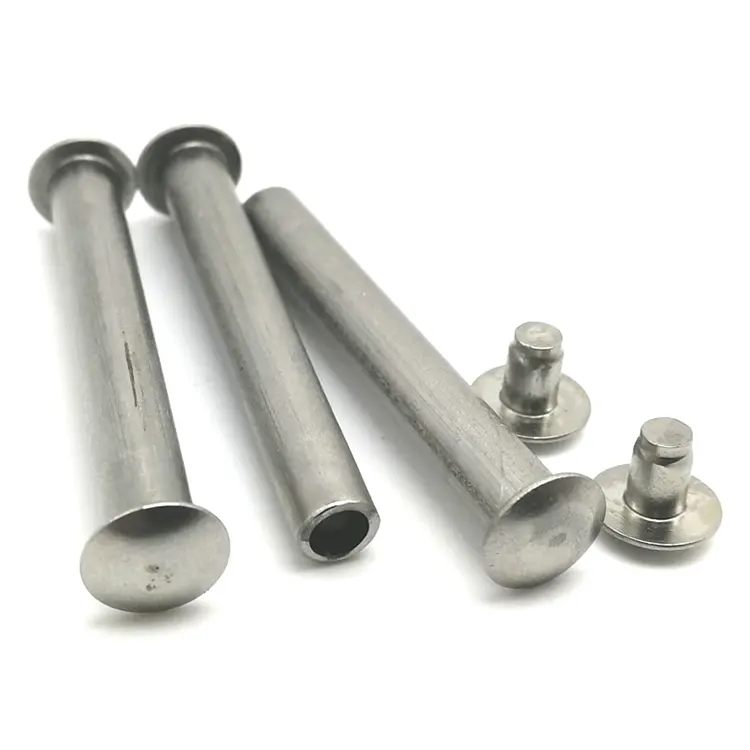
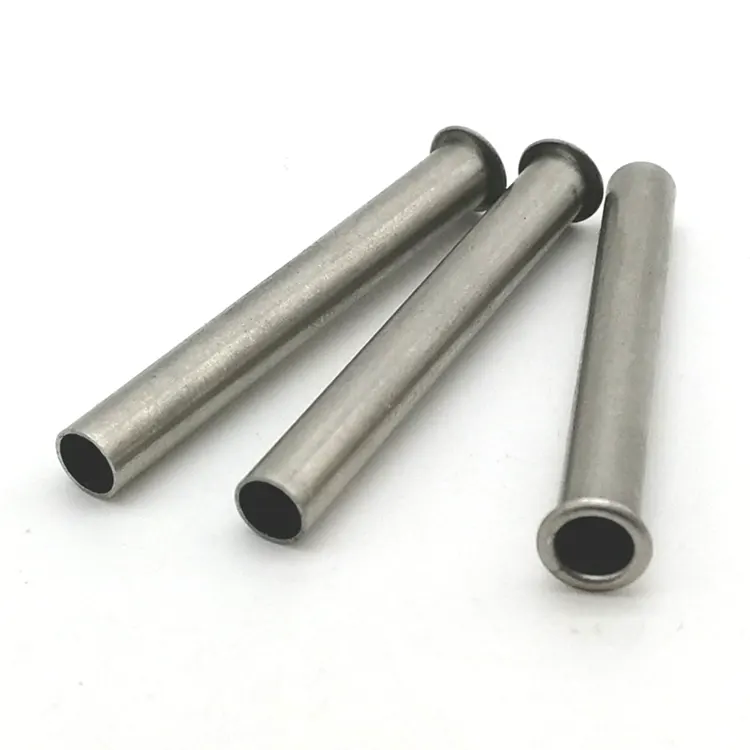

CNC Turned Parts
Nuote Metals manufactures CNC turned parts for a broad array of industries – from highly regulated industries that rely on Nuote for consistent, exacting parts to those that require distinct, stand-out product identification. All the turned parts are high in precision and nice with surface treatment.
Send Inquiry
Product Description
CNC Turned Parts – The Fastest Route from Bar Stock to Finished Component
Milling creates shapes. Turning creates cylinders. And a surprising number of precision components—shafts, pins, connectors, bushings, valve spools—are cylindrical. That's why CNC turned parts remain the most cost-effective and efficient way to produce them.
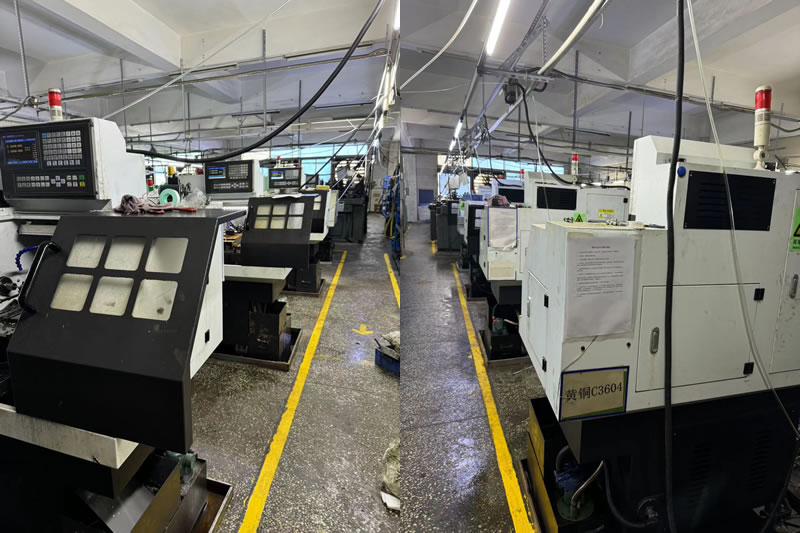
At Nuote Metals, we operate 30 bar-fed and chucked lathes dedicated to turning. But speed alone is not the goal. The goal is a part that meets tolerance, surface finish, and material integrity—batch after batch. This article explains how we think about turning, where it fits, and what to expect when you send us a drawing.
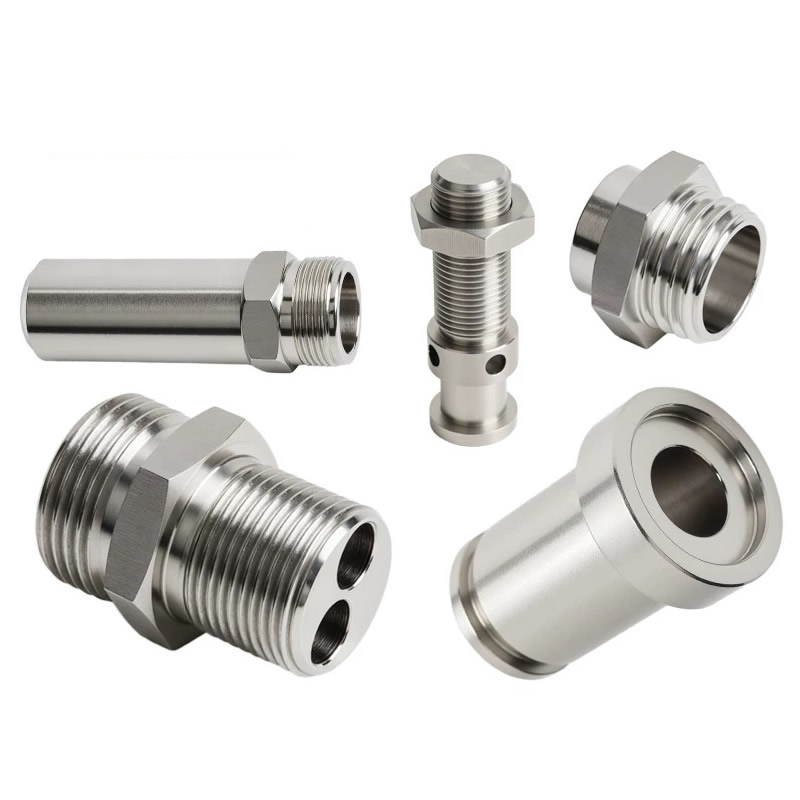
What Makes Turning Different – And Faster
Turning rotates the workpiece against a stationary cutting tool. Milling rotates the tool against a stationary workpiece. That single difference changes everything about cost, speed, and precision.
Why turning is faster:
- Bar feed: For high-volume production, a bar feeder pushes material into the spindle automatically—no manual loading, no downtime between parts.
- Single-point cutting: A turning tool engages the material continuously, removing large volumes of metal quickly.
- Tighter tolerances on diameters: Turning naturally produces round features with excellent concentricity and surface finish.
- No complex workholding: A collet or chuck holds the bar; the part falls off when complete.
Where turning wins:
- Shafts, pins, bolts, studs
- Connectors, adapters, fittings
- Bushings, sleeves, spacers
- Valve spools, pistons, plungers
- Any part with a primary cylindrical axis
Where milling wins:
- Prismatic shapes with flat faces, pockets, and complex contours
- Housings, brackets, manifolds
- Parts where the primary geometry is not rotational
Most turned parts need some secondary milling—cross-holes, flats, slots. That's why we operate both turning and milling equipment, and 5-axis mill-turn centers for parts that need both in one setup.
Typical CNC Turned Parts – Geometry and Applications
If your part fits one of these descriptions, turning is likely the right process:
Shafts and pins – Motors, actuators, hydraulic cylinders. Materials: 1045, 4140, 304, 17-4 PH.
Connectors and adapters – Fluid systems, electrical fittings, pneumatic lines. Materials: brass, copper, stainless, aluminum.
Bushings and sleeves – Bearings, wear surfaces, alignment guides. Materials: bronze, brass, steel, PTFE.
Valve components – Spools, stems, seats, plungers. Materials: 4140, 17-4 PH, D2, stainless.
Fasteners and inserts – Threaded studs, custom bolts, threaded inserts. Materials: carbon steel, alloy steel, stainless.
Rollers and wheels – Conveyors, material handling, printing equipment. Materials: steel, aluminum, nylon, POM.
What these parts share: A primary cylindrical axis, a need for concentricity, and a requirement for consistent diameter and surface finish. These are exactly the characteristics that turning delivers best.
Equipment and Capacity – Built for Bar-Fed Efficiency
Nuote Metals operates a turning department optimized for both small-batch precision and high-volume production.
| Capability | Specification |
|---|---|
| Turning Diameter | 2 mm – 300 mm |
| Turning Length | Up to 750 mm |
| Tolerance | ±0.005 mm (standard), ±0.002 mm (precision) |
| Surface Roughness | Ra 0.4 μm (standard), Ra 0.2 μm (polished) |
| Bar Feed Capacity | 2 mm – 80 mm diameter |
| Spindle Speed | Up to 6,000 RPM |
| Live Tooling | Cross-holes, flats, slots in one setup |
Materials we turn regularly:
- Carbon steel (1045, 1215, 12L14)
- Alloy steel (4140, 4340, 8620)
- Stainless steel (303, 304, 316, 17-4 PH)
- Aluminum (6061, 7075, 2024)
- Brass (C36000, C26000)
- Copper (C11000, C10200)
- Plastics (POM, PEEK, PTFE, nylon)
Volume capability: Prototype (1–50 pieces), low-volume production (50–5,000), high-volume production (5,000–500,000+).
Quality Control – What We Verify on Every CNC Turned Part
Turning is fast, but speed without verification is waste. Every batch is produced under a documented quality system:
Incoming material verification:
- Mill test certificates for every bar.
- In-house hardness and microstructure checks.
In-process monitoring:
- First Article Inspection (FAI) for every new part number.
- Statistical Process Control (SPC) on critical diameters.
- Tool wear monitoring and scheduled tool changes to prevent drift.
Final inspection:
- CMM inspection for complex geometries.
- Optical comparators for thread and profile verification.
- Surface roughness testers for Ra validation.
- Full dimensional report and material certificate with every shipment.
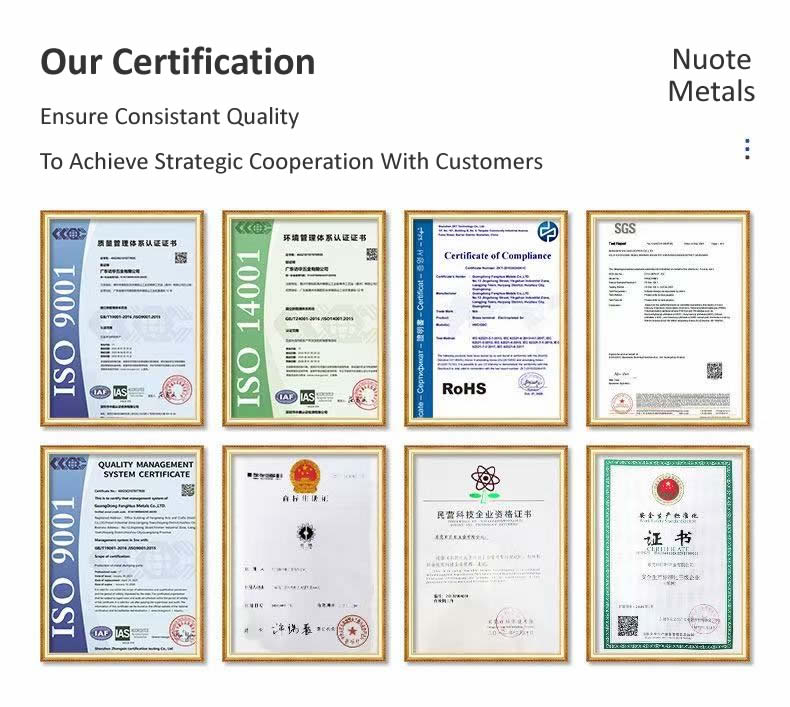
Certifications: ISO 9001:2015. RoHS and REACH compliance available. PPAP documentation on request.
A Real Example – 17-4 PH Stainless Valve Spool
A North American hydraulic equipment manufacturer needed a 17-4 PH stainless valve spool with a 0.008mm diameter tolerance, 0.005mm concentricity, and 40–45 HRC after heat treatment. Their previous supplier could not hold concentricity after hardening—the spool was 0.02mm out of round.
What we did differently:
- Machined the spool complete on a 5-axis mill-turn center—all diameters, grooves, and cross-holes in one setup.
- Used CBN tooling for the final finish pass after heat treatment.
- Verified concentricity with a Talyrond before and after hardening.
- Shipped 3,500 pieces with zero rejections. The customer eliminated secondary grinding and reduced lead time by 10 days.
Frequently Asked Questions About CNC Turned Parts
Q1: What is the difference between CNC turning and CNC milling?
A: CNC turning rotates the workpiece while a stationary tool cuts it—best for cylindrical parts. CNC milling rotates the tool while the workpiece stays still—best for prismatic parts with flat faces and pockets. Many CNC turned parts also require secondary milling for cross-holes or flats. Nuote Metals operates both types of equipment, plus 5-axis mill-turn centers that combine turning and milling in a single setup.
Q2: What tolerances can you hold on turned parts?
A: Our standard tolerance is ±0.005mm, with precision capability down to ±0.002mm for critical diameters. Concentricity and roundness can be held to 0.005mm or better. Achievable tolerance depends on material, part length-to-diameter ratio, and feature type. For heat-treated parts, we recommend specifying tolerances after heat treatment or allowing for grinding. Nuote Metals reviews every drawing and provides DFM feedback before you place an order.
Q3: Can you turn parts from bar stock with cross-holes and threads?
A: Yes. Our lathes are equipped with live tooling and bar feeders, allowing us to drill cross-holes, mill flats, and cut threads in the same setup as the turning operation. This eliminates secondary operations, reduces lead time, and improves concentricity between features. For complex geometries, we use 5-axis mill-turn centers that machine the part complete in one setup.
Hot Tags: CNC Turned Parts,China CNC Turned Parts
Send Inquiry
Please feel free to fill your inquiry in the form below. We will reply you in 24 hours.





X
We use cookies to offer you a better browsing experience, analyze site traffic and personalize content. By using this site, you agree to our use of cookies.
Privacy Policy