Products
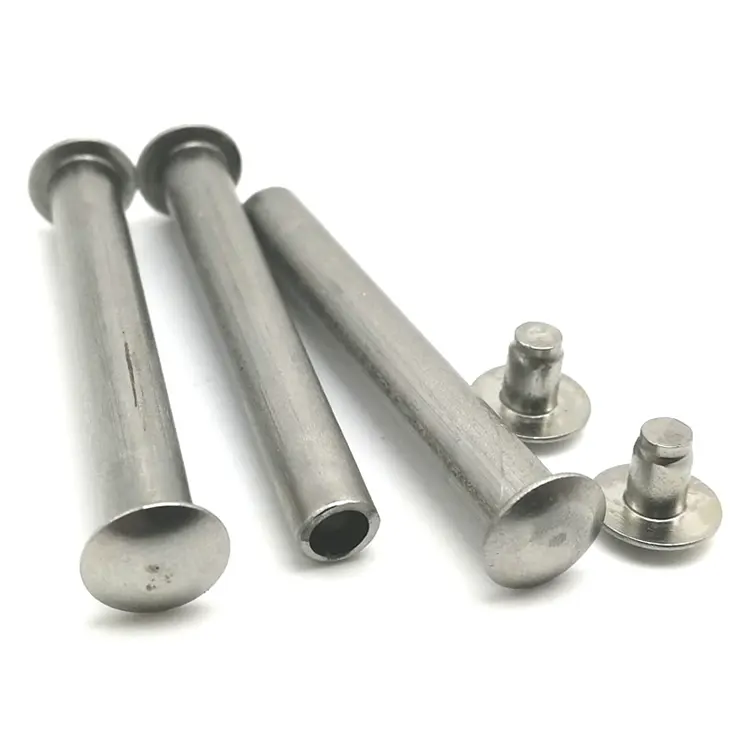
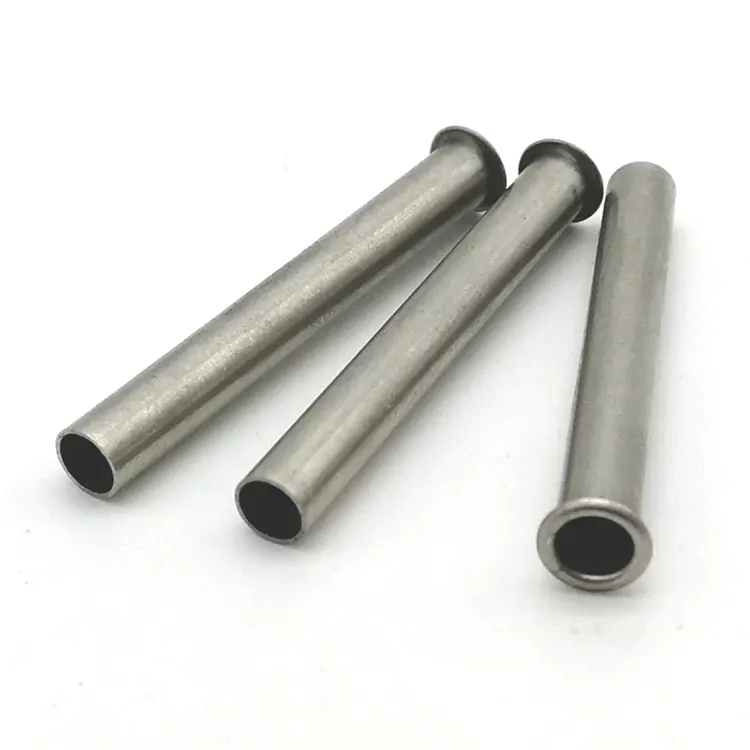
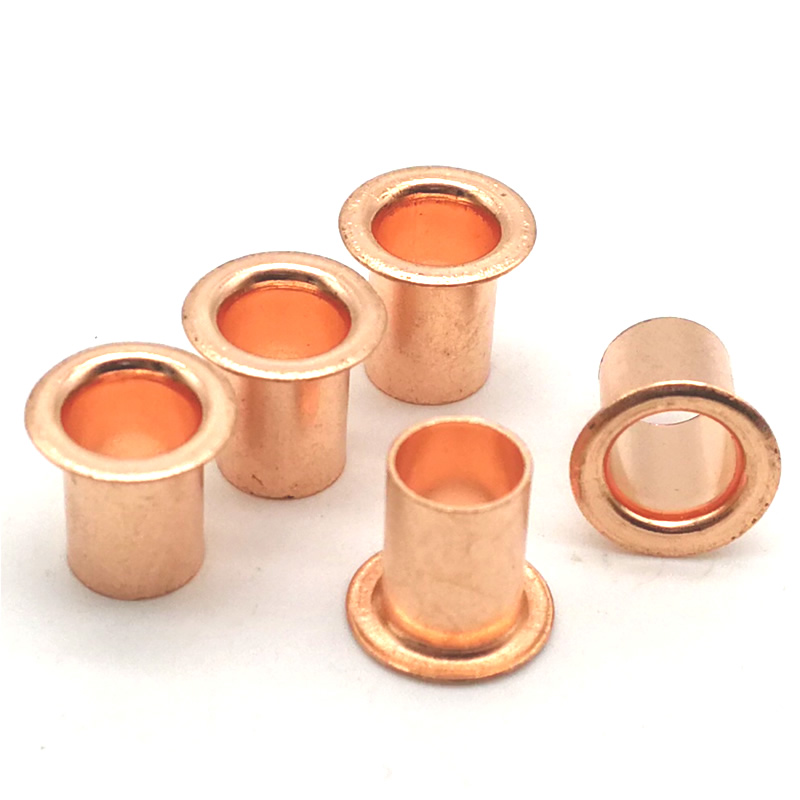
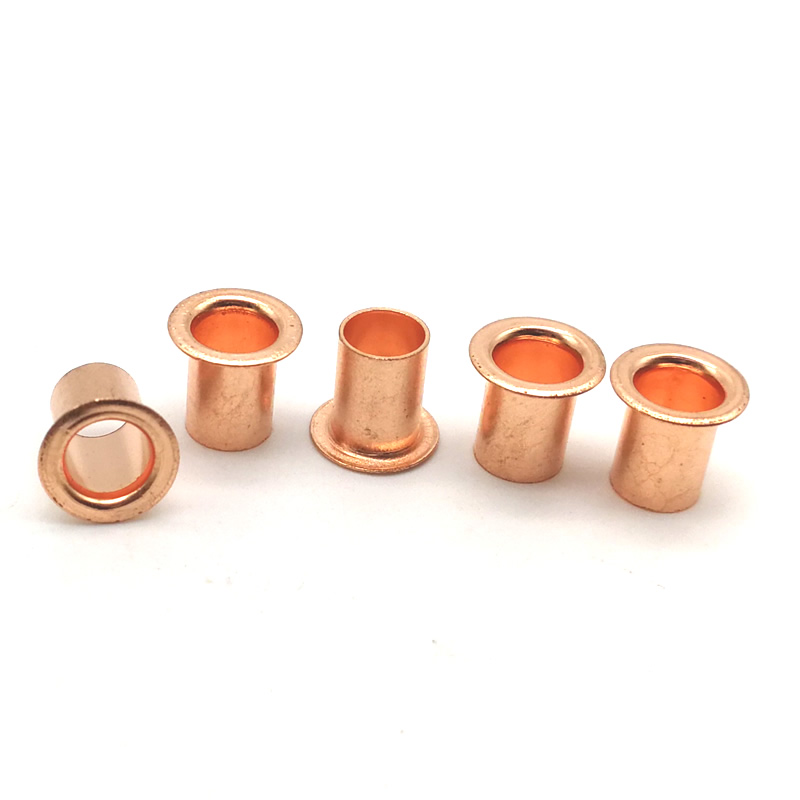
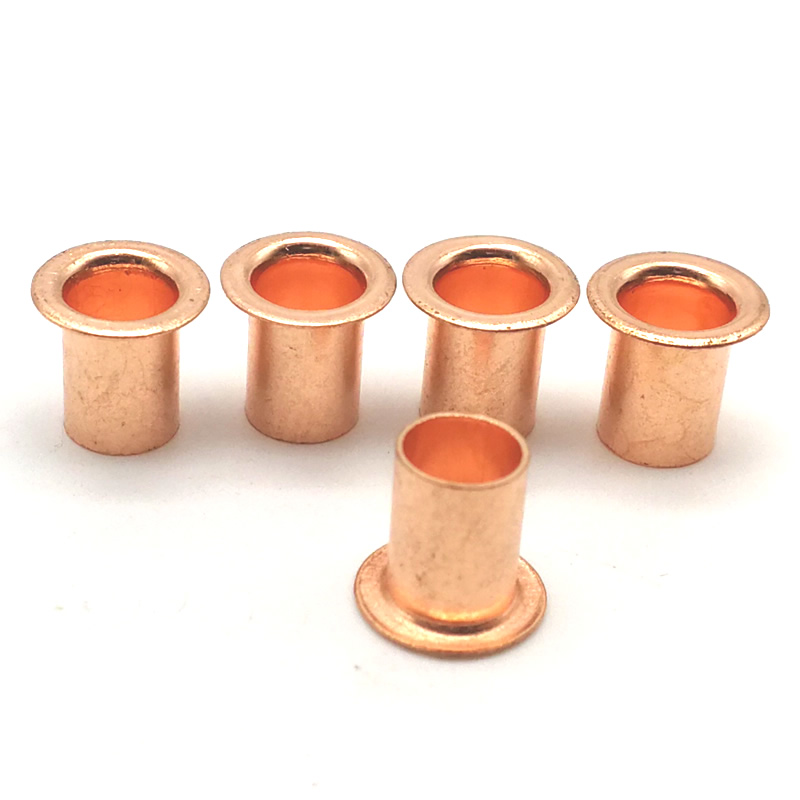
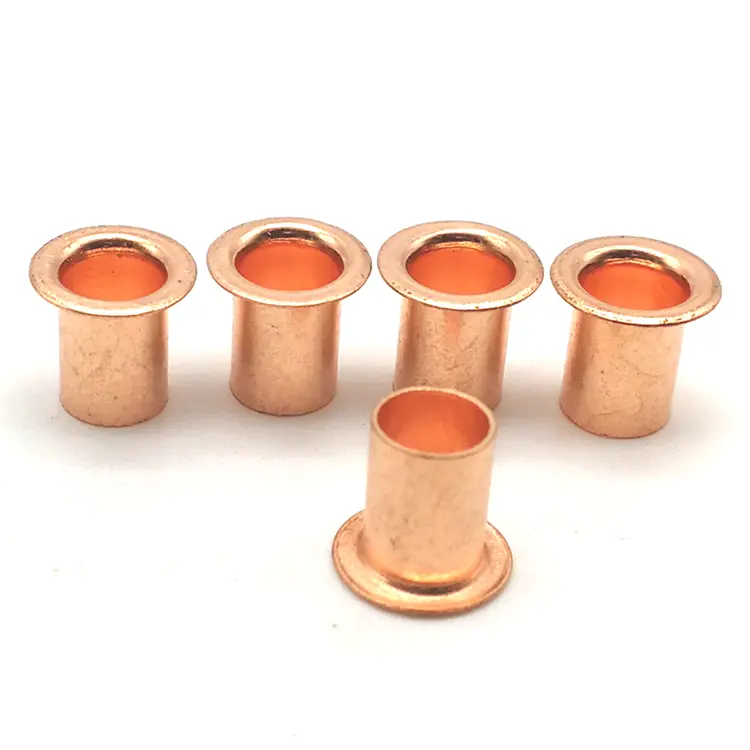
Copper Pipe Rivets
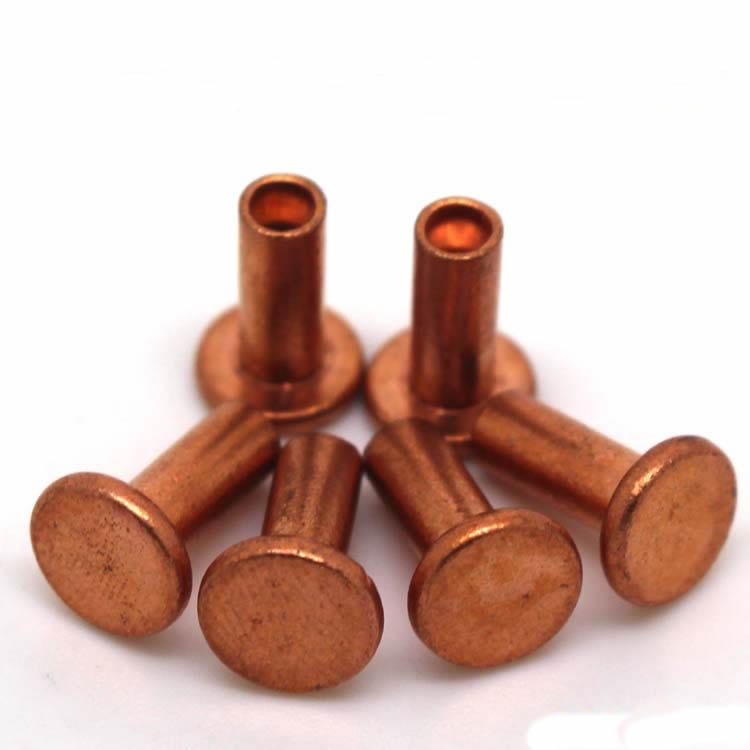
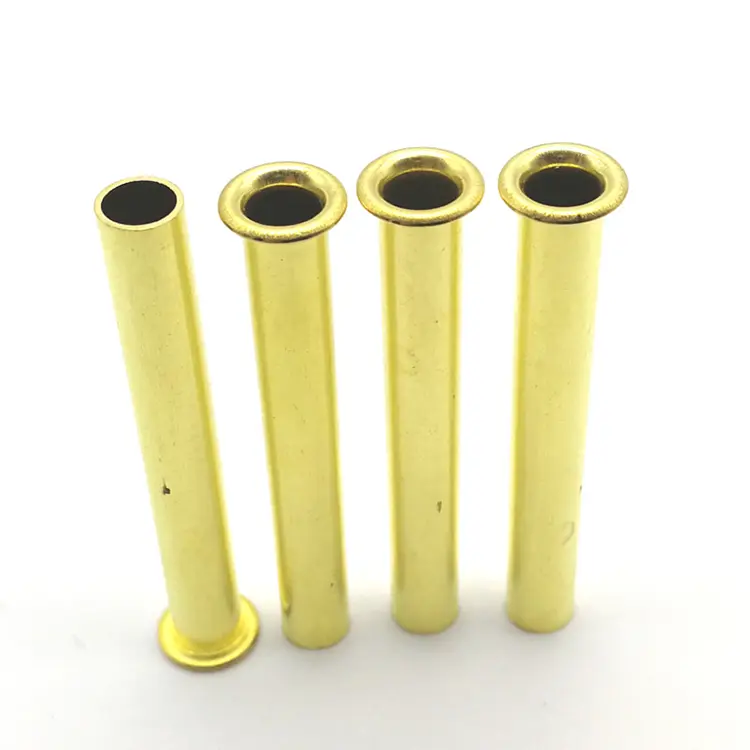
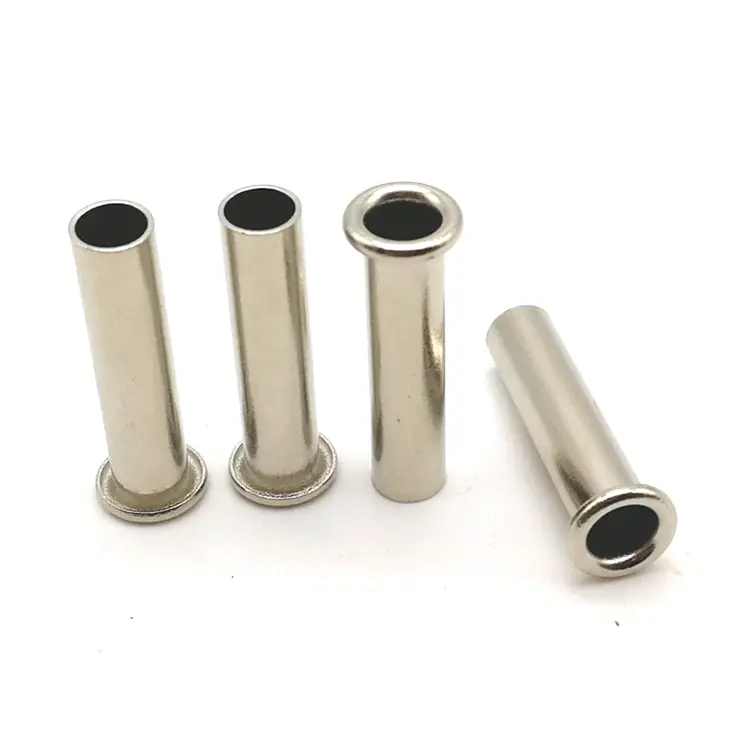
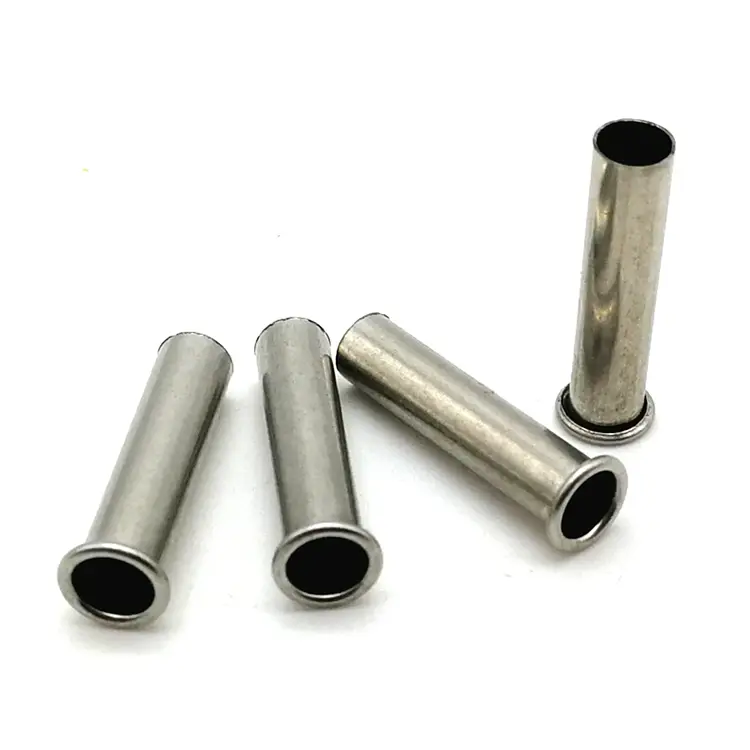
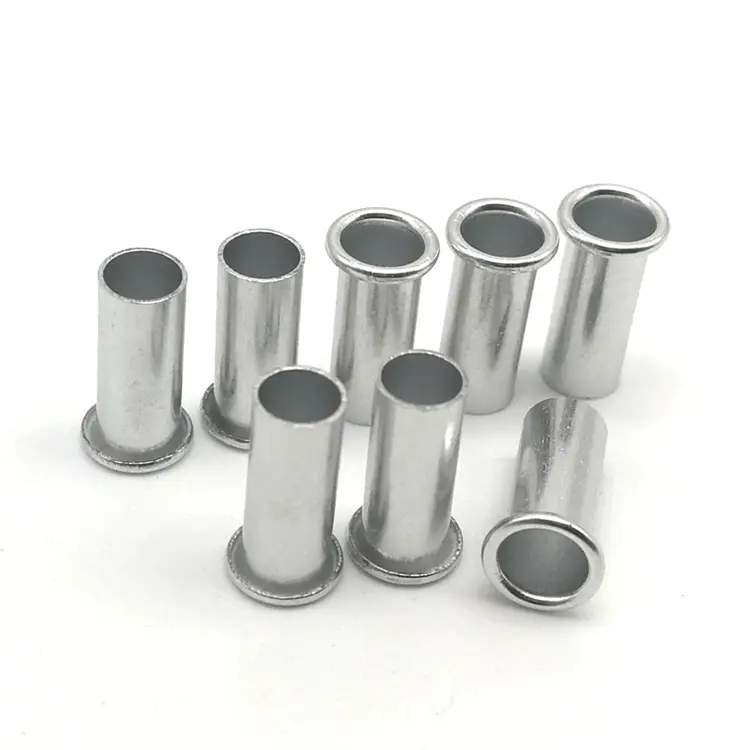
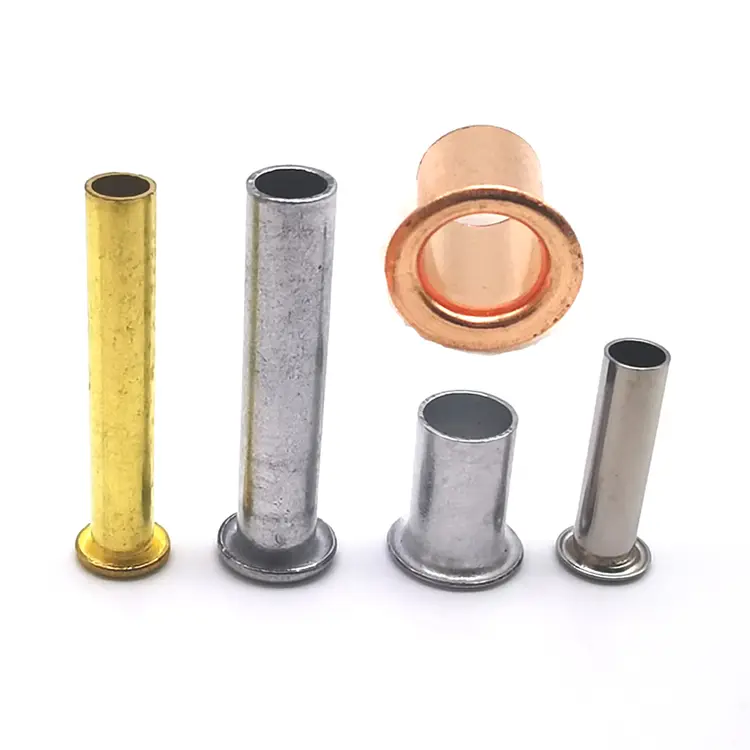
Nuote Metals supplies copper pipe rivets – hollow fasteners made from genuine C11000 copper tube stock, cut to length with a head formed on one end. Also commonly called copper hollow rivets. The only hollow fastener that delivers 100% IACS electrical conductivity, 401 W/m·K thermal conductivity, and natural antimicrobial properties – all in one component. Available in 1.0–10mm shank diameters.
Send Inquiry
Product Description
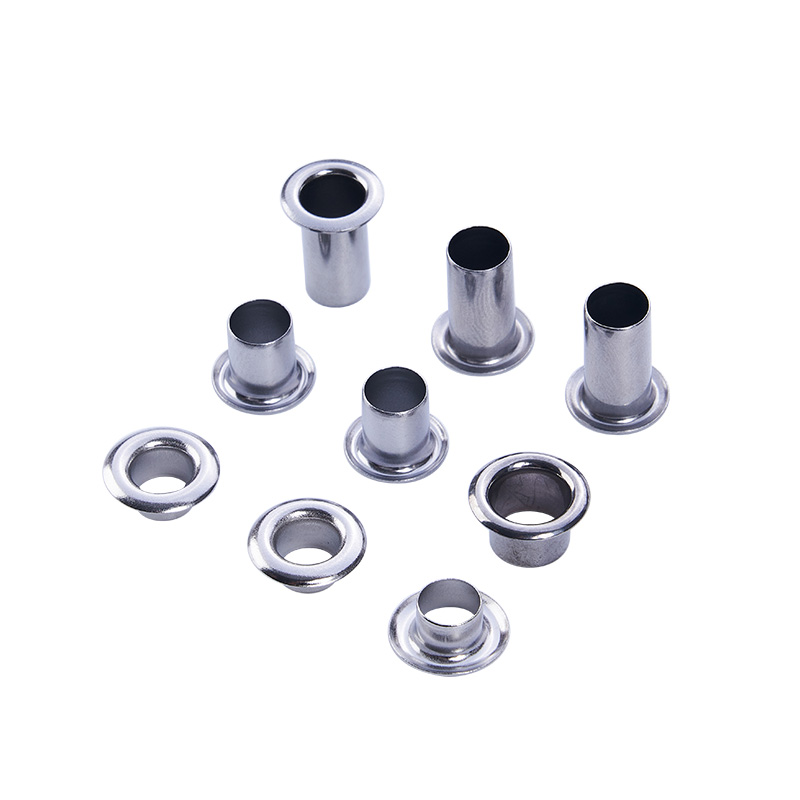
Copper pipe rivets – also commonly called copper hollow rivets – are hollow fasteners made from actual C11000 copper tube stock. Same product. Two names. We make the same reliable fastener regardless of what you call it.
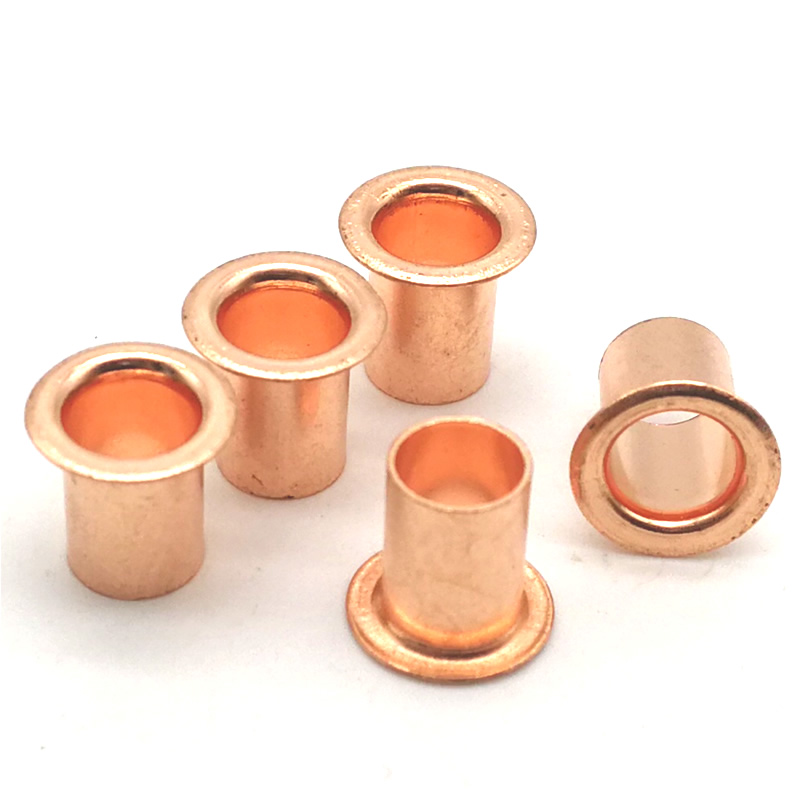
Why specify copper? Because copper does three things that no other pipe rivet material can match. It carries current better than anything else (100% IACS). It moves heat faster than anything else (401 W/m·K). And it kills bacteria naturally. If your application needs any one of these, copper is the answer. If it needs all three, copper is the only answer.
Copper vs. Everything Else – The Numbers That Matter
| Property | Copper (C11000) | Brass (C2680) | Aluminum (5052) | Stainless (304) | Steel (Low‑Carbon) |
|---|---|---|---|---|---|
| Electrical conductivity | 100% IACS | ~28% | ~61% | <5% | ~10% |
| Thermal conductivity | 401 W/m·K | ~120 | ~140 | ~16 | ~50 |
| Antimicrobial | Yes | Limited | No | No | No |
| Corrosion resistance | Excellent | Good | Excellent | Excellent | Depends on finish |
| Magnetic | No | No | No | Slightly | Yes |
Copper Pipe Rivet vs. Semi‑Tubular vs. Solid – Where It Fits
| Feature | Copper Pipe Rivet (Hollow) | Copper Semi‑Tubular Rivet | Copper Solid Rivet |
|---|---|---|---|
| Shaft design | Fully hollow (tube stock) | Partially hollow (45–55% of length) | Fully solid |
| Setting force | 15–20% of solid | 25–30% of solid | 100% |
| Wall thickness | Thin, uniform | Moderate, uniform | Solid |
| Through‑hole | Open all the way through | Blocked at bottom | No passage |
| Conductivity | 100% IACS | 100% IACS | 100% IACS |
| Best for | Lacing, wiring, thermal management, antimicrobial | General purpose, moderate loads | Structural, maximum strength |
C11000 Copper – Material Properties
| Property | C11000 Copper |
|---|---|
| Copper content | ≥99.9% |
| Electrical conductivity | 100% IACS |
| Thermal conductivity | 401 W/m·K |
| Antimicrobial | Naturally kills 99.9% of bacteria within hours |
| Corrosion resistance | Excellent – forms protective patina |
| Key advantage | Highest conductivity of any common fastener material |
Available Finishes
| Finish | Appearance | Best For |
|---|---|---|
| Plain (as‑formed) | Natural copper | General purpose, develops protective patina |
| Tumbled (bright) | Polished, shiny | Decorative, premium appearance |
| Lacquered | Clear coated | Preserves bright finish, prevents tarnishing |
| Tin‑plated | Silver, matte | Solderability, corrosion protection |
One Real Application – Power Supply Heat Sink Assembly
A manufacturer of high‑power industrial power supplies needed a fastener to attach the heat sink to the circuit board. Steel screws provided mechanical connection but poor thermal transfer – heat buildup was reducing component lifespan. The customer needed a fastener that would transfer heat away from critical components while also providing a permanent mechanical joint.
We supplied C11000 copper pipe rivets – 4.0mm shank, 7.5mm round head, 6.0mm barrel length, plain finish. The copper delivered 401 W/m·K thermal conductivity – heat dissipated efficiently from the power supply. The hollow design flared with minimal force – no damage to the circuit board. The customer tested 500 rivets across 500 power supplies. After 5,000 thermal cycles, zero failures. They now order our pipe rivets in batches of 150,000 pieces annually.
From Copper Tube to Finished Rivet – How We Make Them
Copper pipe rivets start as genuine C11000 copper tube stock. Copper is soft and ductile – it flows easily but also marks easily. Our process is designed to produce clean, consistent rivets without compromising the material.
Tube procurement – Certified C11000 copper tube from approved mills. Each coil comes with a mill test certificate and heat number.
Incoming inspection – Tube stock is checked for outside diameter (±0.02mm), wall thickness, and copper content (spectrometer verifies ≥99.9%). Out‑of‑spec material is rejected.
Tube cutting – The tube is cut to precise blank length. Each blank becomes one rivet.
Heading – The cut tube blank is placed into a heading press. A carbide die forms the head (round, flat, or countersunk) on one end. Polished dies prevent surface marks.
Trimming – Flash around the head edge is removed.
Tumbling – Micro‑burrs are eliminated.
Plating or coating (if specified) – Applied as required.
Final inspection – 100% optical sorting. AQL sample manually verified. Dimensional report, material certificate, and Certificate of Conformance issued.
Sample lead time: 5–7 days standard; custom tooling: 15–20 days.
Who We Work With – Trusted by Manufacturers Worldwide
We supply copper pipe rivets to manufacturers across North America, Europe, and Asia. Our customers build:
- Power supplies and industrial electronics – Heat sink attachments, thermal management
- Electrical distribution equipment – Busbar connections, grounding assemblies
- LED lighting – Thermal transfer, driver board mounting
- Marine electrical systems – Corrosion‑resistant connections, conductivity
- Food processing equipment – Antimicrobial surfaces, hygienic assemblies
- HVAC systems – Thermal management, corrosion resistance
We partner with both small assembly shops and large OEMs – from rapid prototyping to high‑volume production runs. Our strength is flexibility: custom sizes, quick samples, and consistent quality at any volume.
Three Questions We Answer Often
Q: "Can I get samples before ordering production quantities?"
A: Yes – we offer samples for all our products. For standard existing specifications, samples are provided free of charge – you only pay the shipping cost. For custom sizes or custom tooling, sample availability and lead time depend on the specific requirements. Please contact our sales team with your drawing or specification, and they will advise on sample cost and delivery timeline.
Q: "Why choose copper pipe rivets over brass or aluminum for heat management applications?"
A: Copper offers 401 W/m·K thermal conductivity, compared to ~120 W/m·K for brass and ~140 W/m·K for aluminum. For applications where heat dissipation is critical – such as power supplies, LED lighting, or electronics – copper is the clear choice. The difference in thermal performance can directly impact component lifespan and system reliability. For the power supply case above, copper was essential because the customer needed to move heat away from sensitive components efficiently.
Q: "Do copper pipe rivets corrode? Why do they change colour?"
A: Copper does not rust – it forms a protective patina over time. This patina actually protects the underlying metal, extending its life in outdoor environments. The colour change from bright red to dark brown or green is cosmetic and does not affect mechanical or electrical performance. If you need to maintain a bright finish, specify tumbled (bright) or lacquered copper pipe rivets. For the power supply case above, the customer chose plain finish because the patina was acceptable in the indoor industrial enclosure.
Hot Tags: Copper Pipe Rivets,China Copper Pipe Rivets,Copper Pipe Rivets Manufacturer
Related Categories
Send Inquiry
Please feel free to fill your inquiry in the form below. We will reply you in 24 hours.



X
We use cookies to offer you a better browsing experience, analyze site traffic and personalize content. By using this site, you agree to our use of cookies.
Privacy Policy