Products
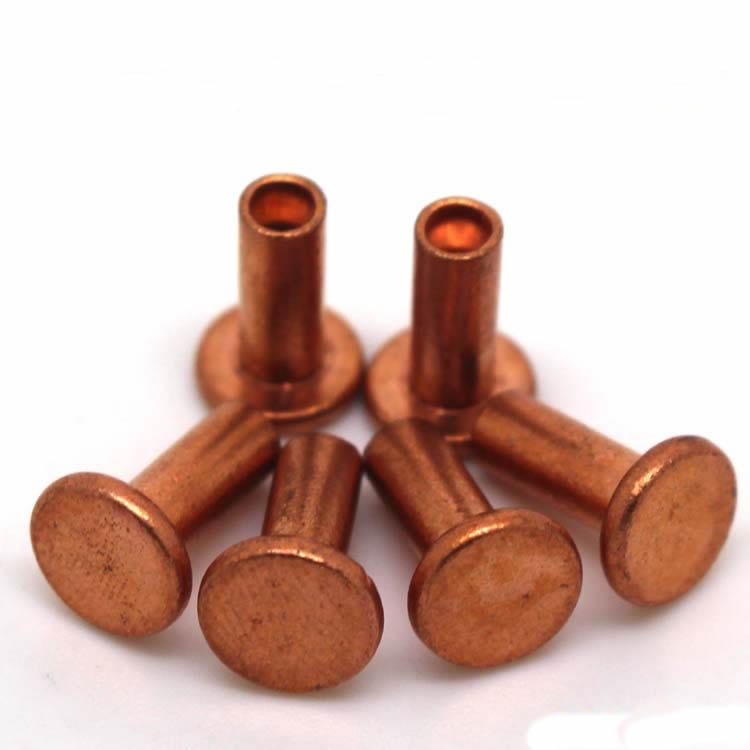
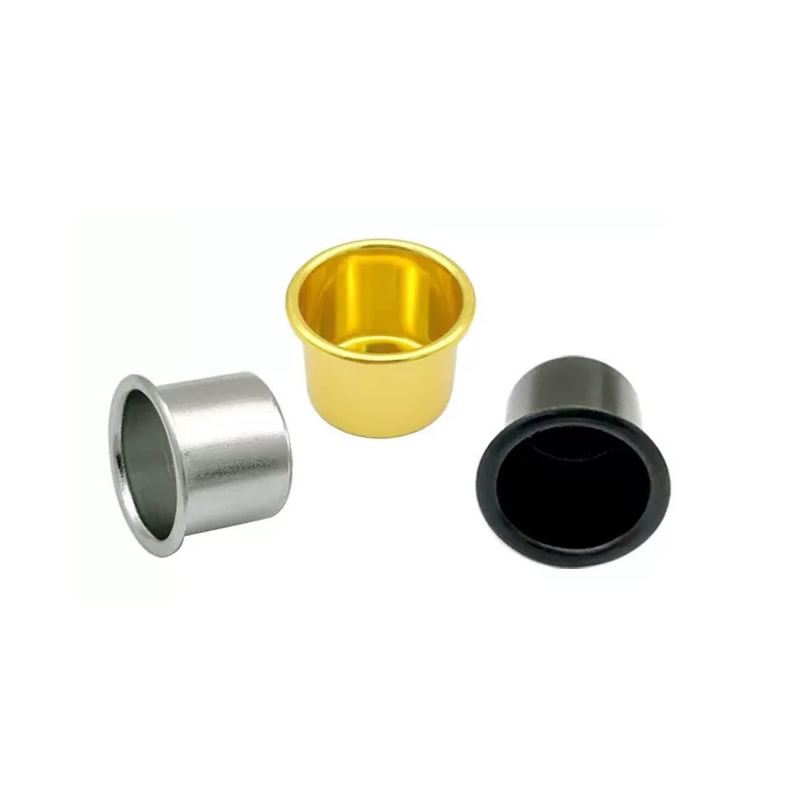
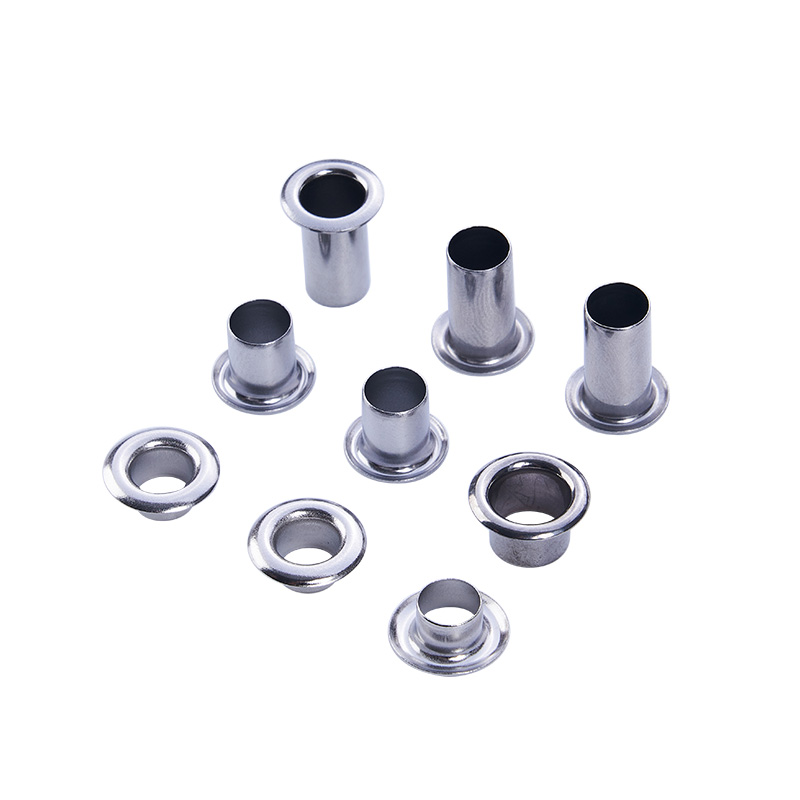
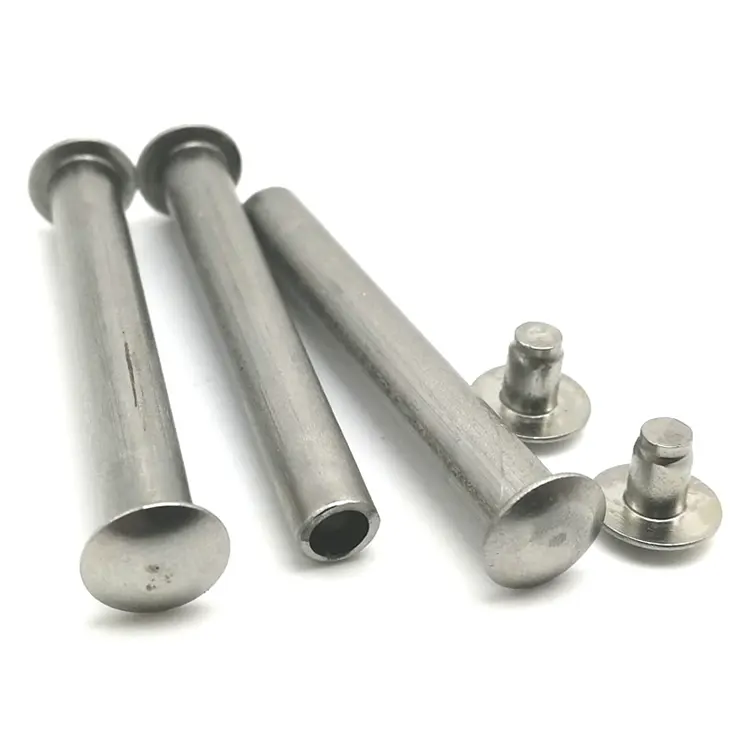
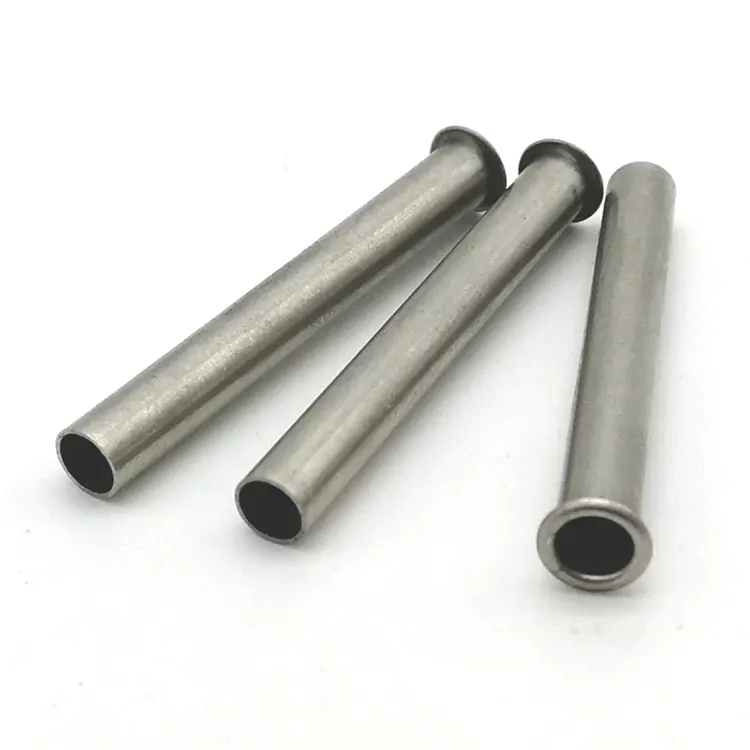
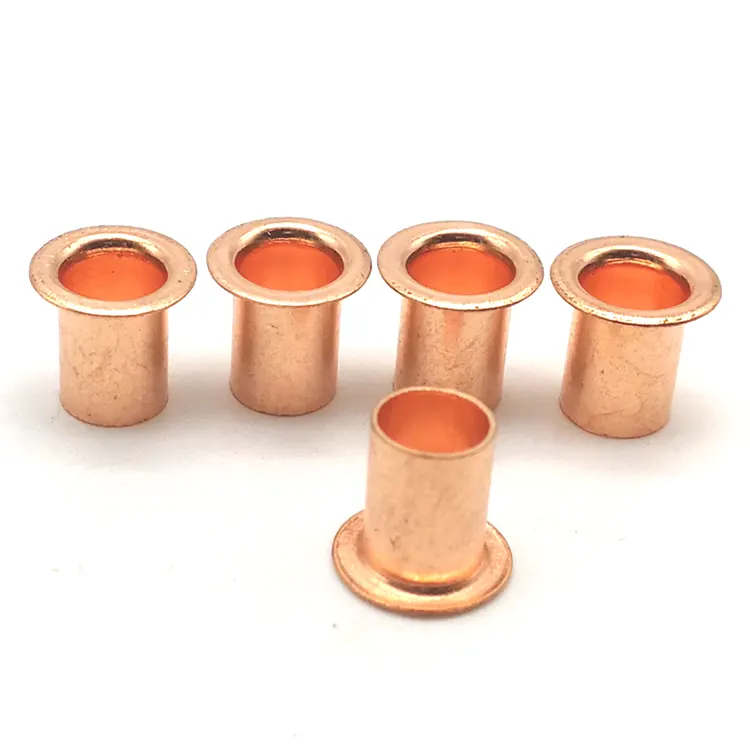
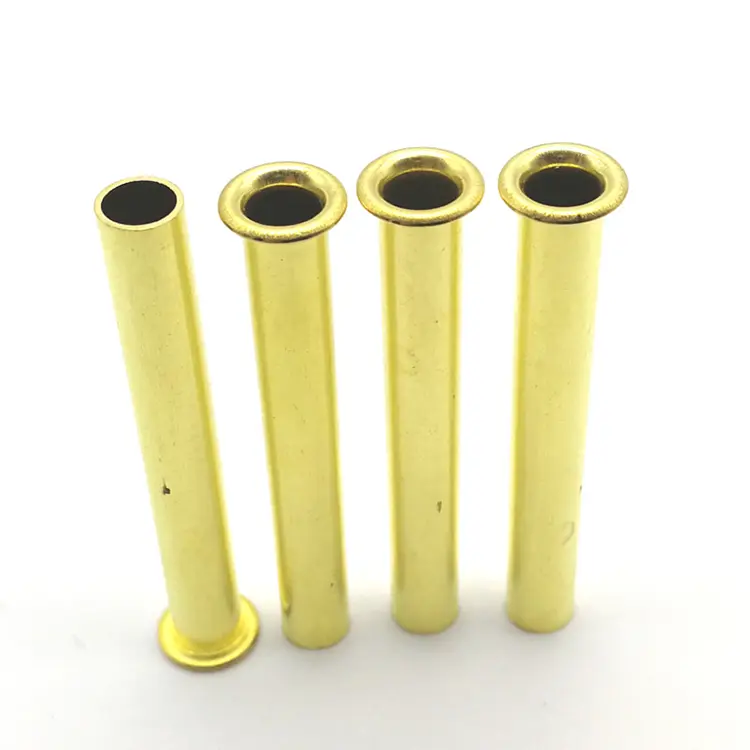
copper tube rivets
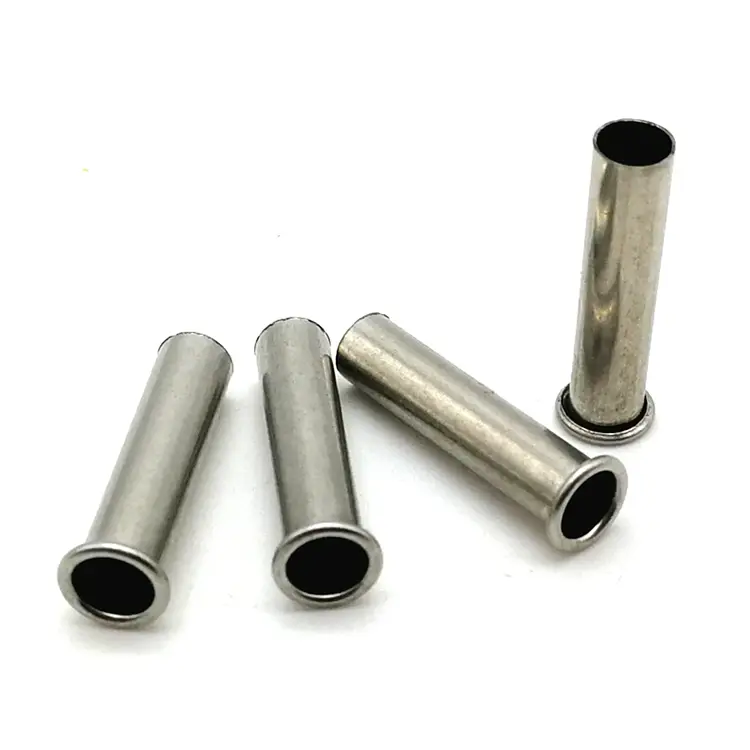
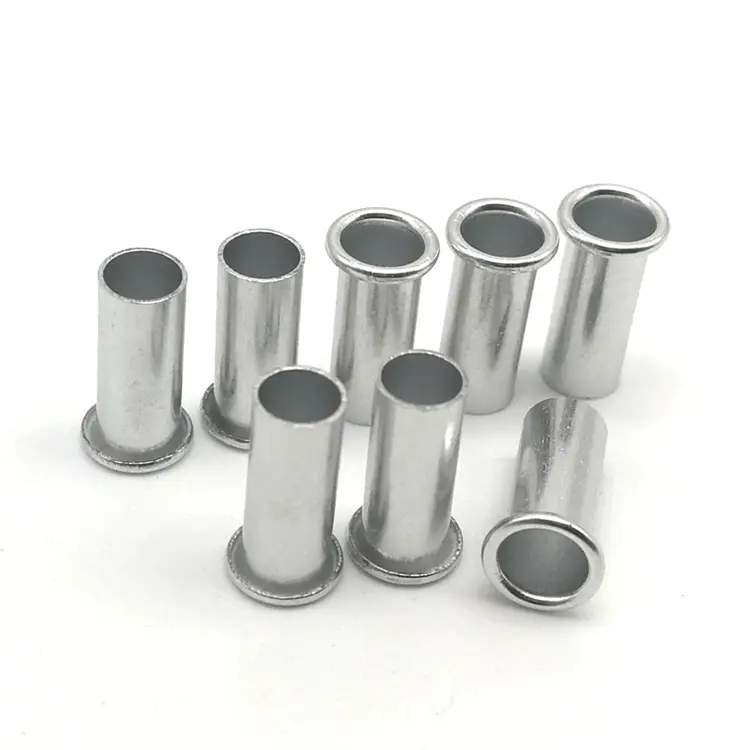
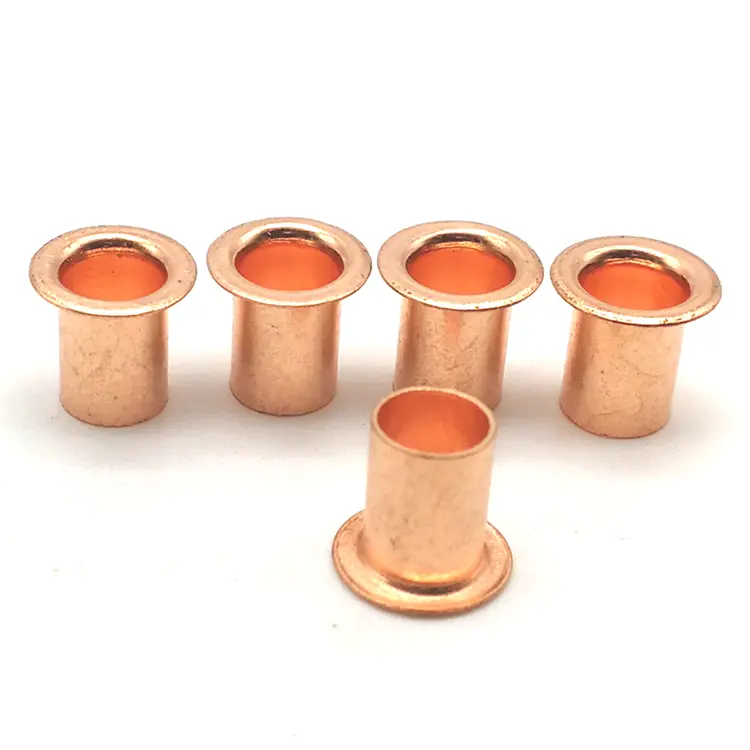
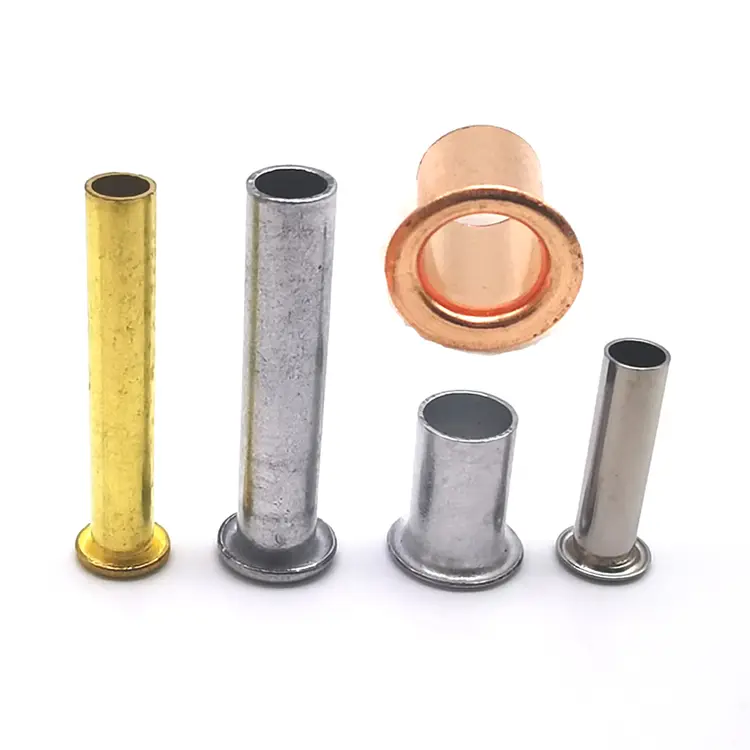
copper tube rivets are primarily made of copper, a high-purity material containing small amounts of other elements such as oxygen and phosphorus. Copper has excellent electrical conductivity and is often used in electrical connectors. The tubular rivet's structural design allows it to deform during installation to secure the material, creating a secure connection. The copper's softness makes copper pipe rivets less susceptible to cracking during installation and provides excellent sealing properties. Copper is also highly corrosion-resistant and maintains stability in humid, acidic, and alkaline environments, extending its service life.
Send Inquiry
Product Description
Some customers call them copper tube rivets. Others call them copper pipe rivets. Same product. Same material. Same manufacturing process. We make the same reliable fastener regardless of what you call it.
A copper tube rivet (or pipe rivet – your choice) is a short piece of C11000 copper tubing with a head formed on one end. The shank is hollow from the tail to the head. During installation, the thin wall rolls outward with very low force – typically 15–20% of what a solid rivet requires.
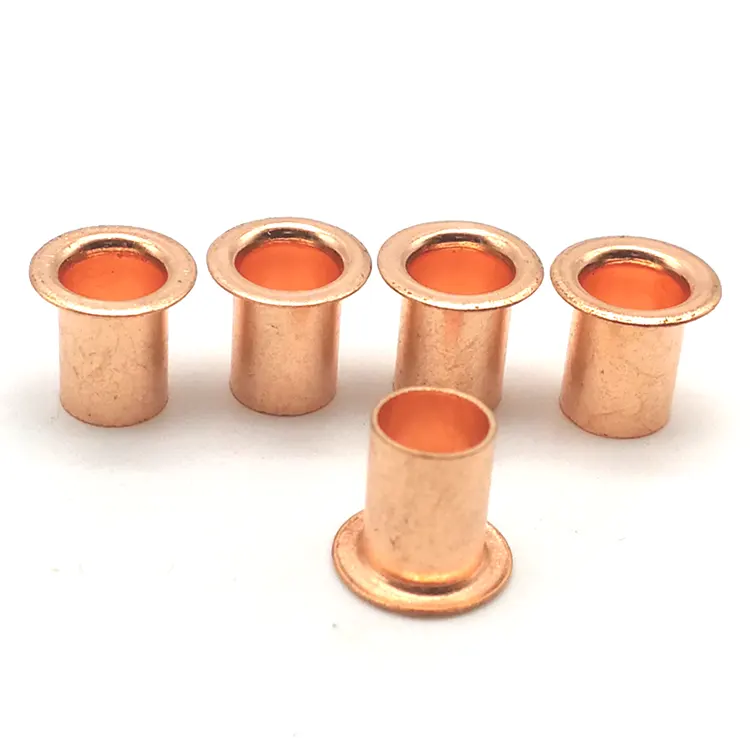
Why do we have two names for the same product? Because our customers use both terms. We keep both pages so you can find us – whether you search for "tube" or "pipe". The product is identical. The quality is identical. Only the name changes.
Copper vs. Other Materials – The Numbers That Matter
| Property | Copper (C11000) | Brass (C2680) | Aluminum (5052) | Stainless (304) | Steel (Low‑Carbon) |
|---|---|---|---|---|---|
| Electrical conductivity | 100% IACS | ~28% | ~61% | <5% | ~10% |
| Thermal conductivity | 401 W/m·K | ~120 | ~140 | ~16 | ~50 |
| Antimicrobial | Yes | Limited | No | No | No |
| Corrosion resistance | Excellent | Good | Excellent | Excellent | Depends on finish |
| Magnetic | No | No | No | Slightly | Yes |
| Setting force | 15–20% (hollow) | 15–20% (hollow) | 15–20% (hollow) | 15–20% (hollow) | 15–20% (hollow) |
| Through‑hole | Open all the way through | Open | Open | Open | Open |
Note: The product described on this page is the same as our copper pipe rivets. We list both names to help you find the right product regardless of which term you use.
Available Finishes
| Finish | Appearance | Best For |
|---|---|---|
| Plain (as‑formed) | Natural copper | General purpose, develops protective patina |
| Tumbled (bright) | Polished, shiny | Decorative, premium appearance |
| Lacquered | Clear coated | Preserves bright finish, prevents tarnishing |
| Tin‑plated | Silver, matte | Solderability, corrosion protection |
One Real Application – Medical Power Supply Heat Sink
A manufacturer of medical‑grade power supplies needed a fastener to attach power transistors to the aluminum heat sink. The application demanded high reliability – any thermal failure could compromise patient safety. Previous steel screws provided poor thermal transfer. Solid copper rivets worked thermally but required high setting force that risked cracking the PCB. The customer needed a fastener that combined copper's thermal performance with low‑force installation.
We supplied C11000 copper tube rivets – 3.0mm shank, 5.5mm round head, 4.0mm barrel length, plain finish. The copper delivered 401 W/m·K thermal conductivity – heat dissipated efficiently from the power transistors. The hollow design flared with minimal force – no risk of PCB damage. The customer tested 500 rivets across 500 power supplies. After 5,000 thermal cycles and vibration testing, zero failures. They now order our tube rivets in batches of 150,000 pieces annually.
From Copper Tube to Finished Rivet – How We Make Them
Copper tube rivets start as genuine C11000 copper tube stock – cut to length with a head formed on one end.
Tube procurement – Certified C11000 copper tube from approved mills. Each batch comes with a mill test certificate and heat number.
Incoming inspection – Tube stock is checked for outside diameter (±0.02mm), wall thickness, and copper content (spectrometer verifies ≥99.9%). Out‑of‑spec material is rejected.
Tube cutting – The tube is cut to precise blank length. Each blank becomes one rivet.
Heading – The cut tube blank is placed into a heading press. A carbide die forms the head (round, flat, or countersunk) on one end. Polished dies prevent surface marks.
Trimming – Flash around the head edge is removed.
Tumbling – Micro‑burrs are eliminated.
Plating or coating (if specified) – Applied as required.
Final inspection – 100% optical sorting. AQL sample manually verified.
Sample lead time: 5–7 days standard; custom tooling: 15–20 days.
One Rivet, Eight Checks – How We Ensure Quality
Every batch of copper tube rivets passes through eight quality gates:
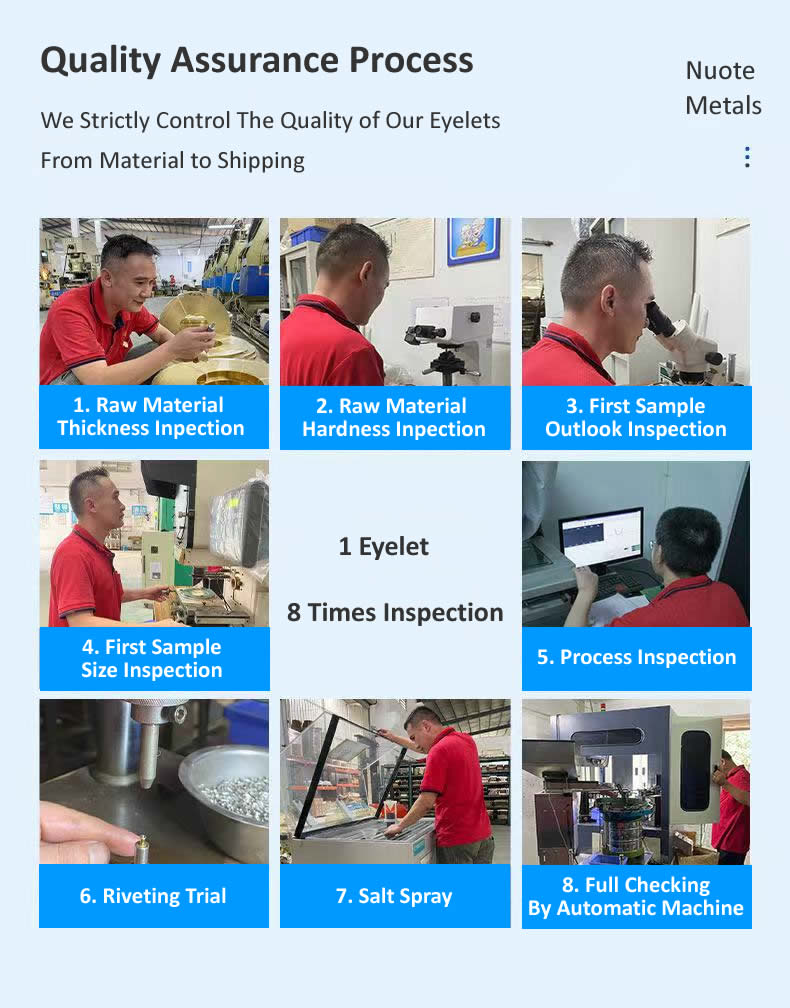
Raw material diameter check – Tube stock measured with laser micrometer (±0.02mm).
Raw material composition check – Spectrometer verifies C11000 copper grade (≥99.9% Cu).
First article appearance check – First 10 rivets inspected under magnification for cracks or defects.
First article dimensional check – Inner diameter, outer flange, barrel length, wall thickness verified on optical comparator.
In‑process checks – 5 rivets every 500 pieces. Any drift stops the press.
Test setting (trial flaring) – Every 2,000 pieces, set 3 rivets into sample material. Clinch inspected for symmetry and cracks.
Salt spray test (if required) – ASTM B117 testing. Certificate issued with batch.
Final outgoing inspection – 100% optical sorting. AQL sample manually verified. Full documentation issued.
What Our Customers Say – Real Feedback
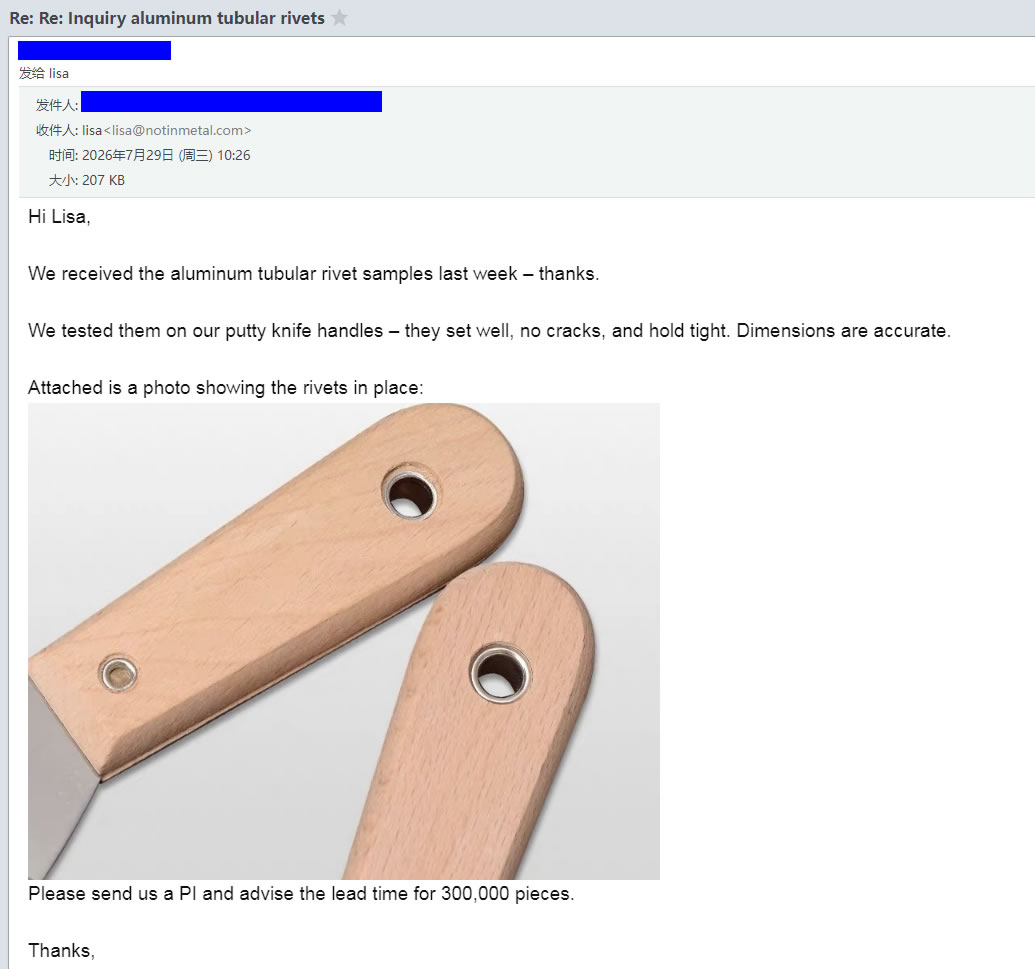
We let our customers speak for us. The images above show real feedback from manufacturers who have used our copper tube rivets in their production lines – from medical device suppliers to power supply manufacturers to industrial electronics builders.
They come back to us for the same reasons:
Superior thermal performance – 401 W/m·K conductivity for effective heat dissipation
Permanent conductivity – 100% IACS, no degradation over time
Low‑force installation – No damage to sensitive components
Reliable delivery – Samples ship in 5–7 days, production on schedule
Three Questions We Answer Often
Q: "Can I get samples before ordering production quantities?"
A: Yes – we offer samples for all our products. For standard existing specifications, samples are provided free of charge – you only pay the shipping cost. For custom sizes or custom tooling, sample availability and lead time depend on the specific requirements. Please contact our sales team with your drawing or specification, and they will advise on sample cost and delivery timeline.
Q: "What is the difference between copper tube rivets and copper pipe rivets?"
A: Nothing – they are the same product. Some industries use "tube", others use "pipe". The material (C11000 copper), manufacturing process (tube cutting + heading), and specifications are identical. We manufacture the same product under both names so you can find us regardless of which term you search for.
Q: "Can copper tube rivets be soldered or welded?"
A: Yes – they are highly solderable and weldable. For soldering applications, we recommend tin‑plated copper tube rivets – the tin coating provides excellent solderability and ensures a strong, reliable electrical connection. For welding, copper's high thermal conductivity requires higher energy input compared to steel, but it is commonly welded in electrical and thermal applications. If you have a specific joining method in mind, please let us know – we can recommend the optimal finish for your process.
Hot Tags: Copper Tube Rivets Manufacturer, Copper Rivets Supplier, Custom Copper Rivets
Related Categories
Send Inquiry
Please feel free to fill your inquiry in the form below. We will reply you in 24 hours.



X
We use cookies to offer you a better browsing experience, analyze site traffic and personalize content. By using this site, you agree to our use of cookies.
Privacy Policy