Products
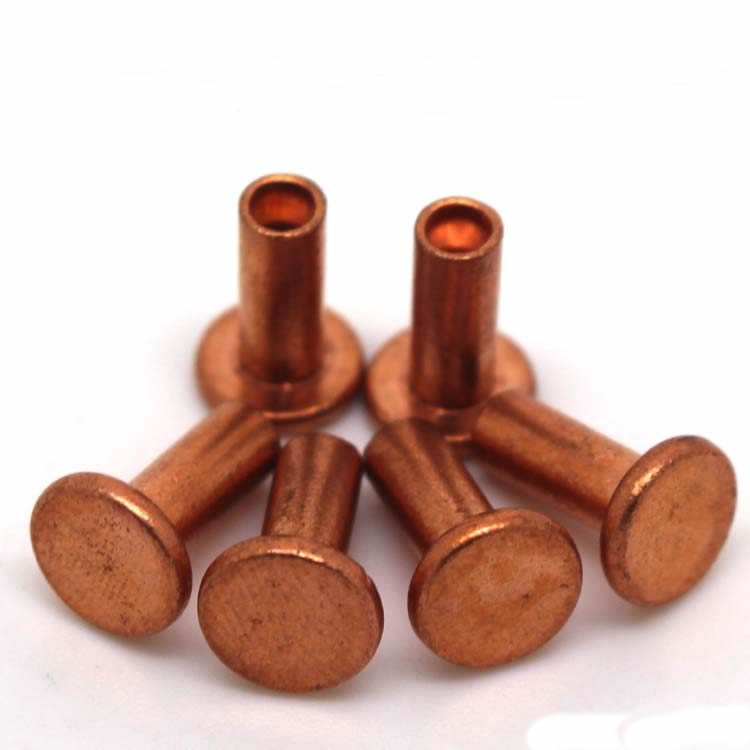
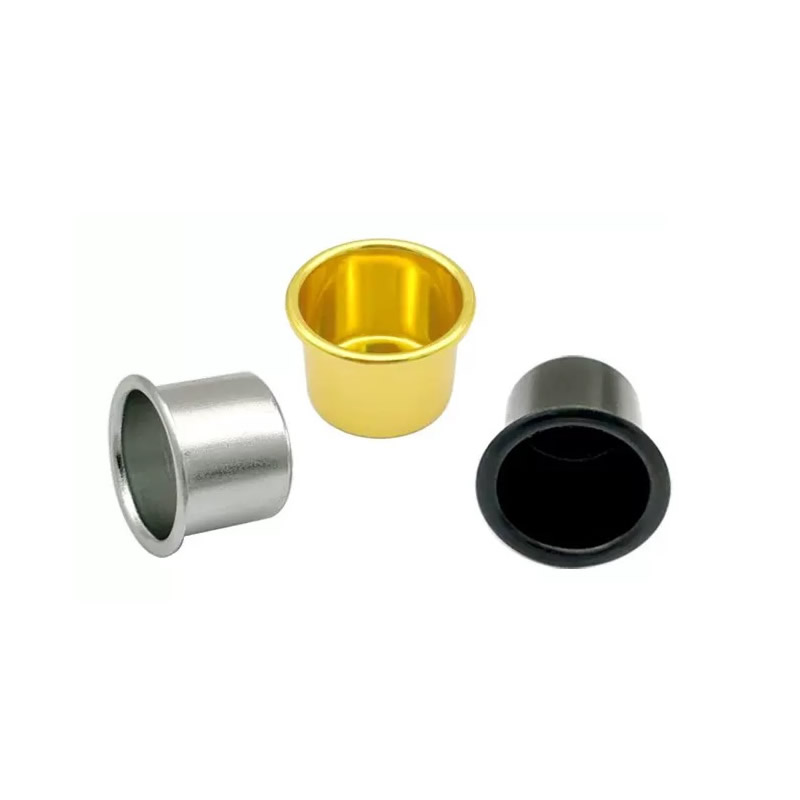
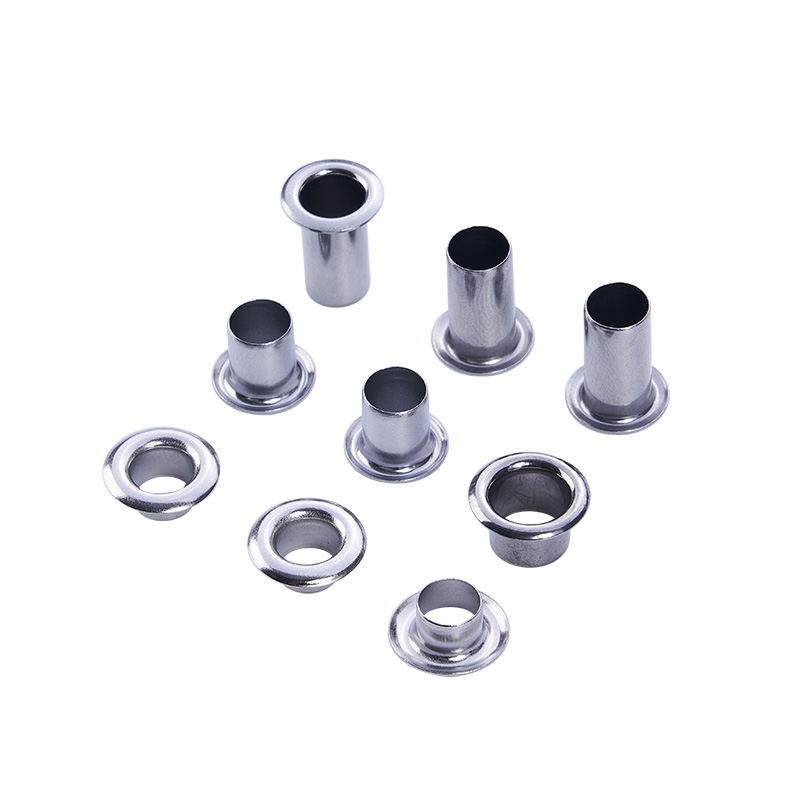
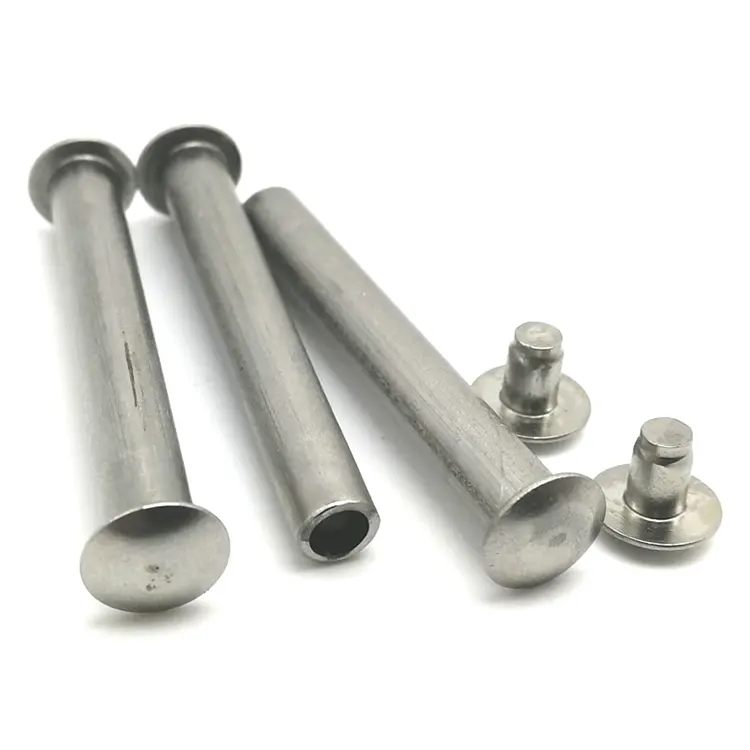
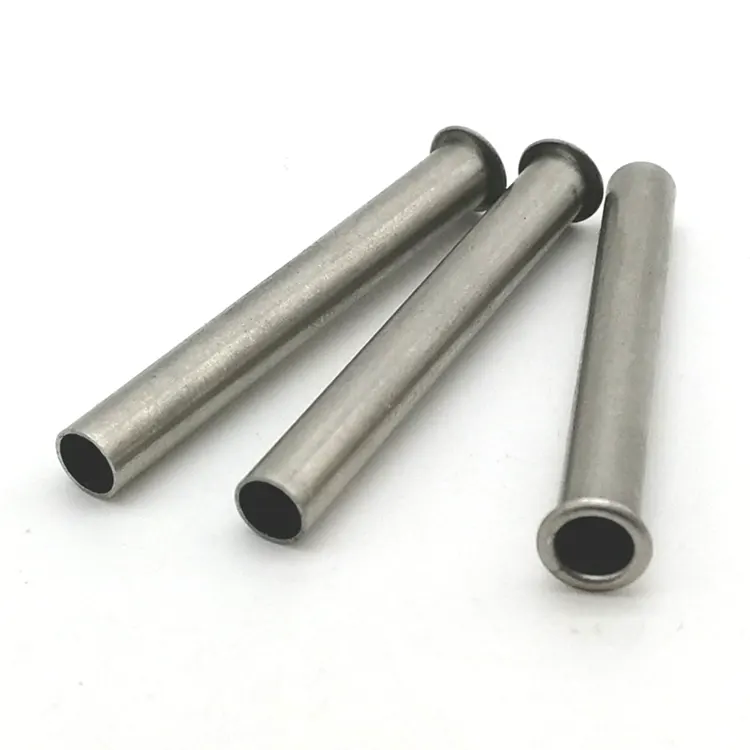

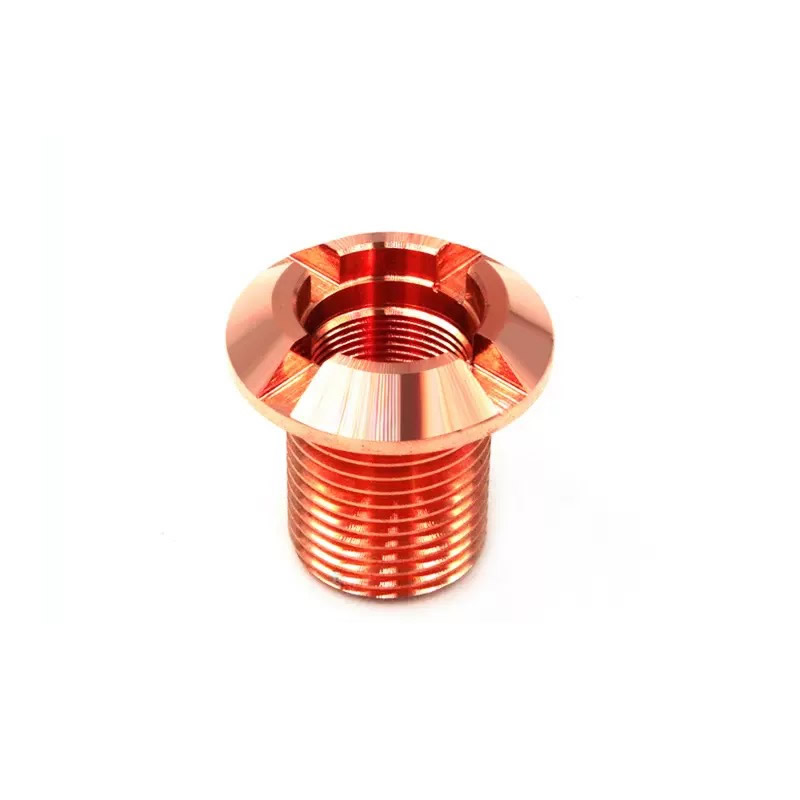
Copper Turning Parts
Nuote Metals has more than 10 years of experience in the manufacture and supply of specialist turning components, and our CNC lath equipment is capable of producing copper turning parts to extremely precise measurements in order to meet your most detailed requirements. All the copper machining parts are manufactured to the smallest of tolerances and will meet even the tightest of criteria.
Send Inquiry
Product Description
Brass turns easily. Steel fights back. Aluminum demands deburring. Copper is different. It is soft, gummy, and prone to smearing. It work-hardens quickly. It produces long, stringy chips that wrap around the tool and scratch the surface. And if you machine it with standard parameters, you get a part that looks acceptable but fails conductivity testing.
Nuote Metals machines Copper Turning Parts for applications where electrical or thermal conductivity is not a feature—it is the entire function. Busbar connectors, RF shielding components, vacuum seals, heat sink pins. If your part must carry current, dissipate heat, or maintain a non-magnetic signal path, copper is the material. But only if it is machined correctly.
The Four Traps of Copper Turning
1. Smearing and built-up edge.
Copper is soft and ductile, so it tends to weld to the cutting edge under pressure. This forms a built-up edge (BUE) that breaks off unpredictably, causing poor surface finish, dimensional drift, and embedded particles that increase contact resistance. We use high-positive rake, uncoated polished carbide inserts—coated tools increase friction and worsen BUE in copper. Cutting speeds are kept high, feeds moderate, and coolant directed precisely at the edge.
2. Burrs that destroy conductivity.
Copper burrs are ductile and cling to the part. A burr on a busbar contact surface creates a high-resistance point. A burr in an RF cavity changes signal behavior. Standard deburring misses internal edges. We use controlled feed rates to minimize burr formation at the source, then thermal deburring or abrasive flow finishing for internal features. For critical electrical surfaces, we inspect with a profiler before tinning or plating.
3. Work-hardening during machining.
Copper work-hardens rapidly. If the tool rubs instead of cuts, the surface hardens, the next pass dulls faster, and the part may become too hard for subsequent forming or bending. We program cutting speeds above the work-hardening threshold and use sharp, positive geometry to shear cleanly. For C10200 (OFHC), we anneal between roughing and finishing passes when required.
4. Oxidation between operations.
Copper oxidizes quickly when exposed to air—especially after machining, when fresh metal is exposed. Oxide films increase contact resistance and interfere with soldering, tinning, or plating. We rinse and dry parts immediately after machining and store them in nitrogen-purged cabinets. For parts that will be silver-plated or tinned, we schedule finishing within 24 hours of machining.
Copper Grades We Machine – And Why They Matter
| Grade | Purity | Conductivity | Key Characteristic | Typical Application |
|---|---|---|---|---|
| C11000 (ETP) | ≥99.9% | 58 MS/m | General purpose, good balance | Busbars, terminals, heat sinks |
| C10200 (OFHC) | ≥99.99% | 59 MS/m | Oxygen-free, no embrittlement | Vacuum seals, high-temp electronics |
| C10100 (OFE) | ≥99.99% | 59 MS/m | Extremely low oxygen, highest ductility | Critical electronics, cryogenic |
| C14500 (Tellurium) | ≥99.5% | 50 MS/m | Machinability improved by Te | High-speed turned connectors |
| C17510 (Beryllium) | – | 45 MS/m | High strength, good conductivity | Springs, high-current contacts |
A note on C11000 vs. C10200: C11000 is the standard electrical copper. It contains ~0.04% oxygen, which is fine for most busbars and terminals. C10200 is oxygen-free—it resists hydrogen embrittlement during welding, brazing, or high-temperature service. For vacuum seals or cryogenic parts, choose C10200 or C10100. Nuote Metals stocks all three and can advise based on your application.
Our Copper Turning Line – Built for Conductivity and Surface Integrity
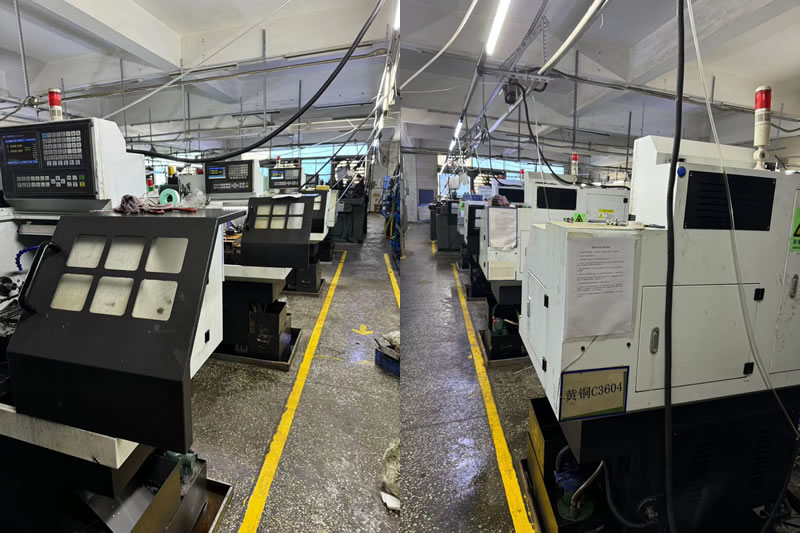
Nuote Metals operates a dedicated copper turning cell, isolated from our steel, stainless, and aluminum lines. Cross-contamination is the enemy of conductivity. A single steel chip embedded in a copper busbar becomes a hot spot.
Equipment and process control:
8 CNC lathes dedicated to copper and copper alloys, bar capacity 2mm to 60mm.
Uncoated, polished carbide inserts reserved only for copper—no cross-use with other materials.
High-pressure coolant (70 bar) directed at the cutting edge to break chips and prevent smearing.
In-house tinning and silver plating – we control the process from machined part to finished, solderable surface.
Conductivity verification: every batch tested with a Sigma-test meter to confirm ≥58 MS/m for C11000.
Volume capability:
Prototype: 1–50 pieces, 5-axis mill-turn centers.
Production: 50–200,000 pieces, bar-fed lathes with automatic loaders and in-process gauging.
Why this matters: Copper turning requires tooling, coolant, and handling designed specifically for soft, conductive, oxygen-sensitive material. Our dedicated cell is why we can hold ±0.005mm tolerances on a busbar connector and deliver a surface that passes conductivity testing after silver plating.
A Real Example – C11000 Busbar Connector for EV Charging Station
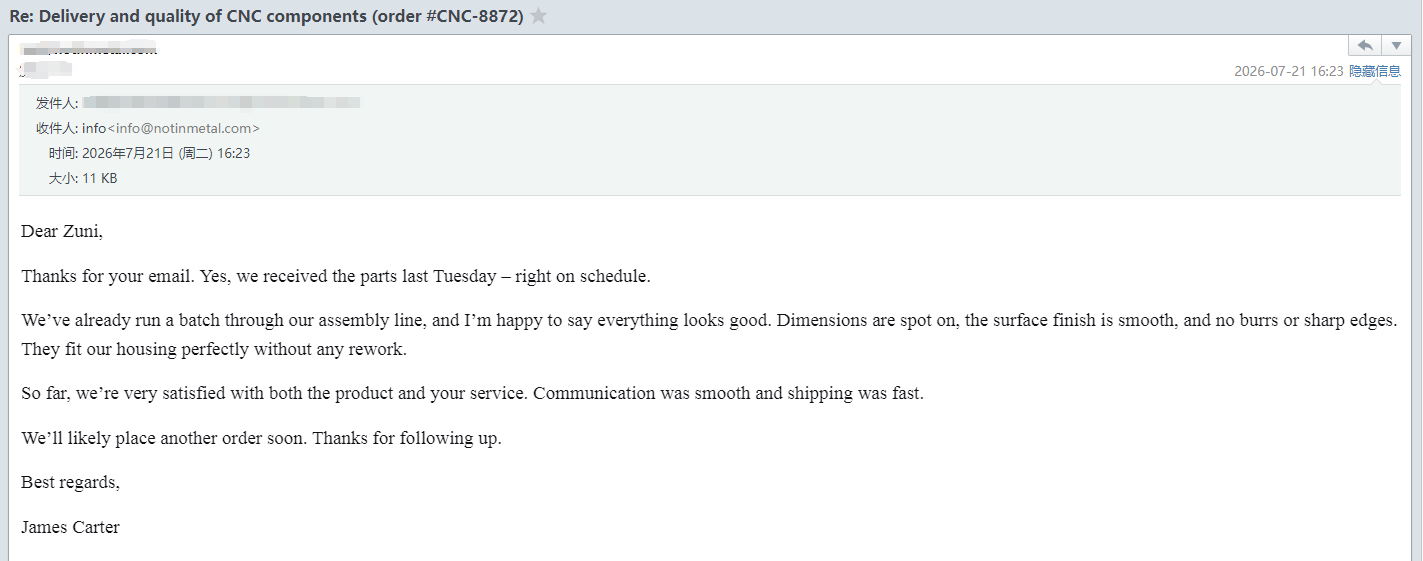
A European EV charging manufacturer needed a C11000 busbar connector with a 0.01mm bore tolerance, Ra 0.8μm surface finish, and silver plating that passed a 24-hour salt spray test. Their previous supplier delivered parts with embedded copper particles that caused resistance failures after plating.
What we did differently:
- Used uncoated polished carbide inserts to prevent built-up edge and embedded particles.
- Switched to abrasive flow finishing for the internal bore—removing burrs that hand tools missed.
- Verified surface cleanliness with a copper sulfate test before silver plating.
- Shipped 8,000 pieces with zero resistance failures. The customer eliminated incoming inspection for contact resistance.
Frequently Asked Questions About Copper Turning Parts
Q1: What is the best copper grade for electrical busbars and connectors?
A: C11000 (ETP) is the standard choice for most busbars, terminals, and connectors. It offers 58 MS/m conductivity, good machinability, and is cost-effective. For vacuum seals, cryogenic parts, or applications involving welding or brazing, choose C10200 (OFHC) or C10100 (OFE)—they are oxygen-free and resist hydrogen embrittlement. For high-speed turning where machinability is the priority, C14500 (Tellurium copper) machines faster but has slightly lower conductivity (50 MS/m). Nuote Metals stocks all grades and can advise based on your requirements.
Q2: How do you prevent burrs on copper turning parts?
A: Copper burrs are ductile and difficult to remove completely with hand tools. Prevention starts with tool geometry: we use high-positive rake, uncoated polished inserts and program feed rates that shear the material cleanly. For cross-holes and internal features, we apply abrasive flow finishing or thermal deburring. For parts that will be silver-plated or tinned, we inspect with a profiler before finishing—because plating does not hide burrs; it amplifies them.
Q3: Can you machine oxygen-free copper without contamination?
A: Yes. We machine C10200 and C10100 on dedicated lathes with uncoated carbide tooling reserved only for copper. No steel, aluminum, or brass chips enter the copper cell. We rinse parts immediately after machining, store them in nitrogen-purged cabinets, and schedule tinning or plating within 24 hours. For critical vacuum or cryogenic parts, we provide oxygen content certificates and conductivity test reports with every shipment.
Hot Tags: Copper Turning Parts,China Turning Parts
Send Inquiry
Please feel free to fill your inquiry in the form below. We will reply you in 24 hours.





X
We use cookies to offer you a better browsing experience, analyze site traffic and personalize content. By using this site, you agree to our use of cookies.
Privacy Policy