
Products
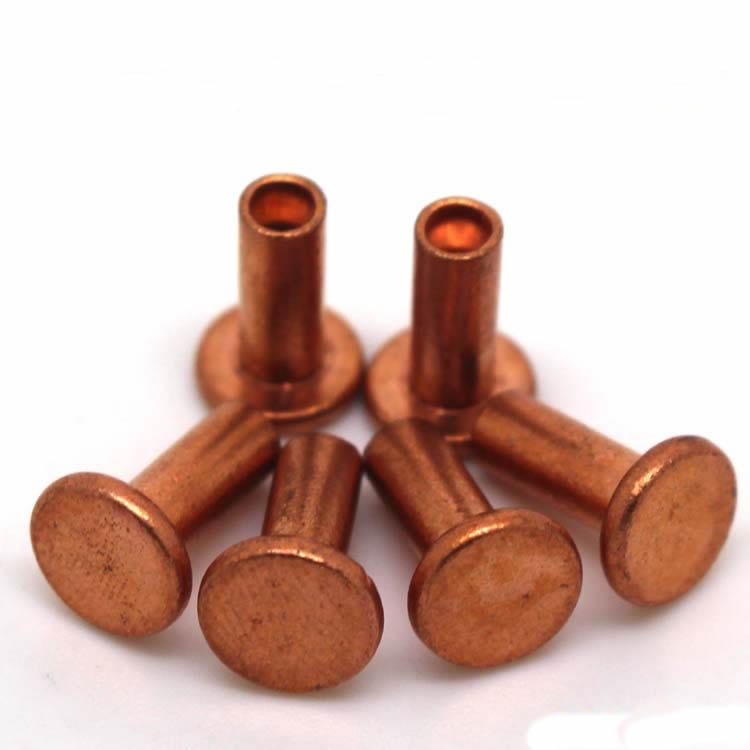
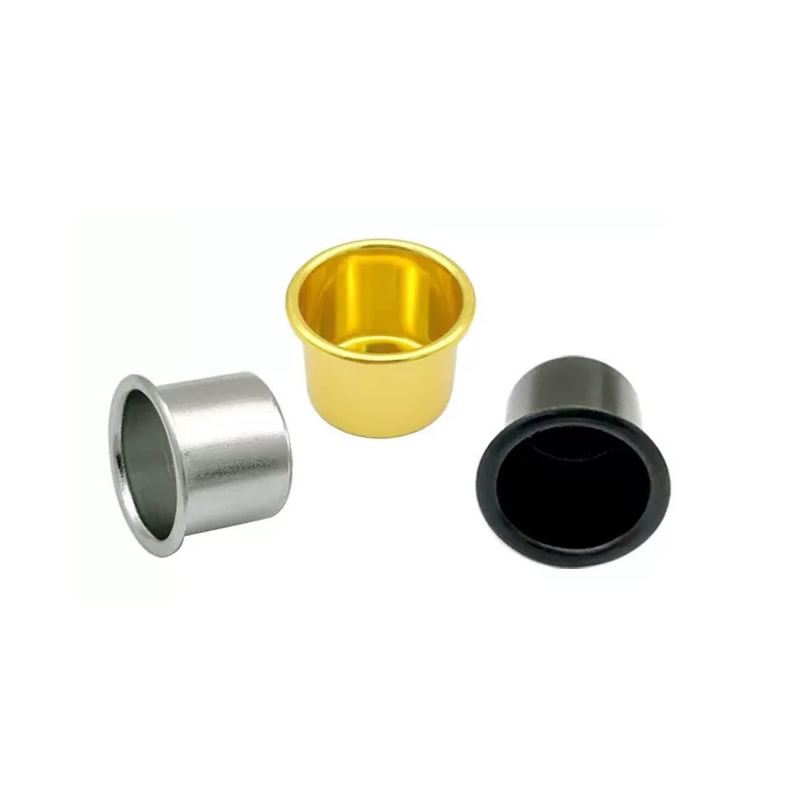
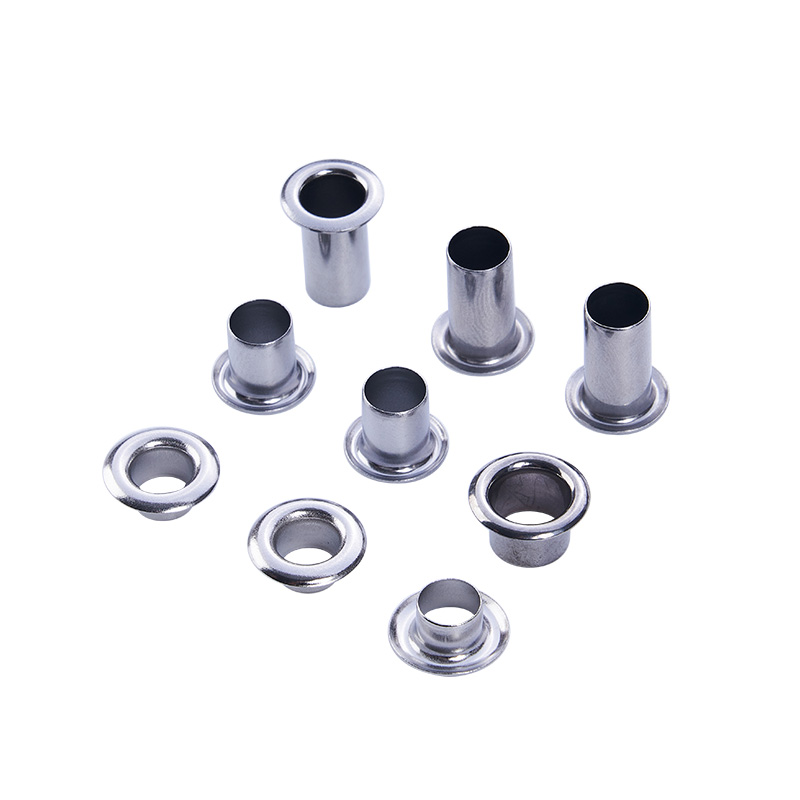
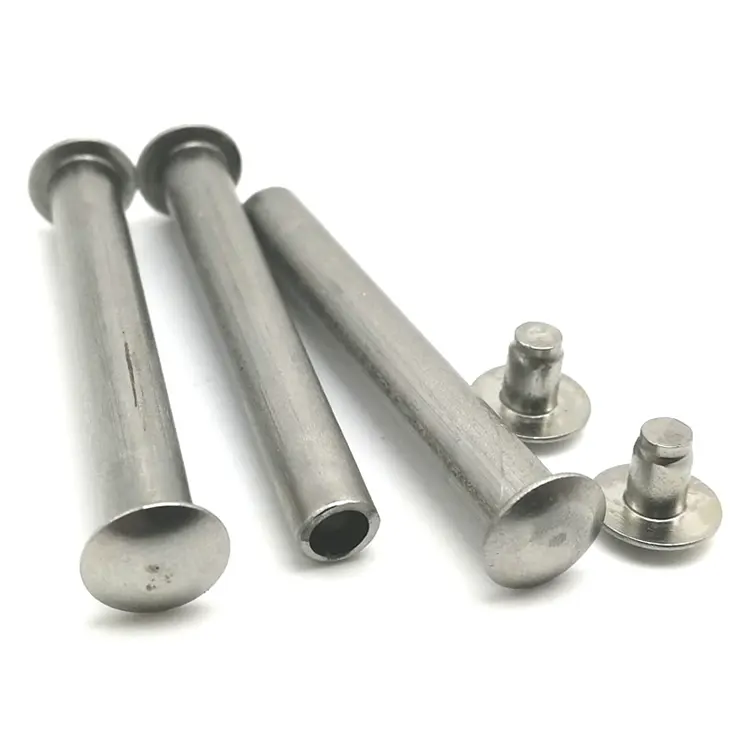
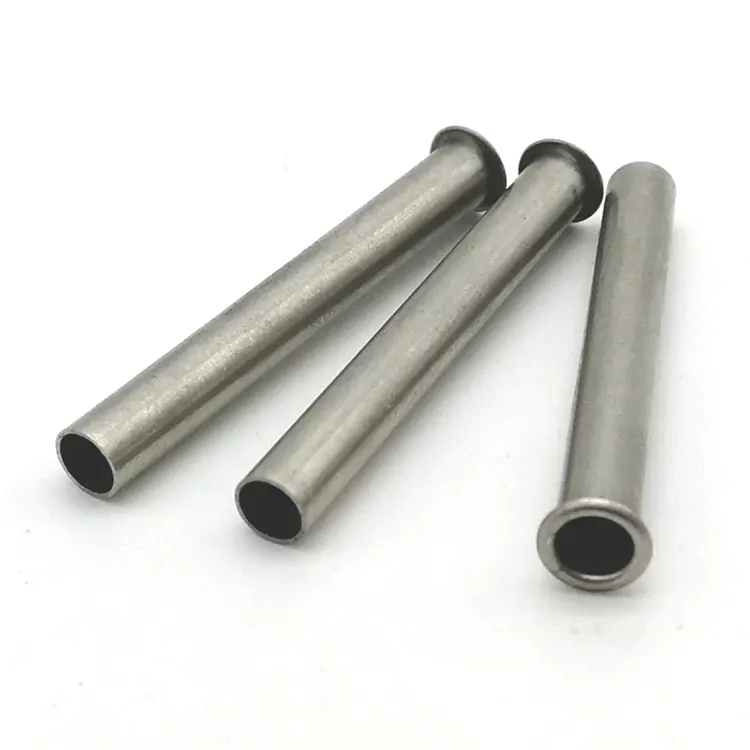
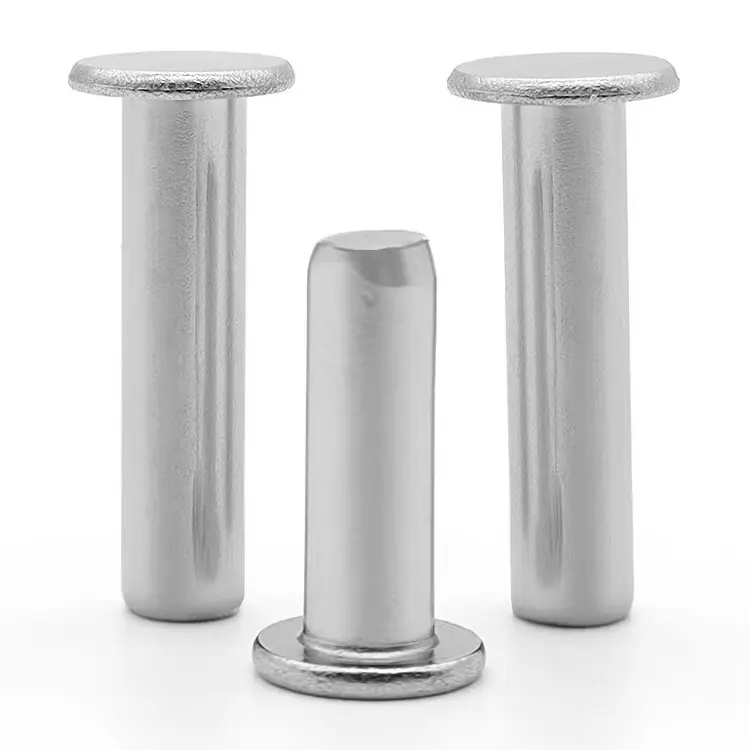
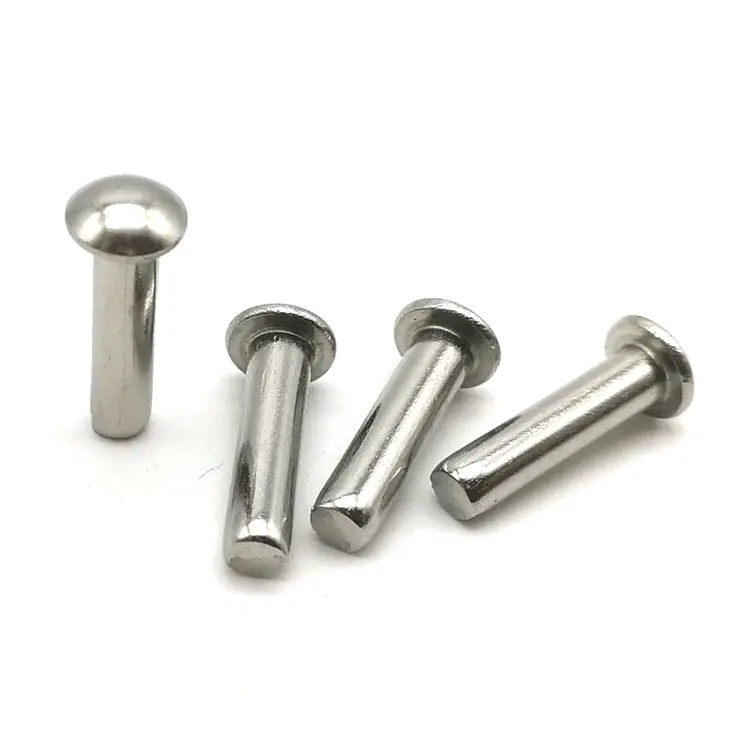
Flat Head Solid Rivets
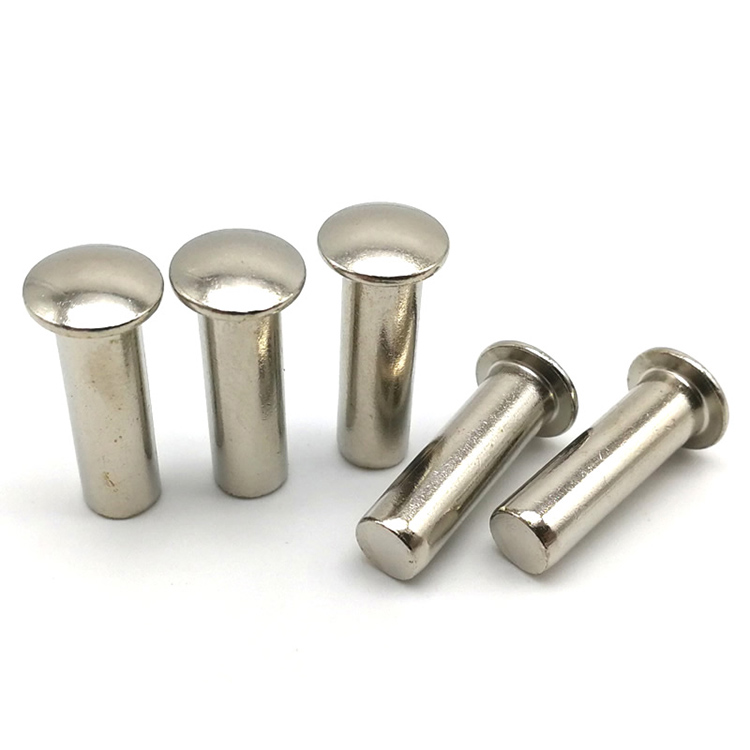
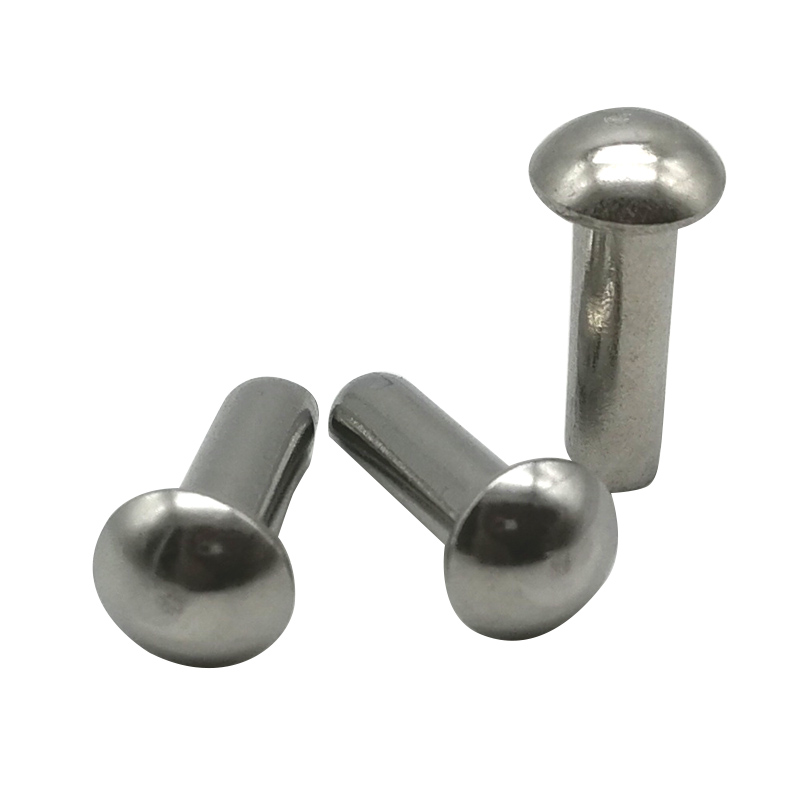
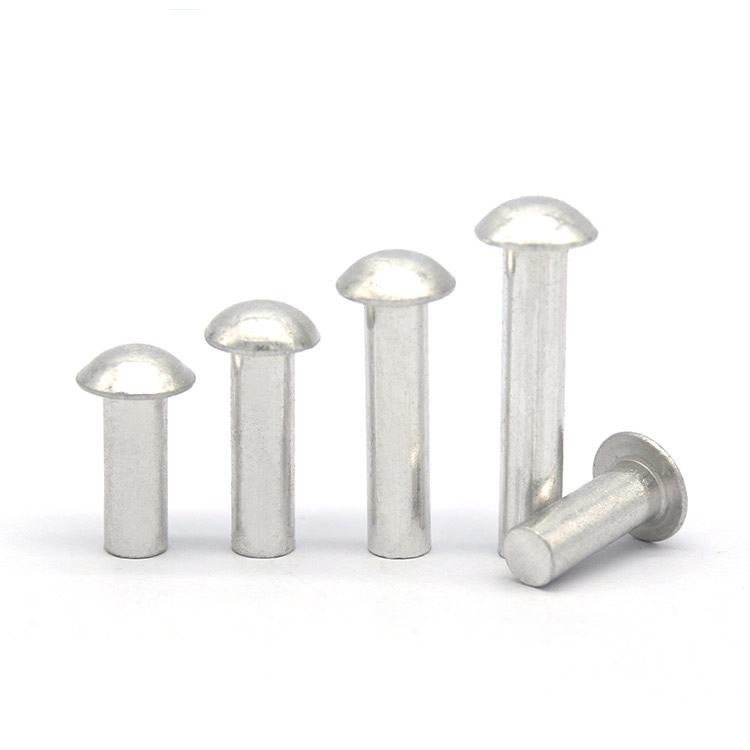
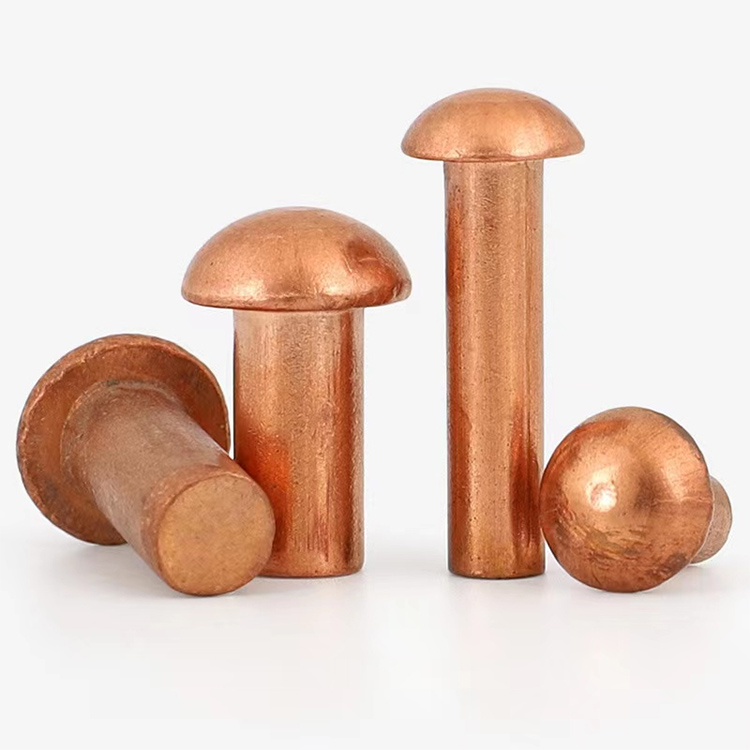
Nuote Metals is a 10+ years working expirence in flat head solid rivets manufacturer in China, flat head rivets material can be brass, copper, stainless steel, carbon steel or aluminum, sizes are also can be customized by client’s requirement.
Send Inquiry
Product Description
Flat head solid rivets solve a problem that every designer faces: how to get maximum holding power in a limited space. The flat head sits lower than any other non‑countersunk solid rivet – typically 15–25% of the shank diameter in head height. For a 5mm rivet, that is just 0.8–1.2mm of protrusion above the surface.
This is not a semi‑tubular rivet with reduced strength. This is a solid rivet – full shank diameter, full shear and tensile strength – with a head that disappears into your assembly. When you need strength and clearance in the same fastener, this is the answer.
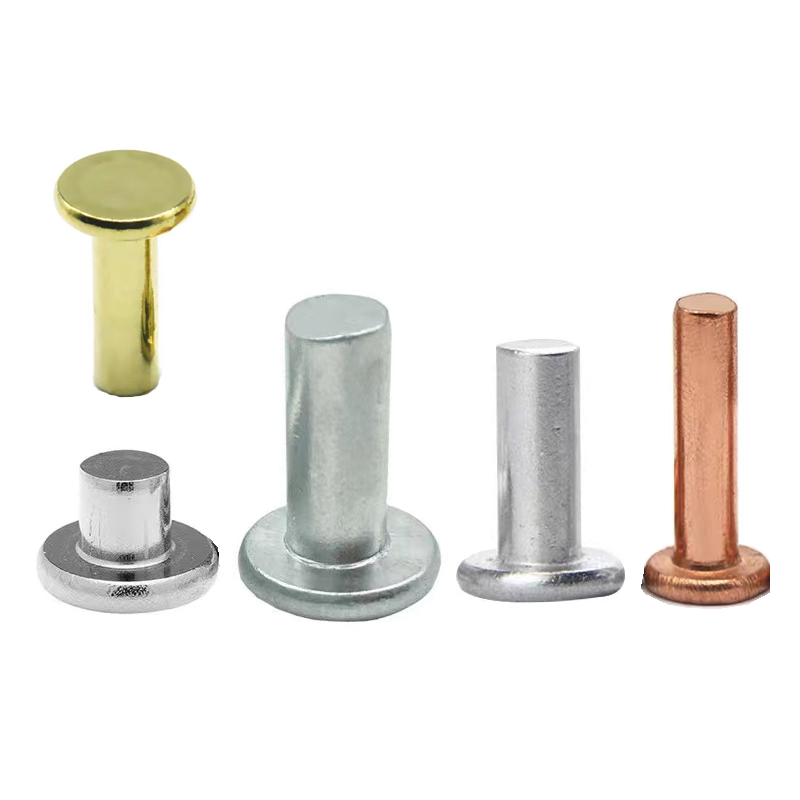
The Flat Head Difference – Strength That Fits
Flat head is not just a shape. It is a solution to a specific design constraint.
- Lowest profile – 15–25% of shank diameter in head height; lower than round, oval, or truss heads
- No special hole preparation – Straight hole only; no countersinking required
- Full strength – Solid construction delivers 100% shear and tensile strength
- Sliding clearance – Low enough to clear sliding mechanisms, stackable assemblies, and tight enclosures
Solid is the strongest rivet construction. Unlike semi‑tubular rivets that rely on thin walls rolling outward, solid rivets use the full shank diameter to form the clinch.
| Feature | Flat Head Solid Rivet | Round Head Solid Rivet |
|---|---|---|
| Head protrusion (5mm shank) | 0.8–1.2mm | 2.5–3.5mm |
| Strength | 100% (maximum) | 100% (maximum) |
| Hole preparation | Straight hole only | Straight hole only |
| Best for | Tight clearances, sliding surfaces, stackable assemblies | General purpose, visible assemblies |
Five Materials – Choose What Fits Your Assembly
| Material | Key Advantage | Best For | Common Finishes |
|---|---|---|---|
| Low‑carbon steel | Strongest, most cost‑effective | Industrial equipment, furniture, sliding mechanisms | Zinc‑plated, black oxide, plain |
| Stainless steel (304/316) | Permanent corrosion resistance | Medical, marine, food equipment, outdoor | Passivated (standard) |
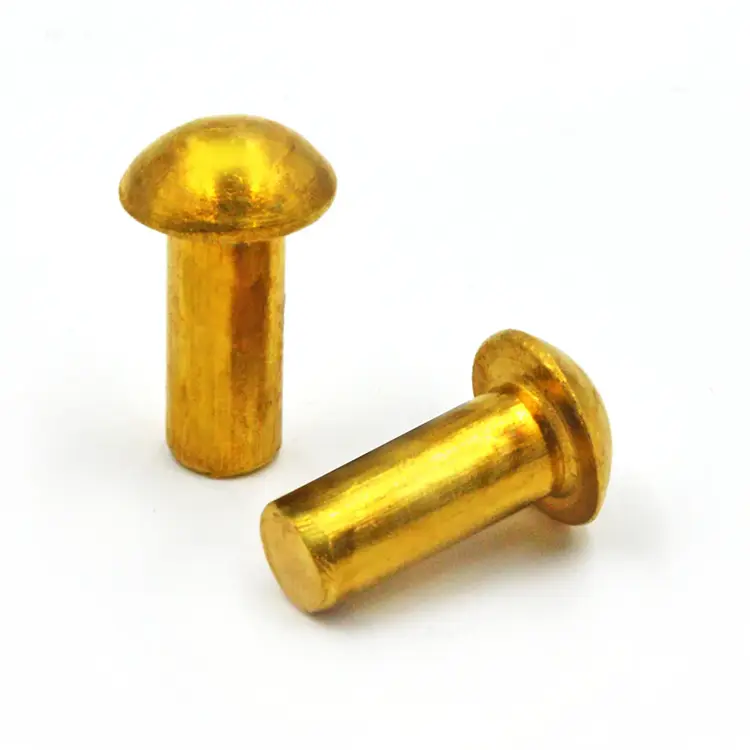
| Brass (C2680) | Conductivity, non‑magnetic, decorative | Electronics, architectural hardware | Lacquered, nickel‑plated, antique |
| Copper | Highest electrical/thermal conductivity | High‑current connections, heat transfer | Plain, tin‑plated |
| Aluminum (5052/5056) | Lightest, non‑magnetic | Aerospace, portable equipment | Anodized, plain |
One Application – Camera Tripod Leg Hinge
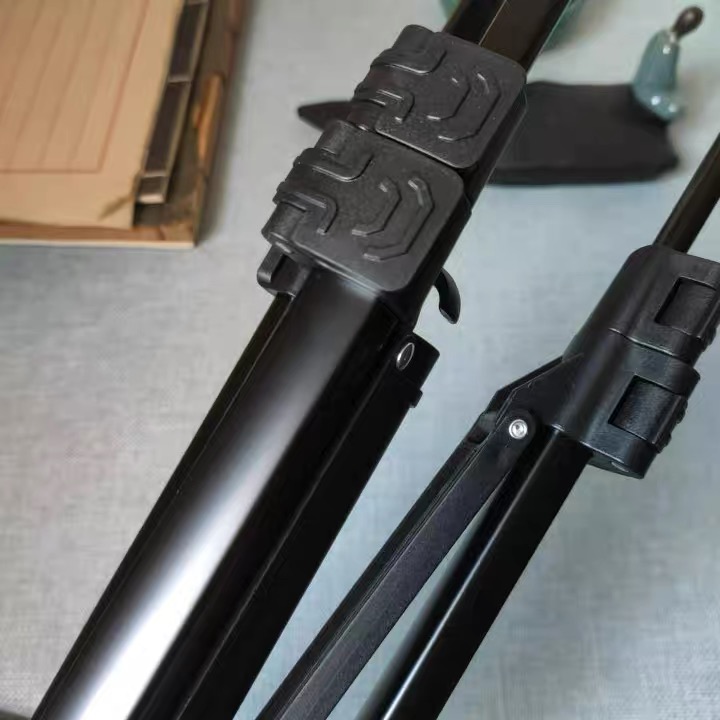
A manufacturer of professional camera tripods needed a rivet for the leg hinge assembly. The leg sections telescope and fold – any protruding rivet head would scrape against the inner leg tube during extension and retraction. The original semi‑tubular rivets provided low clearance but lacked the strength to maintain clamping force under repeated use. The customer needed full solid strength with a near‑flush profile.
Nuote Metals supplied 304 stainless steel flat head solid rivets – 4.0mm shank, 8.0mm flat head, 12.0mm overall length, passivated finish. The flat head sat only 0.8mm above the surface – low enough to clear the inner leg tube completely. The solid construction delivered permanent clamping force that would not loosen over thousands of extension cycles. The 304 stainless provided corrosion resistance against sweat and outdoor conditions.
The customer tested the rivets across 500 tripods. After 10,000 extension‑retraction cycles and one year of field use, zero loosening, zero scraping, zero rust. The customer has since used over 500,000 flat head solid rivets across their entire tripod line.
Custom Dimensions – Built to Your Specifications
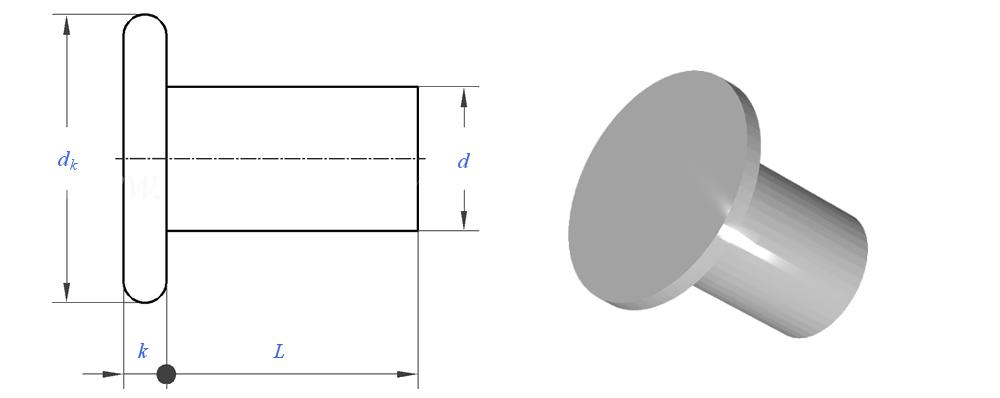
We manufacture flat head solid rivets to your exact specifications. Shank diameters from 0.8mm to 8.0mm are available, with overall lengths customised to your material stack thickness.
What we need from you:
- Shank diameter – from 0.8mm to 8.0mm
- Head diameter – flat, matched to your design requirement
- Overall length – or your total material stack thickness
- Material – steel, stainless steel, brass, copper, or aluminum
- Finish – zinc, passivated, lacquered, anodized, or plain
Standard sizes in stock – no tooling charge for existing specifications. Custom head diameters and special geometries may require tooling; we will advise at quotation stage.
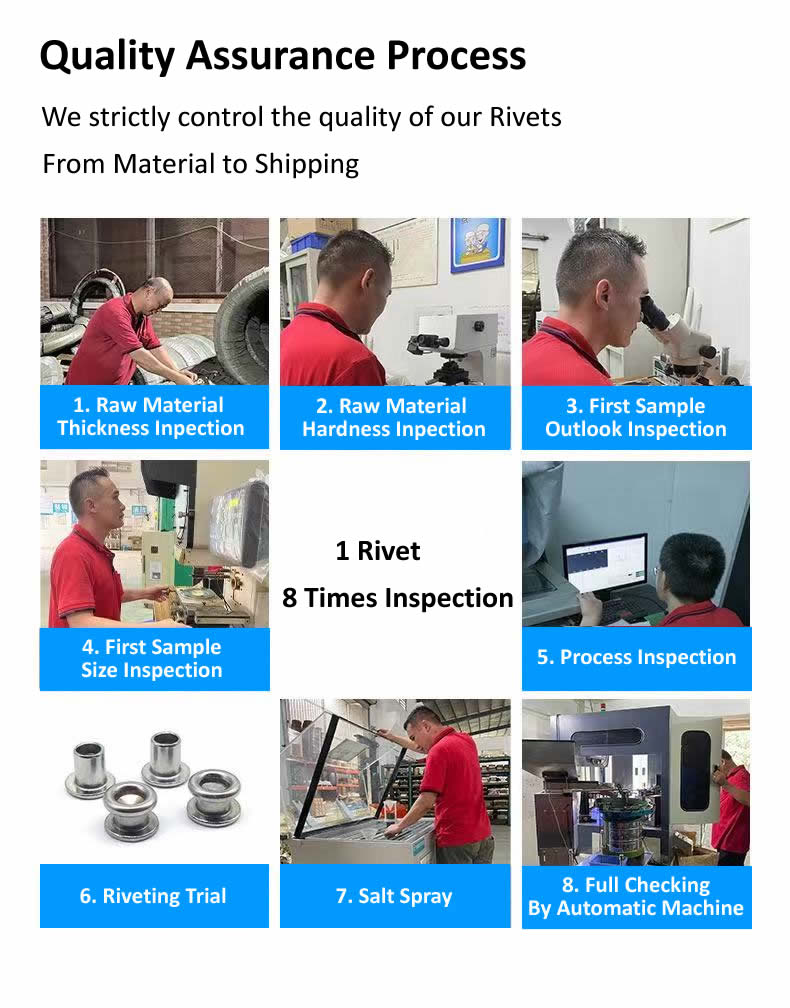
How We Make Flat Head Solid Rivets – Precision Cold Heading
Flat heads are harder to form than round heads. The metal wants to wrinkle at the sharp transition from shank to head. Our cold‑heading process prevents that – ensuring perfect flatness every time.
The process in sequence:
- Wire drawing – Raw material is drawn to exact shank diameter with a tolerance of ±0.02mm. This ensures every rivet fits your hole consistently.
- Cold heading – A multi‑stage forming process creates the flat head. The key difference from other head styles: a coining stage compacts the head to final thickness, eliminating wrinkles and ensuring flatness within ±0.05mm. This is critical for low‑clearance assemblies.
- Trimming – Flash around the head edge is removed. The result is a clean, burr‑free part that sits flush against your material.
- Tumbling – Micro‑burrs are eliminated, preparing the surface for plating or coating.
- Plating or coating – Applied as specified (zinc, passivation, lacquer, anodized, or plain).
Why our flat heads stay flat:
- The coining stage is not optional – it is built into the process
- Dies are polished to prevent sticking and surface marks
- Every batch is checked for head flatness – not just diameter
Quality Control – What We Check and Why:
| What | Tolerance | Why It Matters |
|---|---|---|
| Shank diameter | ±0.05mm | Must fit your hole precisely |
| Head diameter | ±0.15mm | Determines bearing surface |
| Head height | ±0.05mm | Critical for low‑profile clearance |
| Overall length | ±0.15mm | Must match your material stack |
| Head flatness | ±0.05mm | Ensures flush seating |
| Surface finish | Verified by XRF | Plating thickness meets specification |
Where Flat Head Solid Rivets Are Used
Flat head solid rivets are the preferred choice for low‑profile, high‑strength assemblies:
- Camera tripods – Leg hinges, extension mechanisms, folding joints
- Outdoor furniture – Folding frames, stackable chairs and tables
- Automotive – Interior trim, panel assemblies with clearance constraints
- Medical equipment – Hygiene‑critical surfaces, glove‑snag prevention
- Industrial equipment – Control panels, machine guards, sliding components
- Electronics enclosures – Tight‑clearance chassis assemblies
- Aerospace – Interior panels, seat components
- Luggage – Handle tracks, sliding mechanisms
Global Customers, Proven Quality
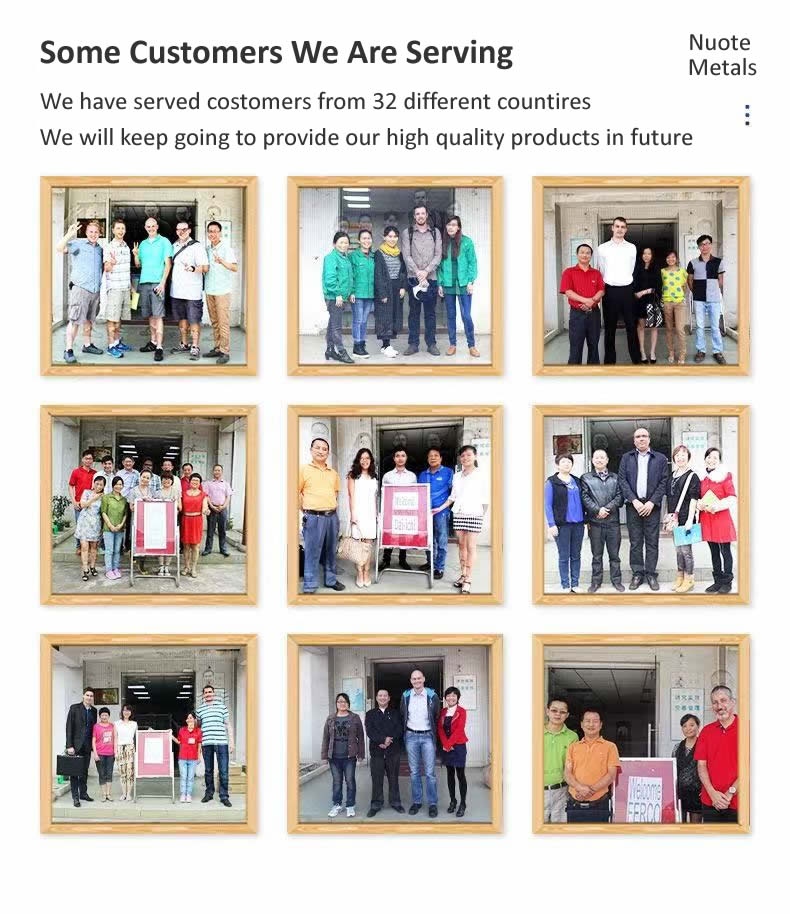
We work with manufacturers across North America, Europe, and Asia – from camera equipment brands to automotive suppliers to medical device manufacturers. The images above show some of our valued partners visiting our facility, collaborating on custom projects, and sharing their experiences with flat head solid rivets.
We do not rely on claims. Every shipment includes complete traceable documentation:
- Mill test certificate – Chemical composition and tensile properties
- Dimensional inspection report – Actual measured values from the batch
- Plating certificate – Thickness verification (if applicable)
- Certificate of Conformance – Signed, batch‑traceable
We also maintain:
- ISO 9001:2015 – Certified quality management system
- RoHS compliance – Verified by SGS testing
- REACH compliance – Current SVHC declaration
Three Questions We Answer Often
Q1: What is the difference between a flat head solid rivet and a flat head semi‑tubular rivet?
A: The difference is the tail design. A flat head solid rivet is fully solid – the entire shank deforms during installation, providing maximum shear and tensile strength. A flat head semi‑tubular rivet has a hollow cavity at the tail, reducing setting force by 70% but offering 80–90% of solid strength. Both have the same low‑profile head. Choose solid for structural, load‑bearing, and permanent assemblies where maximum strength is required. Choose semi‑tubular for high‑volume production where installation speed is critical and loads are moderate. For the tripod case above, solid was the right choice because the customer needed permanent clamping force in a moving assembly.
Q2: What materials are available for flat head solid rivets?
A: We manufacture flat head solid rivets in five material families:
- Low‑carbon steel – Strongest, most cost‑effective, zinc or nickel plated
- Stainless steel (304/316) – Permanent corrosion resistance, passivated as standard
- Brass (C2680) – Conductivity, non‑magnetic, decorative
- Copper – Highest electrical/thermal conductivity
- Aluminum (5052/5056) – Lightest, non‑magnetic
How do I select the correct overall length for a flat head solid rivet?
A: Select a length that will leave 1.2–1.5 times the shank diameter protruding past your material stack after insertion. For example, if you are joining two 2mm sheets (total 4mm) with a 5mm shank, you need 1.2 × 5mm = 6mm of shank protruding. Total length = 4mm (stack) + 6mm (protrusion) = 10mm. This protruding material forms the second head during setting. Send us your material stack thickness, and we will recommend the exact length.
What We Guarantee About Every Flat Head Solid Rivet
We do not just sell rivets. We guarantee:
- Strength – shear strength meets or exceeds your specification
- Fit – shank diameter within ±0.05mm of your specification
- Profile – head height within ±0.05mm for low‑clearance assemblies
- Material – composition verified by spectrometer on every coil
- Clinch – tested on your material before shipment
- Delivery – 5–7 days for standard sizes, 10–12 days for custom
If any rivet in your shipment fails to meet these standards, we will work with you to resolve the issue promptly – whether through replacement, rework, or process adjustment.
Hot Tags: Flat Head Solid Rivets,China Flat Head Rivets,Solid Rivets Supplier
Product Tag
Related Categories
Send Inquiry
Please feel free to fill your inquiry in the form below. We will reply you in 24 hours.



X
We use cookies to offer you a better browsing experience, analyze site traffic and personalize content. By using this site, you agree to our use of cookies.
Privacy Policy