
Products
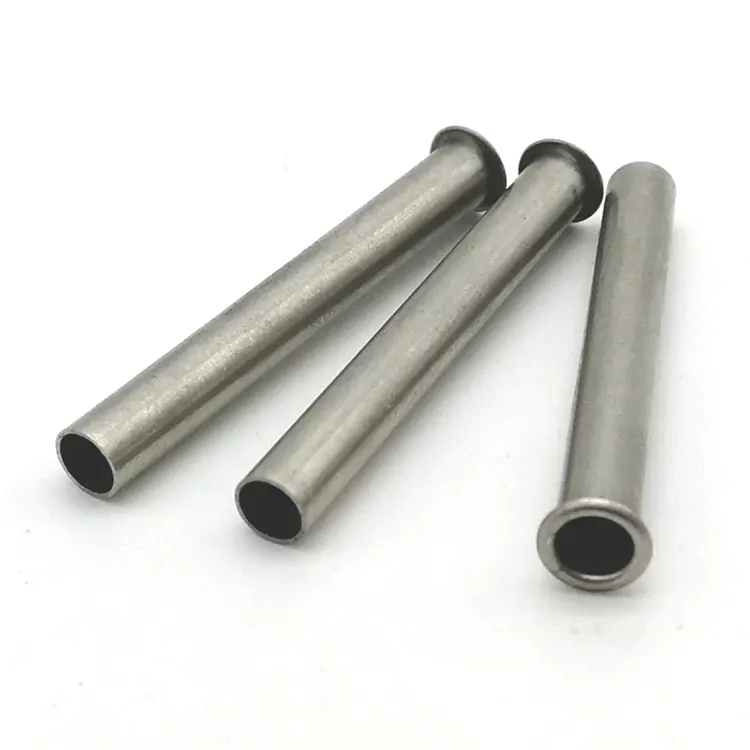
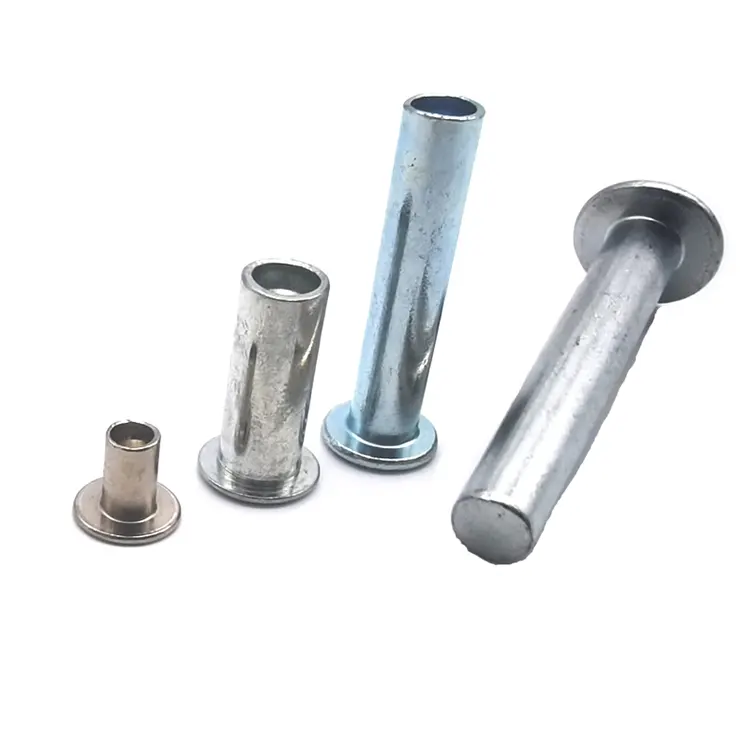
Iron Rivets
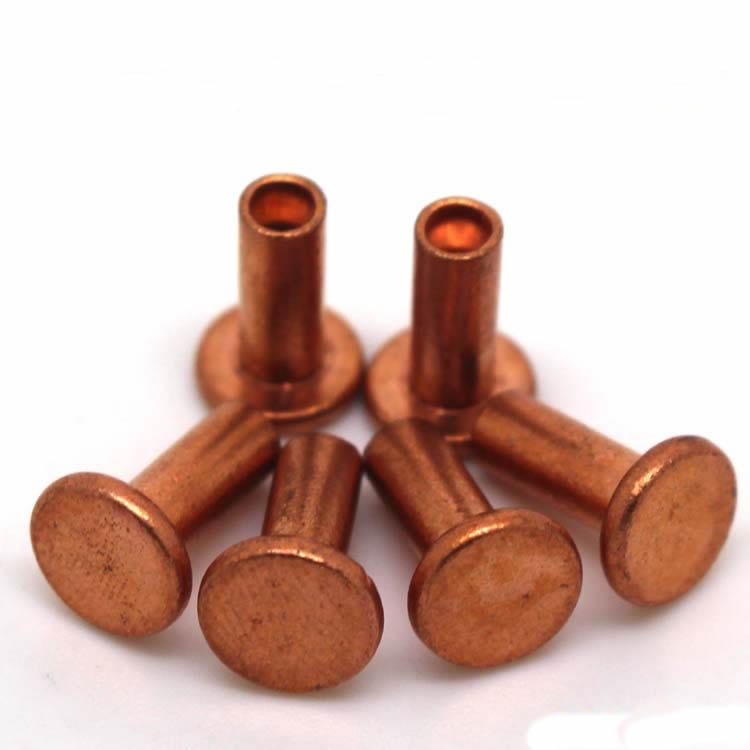
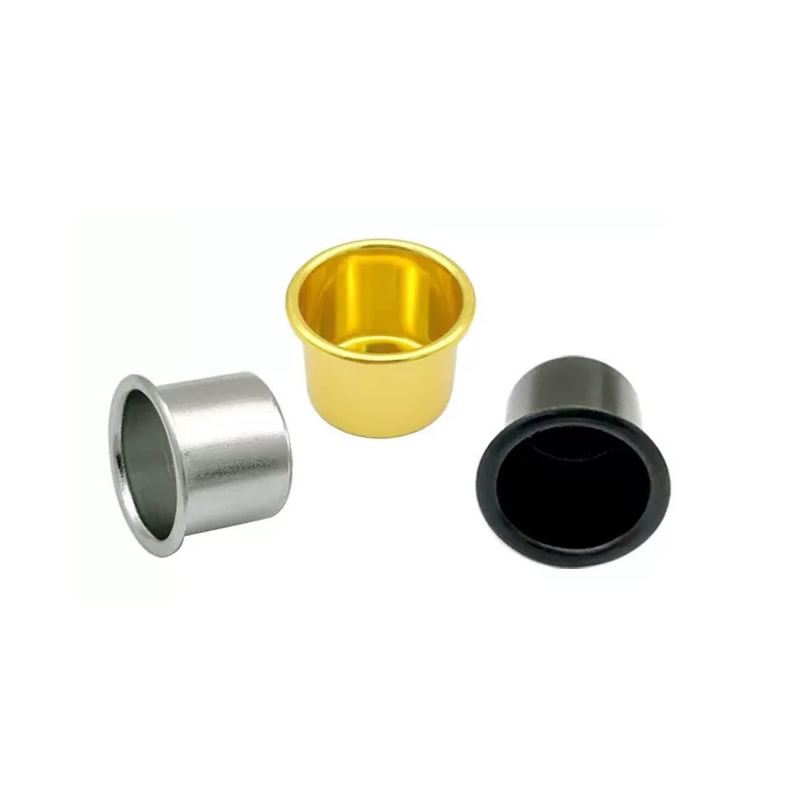
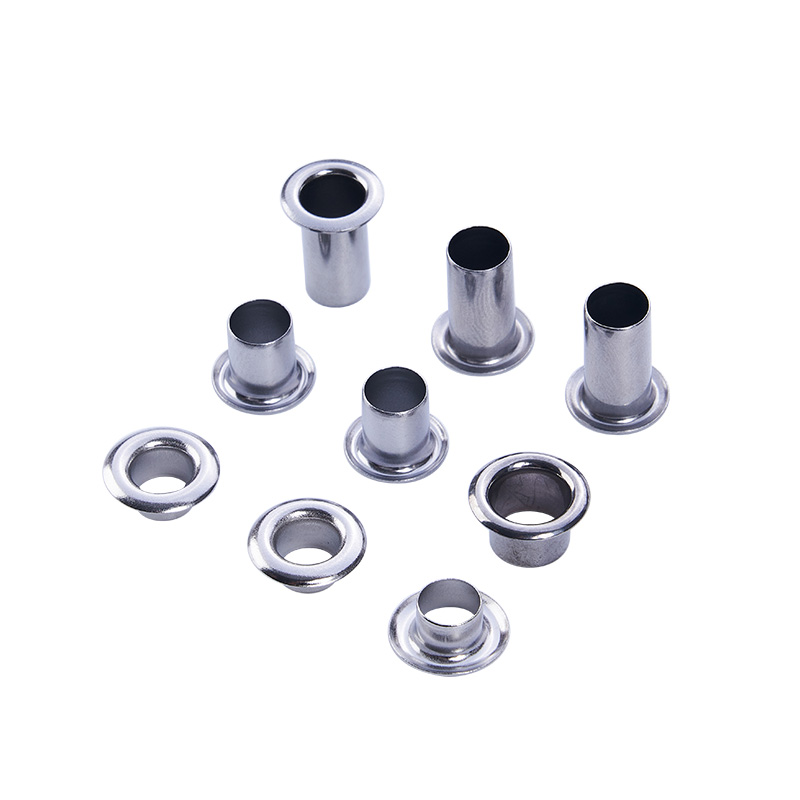
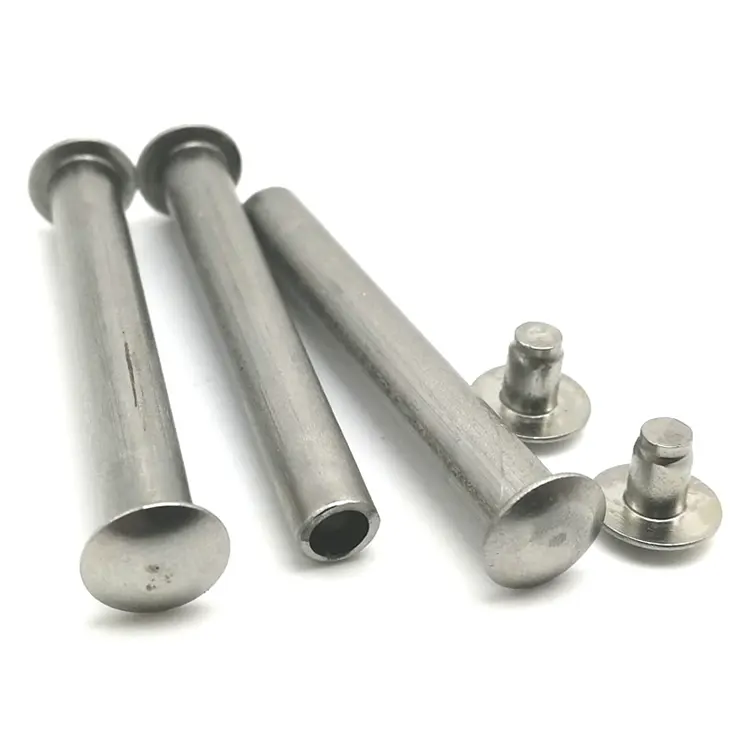
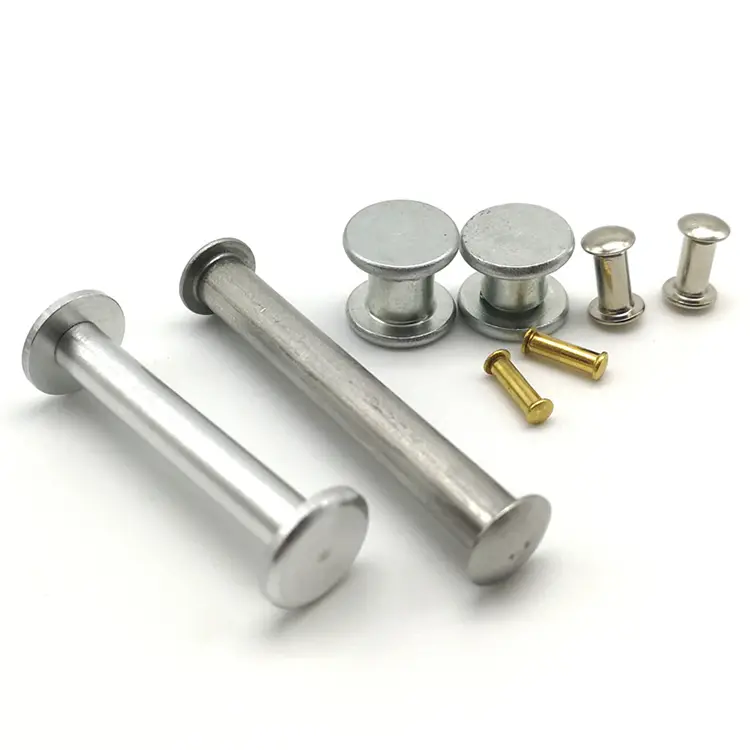
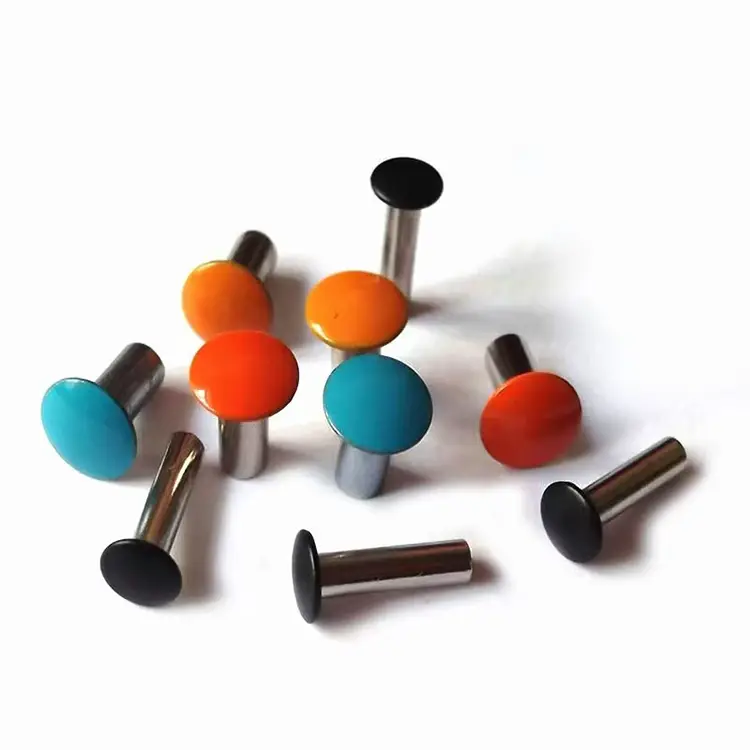
Nuote Metals manufactures iron rivets in solid, semi‑tubular, and full tubular designs – delivering the best combination of strength and economy in industrial fastening. Available in 1.5–8.0mm shank diameters with zinc plating or black oxide finish.
Send Inquiry
Product Description
Iron rivets are not fancy. They do not shine like brass. They do not resist corrosion like stainless. They are not lightweight like aluminum. But if you need maximum strength at minimum cost – and you need it in quantities of 50,000 or more – iron ones are the only sensible choice.
Steel is the most widely used rivet material in the world. Not because it is the best at any single thing – but because it delivers dependable performance at a price that makes industrial production viable. This is why they are found in everything from hand tools to heavy machinery to furniture that needs to last decades.

Iron vs. Alternatives – The Numbers That Drive the Decision
When you choose a rivet material, you are trading off three things: strength, cost, and corrosion resistance.
| Material | Tensile Strength (MPa) | Relative Cost | Corrosion Resistance | Best For |
|---|---|---|---|---|
| Iron (Low‑carbon steel) | 400 – 500 | Lowest | Depends on finish | Budget‑conscious industrial, high‑volume |
| Stainless steel | 620 – 750 | Higher | Excellent | Marine, outdoor, food |
| Brass | 315 – 390 | Medium | Good | Electrical, decorative |
| Aluminum | 220 – 350 | Medium | Good | Lightweight assemblies |
Iron wins on two fronts: strength and cost. It offers higher strength than brass or aluminum at a lower price than stainless. For most industrial assemblies – furniture, tools, equipment, hardware – this makes iron the logical choice.
The trade‑off: iron rusts. But that is why we offer zinc plating and black oxide finishes – to protect the material without significantly increasing cost.
What We Make – Three Designs, One Material
| Feature | Iron Solid Rivet | Iron Semi‑Tubular Rivet | Iron Full Tubular Rivet |
|---|---|---|---|
| Tail design | Fully solid | Partially hollow (45–55% of length) | Fully hollow (tube‑style) |
| Setting force | 100% | 25–30% of solid | 15–20% of solid |
| Shear strength | Maximum (100%) | 80–90% of solid | 60–70% of solid |
| Installation speed | Slower, requires heavy equipment | Fast, suitable for automated assembly | Fastest, lowest force required |
| Cost per unit | Lowest | Low | Low |
| Best for | Structural, load‑bearing, permanent assemblies | High‑volume production, thin materials, pivot joints | Lightweight assemblies, soft materials, bushings |
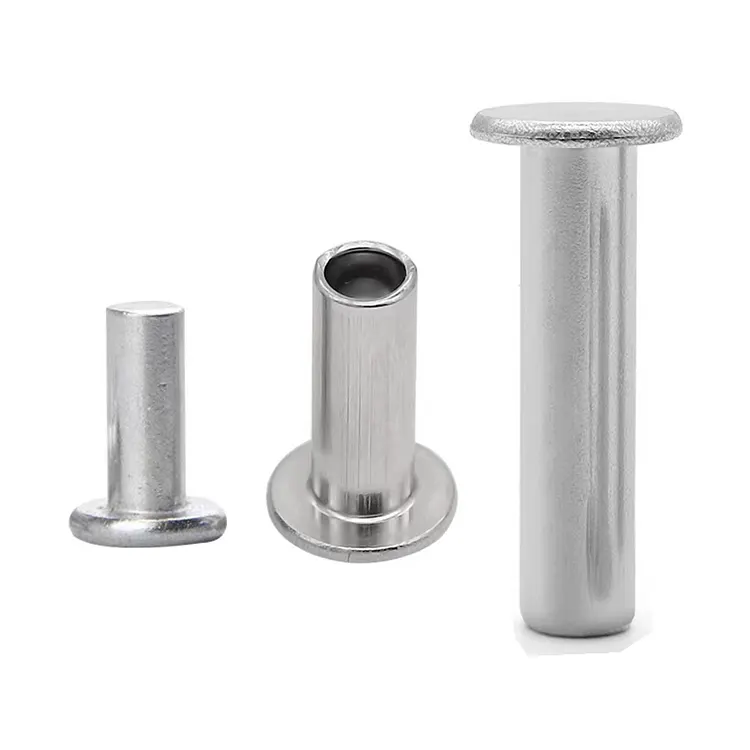
Solid iron rivets – The strongest option. Use for structural joints, heavy equipment, and applications where failure is not an option. More expensive to install but delivers maximum holding power.
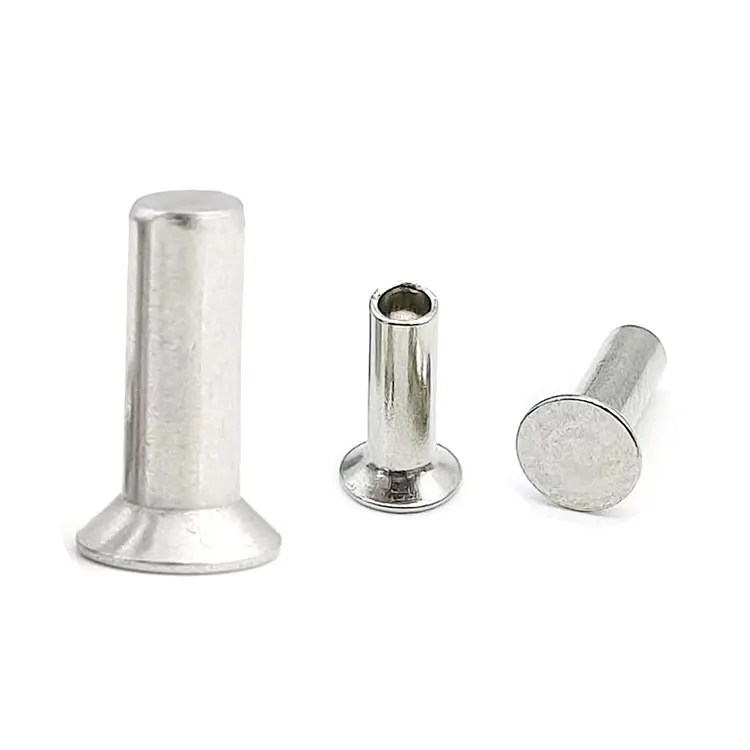
Semi‑tubular iron rivets – The most popular choice. 80–90% of solid strength at 25–30% of the setting force. Ideal for high‑volume production lines that need speed without sacrificing reliability.
Full tubular iron rivets – Lightest option. Use for soft materials, pivot points, or applications where you need to minimise installation force.
Real Application – Folding Table and Chair Set
A manufacturer of portable folding table and chair sets for outdoor activities needed a durable, low‑cost rivet for the scissor‑hinge joints on both the table frame and chair frames. The frames used 1.8mm thick steel tubing. The original solid rivets required high setting force, which deformed the tubing and slowed assembly. The customer also wanted a corrosion‑resistant finish for outdoor use.
Nuote Metals supplied zinc‑plated iron semi‑tubular rivets – 4.0mm shank, 7.0mm round head, 10.0mm barrel length. The semi‑hollow cavity cut setting force from 3.5 tons to 1.2 tons, eliminating tubing deformation. The yellow zinc plating provided 96 hours of salt spray resistance – enough for rain and occasional mud. The customer tested 1,000 rivets on 200 sets. After 5,000 folding cycles with a 50kg load on the table and 100kg on the chairs, no loosening or rust was observed. They now order our rivets in batches of 80,000 pieces annually.

Standard Options – Sizes, Head Styles, Finishes
Material: Low‑carbon steel (1008 / Q195 / SPCC)
Shank diameters: 1.5 – 8.0mm
Design: Solid, semi‑tubular, or full tubular
Head styles: Round, flat, oval, truss, countersunk
Finishes: Zinc‑plated (clear/blue/yellow), black oxide, plain (uncoated)
Lengths: Custom to your material stack thickness
| Shank (mm) | Head Styles | Typical Head Dia (mm) | Grip Range (mm) |
|---|---|---|---|
| 1.5 – 2.0 | Round / Flat / Oval | 2.8 – 4.2 | 1.0 – 3.0 |
| 2.5 – 3.0 | Round / Flat / Oval / Truss | 4.5 – 5.5 | 1.8 – 4.0 |
| 3.5 – 4.0 | Round / Flat / Oval / Truss | 5.5 – 7.2 | 2.5 – 5.0 |
| 4.5 – 5.0 | Round / Flat / Oval / Truss / Countersunk | 7.0 – 9.0 | 3.0 – 6.5 |
| 5.5 – 6.0 | Round / Flat / Oval / Truss / Countersunk | 9.0 – 10.8 | 3.5 – 8.0 |
| 6.5 – 8.0 | Round / Flat / Oval / Truss / Countersunk | 10.5 – 14.5 | 4.5 – 12.0 |
Tolerances: Shank ±0.05mm, head ±0.15mm, length ±0.15mm. Custom dimensions available. No tooling charge for standard sizes.
How We Build Rivets – Cold Heading for Strength and Speed
Rivets are formed through cold heading – the most efficient production method for high‑volume fasteners. Steel is the most forgiving material for this process, allowing us to achieve consistent results across all three designs.
The sequence:
- Wire drawing – Steel wire drawn to exact shank diameter (±0.02mm)
- Cut‑off – Sheared to blank length
- First blow – Blank is squared and centred
- Second blow – Carbide die forms the head
- Third blow – Punch creates the cavity (semi‑tubular or full tubular) or is omitted (solid)
- Trimming – Flash removed
- Tumbling – Micro‑burrs eliminated
- Plating or coating – Zinc or black oxide applied
Key advantage of iron: it work‑hardens during cold heading, increasing surface hardness by 15–20% without heat treatment. This means your rivets get stronger during manufacturing – not weaker.
Speed: Our cold‑heading presses run at up to 400 pieces per minute for semi‑tubular iron rivets, making this the fastest and most cost‑effective way to produce large quantities.
Quality Checks – How We Catch Issues Before They Reach You
We do not rely on luck. Every batch of rivets is run through a layered inspection system designed to catch defects at every stage.
Incoming wire inspection – Each coil of steel wire is checked for diameter (laser micrometer, ±0.02mm) and hardness (Rockwell tester, HRB 70–85). Any coil outside these limits is rejected before it reaches the production floor.
First‑off inspection – After tooling setup, the first 10 rivets are examined under 20× magnification for surface defects, then measured on an optical comparator. Head diameter, head height, shank diameter, overall length, and cavity depth must match the drawing. If any dimension is out of tolerance, the press does not start.
In‑process monitoring – During production, the operator pulls 5 rivets every 500 pieces. Critical dimensions are checked with digital calipers and a go/no‑go gauge for cavity depth. If the shank diameter drifts beyond ±0.05mm, the press stops immediately for tooling adjustment.
Clinch verification – Every 2,000 pieces, we set 3 rivets into a sample of your actual material (same thickness and type). The rolled clinch is inspected for symmetry, tightness, and crack‑free formation. If the clinch is weak or uneven, the batch is quarantined for review.
Plating verification – For zinc‑plated rivets, plating thickness is measured by XRF on every batch. Salt spray testing (ASTM B117) is performed on request, with certificates issued for each test.
Final sorting and release – Every rivet passes through an optical sorting machine with high‑speed cameras. It checks head diameter, head height, shank diameter, total length, and cavity depth. Rejects are automatically ejected. After sorting, a random AQL sample (Level II, 1.0) is manually verified.
All inspection records are retained for five years and included with every shipment. You get a dimensional report, a material certificate, and a signed Certificate of Conformance – so you know exactly what you are receiving.

Where They Are Used
Iron rivets are the most widely used rivet type across industries:
- Furniture manufacturing – Folding chairs, tables, bed frames, hinge assemblies
- Garden and outdoor equipment – Folding wagons, tools, barbeques, lawn equipment
- Hardware and construction – Hinges, brackets, locks, handles, architectural hardware
- Automotive – Interior trim, seat components, panel assemblies
- Agricultural equipment – Implement assemblies, frame connections
- Industrial equipment – Machinery guards, control panels, structural joints
- Luggage and cases – Handle attachments, corner brackets, hinge pins
- Pallet and crate assembly – Hinges, corner brackets, structural connections
Built for Production – And Backed by Documentation

We work with manufacturers across North America, Europe, and Asia – from furniture brands to automotive suppliers to industrial equipment manufacturers.

Every shipment includes:
- Mill test certificate – Chemical composition and tensile properties
- Dimensional inspection report – Actual measured values from the batch
- Plating certificate – Thickness verification (if applicable)
- Certificate of Conformance – Signed, batch‑traceable
Certified to: ISO 9001:2015, RoHS, REACH
Three Questions We Answer Often
Q1: What is the difference between an iron rivet and a steel rivet?
A: In the fastener industry, "iron rivet" and "steel rivet" generally refer to the same product – a rivet made from low‑carbon steel. The term "iron" is often used historically or colloquially, while "steel" is more technically precise. At Nuote Metals, we use both terms interchangeably to describe our low‑carbon steel rivets (1008, Q195, SPCC grades). All specifications and performance data are identical.
Q2: How do I choose between solid, semi‑tubular, and full tubular iron rivets?
A: Semi‑tubular is the default choice for most applications – 80–90% of solid strength at 25–30% of the setting force. Choose solid when you need maximum strength for structural, load‑bearing assemblies. Choose full tubular when you are working with soft materials, need minimal setting force, or require a bushing or pivot function. For the folding table and chair case above, semi‑tubular was the right choice – it reduced setting force while maintaining more than enough strength for the hinge joints.
Q3: How do I protect iron rivets from rust?
A: They need protection from moisture. Our standard finishes are zinc plating (clear, blue, or yellow) which provides 48–96 hours of salt spray resistance – sufficient for indoor and sheltered outdoor use. Black oxide offers mild corrosion protection with a matte, anti‑glare appearance. For continuous outdoor or coastal exposure, we recommend switching to stainless steel rivets. For the folding table and chair case, yellow zinc plating provided 96 hours of protection against occasional rain and mud.
Hot Tags: China Iron Rivets,Iron Rivets Manufacturer,Iron Rivets Supplier
Related Categories
Send Inquiry
Please feel free to fill your inquiry in the form below. We will reply you in 24 hours.



X
We use cookies to offer you a better browsing experience, analyze site traffic and personalize content. By using this site, you agree to our use of cookies.
Privacy Policy