
Products
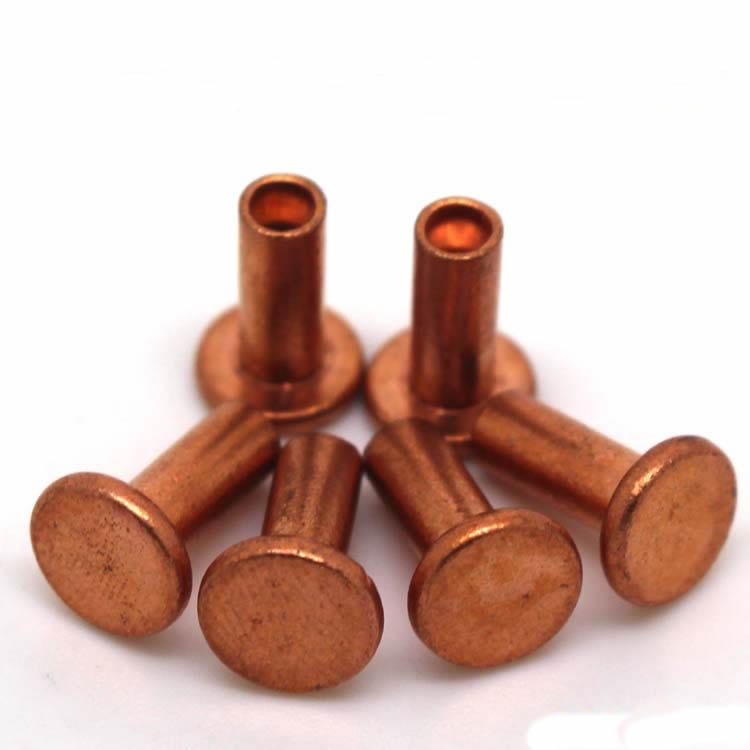
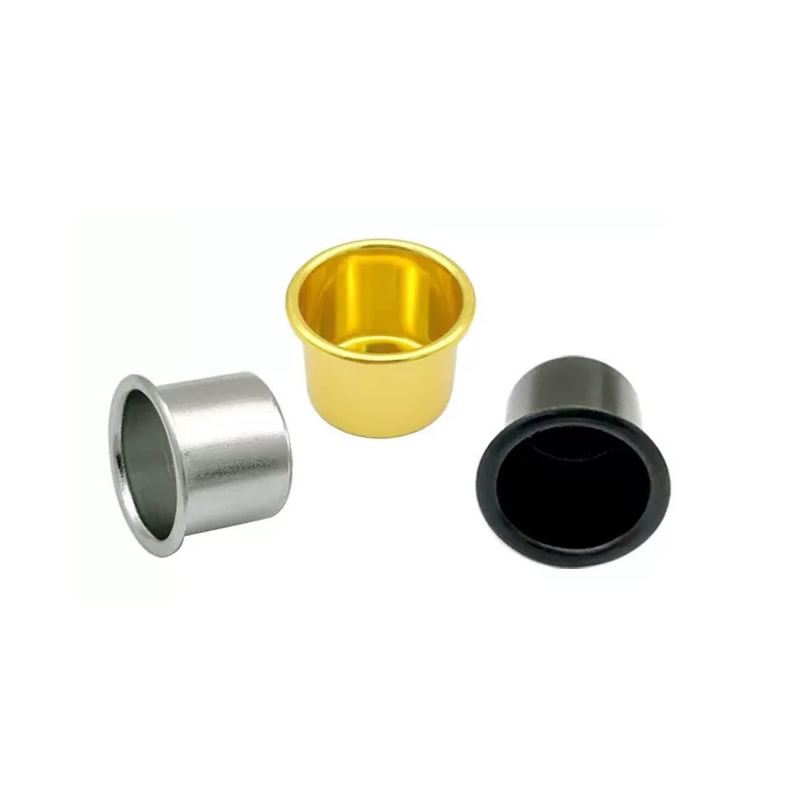
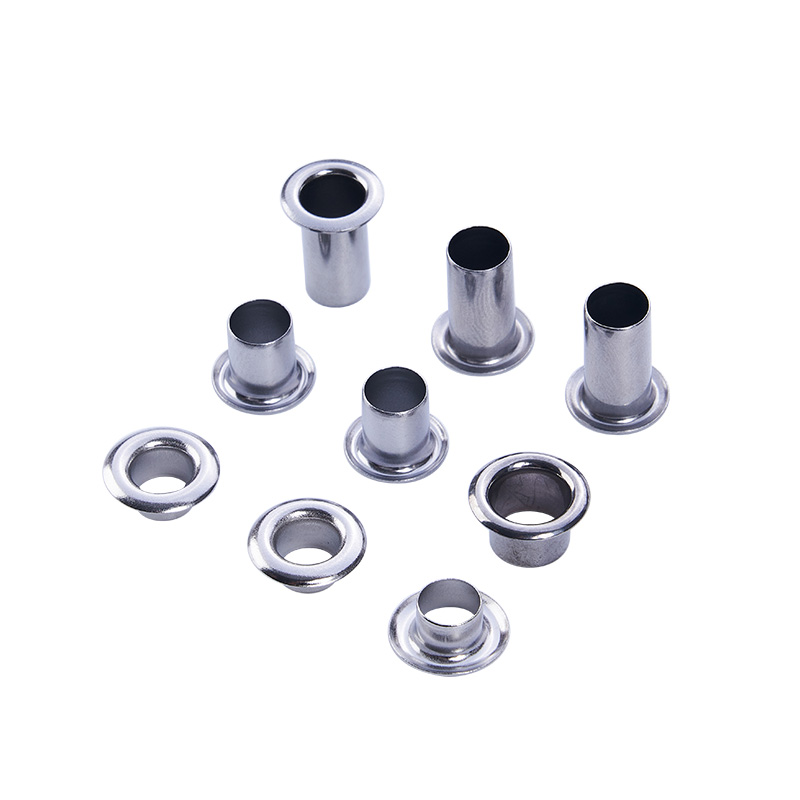
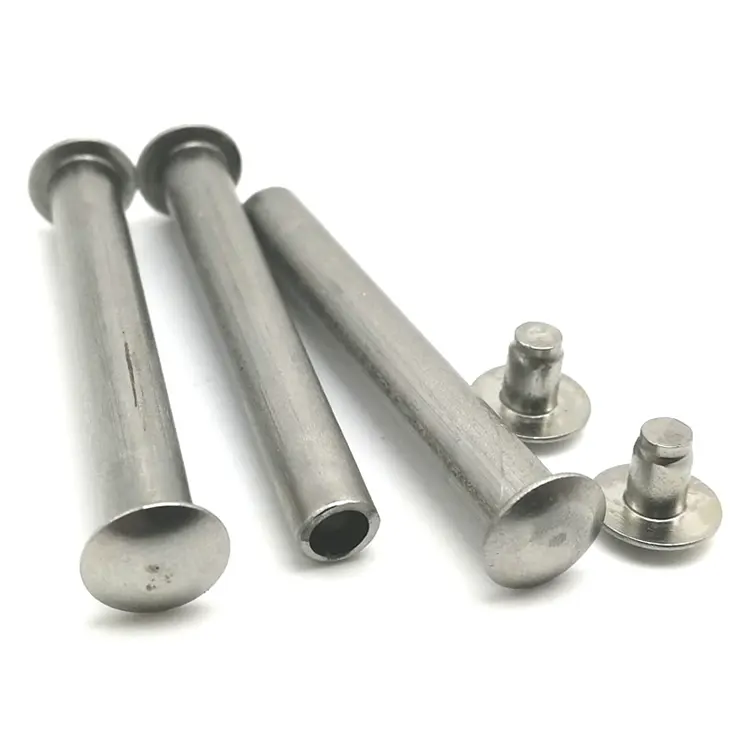
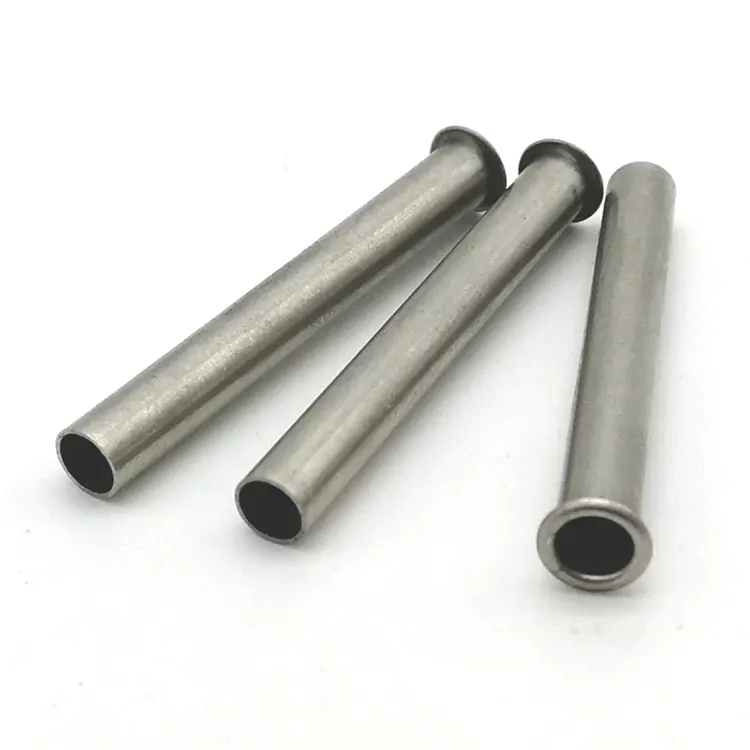
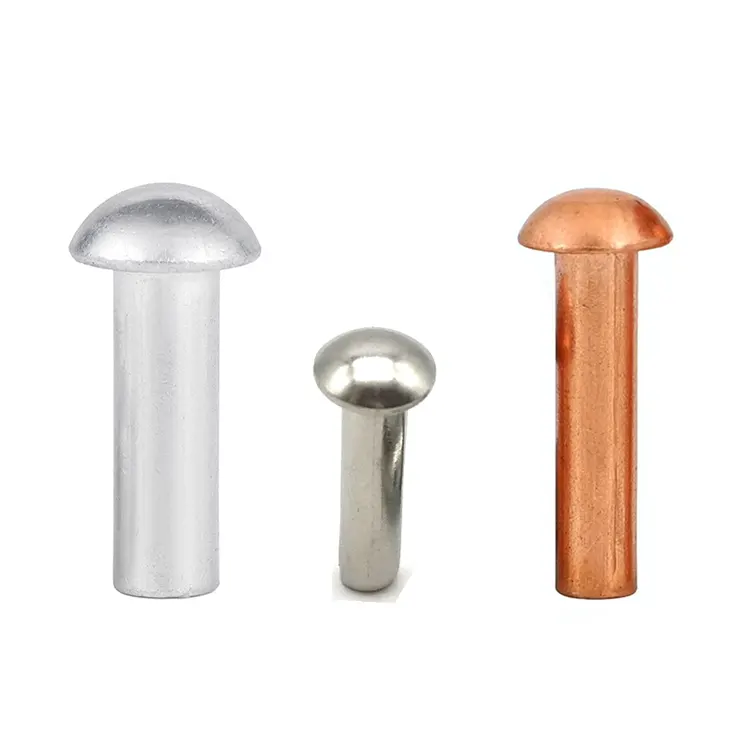
Mushroom Head Rivets
Nuote Metals is a China-based manufacturer of mushroom head rivets in solid and semi‑tubular designs – featuring a wide, gently radiused dome that distributes load evenly without cutting into soft materials. Available in 1.5–8.0mm shank diameters, five material families, and custom lengths. ISO‑certified quality, full traceability, and free samples available – contact us to get started.
Send Inquiry
Product Description
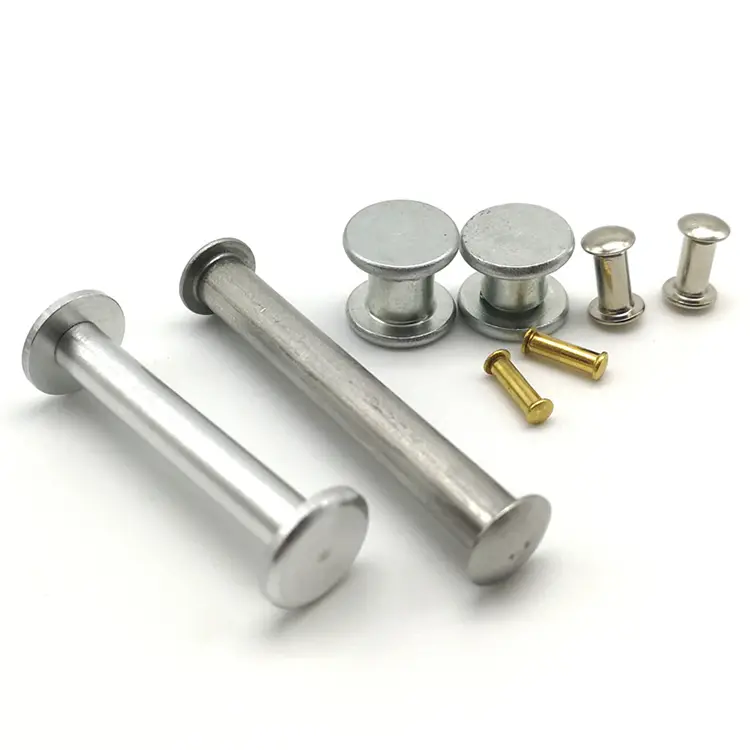
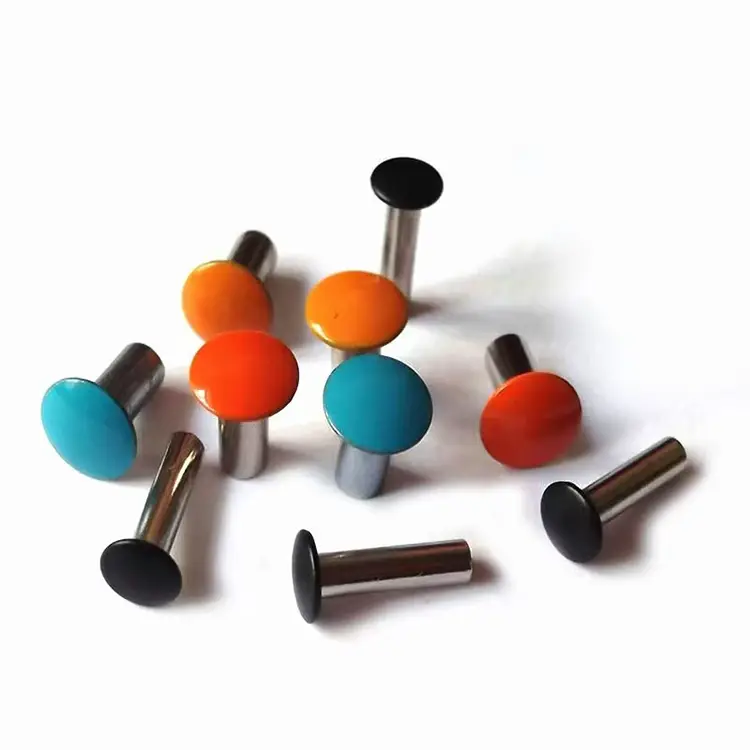
Mushroom head rivets are what you specify when a round head is too sharp and a flat head is too wide. As a manufacturer serving customers worldwide, we produce mushroom head rivets with a wide, low dome – 2.2–2.5 times the shank diameter – with a generous radius at the edge. That radius is the key difference: unlike a round head or truss head, the mushroom head has no sharp transition from head to material.
When the rivet will contact soft materials – leather, fabric, plastic, or human skin – the mushroom head is the safe choice. It won't cut, tear, or abrade. It distributes load without leaving a mark.
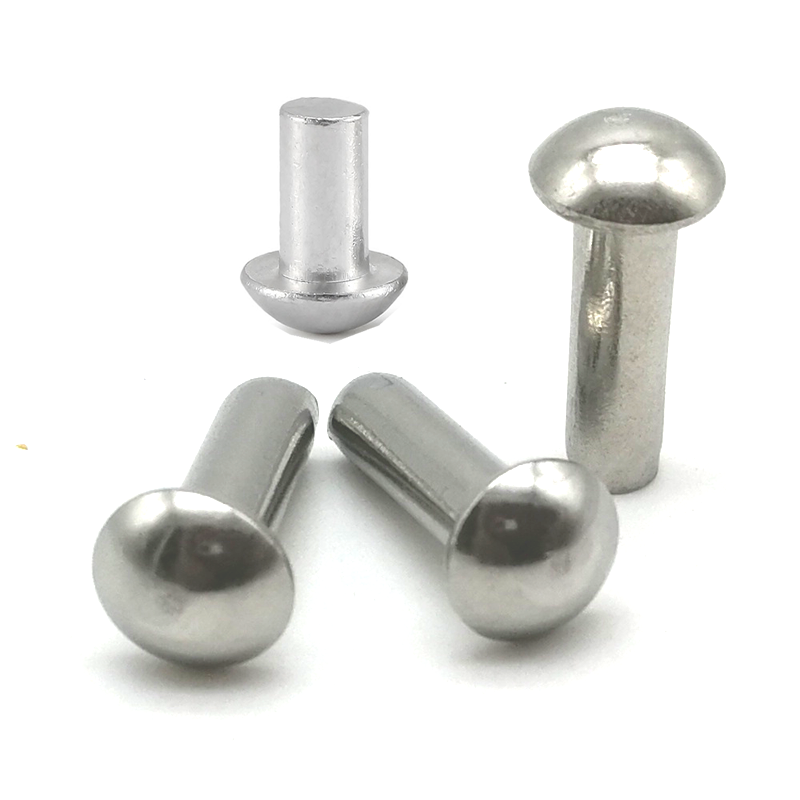
Mushroom vs. Round vs. Truss – Where the Mushroom Head Wins
| Feature | Mushroom Head Rivets | Round Head Rivets | Truss Head Rivets |
|---|---|---|---|
| Head diameter / shank ratio | 2.2 – 2.5 : 1 | 1.6 – 1.8 : 1 | 2.2 – 2.8 : 1 |
| Head height | Low (30–35% of head dia) | Tall (45–50% of head dia) | Low (25–30% of head dia) |
| Edge radius | Large, smooth | Small, distinct | Moderate |
| Best for | Leather, fabric, soft materials, skin contact | Metal‑to‑metal, high‑shear | Oversized holes, soft materials |
| Pull‑through resistance | Excellent | Moderate | Excellent |
| Snag risk | Lowest of any head | Moderate | Low |
| Appearance | Low, smooth, mushroom‑shaped | Classic dome | Wide, low, industrial |
When to choose mushroom head:
- The rivet contacts leather, fabric, or soft materials
- The rivet will be near skin or clothing
- You need a wide bearing surface with a smooth edge
- You want the head to look subtle but substantial
Two Designs, Five Materials – What We Offer
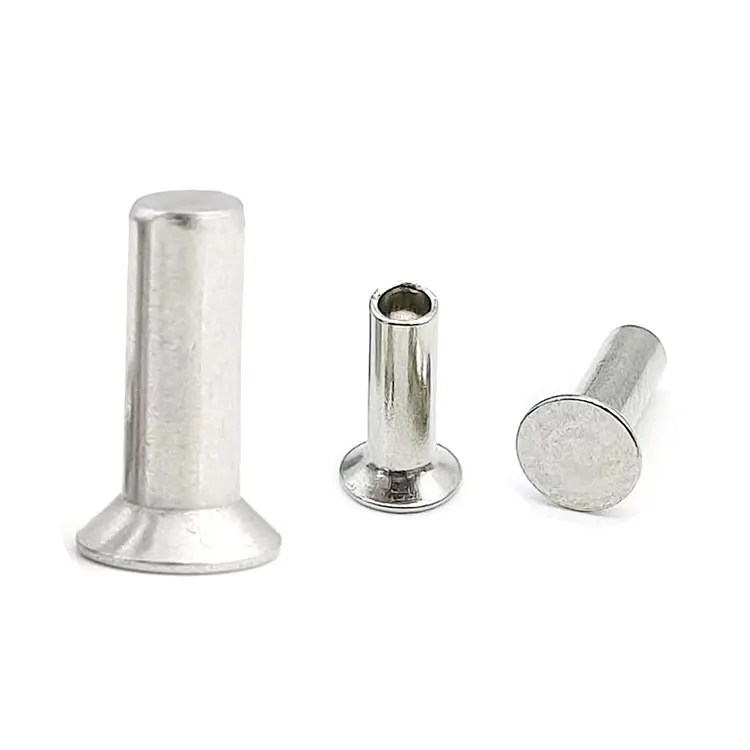
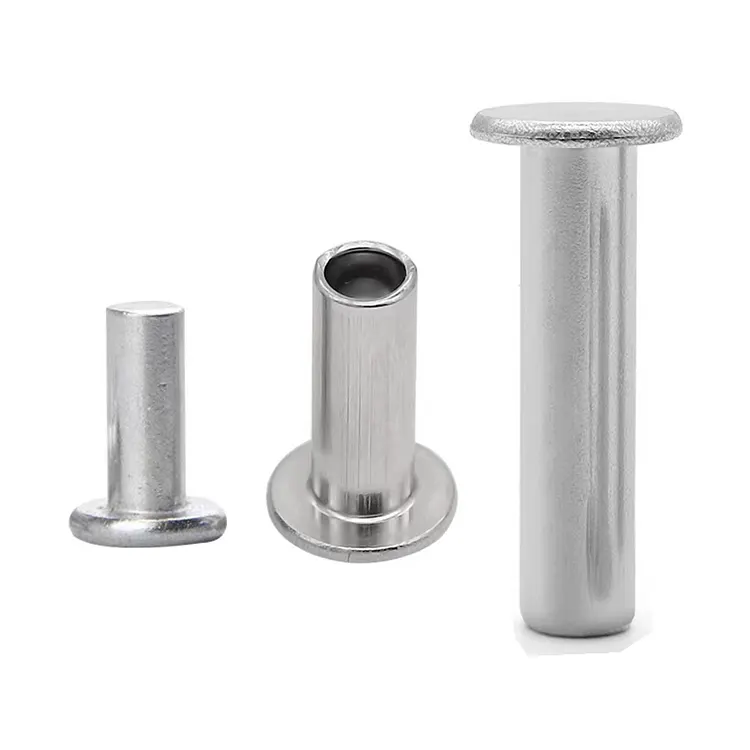
Mushroom head rivets are available in two designs to match your application requirements. Full tubular is not available for this head style due to the wide, low dome geometry which requires a thicker wall for proper forming.
Which design to choose:
- Solid – The entire shank is solid. Maximum shear and tensile strength. Use for structural applications, load‑bearing joints, and assemblies where failure is not an option. Higher setting force required.
- Semi‑tubular – A cavity at the tail reduces setting force by 70%. Use for high‑volume production, thin materials, and assemblies where you want to protect the surrounding material. 80–90% of solid strength.
Materials available: Low‑carbon steel, stainless steel (304/316), brass (C2680), copper (C11000), aluminum (5052/5056)
Finishes: Zinc‑plated, black oxide, passivated, lacquered, nickel‑plated, antiqued, anodized, plain – depending on material.
| Material | Strength | Corrosion Resistance | Best Application |
|---|---|---|---|
| Low‑carbon steel | Highest | Depends on finish | Industrial, cost‑sensitive |
| Stainless steel (304/316) | Very high | Excellent | Marine, outdoor, medical |
| Brass (C2680) | Moderate | Good | Decorative, electrical, leather goods |
| Copper (C11000) | Moderate | Good | Electrical, thermal, antimicrobial |
| Aluminum (5052/5056) | Moderate | Good | Lightweight, non‑magnetic |
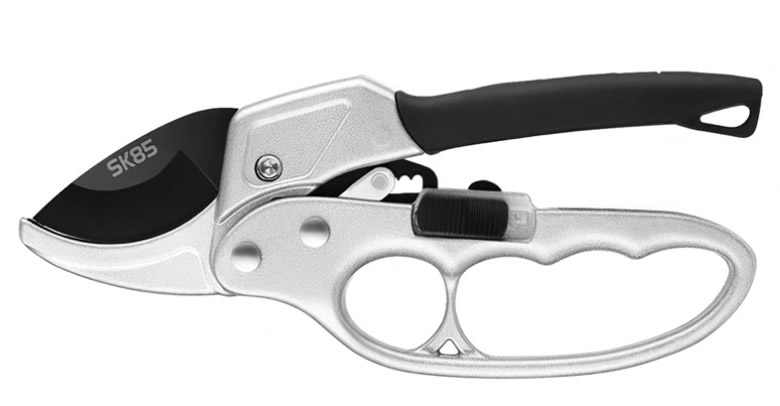
One Real Application – Garden Pruning Shears
A manufacturer of garden pruning shears was using round head rivets for the pivot joint. The round head protruded above the blade surface and caught on gardeners' gloves during use. The exposed dome also collected dirt and sap. The manufacturer wanted a rivet head that would sit flush‑adjacent without requiring countersinking, and that would not catch on gloves or fabric.
Nuote Metals supplied stainless steel mushroom head semi‑tubular rivets – 4.0mm shank, 9.5mm mushroom head, 8.0mm barrel length, passivated finish. The wide, low mushroom head sat just above the blade surface with a smooth, radiused edge that did not catch on gloves. The semi‑tubular cavity kept setting force low, preventing damage to the blade material. The passivated stainless steel resisted corrosion from moisture and plant sap.
The manufacturer tested 500 rivets across 500 shears. After 10,000 cutting cycles and field testing, no snagging, no corrosion, no loosening. They now order mushroom head rivets in batches of 100,000 pieces annually.
Standard Options – Custom to Your Specification
They are manufactured to your exact requirements. Head diameter, head height, and edge radius are matched to your material and aesthetic needs.
What we need from you:
- Shank diameter – 1.5mm to 8.0mm
- Head diameter – matched to your material thickness and appearance
- Head height – matched to your clearance requirement
- Edge radius – we recommend maximum for soft materials
- Overall length – or your total material stack thickness
- Material – steel, stainless, brass, copper, or aluminum
- Design – solid or semi‑tubular
- Finish – zinc, passivated, lacquered, nickel, anodized, antique, etc.
We recommend: For leather and fabric applications, we recommend the maximum edge radius – this gives you the smoothest possible edge and the lowest risk of cutting.
Sample lead time: 5–10 days for standard mushroom head specifications. Contact our sales team for custom requirements.
The Mushroom Head Profile – Why the Radius Matters More Than You Think
The mushroom head is easy to recognize: it looks like – you guessed it – a mushroom. Wide, low, and smooth. But that simple shape requires more attention than you might expect.
What makes a mushroom head different:
The edge radius is the most important dimension – Unlike a round head or truss head, the mushroom head‘s edge is generously radiused. No sharp transition from head to material. This radius is what prevents the rivet from cutting into leather, fabric, or soft materials. It is not optional – it is the entire point of the mushroom head.
The dome shape – The mushroom head is lower than a round head but higher than a flat head. It is intentionally low – about 30–35% of the head diameter. This reduces snagging without sacrificing bearing area.
The underside must be flat – The bearing surface is where the load transfers to your material. If the underside is uneven, the load concentrates in one spot. We check this on every batch.
How we make it consistent:
- Multi‑stage heading – The wide, low dome is formed in multiple blows to prevent wrinkling or uneven metal flow.
- Polished dies – The edge radius is cut into the die. If the die has a scratch or a sharp corner, every rivet will have that defect.
- Radius verification – We check the edge radius on every first article using a comparator. Tolerance: ±0.1mm.
The result: Mushroom heads that sit securely on soft materials, distribute load evenly, and leave your product looking and feeling premium.
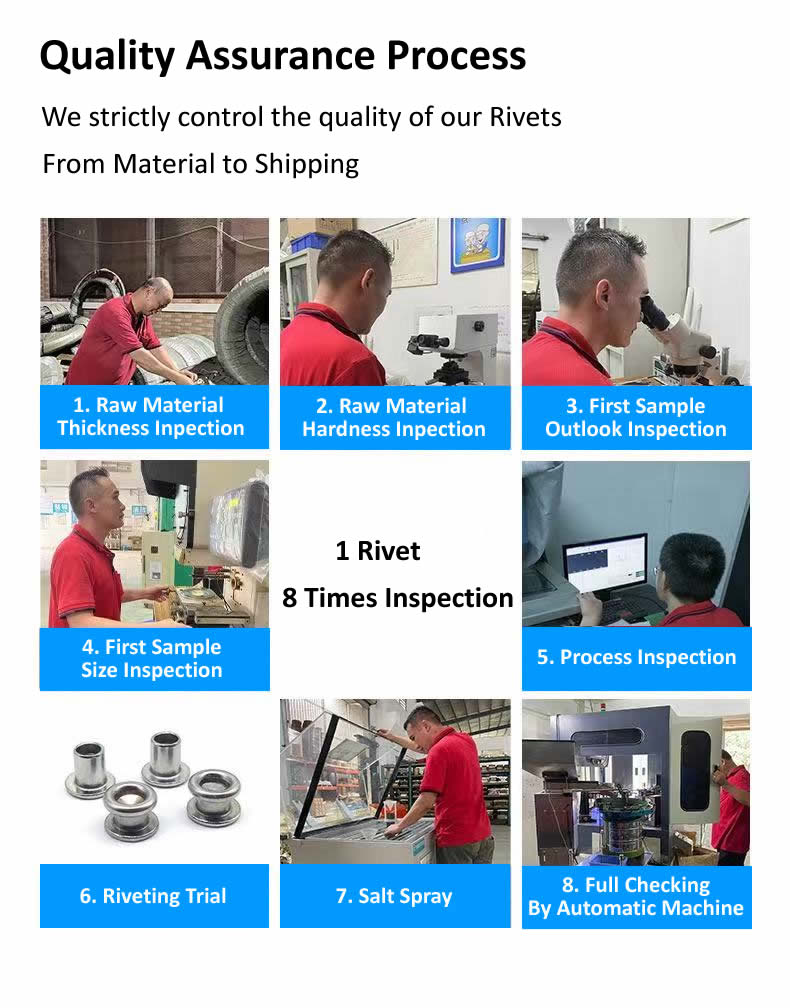
Quality Control – What Makes a Mushroom Head Fail, and How We Prevent It
Most quality issues with mushroom head rivets come from three things: the edge radius being too sharp, the underside being uneven, or the head being too tall. We check all three on every batch.
| Check | Tolerance | Risk If Missed |
|---|---|---|
| Shank diameter | ±0.05mm | Rivet doesn‘t fit your hole |
| Head diameter | ±0.15mm | Uneven bearing or appearance |
| Head height | ±0.10mm | Too tall – snags; too low – weak head |
| Edge radius | ±0.10mm | Sharp edge cuts leather/fabric |
| Underside flatness | ±0.05mm | Uneven load distribution, material damage |
| Overall length | ±0.15mm | Weak clinch or buckled barrel |
| Cavity depth (semi‑tubular) | 45–55% of barrel | Setting force too high or clinch weak |
| Surface finish | Pass/fail | Tool marks visible on finished product |
Our process:
- Incoming wire – Diameter and hardness checked before production starts.
- First article – 10 rivets measured on optical comparator. Head diameter, head height, and edge radius verified.
- In‑process – 5 rivets every 500 pieces. Head height and edge radius spot‑checked.
- Setting test – Every 2,000 pieces, set into sample leather or fabric. Material is inspected for cutting, tearing, or marking.
- Final sorting – 100% optical inspection. AQL sample manually verified.
What You Actually Receive – A Complete Record of What We Made
We do not just ship rivets. We ship a record of exactly what was produced and how it was verified.
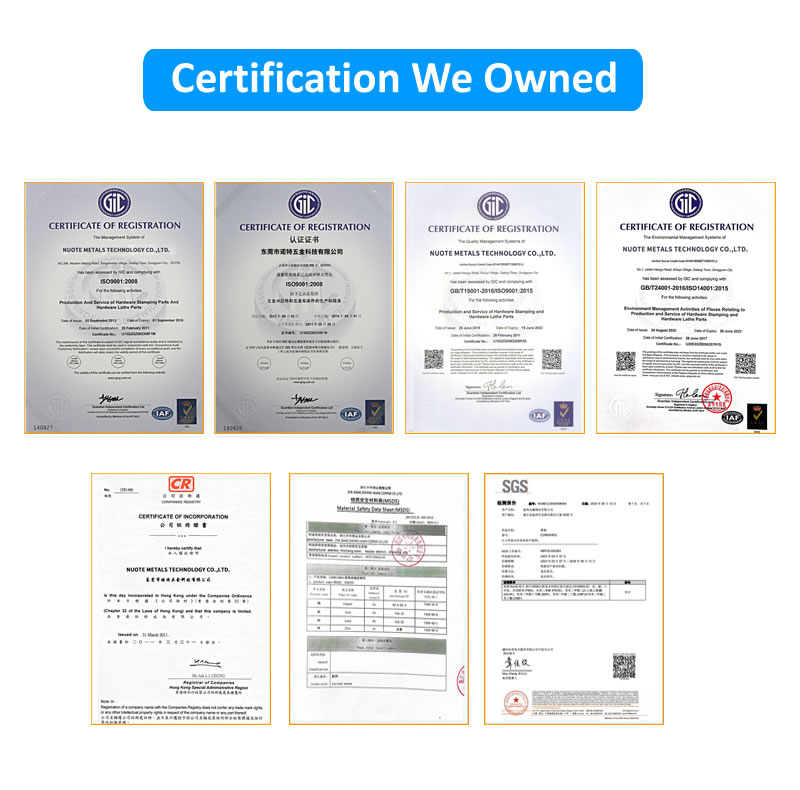
The package includes:
- Material certificate – Chemical composition and tensile strength of the coil used
- Inspection sheet – Actual measurements of 10 rivets from the batch – including edge radius verification
- Finish certificate – Plating thickness verified by XRF (if applicable)
- Conformance document – Signed by our QA manager, batch‑traceable
Why the edge radius check matters: If your mushroom head cuts into leather, it is a field failure. We include the radius verification in every inspection sheet so you know the heads are smooth.
Certified to: ISO 9001:2015, RoHS, REACH
Where Mushroom Head Rivets Are Used
- Leather goods – Bags, belts, wallets, saddlery, dog collars – any visible rivet on leather
- Apparel – Denim, workwear, outdoor gear – where rivets contact fabric or skin
- Furniture – Upholstery, leather chairs, sofas – where the rivet is visible and touched
- Marine – Canvas attachments, boat interiors – where soft materials meet hardware
- Automotive – Interior trim, seat covers, soft panel assemblies
- Sporting goods – Backpacks, camping gear, safety harnesses – where fabric and webbing need reinforcement
- Medical – Soft goods, braces, wearable devices – where skin contact is a concern
- General manufacturing – Any assembly where the rivet contacts soft or delicate materials
Three Questions We Answer Often
Q1: What is the difference between a mushroom head and a truss head – they both look wide and low?
A: The difference is the edge profile. A mushroom head has a generous radius at the edge – smooth, rounded, no sharp transition. A truss head has a sharper edge – less radius, more defined. The mushroom head is specifically designed for applications where the rivet contacts soft materials like leather or fabric. The truss head is designed for maximum bearing surface in applications like plastic or oversized holes. If you run your finger across the edge, the mushroom head will feel smooth and finished; the truss head will feel more defined.
Q2: Which design should I choose for a garden tool pivot joint – solid or semi‑tubular?
A: Semi‑tubular is the default choice for most garden tool applications – 80–90% of solid strength at 25–30% of the setting force. The lower setting force reduces the risk of damaging the blade material. Choose solid for heavy‑duty tools where maximum shear strength is required. In the pruning shear case above, semi‑tubular provided enough strength while protecting the blade.
Q3: What is the best finish for mushroom head rivets used on leather goods?
A: For leather goods, the finish should match the hardware. Antique brass or nickel‑plated are the two most popular choices. Antique brass develops a natural patina that complements vegetable‑tanned leather. Nickel‑plated provides a bright, modern silver finish. For outdoor or rugged applications, consider stainless steel (passivated finish) for permanent corrosion resistance. In all cases, the finish should be smooth – any rough plating will feel cheap and may abrade the leather.
Hot Tags: Mushroom Head Rivets,China Mushroom Head Rivets,Mushroom Head Rivets Manufacturer
Related Categories
Send Inquiry
Please feel free to fill your inquiry in the form below. We will reply you in 24 hours.



X
We use cookies to offer you a better browsing experience, analyze site traffic and personalize content. By using this site, you agree to our use of cookies.
Privacy Policy