
Products
Pan Head Rivets
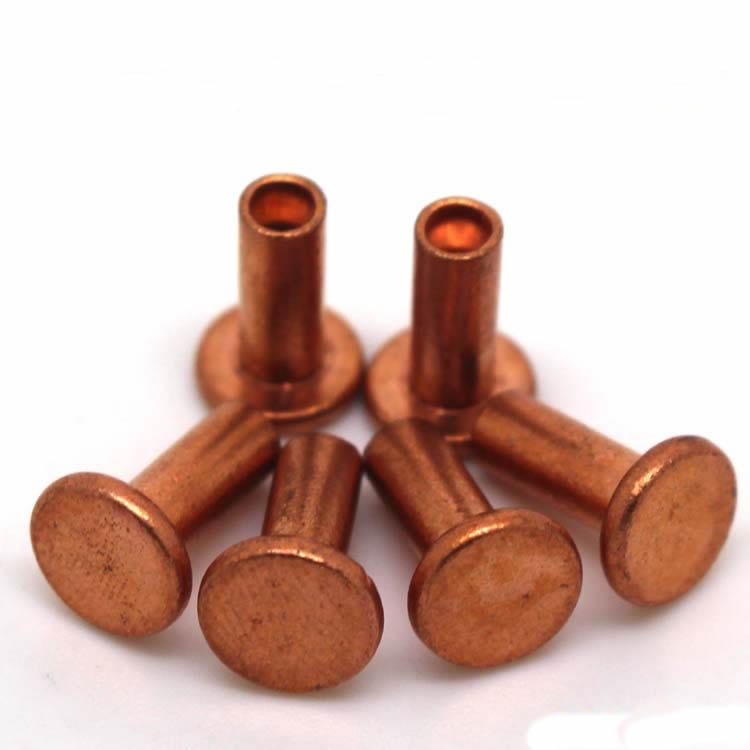
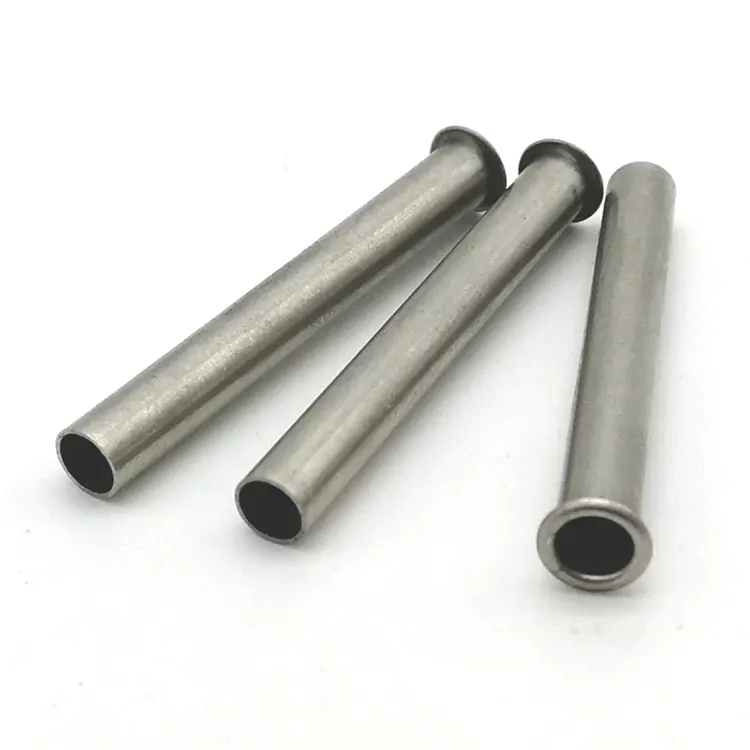
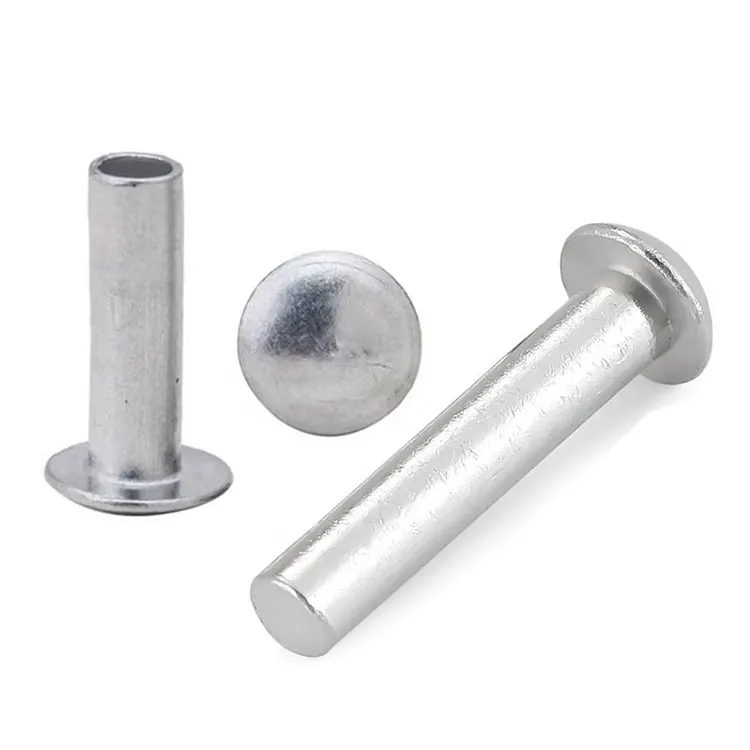
Nuote Metals manufactures pan head rivets in solid and semi‑tubular designs – featuring a medium‑height dome with a short straight sidewall that offers more bearing area than a round head and more head height than a flat head. Available in 1.5–8.0mm shank diameters, five material families, and custom lengths. ISO‑certified quality, full traceability, and free samples available – contact us to get started.
Send Inquiry
Product Description
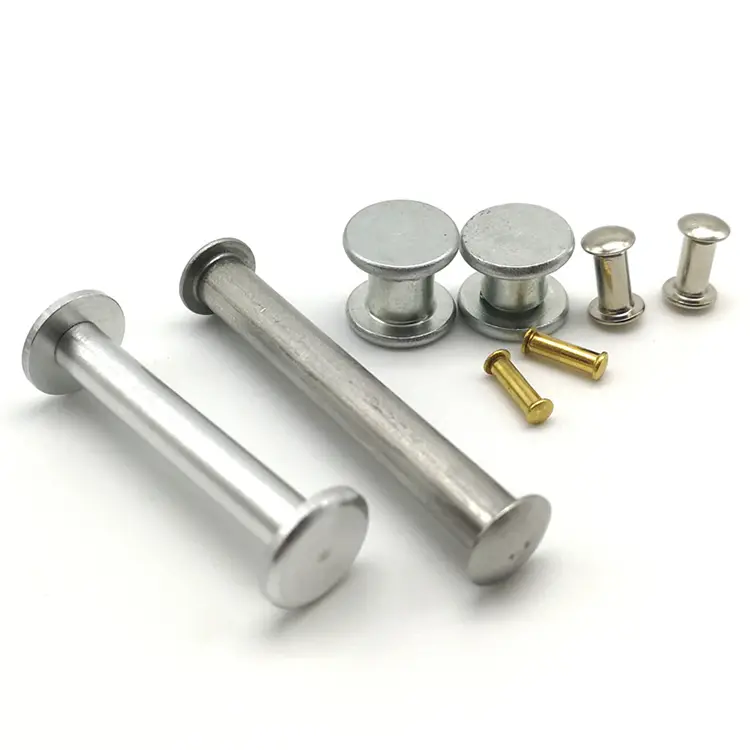
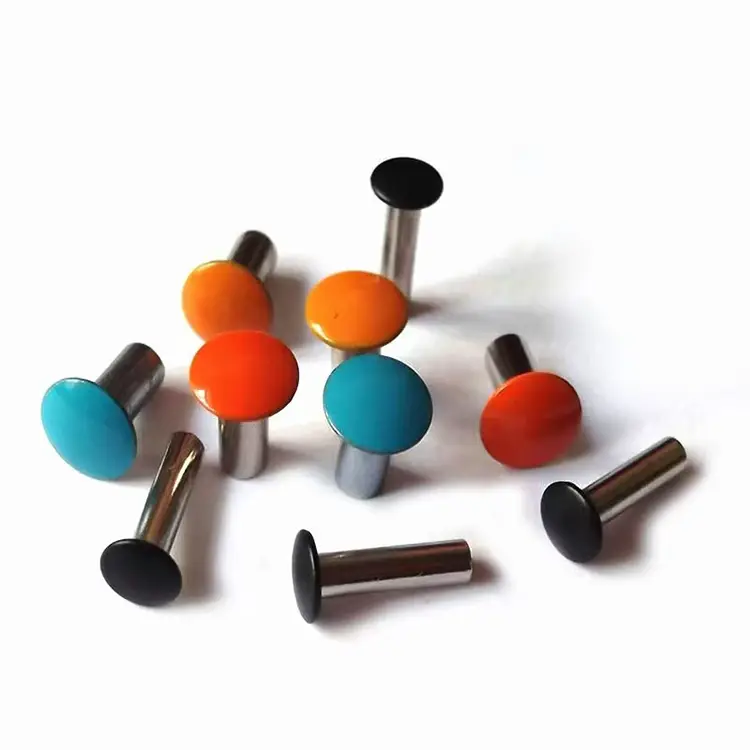
Pan head rivets are what engineers specify when they need something between a round head and a flat head. The pan head has a wider bearing surface than a round head (1.8–2.2× shank diameter versus 1.6–1.8×) but more head height than a flat head. The short straight sidewall gives it a clean, finished appearance that sits well on visible assemblies without looking bulky.
When a round head is too prominent and a flat head is too low, the pan head is the answer.

Pan vs. Round vs. Flat – Where the Pan Head Fits
| Feature | Pan Head Rivet | Round Head Rivets | Flat Head Rivets |
|---|---|---|---|
| Head diameter / shank ratio | 1.8 – 2.2 : 1 | 1.6 – 1.8 : 1 | 2.0 – 2.5 : 1 |
| Head height | Medium (35–40% of head dia) | Tall (45–50% of head dia) | Low (25–30% of head dia) |
| Side profile | Dome with short straight wall | Continuous dome | Flat top |
| Best for | Visible assemblies, general purpose, moderate clearance | High shear, structural | Clearance‑limited, sliding surfaces |
| Appearance | Clean, finished, professional | Classic, prominent | Nearly flush, industrial |
When to choose pan head:
- You want more bearing area than a round head but more head height than a flat head
- The rivet will be visible and appearance matters
- You need a clean, finished look without the bulk of a round head
- Clearance is moderate – not tight enough for flat head, not open enough for round head
What We Make – Two Designs, Five Materials
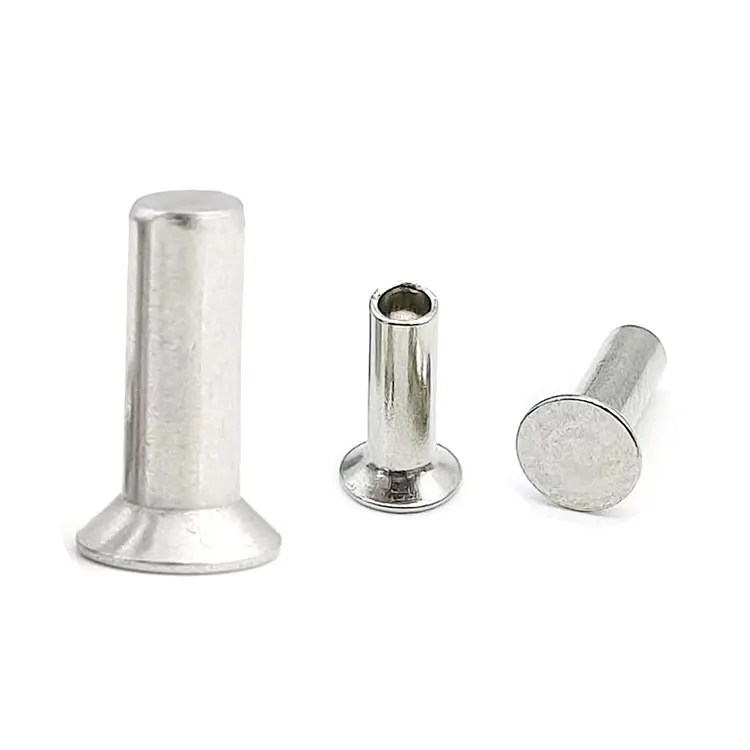
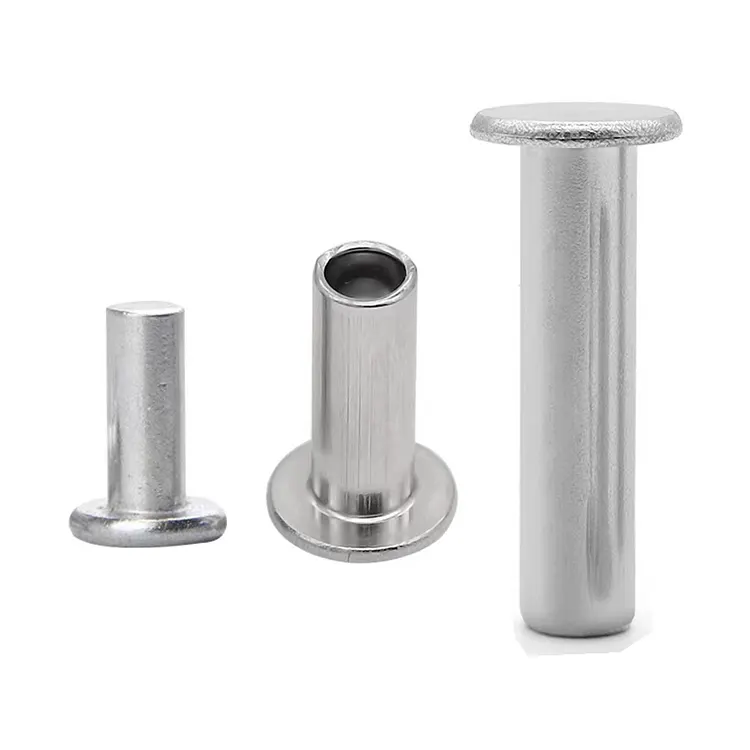
Pan head rivets are available in solid and semi‑tubular designs. Full tubular is not available for this head style due to the short straight sidewall geometry.
| Feature | Solid | Semi‑Tubular |
|---|---|---|
| Tail design | Fully solid | Partially hollow (45–55% of length) |
| Setting force | 100% | 25–30% of solid |
| Shear strength | Maximum (100%) | 80–90% of solid |
| Best for | Structural, load‑bearing, high‑load | High‑volume, thin materials, visible assemblies |
Materials available: Low‑carbon steel, stainless steel (304/316), brass (C2680), copper (C11000), aluminum (5052/5056)
Finishes: Zinc‑plated, black oxide, passivated, lacquered, nickel‑plated, antiqued, anodized, plain – depending on material.
One Real Application – Commercial Coffee Machine Housing
A manufacturer of commercial coffee machines was assembling the outer housing panels using round head rivets. The round heads protruded noticeably on the finished machine, detracting from the premium appearance the brand wanted. Flat head rivets were considered, but the housing design had limited space behind the panel – countersinking was not possible without thinning the metal too much. The design team needed a rivet with a lower profile than round head but without requiring countersinking.
Nuote Metals supplied stainless steel pan head semi‑tubular rivets – 4.0mm shank, 8.0mm pan head, 8.0mm barrel length, passivated finish. The pan head sat lower than the original round head, giving the housing a cleaner appearance. The short straight sidewall created a finished look without the bulk of a dome. The semi‑tubular cavity kept setting force low, preventing deformation of the thin housing panels.
The manufacturer tested 500 rivets across 100 machines. After assembly and field testing, no loosening, no corrosion. The design team approved the new head style for all future models. They now order pan head rivets in batches of 100,000 pieces annually.
Standard Options – Custom to Your Specification
Pan head rivets are manufactured to your exact requirements. Because every application has different clearance and appearance needs, we do not stock standard pan head sizes – each order is custom‑produced.
What we need from you:
- Shank diameter – 1.5mm to 8.0mm
- Head diameter – matched to your bearing surface requirement
- Head height – matched to your clearance requirement
- Overall length – or your total material stack thickness
- Material – steel, stainless, brass, copper, or aluminum
- Design – solid or semi‑tubular
- Finish – zinc, passivated, lacquered, nickel, anodized, etc.
We recommend: If you are not sure about the head diameter or height, send us a drawing or a sample of your assembly. We will recommend the optimal pan head dimensions for your application.
Sample lead time: 5–10 days for custom pan head specifications. For detailed requirements, please contact our sales team.
How We Form Pan Heads – The Straight Wall That Makes the Difference
The pan head looks simple – a dome with a straight sidewall. But that straight wall requires precise die design. Too much taper, and it looks like a round head. Too little, and the head height becomes inconsistent.
What we control:
- The wall angle – The sidewall must be straight, not tapered. This creates the clean, finished look that distinguishes pan head from round head.
- The crown radius – The top of the head is slightly domed, not completely flat. Our dies are cut to a specific crown radius that matches the classic pan head profile.
- The corner radius – The transition from head to shank must be smooth. A sharp corner creates stress concentration that can lead to cracking during setting.
The result: Pan heads that look clean, sit consistent, and set reliably – batch after batch.
Our process:
- Wire drawing – Material drawn to exact shank diameter (±0.02mm)
- Cut‑off – Sheared to blank length
- First blow – Blank squared and centred
- Second blow (pre‑forming) – Die begins the pan head shape with the straight wall
- Third blow (coining) – Final head shape and thickness
- Fourth blow (if required) – Punch creates cavity for semi‑tubular
- Trimming – Flash removed
- Tumbling – Micro‑burrs eliminated
- Plating or coating – Applied as specified
One Rivet, Eight Checks – How We Ensure Every Pan Head Is Right
We do not trust luck. Every batch of pan head rivets passes through eight separate quality gates before leaving our factory. The principle is simple: measure early, measure often, and never assume.
Raw material diameter check – Incoming wire is measured with a laser micrometer. Diameter tolerance: ±0.02mm. Any coil outside this range is rejected before it touches our headers.
Raw material hardness check – A sample from each coil is tested on a Rockwell hardness tester. The acceptable range varies by material (steel: HRB 70–85, stainless: HRB 80–95, brass: HRB 60–75).
First article appearance check – After tooling setup, the first 10 rivets are visually inspected under magnification. We look for cracks, flash, uneven heads, or surface marks. Any visible defect stops the press.
First article dimensional check – The same 10 rivets are measured on an optical comparator. Head diameter, head height, shank diameter, total length, and cavity depth (for semi‑tubular) must be within drawing tolerances before production starts.
In‑process checks – During mass production, the operator pulls 5 rivets every 500 pieces. Dimensions are verified with digital calipers and a go/no‑go gauge for cavity depth. Any drift triggers tooling adjustment.
Test setting (trial riveting) – Every 2,000 pieces, we set 3 rivets into a representative material sample (same thickness and type as your assembly). The clinch is inspected for symmetry and tightness. No loose or cracked rivets are accepted.
Salt spray test (if required) – For outdoor or plated rivets, we send samples to our lab for ASTM B117 salt spray testing. A certificate is issued with the batch.
Final outgoing inspection – Before packaging, every rivet passes through an optical sorting machine. Cameras check head diameter, head height, shank diameter, total length, and cavity depth. Rejects are automatically ejected. A random AQL sample (Level II, 1.0) is then pulled for manual verification.
A pan head rivet that survives all eight steps is ready to leave our factory. We keep records of every check for five years.

What You Actually Receive – A Complete Record of What We Made

We do not just ship rivets. We ship a record of exactly what was produced and how it was verified.
The package includes:
- Material certificate – Chemical composition and tensile strength of the coil used
- Inspection sheet – Actual measurements of 10 rivets from the batch
- Finish certificate – Plating thickness verified by XRF (if applicable)
- Conformance document – Signed by our QA manager, batch‑traceable
Certified to: ISO 9001:2015, RoHS, REACH

Where Pan Head Rivets Are Used
- Commercial appliances – Coffee machines, food equipment, vending machines – visible assemblies where appearance matters
- Furniture – Office furniture, shelving, display units – visible joints that need a clean finish
- Automotive – Interior trim, instrument panels, seat components – where appearance and moderate clearance meet
- Electronics – Enclosures, chassis, control panels – where the rivet is visible but should not be bulky
- Medical equipment – Device housings, instrument assemblies – where hygiene and appearance both matter
- Industrial equipment – Control panels, machine guards – where a professional finish is required
- General manufacturing – Any assembly where round head is too bulky and flat head is too low
Three Questions We Answer Often
Q1: The pan head looks similar to a round head. What exactly is the difference?
A: The pan head has a short straight sidewall between the dome and the shank. A round head is a continuous curve from the top to the shank. This straight wall gives the pan head a wider bearing surface (1.8–2.2× shank diameter versus 1.6–1.8×) and a slightly lower profile. The visual difference is subtle but significant – the pan head looks more “designed” and less “industrial.” If you hold them side by side, the straight wall is the giveaway.
Q2: Which head style looks most professional on consumer products?
A: For consumer products where appearance matters, pan head is often the best choice. It has a clean, finished look – more refined than round head (which can look industrial) and more substantial than flat head (which can look too minimal). The straight sidewall gives it a “designed” appearance that signals quality. If you look at premium coffee machines, high‑end furniture, and consumer electronics, you will see pan head rivets used deliberately as a design element, not just a functional fastener.
Q3: What is the typical lead time for custom pan head rivets with a specific head diameter?
A: For custom pan head rivets, the timeline depends on whether we need to create new tooling. If your head diameter is within our existing tooling range, sample lead time is 5–10 days. If we need to design and cut new dies, tooling fabrication takes 15–20 days, followed by sample production. Contact our sales team with your specifications, and we will give you an accurate timeline. We do not charge for tooling on standard pan head dimensions – only for completely custom head profiles.
Hot Tags: Pan Head Rivets,China Pan Head Rivets,Pan Head Rivets Manufacturer
Related Categories
Send Inquiry
Please feel free to fill your inquiry in the form below. We will reply you in 24 hours.



X
We use cookies to offer you a better browsing experience, analyze site traffic and personalize content. By using this site, you agree to our use of cookies.
Privacy Policy