
Products
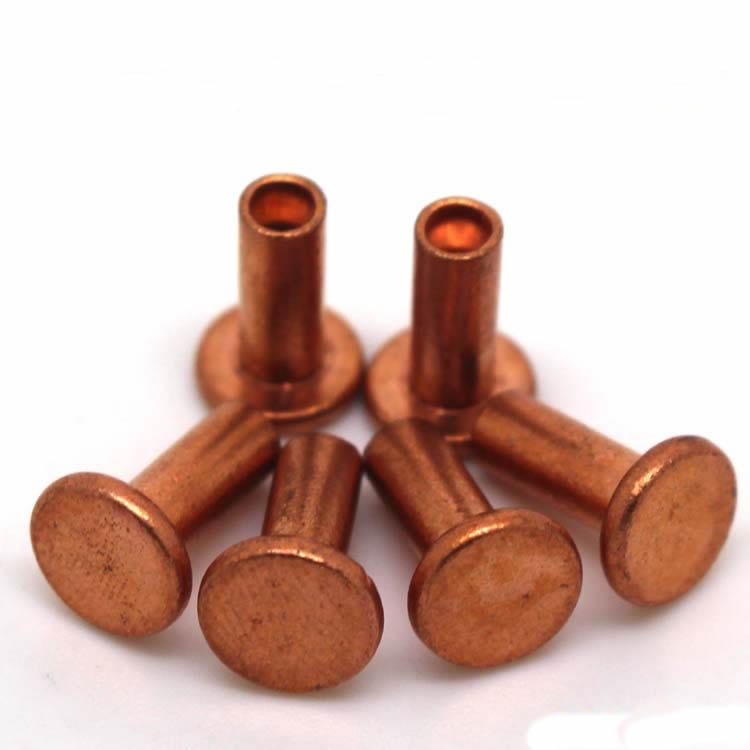
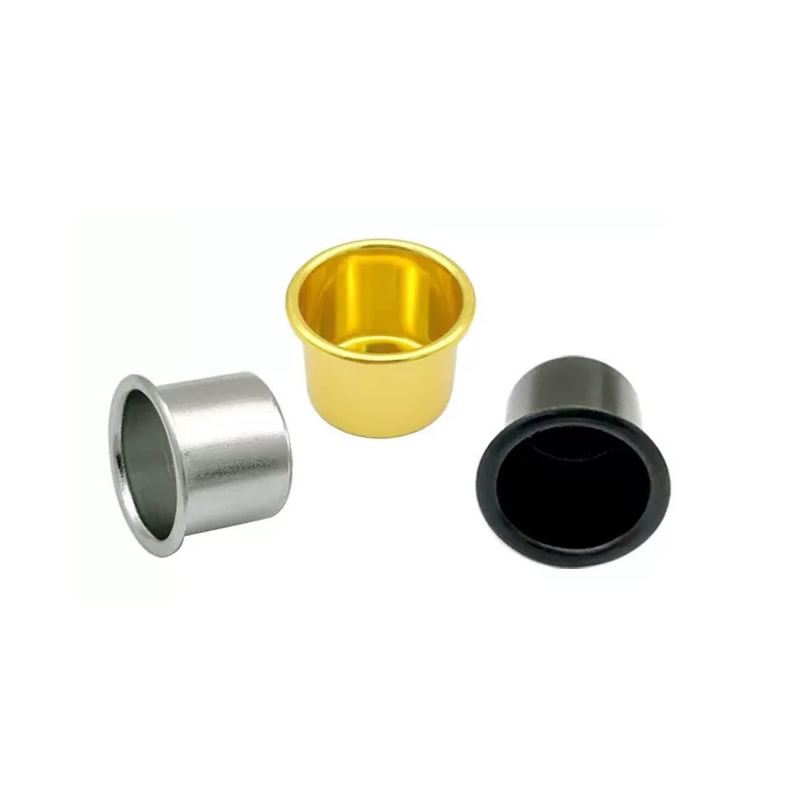
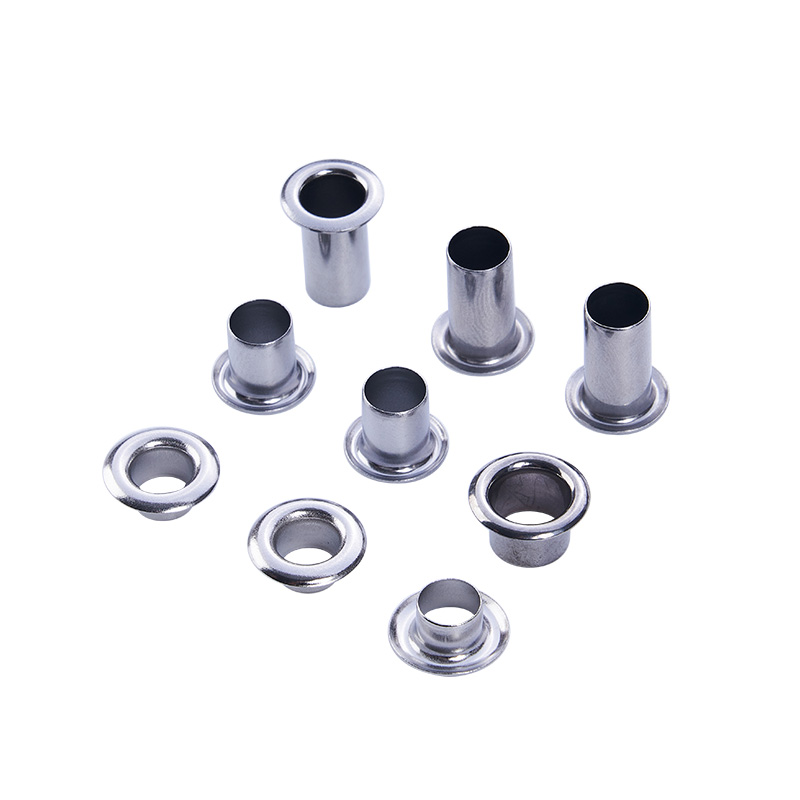
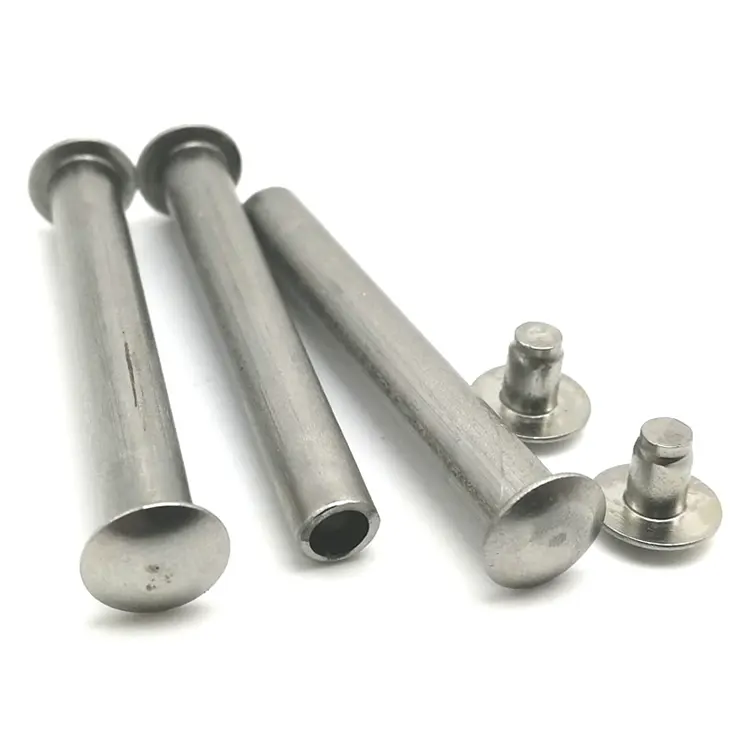
Flat Head Rivets
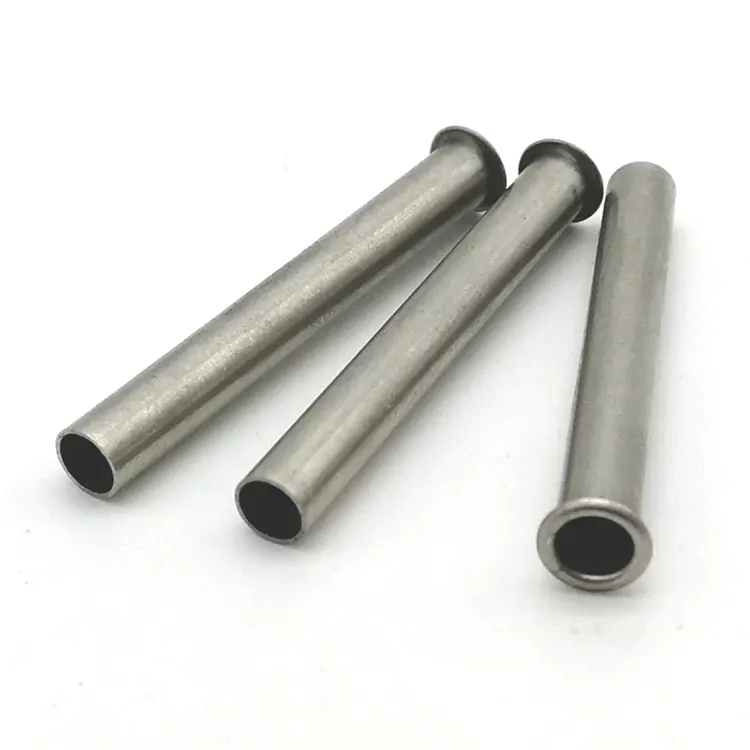
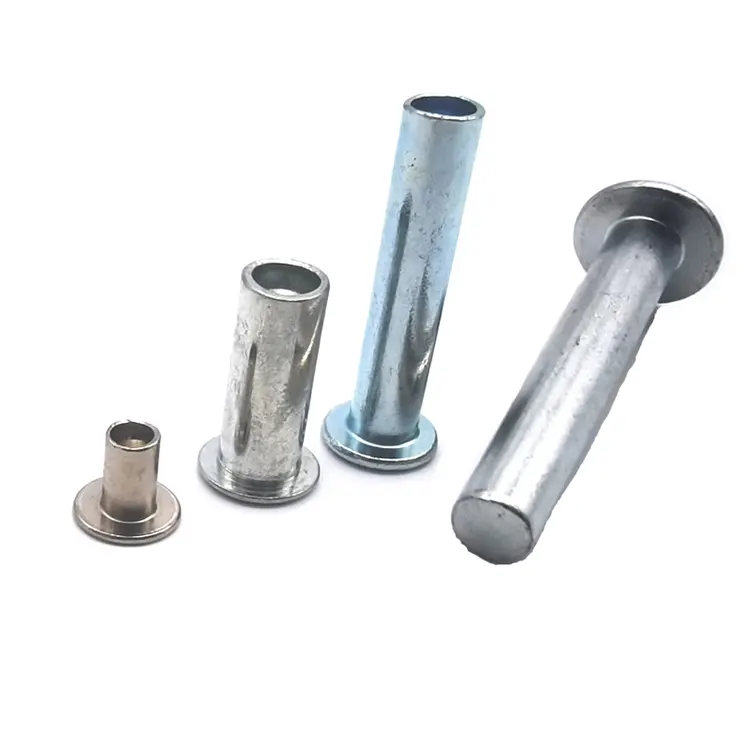
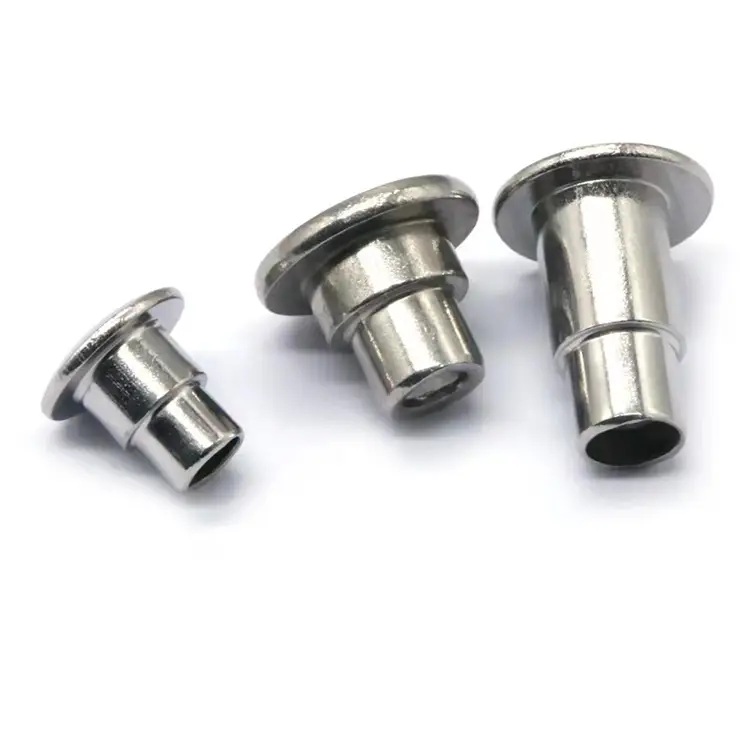
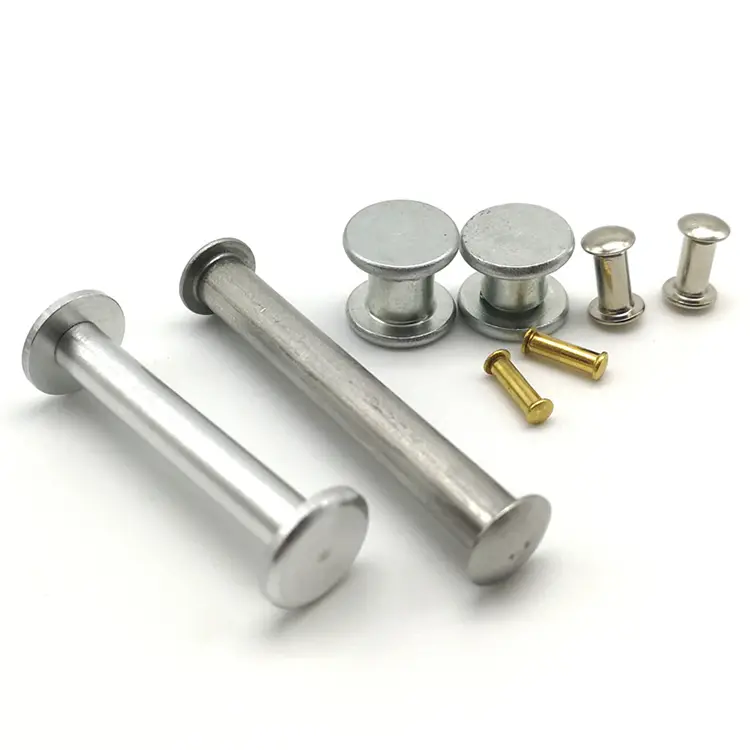
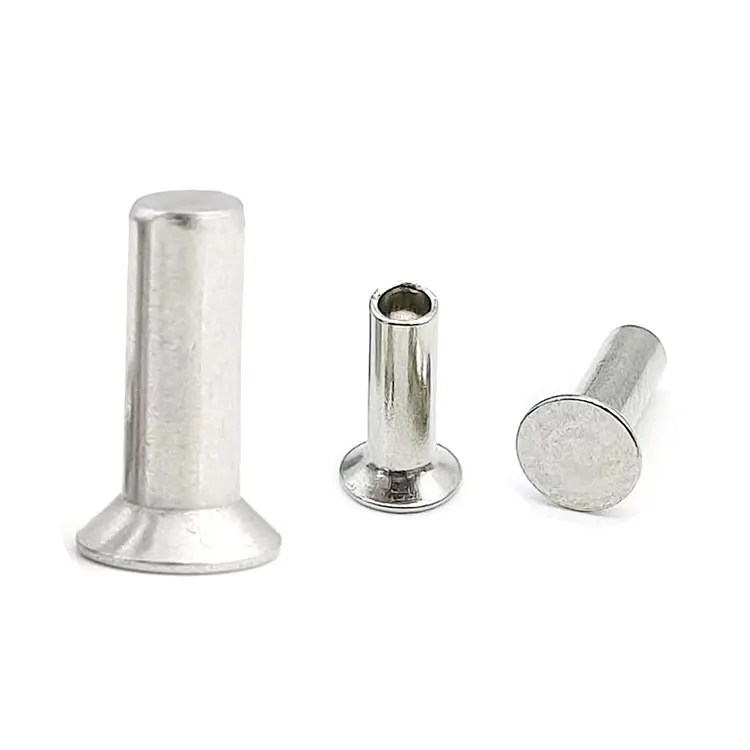
Nuote Metals specializes in the manufacture of rivets, producing a variety of materials such as stainless steel, brass, aluminum, carbon steel, and copper. Rivets are a common fastener used in various structures and assemblies in both industrial manufacturing and everyday life. Flat head rivets are the product of choice for many industries due to their unique performance and adaptability.
Send Inquiry
Product Description
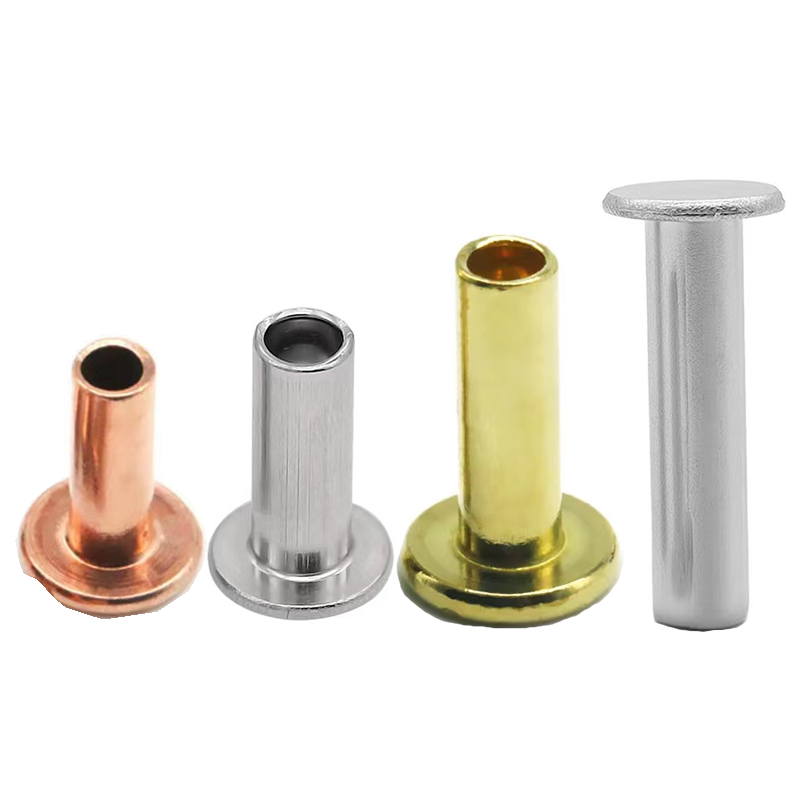
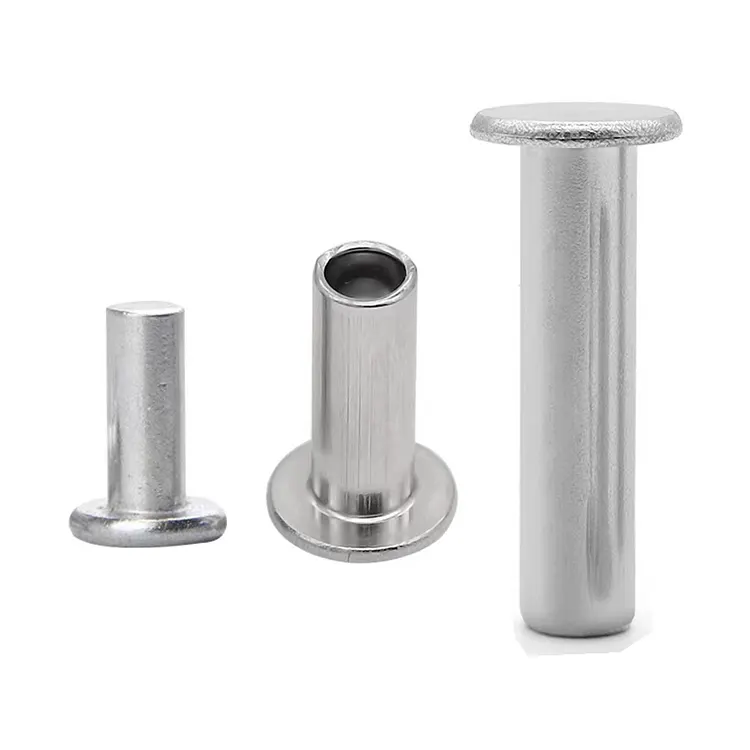
Flat head rivets sit lower than any other non‑countersunk rivet head style. For a 5mm rivet, the flat head protrudes just 0.8–1.2mm above the surface – low enough to clear sliding mechanisms, allow stacked components, and prevent fabric from catching. And unlike countersunk heads, flat heads require no special hole preparation – just a straight drilled hole.
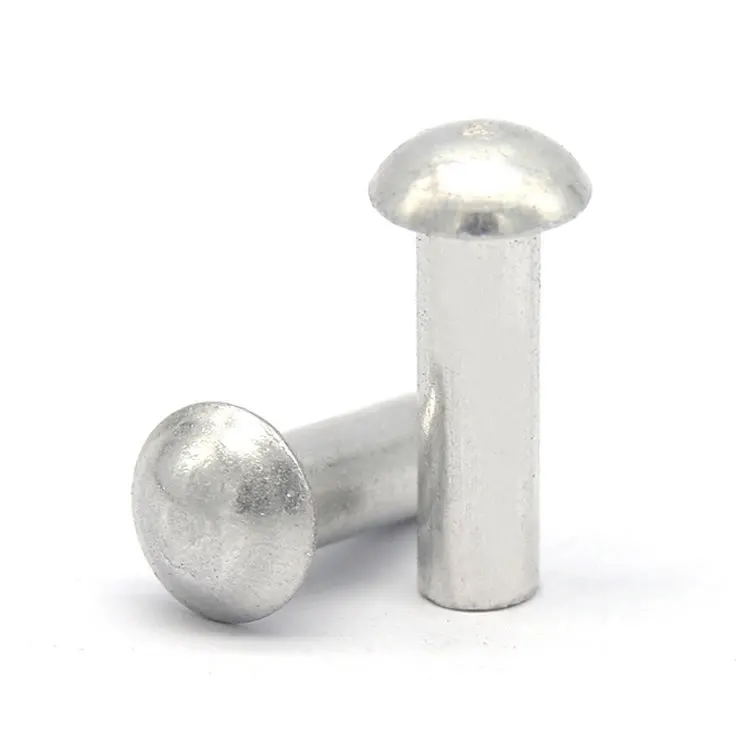
Flat vs. Round – A Side‑by‑Side Comparison
| Feature | Flat Head Rivet | Round Head Rivet |
|---|---|---|
| Head protrusion (5mm shank) | 0.8 – 1.2mm | 2.5 – 3.5mm |
| Hole preparation | Straight hole only | Straight hole only |
| Best for | Clearance‑limited assemblies, sliding surfaces, fabric‑contact | General purpose, visible assemblies |
| Strength | Same as round head (material‑dependent) | Same as flat head |
| Appearance | Nearly flush, industrial | Classic dome, prominent |
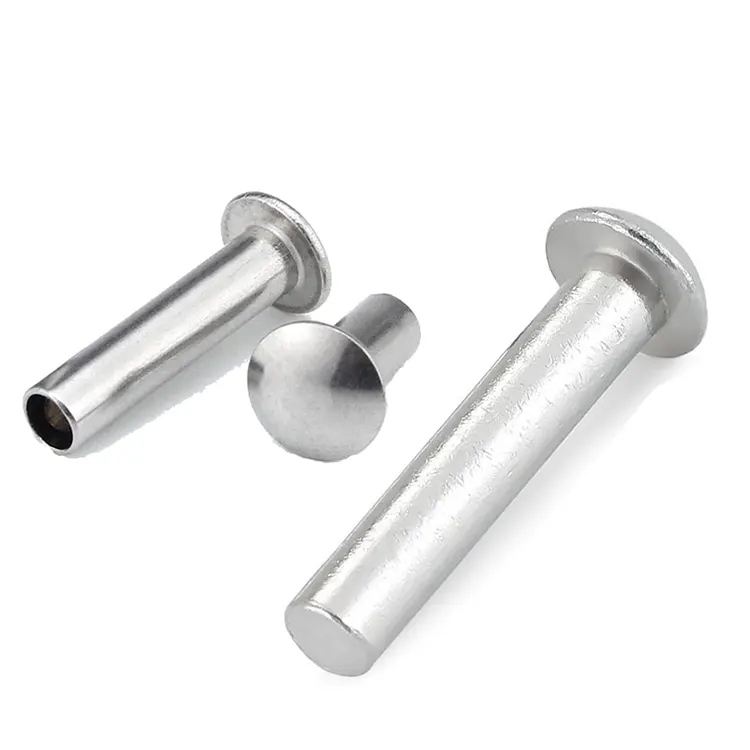
What We Make – Three Designs, Multiple Materials
| Feature | Solid | Semi‑Tubular | Full Tubular |
|---|---|---|---|
| Tail design | Fully solid | Partially hollow (45–55% of length) | Fully hollow (tube‑style) |
| Setting force | 100% | 25–30% of solid | 15–20% of solid |
| Shear strength | Maximum (100%) | 80–90% of solid | 60–70% of solid |
| Best for | Structural, load‑bearing, high‑load | High‑volume, thin materials, pivot joints | Soft materials, lightweight, bushings |
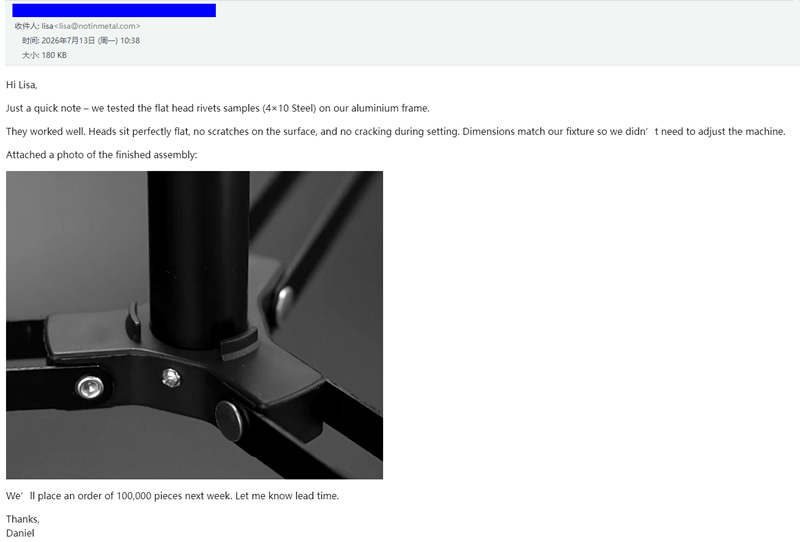
Materials available: Low‑carbon steel, stainless steel (304/316), brass (C2680), copper (C11000), aluminum (5052/5056)
Finishes: Zinc‑plated, black oxide, passivated, lacquered, nickel‑plated, antiqued, anodized, plain – depending on material.
Real Application – Office Chair Armrest Mechanism
A manufacturer of ergonomic office chairs was using round head rivets to assemble the armrest height‑adjustment mechanism. The round heads protruded 2.8mm above the surface – just enough to catch on the user‘s clothing during adjustment. Customers complained about snagged sleeves and scratched armrests. The customer needed a rivet with the same strength but a lower profile.
Nuote Metals supplied zinc‑plated steel flat head semi‑tubular rivets – 4.0mm shank, 8.0mm flat head, 10.0mm barrel length. The flat head sat only 0.9mm above the surface – low enough to clear clothing and prevent snagging. The semi‑tubular cavity reduced setting force by 60%, preventing damage to the plastic armrest housing. The zinc plating provided corrosion protection for long‑term durability.
The customer tested the rivets across 500 chairs. After 10,000 adjustment cycles, no snagging, no loosening. They now order flat head rivets in batches of 200,000 pieces annually.
Standard Options – Sizes, Materials, Finishes
Shank diameters: 1.5 – 8.0mm
Materials: Steel, stainless steel (304/316), brass, copper, aluminum
Design: Solid, semi‑tubular, or full tubular
Finish: Material‑dependent (zinc, passivated, lacquered, nickel, anodized, etc.)
Lengths: Custom to your material stack thickness
| Shank (mm) | Typical Head Dia (mm) | Grip Range (mm) |
|---|---|---|
| 1.5 – 2.0 | 3.0 – 4.2 | 1.0 – 3.0 |
| 2.5 – 3.0 | 5.0 – 5.5 | 1.8 – 4.0 |
| 3.5 – 4.0 | 7.0 – 7.5 | 2.5 – 5.0 |
| 4.5 – 5.0 | 9.0 – 10.0 | 3.0 – 6.5 |
| 5.5 – 6.0 | 11.0 – 12.0 | 3.5 – 8.0 |
| 6.5 – 8.0 | 13.0 – 16.5 | 4.5 – 12.0 |
Tolerances: Shank ±0.05mm, head ±0.15mm, length ±0.15mm. Custom dimensions available. No tooling charge for standard sizes.
How We Build Flat Head Rivets – Precision Forming for a Flush Fit
Flat heads are harder to form than round heads. The metal wants to wrinkle at the sharp transition from shank to head. Our cold‑heading process prevents that.
The sequence:
- Wire drawing – Material drawn to exact shank diameter (±0.02mm)
- Cut‑off – Sheared to blank length
- First blow – Blank squared and centred
- Second blow (pre‑forming) – Die begins the flat head shape with a controlled corner radius
- Third blow (coining) – Flat die compacts the head to final thickness, ensuring flatness within ±0.05mm
- Fourth blow (semi‑tubular or full tubular) – Punch creates the cavity (or omitted for solid)
- Trimming – Flash removed
- Tumbling – Micro‑burrs eliminated
- Plating or coating – Applied as specified
Why our flat heads look better: The coining stage is not optional – it is built into the process. Every flat head is checked for flatness – not just diameter.
Quality Checks – What We Verify, Why It Matters
| Check | Tolerance | Risk If Missed |
|---|---|---|
| Shank diameter | ±0.05mm | Rivet doesn't fit your hole |
| Head diameter | ±0.15mm | Pull‑through or uneven bearing |
| Head height | ±0.05mm | Critical for flush fit – too tall, and it snags |
| Overall length | ±0.15mm | Weak clinch or buckled barrel |
| Cavity depth | 45–55% (semi) / 75–90% (full) | Setting force too high or clinch weak |
| Head flatness | ±0.05mm | Ensures flush seating against the material |
Our process: incoming wire check → first article inspection (10 pieces, every dimension verified) → in‑process checks (5 pieces every 500) → setting test (every 2,000 pieces) → 100% optical sorting → AQL manual sample.
Every shipment includes: material certificate, dimensional report, and Certificate of Conformance.
Where Flat Head Rivets Are Used
- Office and household furniture – Armrests, sliding mechanisms, stackable chairs, drawers
- Automotive – Interior trim, panel assemblies, seat components
- Medical equipment – Hygiene‑critical surfaces, glove‑snag prevention, sliding components
- Electronics enclosures – Tight‑clearance chassis assemblies, covers, housings
- Luggage – Handle tracks, sliding mechanisms, flush‑finish hardware
- Industrial equipment – Control panels, machine guards, sliding guards
- Aerospace – Interior panels, seat components, trim assemblies
Built for Production – And Backed by Documentation

We work with manufacturers across North America, Europe, and Asia – from furniture brands to medical device suppliers to automotive manufacturers.
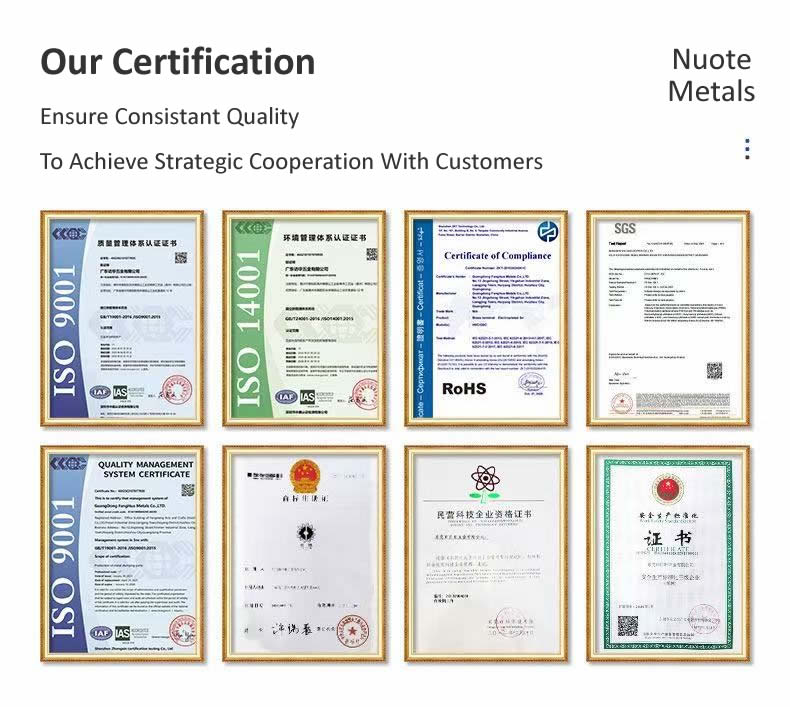
Every shipment includes:
- Mill test certificate – Chemical composition and tensile properties
- Dimensional inspection report – Actual measured values from the batch
- Plating or passivation certificate – Thickness verification (if applicable)
- Certificate of Conformance – Signed, batch‑traceable
Certified to: ISO 9001:2015, RoHS, REACH
Three Questions We Answer Often
Q1: What is the difference between a flat head rivet and a countersunk head rivet?
A: A flat head sits slightly above the surface (0.8–1.2mm for a 5mm shank) with a straight‑sided profile. It requires only a straight hole – no special preparation. A countersunk head sits completely flush or below the surface but requires a pre‑drilled tapered hole. Choose flat head for low‑profile applications where speed and cost matter; choose countersunk for applications that require absolute zero protrusion.
Q2: Can flat head rivets be used in sliding applications without catching?
A: Yes. At 0.8–1.2mm protrusion for a 5mm shank, the flat head is low enough to clear most sliding surfaces. For the office chair case above, the 0.9mm head height cleared the armrest mechanism completely. If your clearance is tighter than 0.8mm, we recommend switching to countersunk rivets.
Q3: Which design should I choose – solid, semi‑tubular, or full tubular?
A: Semi‑tubular is the default choice for most applications – 80–90% of solid strength at 25–30% of the setting force. Choose solid when you need maximum strength for structural, load‑bearing assemblies. Choose full tubular when you are working with soft materials or need minimal setting force. All three designs are available with the same flat head profile.
Hot Tags: Flat Head Rivets,China Flat Head Rivets,Flat Head Rivets Manufacturer
Related Categories
Send Inquiry
Please feel free to fill your inquiry in the form below. We will reply you in 24 hours.



X
We use cookies to offer you a better browsing experience, analyze site traffic and personalize content. By using this site, you agree to our use of cookies.
Privacy Policy