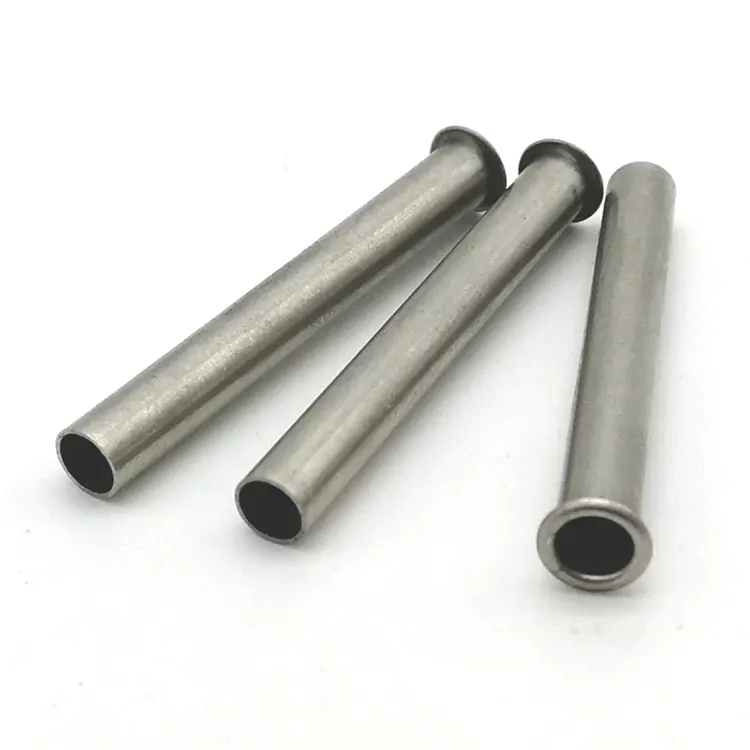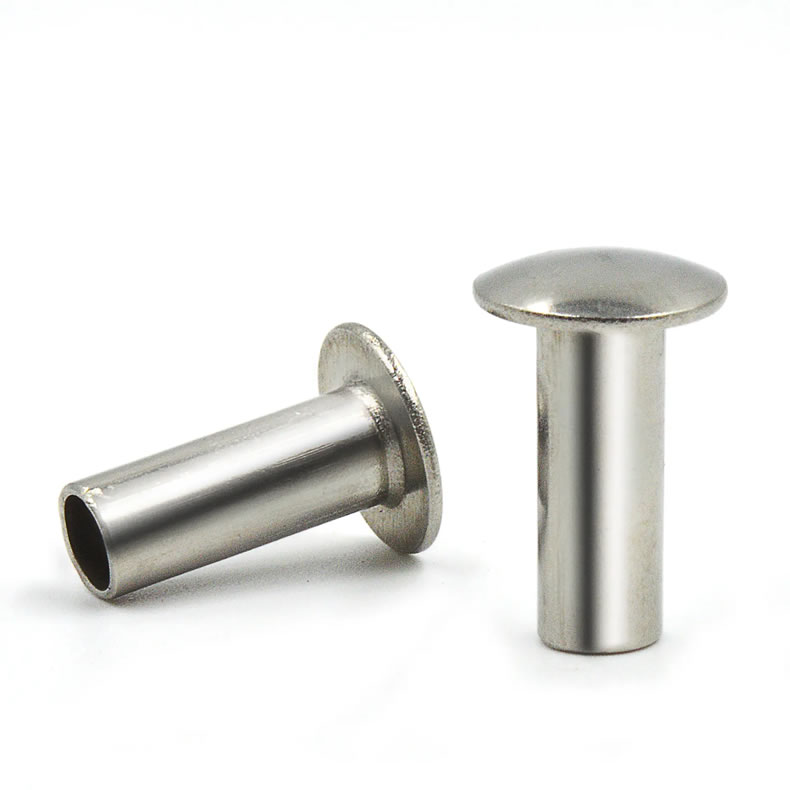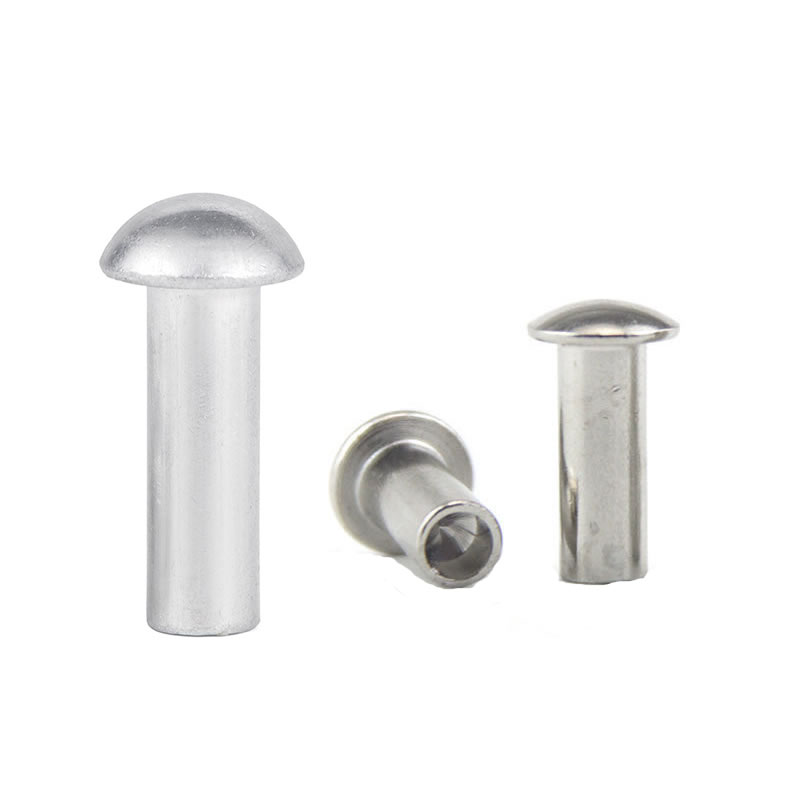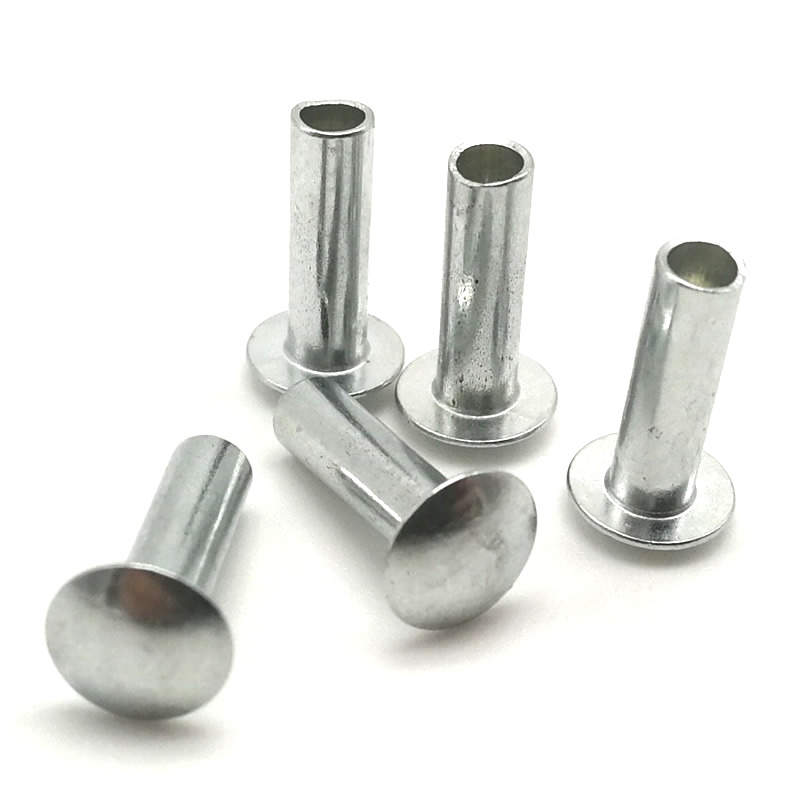
You can purchase Semi Tubular Rivets from Notin with confidence, as we are a proficient producer of high-quality Semi Tubular Rivets. We promise to provide you with the best after-sale service and prompt delivery.
Semi-tubular rivets are a common mechanical fastener widely used in industrial manufacturing, electronic equipment, automotive parts, and other fields. Their structure lies somewhere between solid and hollow rivets, with a solid head and a hollow tail, combining the advantages of both. The following analyzes the characteristics of semi-tubular rivets and their differences from other rivets from various perspectives.
What are semi-tubular rivets?
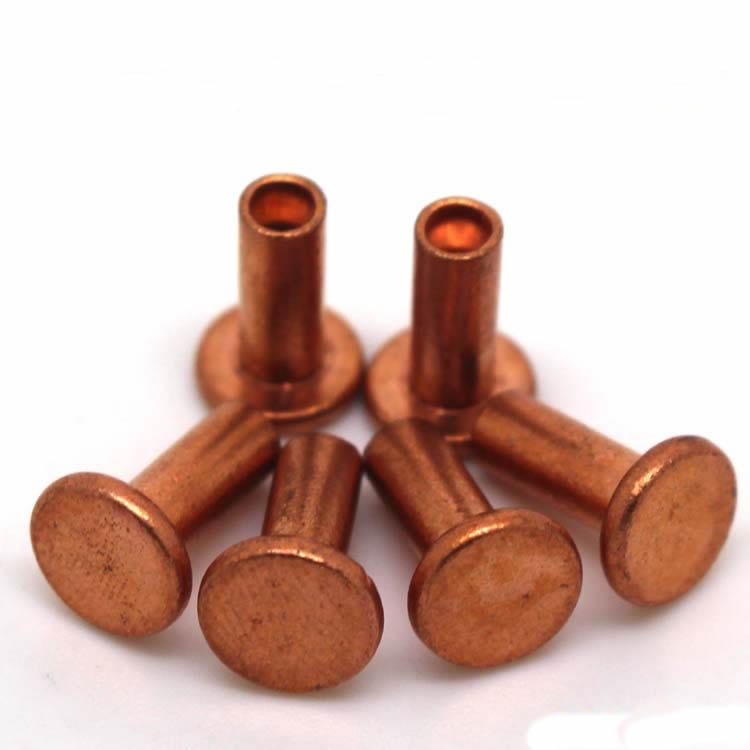
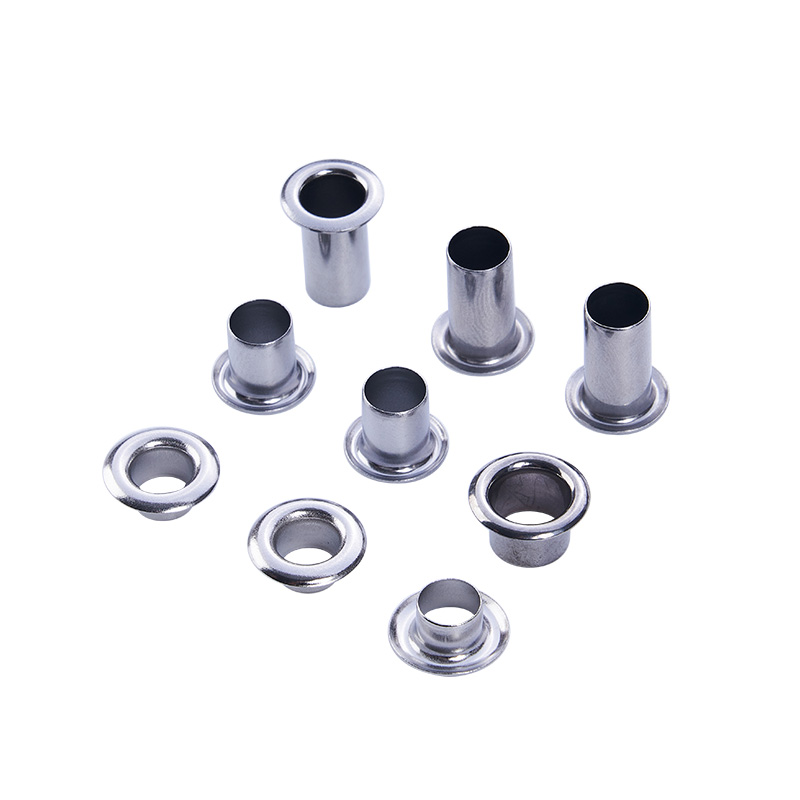
Semi-tubular rivets typically have a solid cylindrical or round head and a hollow tubular tail. During installation, pressure is applied to the tail using a riveting tool, causing it to curl outward and form a secure locking structure. This process requires no pre-tapping or welding, making it suitable for quick assembly. In contrast, solid rivets require greater pressure to deform, while fully hollow rivets (such as blind rivets) rely on the mandrel to break to secure, requiring higher material strength.
What head shapes are available for semi-tubular rivets?
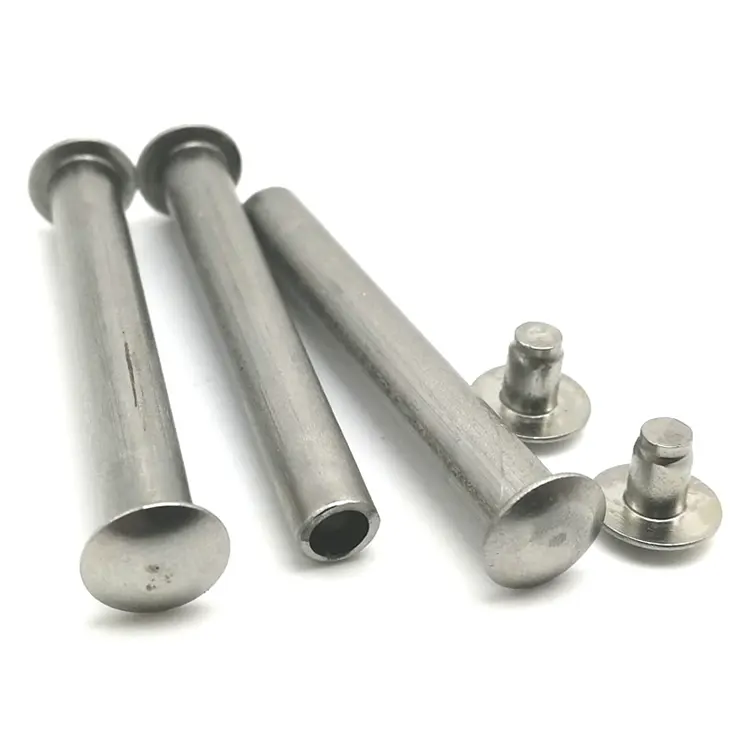
Semi-tubular rivet head shapes generally include flat heads (flat heads, suitable for applications requiring smooth surfaces), domed heads (semi-circular heads, aesthetically pleasing and practical, commonly used in construction, automotive, and other fields), countersunk heads (heads embedded within the material, suitable for applications requiring concealed connections), and large flat heads. Different head shapes can be selected based on your needs.
Materials and Strength of Semi-tubular Rivets
Common materials for semi-tubular rivets include aluminum, copper, steel, and stainless steel. Aluminum rivets are lightweight and corrosion-resistant, making them suitable for electronic devices; steel rivets are stronger and are often used in load-bearing structures. Compared to solid rivets, semi-tubular rivets are lighter but have slightly lower shear strength. Compared to full tubular rivets, their curled tails provide a larger contact area, resulting in a more stable connection.
What are semi tubular rivets primarily used for?
Typical uses for semi-tubular rivets include:
-Automotive manufacturing: securing interior panels or wiring harness brackets to prevent loosening under vibration.
-Home appliance assembly: connecting metal casings to prevent deformation caused by welding. -Hardware Tools: Assemble movable parts such as pliers and scissors, ensuring a balance between flexibility and durability.
Semi Tubular Rivet Installation Cost
Semi-tubular rivets can be installed with a standard rivet gun or punch, and can be operated by a single person. They are faster than welding or bolting. For example, the cost per aluminum rivet is approximately 0.05-0.3 RMB, which is lower than stainless steel bolts but higher than ordinary blind rivets. Their advantage is that they require no maintenance over long-term use, eliminating the need for anti-loosening washers or regular tightening.
Limitations of Semi Tubular Rivets
The main disadvantages of semi-tubular rivets are:
-Difficulty in Disassembly: Once a joint is established, it requires multiple drilling and destruction methods to remove it.
-Thickness Limitation: The total thickness of the joined materials is generally no more than twice the length of the hollow portion of the rivet.
-Surface Treatment Requirements: For outdoor use, choose galvanized or stainless steel to prevent rust.
Comparison with Other Fasteners
-Bolts and Nuts: They are removable and have a higher load-bearing capacity, but require access from both sides and are more expensive. - Welding: Excellent connection strength, but thermal deformation may affect precision, and it's not suitable for materials like aluminum and copper.
- Adhesives: No mechanical stress, but poor high-temperature resistance and aging resistance.
In summary, semi-tubular rivets strike a balance between lightweight, easy installation, and cost, making them particularly suitable for specialized connections with medium loads. When selecting a rivet, consider material compatibility, environmental conditions, and load-bearing requirements to ensure a suitable match.
Countersunk head half hollow rivets are a special type of rivet, named for their unique structural design. "Countersunk" means that the rivet head is flush with or slightly below the connecting surface after installation, creating a smooth appearance and avoiding the inconvenience or danger of protruding parts. "Semi-hollow" refers to the partially hollow internal structure of the rivet, allowing for quick and efficient fastening using specialized tools during installation.
Read MoreSend InquiryYou know copper – it's that trusty material that never lets you down when you need great electrical and thermal conductivity. That's why copper half-hollow rivets are such a solid choice - they combine copper's natural strengths with a clever semi-hollow design that just gets the job done. Here at Nuote Metals, this is our specialty. We've become the trusted source for these versatile copper rivets that keep showing up in more and more industrial uses. Our team includes several engineers who've been making rivets for over ten years. We take real pride in our work - every single rivet gets careful attention from mold design right through to the finished product. We're pretty particular about getting every detail just right.
Read MoreSend Inquirybrass half tubular rivets - they're like those trusty metal fasteners with a hollow core that goes about halfway down. We make them from brass, which is basically a blend of copper and zinc. What's great about brass is it doesn't rust easily and can take a real beating. That's why you'll find these little workhorses just about everywhere. Take a close look at one of these rivets and you'll see two simple parts: the head that rests on top, and the shank that pokes through whatever you're joining. Now here's the smart part - that hollow center in the shank. When you set the rivet, that's what lets the bottom flare out and grip tight. Once it's in, it's not going anywhere.
Read MoreSend InquiryNuote Metals specializes in the production of brass half hollow rivets. Our company is located in Dongguan, China, a city with warm weather and a thriving industrial sector. Brass half hollow rivets are widely used in industrial manufacturing and everyday life. Made of brass, they possess specific structural and functional characteristics. These rivets are a key player in countless industries. Over the years, their design and how they're made have been fine-tuned, turning them into a must-have part for many products.
Read MoreSend InquiryAluminum semi-hollow rivets are basically fasteners made from aluminum alloy. They have a solid head and a tail that's partially hollow. When you install them with a special tool, that hollow section flares out and curls back, creating a really strong, locked-in joint. Because they're aluminum, they're naturally lightweight and don't rust easily, which is a big plus when you're worried about weight or using them in tough environments. When you stack them up against rivets made from other materials, they really hit a sweet spot between being affordable and performing well.
Read MoreSend InquiryWe're Nuote Metals, a rivet maker based in Dongguan, China, and we ship our rivets all over the world. Aluminum half tubular rivets are a really common type of mechanical fastener used in tons of different industries. They've got a solid head and a hollow tail, which makes for a quick and solid connection when you rivet them in place. These rivets are usually made from aluminum alloy, so they're light and don't rust easily.
Read MoreSend Inquiry