
Products
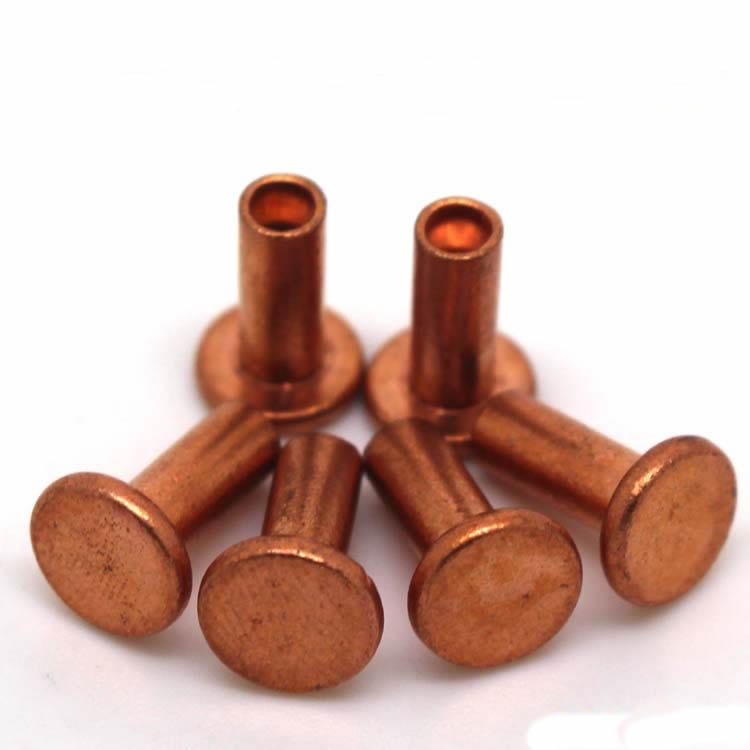
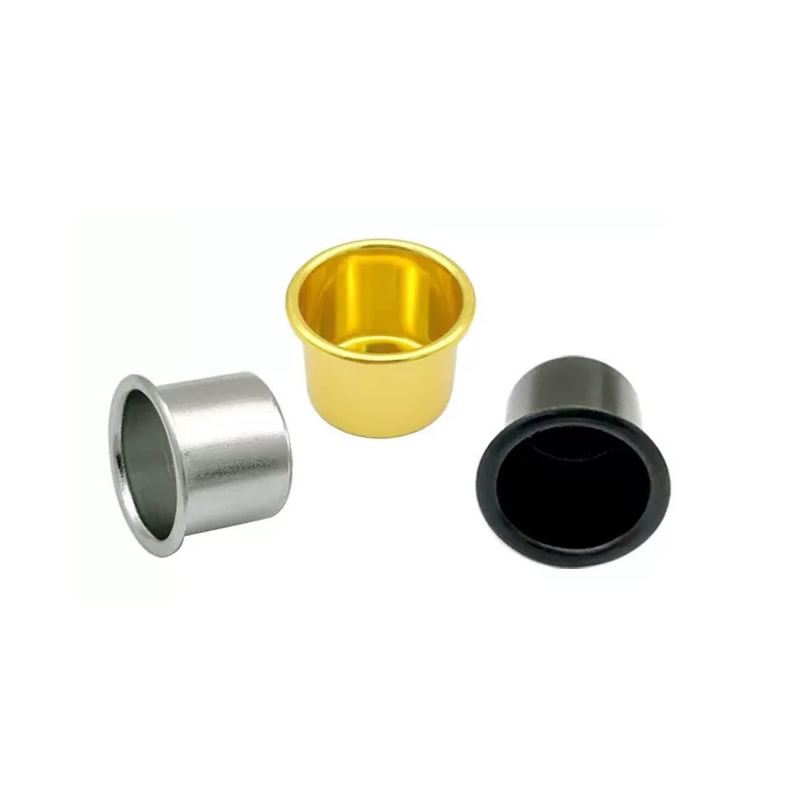
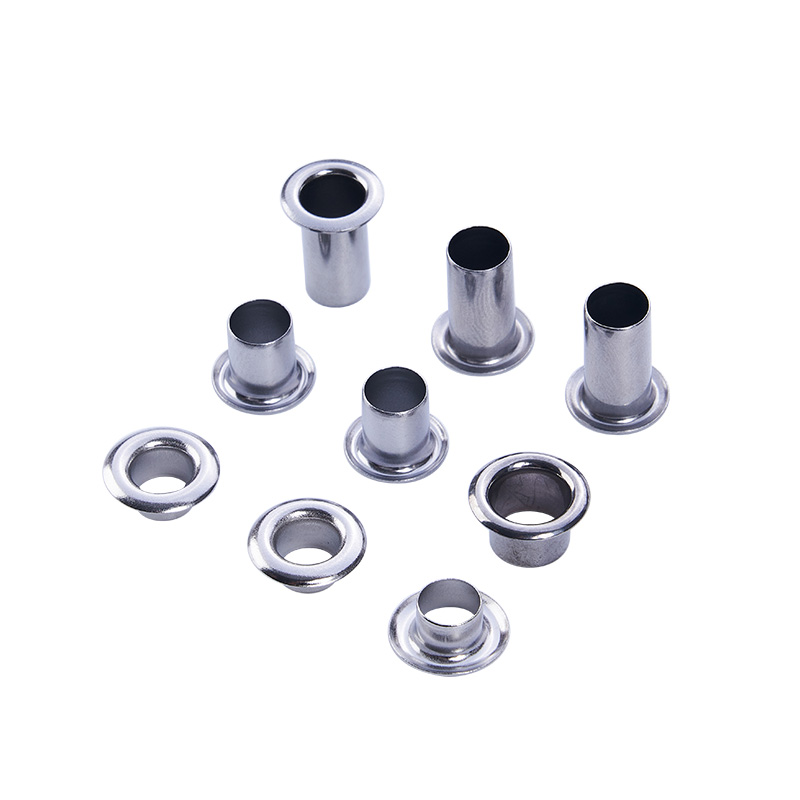
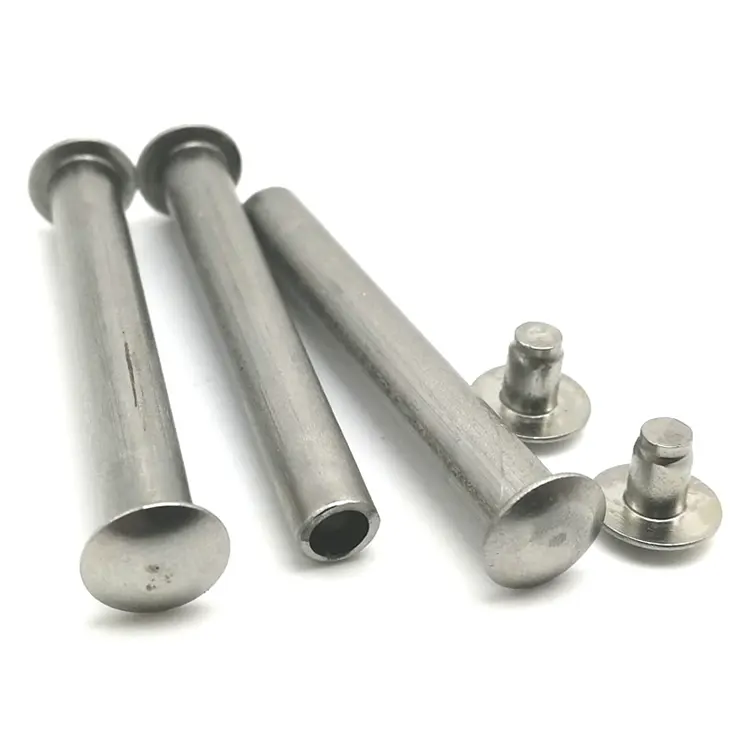
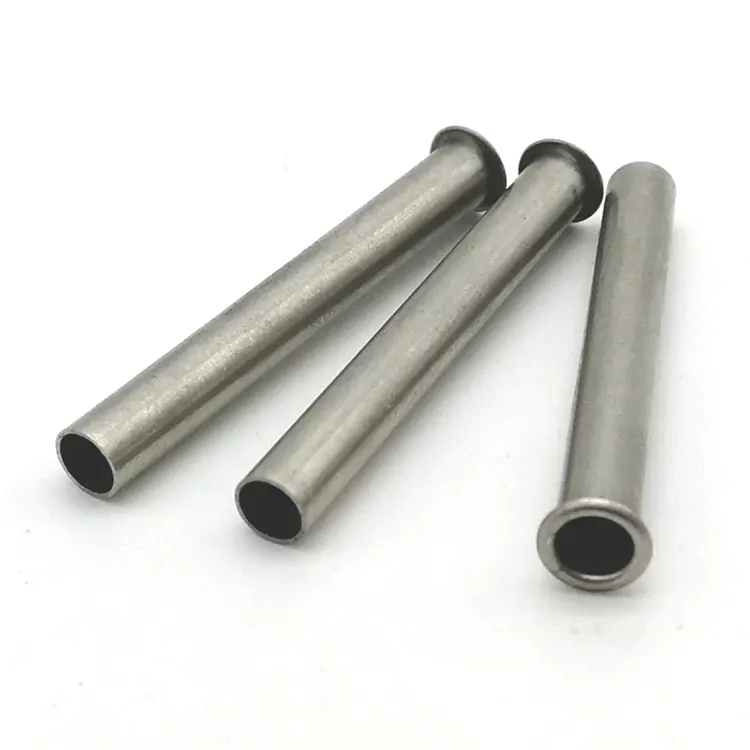
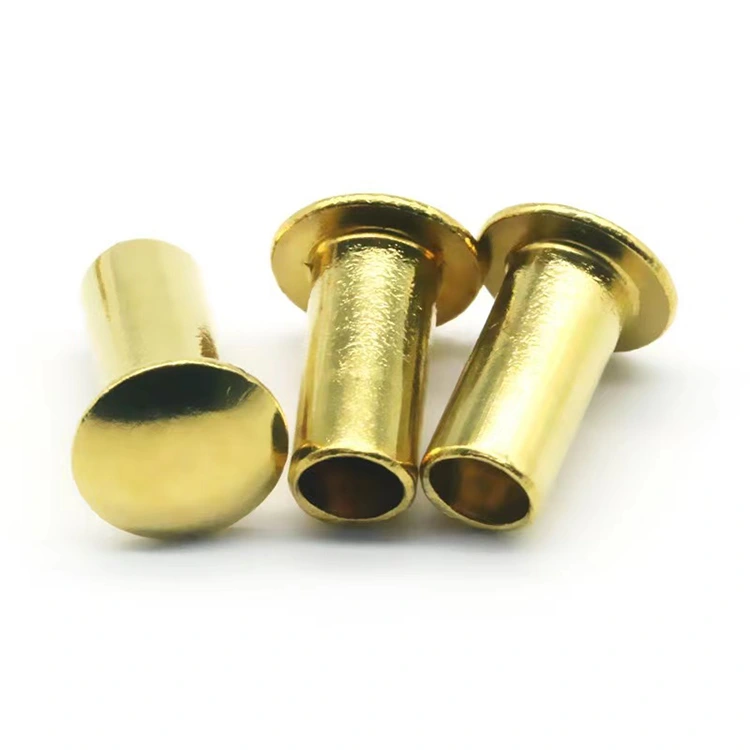
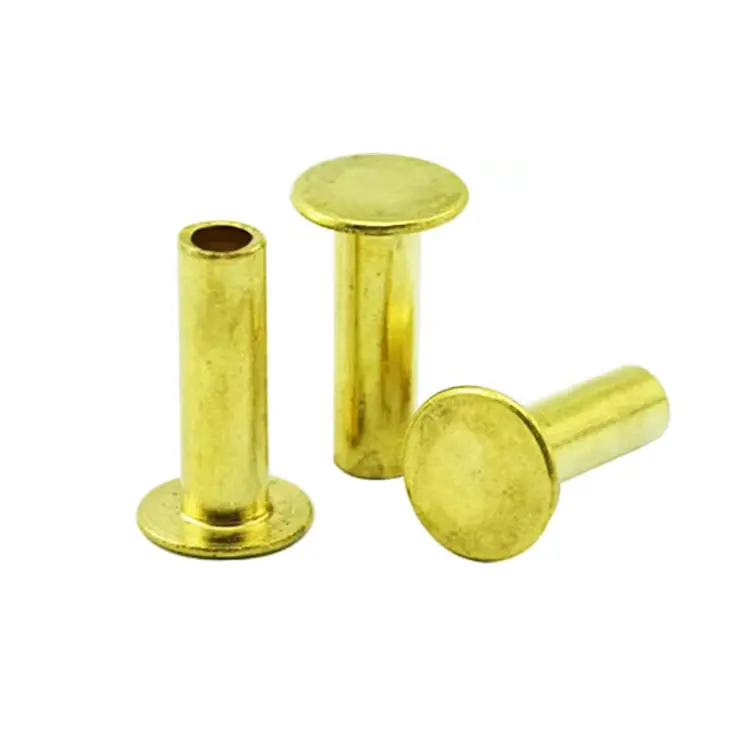
Brass Half Hollow Rivets
Nuote Metals specializes in the production of brass half hollow rivets. Our company is located in Dongguan, China, a city with warm weather and a thriving industrial sector. Brass half hollow rivets are widely used in industrial manufacturing and everyday life. Made of brass, they possess specific structural and functional characteristics. These rivets are a key player in countless industries. Over the years, their design and how they're made have been fine-tuned, turning them into a must-have part for many products.
Send Inquiry
Product Description
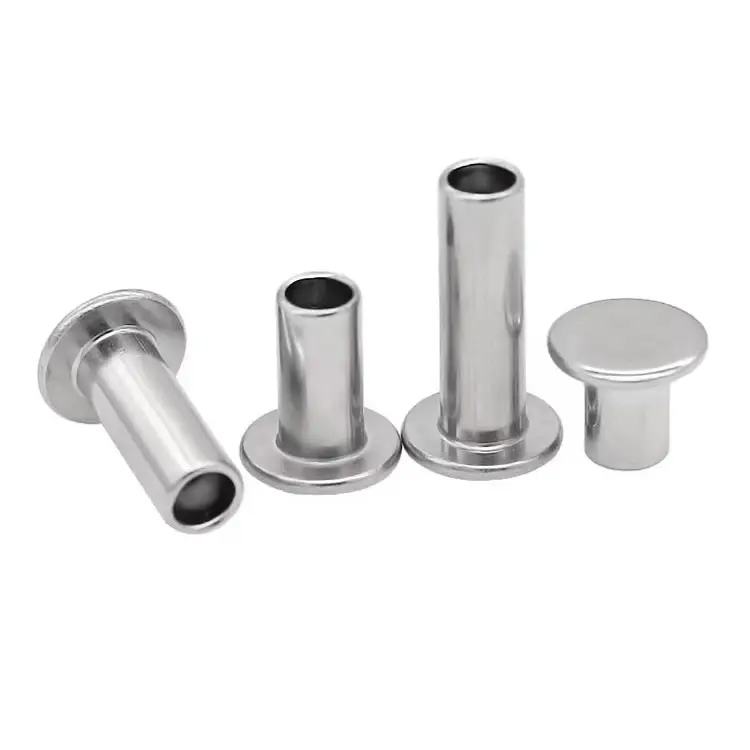
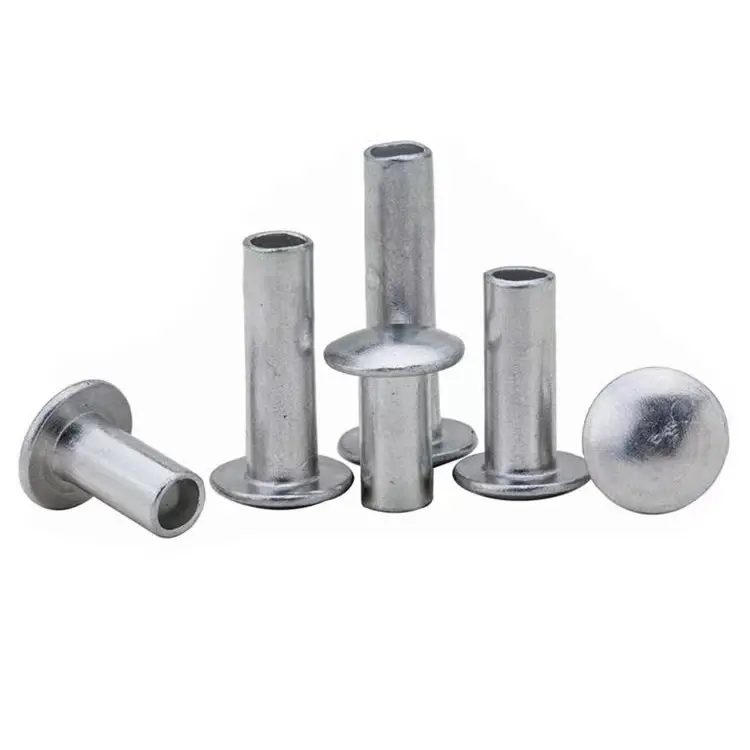
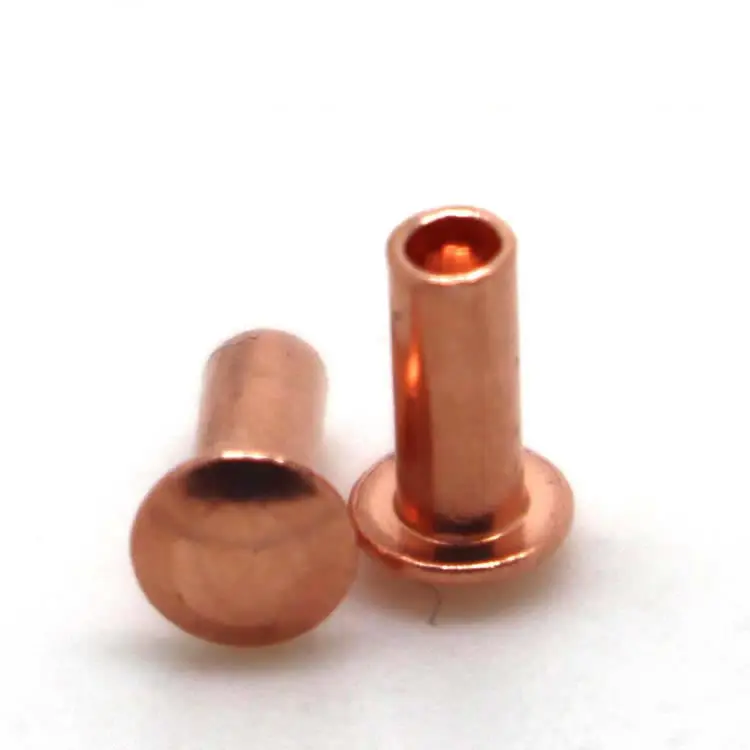
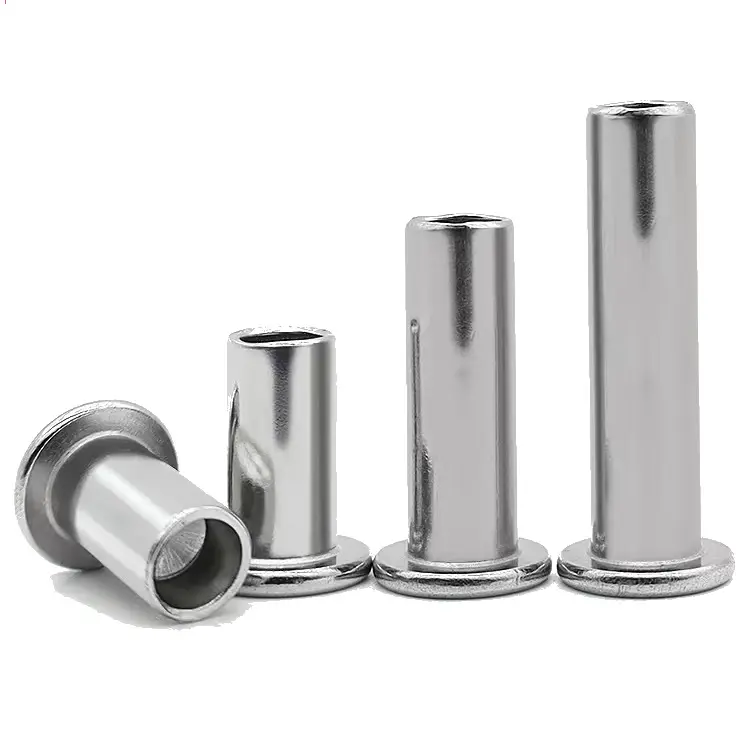
Brass half hollow rivets – also commonly called semi‑tubular rivets, half tubular rivets, or hollow‑end rivets. Same product. Multiple names. We make the same reliable fastener regardless of what you call it.
A half hollow rivet is a metal fastener that is solid at one end and partially hollow at the other – typically 45–55% of the barrel length. Unlike a solid rivet where the entire shank must deform, only the thin wall of the hollow section rolls outward during installation. This reduces setting force by approximately 70% compared to solid rivets.
Why do we have multiple names for the same product? Because different industries use different terms. Some customers search for "half hollow," others search for "semi‑tubular." We keep both pages so you can find us – regardless of which term you use. The product is identical. The quality is identical. Only the name changes.
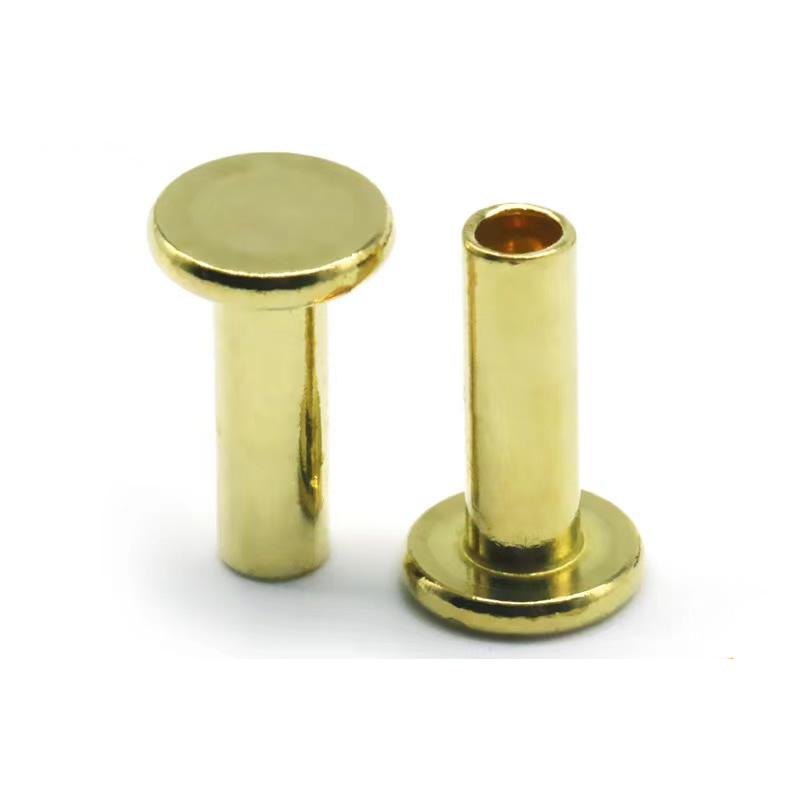
Half Hollow vs. Semi‑Tubular vs. Tubular – One Product, Three Names
| Term | Meaning | Same Product? |
|---|---|---|
| Half Hollow Rivet | Rivet with a shallow cavity at the tail (45–55% of barrel length) | ✅ Yes |
| Semi‑Tubular Rivet | Same design – partial hollow at the tail | ✅ Yes |
| Half Tubular Rivet | Same design – the hollow goes about halfway down | ✅ Yes |
| Hollow‑End Rivet | Same design – hollow only at the end | ✅ Yes |
All four terms refer to the same fastener: a rivet with a manufactured head on one end and a shallow, tubular shank hole on the other. We manufacture the same product under all these names so you can find us regardless of which term you search for.
Half Hollow Rivet vs. Solid Rivet – The Hollow That Changes Everything
| Feature | Brass Half Hollow Rivet | Brass Solid Rivet |
|---|---|---|
| Tail design | Partially hollow (45–55% of length) | Fully solid |
| Setting force | 25–30% of solid rivet force | 100% |
| Shear strength | 80–90% of solid rivet | 100% |
| Weight | Lighter | Heavier |
| Installation speed | Fast, automated | Slower, heavy press |
| Best for | High‑volume, soft materials, pivot points | Structural, maximum strength |
The half hollow design reduces weight by using less material, while leveraging plastic deformation during riveting to achieve a secure connection. Because only the hollow end expands during installation, half hollow rivets are often used as pivot points.
C2680 Brass – The Material Behind the Fastener
We manufacture brass half hollow rivets from C2680 brass:
| Property | C2680 Brass |
|---|---|
| Copper content | 64.0 – 68.5% |
| Zinc content | 31.5 – 36.0% |
| Electrical conductivity | ~28% IACS |
| Corrosion resistance | Good – develops protective patina |
| Key advantage | Harder and more wear‑resistant than C2600 |
C2680 offers the optimal balance of hardness, corrosion resistance, and formability for half hollow rivet applications. Finishes include natural (lacquered), nickel‑plated, and antique.
Head Styles – What We Offer
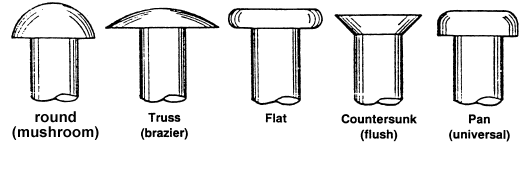
Brass half hollow rivets are available in six head styles. Round head is the most common choice – a classic dome with a smooth, continuous radius from the center to the edge. The other five styles are available upon request.
| Head Style | Best For | Visual Profile |
|---|---|---|
| Round | Visible joints, general purpose | Classic dome |
| Flat | Clearance‑limited, low profile | Sits near flush |
| Oval | Decorative, smooth appearance | Slightly raised, rounded |
| Countersunk | Flush surfaces, zero protrusion | Tapered, sits flush |
| Truss | Soft materials, oversized holes | Extra‑wide, low dome |
| Mushroom | Leather, fabric, soft materials | Wide, smooth, radiused edge |
Available Finishes
| Finish | Appearance | Best For |
|---|---|---|
| Natural lacquered | Bright gold | General purpose, visible applications |
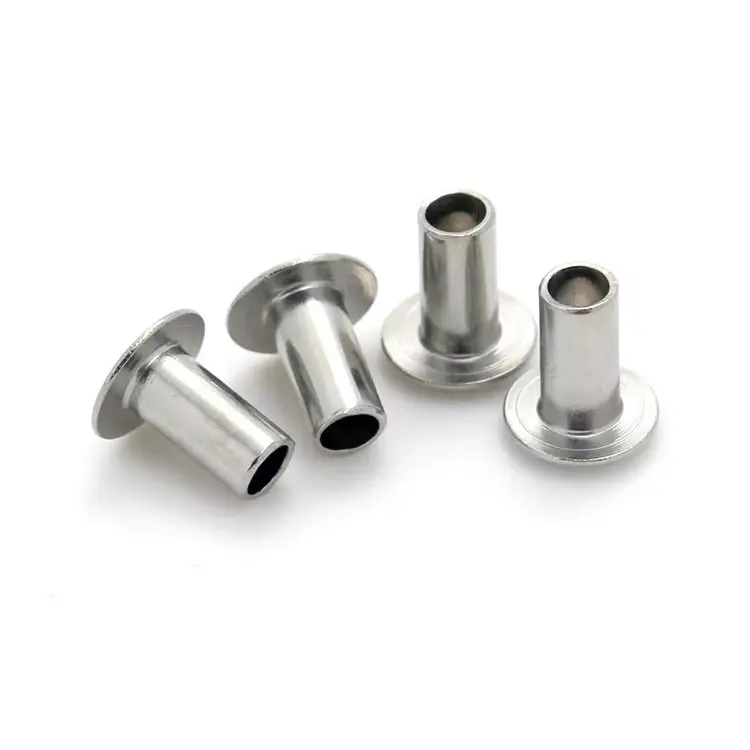
| Nickel‑plated | Bright silver | Matching silver hardware, modern appearance |
| Antique | Dark, aged bronze | Vintage‑style, decorative, leather goods |
One Real Application – Bread Maker Plastic Housing Assembly
A manufacturer of home bread makers needed a fastener to attach the metal control panel bracket to the plastic housing. The plastic was thin and brittle – solid rivets caused stress cracks during assembly. Screws loosened over time due to the vibration of the machine during kneading cycles. The customer needed a fastener that would set with minimal force, hold permanently, and not damage the plastic.
We supplied C2680 brass half hollow rivets – 3.0mm shank, 5.5mm round head, 5.0mm barrel length, nickel‑plated finish. The shallow cavity reduced setting force by over 60% – no stress cracks in the plastic housing. The nickel plating matched the appliance's silver finish. The permanent clinch held securely under vibration. The customer tested 500 rivets across 200 bread makers. After 1,000 hours of simulated use, zero loosening, zero cracks. They now order brass half hollow rivets in batches of 150,000 pieces annually.
Manufacturing Process – Production Flow Chart
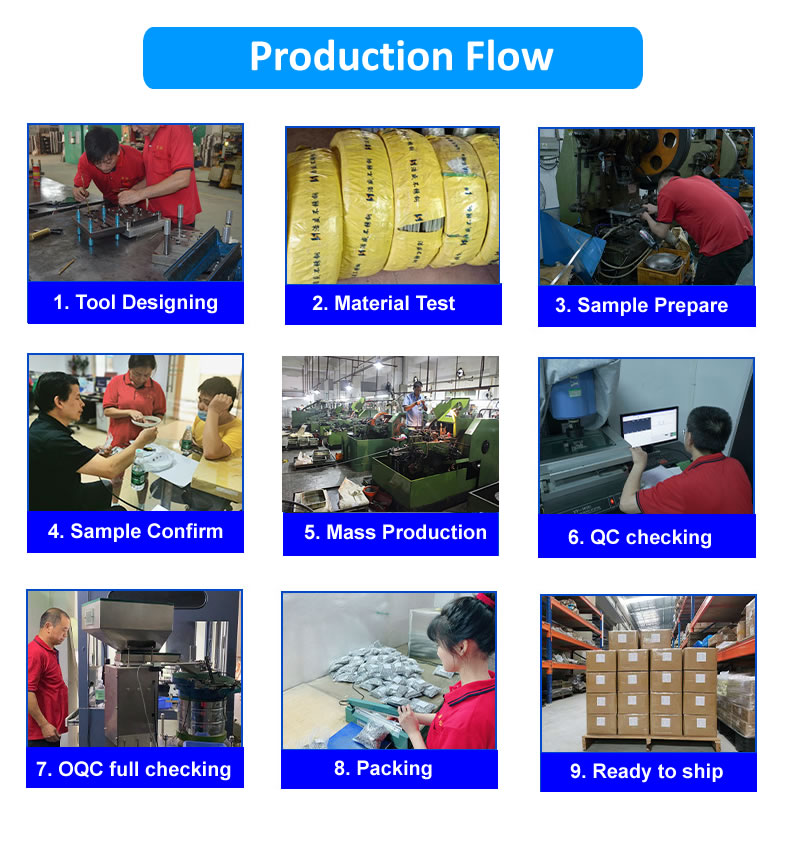
| Step | Process | Description |
|---|---|---|
| ① | Material Procurement | Certified C2680 brass wire from approved mills. Each coil comes with a mill test certificate and heat number for full traceability. |
| ② | Incoming Material Inspection | Wire checked for diameter (±0.02mm), hardness, and material composition. Spectrometer verifies C2680 grade. Out‑of‑spec material is rejected before production begins. |
| ③ | Cold Heading (Multi‑Station) | The wire feeds into a progressive cold header. In a single continuous sequence: • Wire drawn to exact shank diameter • Cut to precise blank length • First blow: square the blank • Second blow: form the head • Third blow: extrude semi‑hollow cavity (45–55% depth) |
| ④ | Trimming | Flash around the head edge is removed for a clean, burr‑free finish. |
| ⑤ | Tumbling & Deburring | Micro‑burrs are eliminated and surface is prepared for finishing. |
| ⑥ | Plating or Lacquering | Applied as specified – natural lacquered, nickel‑plated, or antique finish. |
| ⑦ | Final Inspection | 100% optical sorting for critical dimensions. AQL sample manually verified. Dimensional report, material certificate, and Certificate of Conformance issued. |
| ⑧ | Finished Product – Ready for Shipment |
Sample lead time: 5–7 days standard; custom tooling: 15–20 days.
One Rivet, Eight Checks – How We Ensure Quality
Every batch of brass half hollow rivets passes through eight quality gates:
Raw material diameter check – Wire measured with laser micrometer (±0.02mm). Any coil outside range is rejected.
Raw material composition check – Spectrometer verifies C2680 brass grade.
First article appearance check – First 10 rivets inspected under magnification for cracks or defects.
First article dimensional check – Head diameter, head height, shank diameter, barrel length, and cavity depth verified on optical comparator.
In‑process checks – 5 rivets every 500 pieces. Any drift stops the press.
Test setting (trial riveting) – Every 2,000 pieces, set 3 rivets into sample material. Clinch inspected for symmetry and cracks.
Salt spray test (if required) – ASTM B117 testing. Certificate issued with batch.
Final outgoing inspection – 100% optical sorting. AQL sample manually verified. Full documentation issued.
What Our Customers Say – Real Feedback
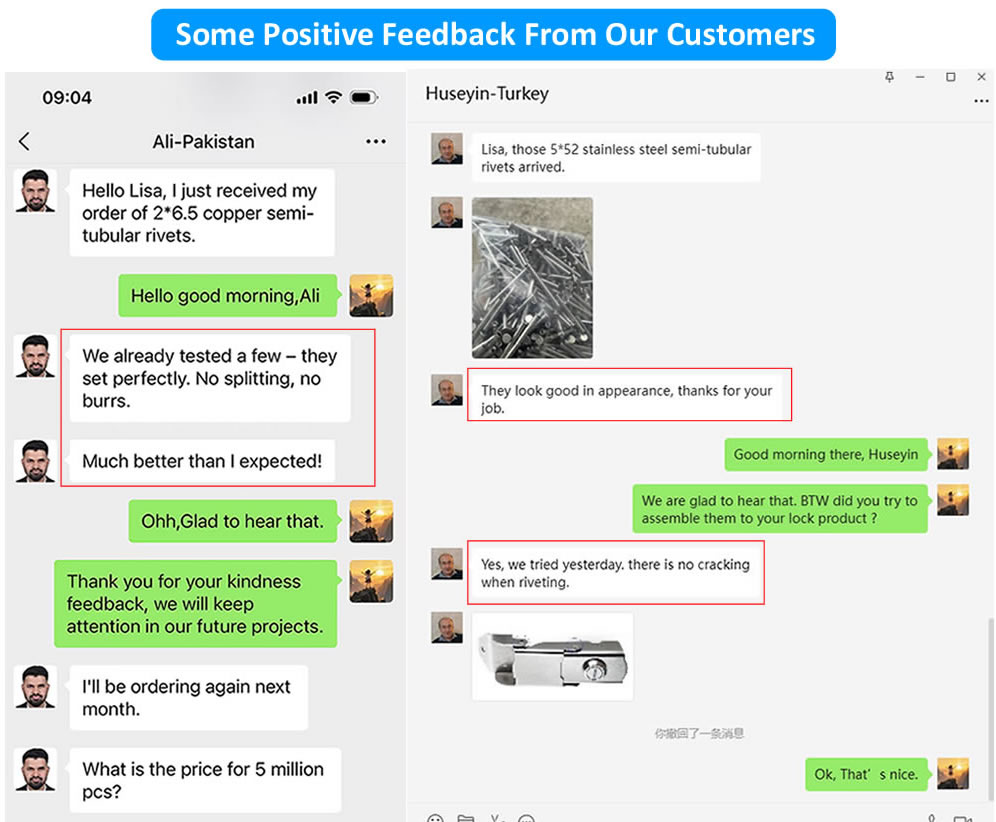
We let our customers speak for us. The images above show real feedback from manufacturers who have used our brass half hollow rivets in their production lines – from appliance manufacturers to leather goods makers to electronics assemblers.
They come back to us for the same reasons:
Low‑force setting – 70% less force than solid rivets, protects delicate materials
Consistent quality – Every batch meets their dimensional and performance requirements
Reliable delivery – Samples ship in 5–7 days, production on schedule
Three Questions We Answer Often
Q: "Are brass half hollow rivets and brass semi‑tubular rivets the same thing?"
A: Yes – they are the same product. Some customers call them half hollow rivets, others call them semi‑tubular rivets or half tubular rivets. Different names, same reliable fastener. We manufacture the same product under multiple names so you can find us regardless of which term you use.
Q: "Can I get samples before ordering production quantities?"
A: Yes – we offer samples for all our products. For standard existing specifications, samples are provided free of charge – you only pay the shipping cost. For custom sizes or custom tooling, sample availability and lead time depend on the specific requirements. Please contact our sales team with your drawing or specification, and they will advise on sample cost and delivery timeline.
Q: "How do I select the correct barrel length for a brass half hollow rivet?"
A: Select a barrel length approximately 1.5–2.0mm longer than your total material stack thickness. For example, if you are joining two 2mm sheets (total 4mm), choose a barrel length of 5.5–6.0mm. This extra length provides enough material for the hollow section to roll outward and form a secure clinch without bottoming out. If the barrel is too short, the clinch will be weak. Too long, and the barrel may crumple. Send us your material stack thickness and we will recommend the exact length.
Hot Tags: Brass Half Hollow Rivets,Brass Rivets Supplier,Half Hollow Rivets Manufacturer
Related Categories
Send Inquiry
Please feel free to fill your inquiry in the form below. We will reply you in 24 hours.



X
We use cookies to offer you a better browsing experience, analyze site traffic and personalize content. By using this site, you agree to our use of cookies.
Privacy Policy