
Products
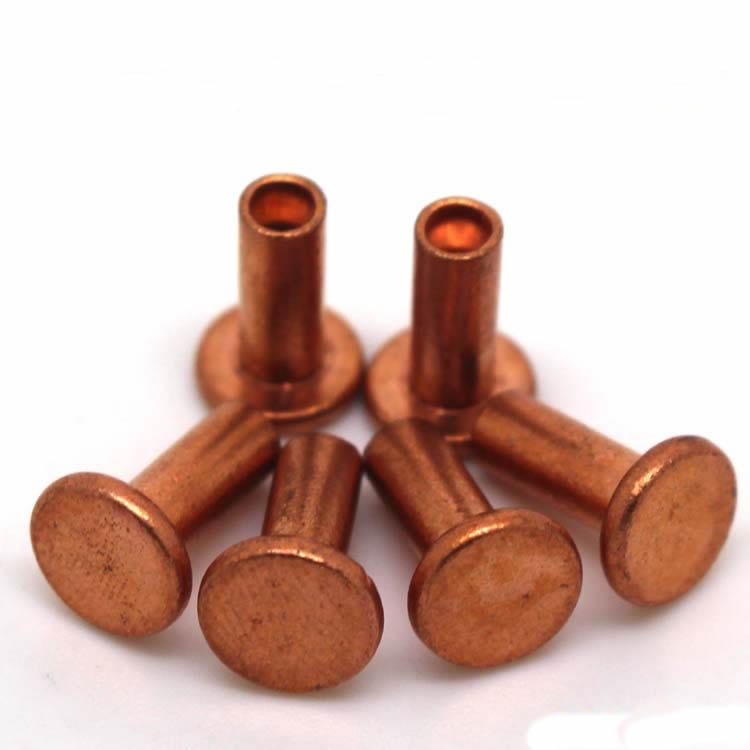
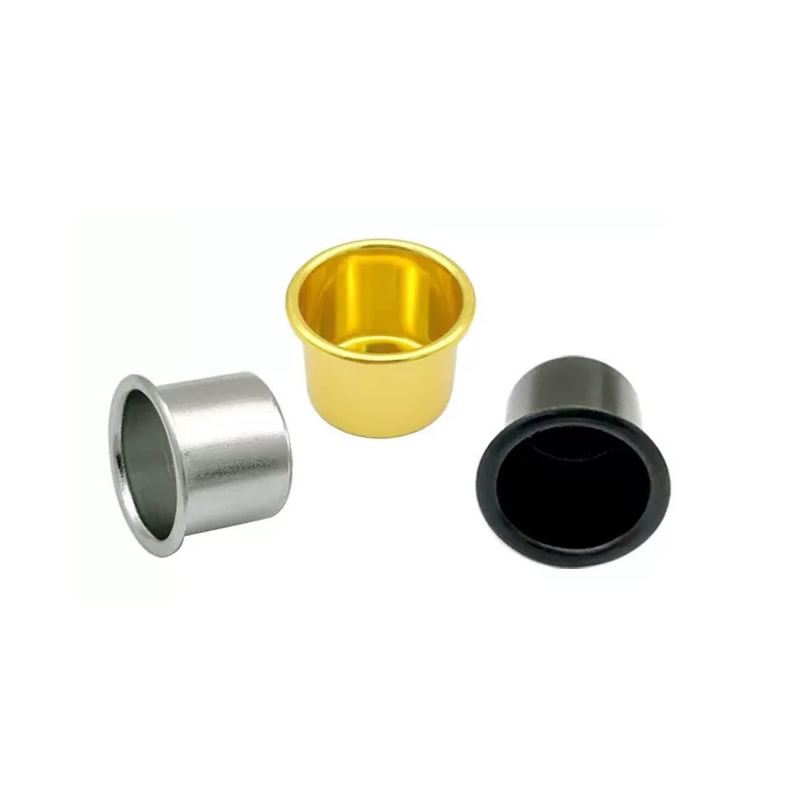
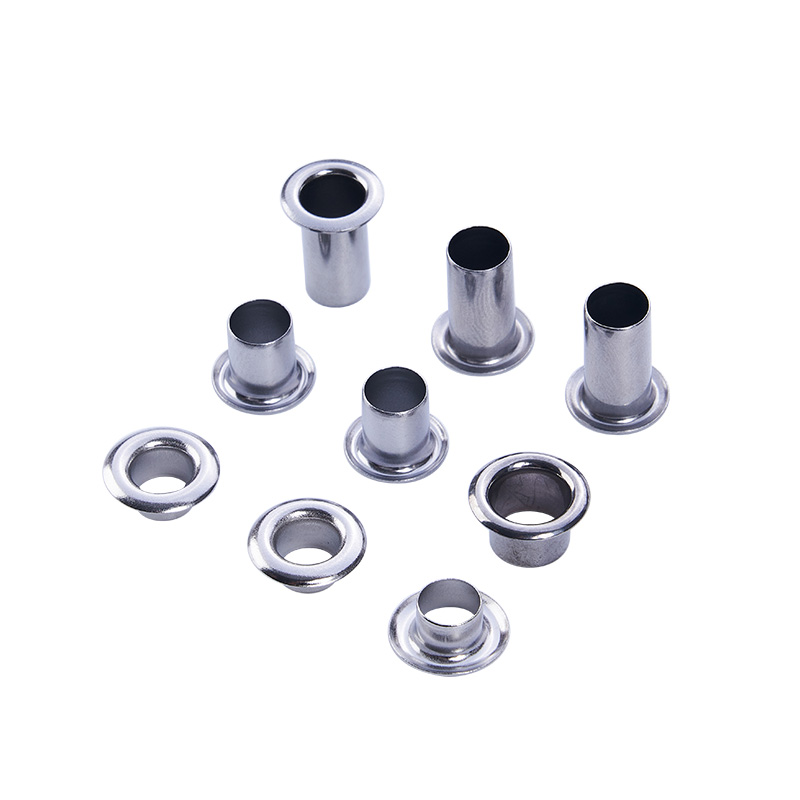
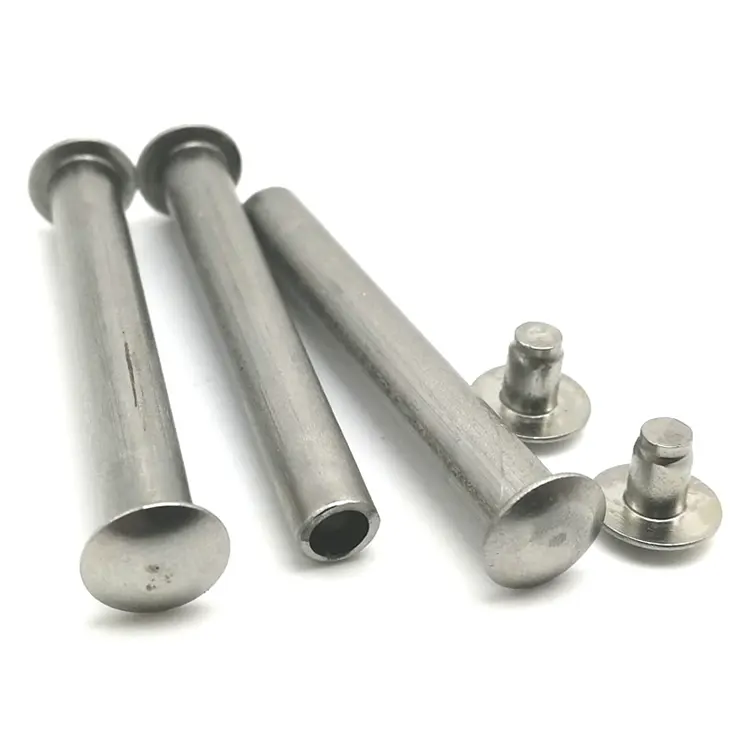
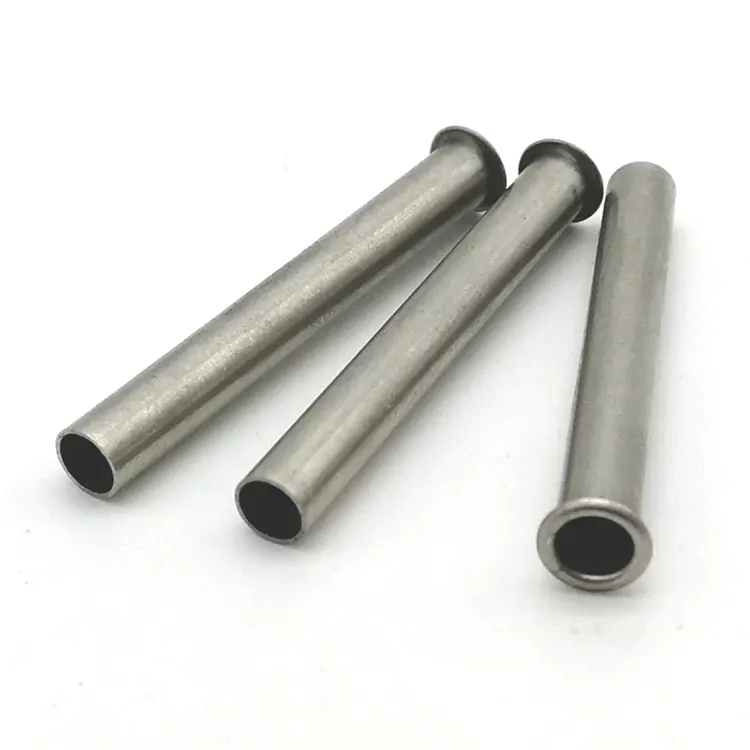
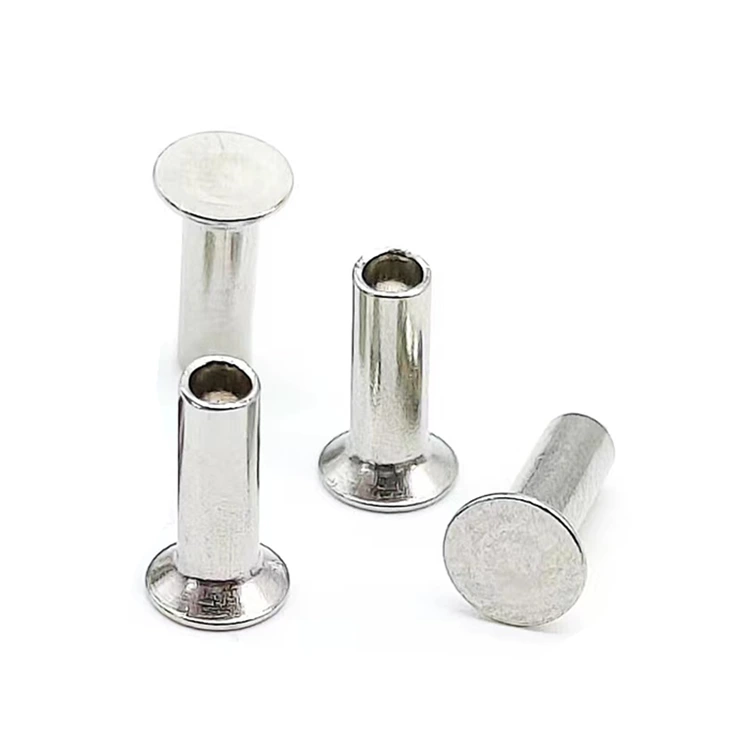
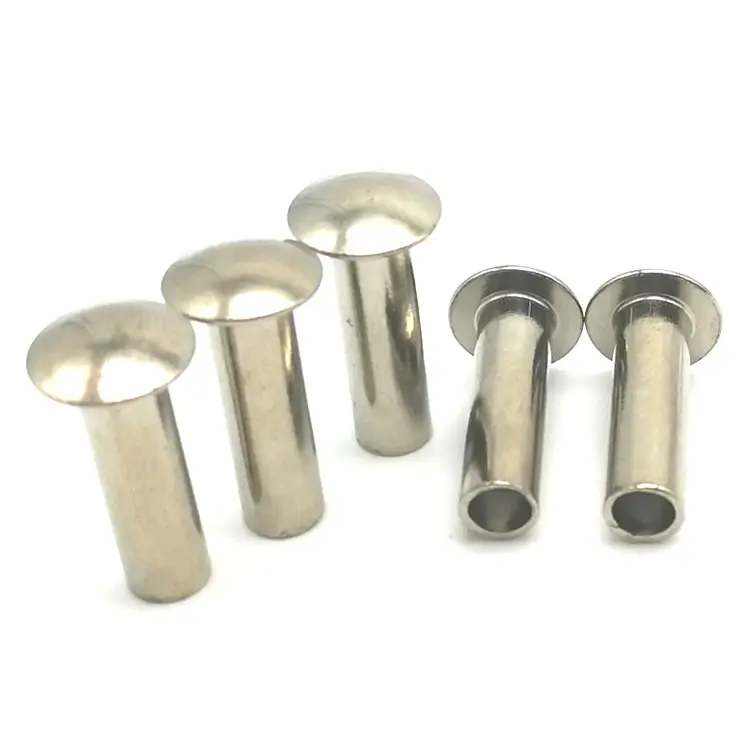
Countersunk Head Half Hollow Rivets
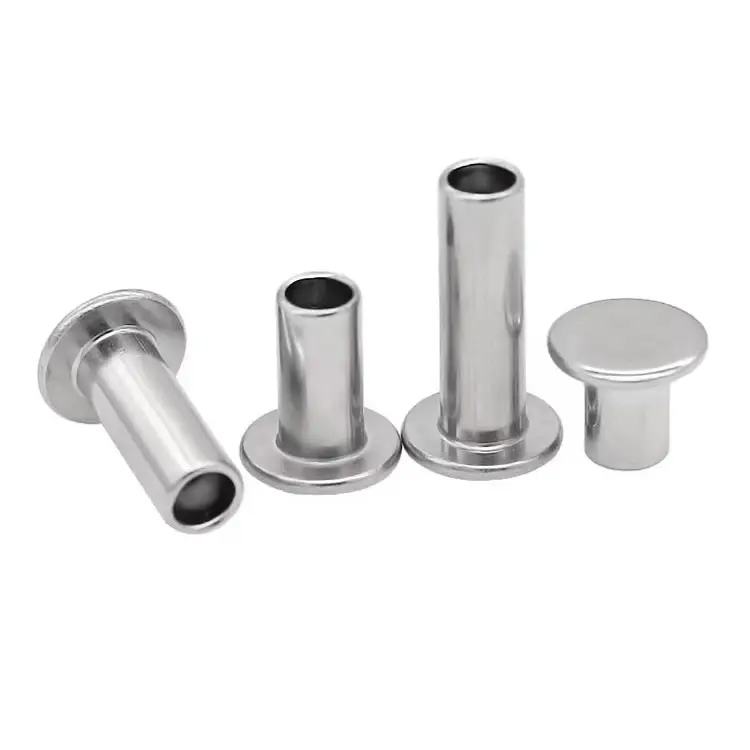
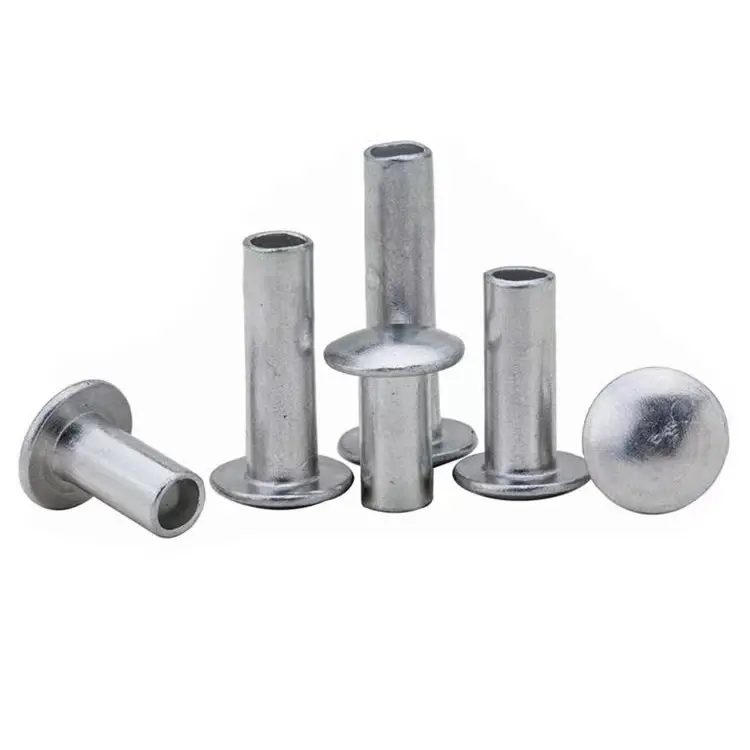
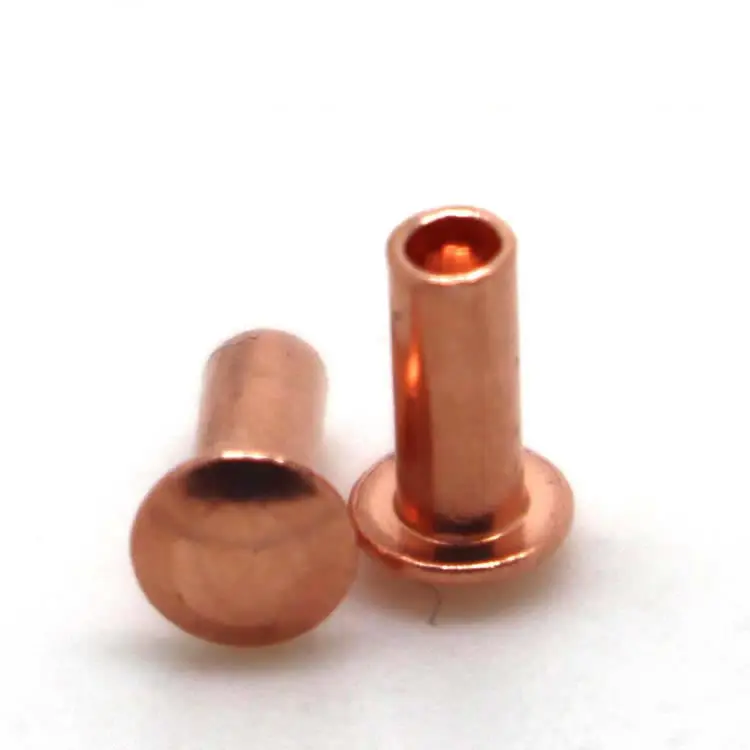
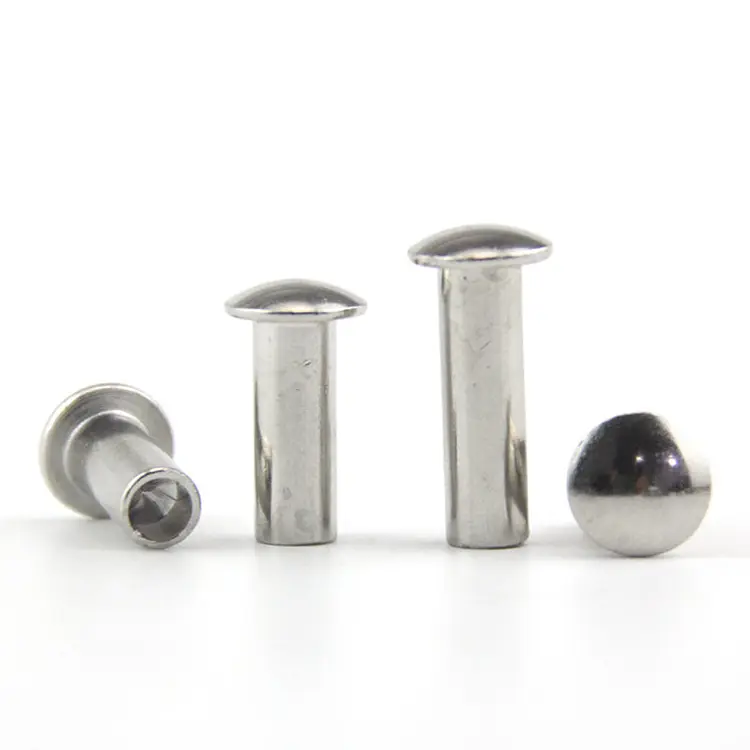
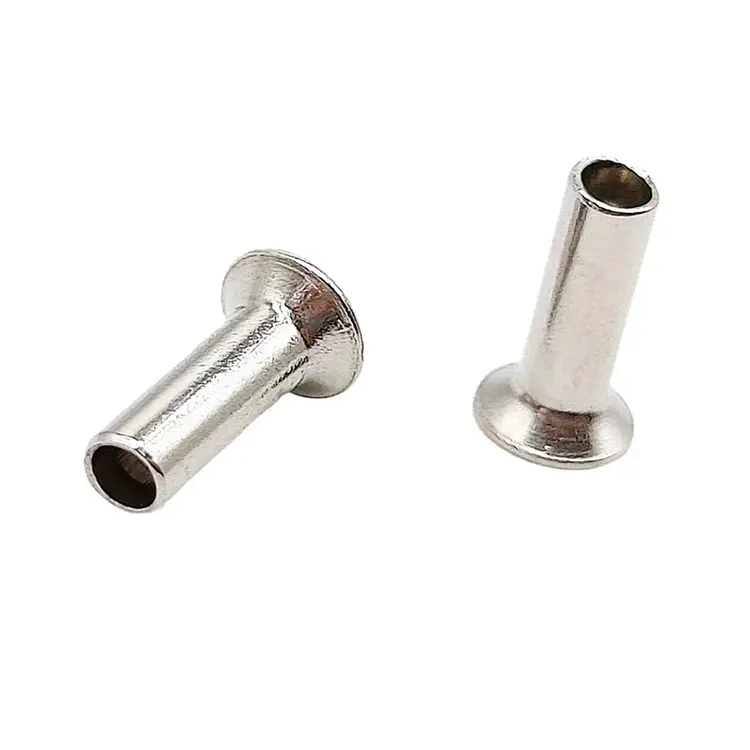
Countersunk head half hollow rivets are a special type of rivet, named for their unique structural design. "Countersunk" means that the rivet head is flush with or slightly below the connecting surface after installation, creating a smooth appearance and avoiding the inconvenience or danger of protruding parts. "Semi-hollow" refers to the partially hollow internal structure of the rivet, allowing for quick and efficient fastening using specialized tools during installation.
Send Inquiry
Product Description
When a rivet head cannot protrude above the surface – because of mating parts, sliding mechanisms, or simply a clean design – the countersunk head is the only answer.
Countersunk head half hollow rivets combine zero protrusion with 70% less setting force. The tapered head sits flush with the surface. The semi‑hollow cavity reduces setting force by about 70% compared to a solid rivet. Fast setting. Flush finish. No snagging. No interference.
Countersunk vs. Flat Head – The Flush‑Finish Difference
| Feature | Countersunk Head Half Hollow Rivet | Flat Head Half Hollow Rivet |
|---|---|---|
| Head profile | Tapered (90° or 120°) | Flat, straight sides |
| Hole preparation | Straight hole + countersink taper | Straight hole only |
| Head protrusion | Zero – sits flush or below | 0.8–1.2mm (for 5mm shank) |
| Best for | Flush surfaces, mating parts, aerodynamics | Low‑profile, clearance‑limited |
Choose countersunk head when: The joint must be completely smooth. The rivet is on a sliding surface or mating part. A protruding head would interfere with assembly. You want a flush finish but still need fast, low‑force installation.
Head Angles – Which One Do You Need?
| Angle | Standard | Best For | Common Applications |
|---|---|---|---|
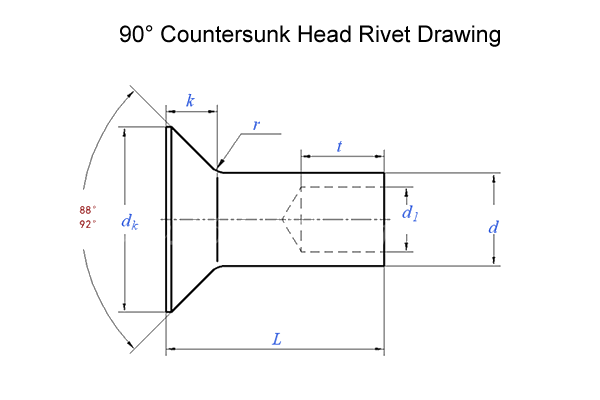
| 90° | GB/T 1015, DIN 6792 | General industrial, furniture, electronics, automotive | Most standard countersink tools are 90° |
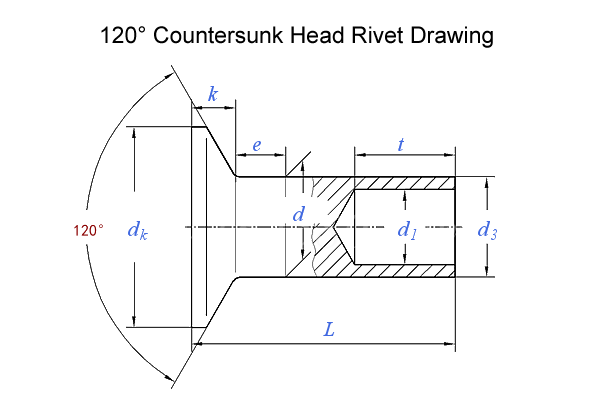
| 120° | Q 464, ASME B18.7 | Thicker materials, heavy‑duty assemblies | Common in construction and heavy equipment |
| 150° | BS 3575 | Sheet metal, softer materials | Thin panels, automotive bodywork |
| 100° | Aerospace standards | Aerospace, defence | Aircraft and high‑performance assemblies |
Match your countersink tool. A rivet with the wrong angle will either sit proud or sit too deep. We recommend matching the angle of your existing countersink bit.
One Real Application – Electronic Enclosure Assembly
A manufacturer of industrial control panels needed to mount components inside a metal enclosure without any protruding fasteners. The panels had to stack flush against each other. The previous round head rivets scraped against mating panels during assembly and created gaps. Countersinking was already part of their process – they just needed the right rivet.
We supplied stainless steel countersunk head half hollow rivets – 4.0mm shank, 8.0mm head, 90° angle, 10.0mm barrel length, passivated finish. The head sat flush with the panel surface – no more scraping, no more gaps. The half hollow cavity cut setting force from 3.5 tons to 1.0 ton. The customer tested 1,000 rivets across 500 panels. After 10,000 assembly cycles, zero failures. They now order countersunk head half hollow rivets in batches of 150,000 pieces annually.
Inside Our Production – 45 Machines, 10+ Years Experience
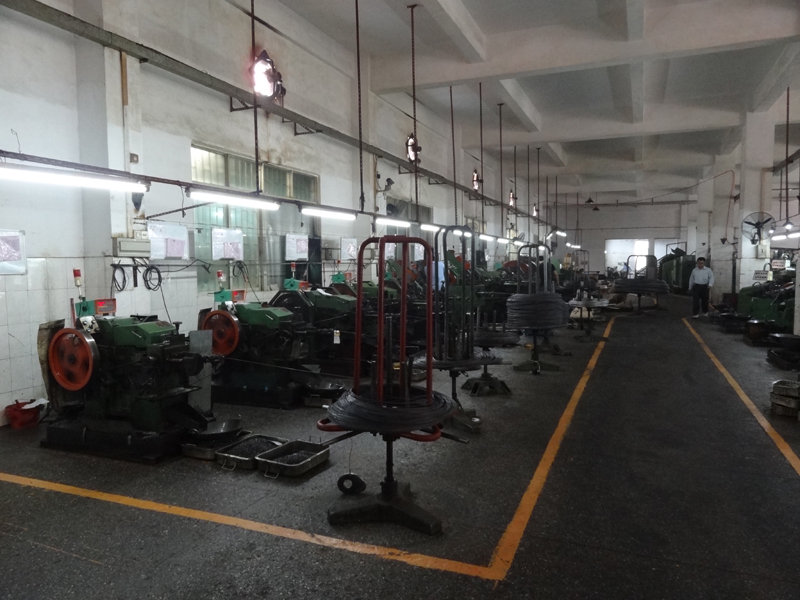
We manufacture countersunk head half hollow rivets on 45 cold‑heading machines in our Dongguan facility. Capable of producing rivets from 0.8mm to 10mm in diameter.
What we produce: Standard rivets for high‑volume orders, and custom rivets with non‑standard head angles or lengths.
Who makes them: Our senior technicians have an average of 10+ years of cold‑heading experience.
What we check: Head angle (±1°), cavity depth (45–55% of barrel length), head diameter, shank diameter, hardness – every batch.
Production speed: Up to 400 pieces per minute on standard diameters.
Why Customers Choose Us – Real Feedback

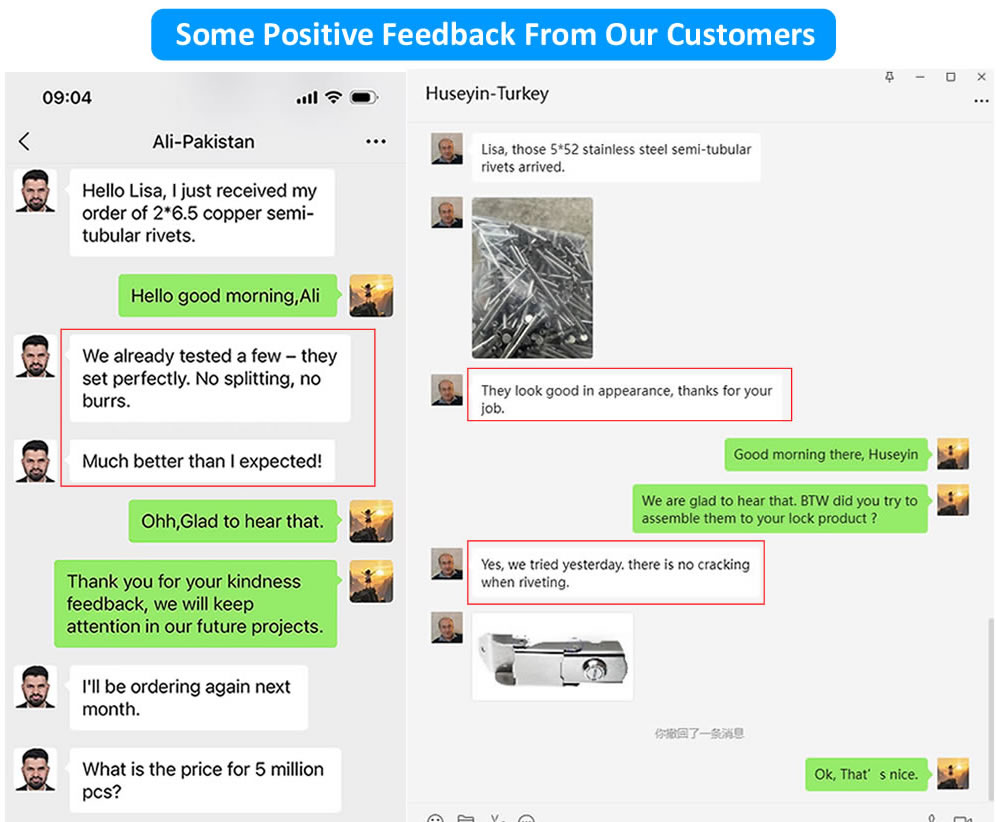
We let our customers speak for us. Manufacturers who use our countersunk head half hollow rivets come back to us for the same reasons:
Zero protrusion that actually works – Heads sit flush with the surface. No snagging, no interference, no field complaints.
Low‑force setting – 70% less force than solid rivets. Protects thin panels and sensitive assemblies.
Consistent head angles – 90° and 120° options, verified on every first article. No proud heads. No recessed heads.
Quick samples, reliable delivery – Samples in 5–7 days. Production on schedule.
We work with manufacturers in electronics enclosures, automotive interiors, aerospace panel assemblies, sheet metal fabrication, appliances, and signage and displays – across North America, Europe, and Asia. Whether you are a small shop or a large OEM, the quality is the same. The service is the same.
Three Questions We Answer Often
Q: "What happens if I use a countersunk head rivet with the wrong head angle?"
A: A 100° rivet in a 90° countersink will sit proud – the head will not seat fully. A 90° rivet in a 100° countersink will sit too deep – the head will be below the surface, creating a recess that can trap debris or weaken the joint. The rule is simple: the rivet head angle must match your countersink tool angle. If you are unsure what angle your countersink is, we recommend 90° – it is the most common and compatible with the majority of standard countersink bits. Send us a sample of your countersink tool or a pre‑countersunk hole, and we will verify the match before production.
Q: "What materials and finishes do you offer for countersunk head half hollow rivets?"
A: We offer five material families and multiple finishes:
- Carbon steel – zinc‑plated, nickel‑plated, black oxide, plain
- Stainless steel (304/316) – passivated
- Brass (C2680) – natural lacquered, nickel‑plated, antique
- Copper (C11000) – plain, tumbled, lacquered, tin‑plated
- Aluminum (1100/5052/5056) – plain, clear anodized, color anodized, chem‑film
All platings are RoHS compliant.
Hot Tags: Countersunk Head Half Hollow Rivets,Half Hollow Rivets Manufacturer,Countersunk Head Rivets Supplier
Related Categories
Send Inquiry
Please feel free to fill your inquiry in the form below. We will reply you in 24 hours.



X
We use cookies to offer you a better browsing experience, analyze site traffic and personalize content. By using this site, you agree to our use of cookies.
Privacy Policy