Special Rivets
Products
- View as

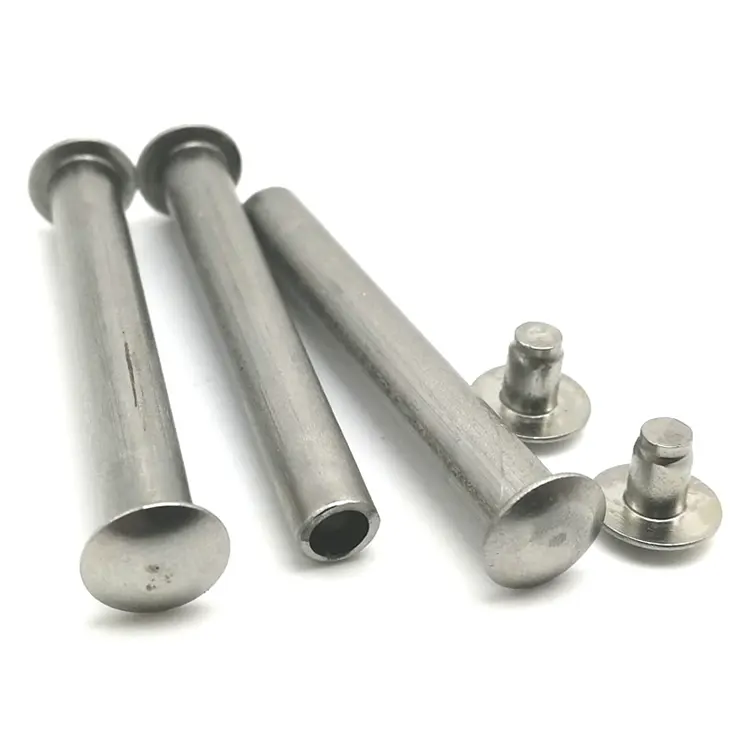
Knurled Rivets
Knurled rivets typically consist of a head, shank, and tail. The shank features a diagonal or straight knurled pattern, a machined, embossed texture that provides a better grip during installation and prevents tool slippage. The shank is cylindrical, with length and diameter varying depending on the application. Common sizes range from 3 mm to 8 mm in diameter and 5 mm to 20 mm in length. The tail may also have threads or grooves for mating with nuts or other fasteners.
View DetailsSend Inquiry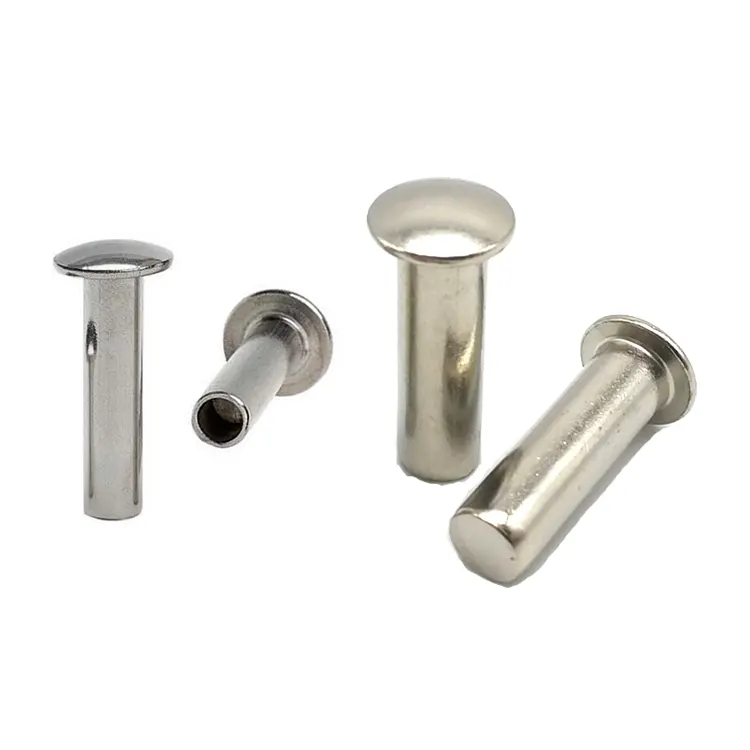
Iron Round Head Rivets
Iron round head rivets are a fastener widely used in industrial manufacturing and everyday life. Their unique design and excellent performance make them a top choice in many fields. Nuote Metals specializes in the production of iron round head rivets. The dimensions of our rivets strictly adhere to the tolerances specified on the customer's drawings. Each process is subject to a quality inspection cycle to ensure the quality of the final product. We have dozens of cold heading machines, with a daily output of tens of millions of rivets.
View DetailsSend Inquiry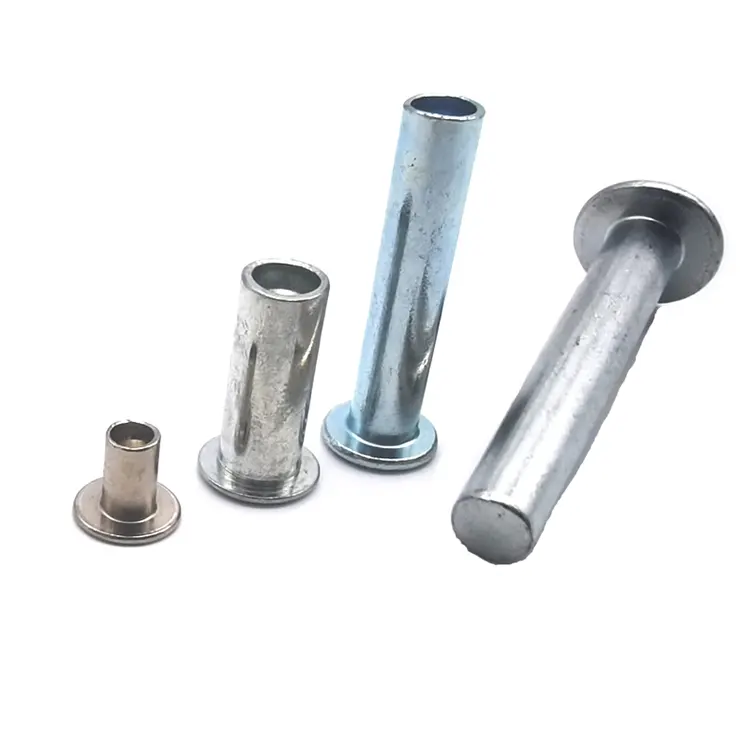
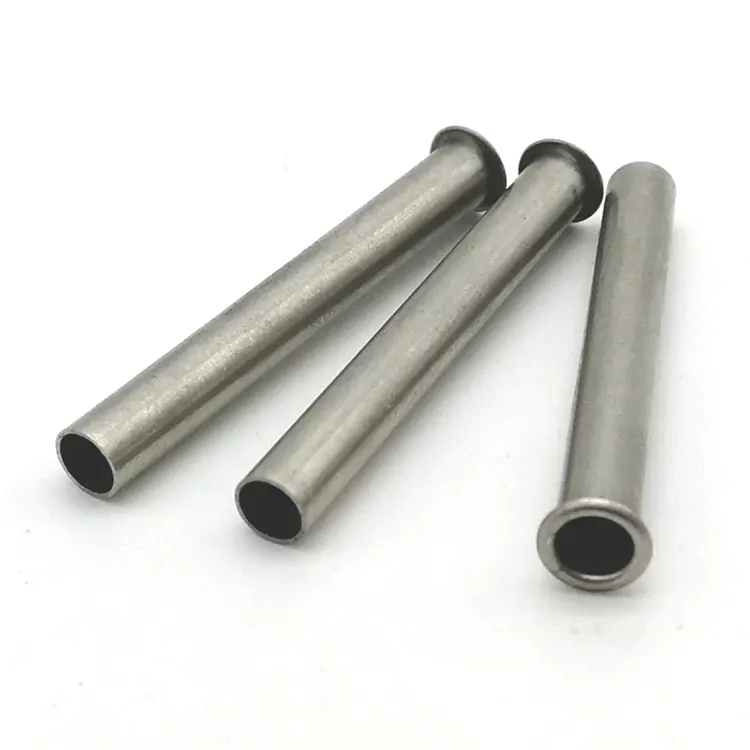
Iron Rivets
Nuote Metals manufactures iron rivets in solid, semi‑tubular, and full tubular designs – delivering the best combination of strength and economy in industrial fastening. Available in 1.5–8.0mm shank diameters with zinc plating or black oxide finish.
View DetailsSend Inquiry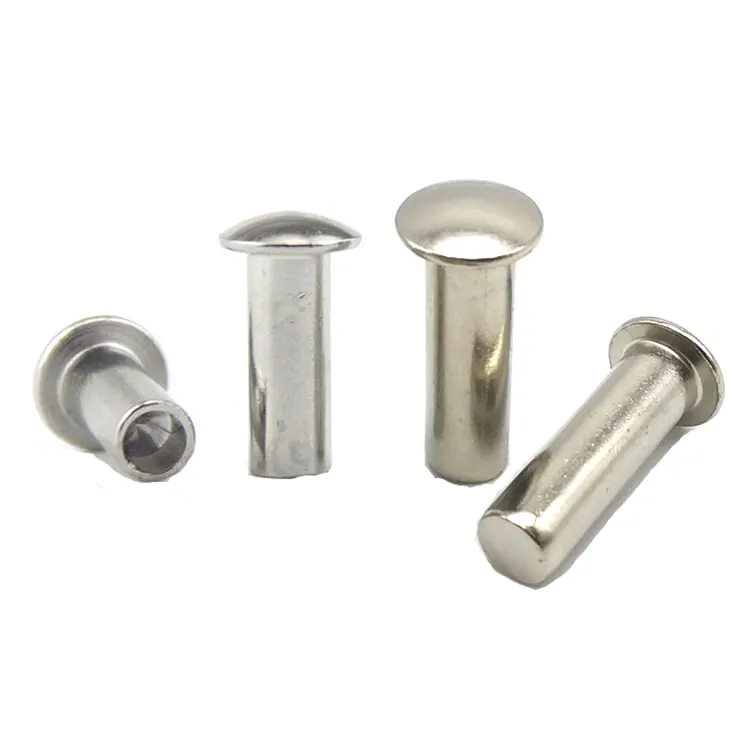
Iron Pan Head Rivets
Iron pan head rivets, with their lightweight, corrosion-resistant, and aesthetically pleasing features, have become versatile all-rounders in industrial manufacturing. Whether in weight-critical applications or everyday life, iron pan head rivets offer exceptional performance and reliability. Welcome to Nuote Metals in Dongguan, China, a specialist in these rivets. We offer high-quality products with guaranteed delivery. We also manufacture other hardware accessories, such as eyelets, machined parts, and stamped parts.
View DetailsSend Inquiry
Iron Mushroom Head Rivets
Nuote Metals is a professional rivet manufacturer located in Dongguan, China. Our iron mushroom head rivets, as the name suggests, feature a mushroom-shaped head with either a semi-hollow or solid core. The head is typically larger, providing a good bearing surface. This structure allows for deformation during installation, either through extrusion or specialized tooling, to securely connect two or more materials. Made of iron, they are typically galvanized or treated with other finishes for corrosion resistance.
View DetailsSend Inquiry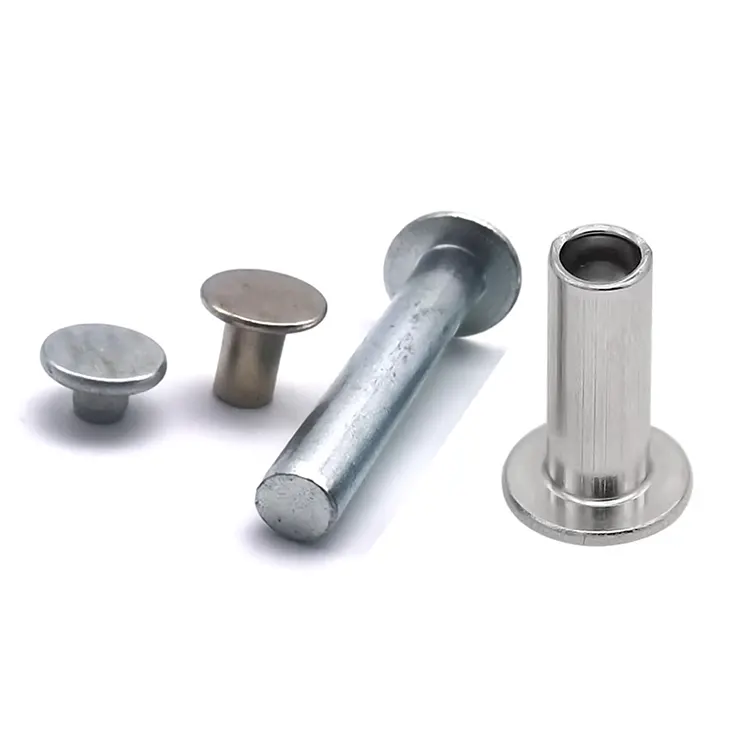
Iron Flat Head Rivets
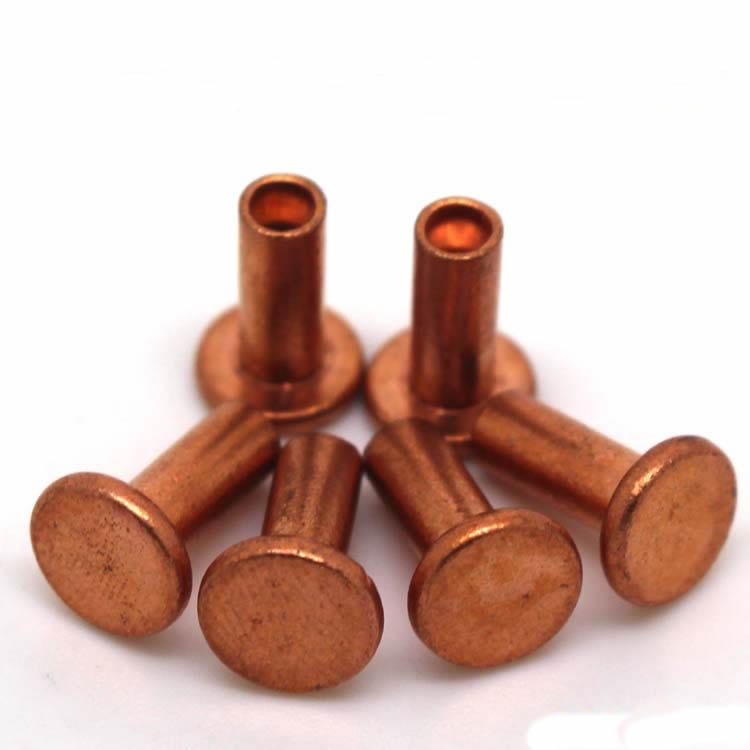
As a common mechanical connector, iron flat head rivets occupy an important position in multiple industrial fields due to their design features and wide range of applications. Structurally, the rivet head is flat, disc-shaped, and the body is cylindrical. The end is specially processed to form an upset structure. After installation, pressure or impact causes the body to expand, forming a mechanical engagement with the hole wall to achieve a tightening effect. Compared to round head rivets or countersunk head rivets, the flat head design has significant advantages in force distribution and contact area. For example, when subjected to shear force, its disc-shaped head can disperse the load to a larger area, effectively reducing the pressure per unit area.
View DetailsSend InquiryManufacturing process of special rivets
The manufacturing of Special rivets involves multiple links, mainly including:
1.Material selection: Select suitable metal or alloy materials according to the use environment.
2.Cold heading or hot heading: Use pressure processing to form the basic shape of the rivet into the metal blank.
3.Turning or Milling: Fine-process the details such as the head and stem of the rivet to ensure dimensional accuracy.
4.Surface treatment: Such as galvanizing, nickel plating, anodizing, etc. to improve corrosion resistance or aesthetics.
Advantages and limitations of special rivets
(1) Advantages: They can meet special needs, improve assembly efficiency and connection reliability, and are suitable for complex or high-demand application scenarios.
(2) Limitations: Since they are customized products, the production cost is high, the delivery cycle is relatively long, and customers are required to provide detailed technical parameters.
How to choose suitable special rivets?
(1) Clarify the needs: Determine the key parameters such as the rivet's operating environment, stress conditions, and corrosion resistance requirements.
(2) Material matching: Select the appropriate material based on actual needs to avoid over-design that leads to increased costs.
(3) Communicate with suppliers: Provide detailed technical drawings or samples to ensure that the Special rivets produced meet expectations.
What are the main applications of special rivets?
(1) Aerospace: Aircraft, rockets and other equipment have extremely high requirements for the weight, strength and high-temperature resistance of fasteners. Special rivets can be optimized according to specific needs.
(2) Automobile manufacturing: Certain special models or high-performance vehicles may require Special rivets to meet the needs of lightweight or high-strength connections.
(3) Electronic equipment: Precision instruments or small electronic equipment may require micro Special rivets to ensure the stability and compactness of the connection.
(4) Construction industry: Some special-structured buildings or decoration projects may use Special rivets to meet specific installation requirements.
Market status of special rivets
With the advancement of industrial technology, more and more industries have begun to use Special rivets to optimize product design. At present, Special rivet manufacturers are mainly concentrated in the Yangtze River Delta and Pearl River Delta regions in China, and can provide a variety of customized services. Due to the high unit price of Special rivets, its market size is relatively small, but the demand in the high-end manufacturing field continues to grow.
Future development trends
(1) Lightweight design: With the improvement of energy-saving and environmental protection requirements, Special rivets made of lightweight materials will be more popular.
(2) Intelligent production: Automated equipment and digital management will further improve the production efficiency and quality stability of Special rivets.
(3) Wider application: Emerging industries such as new energy and robotics may drive the growth of demand for Special rivets.
In summary, special rivets are highly customized fasteners that can meet special needs that standard rivets cannot meet. Although its production cost is relatively high, it plays an irreplaceable role in industries such as aerospace, automobiles, and electronics. In the future, with the advancement of manufacturing technology, the application scope of Special rivets is expected to further expand.



X
We use cookies to offer you a better browsing experience, analyze site traffic and personalize content. By using this site, you agree to our use of cookies.
Privacy Policy