Products
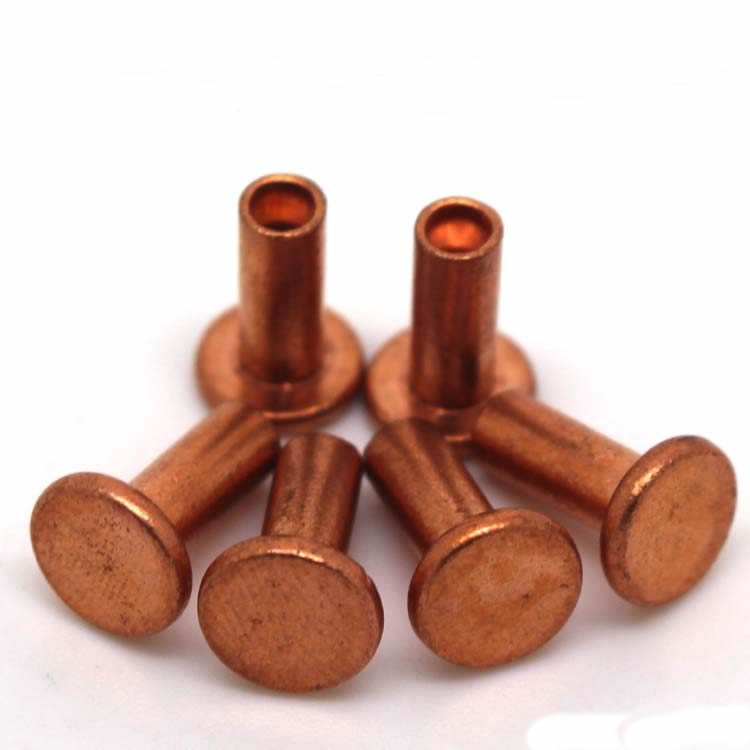
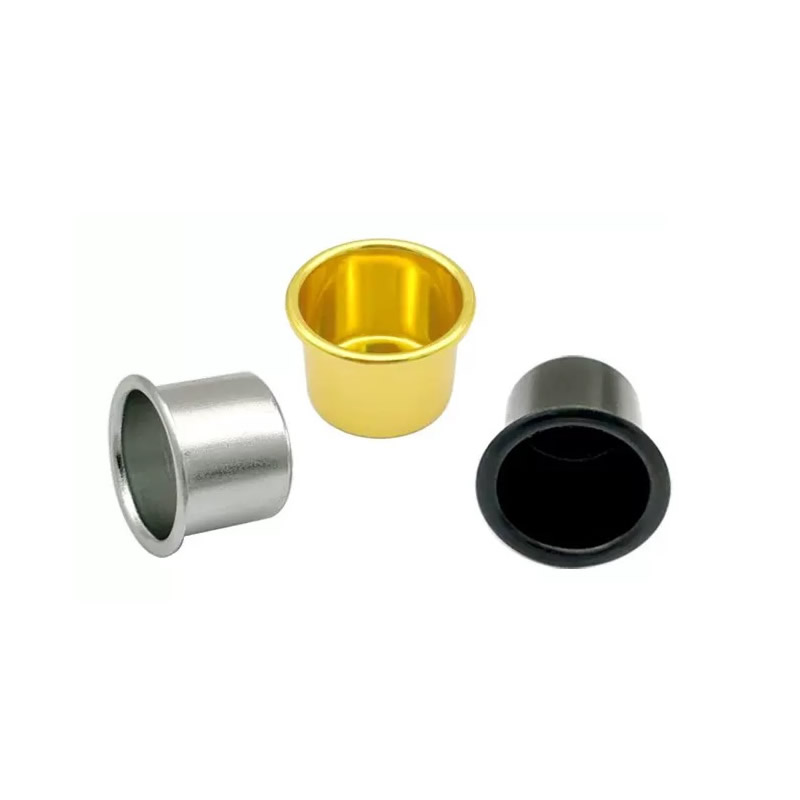
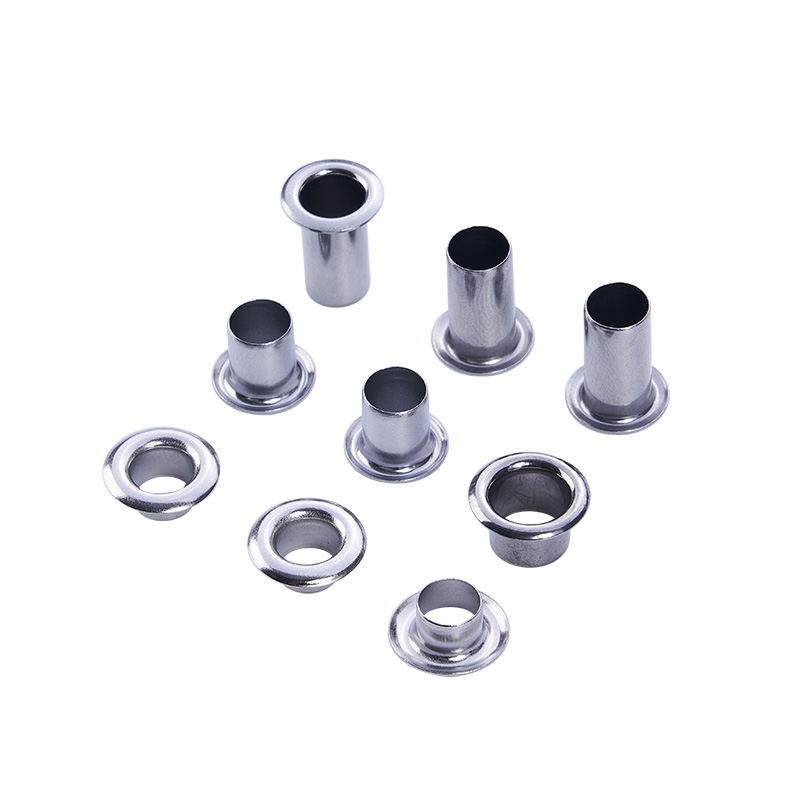
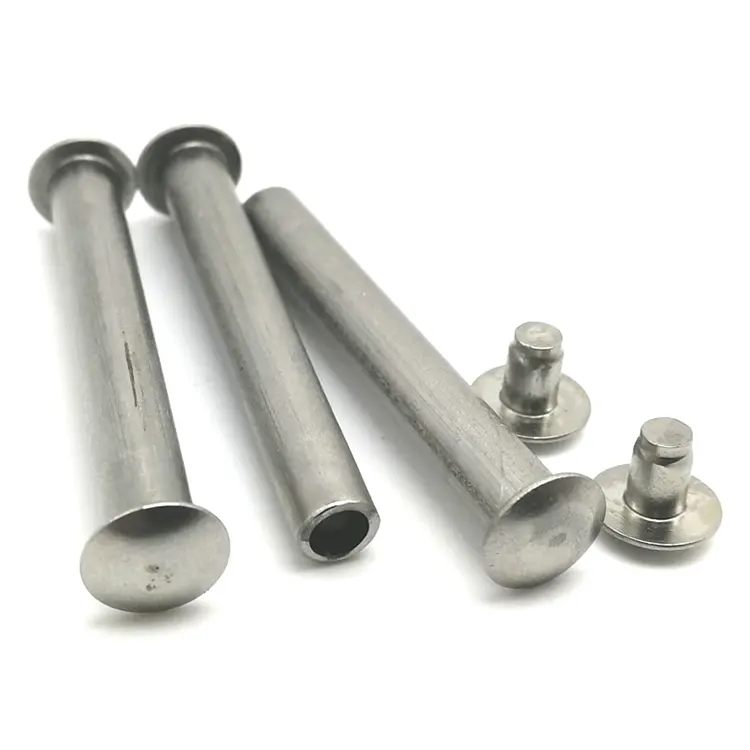
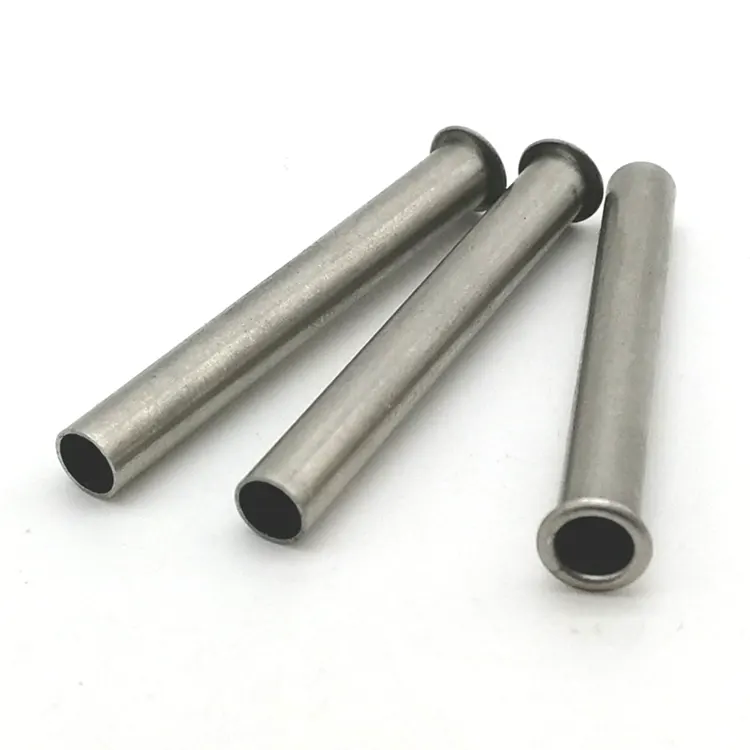

Stainless Steel Turning Parts
Nuote Metals offers stainless steel turning parts with high precision, we are located in Dongguan, China. Stainless steel machining is the process of shaping stainless steel by cutting away the material of a workpiece, or by machining an internal radius into the surface.
Send Inquiry
Product Description
Stainless Steel Turning Parts – When Corrosion Resistance Meets Machining Difficulty
Stainless steel is not just "steel that doesn't rust." It is a family of alloys that work-hardens aggressively, produces stringy chips that wrap around tooling, and demands surface integrity that carbon steel never requires. Many machine shops treat stainless like 1045 carbon steel—and the result is poor finish, short tool life, and high scrap rates.
Nuote Metals machines Stainless Steel Turning Parts differently. We select tooling, coolant, and cutting parameters specifically for stainless. We verify surface integrity, not just dimensions. And we understand that for medical, food, and marine customers, a scratch or a smeared surface is a functional defect—not a cosmetic one.
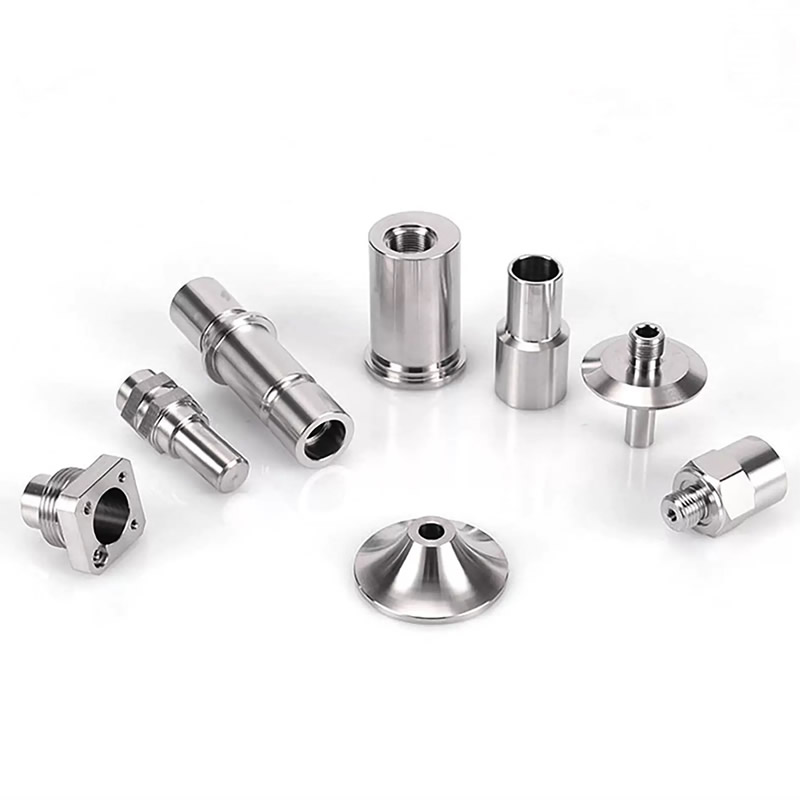
The Hidden Cost of Stainless Turning – It's Not the Material, It's the Scrap
Stainless steel bar stock costs more than carbon steel—but that's not where projects go over budget. The real cost is scrap: parts that fail surface finish, dimensional drift, or passivation requirements. Three failure modes account for most stainless turning losses.
1. Work-hardening drift.
Stainless work-hardens when the tool rubs instead of cuts. The surface becomes harder than the substrate, dulling the next pass and pushing the dimension out of tolerance. By the time the operator notices, dozens of parts are scrap.
2. Chip wrapping and surface damage.
Stainless produces stringy, gummy chips—especially 304 and 316. If chips wrap around the tool or the part, they scratch the surface. For medical and food parts, a Ra 0.4μm finish can become Ra 1.6μm in seconds.
3. Inconsistent passivation.
Stainless relies on a passive chromium oxide layer for corrosion resistance. If machining smears the surface or leaves embedded iron particles, passivation fails. The part may look clean but corrode in service.
How We Machine Stainless – Different Tooling, Different Rules
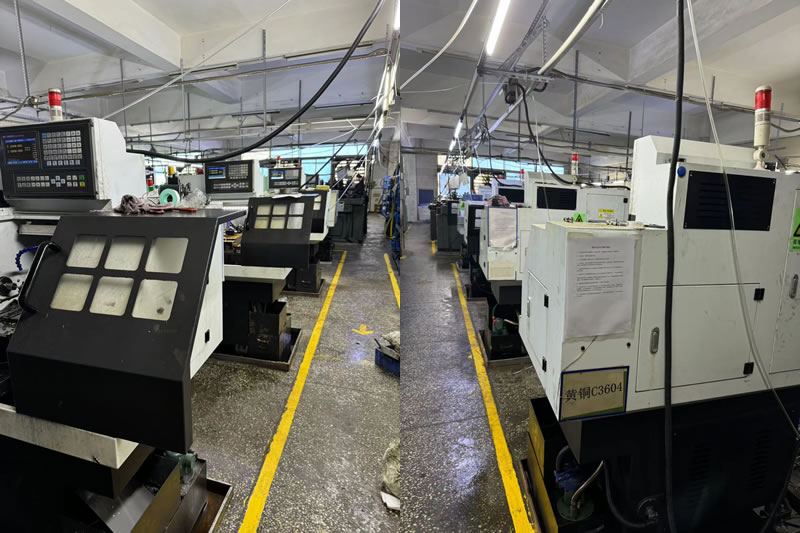
We don't quote stainless jobs at carbon steel speeds and feeds. Every stainless part gets a dedicated process plan.
Tooling:
We use sharp, high-positive rake inserts with PVD-coated carbide (TiAlN or AlCrN) designed specifically for stainless. For 17-4 PH and 440C, we switch to CBN for finish passes. Sharp edges cut cleanly instead of rubbing—this is the single most important factor in preventing work-hardening.
Coolant:
High-pressure coolant (70–100 bar) directed at the cutting edge. This breaks chips, controls heat, and suppresses work-hardening. For 304 and 316, we use nitrogen-cooled turning on finishing passes.
Parameters:
Low surface speed, high feed rate. We cut fast enough to stay above the work-hardening threshold but slow enough to avoid rapid tool wear. For 316, typical surface speed is 120–150 m/min—roughly half of what we use on 1045 carbon steel.
Verification:
Surface roughness tested with a portable profilometer. Passivation verified with a copper sulfate test or ferroxyl test. Dimensional inspection with CMM on all critical features.
Stainless Grades We Machine – And What Each Is For
| Grade | Machinability | Corrosion Resistance | Typical Hardness | Best Application |
|---|---|---|---|---|
| 303 | Excellent | Moderate | 160–200 HB | High-volume turned parts, nuts, fittings |
| 304 | Moderate | Good | 150–200 HB | Food equipment, medical, general |
| 316 | Moderate | Excellent (marine) | 150–200 HB | Marine, chemical, pharmaceutical |
| 17-4 PH | Difficult | Very good | 40–45 HRC (H900) | Aerospace, high-strength shafts |
| 440C | Difficult | Good | 58–62 HRC | Bearings, valves, cutting tools |
A note on 303 vs. 304: 303 contains sulfur for improved machinability—it turns faster and produces shorter chips. But sulfur reduces corrosion resistance and weldability. For medical or food parts, 304 or 316 is usually required. We help customers choose the right grade based on their application, not just what's easiest to machine.
A Real Example – 316 Stainless Manifold for Medical Analyzer
A European medical device manufacturer needed a 316 stainless manifold with a Ra 0.4μm internal finish and 0.01mm bore tolerance. Their previous supplier delivered parts that failed passivation testing—embedded iron particles caused corrosion in the analyzer's fluid path.
What we did differently:
- Used dedicated tooling reserved only for 316 stainless—no cross-contamination from carbon steel.
- Switched to nitrogen-cooled turning on the finishing pass to prevent smearing.
- Added a ferroxyl test to verify passivation before shipping.
- Shipped 3,000 pieces with zero passivation failures. The customer eliminated their incoming inspection for surface integrity.
Frequently Asked Questions About Stainless Steel Turning Parts
Q1: What is the difference between 303 and 304 stainless for turned parts?
A: 303 contains sulfur (0.15–0.35%) to improve machinability. It turns faster, produces shorter chips, and gives better surface finish. But sulfur reduces corrosion resistance and makes welding difficult. 304 has no sulfur—it offers better corrosion resistance and weldability but is harder to machine. For high-volume turned parts not exposed to harsh environments, 303 is cost-effective. For medical, food, or marine applications, choose 304 or 316. Nuote Metals can advise based on your application and environment.
Q2: How do you prevent work-hardening when turning stainless?
A: Work-hardening occurs when the tool rubs instead of cuts. Prevention requires: (1) sharp, high-positive rake tooling—never use worn inserts; (2) cutting speeds above the work-hardening threshold (typically 120–150 m/min for 316); (3) high feed rates to keep the tool engaged; (4) high-pressure coolant directed at the cutting edge. At Nuote Metals, we program stainless jobs with these parameters and verify surface hardness after machining to confirm no hardened layer has formed.
Q3: Can you achieve Ra 0.4μm on stainless steel turned parts?
A: Yes. Ra 0.4μm is achievable on stainless with proper tooling and parameters. For internal bores, we use boring bars with polished inserts and nitrogen-cooled turning. For external surfaces, we use wiper inserts on the finishing pass. We verify surface roughness with a portable profilometer and include the results in the inspection report. For Ra 0.2μm or better, we recommend lapping or polishing as a secondary operation. Nuote Metals reviews surface finish requirements on every drawing and confirms achievable Ra before quoting.
How to Request a Quote for Stainless Steel Turning Parts
Send us your drawing (STEP, IGES, PDF, or DWG) with:
- Stainless grade (303, 304, 316, 17-4 PH, 440C, or other)
- Surface finish requirement (Ra value)
- Passivation or corrosion test requirement if applicable
- Tolerance requirements for critical dimensions
- Annual volume and batch sizes
Our engineering team reviews every inquiry within 24 hours and returns a detailed quote with DFM feedback on machinability, surface finish feasibility, and passivation requirements.
Hot Tags: Stainless Steel Turning Parts
Send Inquiry
Please feel free to fill your inquiry in the form below. We will reply you in 24 hours.





X
We use cookies to offer you a better browsing experience, analyze site traffic and personalize content. By using this site, you agree to our use of cookies.
Privacy Policy