Products
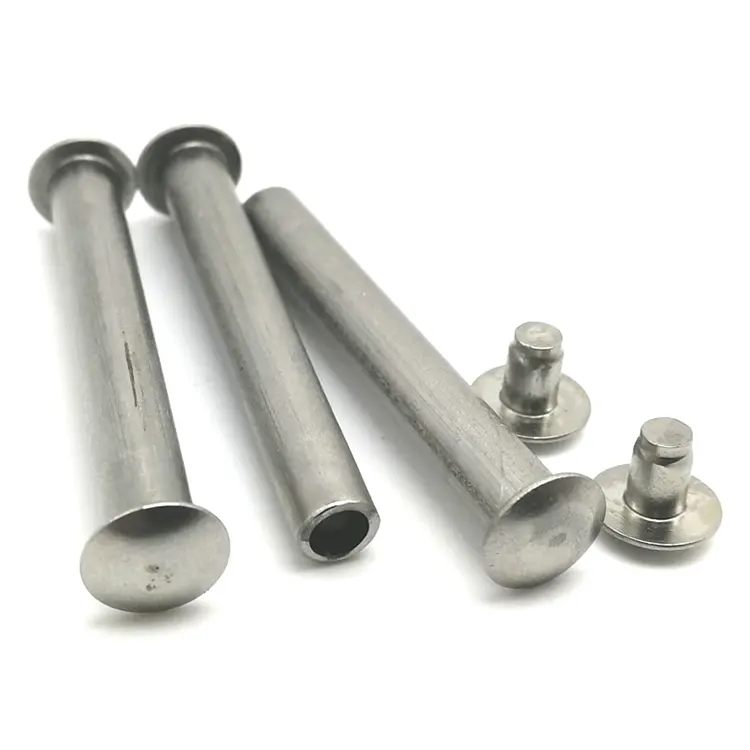
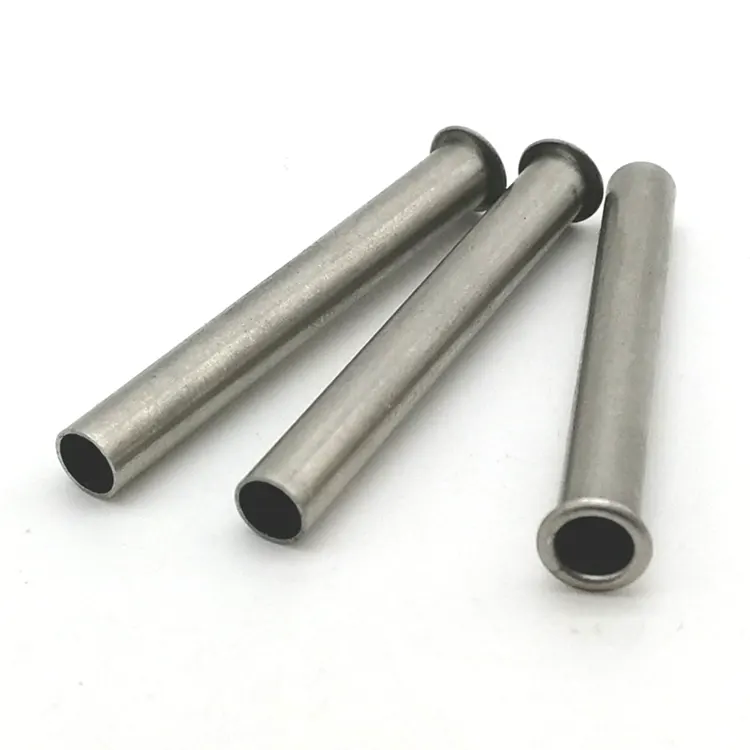

Steel Turning Parts
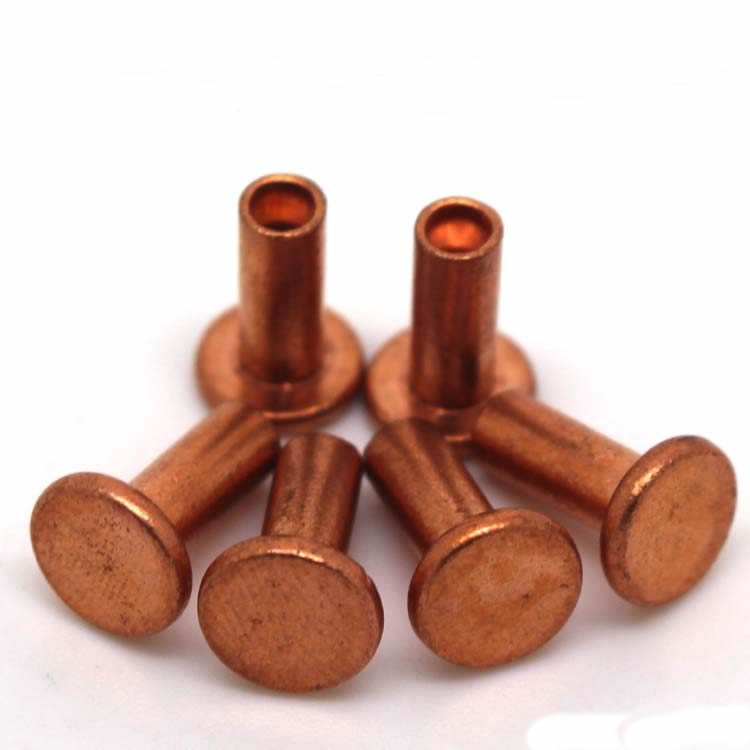
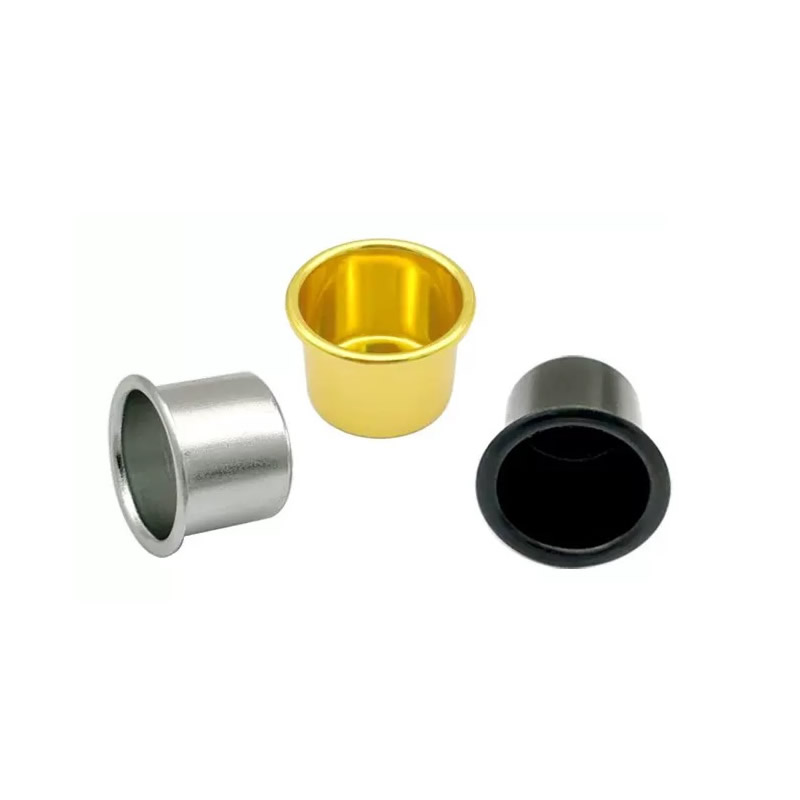
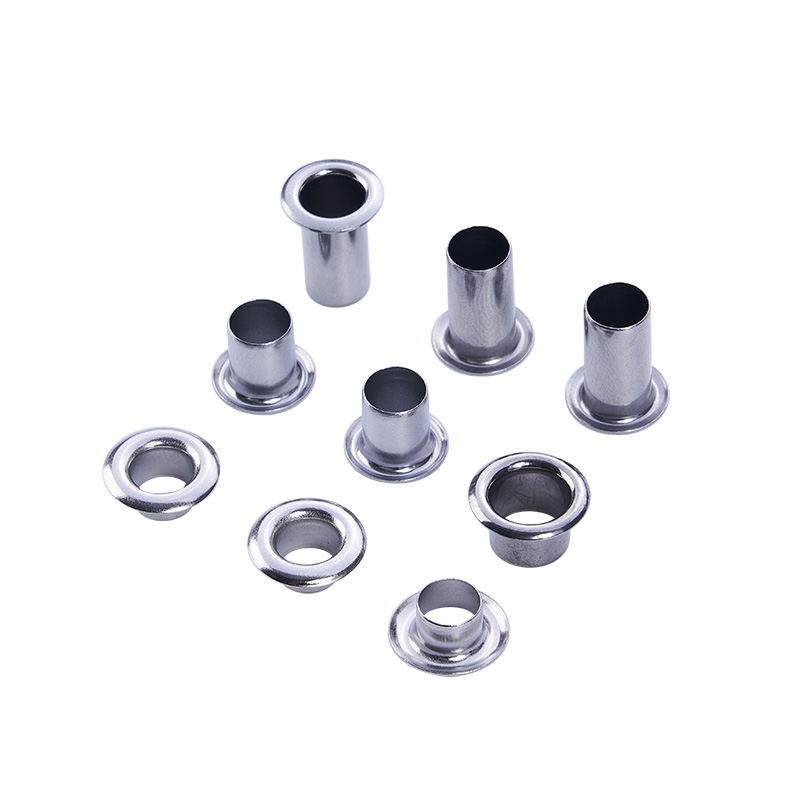
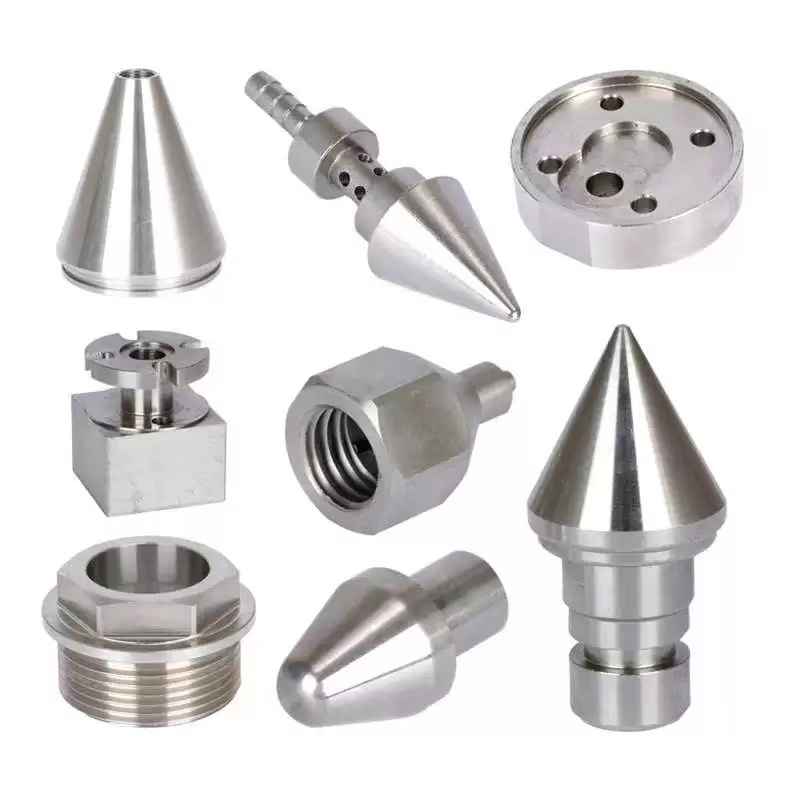
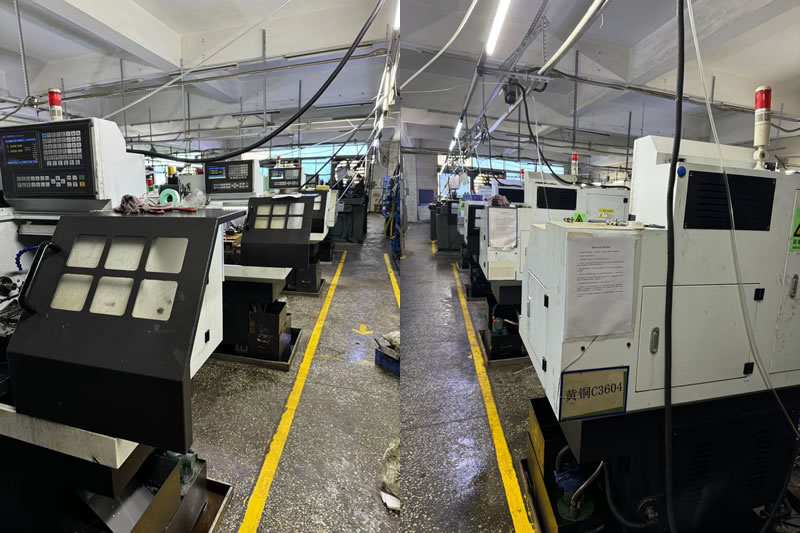
Nuote Metals offers Steel turning parts in various sizes from 0.5mm diameter to 100mm diameter. We manufacture steel turned parts using our manual and CNC lathes.Using the most up to date manufacturing technology, we can replicate precise measurements time and time again, just send us your requirement, and then we will take over the next step.
Send Inquiry
Product Description
Brass turns easily. Aluminum flows. Steel is different. It work-hardens under the tool, wears out inserts in minutes, and moves during heat treatment. That's why many machine shops quote steel turning jobs high—or avoid them altogether.
Nuote Metals takes the opposite approach. We specialize in Steel Turning Parts that other shops turn down: hardened 4140, nitrided 1045, 17-4 PH stainless, D2 tool steel. If your part needs to survive load, wear, and fatigue, we can machine it to spec and deliver it on schedule.
The Three Problems Steel Turning Creates
1. Tool wear and work-hardening.
Steel work-hardens when the tool rubs instead of cuts. We use high-positive rake tooling with PVD-coated carbide inserts (TiAlN or AlCrN) and program speeds above the work-hardening threshold. For 304 stainless, we use nitrogen-cooled turning.
2. Heat treatment distortion.
Heat treatment moves the part. A shaft that measured 0.005mm before quenching may be 0.05mm out of round after. We machine to pre-heat-treatment dimensions that compensate for known distortion patterns and leave stock for post-treatment grinding.
3. Hardness variation within a batch.
Hardness varies from surface to core and end to end. We verify hardness at multiple points on every incoming bar and reject out-of-range lots before production. During turning, tool offsets are adjusted at defined intervals to prevent drift.
Steel Grades We Machine – And Why They Matter
| Grade | Condition | Typical Hardness | Machining Challenge | Typical Application |
|---|---|---|---|---|
| 1045 | Hot rolled | 170–210 HB | Moderate – work-hardens if rubbed | Shafts, pins, bolts |
| 4140 | Q&T | 28–32 HRC | High – requires rigid setup and coated tooling | Hydraulic rods, gears |
| 4140 | Nitrided | 55–62 HRC (case) | Very high – case is harder than tooling | Valve spools, wear parts |
| 304 Stainless | Annealed | 150–200 HB | High – work-hardens rapidly, gummy chips | Food equipment, medical |
| 17-4 PH | H900 | 40–45 HRC | Very high – hard, tough, abrasive | Aerospace, chemical |
| D2 Tool Steel | Annealed | 210–240 HB | High – abrasive carbides wear tools quickly | Dies, cutting tools |
Our Approach to Hardened Steel – Machine It Right the First Time
We don't quote hardened steel jobs at standard speeds and feeds. Every heat-treated part gets a dedicated process plan:
1. Material verification: Hardness mapping across the bar. If the core is too hard or too soft, we adjust cutting parameters or reject the lot.
2. Tooling selection: For 4140 nitrided (55–62 HRC case), we use CBN (cubic boron nitride) inserts—not carbide. CBN lasts 10–20× longer and holds tolerance better.
3. Rigid setup: Minimal tool overhang, high-clamping-force chucks, and pre-loaded ball screws on every hardened job.
4. In-process SPC: Critical dimensions measured every 10–20 pieces. Tool offsets adjusted before the part drifts out of spec.
5. Final inspection: CMM verification on all critical features. Full dimensional report with every shipment.
A Real Example – 4140 Nitrided Valve Spool
A North American hydraulic equipment manufacturer needed a 4140 steel valve spool with a 0.008mm diameter tolerance and 55 HRC case hardness after nitriding. Their previous supplier could not hold the tolerance after heat treatment—the spool was 0.03mm out of round.
What we did differently:
- Machined the spool oversize to compensate for nitriding growth.
- Used CBN tooling for the final finish pass on the hardened case.
- Verified roundness with a Talyrond before and after nitriding.
- Shipped 5,000 pieces with zero rejections. The customer eliminated secondary grinding and reduced lead time by 12 days.
Frequently Asked Questions About Steel Turning Parts
Q1: Can you machine steel parts that are already heat-treated?
A: Yes. We machine hardened steel up to 62 HRC using CBN and ceramic tooling. For very hard or complex geometries, we may recommend hard turning followed by grinding. Send us your hardness specification and we will confirm whether turning alone can achieve your tolerance or if grinding is required.
Q2: How do you control distortion during heat treatment?
A: We control distortion through three steps: (1) pre-heat-treatment machining that leaves calculated stock for post-treatment grinding, (2) controlled heating and cooling cycles at our partnered heat treatment facility, and (3) dimensional verification before and after treatment to validate our compensation offsets. For critical parts, we run a pilot batch and adjust turning dimensions based on actual measured distortion.
Q3: What tolerances can you hold on hardened steel?
A: Our standard tolerance for hardened steel is ±0.01mm, with precision capability down to ±0.005mm for critical diameters. For case-hardened parts, tolerances apply to the finished case—not the pre-treatment dimension. Nuote Metals reviews every drawing and provides DFM feedback on achievable tolerances before you place an order.
How to Request a Quote for Steel Turning Parts
Send us your drawing (STEP, IGES, PDF, or DWG) with:
- Steel grade and heat treatment condition (annealed, Q&T, nitrided, carburized)
- Hardness specification and case depth if applicable
- Tolerance requirements for critical dimensions
- Annual volume and batch sizes
- Any secondary operations (grinding, plating, assembly)
Our engineering team reviews every inquiry within 24 hours and returns a detailed quote with DFM feedback on machinability, heat treatment risk, and tolerance feasibility.
Hot Tags: Steel Turning Parts,China Turning Parts Manufacturer
Send Inquiry
Please feel free to fill your inquiry in the form below. We will reply you in 24 hours.





X
We use cookies to offer you a better browsing experience, analyze site traffic and personalize content. By using this site, you agree to our use of cookies.
Privacy Policy