
Products
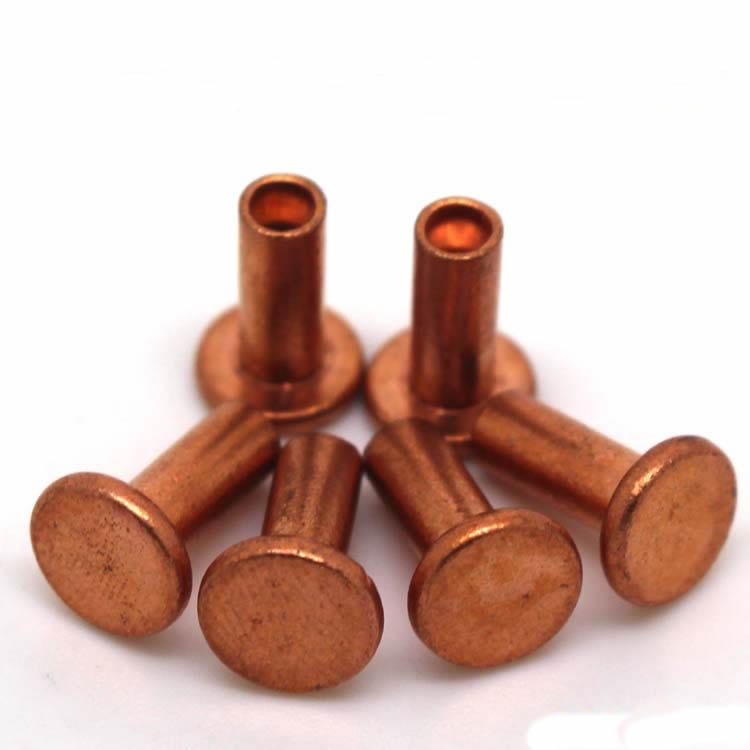
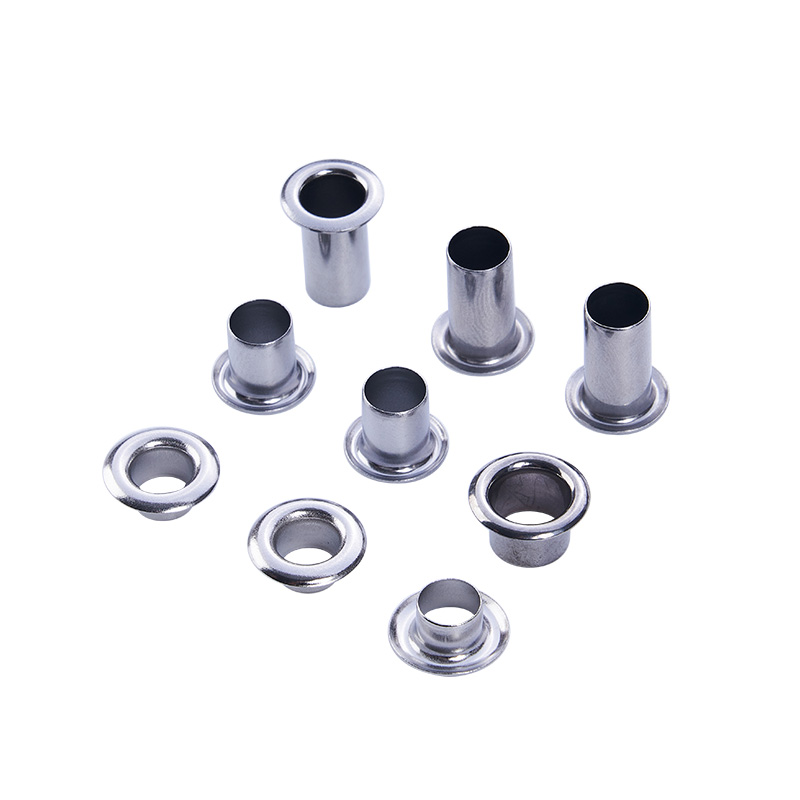
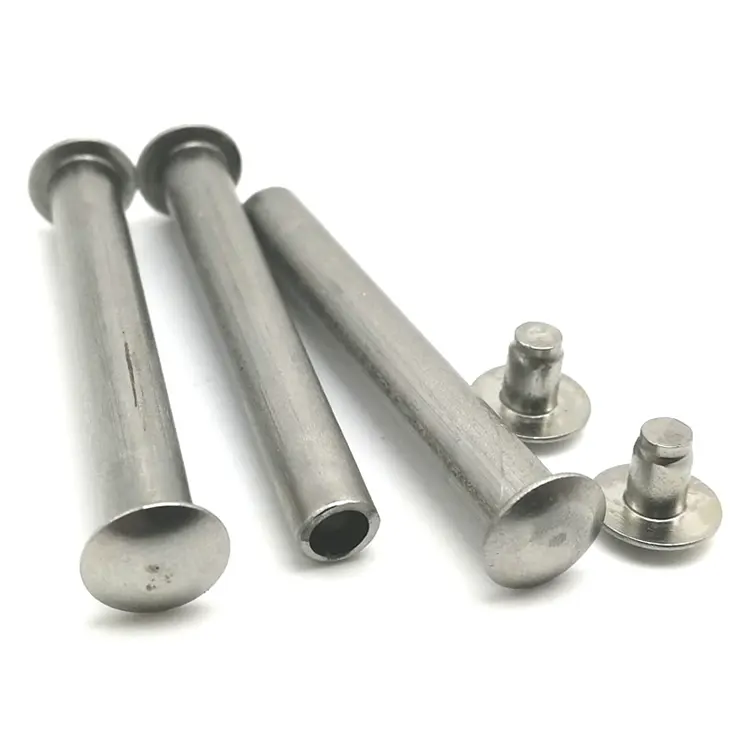
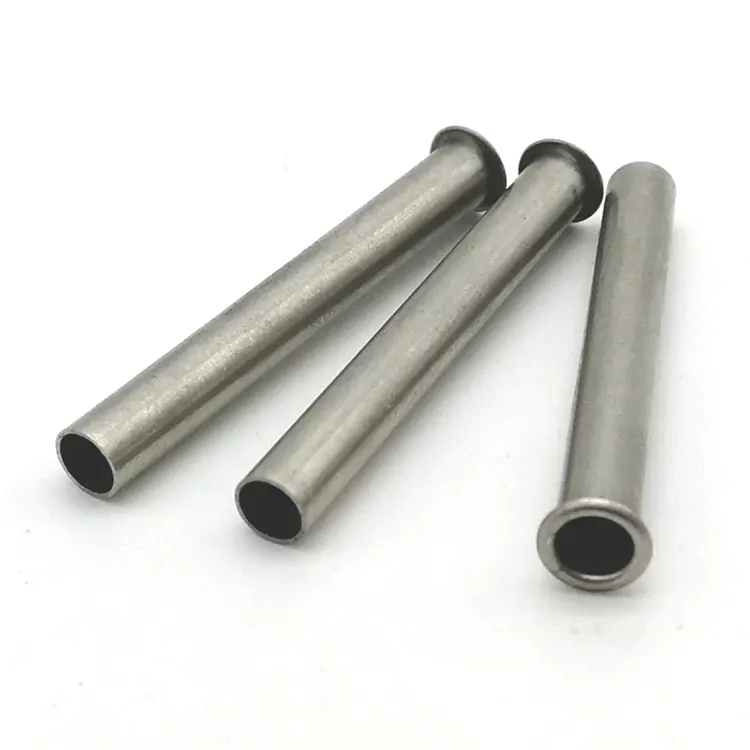

Countersunk Head Rivets
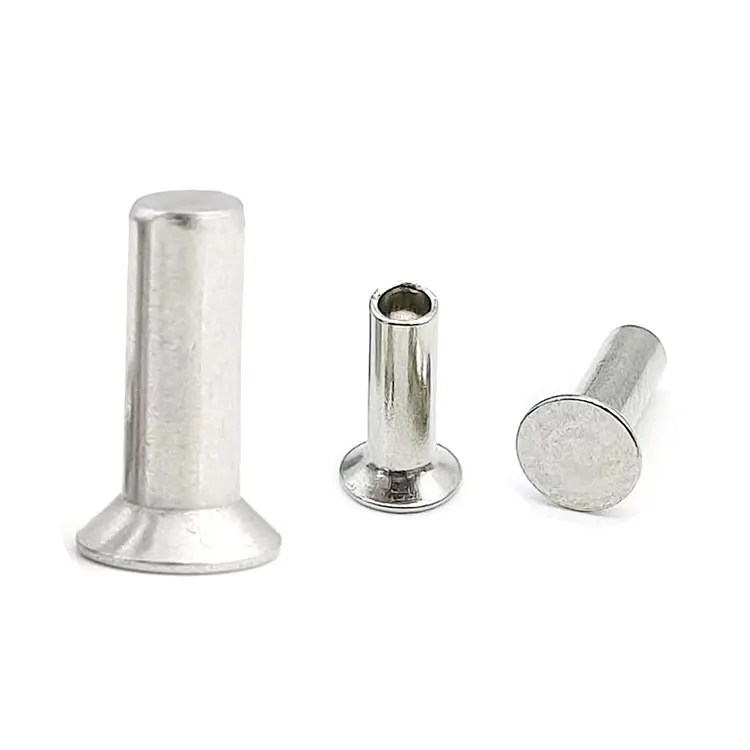
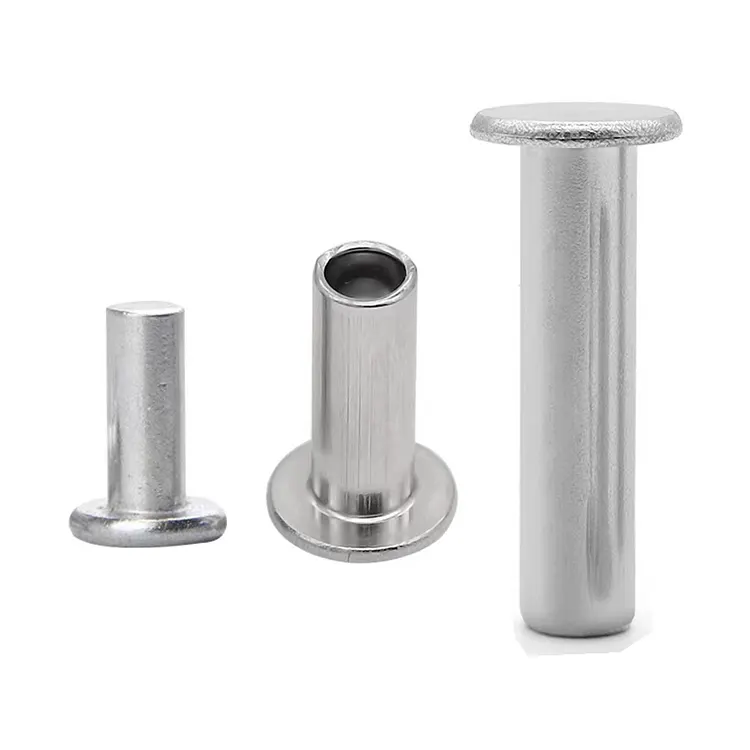
Nuote Metals manufactures countersunk head rivets in solid, semi‑tubular, and full tubular designs – featuring a tapered head that sits completely flush with the material surface. Available in 90° and 100° head angles, 1.5–8.0mm shank diameters, five material families, and custom lengths. ISO‑certified quality, full traceability, and free samples available – contact us to get started.
Send Inquiry
Product Description
Countersunk head rivets are the only rivet head style designed to sit completely below the surface. With a tapered head that matches a pre‑drilled countersink, these rivets provide zero protrusion – no snagging, no scraping, no interference with mating parts.
They require an extra step in your manufacturing process – drilling a tapered hole before setting – but that step is worth it when the joint must be completely flush. Aerospace panels, electronic enclosures, architectural finishes, and anywhere a smooth surface is critical – that is where countersunk rivets go.
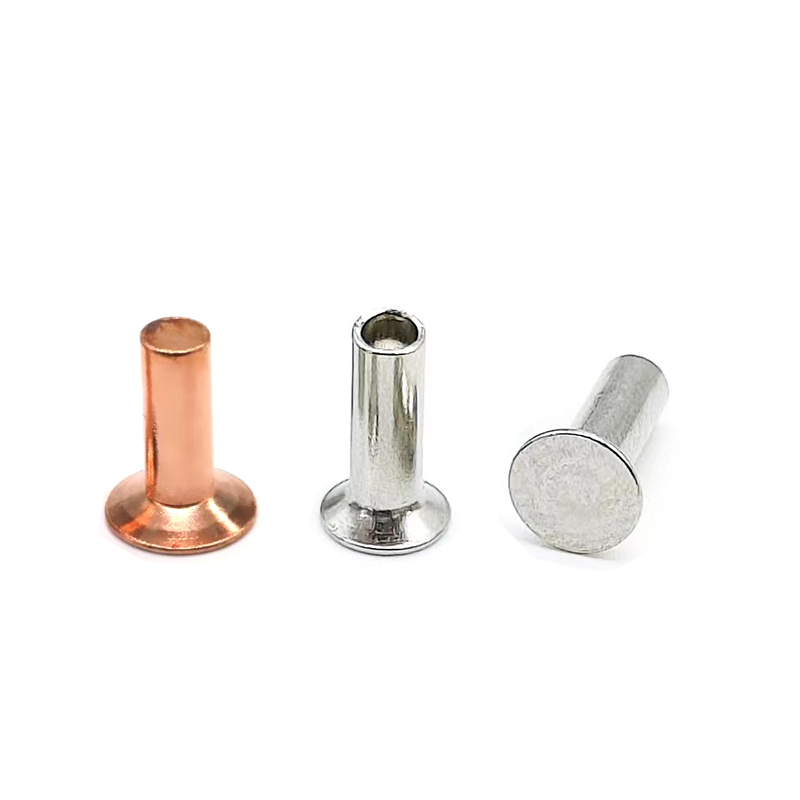
Countersunk vs. Flat Head – The Flush-Finish Difference
| Feature | Countersunk Head Rivet | Flat Head Rivet |
|---|---|---|
| Head profile | Tapered (90° or 100°) | Flat, straight sides |
| Hole preparation | Straight hole + countersink taper | Straight hole only |
| Head protrusion | Zero – sits flush or below | 0.8 – 1.2mm (for 5mm shank) |
| Head angle options | 90° (standard), 100° (aerospace) | Not applicable |
| Best for | Flush surfaces, aerodynamic, aesthetic, mating parts | Low-profile, clearance‑limited |
| Manufacturing cost | Higher | Lower |
The Two Head Angles – 90° vs. 100°
| Angle | Standard | Best For | Common Applications |
|---|---|---|---|
| 90° | ANSI/ASME B18.1.2 | General industrial, furniture, electronics, automotive | Most standard countersink tools are 90° |
| 100° | Aerospace (NAS, MS) | Aerospace, high‑performance assemblies | Common in aircraft and defence applications |
Which angle should you choose?
Choose 90° if you are using standard countersink bits – they are widely available and compatible with most general‑purpose applications.
Choose 100° if you are working to aerospace or defence specifications, or if your existing tooling is already set up for 100° countersinks. We do not recommend mixing angles – a 100° rivet in a 90° countersink will sit proud; a 90° rivet in a 100° countersink will sit too deep.
What We Make – Three Designs, Five Materials
Full tubular is available for countersunk head rivets – the hollow design allows low‑force setting while maintaining the flush finish.
| Feature | Solid | Semi‑Tubular | Full Tubular |
|---|---|---|---|
| Tail design | Fully solid | Partially hollow (45–55% of length) | Fully hollow (tube‑style) |
| Setting force | 100% | 25–30% of solid | 15–20% of solid |
| Shear strength | Maximum (100%) | 80–90% of solid | 60–70% of solid |
| Best for | Structural, load‑bearing, high‑load | High‑volume, thin materials, pivot joints | Soft materials, lightweight, bushings |
Materials available: Low‑carbon steel, stainless steel (304/316), brass (C2680), copper (C11000), aluminum (5052/5056)
Finishes: Zinc‑plated, black oxide, passivated, lacquered, nickel‑plated, antiqued, anodized, plain – depending on material.
One Real Application – Wooden Furniture Hardware Mounting
A manufacturer of wooden office furniture needed to attach metal mounting plates to the underside of desks. The plates were visible when the desk was flipped during assembly. The previous round head rivets scraped against the packaging when the desks were stacked. Customers received scratched products. The workshop also had to add foam padding to protect the rivet heads during shipping.
The manufacturer considered flat head rivets – lower profile, but still sat above the surface. They wanted zero protrusion. The solution was obvious: countersink the holes and use countersunk head rivets.
Nuote Metals supplied zinc‑plated steel countersunk head semi‑tubular rivets – 4.0mm shank, 8.0mm head diameter, 90° angle, 10.0mm barrel length. The semi‑tubular cavity kept setting force low, preventing damage to the wood. The 90° angle matched their standard countersink bit. The head sat flush with the wood surface – no protruding metal, no scratches, no foam padding needed.
The customer tested 200 rivets across 100 desks. After 1,000 assembly‑disassembly cycles, no loosening, no surface damage. They have since converted their entire product line to countersunk head rivets, eliminating packaging damage complaints.
Standard Options – Custom to Your Specification
Countersunk head rivets are manufactured to your exact requirements. Head angle, head diameter, and overall length are matched to your countersink tool and material stack.
What we need from you:
- Shank diameter – 1.5mm to 8.0mm
- Head angle – 90° or 100°
- Head diameter – matched to your countersink tool
- Overall length – or your total material stack thickness
- Material – steel, stainless, brass, copper, or aluminum
- Design – solid, semi‑tubular, or full tubular
- Finish – zinc, passivated, lacquered, nickel, anodized, etc.
Critical note: The head must match your countersink tool. If you send us a sample of your countersink bit or a pre‑countersunk hole, we can guarantee the head sits flush.
Sample lead time: 5–10 days for standard head angles (90° or 100°). For detailed specifications, custom requirements, or to discuss your project, please contact our sales team – they will guide you through the process.
Why the Tapered Head Is Harder to Make – And How We Do It Right
The countersunk head is not just a flat head with a sloped edge. The taper must match the angle of your countersink tool – 90° or 100° – and it must sit flush across the entire surface. If the angle is off by 1°, the rivet will sit either proud or below the surface.
What makes countersunk heads different:
Angle precision – Our heading dies are cut to exact angles. We measure head angle on every first‑article inspection using an optical comparator. Tolerance: ±1°.
Smooth taper – The transition from head to shank must be smooth. Any step or burr at the junction will prevent the head from seating fully. Our carbide dies are polished to prevent this.
Thickness consistency – The head must be thick enough to hold under load but thin enough to sit flush. We control head thickness to within ±0.10mm.
Surface finish – The head surface must be smooth. Any tool marks or scratches will be visible on a flush‑finish product.
The result: Countersunk heads that sit flush, look clean, and hold tight.
Quality Control – The Extra Checks for Countersunk Heads
Countersunk heads need tighter checks than other head styles. An off‑angle head or an inconsistent countersink means a rivet that does not sit flush – and that defeats the purpose of choosing countersunk in the first place.
| Check | Tolerance | Risk If Missed |
|---|---|---|
| Shank diameter | ±0.05mm | Rivet doesn't fit your hole |
| Head angle | ±1° | Head sits proud or too deep |
| Head diameter | ±0.15mm | Inconsistent countersink fit |
| Head height (max) | Specified | Must not exceed countersink depth |
| Overall length | ±0.15mm | Weak clinch or buckled barrel |
| Cavity depth | 45–55% (semi) / 75–90% (full) | Setting force too high or clinch weak |
| Surface finish | Pass/fail | Scratches visible on flush surface |
Our process:
- Before production – We check your countersink tool or pre‑countersunk hole sample to confirm head angle match.
- First article – 10 rivets measured on optical comparator. Head angle and head diameter verified.
- In‑process – 5 rivets every 500 pieces. Head angle spot‑checked.
- Setting test – Every 2,000 pieces, set into your pre‑countersunk material. Head flushness verified by finger test and feeler gauge.
- Final sorting – 100% optical inspection. AQL manual sample.

What You Actually Receive – A Complete Record of What We Made
We do not just ship rivets. We ship a record of exactly what was produced and how it was verified.
The package includes:
- Material certificate – Chemical composition and tensile strength of the coil used
- Inspection sheet – Actual measurements of 10 rivets from the batch – including head angle verification
- Countersink match report – Confirmation that head angle matches your tooling (if you provided a sample)
- Finish certificate – Plating thickness verified by XRF (if applicable)
- Conformance document – Signed by our QA manager, batch‑traceable
Why this matters: If a field failure ever occurs – or if a customer complains about an uneven surface – you have the records to trace it back to the exact batch and the exact head angle measurement.
Certified to: ISO 9001:2015, RoHS, REACH

Where Countersunk Head Rivets Are Used
- Furniture – Office desks, chairs, cabinets – where exposed hardware is unacceptable
- Automotive – Interior trim, body panels, floor assemblies – where surfaces must be smooth
- Aerospace – Fuselage panels, interior trim, wing surfaces – where drag reduction matters
- Electronics – Enclosures, chassis, panel assemblies – where parts must fit flush
- Architectural hardware – Door hardware, railings, decorative metalwork
- Marine – Deck hardware, interior fittings – where no snag points are allowed
- Industrial equipment – Control panels, machine guards – where safety and appearance both matter
Three Questions We Answer Often
Q1: What is the difference between a countersunk head rivet and a flat head rivet?
A: A countersunk head has a tapered underside that matches a pre‑drilled countersink, allowing the head to sit completely flush with or below the material surface. A flat head has a straight underside and sits proud of the surface (0.8–1.2mm for a 5mm shank). The trade‑off: countersunk heads require an extra manufacturing step (countersinking the hole), but they deliver zero protrusion. Choose countersunk when the joint must be completely smooth; choose flat when low profile is sufficient and you want to avoid the extra machining step.
Q2: Should I choose 90° or 100° countersunk head rivets?
A: Choose the angle that matches your existing countersink tool. 90° is the standard for most general‑purpose applications – furniture, electronics, automotive, and general industrial work. 100° is common in aerospace and defence applications where specific specifications require it. If you are unsure, we recommend 90° – it is compatible with the vast majority of standard countersink bits. If you send us a sample of your countersink tool, we can verify the match.
Q3: How do I select the correct overall length for a countersunk head rivet?
A: The total length includes the head. For a solid countersunk rivet, the overall length equals the countersink depth plus your material stack thickness plus the protruding shank (1.2–1.5× shank diameter). For a semi‑tubular countersunk rivet, the barrel length should be approximately 1.5–2.0mm longer than your material stack thickness. The head sits flush, so the material stack thickness plus the clinch length determines the total length. Send us your material stack thickness and countersink tool specifications – we will recommend the exact length.
Q4: Which design should I choose – solid, semi‑tubular, or full tubular?
A: Semi‑tubular is the default choice for most applications – 80–90% of solid strength at 25–30% of the setting force. Choose solid when you need maximum strength for structural, load‑bearing assemblies. Choose full tubular when you are working with soft materials or need minimal setting force. All three designs are available with the same countersunk head profile.
Hot Tags: Countersunk Head Rivets,China Countersunk Head Rivets,Countersunk Head Rivets Supplier
Related Categories
Send Inquiry
Please feel free to fill your inquiry in the form below. We will reply you in 24 hours.



X
We use cookies to offer you a better browsing experience, analyze site traffic and personalize content. By using this site, you agree to our use of cookies.
Privacy Policy