
Products
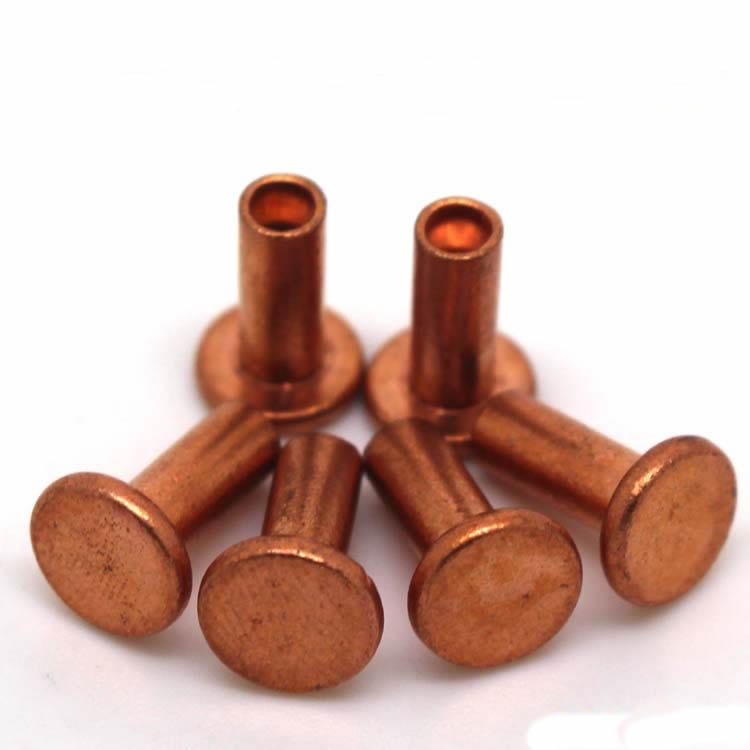
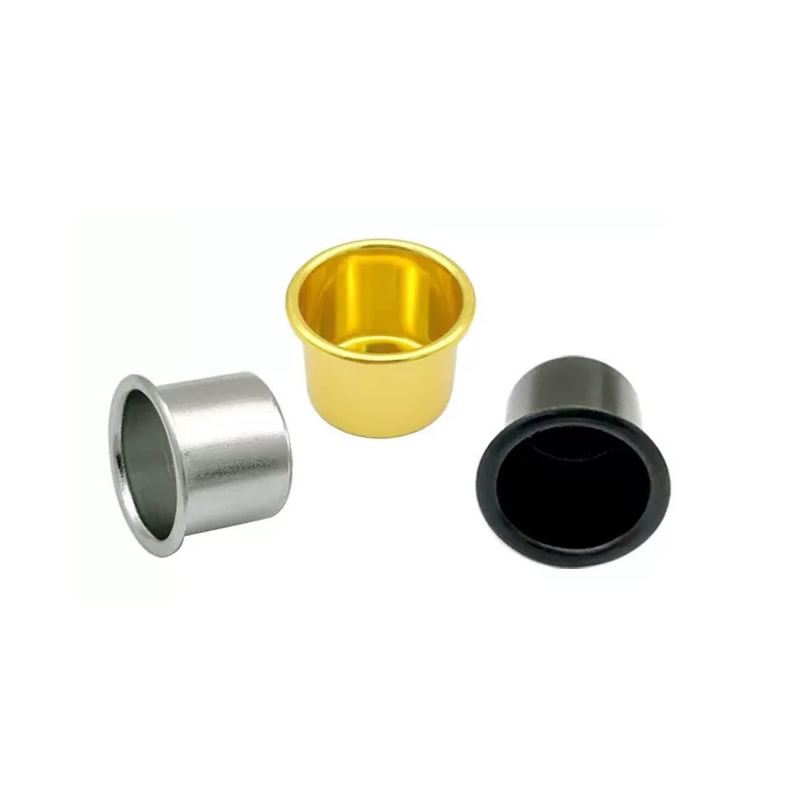
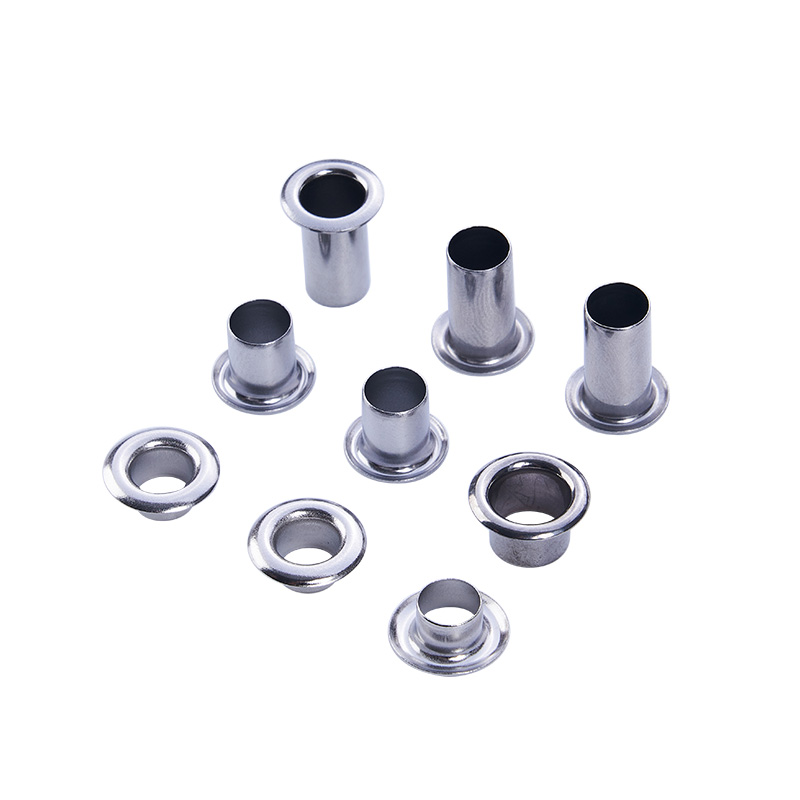
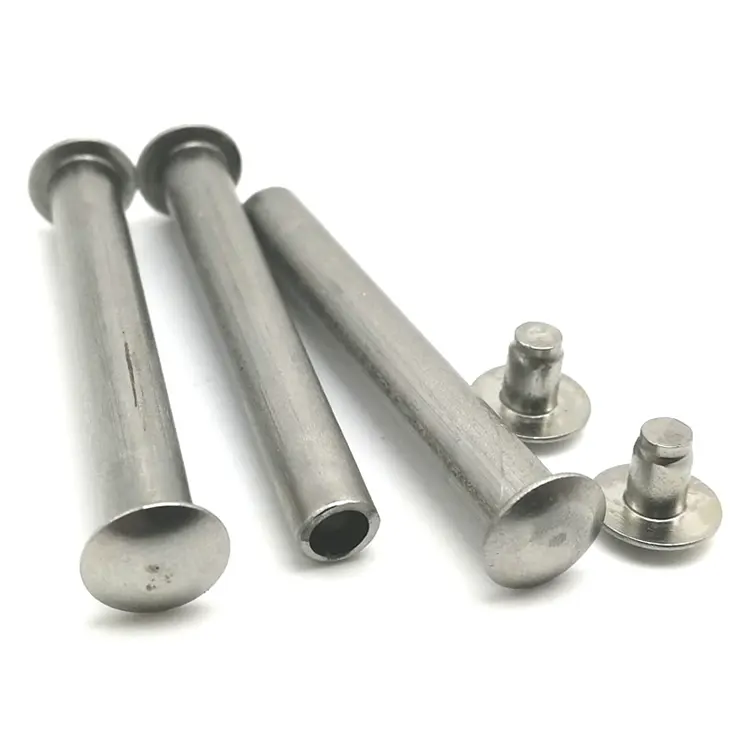
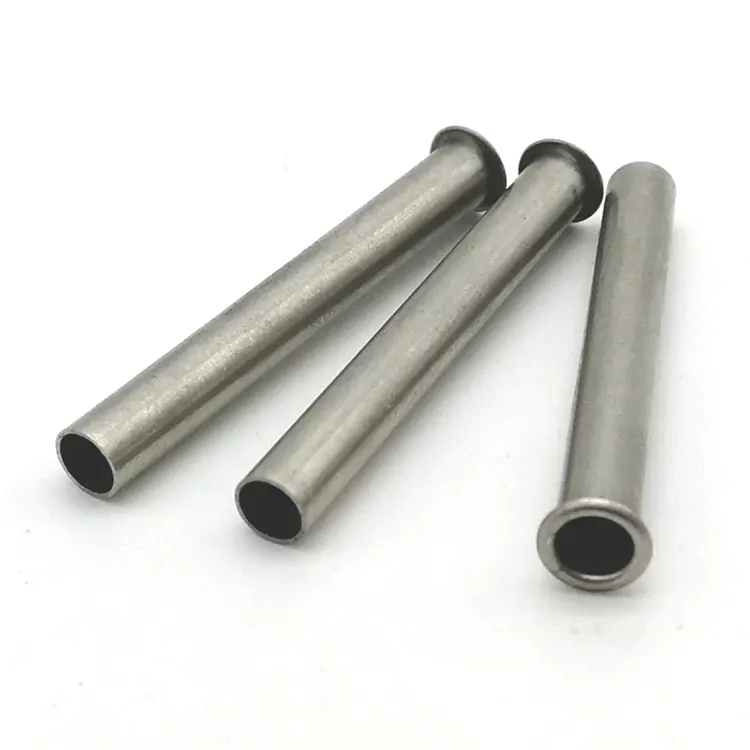
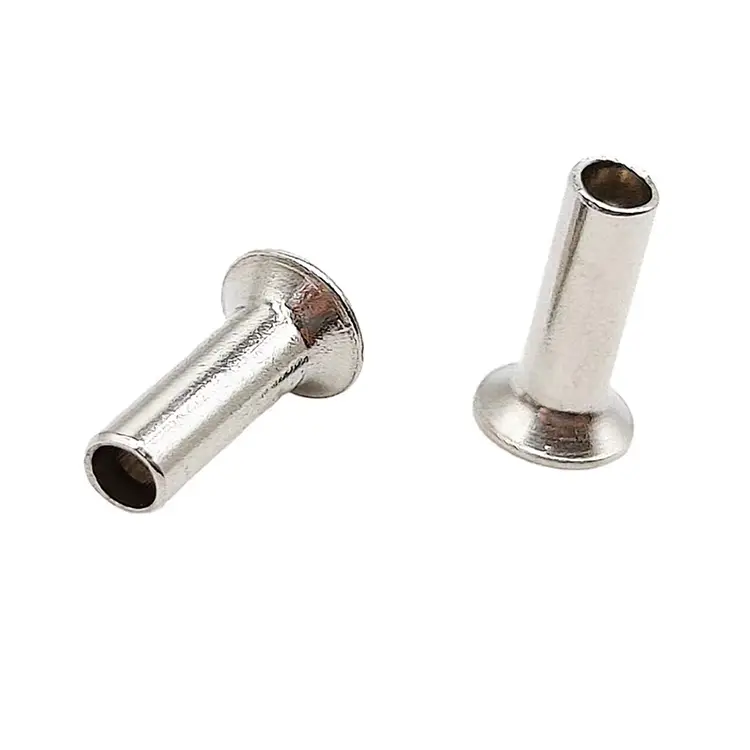
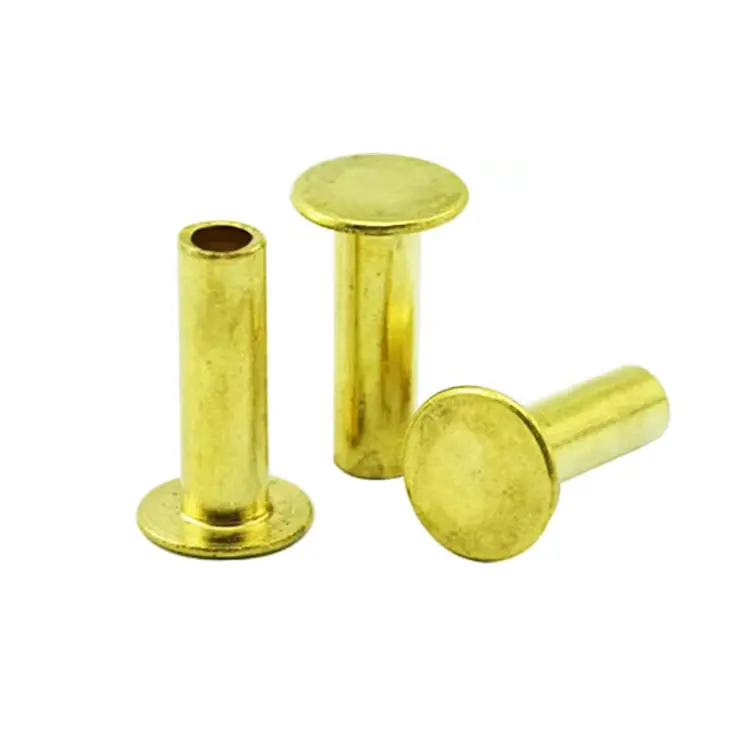
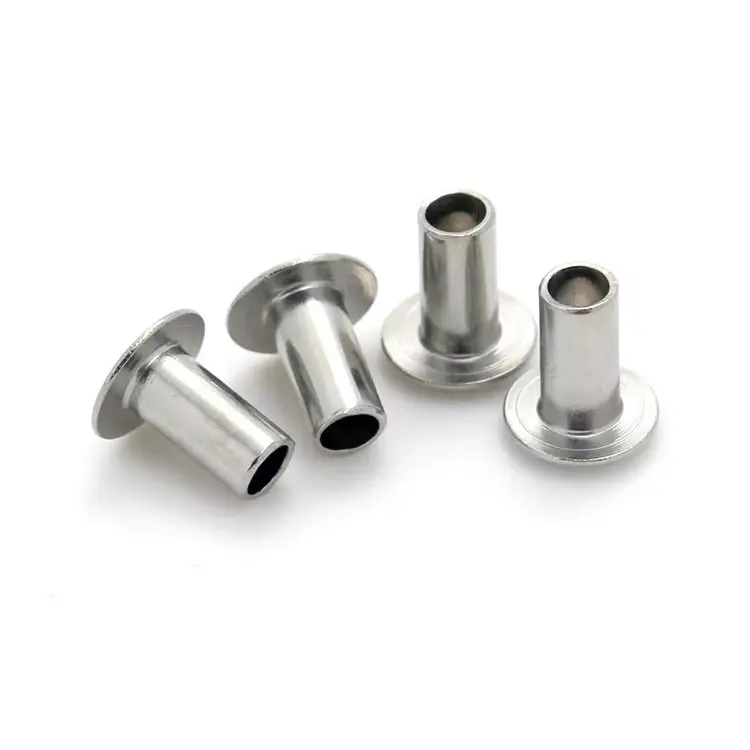
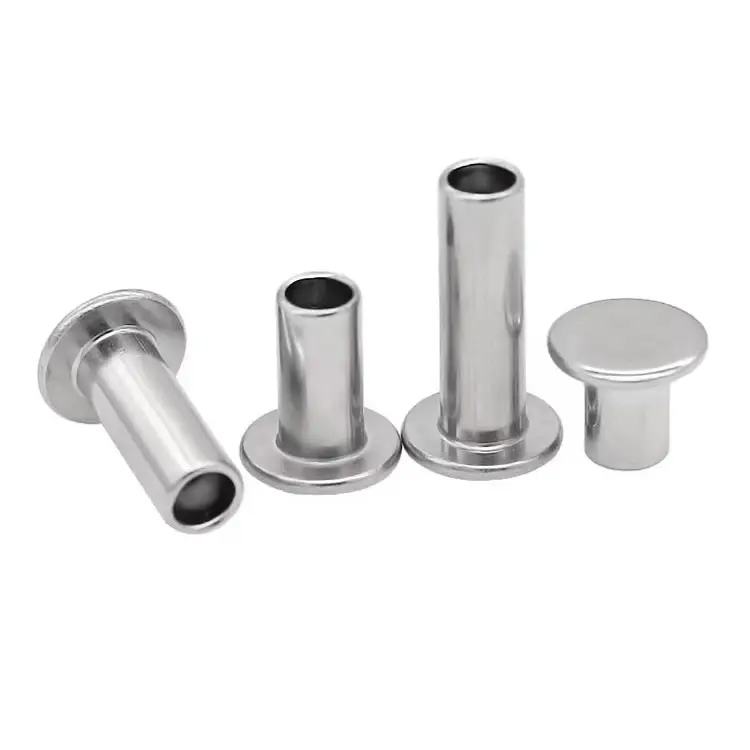
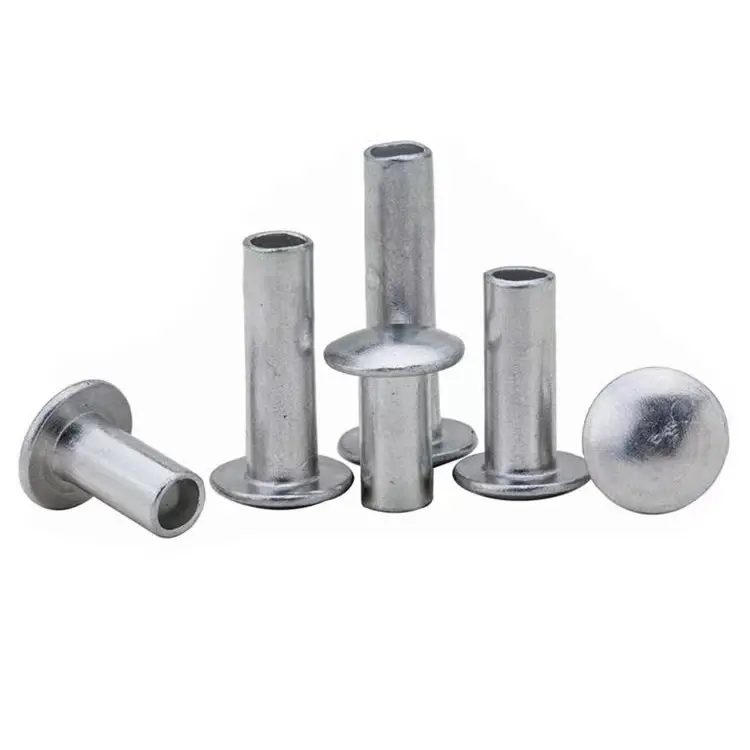
Countersunk Head Semi Tubular Rivets
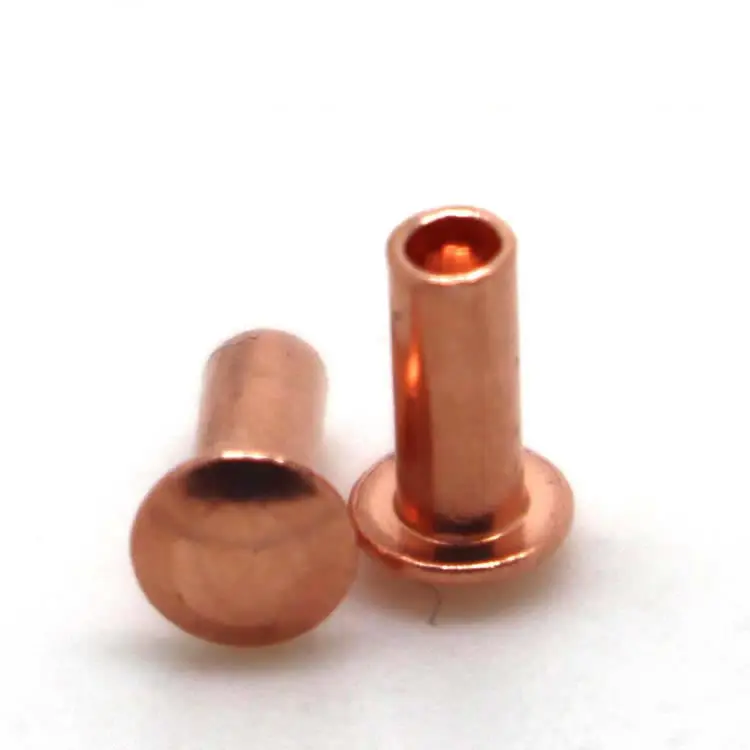
Nuote Metals produces and stocks an extensive selection of quality countersunk head semi tubular rivets, with over 10 years of industry experience, we can supply you with the right tooling and rivets for your project. Countersunk head semi tubular rivets are used in countersunk holes.
Send Inquiry
Product Description
When a rivet head cannot protrude above the surface, the countersunk head semi tubular rivet is the answer. The tapered head sits flush with or below the material surface, creating a smooth, uninterrupted finish. And the semi‑hollow cavity reduces setting force by 70% compared to a solid rivet.
If your assembly has a sliding surface, a mating part, or simply demands a clean aesthetic – and you need to keep production moving quickly – this is the fastener you specify.
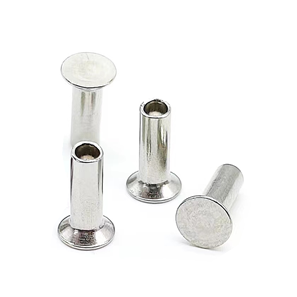
The Flush‑Finish Difference – Countersunk vs. Flat Head
| Feature | Countersunk Head Semi Tubular Rivet | Flat Head Semi Tubular Rivet |
|---|---|---|
| Head profile | Tapered (90° or 120°) | Flat, straight sides |
| Hole preparation | Straight hole + countersink taper | Straight hole only |
| Head protrusion | Zero – sits flush or below | 0.8 – 1.2mm (for 5mm shank) |
| Head angle options | 90° (standard), 120° (GB/T 874) | Not applicable |
| Best for | Flush surfaces, mating parts, aerodynamics | Low‑profile, clearance‑limited |
The countersunk head requires an extra step – drilling a tapered hole before setting. But when zero protrusion is required, that step is worth it. Aerospace panels, electronic enclosures, architectural finishes, and anywhere a smooth surface is critical – that is where countersunk rivets go.
The Two Head Angles – 90° vs. 120°
| Angle | Standard | Best For | Common Applications |
|---|---|---|---|
| 90° | ANSI/ASME B18.1.2, DIN 661 | General industrial, furniture, electronics, automotive | Most standard countersink tools are 90° |
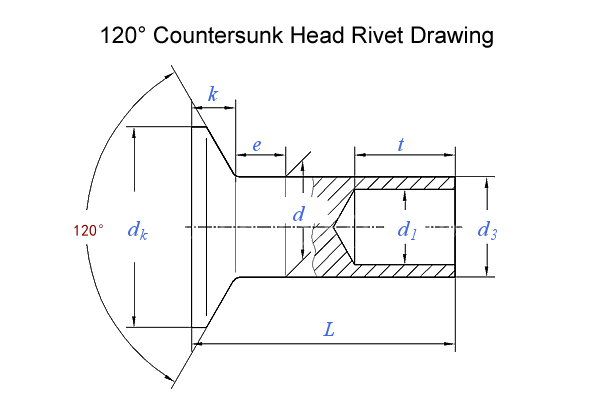
| 120° | GB/T 874 | Specialized assemblies, thick materials, high‑strength joints | Common in heavy‑duty and custom applications |
Match your countersink tool – a 120° rivet in a 90° countersink will sit proud; a 90° rivet in a 120° countersink will sit too deep. We do not recommend mixing angles.
Semi‑Tubular vs. Solid – Where the Hollow Wins
The semi‑tubular design has a shallow cavity at the tail (45–55% of barrel length). During installation, only the thin wall of this hollow section rolls outward to form the clinch. This is fundamentally different from a solid rivet, where the entire shank must deform.
| Feature | Countersunk Head Semi Tubular Rivet | Countersunk Head Solid Rivet |
|---|---|---|
| Tail design | Partially hollow (45–55% of length) | Fully solid |
| Setting force | 25–30% of solid rivet force | 100% |
| Shear strength | 80–90% of solid rivet | 100% |
| Installation speed | Fast, automated | Slower, heavy press |
| Best for | High‑volume, thin materials, flush surfaces | Structural, maximum strength |
Best for High‑volume, thin materials, flush surfaces Structural, maximum strength
One Real Application – Automotive Interior Trim Panel
A manufacturer of automotive interior trim panels needed to attach fabric‑covered panels to door frames. The panels were visible to passengers – any protruding fastener would be unacceptable. Solid countersunk rivets provided the flush finish but required high setting force that cracked the thin panel material.
We supplied zinc‑plated steel countersunk head semi tubular rivets – 4.0mm shank, 8.0mm head diameter, 90° angle, 8.0mm barrel length. The semi‑hollow cavity reduced setting force from 3.5 tons to 1.0 ton – eliminating cracks in the panel material. The 90° countersunk head sat flush with the surface, matching the interior trim's clean appearance. The zinc plating provided corrosion protection for long‑term durability.
The customer tested 1,000 rivets across 500 door panels. After 100,000 vibration cycles, zero loosening, zero cracks. They now order our countersunk head rivets in batches of 250,000 pieces annually.
Materials and Finishes – What We Offer
Nuote Metals manufactures countersunk head semi tubular rivets in multiple material families:
| Material | Key Advantage | Best For |
|---|---|---|
| Low‑carbon steel (zinc‑plated) | Highest strength, cost‑effective | Industrial, high‑volume, cost‑sensitive |
| Stainless steel (304/316, passivated) | Permanent corrosion resistance | Outdoor, marine, food equipment |
| Brass (C2680) | Decorative, conductive, non‑magnetic | Electronics, visible hardware, architectural |
| Copper (C11000) | 100% IACS conductivity, antimicrobial | Electrical, thermal applications |
| Aluminum (5052/5056) | Lightweight, non‑magnetic | Aerospace, portable equipment, drones |
Standard finishes: Zinc‑plated, nickel‑plated, passivated, lacquered, antiqued, plain.
Available Standards and Sizes
We manufacture them to multiple international standards:
| Standard | Scope | Head Angle | Diameter Range |
|---|---|---|---|
| DIN 6792 | Semi‑tubular countersunk head rivets | 90° | 1.6 – 10 mm |
| DIN 661 | Countersunk head rivets | 90° | 1 – 8 mm |
| GB/T 874 | Countersunk head semi tubular rivets | 120° | 2.5 – 3 mm |
| BS 4895 | Semi‑tubular rivets for general purpose | Countersunk | Various |
What we need from you:
- Shank diameter – 1.5mm to 8.0mm (custom up to 10mm available)
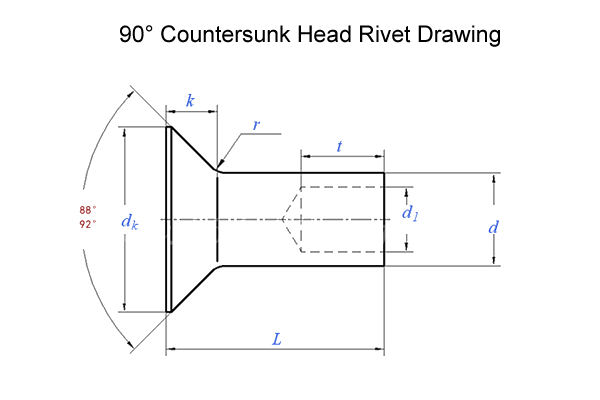
- Head angle – 90° (standard) or 120° (per GB/T 874)
- Barrel length – we calculate from your material stack thickness
- Head diameter – matched to your countersink tool
- Material – steel, stainless, brass, copper, or aluminum
- Finish – zinc, passivated, nickel, lacquered, antique, etc.
Length rule for semi tubular rivets: Barrel length = material stack thickness + 1.5–2.0mm.
From Raw Material to Finished Rivet – How We Make Them
Countersunk head semi tubular rivets are manufactured through cold heading. The tapered head requires precision‑ground dies to achieve the exact head angle.
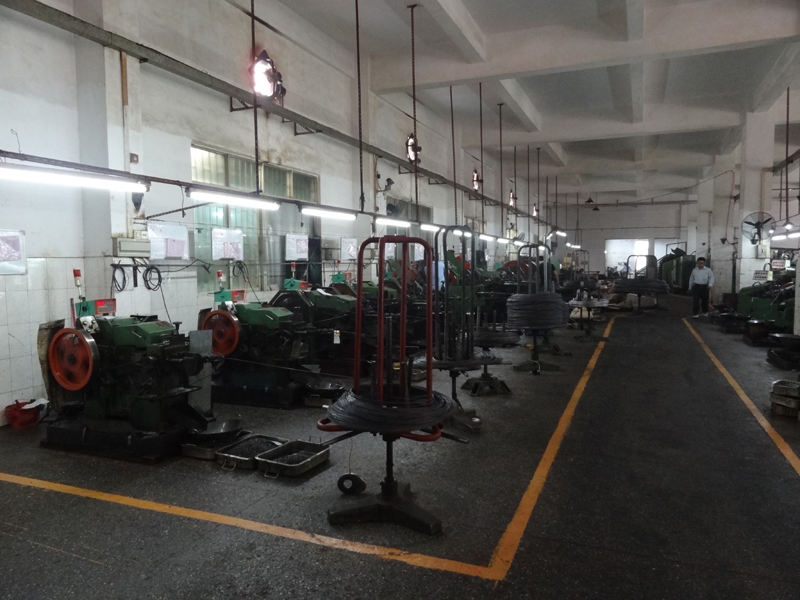
1. Material Procurement – Certified wire from approved mills. Each coil comes with a mill test certificate and heat number.
2. Incoming Material Inspection – Diameter (±0.02mm), hardness, and material composition verified. Spectrometer confirms grade. Out‑of‑spec material is rejected.
3. Tooling Setup – Carbide heading dies inspected and set up for the countersunk head profile and semi‑tubular cavity. Die angle matched to your specification (90° or 120°).
4. First Article Inspection – 10 rivets measured on optical comparator. Head angle, head diameter, head height, shank diameter, barrel length, and cavity depth verified. Head angle tolerance: ±1°.
5. Mass Production – In‑process checks: 5 rivets every 500 pieces. Any drift stops the press.
6. In‑Process Inspection – Every 2,000 pieces, set 3 rivets into sample material with pre‑drilled countersink. Clinch and flush fit inspected.
7. Plating or Coating – Applied as specified.
8. Final Outgoing Inspection – 100% optical sorting. AQL sample manually verified. Dimensional report, material certificate, and Certificate of Conformance issued.
Our Certifications – Proof of Quality
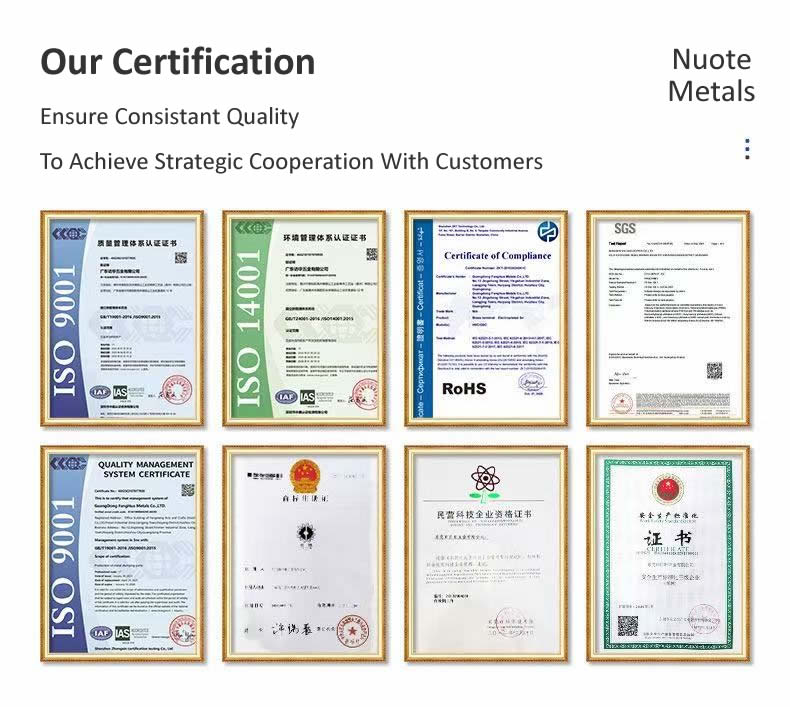
We maintain full traceability and quality documentation for every batch:
- ISO 9001:2015 – Certified quality management system
- RoHS compliance – Verified by SGS third‑party testing
- REACH compliance – Current SVHC declaration
- SGS test reports – Available upon request for specific batches
Material certificates – Mill test certificates traceable to original coil
What Our Customers Say – Real Feedback
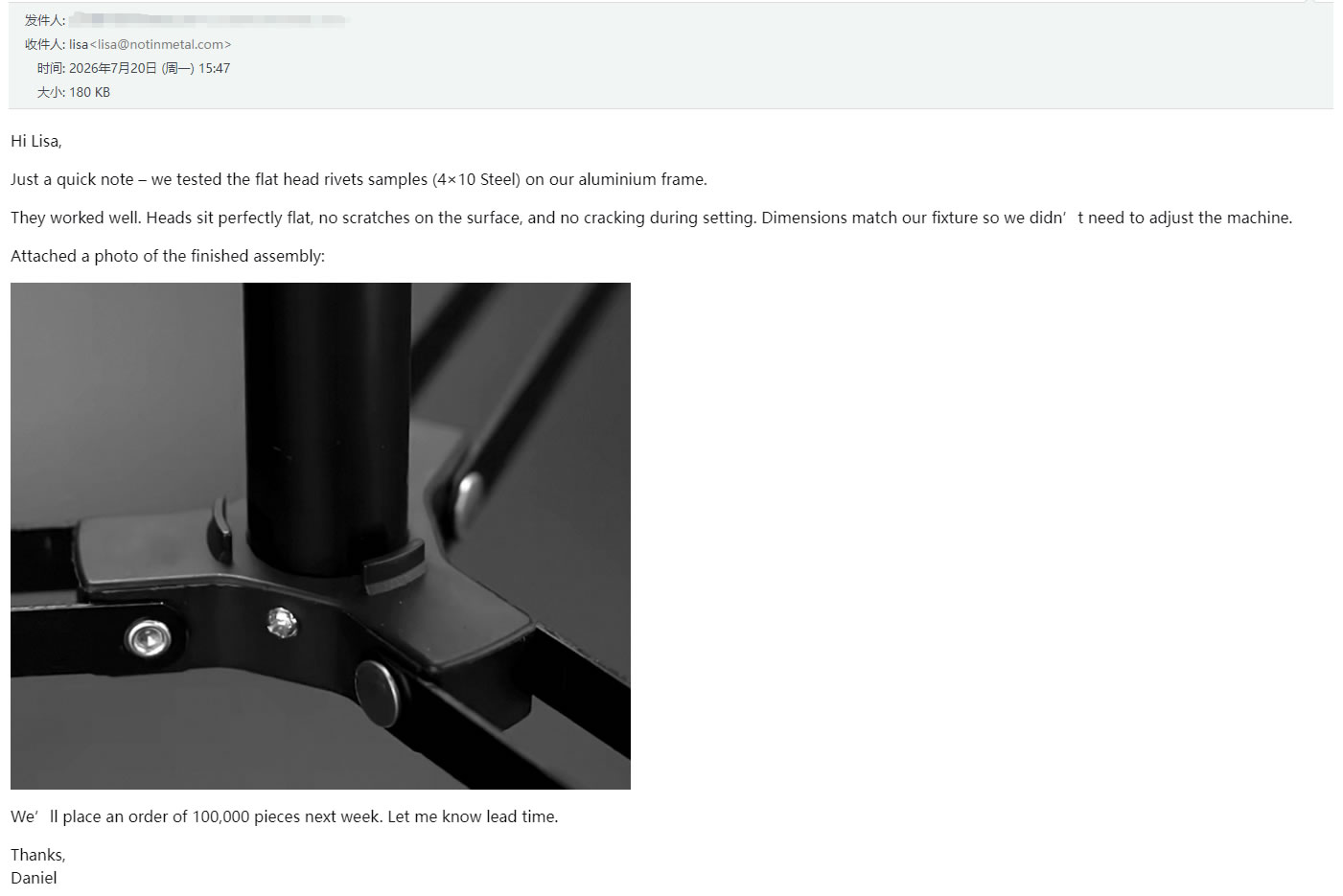
We let our customers speak for us. The images above show real feedback from manufacturers who have used our countersunk head semi tubular rivets in their production lines – from automotive interior suppliers to electronics manufacturers to aerospace component builders.
They come back to us for the same reasons:
- Zero protrusion – Countersunk heads sit flush, no snagging, no interference
- Low‑force setting – Semi‑hollow design prevents material damage
- Consistent quality – Every batch meets their dimensional and performance requirements
- Reliable delivery – Samples ship in 5–7 days, production on schedule
Three Questions We Answer Often
Q: "Can I get samples before ordering production quantities?"
A: Yes – we offer samples for all our products. For standard existing specifications, samples are provided free of charge – you only pay the shipping cost. For custom sizes or custom tooling, sample availability and lead time depend on the specific requirements. Please contact our sales team with your drawing or specification, and they will advise on sample cost and delivery timeline.
Q: "Should I choose 90° or 120° countersunk head semi tubular rivets?"
A: Choose the angle that matches your existing countersink tool. 90° is the standard for most general‑purpose applications – furniture, electronics, automotive, and general industrial work. 120° per GB/T 874 is used for specialized applications where a shallower countersink is required, often in thicker materials or heavy‑duty assemblies. If you are unsure, 90° is compatible with the vast majority of standard countersink bits. If you send us a sample of your countersink tool, we can verify the match before production.
Q: "How do I select the correct barrel length for a countersunk head semi tubular rivet?"
A: Select a barrel length approximately 1.5–2.0mm longer than your total material stack thickness. For example, if you are joining two 2mm sheets (total 4mm), choose a barrel length of 5.5–6.0mm. This extra length provides enough material for the hollow section to roll outward and form a secure clinch without bottoming out. If the barrel is too short, the clinch will be weak. Too long, and the barrel may crumple. The head sits flush, so the countersink depth is included in the material stack measurement. Send us your material stack thickness and we will recommend the exact length.
Hot Tags: Countersunk Head Semi Tubular Rivets,China Countersunk Head Rivets
Product Tag
Related Categories
Send Inquiry
Please feel free to fill your inquiry in the form below. We will reply you in 24 hours.



X
We use cookies to offer you a better browsing experience, analyze site traffic and personalize content. By using this site, you agree to our use of cookies.
Privacy Policy