
Products
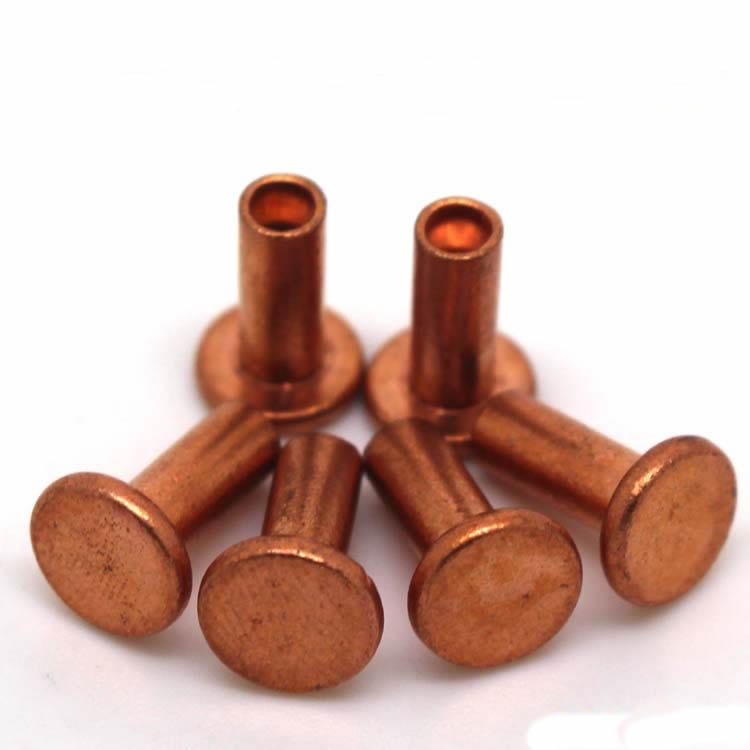
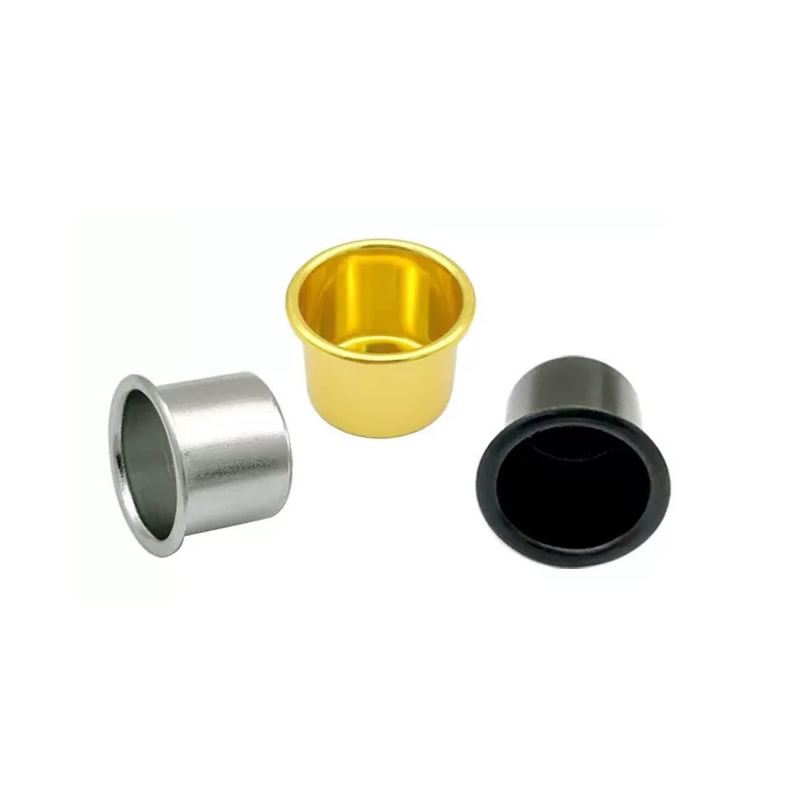
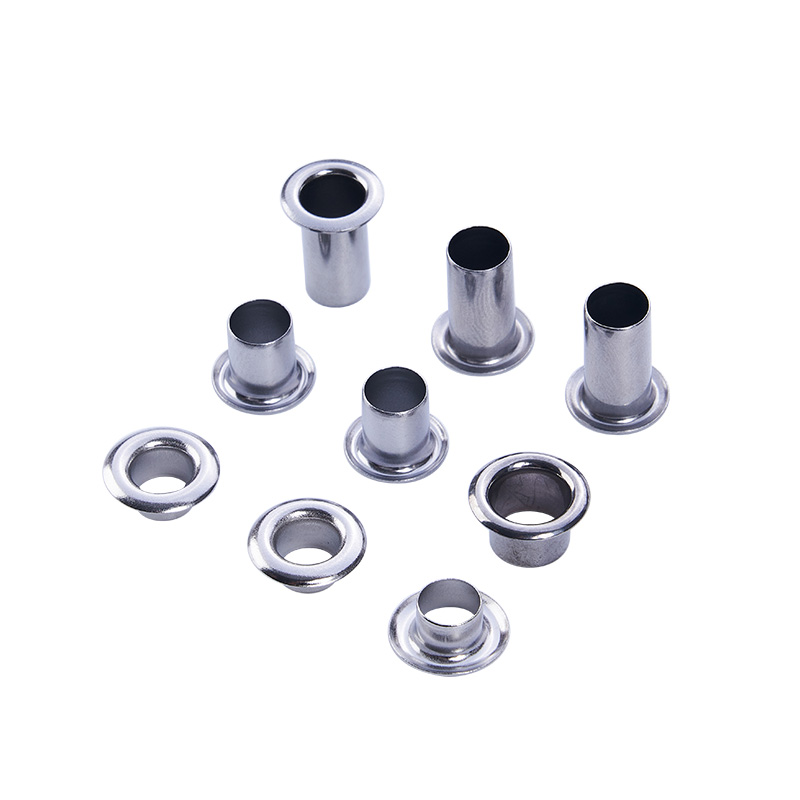
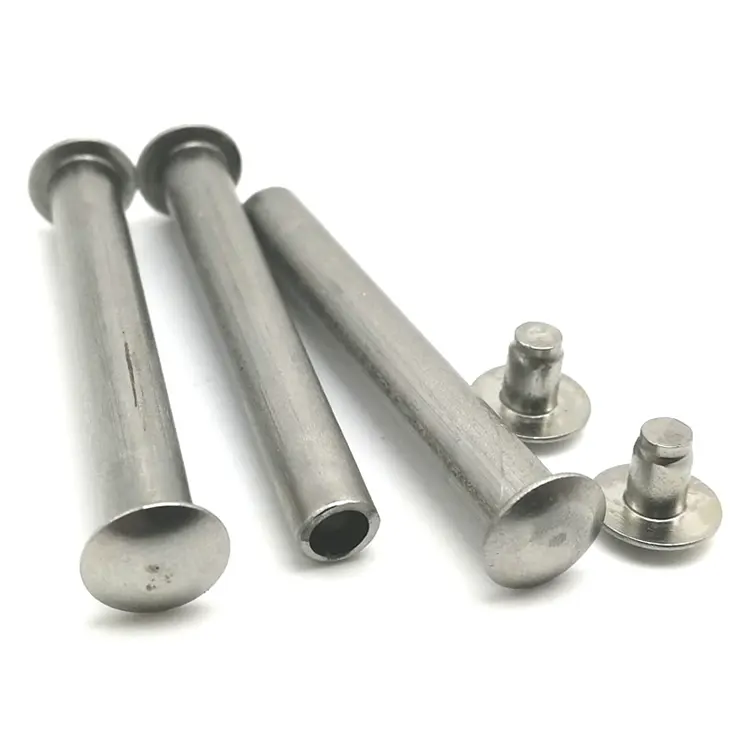
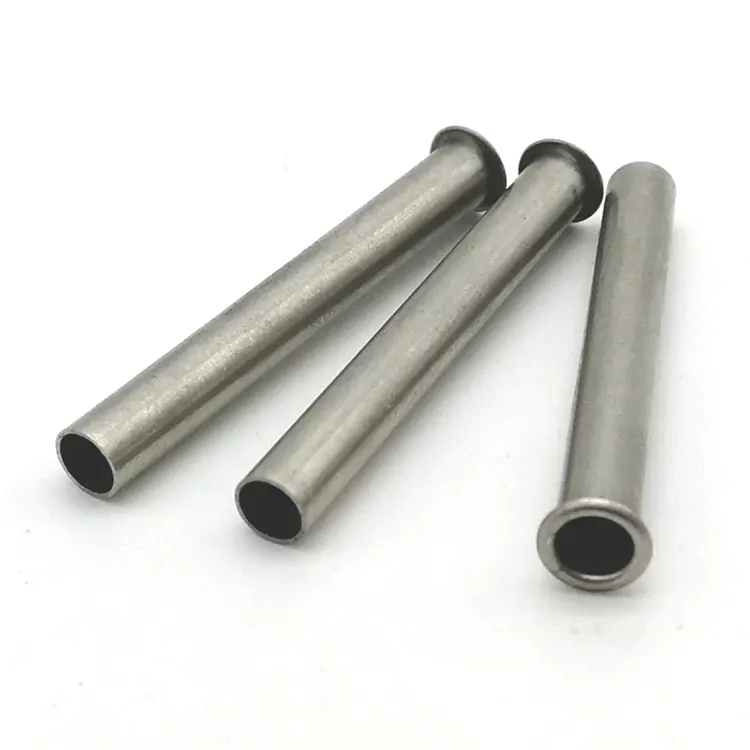
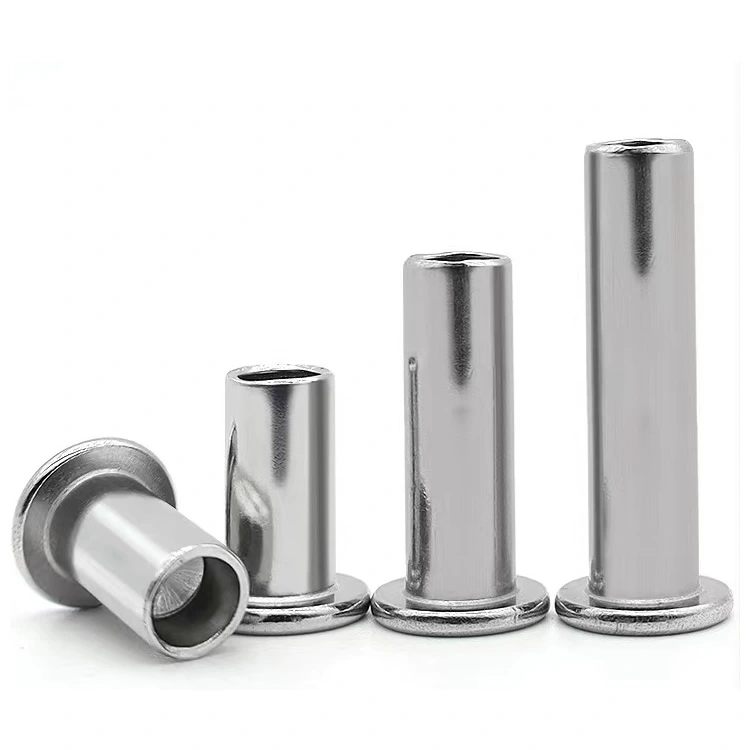
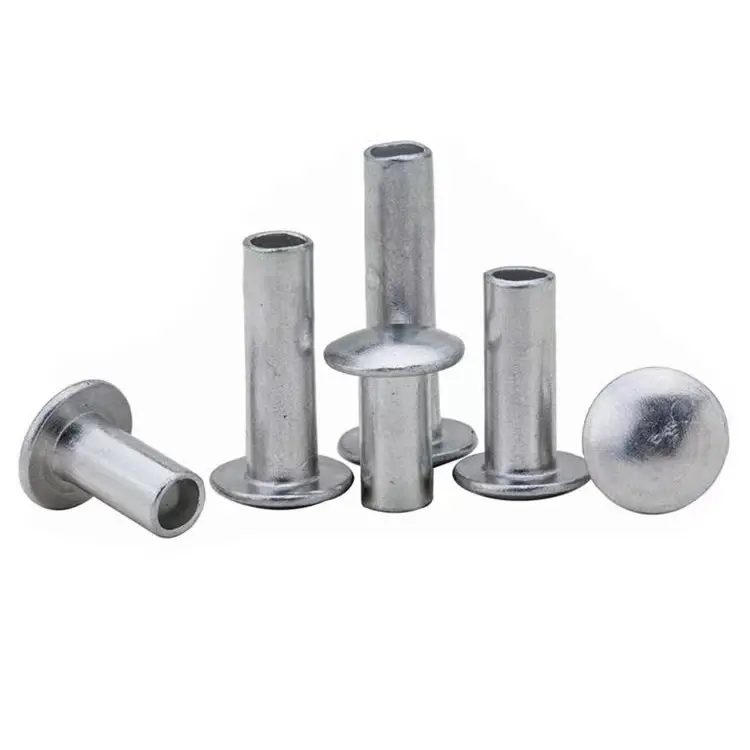
Iron Half Tubular Rivets
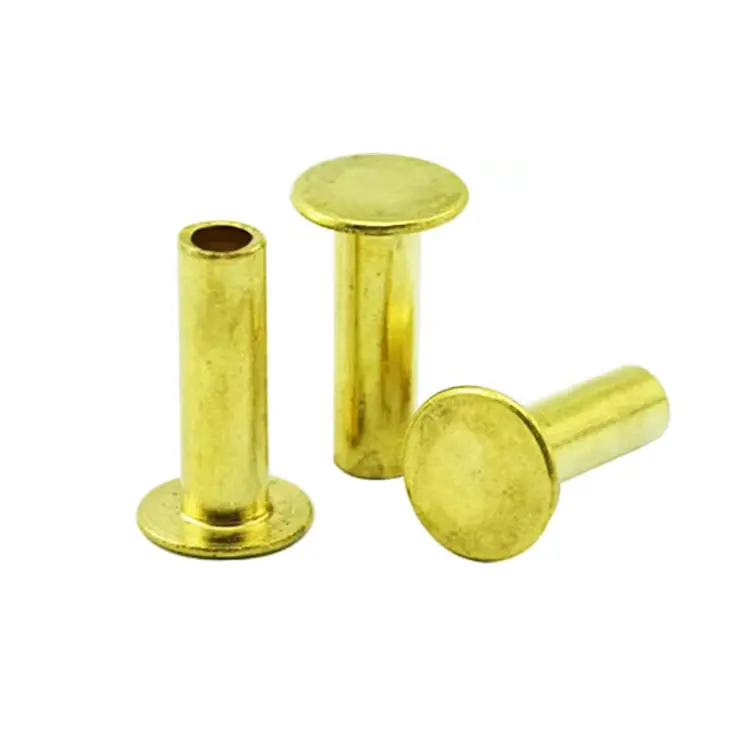
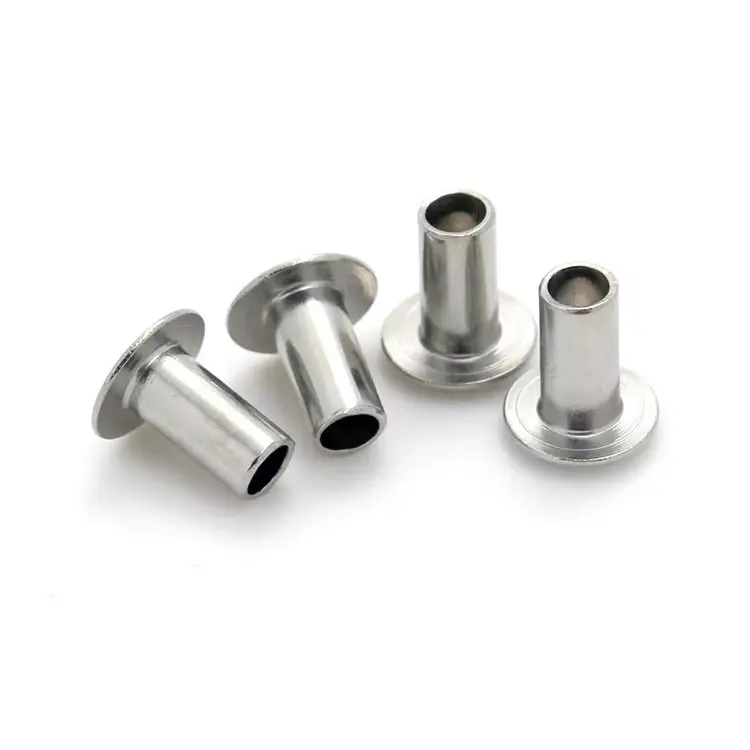
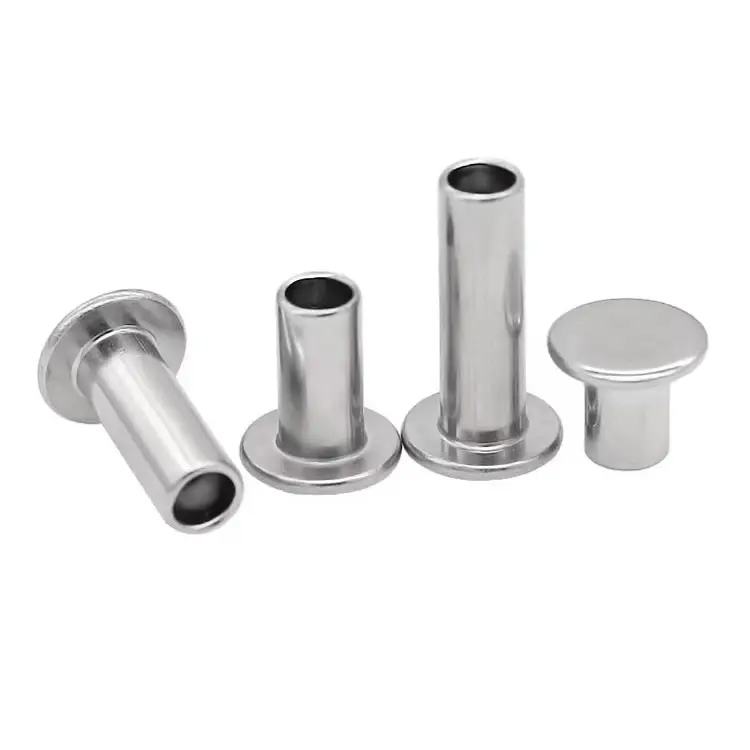
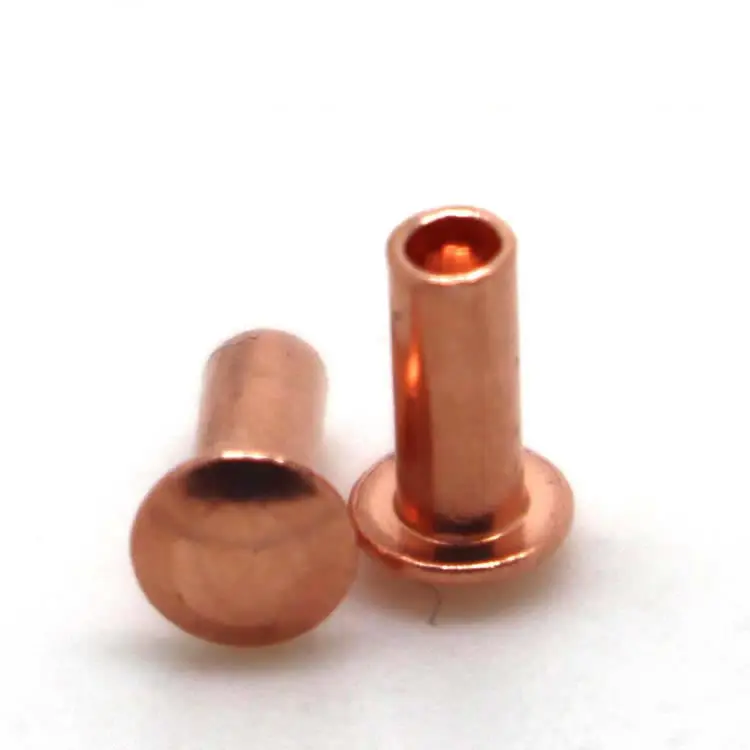
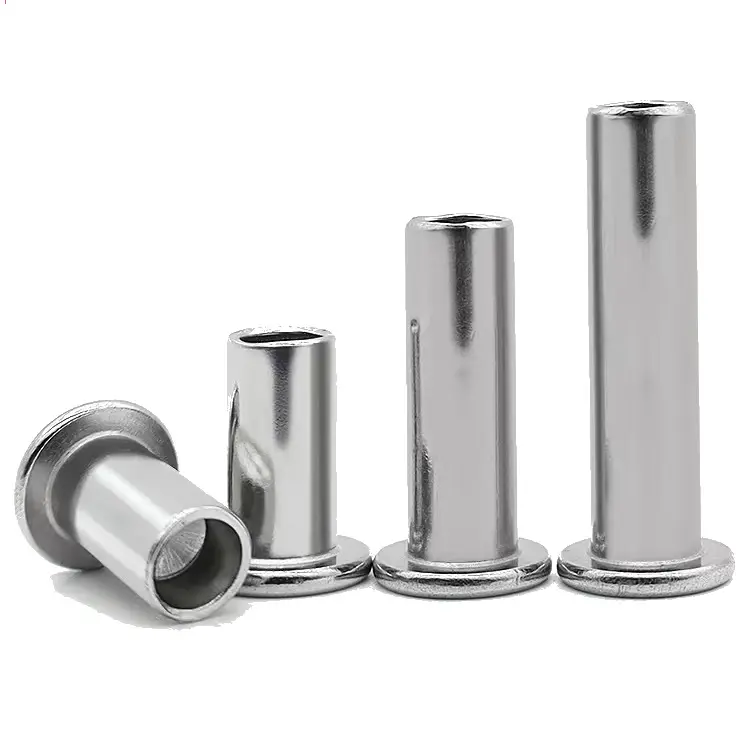
Iron half tubular rivets are mechanical connectors with a hollow tail. They work by squeezing the hollow portion and flanging it outward to create a permanent snap-on fixation. Core applications are concentrated in light industries such as apparel, footwear, and luggage. Their use of soft wire material avoids cracking during rivet joints and offers cost advantages. Nuote Metals is a professional manufacturer of iron half tubular rivets. Our rivets are of high quality, and each one undergoes a thorough inspection to ensure customer satisfaction.
Send Inquiry
Product Description
Some assemblies need the strength of steel but cannot justify the cost of stainless. Others need the low‑force installation of a half tubular rivet but do not need conductivity, lightweight, or corrosion resistance. Those assemblies need iron half tubular rivets.
Iron half tubular rivets deliver the same setting force reduction as brass, copper, or aluminum – about 70% less than a solid rivet – at the lowest material cost. No plating to match. No special handling. Just a fastener that holds like steel and costs like iron.
This is the rivet for high‑volume production. For functional assemblies where appearance is secondary to performance. For applications where cost per piece matters more than material selection.
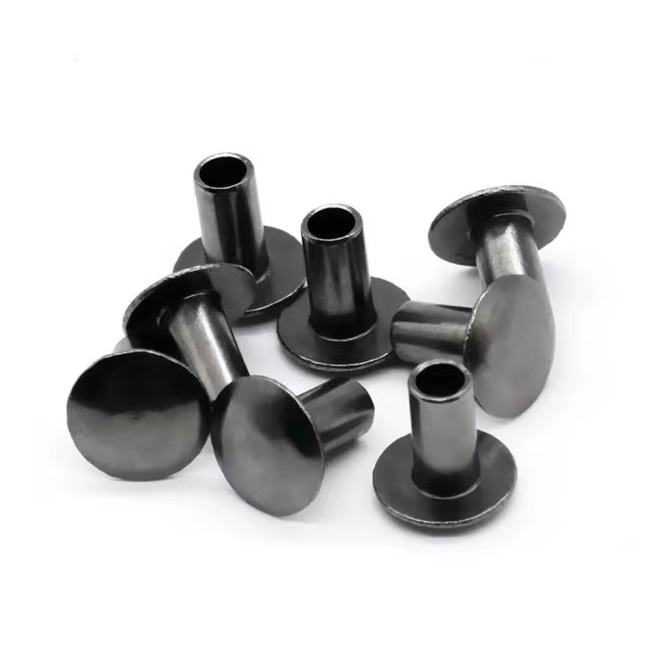
Iron vs. the Alternatives – A Simple Decision
| Consideration | Iron (Low‑Carbon Steel) | Brass | Aluminum | Stainless Steel |
|---|---|---|---|---|
| Cost per piece | Lowest | Higher | Medium | Highest |
| Tensile strength | 400–500 MPa | 315–390 MPa | 90–350 MPa | 620–750 MPa |
| Setting force reduction | 70% | 70% | 70% | 70% |
| Corrosion resistance | Depends on finish | Good (natural) | Good (natural) | Excellent |
| When to choose | Strength + budget | Appearance | Weight | Rust protection |
When to choose Strength + budget Appearance Weight Rust protection
What You Can Specify
Shank diameter: 0.8–8.0mm
Head styles: Round, flat, oval, countersunk, truss, mushroom
Finishes: Plain (uncoated), zinc‑plated (clear/yellow), nickel‑plated, black oxide
Length: Custom to your material stack thickness
One Real Application – Warehouse Shelving Upright Connectors
A manufacturer of boltless shelving systems was using solid rivets for upright‑to‑beam connections. Production volume was high – 2 million rivets annually. The solid rivets were slow to set and occasionally deformed the thin steel channel. Screws added too much assembly time. The customer needed a fastener that would set quickly, hold permanently, and keep cost per piece as low as possible.
We supplied zinc‑plated iron half tubular rivets – 5.0mm shank, 8.5mm round head, 10.0mm barrel length. The half tubular cavity cut setting time from 3 seconds to 1.2 seconds per rivet. The zinc plating provided corrosion protection for warehouse environments. The iron material kept per‑piece cost under $0.02. The customer tested 1,000 rivets across 200 shelving units. After 12 months of loading and unloading, zero loosening. They now order 500,000 pieces annually.
Iron Is Not Stainless – Here Is How We Protect It
Iron rusts. That is not a flaw – it is a fact. We offer four finishes to match your environment:
| Finish | Appearance | Protection | Best For |
|---|---|---|---|
| Plain (uncoated) | Raw steel | None | Indoor, dry environments |
| Zinc‑plated (clear) | Silver | 48 hrs salt spray | Indoor general use |
| Zinc‑plated (yellow) | Gold tint | 96 hrs salt spray | Sheltered outdoor |
| Black oxide | Matte black | 24 hrs salt spray | Anti‑glare, industrial |
| Nickel‑plated | Bright silver | 96 hrs salt spray | Consumer products, visible hardware |
If your application is continuously wet or coastal, switch to stainless steel half tubular rivets. For everything else, iron with the right finish works.
Why We Are a Different Kind of Iron Rivet Supplier
You have probably heard the phrase "you get what you pay for." With iron half tubular rivets, that is not always true. Low cost does not have to mean low quality – if the supplier knows what they are doing.
We have been making iron rivets for over a decade. Not as a side product. Not as a filler between brass and stainless orders. As a core product that we understand deeply. We know how iron behaves in the heading machine. We know which lubricants work, which die angles prevent cracking, and which plating thickness actually protects without adding cost.
We test every batch on your material. Not on a sample block. Not on a gauge. On your actual material stack. If you send us your assembly sample, we set our rivets into it and verify the clinch before we ship.
We stock the most common finishes. Zinc plating, yellow zinc, nickel plating, black oxide – we keep these ready. If your application changes, we can switch finishes without re‑tooling.
We do not charge for engineering advice. If you are not sure about barrel length, head style, or finish, ask us. We will recommend based on your actual application – not on what we have in stock.
What We Check – A Manufacturer’s Look Inside the Process
We do not just check dimensions. We check the conditions that create dimensions.
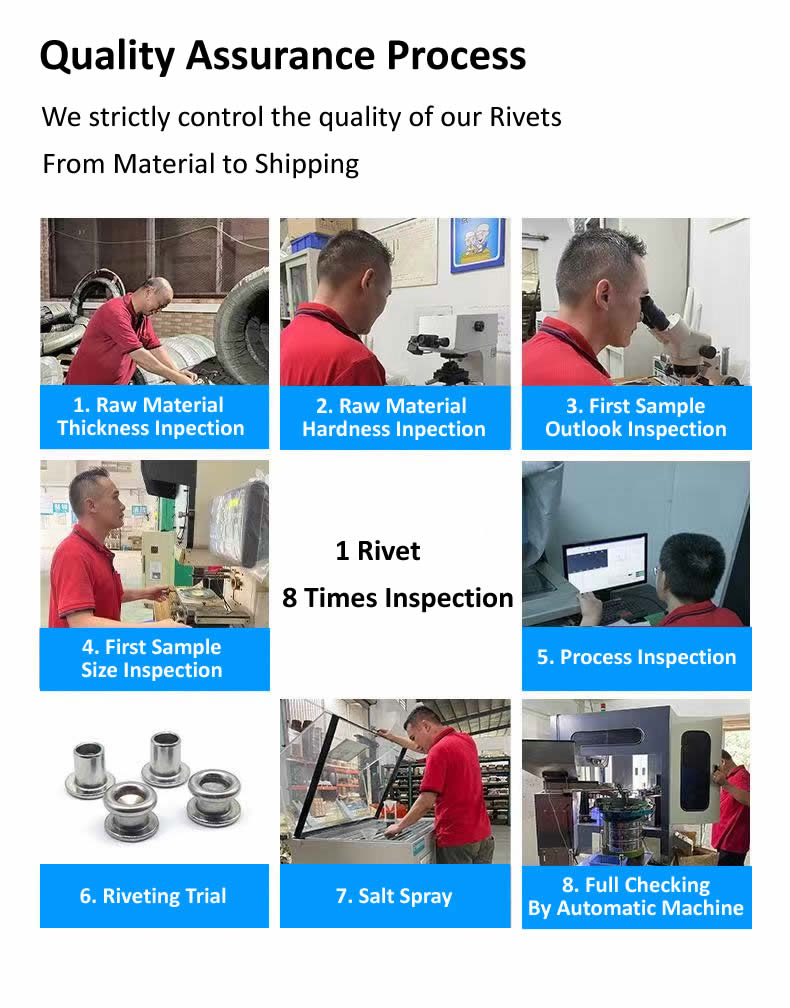
Wire quality – Each coil is checked for diameter (±0.02mm) and hardness (HRB 60–80) before it reaches the header. If the wire is too hard, it cracks. If it is too soft, it deforms. We catch both.
Die condition – Our heading dies are polished and inspected after every run. A worn die creates uneven heads and inconsistent cavities. We replace them before they fail – not after.
Cavity depth – We measure cavity depth on every first article. 45–55% of barrel length. Too shallow, setting force stays high. Too deep, the wall cracks.
Setting verification – Every 2,000 pieces, we set 3 rivets into your actual material and inspect the clinch. This tells us if the rivet rolls correctly – not just if it measures correctly.
Plating thickness – Zinc and nickel plating are measured with XRF on every batch. Thin plating gives you rust. Thick plating costs you money. We hold the middle.
We keep records of every check for five years. If a field failure ever occurs, we can trace it back to the exact coil and the exact day of production.
Our Certifications – Proof of Quality
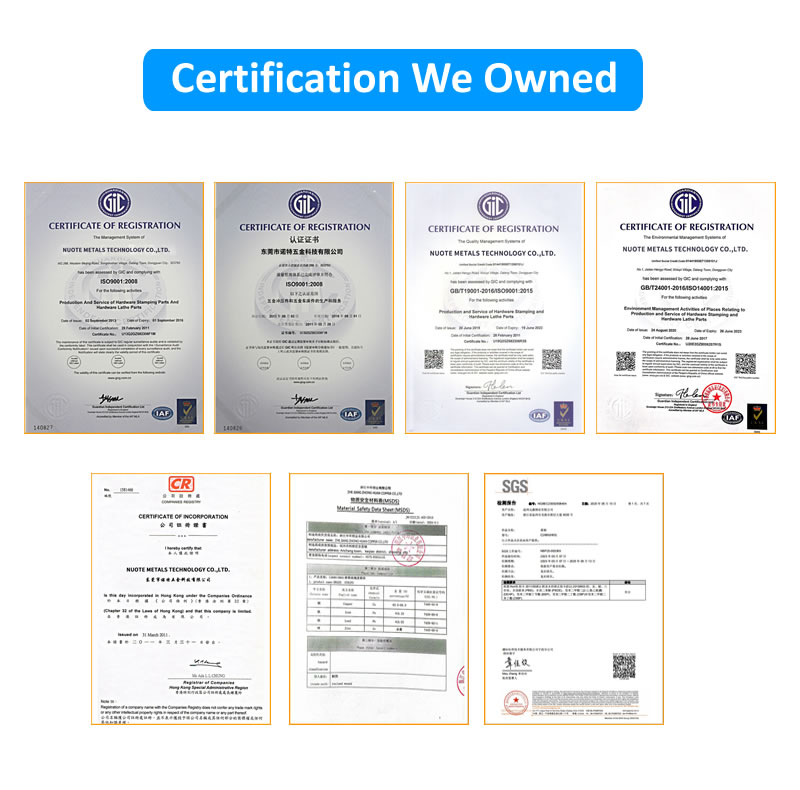
- ISO 9001:2015 – Certified quality management system
- RoHS compliance – Verified by SGS testing
- REACH compliance – Current SVHC declaration
- SGS test reports – Available per batch on request
- Material certificates – Traceable to original coil
Three Questions We Answer Often
Q: "Can I get samples before ordering production quantities?"
A: Yes. Standard specifications: free samples, you pay shipping. Custom sizes: contact our sales team for sample cost and lead time.
Q: "Will iron half tubular rivets rust? How do I prevent it?"
A: Uncoated iron will rust. We offer zinc plating (clear or yellow) for 48–96 hours of salt spray protection – enough for indoor and sheltered outdoor use. Nickel plating provides 96 hours with a bright finish. Black oxide offers mild protection with a matte appearance. For continuous outdoor or coastal exposure, switch to stainless steel half tubular rivets. In the shelving case above, zinc plating provided sufficient protection for warehouse conditions.
Q: "How do I select the correct barrel length for an iron half tubular rivet?"
A: Barrel length = material stack thickness + 1.5–2.0mm. For example, if you are joining two 2mm sheets (total 4mm), choose a barrel length of 5.5–6.0mm. If the barrel is too short, the clinch will be weak. Too long, and the barrel may crumple. Send us your stack thickness – we will recommend the exact length.
Hot Tags: Iron Half Tubular Rivets,Iron Rivets Manufacturer,Half Tubular Rivets Manufacturer
Related Categories
Send Inquiry
Please feel free to fill your inquiry in the form below. We will reply you in 24 hours.



X
We use cookies to offer you a better browsing experience, analyze site traffic and personalize content. By using this site, you agree to our use of cookies.
Privacy Policy