
Products
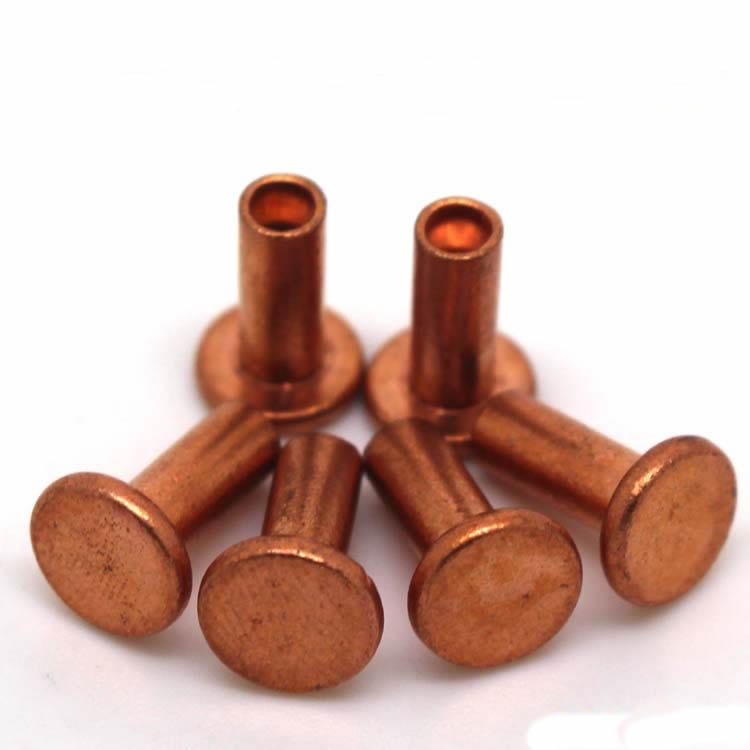
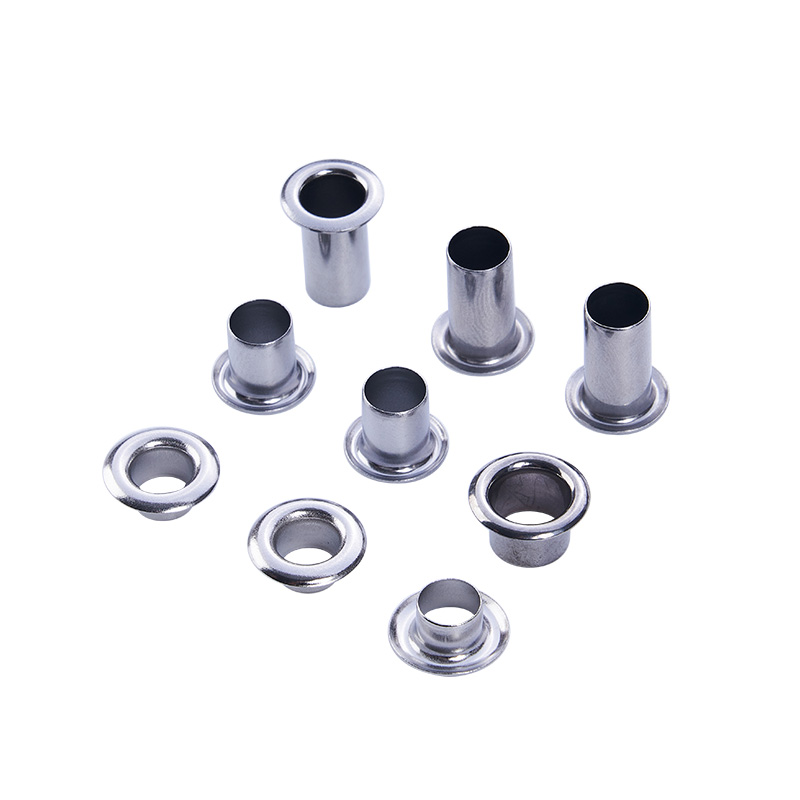
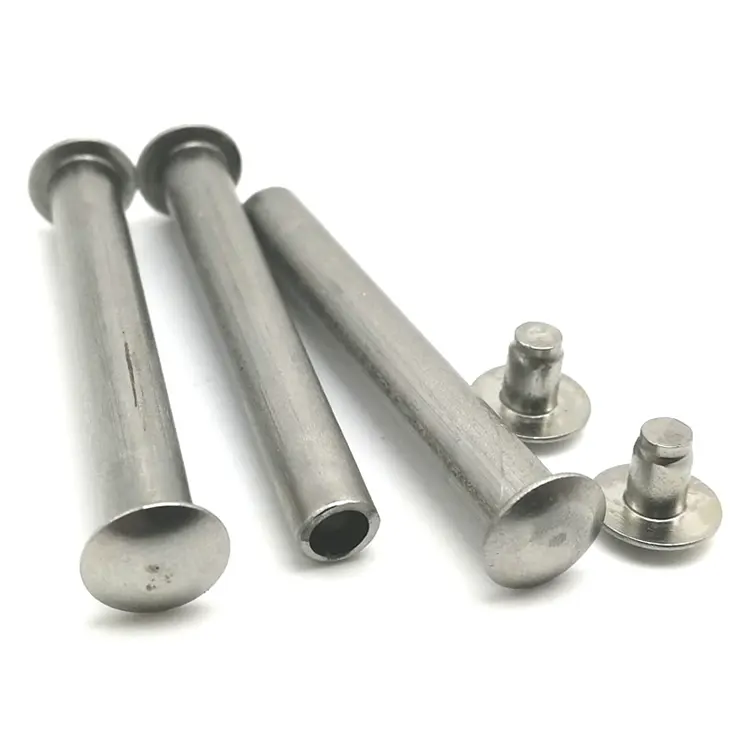
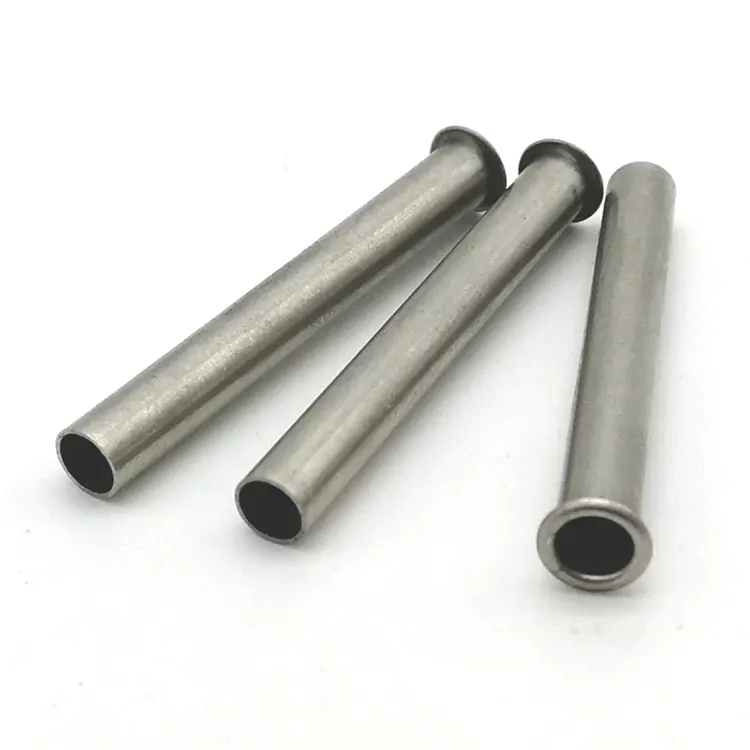
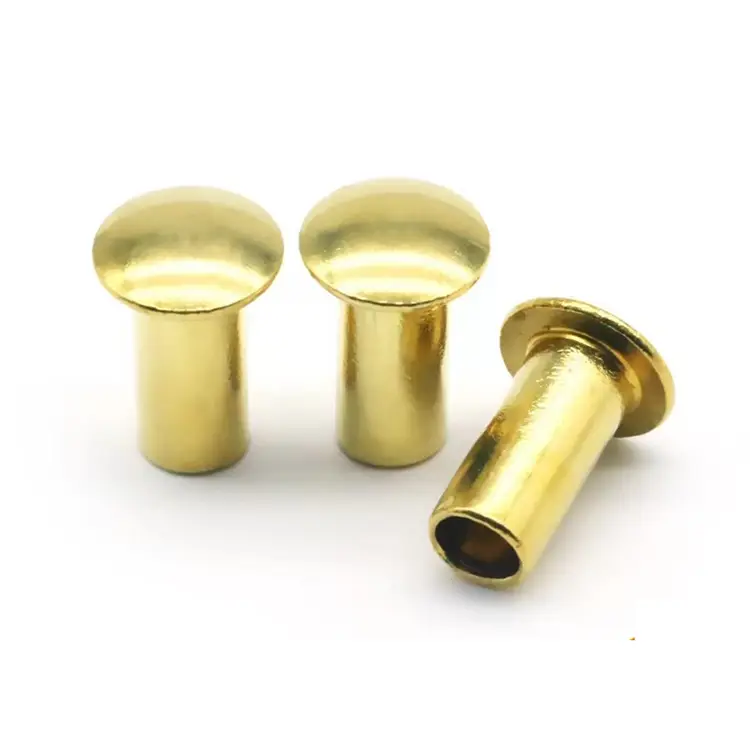
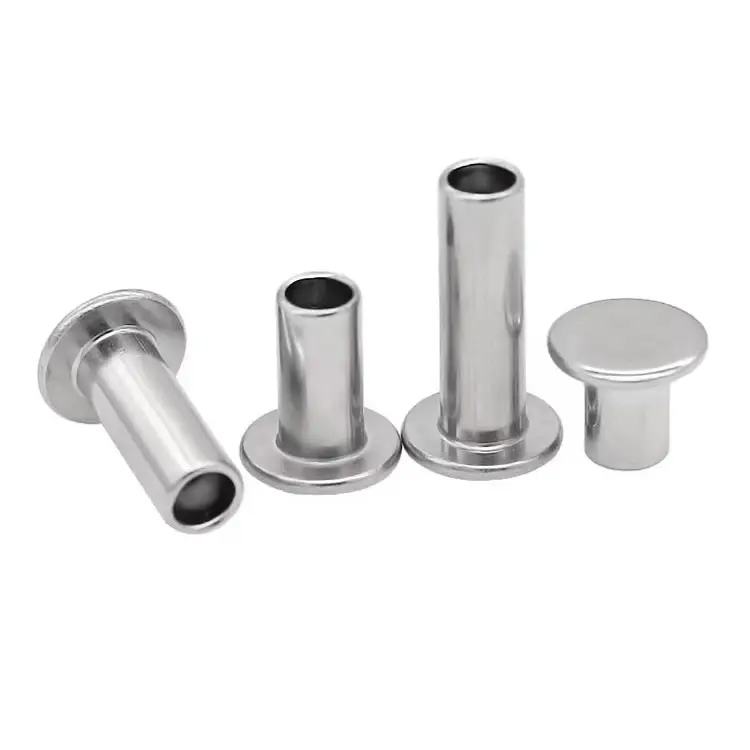
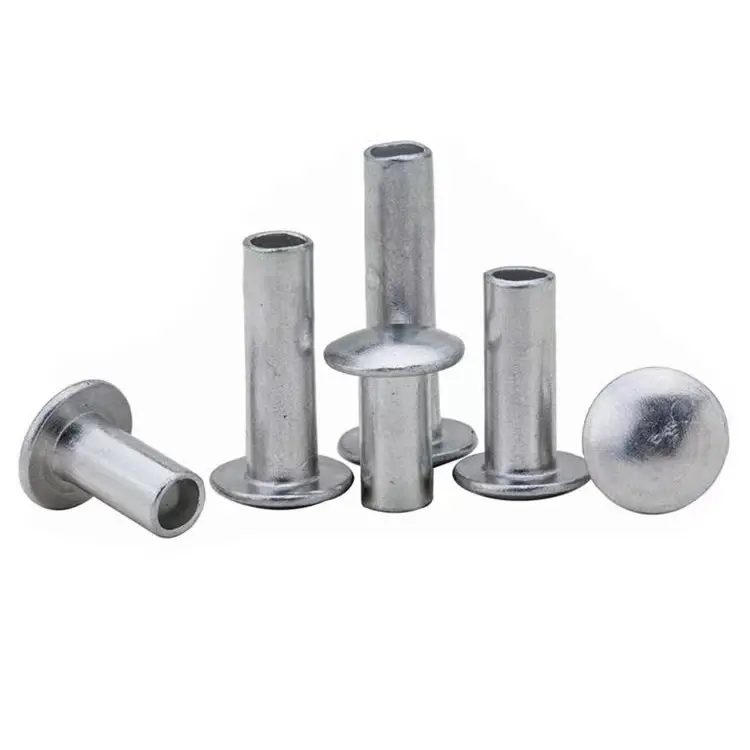
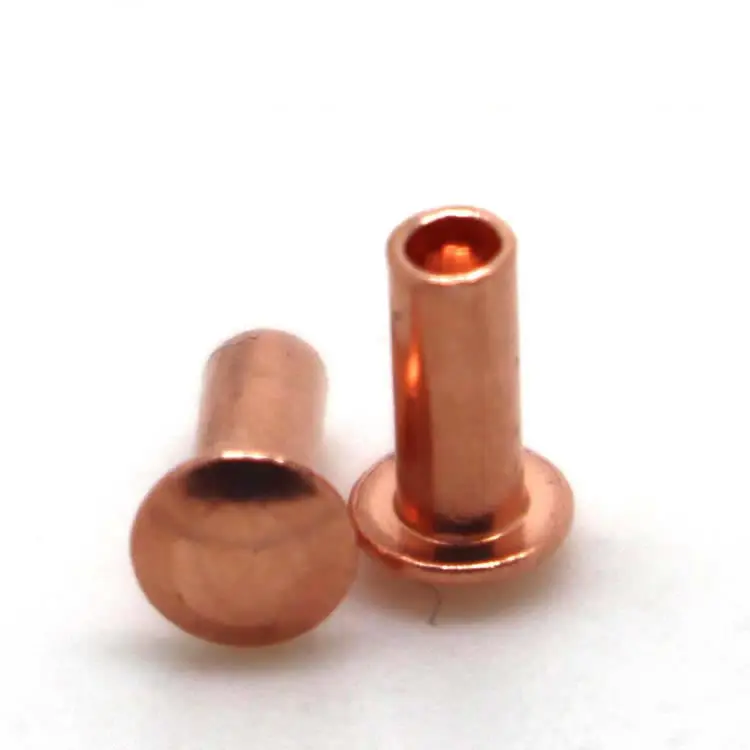
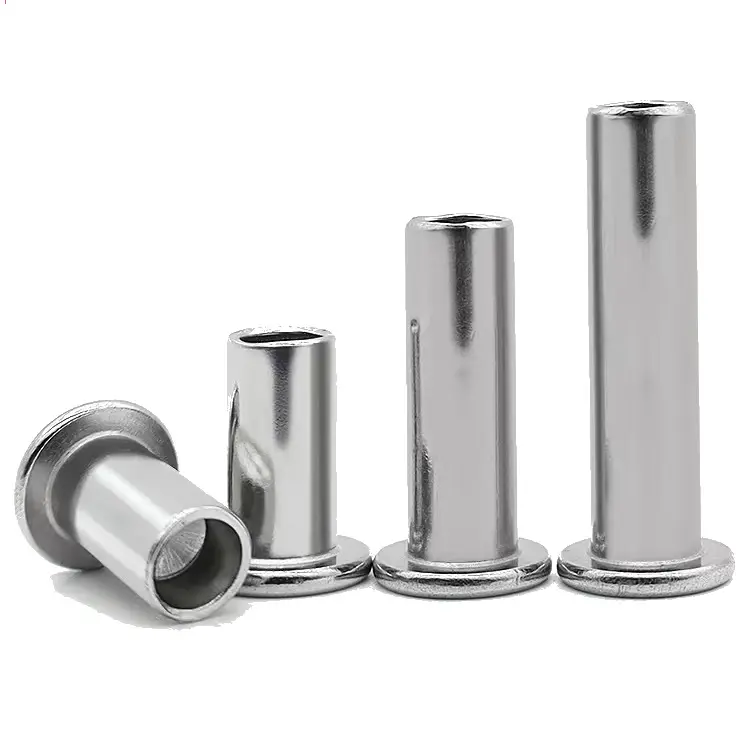
Mushroom Head Semi Tubular Rivet
Mushroom head semi tubular rivet play an great role when connecting parts like plastic sheet, metal sheet, chassis components etc. Nuote Metals manufactures mushroom head half tubular in China for more than 10 years, the rivets we made are selling to America, Canada, Japan, Indonesia, Malaysia and many other countries.
Send Inquiry
Product Description
When the rivet head contacts soft materials – leather, fabric, rubber, plastic, or even skin – a sharp edge is unacceptable. The mushroom head semi tubular rivet solves this with a wide, low dome and a generously radiused edge that will not cut, tear, or abrade. The semi‑hollow cavity reduces setting force by 70% compared to solid rivets, making it gentle on both the material and your production line.
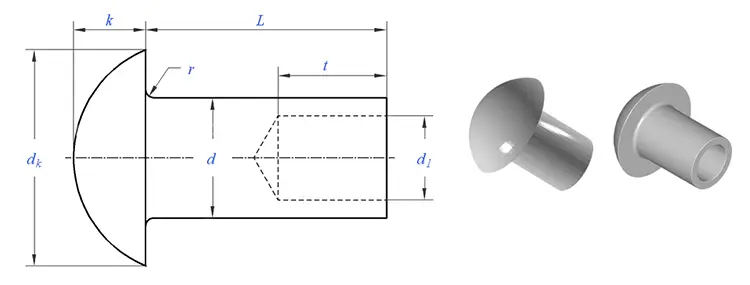
Mushroom Head vs. Other Heads – Where the Gentle Edge Wins
The mushroom head is wider and lower than a round head, and its edge is generously radiused – no sharp transition from head to material. This makes it the safest choice for soft materials.
| Head Style | Head Dia / Shank | Head Height | Edge Radius | Best For |
|---|---|---|---|---|
| Round | 1.6 – 1.8 : 1 | Tall (45–50%) | Small, distinct | Metal‑to‑metal, high shear |
| Flat | 2.0 – 2.5 : 1 | Low (25–30%) | Sharp | Clearance‑limited |
| Truss | 2.2 – 2.8 : 1 | Very low | Moderate | Soft materials, oversized holes |
| Mushroom | 2.2 – 2.5 : 1 | Low (30–35%) | Large, smooth | Leather, fabric, plastics, skin contact |
Choose mushroom head when: The rivet contacts soft materials. The rivet will be near skin or clothing. You need a wide bearing surface with a smooth edge. You want the head to look subtle but finished.
Semi‑Tubular vs. Solid – Where the Hollow Wins
The semi‑tubular design has a shallow cavity at the tail (45–55% of barrel length). During installation, only the thin wall of this hollow section rolls outward to form the clinch – requiring only 25–30% of the force of a solid rivet.
| Feature | Mushroom Head Semi Tubular Rivet | Mushroom Head Solid Rivet |
|---|---|---|
| Tail design | Partially hollow (45–55% of length) | Fully solid |
| Setting force | 25–30% of solid rivet force | 100% |
| Shear strength | 80–90% of solid rivet | 100% |
| Installation speed | Fast, automated | Slower, heavy press |
| Best for | High‑volume, soft materials, visible assemblies | Structural, maximum strength |
One Real Application – Industrial Equipment Enclosure
A manufacturer of industrial electrical enclosures was using round head rivets to attach mounting brackets to plastic housings. Over time, the narrow bearing surface of the round head caused stress cracks in the housing material. The customer tried flat head rivets – the load distribution was better, but the sharp edge marred the surface during setting.
We supplied zinc‑plated steel mushroom head semi tubular rivets – 4.0mm shank, 9.5mm head diameter, 8.0mm barrel length. The wide mushroom head distributed the clamping force evenly across the plastic housing. The smooth, radiused edge eliminated surface marking. The low profile sat cleanly on the housing without looking bulky. The customer tested 500 rivets across 200 enclosures. After 10,000 vibration cycles, no stress cracks, no surface damage. They now order our mushroom head rivets in batches of 150,000 pieces annually.
Materials and Finishes – What We Offer
Nuote Metals manufactures mushroom head semi tubular rivets in multiple material families:
| Material | Key Advantage | Best For |
|---|---|---|
| Low‑carbon steel (zinc‑plated) | Highest strength, cost‑effective | Industrial, high‑volume, cost‑sensitive |
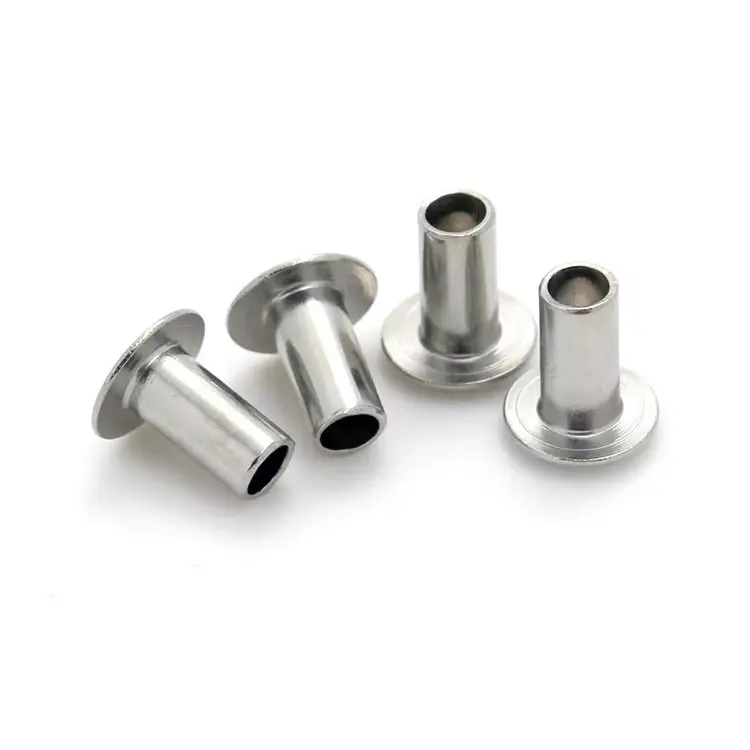
| Stainless steel (304/316, passivated) | Permanent corrosion resistance | Outdoor, marine, food equipment |
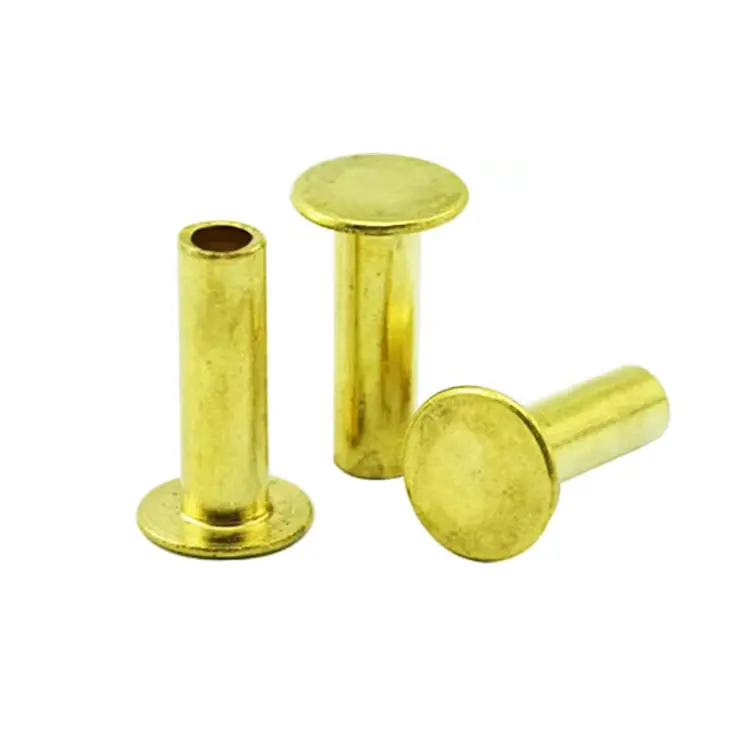
| Brass (C2680) | Decorative, conductive, non‑magnetic | Leather goods, visible hardware, electronics |
| Copper (C11000) | 100% IACS conductivity, antimicrobial | Electrical, thermal applications |
| Aluminum (5052/5056) | Lightweight, non‑magnetic | Aerospace, portable equipment, drones |
Standard finishes: Zinc‑plated, nickel‑plated, passivated, lacquered, antiqued, plain.
The Mushroom Head Difference – Why the Edge Radius Matters
The mushroom head is easy to recognize – wide, low, and smooth. But that simple shape requires precise tooling. The edge radius is the most important dimension – it is what prevents the rivet from cutting into soft materials. We grind the radius into the heading die and verify it on every first article. The underside must be flat so the load distributes evenly. We check this on every batch.
Manufacturing Process – Watch How We Make Rivets
Our cold‑heading process transforms wire into finished mushroom head semi tubular rivets in a continuous sequence.
Material Preparation: Certified wire is drawn to exact shank diameter (±0.02mm). Spectrometer verifies material grade. Out‑of‑spec material is rejected before production begins.
Cold Heading: The wire feeds into a multi‑station cold header. In a single sequence, the blank is squared, the head is formed with the generous edge radius, and the semi‑hollow cavity is extruded at 45–55% depth. Polished carbide dies prevent surface marks.
Trimming & Tumbling: Flash is removed, and micro‑burrs are eliminated.
Plating or Coating: Applied as specified – zinc, nickel, passivation, lacquer, or antique finish.
Final Inspection: 100% optical sorting verifies head diameter, head height, edge radius, shank diameter, barrel length, and cavity depth. AQL sample manually verified.
Sample lead time: 5–7 days standard; custom tooling: 15–20 days.
Good Rivet vs. Bad Rivet – What to Look For
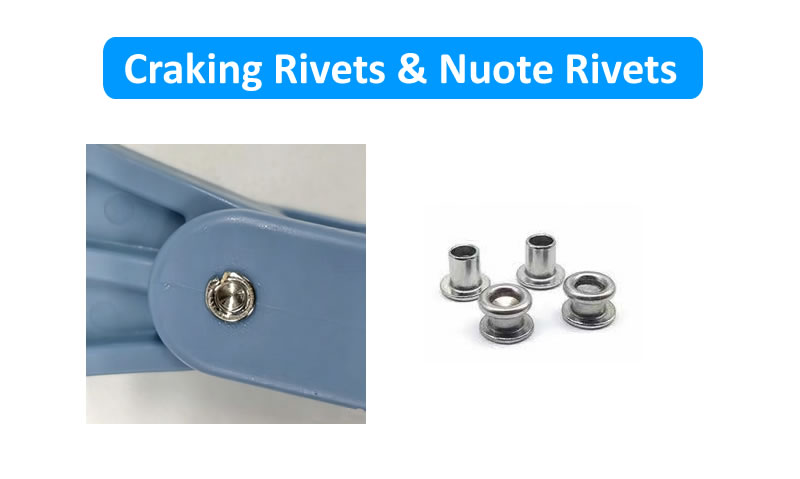
Not all mushroom head semi tubular rivets are created equal. Here is what separates a quality rivet from a poor one:
| Feature | Good Rivet (Nuote Metals) | Bad Rivet (Low Quality) |
|---|---|---|
| Edge radius | Smooth, generous radius – won't cut materials | Sharp, inconsistent – tears soft materials |
| Head consistency | Uniform dome, centered on shank | Uneven, off‑center, lopsided |
| Surface finish | Smooth, no tool marks | Rough, visible scratches or burrs |
| Cavity depth | 45–55% of barrel – consistent clinch | Too deep or shallow – weak clinch |
| Plating quality | Even thickness, no flaking | Uneven, thin spots, peeling |
| Dimensional tolerance | ±0.05mm on critical dimensions | Wide variation – inconsistent fit |
A poor rivet may look acceptable at first glance, but the sharp edge will damage soft materials, the uneven head will not sit properly, and the inconsistent cavity will lead to weak clinches or cracked rivets during setting. The difference shows up in your production line – and in the field.
What Our Customers Say – Real Feedback
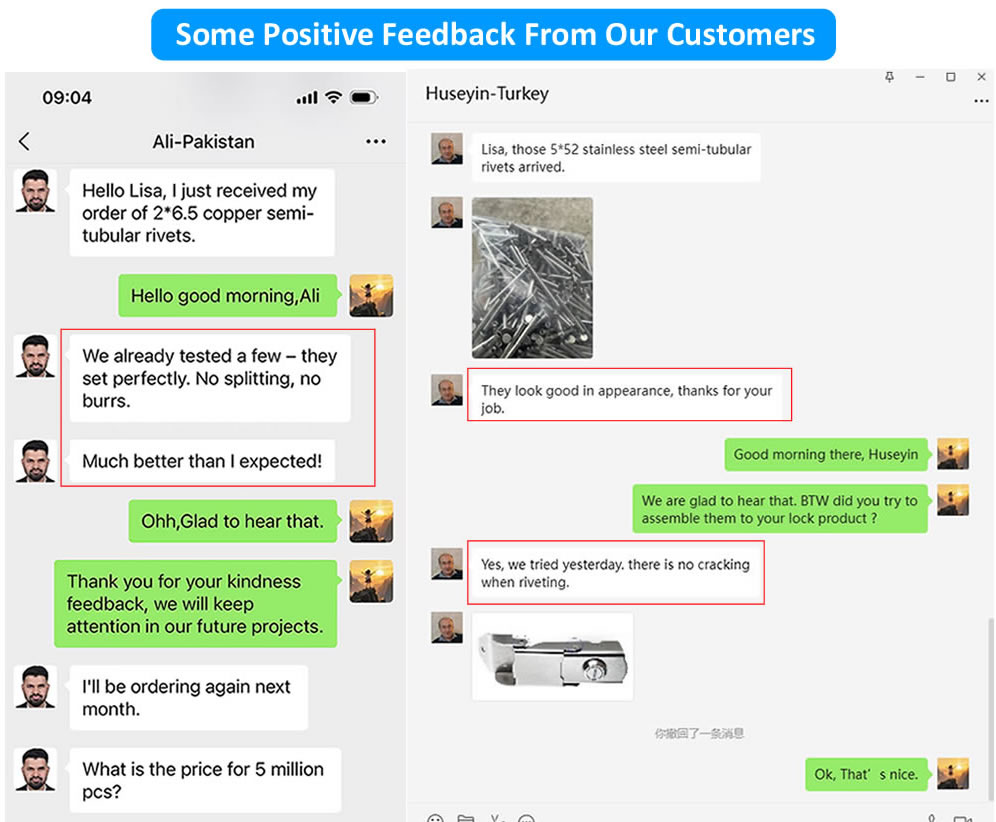
We let our customers speak for us. The images above show real feedback from manufacturers who have used our mushroom head semi tubular rivets in their production lines – from industrial equipment builders to automotive suppliers to heavy machinery manufacturers.
They come back to us for the same reasons:
- Smooth edge – Large radius prevents cutting and tearing
- Gentle setting – Semi‑hollow design prevents material damage
- Consistent quality – Every batch meets their dimensional and performance requirements
- Reliable delivery – Samples ship in 5–7 days, production on schedule
Three Questions We Answer Often
Q: "Can I get samples before ordering production quantities?"
A: Yes – we offer samples for all our products. For standard existing specifications, samples are provided free of charge – you only pay the shipping cost. For custom sizes or custom tooling, sample availability and lead time depend on the specific requirements. Please contact our sales team with your drawing or specification, and they will advise on sample cost and delivery timeline.
Q: "What is the difference between a mushroom head and a truss head – they both look wide?"
A: The difference is the edge profile. A mushroom head has a large, generous radius at the edge – smooth, rounded, no sharp transition. A truss head has a sharper edge – less radius, more defined. The mushroom head is specifically designed for applications where the rivet contacts soft materials like leather, fabric, or plastic. The truss head is designed for maximum bearing surface in applications like oversized holes or hard plastics. If you run your finger across the edge, the mushroom head will feel smooth and finished; the truss head will feel more defined.
Q: "What is the maximum edge radius you can achieve on a mushroom head semi tubular rivet?"
A: The maximum edge radius depends on the head diameter and shank size. For a typical 4mm shank with a 9.5mm mushroom head, we can achieve a radius of 0.8–1.2mm – smooth enough to prevent cutting or abrasion on most soft materials. For custom applications requiring a larger radius, we can modify the heading die geometry. The limiting factor is the head diameter – the radius cannot exceed the head height without compromising the dome shape. Send us your material type and application details – we will recommend the optimal radius for your needs.
Hot Tags: Mushroom Head Semi Tubular Rivet,Mushroom Head Rivets China
Related Categories
Send Inquiry
Please feel free to fill your inquiry in the form below. We will reply you in 24 hours.



X
We use cookies to offer you a better browsing experience, analyze site traffic and personalize content. By using this site, you agree to our use of cookies.
Privacy Policy