
Products
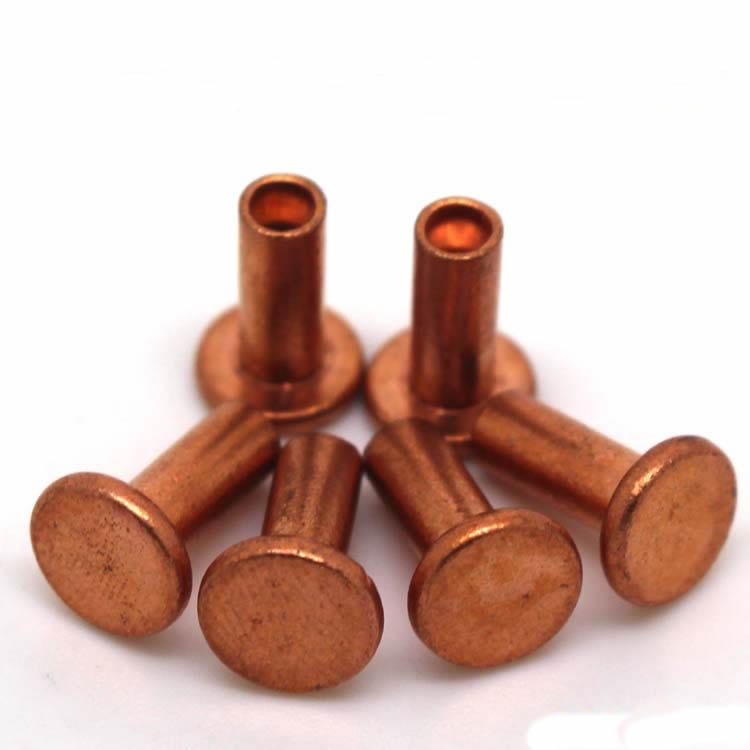
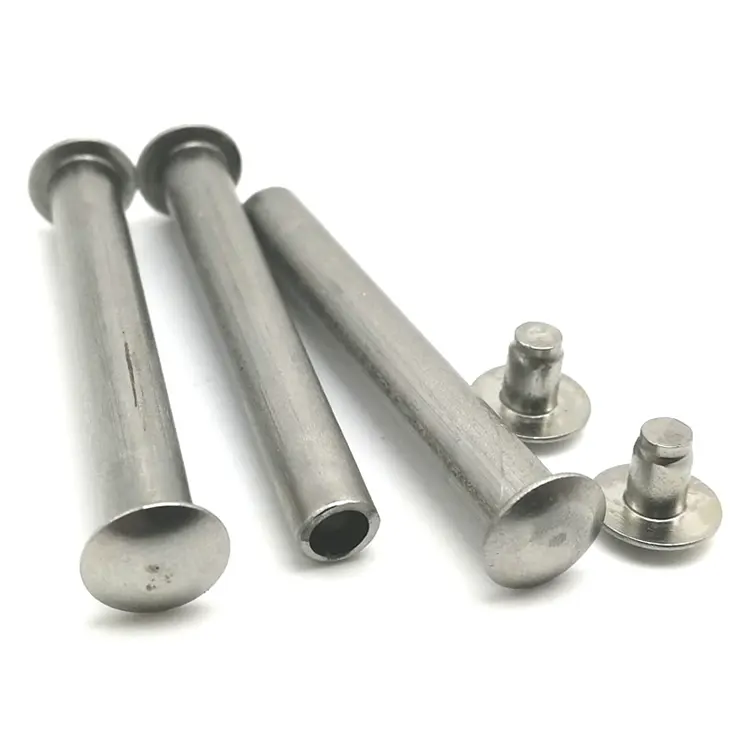
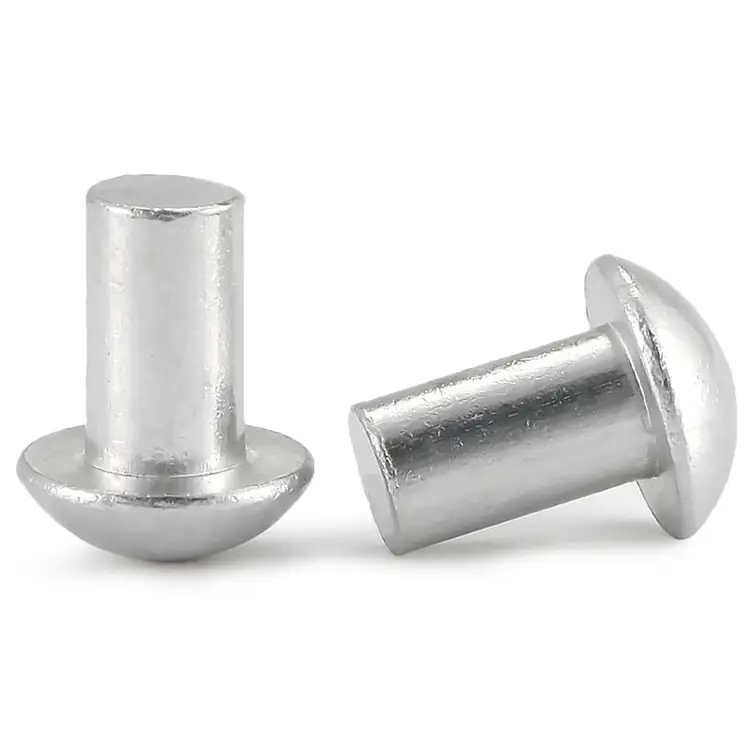
Mushroom Head solid Rivets
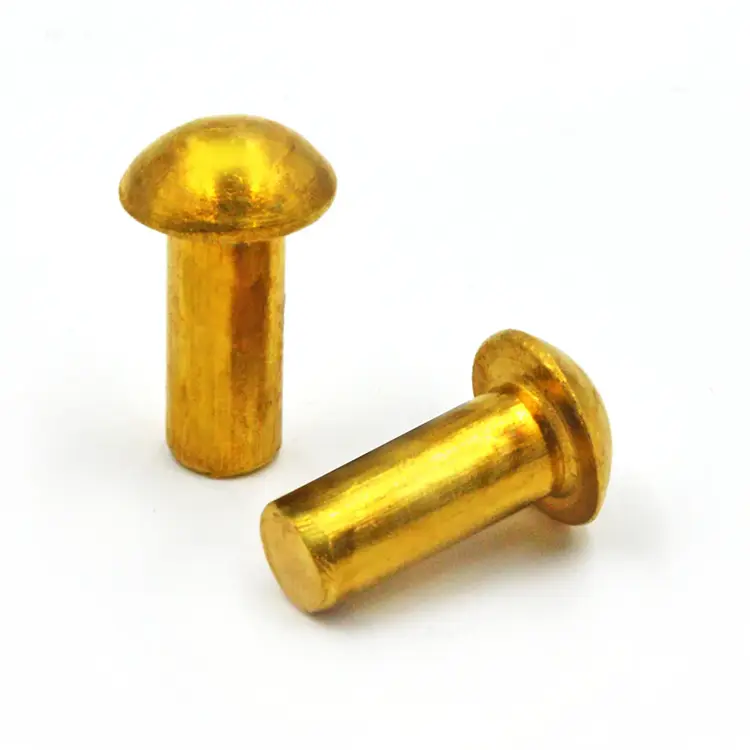
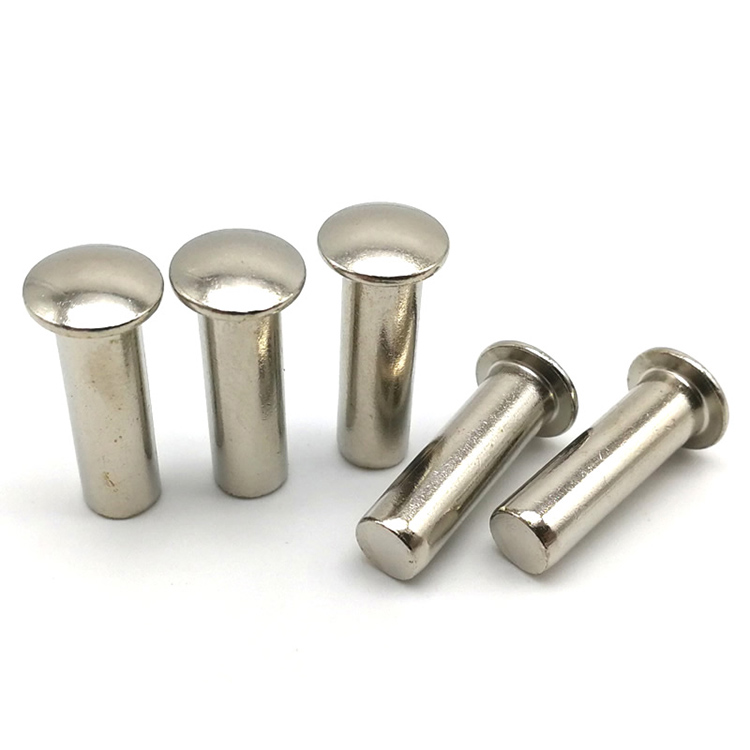
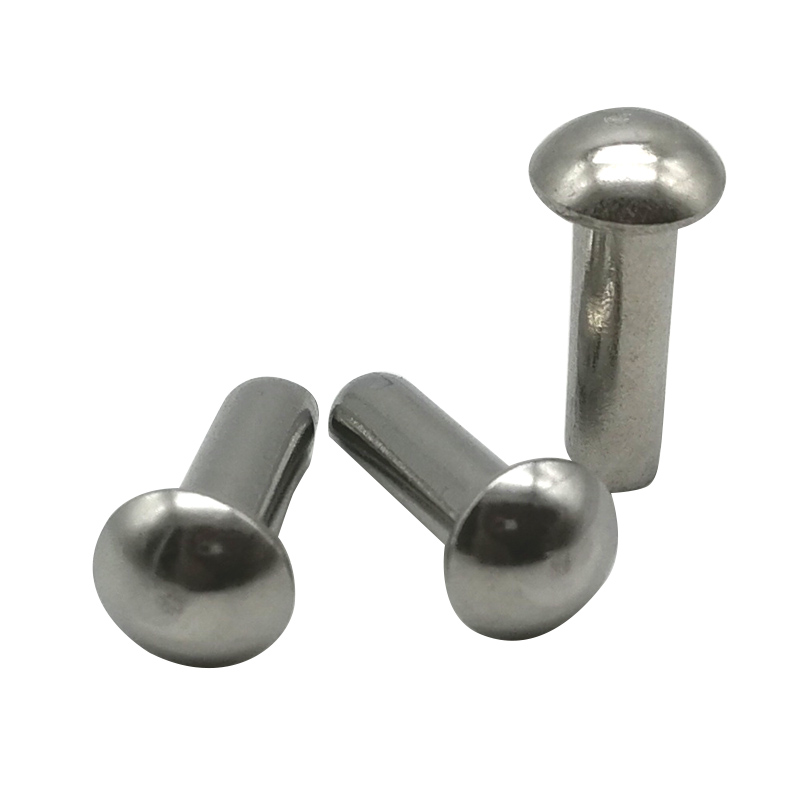
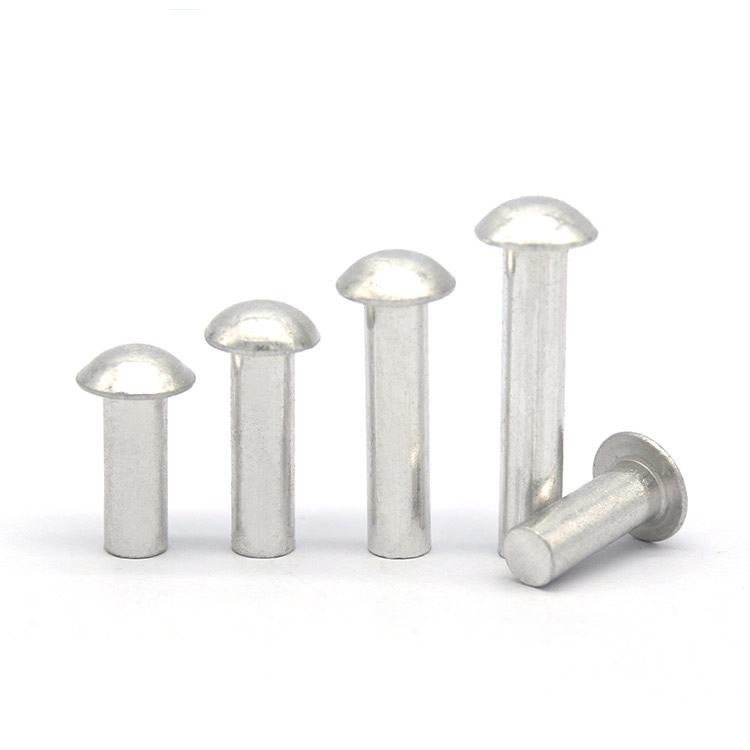
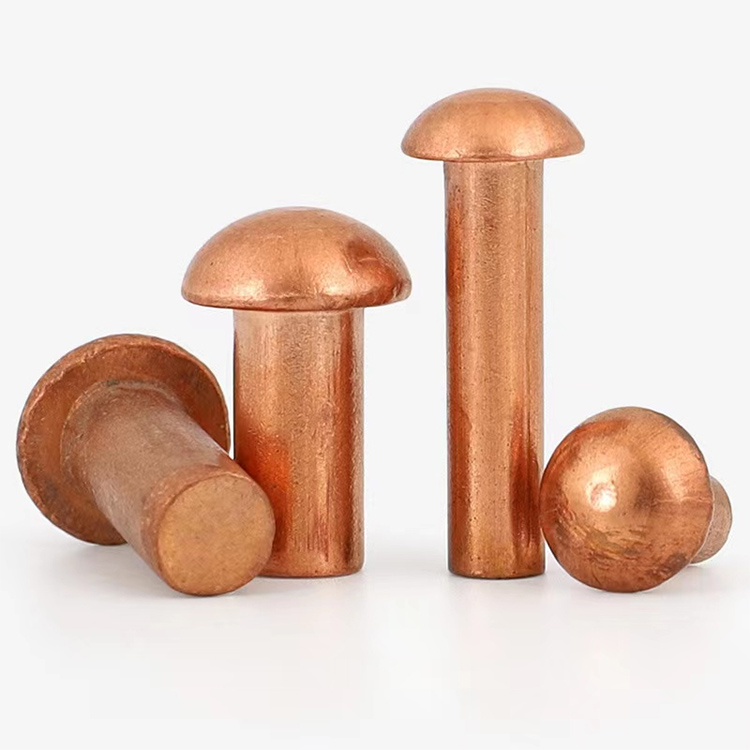
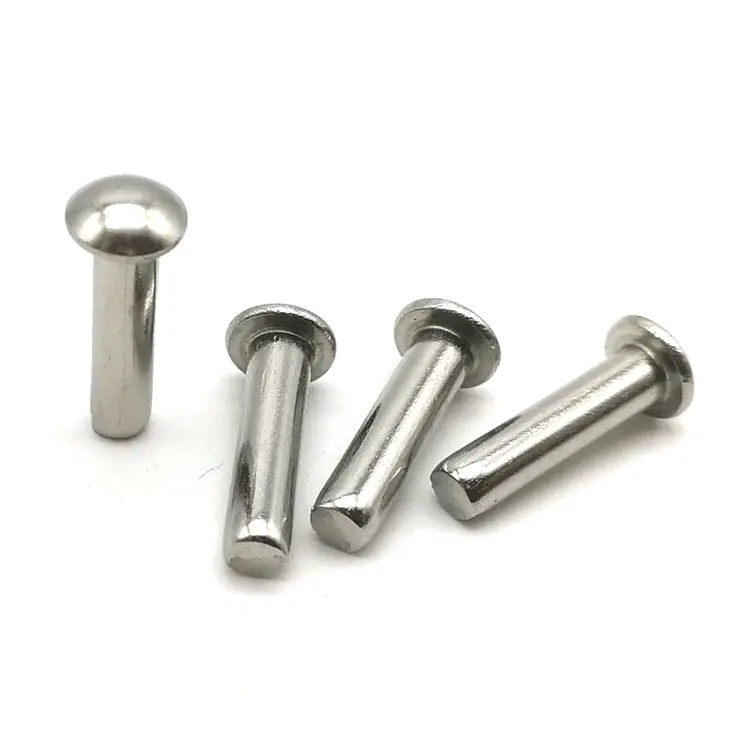
Mushroom head solid rivets from Nuote Metals – the head style that combines a wide bearing surface with a low profile and smooth, radiused edge. Designed for industrial applications where load must be distributed without damaging the surrounding material. Available in 1.5–8.0mm shank diameters, carbon steel, stainless steel, brass, copper, and aluminum.
Send Inquiry
Product Description
Mushroom head solid rivets are the fastener of choice when you need maximum bearing area with a low, unobtrusive profile. The wide head – 2.2–2.5 times the shank diameter – distributes clamping force over a larger surface, reducing stress on the material. The generous radius at the edge prevents the head from digging in or damaging the surrounding surface. This combination makes mushroom head solid rivets ideal for applications where appearance and structural integrity both matter.
Unlike round head rivets that concentrate load on a smaller area, or flat head rivets that sit lower but offer less bearing surface, mushroom head rivets strike the balance: a wide, low dome that spreads the load without sitting too proud.
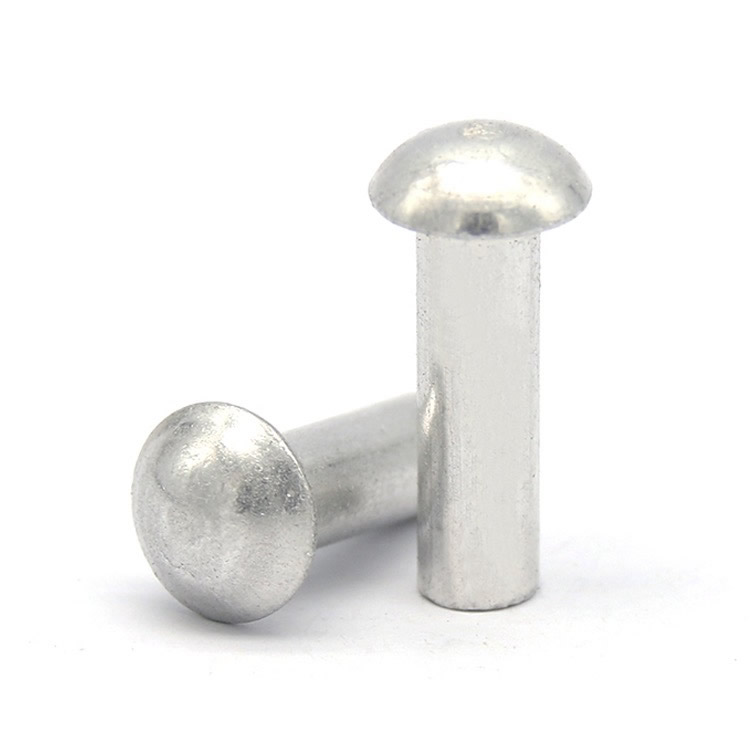
Mushroom vs. Round vs. Flat – Where the Mushroom Head Fits
| Feature | Mushroom Head Solid Rivets | Round Head Solid Rivets | Flat Head Solid Rivets |
|---|---|---|---|
| Head diameter / shank ratio | 2.2 – 2.5 : 1 | 1.6 – 1.8 : 1 | 2.0 – 2.5 : 1 |
| Head height | Low (30–35%) | Tall (45–50%) | Low (25–30%) |
| Edge radius | Large, smooth | Small, distinct | Sharp |
| Best for | Plastics, composites, thin sheet, soft metals | Metal‑to‑metal, high‑shear | Clearance‑limited, sliding surfaces |
| Load distribution | Excellent | Moderate | Good |
| Surface marking | Minimal | Moderate | High |
When to choose mushroom head: The assembly uses plastic, composite, thin sheet metal, or soft materials where load must be spread. You need a low profile but still want a visible, finished appearance.
One Real Application – Industrial Equipment Enclosure
A manufacturer of industrial electrical enclosures was using round head rivets to attach mounting brackets to plastic housings. Over time, the narrow bearing surface of the round head caused stress cracks in the housing material. The customer tried flat head rivets – the load distribution was better, but the sharp edge marred the surface during setting.
We supplied zinc‑plated steel mushroom head solid rivets – 4.0mm shank, 9.5mm head, 12.0mm overall length. The wide mushroom head distributed the clamping force evenly across the plastic housing. The smooth, radiused edge eliminated surface marking. The low profile sat cleanly on the housing without looking bulky. The customer tested 500 rivets across 200 enclosures. After 10,000 vibration cycles, no stress cracks, no surface damage. They now order mushroom head solid rivets in batches of 150,000 pieces annually.
How to Specify – Materials, Dimensions & Finish
We manufacture in five materials:
| Material | Best For |
|---|---|
| Carbon steel (zinc‑plated / black oxide) | Industrial, cost‑sensitive |
| Stainless steel (SUS304, passivated) | Outdoor, food, medical |
| Brass (C2680) | Decorative, electrical, non‑magnetic |
| Copper (C11000) | Electrical, thermal, antimicrobial |
| Aluminum (5052/5056) | Lightweight, non‑magnetic |
What you provide:
Shank diameter – 1.5mm to 8.0mm
Head diameter – we can recommend based on your material and load requirements
Overall length – we calculate from your material stack thickness
Material – choose from five options above
Finish – zinc, passivated, lacquered, nickel, anodized, antique, etc.
Edge radius – for plastic/composite applications, specify "full radius"
Length rule for solid rivets: Overall length = material stack thickness + (1.2–1.5 × shank diameter).
Sample lead time: 5–10 days standard; custom tooling: 15–20 days.
Our Production Process – From Raw Material to Finished Rivet
We manufacture mushroom head solid rivets through a controlled seven‑step workflow. Every batch is traceable from incoming material to final shipment.
1. Raw Material Procurement – Certified wire (carbon steel, stainless steel, brass, copper, or aluminum) is purchased from approved mills. Each coil comes with a mill test certificate and heat number.
2. Incoming Material Inspection – Every coil is verified for diameter (laser micrometer, ±0.02mm), hardness (Rockwell tester), and material composition (spectrometer). Coils outside specification are rejected before reaching the production floor.
3. Tooling Preparation – For new dimensions or custom head profiles, we design and machine carbide heading dies. For standard sizes, existing tooling is inspected and set up. Die geometry is critical for the mushroom head‘s wide, low dome and smooth edge radius.
4. First Article Inspection – The first 10 rivets from each tooling setup are measured on an optical comparator. Head diameter, head height, edge radius, shank diameter, and overall length must match the drawing before production begins. A full FAI report is issued.
5. Mass Production – Presses run at optimized speed for the material and head style. In‑process checks occur at defined intervals (5 rivets every 500 pieces). Any dimensional drift triggers immediate press stop and tooling adjustment.
6. In‑Process Inspection – Every 2,000 pieces, we set 3 rivets into a representative material sample (same thickness and type as your assembly). The clinch is inspected for symmetry, tightness, and surface marking. Edge radius and underside flatness are verified.
7. Final Outgoing Inspection – 100% optical sorting for critical dimensions. AQL sample (Level II, 1.0) manually verified. Dimensional report, material certificate, and Certificate of Conformance issued with every shipment.
How We Check Critical Dimensions – Our In‑House Lab

| What We Check | How We Check It |
|---|---|
| Shank diameter (±0.02mm) | Laser micrometer |
| Head diameter & height | Optical comparator |
| Edge radius | Optical comparator |
| Underside flatness | 2.5D image measuring system |
| Raw material hardness | Rockwell hardness tester |
| Material grade | Spectrometer |
| Corrosion resistance (if required) | Salt spray chamber |
All equipment is calibrated annually. Inspection records are kept for five years.
What Our Customers Say – Real Feedback
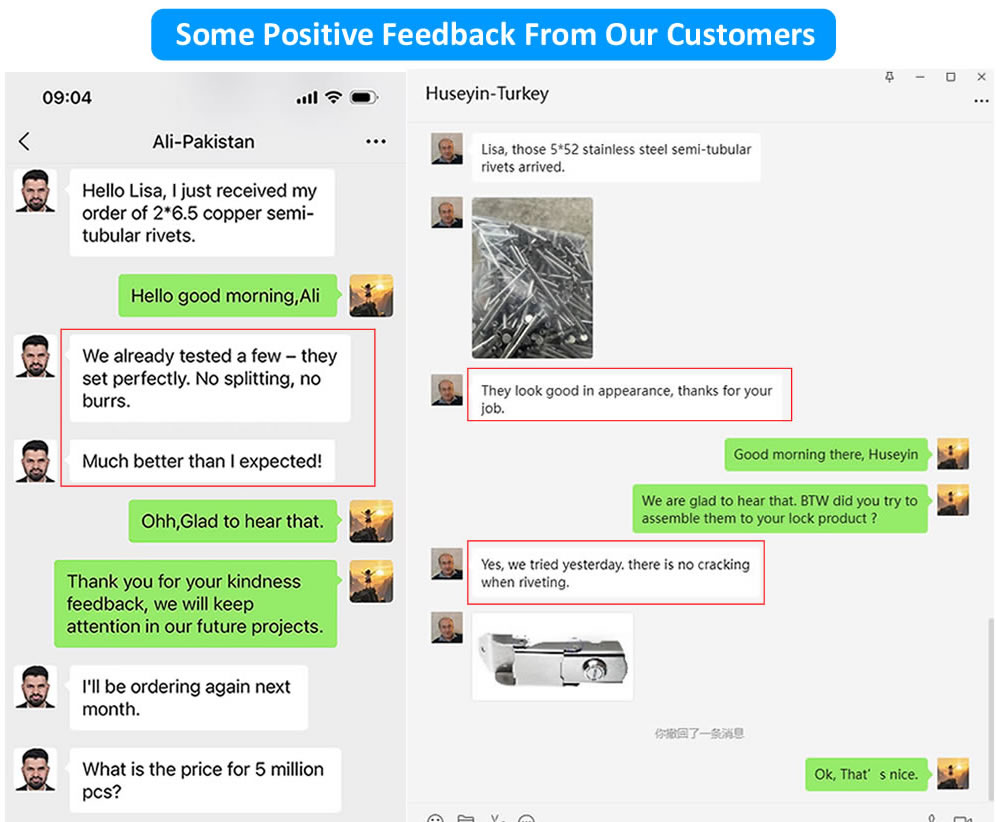
We let our customers speak for us. The images above show real feedback from manufacturers who have used our mushroom head solid rivets in their production lines – from industrial enclosure builders to automotive suppliers to heavy equipment manufacturers.
Two Questions We Answer Often
Q: "What is the difference between a mushroom head and a truss head – they both look wide and low?"
A: The difference is the edge profile. A mushroom head has a generous radius at the edge – smooth, rounded, no sharp transition. A truss head has a sharper edge – less radius, more defined. The mushroom head is specifically designed for applications where you need to distribute load without marking the surrounding material – plastics, composites, thin sheet, and soft metals. The truss head is designed for maximum bearing surface in applications like oversized holes in harder materials.
Q: "What materials are most commonly used for mushroom head solid rivets in industrial applications?"
A: Carbon steel (zinc‑plated) is the most common choice for general industrial applications – it provides the strength and durability needed for equipment enclosures, machinery guards, and structural assemblies. Stainless steel is chosen for outdoor or corrosive environments. Brass is specified for electrical or decorative industrial applications. For the industrial enclosure case above, carbon steel with zinc plating was the right choice – it delivered the strength needed at the lowest cost, with adequate corrosion protection for indoor use.
Hot Tags: Mushroom Head solid Rivets,Solid Rivets Made in China,China Mushroom Head Solid Rivets
Product Tag
Related Categories
Send Inquiry
Please feel free to fill your inquiry in the form below. We will reply you in 24 hours.



X
We use cookies to offer you a better browsing experience, analyze site traffic and personalize content. By using this site, you agree to our use of cookies.
Privacy Policy