
Products
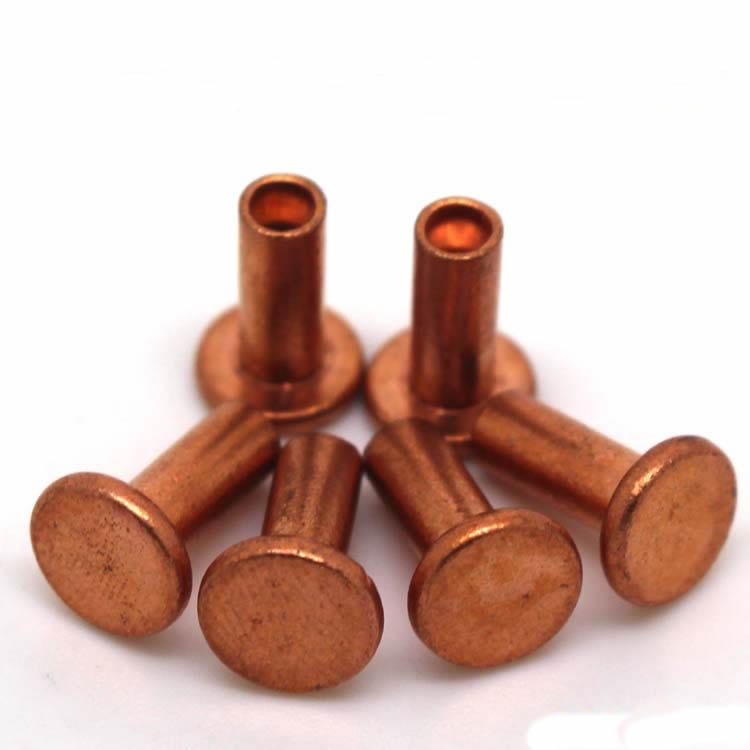
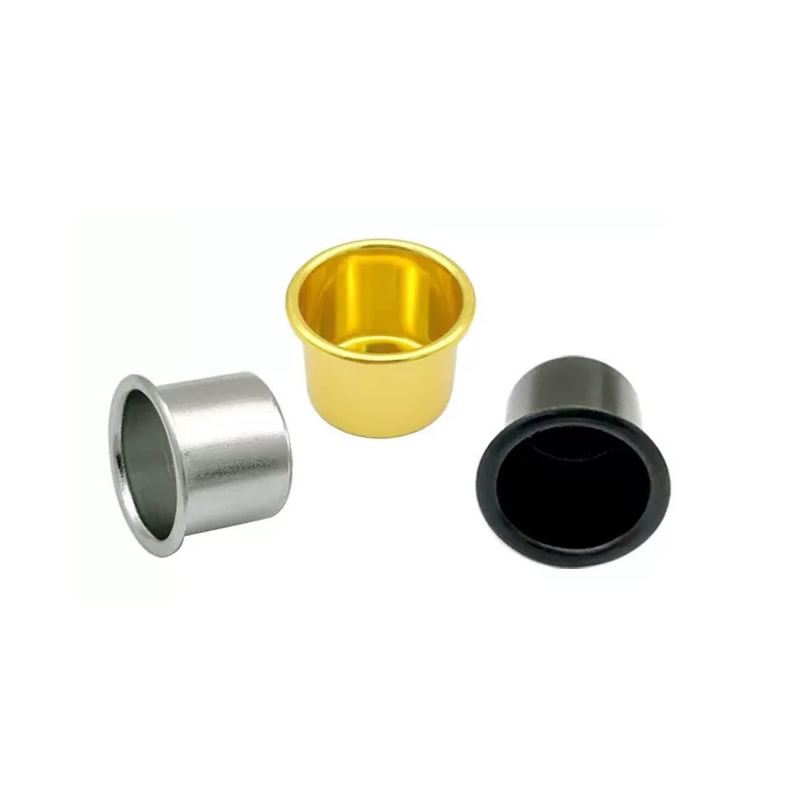
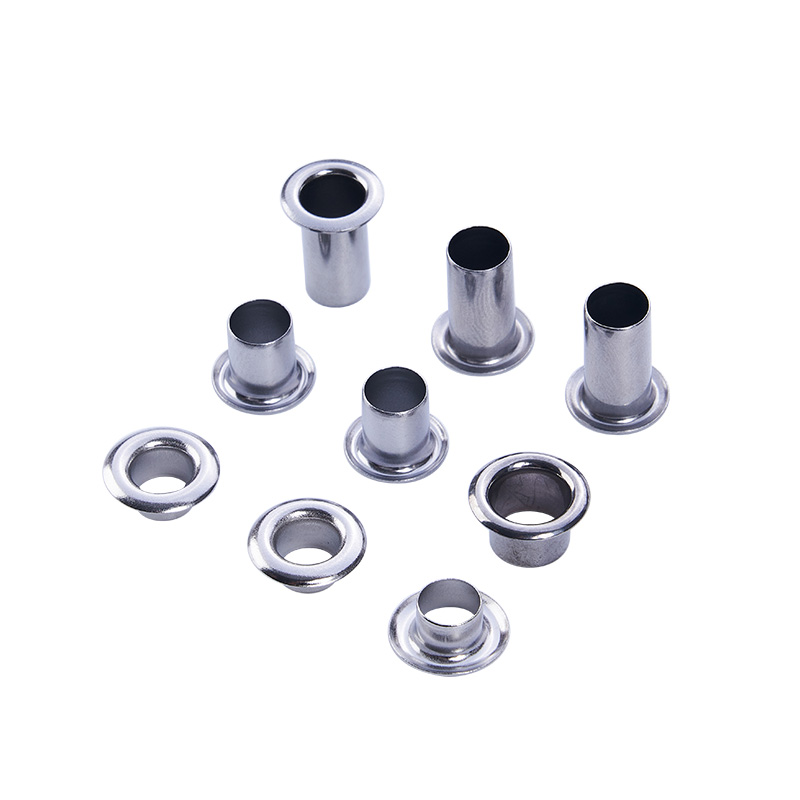
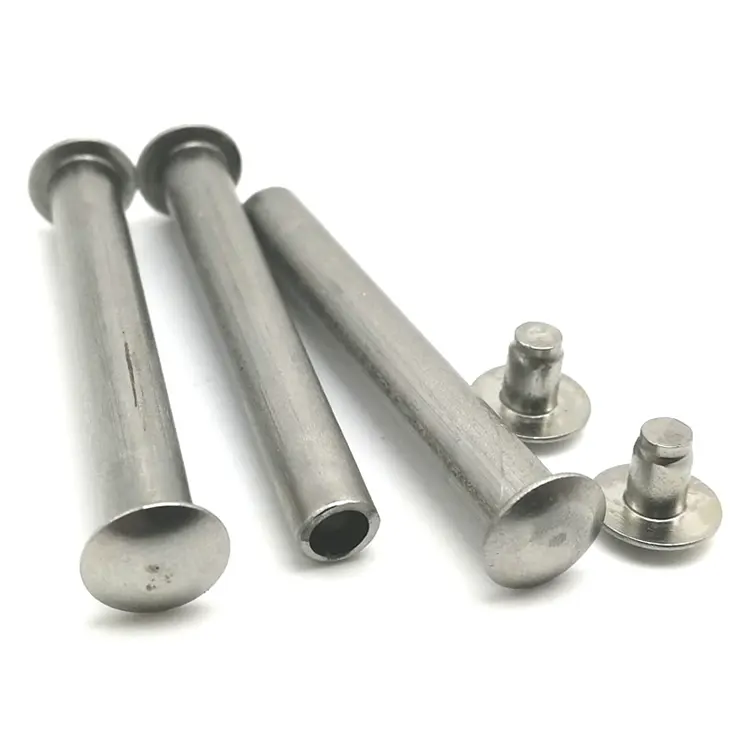
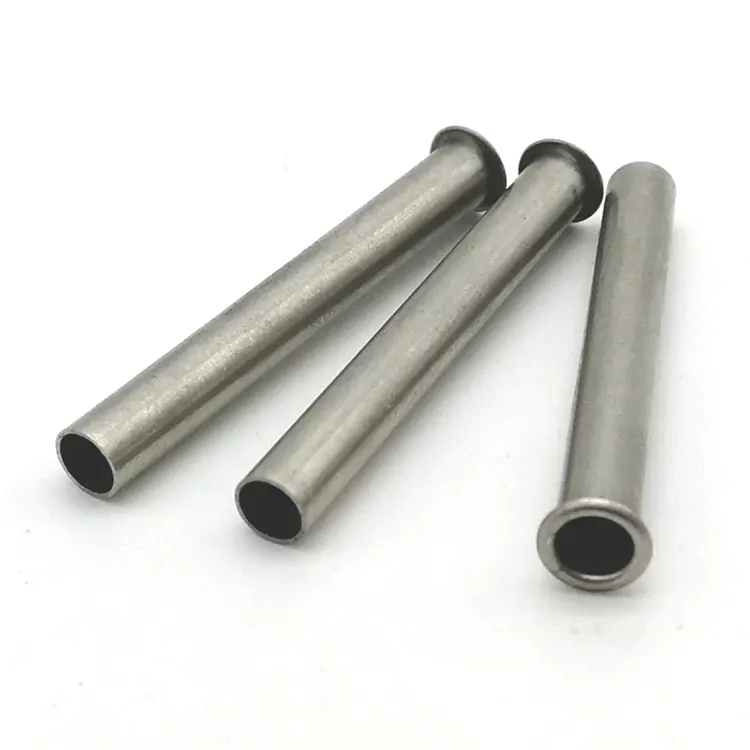
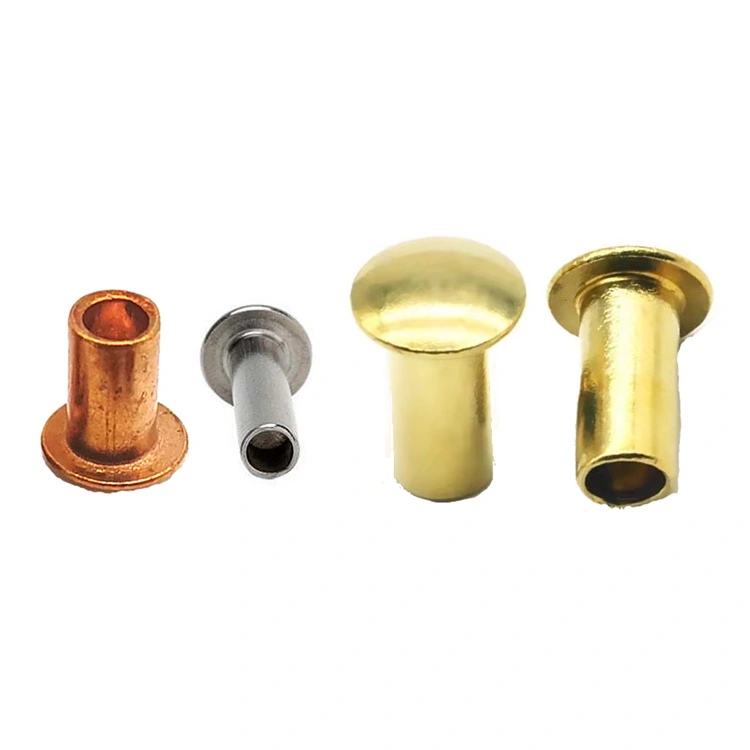
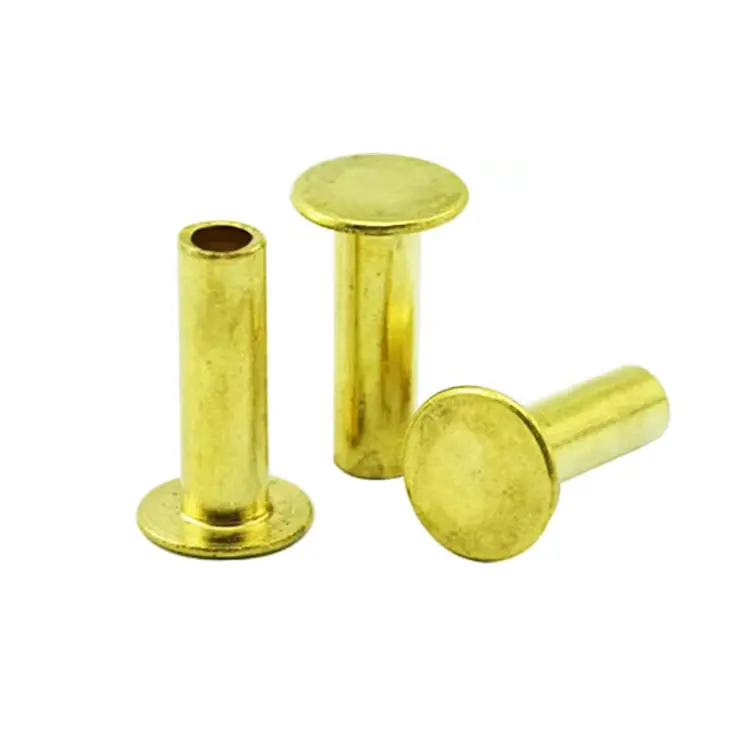
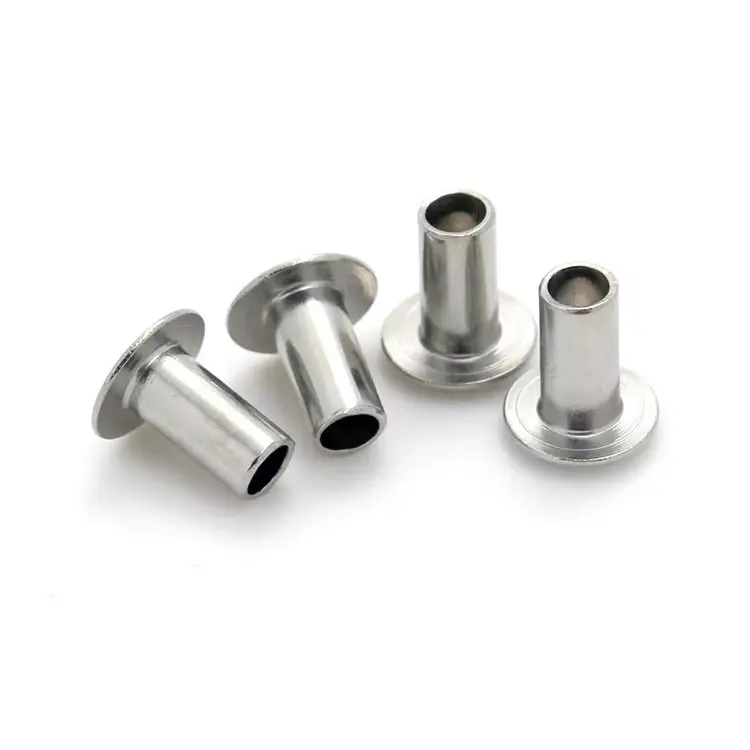
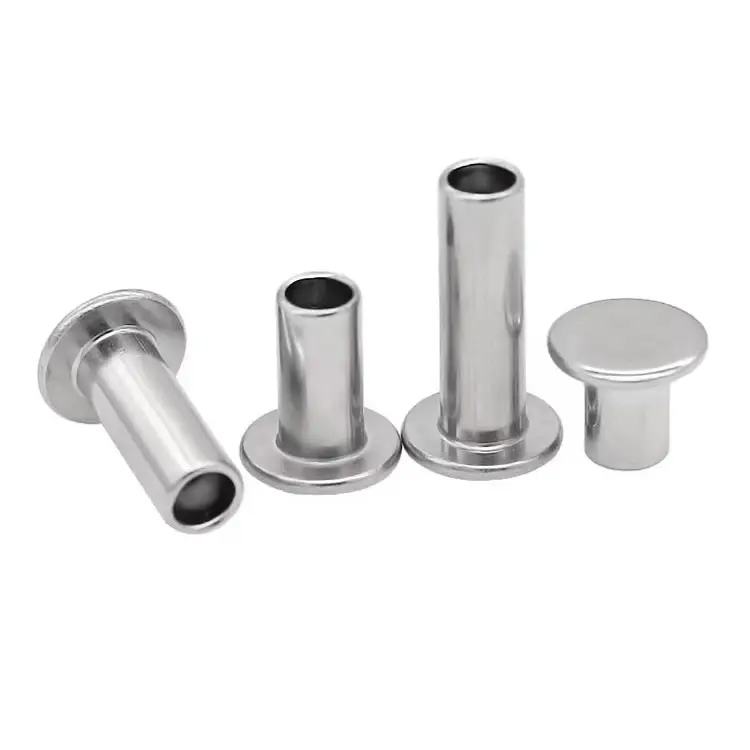
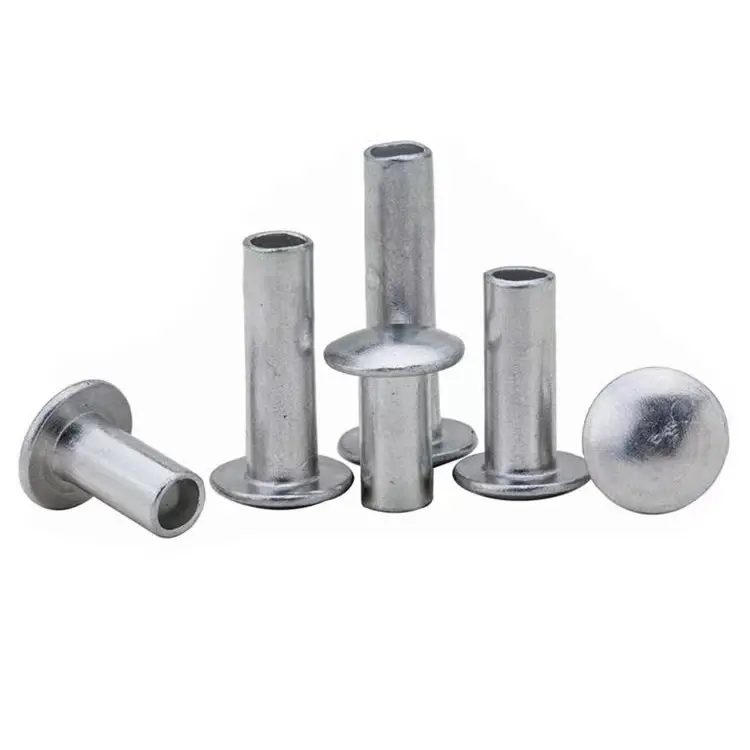
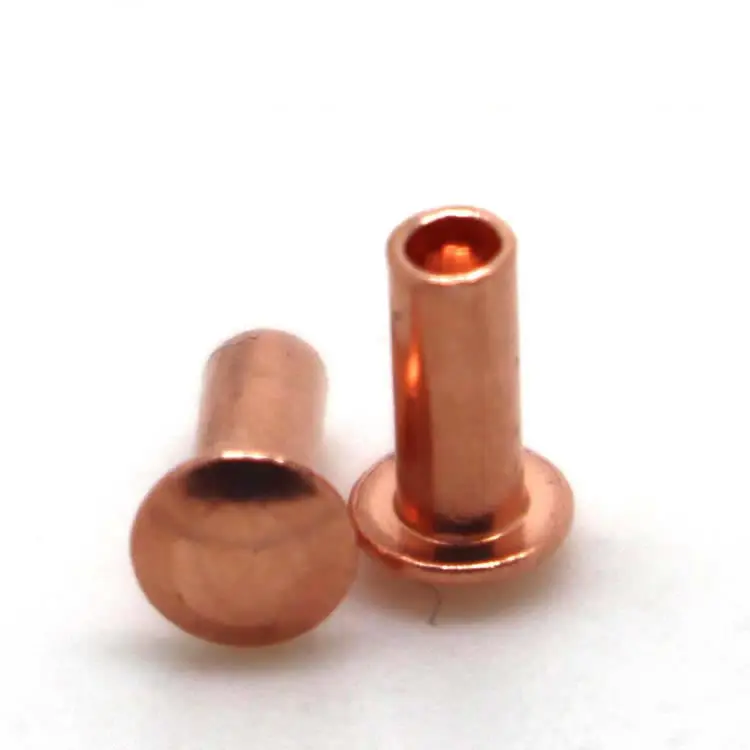
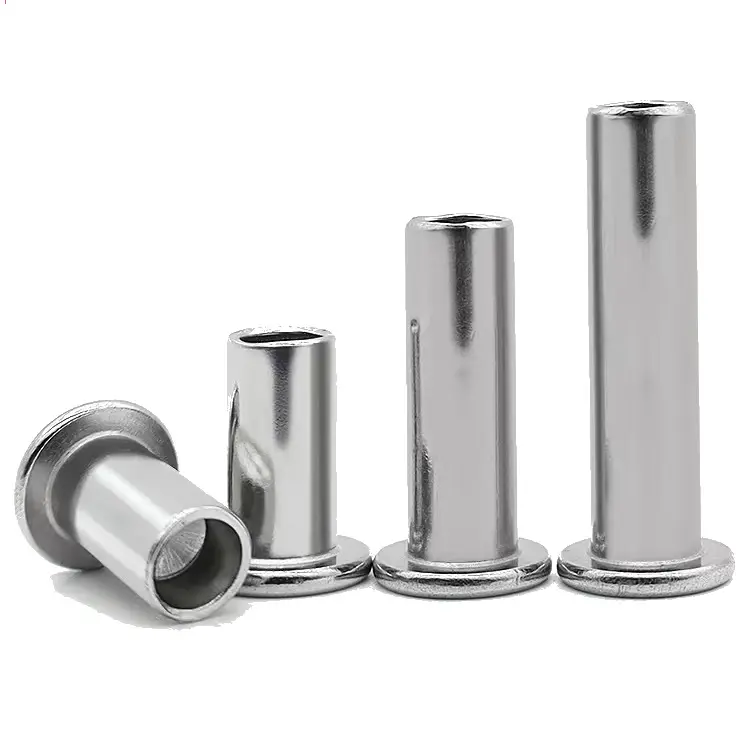
Pan Head Half Hollow Rivets
Ever wonder how our pan head half hollow rivets are made? Here's a quick walk-through:
First, we pick out the right metal wire and cut it to the exact length needed. Then, it's off to the cold heading machine, which punches and forms that wire into the basic rivet shape – that's where the pan head and hollow shank really take form. Next up is heat treatment; we tweak the time and temperature based on the material to make sure every rivet has the right strength and toughness. After that, we often add a protective finish – think galvanizing or passivation – to help them fight off rust and last longer. And we never skip the final check: each batch gets looked over to confirm the size, finish, and performance are up to standard.
We're always happy to show customers around – if you're ever in the area, just let us know and we'll set up a tour!
Send Inquiry
Product Description
Pan Head vs. Round Head – The Straight Wall Difference
| Feature | Pan Head Half Hollow Rivet | Round Head Half Hollow Rivet |
|---|---|---|
| Head diameter / shank ratio | 1.8 – 2.2 : 1 | 1.6 – 1.8 : 1 |
| Head height | Medium (35–40%) | Tall (45–50%) |
| Side profile | Dome + straight wall | Continuous dome |
| Appearance | Clean, finished, intentional | Classic, industrial |
| Best for | Visible assemblies, moderate clearance | Metal‑to‑metal, high shear |
The pan head is the "designed" rivet. The straight wall is a visual signal that the fastener was chosen deliberately – not just grabbed off the shelf. If you look at premium coffee machines, high‑end furniture, and consumer electronics, you will see pan head rivets used as design elements, not just functional fasteners.
Choose pan head when: The rivet will be visible and appearance matters. You need more bearing area than a round head but more head height than a flat head. Clearance is moderate – not tight enough for flat head, not open enough for round head.
Materials and Finishes – What We Offer
Materials: Carbon steel (zinc‑plated), stainless steel (304/316, passivated), brass (C2680), copper (C11000), aluminum (1100/5052/5056)
Finishes: Zinc‑plated, nickel‑plated, passivated, lacquered, black oxide, plain
One Real Application – Commercial Coffee Machine Housing
A manufacturer of commercial coffee machines needed visible rivets on the outer housing that looked premium – not industrial. Round heads were too bulky. Flat heads lacked visual presence. The design team wanted a rivet that would look intentional and finished.
We supplied stainless steel pan head half hollow rivets – 4.0mm shank, 8.0mm head, 8.0mm barrel length, passivated finish. The straight sidewall gave the housing a clean, finished look. The pan head sat lower than the round head, clearing the internal mechanism. The half hollow cavity cut setting force from 3.5 tons to 1.0 ton – no deformation of the thin housing panels. The customer tested 500 rivets across 100 machines. After field testing, no loosening, no corrosion. They now order pan head half hollow rivets in batches of 100,000 pieces annually.
About Our Factory – Who Makes Your Rivets
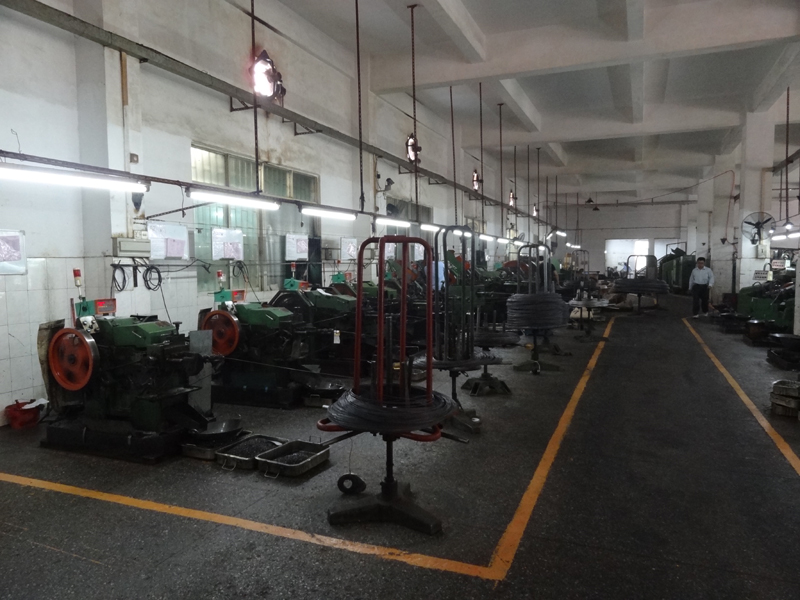
We are a Dongguan‑based fastener manufacturer with over a decade of experience in cold heading. Our facility runs 45 cold‑heading machines capable of producing rivets from 0.8mm to 10mm in diameter – from tiny electronic components to larger industrial fasteners.
0.8mm to 10mm diameters – From tiny electronics rivets to larger industrial fasteners. We cover the range.
Standard or custom – We run high‑volume orders on our 45 cold‑heading machines. We also handle custom lengths, non‑standard head profiles, and special finishes. If you have a drawing, we can make it.
Quick sampling – We stock wire for the most common diameters, so we can ship samples in 5–7 days. No waiting weeks to test a rivet.
10+ years of experience on the floor – Our senior technicians have been doing this long enough to know how to hold tolerances that newer operators cannot. They understand how wire behaves, how dies wear, and how to adjust a machine before it drifts out of spec.
Every batch checked – Cavity depth, head geometry, shank diameter, hardness – we verify every batch before it leaves the factory.
Why Customers Choose Us – Real Feedback
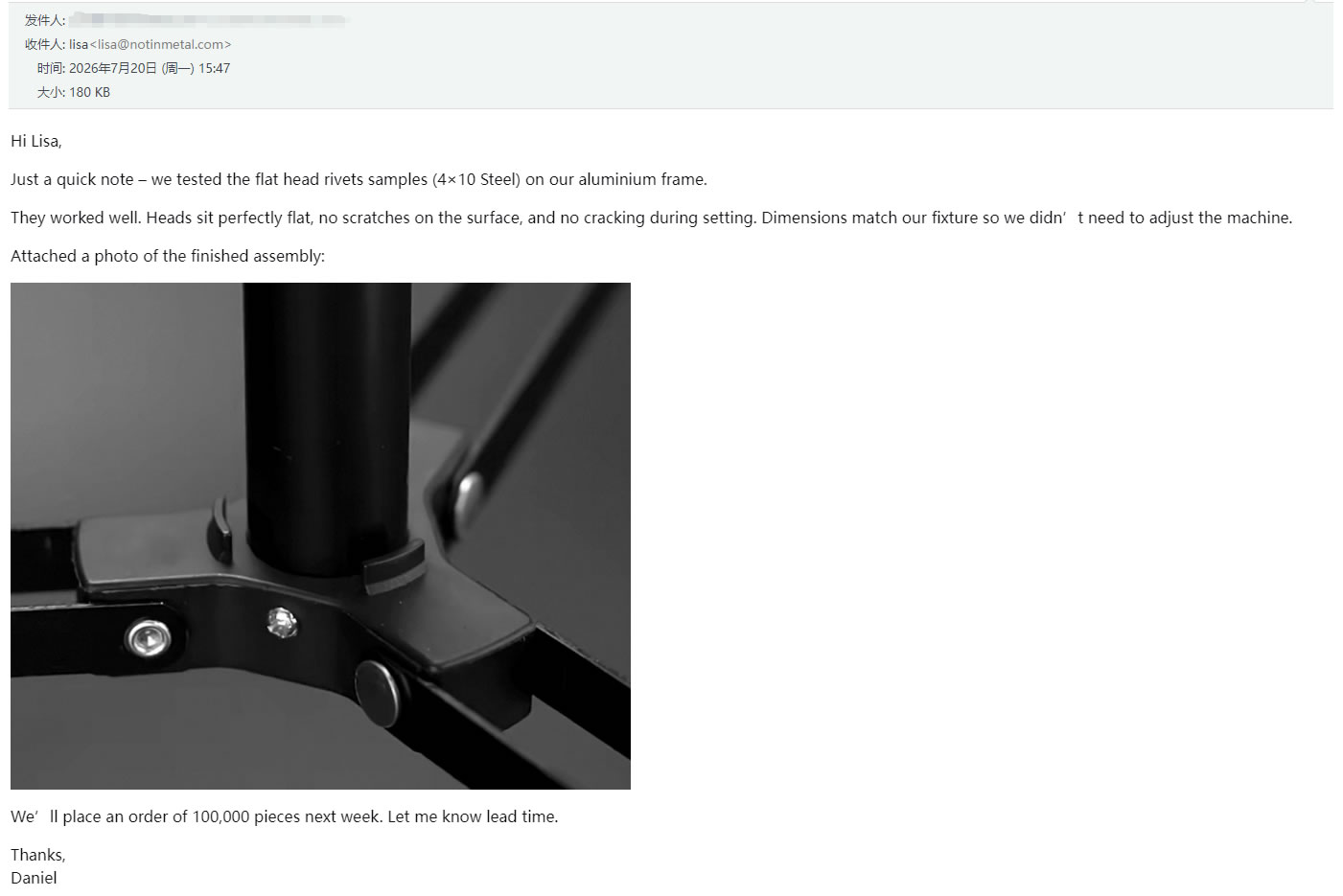
We let our customers speak for us. Manufacturers who use our pan head half hollow rivets come back to us for the same reasons:
Clean, finished appearance – The straight sidewall looks professional on visible assemblies. Not industrial. Not minimal. Just right.
Low‑force setting – 70% less force than solid rivets. Protects thin panels and sensitive components.
Consistent head geometry – Every batch matches the drawing. No flat spots, no uneven domes.
Quick samples, reliable delivery – Samples in 5–7 days. Production on schedule.
We work with manufacturers in commercial appliances, furniture, automotive interiors, electronics enclosures, medical equipment, and industrial equipment – across North America, Europe, and Asia.

Two Questions We Answer Often
Q: "What is the difference between a pan head and an oval head – they look similar?"
A: Both have a domed top, but the difference is in the sidewall. A pan head has a short straight sidewall – that is the defining feature. An oval head has a continuous, smooth curve from the center to the edge – no straight wall. The pan head looks more "designed" and intentional; the oval head looks smoother and more decorative. For the coffee machine case above, the customer chose pan head because the straight sidewall matched the clean lines of the appliance design.
Q: "Why would I choose pan head over round head for visible assemblies?"
A: The pan head has a wider bearing surface (1.8–2.2× shank vs 1.6–1.8×) and a lower profile. It sits lower than a round head – about 35–40% of the head diameter versus 45–50% – which means less snagging and a cleaner profile. And the straight sidewall creates a distinct visual line that round head does not have. Round head is a continuous curve – it looks more "industrial." Pan head looks "designed." If the rivet is visible and appearance matters, pan head is the better choice.
Hot Tags: Pan Head Half Hollow Rivets,Half Hollow Rivets Supplier,Half Hollow Rivets Manufacturer
Related Categories
Send Inquiry
Please feel free to fill your inquiry in the form below. We will reply you in 24 hours.



X
We use cookies to offer you a better browsing experience, analyze site traffic and personalize content. By using this site, you agree to our use of cookies.
Privacy Policy