
Products
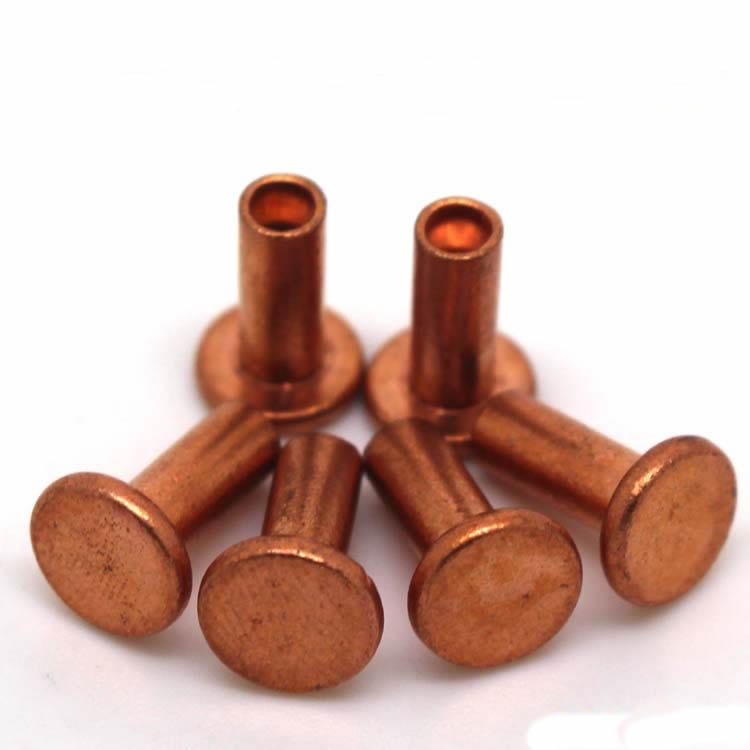
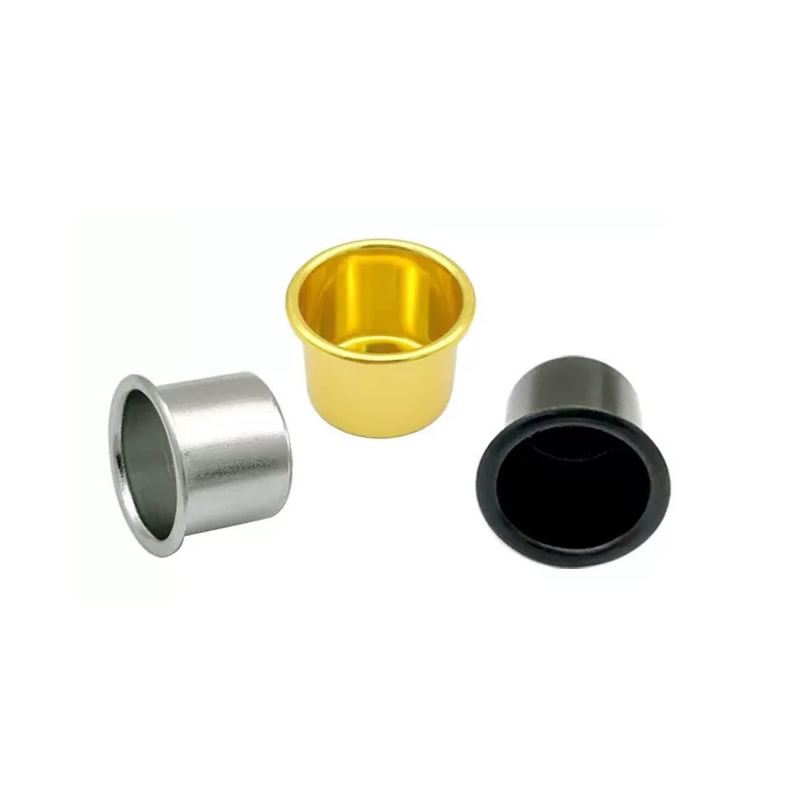
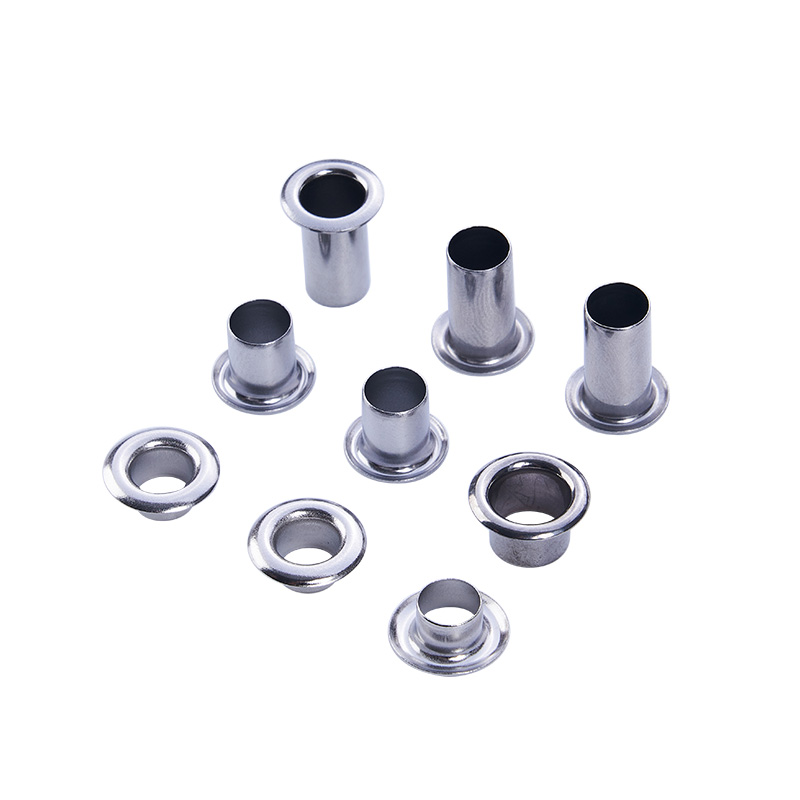
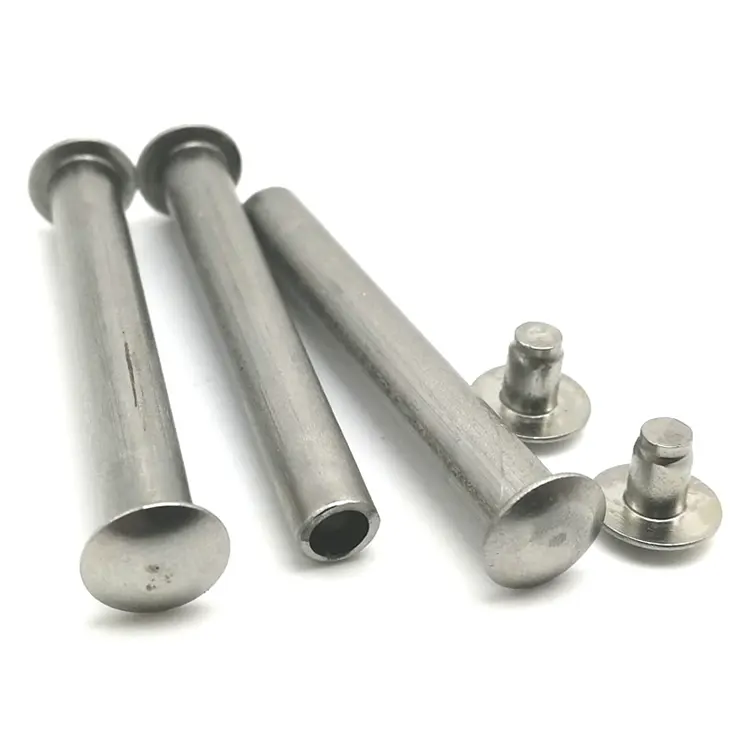
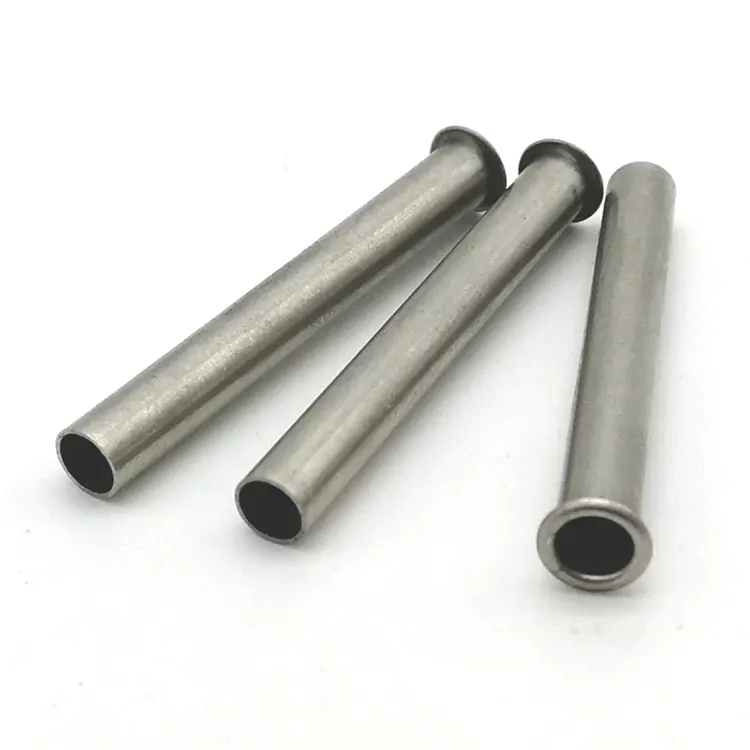
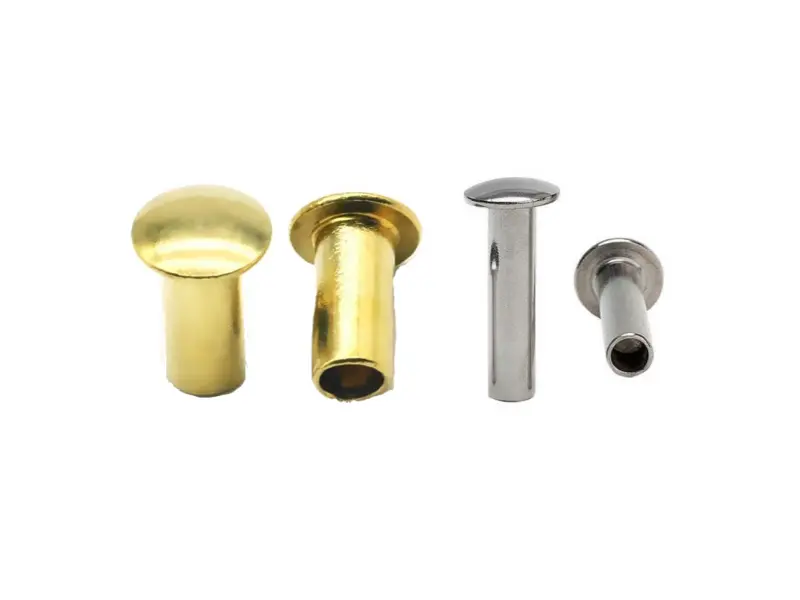
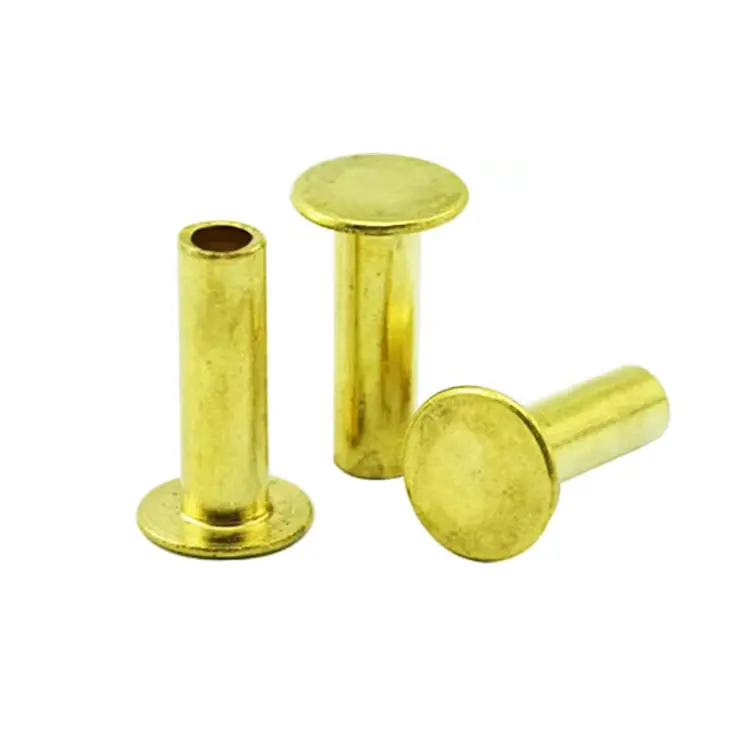
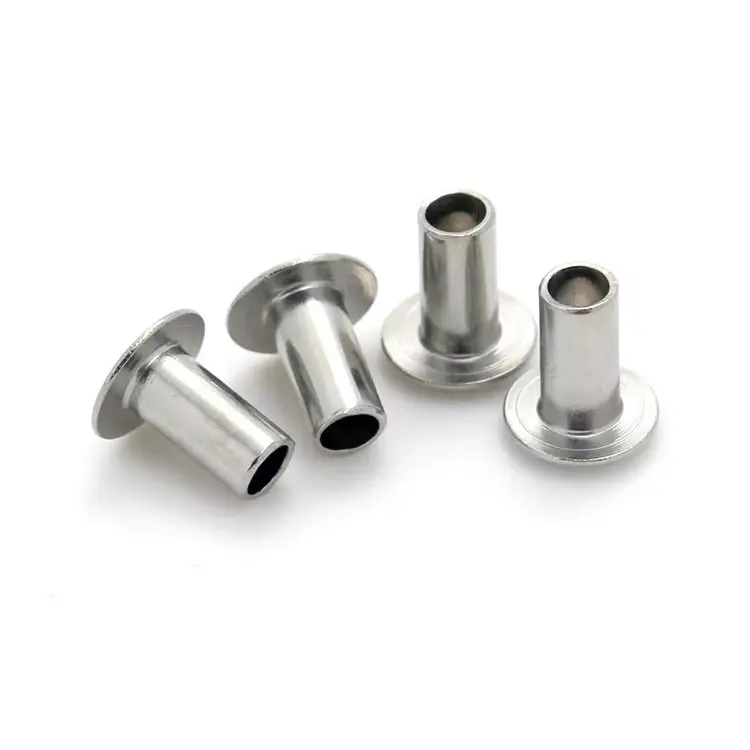
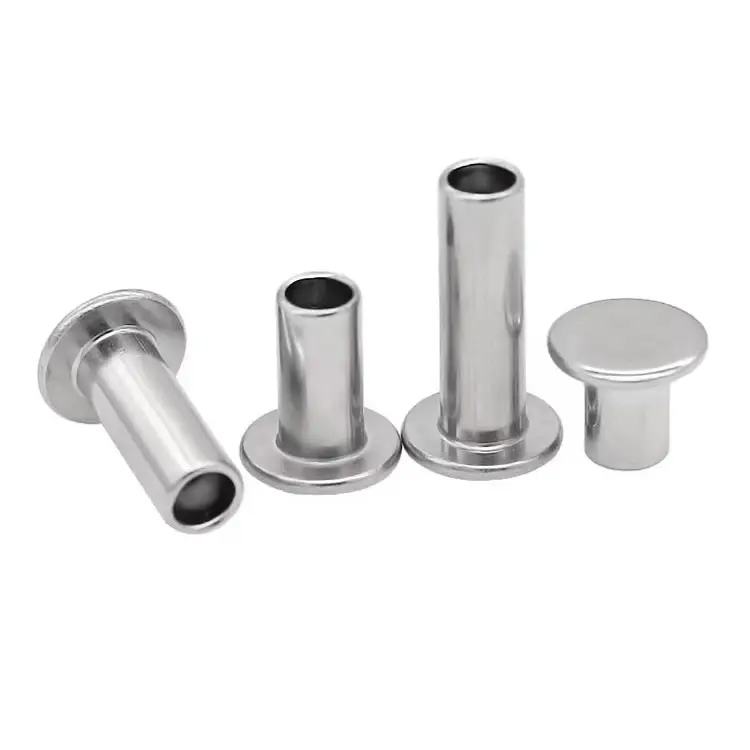
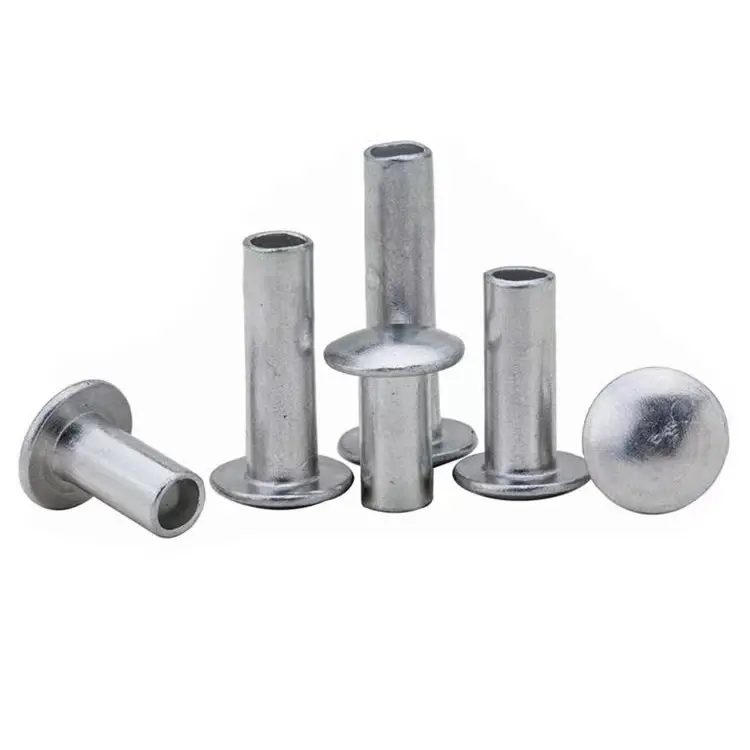
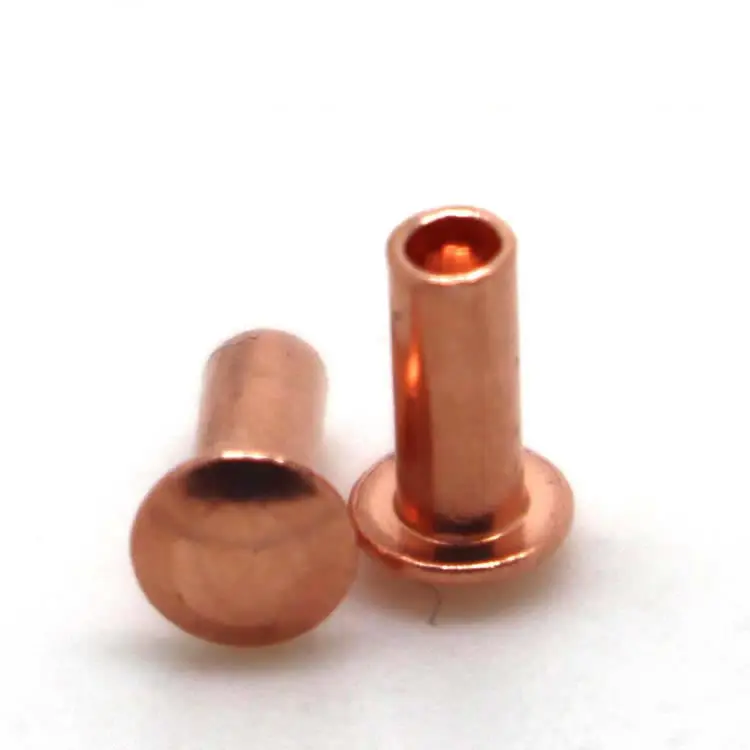
Round Head Half Hollow Rivets
As an efficient and practical fastener, round head half hollow rivets made from Nuote Metals in China have been widely used in various industries. Their semi-circular head design and semi-hollow structure give them unique characteristics and advantages. Nuote Metals is a professional manufacturer of round head half hollow rivets. Our rivets have a smooth, burr-free surface and are designed for smooth riveting without cracking.
Send Inquiry
Product Description
The round head is the most recognized rivet head in the world. You have seen it on bridges, on jeans, on machinery, on luggage. It is not a design accident – the dome distributes load evenly, resists impact, and looks finished.
Round head half hollow rivets keep that classic appearance – and add a shallow cavity at the tail that reduces setting force by about 70% compared to a solid rivet. Same look. Same strength. Faster setting. Lighter presses.
If you need a rivet that looks traditional, works in visible assemblies, and sets quickly on high‑volume production lines, round head half hollow rivets are the answer.
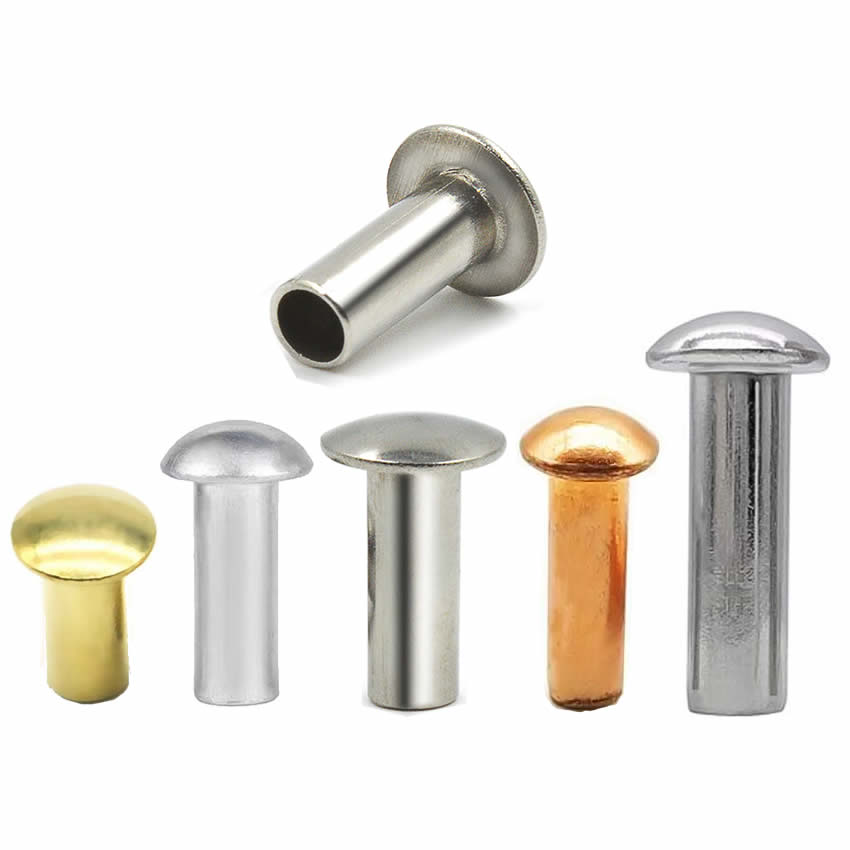
When to Choose Round Head – A Quick Decision Guide
| If you need... | Choose... |
|---|---|
| A classic dome appearance that is visible and finished | Round head |
| Maximum head strength and impact resistance | Round head |
| A low profile that sits close to the surface | Flat head |
| A flush finish with zero protrusion | Countersunk head |
| A wide bearing surface for soft materials | Truss or mushroom head |
Choose round head when: The rivet will be visible and appearance matters. The joint needs maximum head strength. Clearance is not a constraint. You want a fastener that looks traditional and professional.
Round Head Half Hollow vs. Solid – The Hollow Advantage
| Feature | Round Head Half Hollow Rivet | Round Head Solid Rivet |
|---|---|---|
| Tail design | Partially hollow (45–55% of length) | Fully solid |
| Setting force | 25–30% of solid rivet force | 100% |
| Shear strength | 80–90% of solid rivet | 100% |
| Head appearance | Classic dome – identical | Classic dome – identical |
| Installation speed | Fast, automated | Slower, heavy press |
| Best for | High‑volume, visible assemblies, pivot points | Structural, maximum strength |
The round head looks the same whether it is half hollow or solid. The difference is what you do not see – the cavity at the tail that makes setting faster and easier.
Materials and Finishes – What We Offer
Materials: Carbon steel (zinc‑plated), stainless steel (304/316, passivated), brass (C2680), copper (C11000), aluminum (1100/5052/5056)
Finishes: Zinc‑plated, nickel‑plated, passivated, lacquered, black oxide, plain
One Real Application – Commercial Oven Door Hinge
A manufacturer of commercial ovens needed a fastener for the door hinge assembly. The hinges were visible on the finished product – the design called for a classic round head that looked clean and professional. The previous solid round head rivets provided the appearance but slowed down the assembly line – 3.5 tons of setting force per rivet.
We supplied stainless steel round head half hollow rivets – 4.0mm shank, 7.0mm round head, 8.0mm barrel length, passivated finish. The round head matched the classic appearance the customer wanted. The half hollow cavity cut setting force from 3.5 tons to 1.0 ton – assembly speed increased by 40%. The stainless steel provided corrosion resistance for the hot, humid oven environment. The customer tested 1,000 rivets across 500 ovens. After 10,000 open‑close cycles, zero loosening, zero failures. They now order our half hollow rivets in batches of 200,000 pieces annually.
Inside Our Production – 45 Machines, 10+ Years Experience
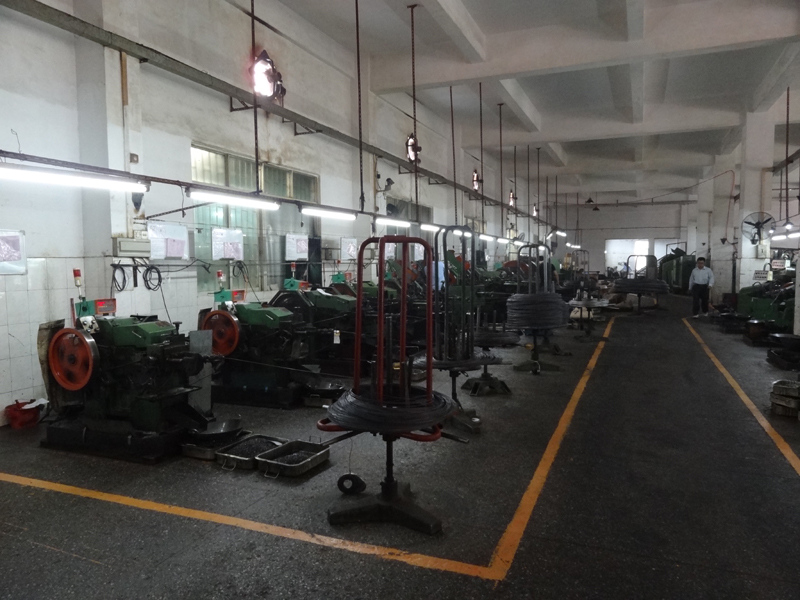
We manufacture round head half hollow rivets on 45 cold‑heading machines in our Dongguan facility. Capable of producing rivets from 0.8mm to 10mm in diameter.
What we produce: Standard rivets for high‑volume orders, and custom rivets with non‑standard head profiles or lengths.
Who makes them: Our senior technicians have an average of 10+ years of cold‑heading experience.
What we check: Cavity depth, head geometry, shank diameter, hardness – every batch.
Production speed: Up to 400 pieces per minute on standard diameters.
Working with Customers Worldwide

We supply round head half hollow rivets to manufacturers across North America, Europe, and Asia. Our customers build:
- Commercial appliances – Ovens, refrigerators, dishwashers
- Furniture – Chairs, tables, bed frames, hinge assemblies
- Luggage and cases – Handle attachments, corner brackets, hinge pins
- Automotive interiors – Trim panels, seat components, panel assemblies
- Industrial equipment – Machinery guards, control panels, structural joints
- Hardware – Hinges, brackets, handles, architectural hardware
We partner with both small assembly shops and large OEMs – from rapid prototyping to high‑volume production runs. Our strength is flexibility: custom sizes, quick samples, and consistent quality at any volume.
Two Questions We Answer Often
Q: "What is the difference between a round head half hollow rivet and an oval head half hollow rivet – which one should I choose?"
A: The round head has a taller, more prominent dome (45–50% of head diameter) with a continuous curve from the center to the edge. The oval head is slightly lower (about 40–45% of head diameter) with a smoother, more elongated profile. Choose round head for maximum head strength and a traditional, classic appearance – it is the most recognizable rivet head in the world. Choose oval head for a slightly lower profile and a more decorative appearance. For most visible assemblies, round head is the standard choice. In the commercial oven case above, the customer chose round head for its classic look and maximum head strength.
Q: "Can I set round head half hollow rivets with a hand tool, or do I need a pneumatic press?"
A: Both work, but the choice depends on your volume. For low volumes (under 500 rivets), a manual rivet squeezer or a hammer with a setting punch works fine – place the rivet on a steel plate, insert the punch, and strike once. For production volumes (1,000+ rivets), we strongly recommend a pneumatic or hydraulic press – it provides consistent setting force, faster cycles, less operator fatigue, and prevents damage to the round head. The key requirement: the setting punch should have a concave face that matches the dome of the round head to avoid flattening it. We can supply matched setting tools for your rivet dimensions – tooling lead time is 5–7 days.
Hot Tags: Round Head Half Hollow Rivets,China Rivets Factory,Round Head Rivets
Related Categories
Send Inquiry
Please feel free to fill your inquiry in the form below. We will reply you in 24 hours.



X
We use cookies to offer you a better browsing experience, analyze site traffic and personalize content. By using this site, you agree to our use of cookies.
Privacy Policy