PCB Eyelets
Ever wonder how components on a circuit board stay connected from top to bottom? Often, it's a tiny metal ring called a PCB eyelet. At Nuote Metals, we make these precision components for electronics manufacturers who need reliable, consistent through-board connections.
A PCB eyelet is a small, hollow tube, usually brass or copper, that gets inserted into a drilled hole on a circuit board . Once in place, the ends are flared or "set" to create a permanent, conductive pathway between layers . They serve two main purposes: mechanical reinforcement and electrical connection .
Before plated-through holes became common, eyelets were the only way to make reliable connections on double-sided boards . They prevent the copper foil from peeling during soldering or repair work. Even today, they're used in high-current applications, power supplies, and boards that need extra durability .
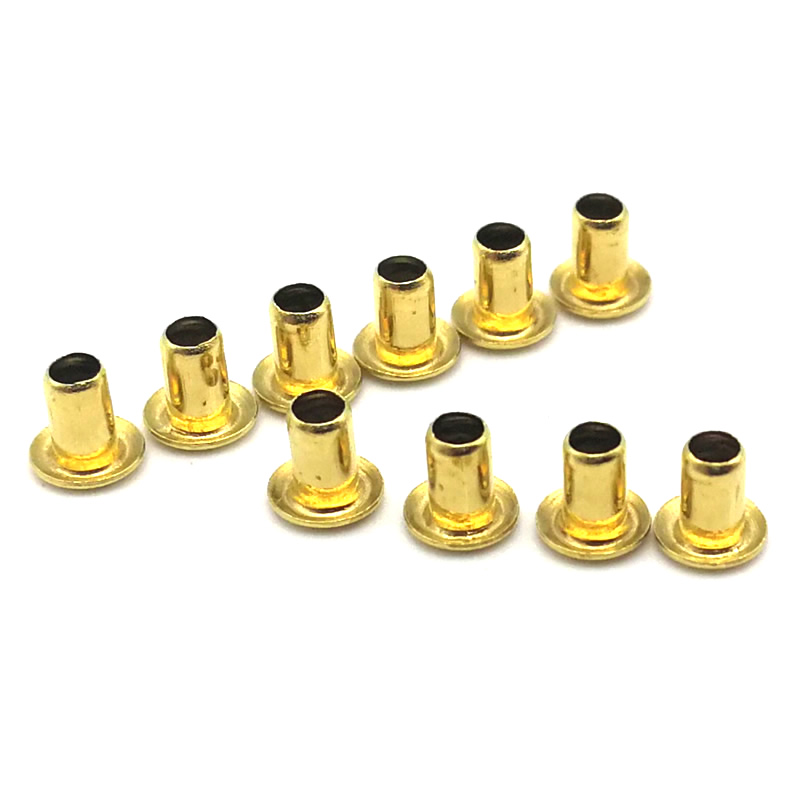
Why choose Nuote Metals for PCB eyelets? Because precision matters in electronics. A poorly made eyelet can cause intermittent connections or solder failures that are nearly impossible to track down . We make ours with consistent inside diameters, clean barrel lengths, and the right plating—usually tin over brass or copper—to ensure good solderability and long-term reliability .
We produce PCB eyelets in standard sizes like 1mm, 2mm, and 3mm diameters, and we can customize lengths to match your board thickness. Materials include brass for general use, copper for maximum conductivity, and tin-plated options for easy soldering .
If your circuit boards need tough, reliable through-hole connections, our PCB eyelets are built for the job. At Nuote Metals, we keep quality consistent so your boards stay connected—batch after batch.
Related Products
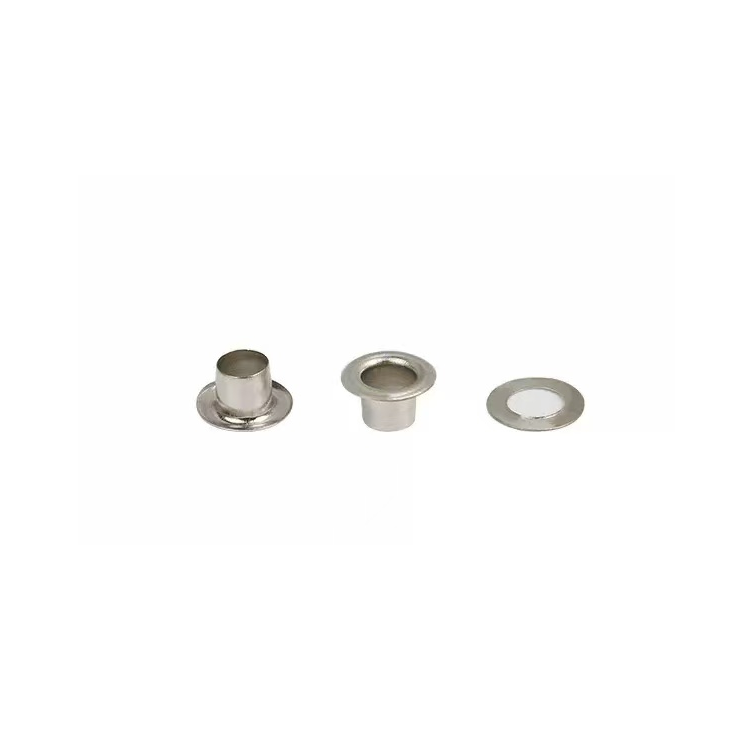
Hot Products
Pan Head Solid Rivets
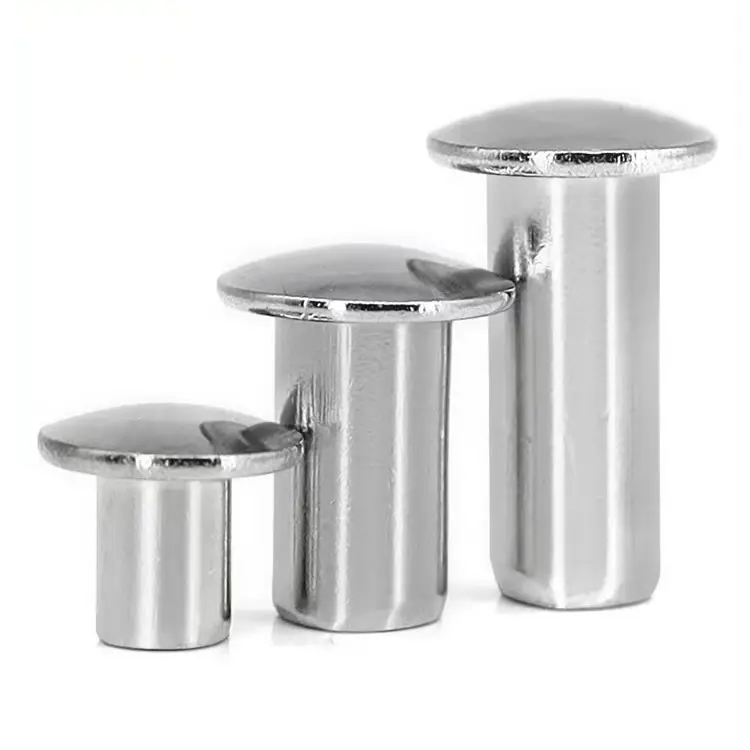
Pan head solid rivets from Nuote Metals – the head style that offers more bearing area than round head and more height than flat head, with a clean, straight sidewall for a finished look. Available in 1.5–8.0mm shank diameters, carbon steel, stainless steel, brass, copper, and aluminum. ISO 9001 certified. Free samples available. Contact us today.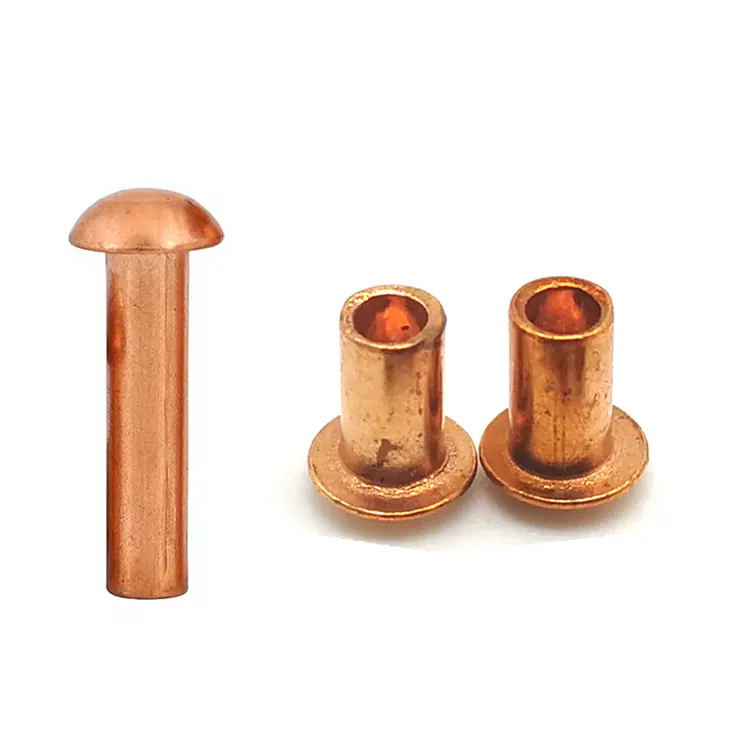
Copper Pan Head Rivets
Copper pan head rivets are high-purity and offer excellent conductivity, making them suitable for applications requiring high conductivity. Nuote Metals specializes in the production of copper pan head rivets. We use high-copper grades, such as C1100, but we can also produce custom grades. Our copper rivets undergo a special surface treatment to resist oxidation and withstand a 48-hour salt spray test.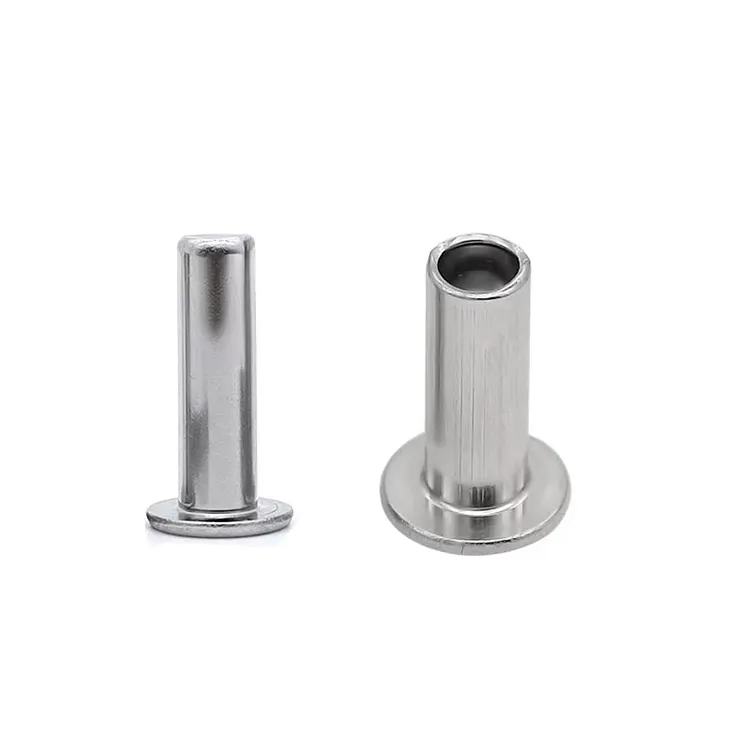
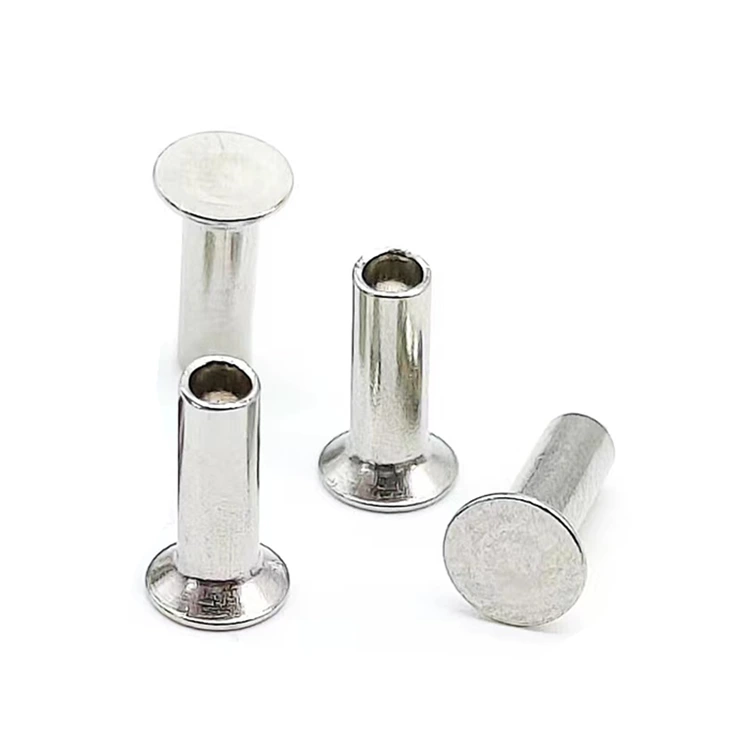
Stainless Steel Flat Head Rivets
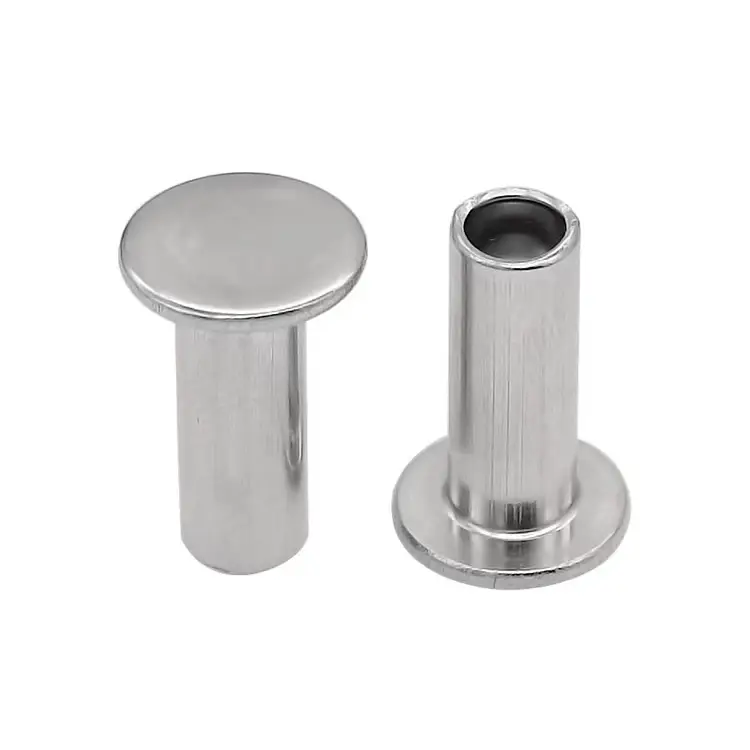
Nuote Metals specializes in the production of stainless steel flat head rivets. We use SUS304 or SUS316L materials, resulting in a smooth, scratch-free surface. Dimensions are strictly adhered to customer drawings, and our quality inspection department rigorously inspects both appearance and dimensions to ensure that each rivet meets customer specifications. Stainless steel flat-head rivets are primarily made of stainless steel, an alloy known for its corrosion resistance, high temperature resistance, and high strength. This ensures that these flat-head stainless steel rivets remain stable even in humid, acidic, or alkaline environments, resisting rust or deformation.
Aluminum Semi Hollow Rivets
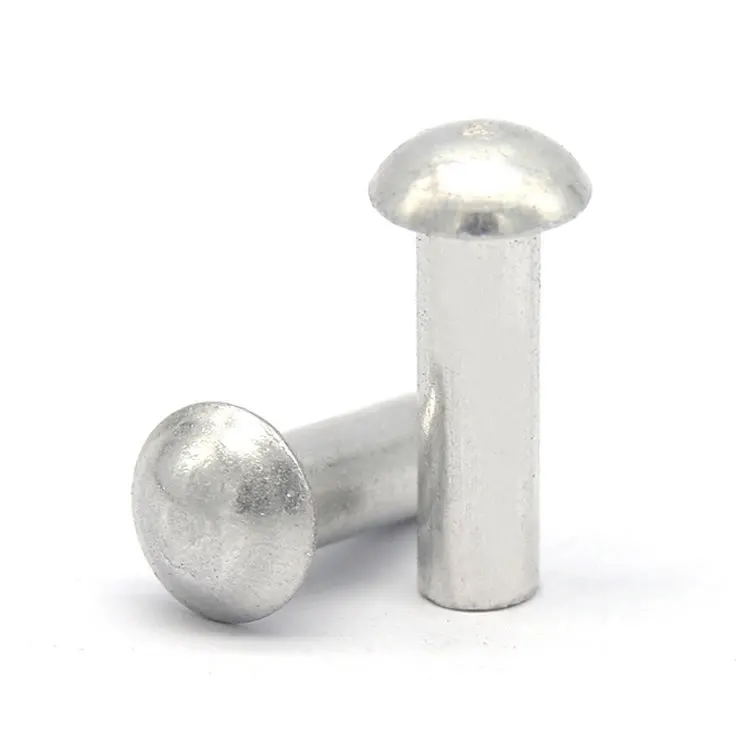
Aluminum semi hollow rivets are basically fasteners made from aluminum alloy. They have a solid head and a tail that's partially hollow. When you install them with a special tool, that hollow section flares out and curls back, creating a really strong, locked-in joint. Because they're aluminum, they're naturally lightweight and don't rust easily, which is a big plus when you're worried about weight or using them in tough environments. When you stack them up against rivets made from other materials, they really hit a sweet spot between being affordable and performing well.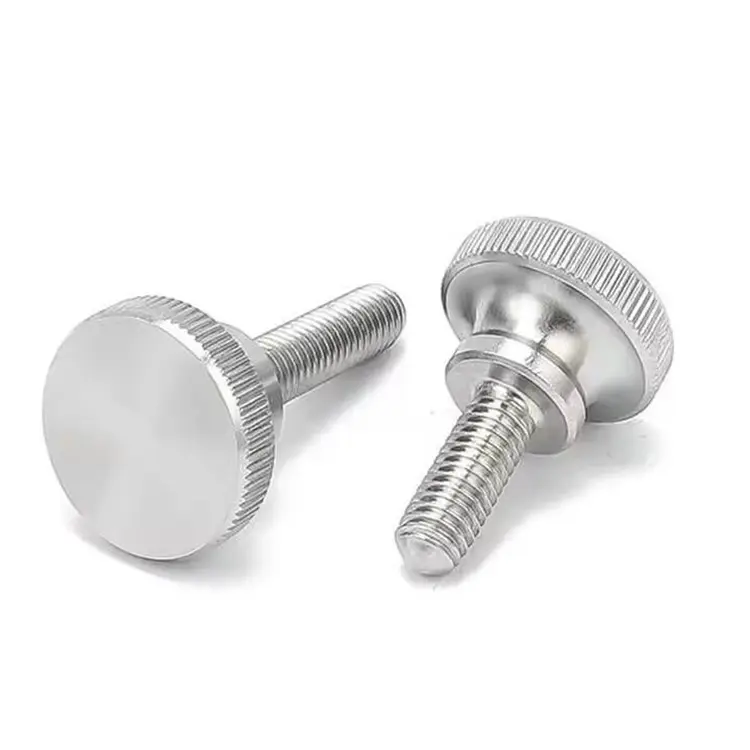
Knurled Screw
A knurled screw can be also called as hand twist screw, this knurled screw is made according to customer’s drawing, it is stainless steel 304, tolerance is +/-0.05mm. Nuote Metals produces and sells this kind of hand twist screw in Dongguan,China.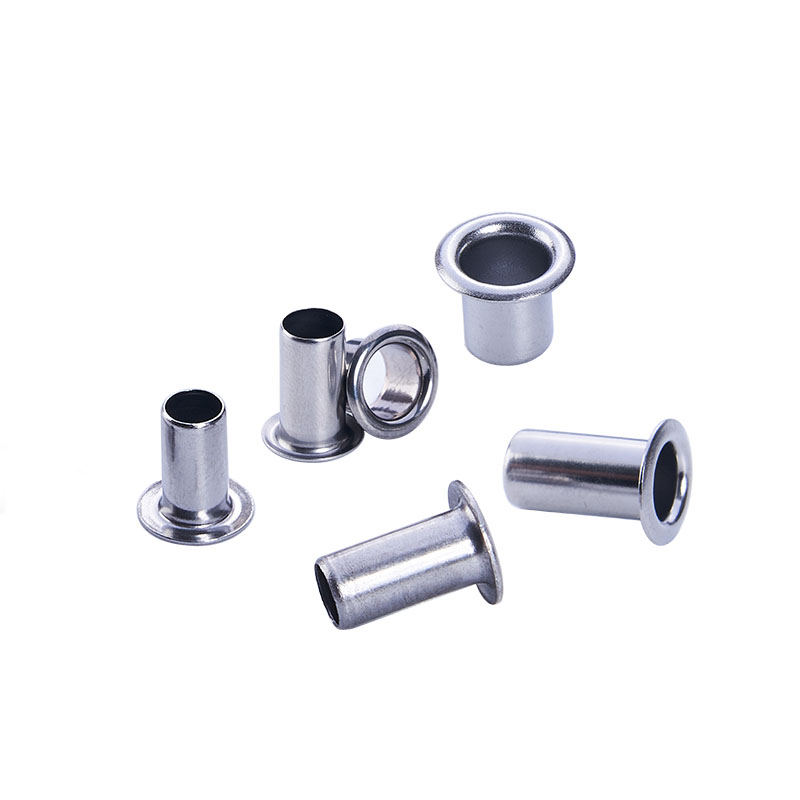
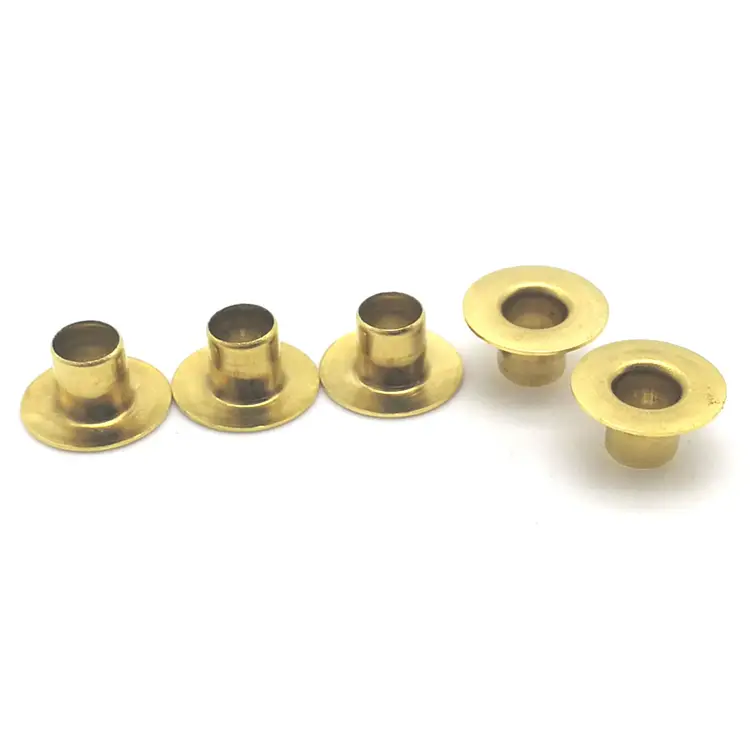
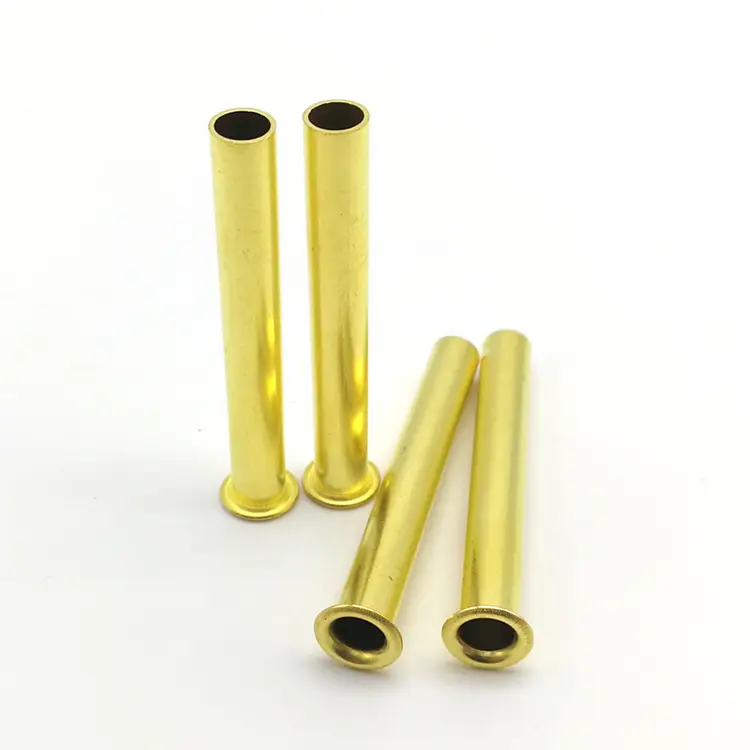
316 Stainless Steel Eyelets
At our Dongguan facility, Nuote Metals manufactures durable 316 stainless steel eyelets. This material is special because it resists rust very well. We have produced 316 stainless steel eyelets for many years. These eyelets are strong and can last a long time. We make them in various sizes. Some are small for delicate products. Some are large for heavy-duty use. Every 316 stainless steel eyelet is checked by our team. They ensure each piece is smooth and clean. Many customers choose our 316 stainless steel eyelets. They trust the quality and durability. We can provide samples within a few days.
- Related Blog
- Reviews

Send Inquiry



X
We use cookies to offer you a better browsing experience, analyze site traffic and personalize content. By using this site, you agree to our use of cookies.
Privacy Policy