
Products
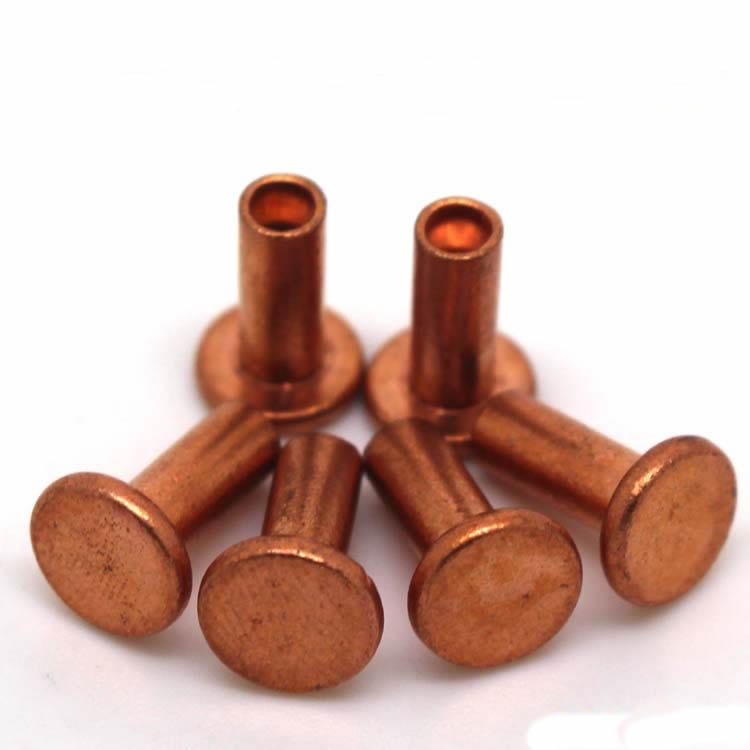
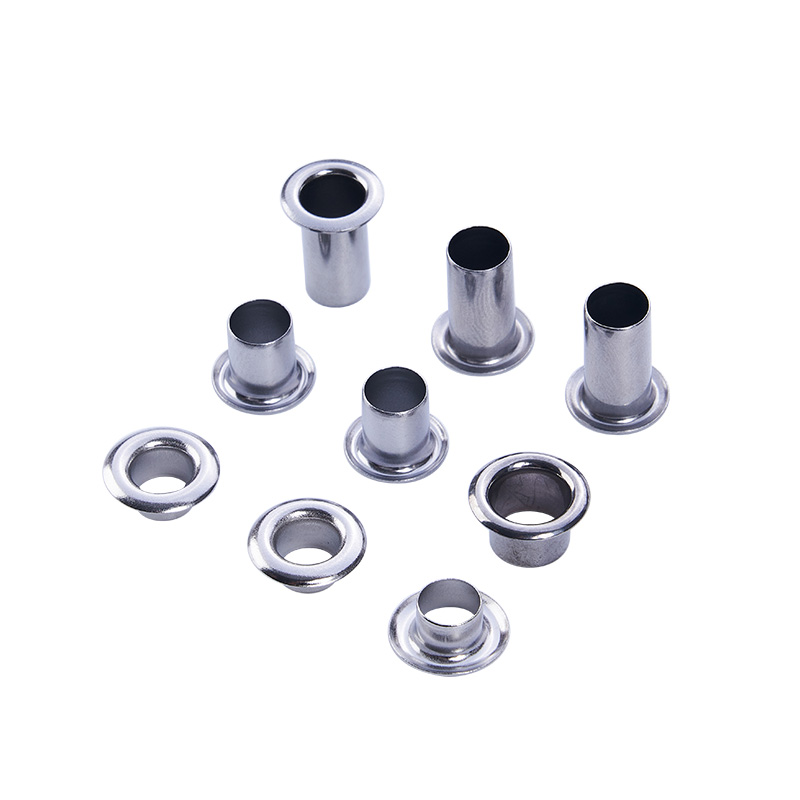
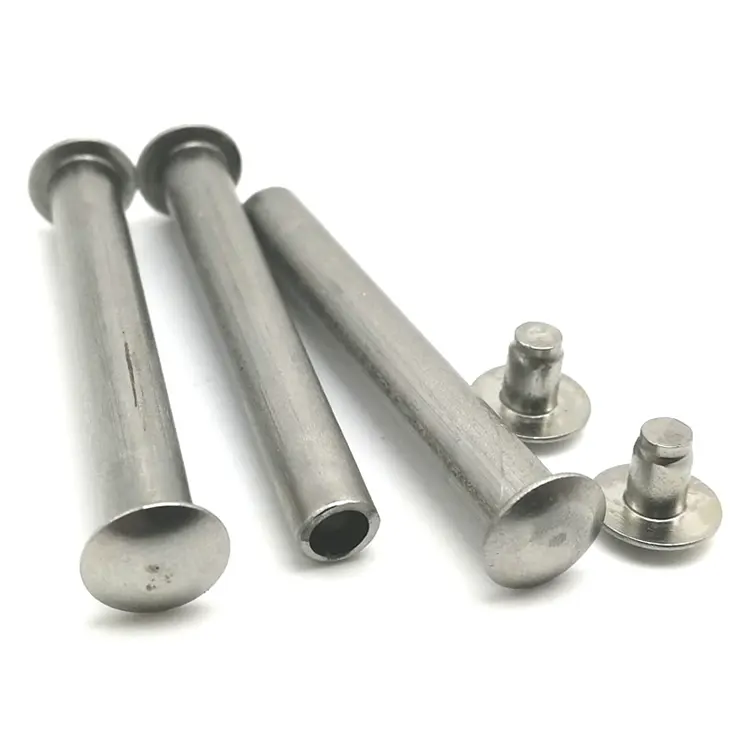
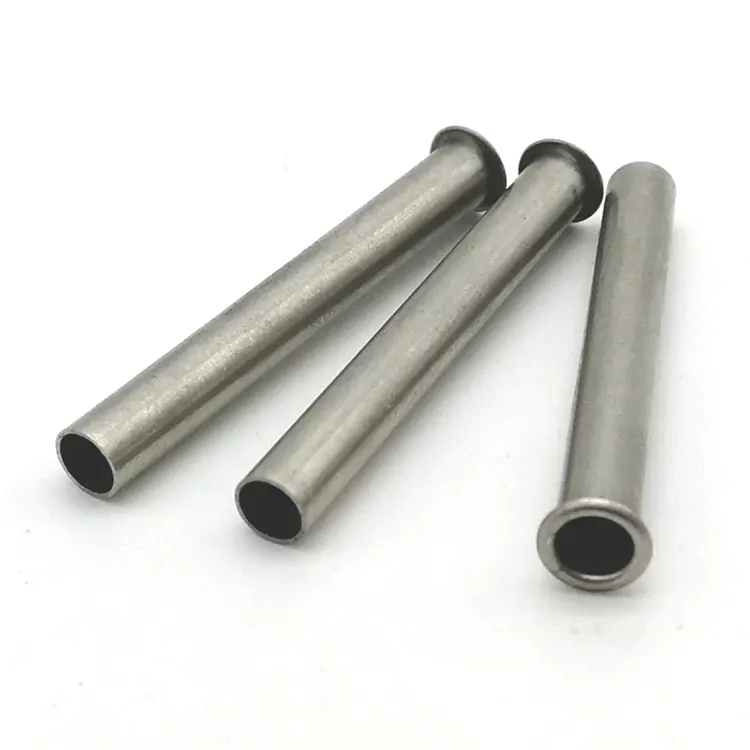
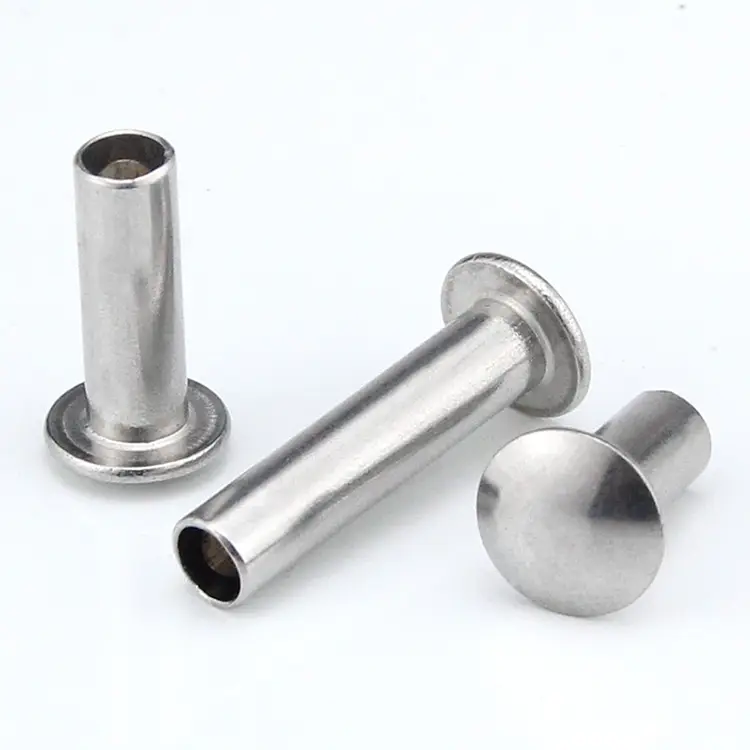
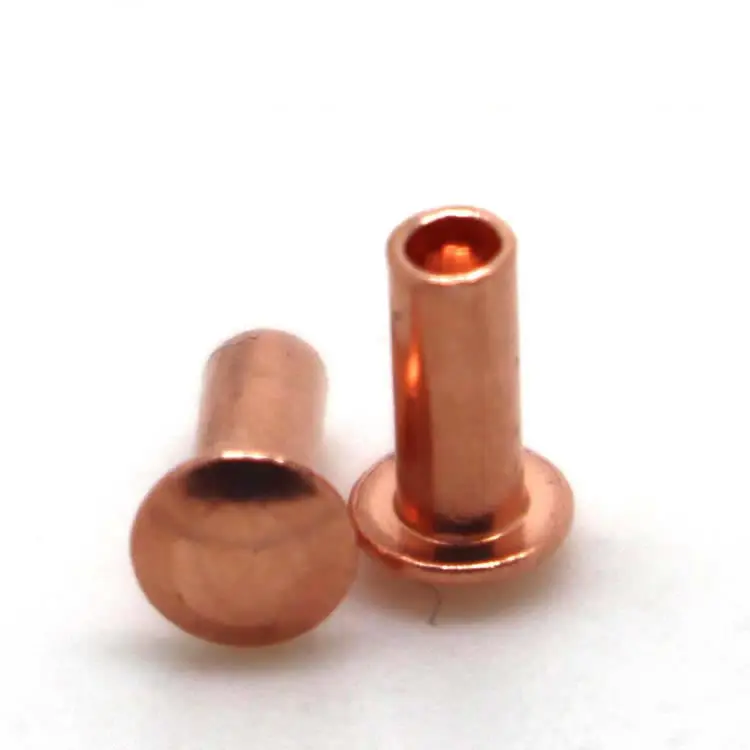
Round Head Semi Tubular Rivet
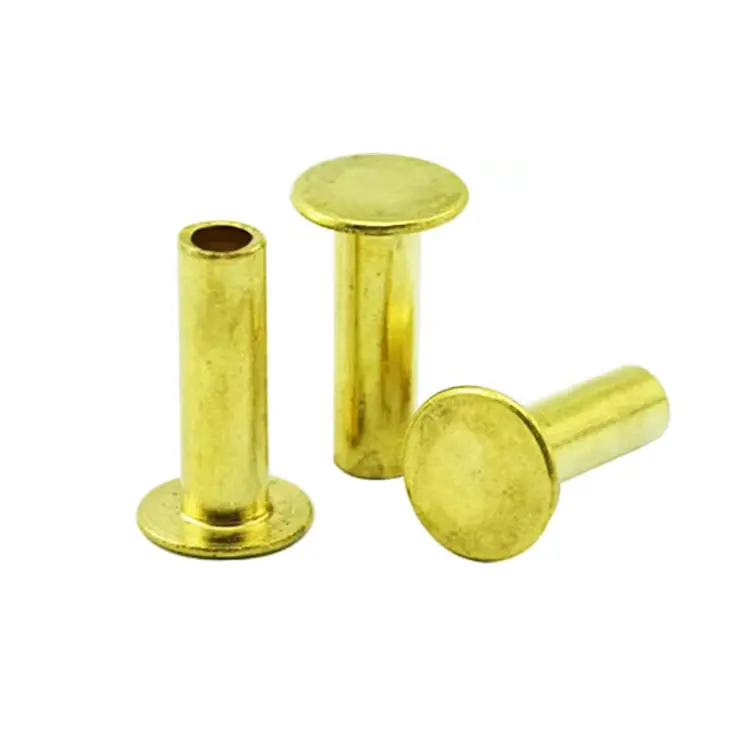
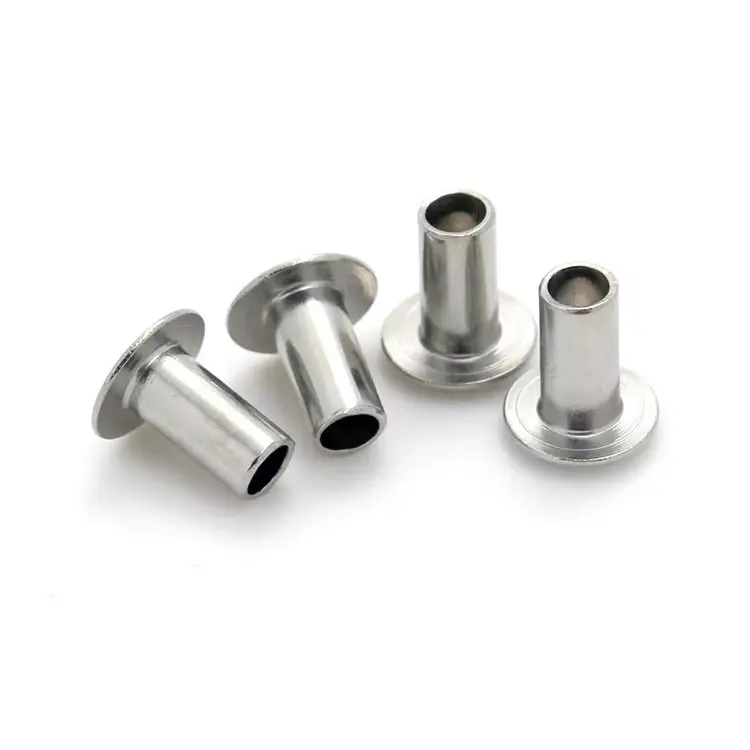
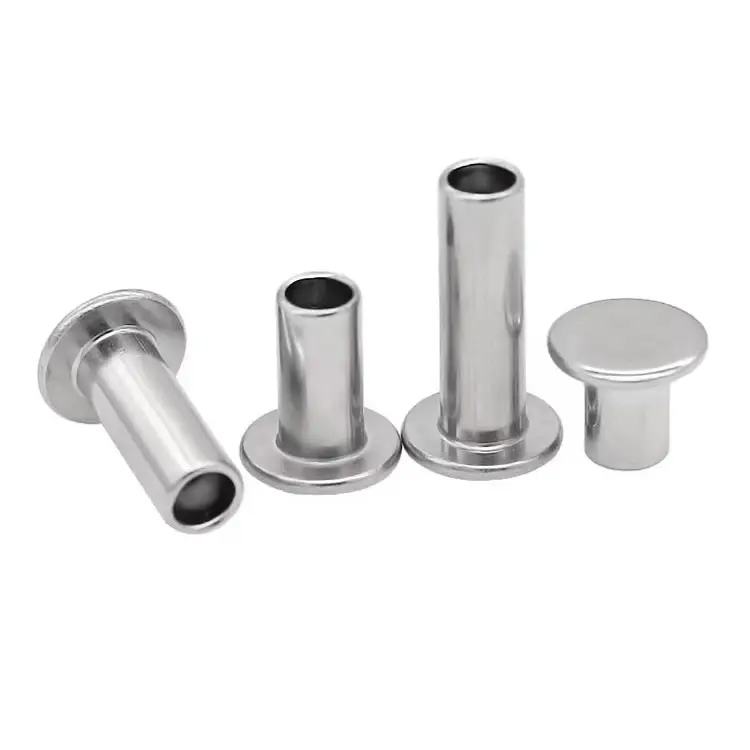
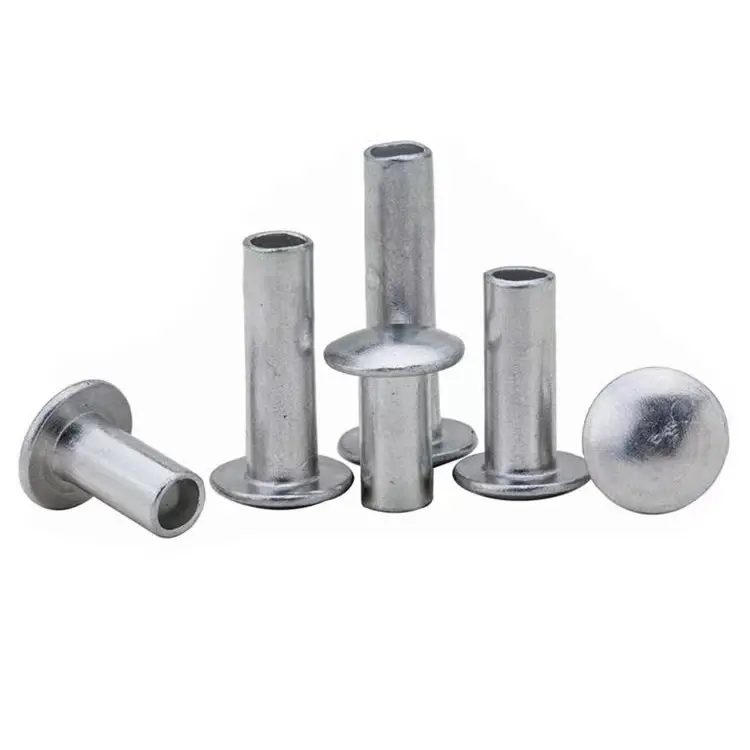
Nuote Metals manufactures round head semi tubular rivets—the most recognized and trusted rivet head style in industrial fastening. Available in steel, stainless steel, brass, and aluminum, with shank diameters from 1.5mm to 8.0mm. The semi-hollow cavity reduces setting force by up to 70%, making installation faster and gentler on materials. Trusted by automotive, furniture, and equipment manufacturers worldwide. ISO 9001:2015 certified. Free samples available. Contact us for a quote.
Send Inquiry
Product Description
A round head is the most recognizable rivet head in the world. You have seen it thousands of times—on jeans, on bridges, on luggage, on machinery. It is not a design accident.
The round head works because it is simple. It distributes load evenly. It resists impact. It does not snag. It looks finished.
Round head semi tubular rivets take this classic form and add the production efficiency of a semi‑hollow cavity. The result is a fastener that:
- Requires 70% less setting force than a solid round head rivet
- Installs quickly on automated assembly lines
- Holds firmly without cracking surrounding materials
- Looks the same as the rivet that has been used for over a century
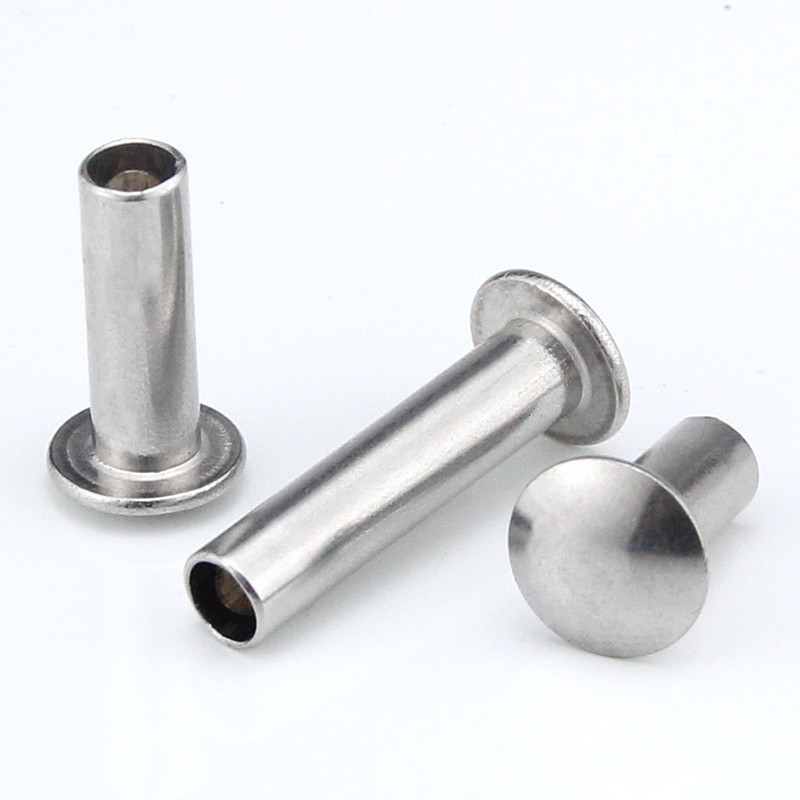
Four Materials, One Shape – Matching the Application
The round head stays the same. The material changes to match your requirements.
| Material | Key Advantage | Best For | Common Finishes |
|---|---|---|---|
| Low‑carbon steel | Strongest, most cost‑effective | Heavy‑duty industrial, automotive, furniture | Zinc‑plated, nickel‑plated, black oxide |
| Stainless steel (304/316) | Permanent corrosion resistance | Marine, outdoor, food equipment, chemical | Passivated (standard) |
| Brass (C2680) | Electrical conductivity, classic appearance | Electrical connections, decorative hardware, leather goods | Lacquered, nickel‑plated, antique |
| Aluminum (5052/5056) | Lightest weight, non‑magnetic | Aerospace, drones, portable equipment, electronics | Anodized, plain |
One Application – Luggage Case Hardware
A luggage manufacturer was using solid rivets to attach handles, corner guards, and lock brackets to their polycarbonate cases. The high setting force of solid rivets was causing stress fractures around the rivet holes, leading to field failures and warranty claims. The manufacturer also wanted a cleaner, more consistent appearance on the visible rivet heads.
They switched to round head semi tubular rivets – 4.0mm shank, 7.0mm round head, 10.0mm barrel length, nickel‑plated steel. The semi‑hollow cavity reduced setting force by over 60%, eliminating the stress fractures in the polycarbonate. The round head provided a consistent dome that matched their design specification. The nickel plating resisted scuffs and corrosion from travel environments.
The manufacturer has since used over 1.2 million rivets across their entire luggage line, with zero cracking failures and significantly improved assembly speed.

The Round Head Advantage – Two Numbers That Matter
Number 1: 1.6 – 1.8
The head diameter of a round head is 1.6 to 1.8 times the shank diameter. This provides the optimal balance between bearing surface and head height—wide enough to prevent pull‑through, tall enough to provide impact resistance.
Number 2: 45 – 55%
The cavity depth of a semi‑tubular rivet is 45–55% of the barrel length. This is the sweet spot—deep enough to reduce setting force, shallow enough to maintain clinch strength.
| Feature | Round Head Semi Tubular Rivet | Solid Round Head Rivet |
|---|---|---|
| Head height | Same | Same |
| Setting force | 25–30% of solid | 100% |
| Shear strength | 80–90% of solid | 100% |
| Installation speed | Faster | Slower |
| Best for | High‑volume, material‑sensitive assemblies | Structural, extreme‑load joints |
Available Sizes – Standard Shank Diameters
We manufacture round head semi tubular rivets in the following shank diameters. Head diameters and barrel lengths are matched to each shank size.
| Shank Diameter (mm) | Typical Head Diameter (mm) | Typical Barrel Lengths (mm) | Recommended Grip Range (mm) |
|---|---|---|---|
| 1.5 | 2.8 – 3.2 | 3.0, 4.0, 5.0 | 1.0 – 2.5 |
| 2.0 | 3.8 – 4.2 | 4.0, 5.0, 6.0 | 1.5 – 3.0 |
| 2.5 | 4.5 – 5.0 | 4.5, 5.5, 6.5 | 1.8 – 3.5 |
| 3.0 | 5.0 – 5.5 | 5.0, 6.0, 7.0, 8.0 | 2.0 – 4.0 |
| 3.5 | 5.5 – 6.0 | 5.5, 6.5, 8.0, 10.0 | 2.5 – 4.5 |
| 4.0 | 6.5 – 7.2 | 6.0, 8.0, 10.0, 12.0 | 2.5 – 5.0 |
| 4.5 | 7.0 – 8.0 | 6.0, 8.0, 10.0, 12.0 | 3.0 – 5.5 |
| 5.0 | 8.0 – 9.0 | 8.0, 10.0, 12.0, 15.0 | 3.0 – 6.5 |
| 5.5 | 9.0 – 10.0 | 8.0, 10.0, 12.0, 15.0 | 3.5 – 7.0 |
| 6.0 | 9.5 – 10.8 | 10.0, 12.0, 15.0, 20.0 | 4.0 – 8.0 |
| 6.5 | 10.5 – 12.0 | 10.0, 12.0, 15.0, 20.0 | 4.5 – 9.0 |
| 7.0 | 11.5 – 13.0 | 12.0, 15.0, 20.0, 25.0 | 5.0 – 10.0 |
| 7.5 | 12.0 – 14.0 | 12.0, 15.0, 20.0, 25.0 | 5.5 – 11.0 |
| 8.0 | 12.5 – 14.5 | 12.0, 15.0, 20.0, 25.0, 30.0 | 6.0 – 12.0 |
Custom shank diameters, head diameters, and barrel lengths available upon request.
Behind Every Rivet – A Production Process That Ensures Consistency
What makes a round head look perfectly symmetrical, a semi‑hollow cavity consistently formed, and a shank precisely machined to ±0.05mm? The answer is not just a machine—it is a system of controls.
Our cold‑heading process, in sequence:
- Wire drawing – Raw material wire is drawn to the exact shank diameter. Tolerance: ±0.02mm.
- Cut‑off – Wire is sheared to precise blank length.
- First blow – The blank is squared, centring it for the next stage.
- Second blow – A carbide die forms the round head. The same dome, every time.
- Third blow – A punch creates the semi‑hollow cavity at 45–55% depth.
- Trimming – Flash around the head edge is removed.
- Tumbling – Micro‑burrs are eliminated.
- Plating or coating – Applied in‑house or by certified partners.
What we verify, and why:
| What | Tolerance | Why It Matters |
|---|---|---|
| Shank diameter | ±0.05mm | Must fit your hole—too loose, it wobbles; too tight, it jams |
| Head diameter | ±0.15mm | Determines bearing surface and pull‑through resistance |
| Overall length | ±0.15mm | Must match your material stack for proper clinch |
| Cavity depth | 45–55% of barrel | Too shallow, setting force is high; too deep, clinch is weak |
| Head concentricity | ±0.10mm | A lopsided head looks wrong and may not seat properly |
Every batch of rivets is produced under this system. No guesswork. No deviation.
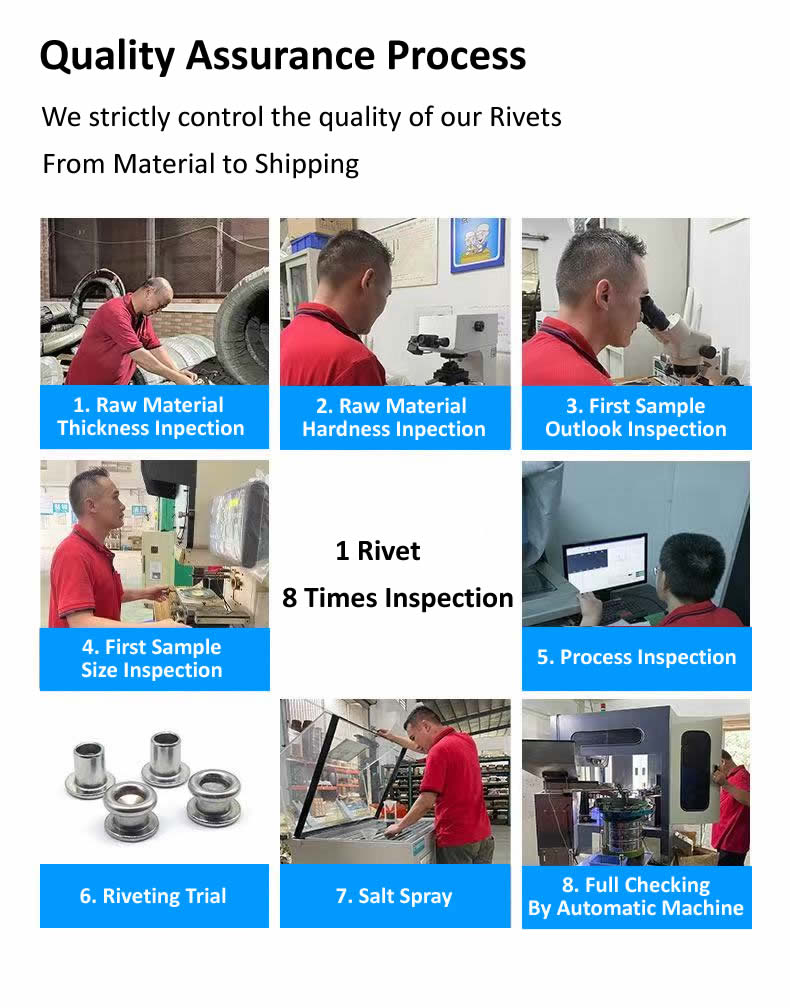
One Rivet, Eight Checks – Our Quality Assurance
- Raw material diameter check – Laser micrometer, ±0.02mm
- Raw material hardness check – Rockwell tester
- First article appearance check – 20× magnification for defects
- First article dimensional check – Optical comparator verification
- In‑process checks – 5 rivets every 500 pieces
- Test setting – Every 2,000 pieces, set into sample material
- Salt spray test (if required) – ASTM B117
- Final outgoing inspection – Optical sorting + AQL manual verification
Where They Are Used
Round head semi tubular rivets are the most versatile rivet head style:
- Luggage and cases – Handle attachments, corner guards, lock mounting, hinge pins
- Automotive – Brake linings, clutch facings, interior trim, body panels, seat assemblies
- Furniture – Hinge assemblies, frame joints, chair components, drawer slides
- Conveyor systems – Belt splicing, bracket attachment, support assemblies
- Leather goods – Belt holes, bag hardware, decorative rivets
- Industrial equipment – Machinery guards, control panels, nameplate attachment
- Construction – Light structural connections, metal framing, architectural hardware
- Aerospace – Interior trim, panel assemblies, non‑structural components
- Electronics – Component mounting, chassis assembly, heat sink attachment
Our Certifications and Honors

Nuote Metals maintains:
- ISO 9001:2015 – Quality management system
- RoHS compliance – Verified by third‑party testing
- REACH compliance – SVHC declaration current
- SGS test reports – Available upon request for specific batches

Three Questions We Answer Often
Q1: What is the difference between a round head semi tubular rivet and a solid round head rivet?
A: The fundamental difference is the hollow cavity in the tail. A semi tubular rivet has a shallow cavity at the tip, requiring only 25–30% of the force needed for a solid rivet of the same diameter. This makes it faster to install and gentler on surrounding materials. Solid rivets offer slightly higher shear strength (semi‑tubular retains 80–90% of solid rivet strength) but require heavy equipment and more time. For most industrial, automotive, furniture, and luggage applications—including the luggage case above—semi‑tubular rivets provide more than enough strength while keeping production efficient.
Q2: What materials are available for these kinds of rivets?
A: We manufacture round head semi tubular rivets in four material families:
- Low‑carbon steel – Strongest, most cost‑effective, with zinc or nickel plating
- Stainless steel (304/316) – Permanent corrosion resistance for marine and outdoor
- Brass (C2680) – Electrical conductivity, classic gold appearance
- Aluminum (5052/5056) – Lightest, non‑magnetic for weight‑critical applications
We stock all four materials in common shank diameters.
Q3: How do I select the correct barrel length for a round head semi tubular rivet?
A: Select a barrel length approximately 1.5–2.0mm longer than your total material stack thickness. For example, if you are joining two 2mm steel sheets (total 4mm), choose a barrel length of 5.5–6.0mm. This extra length provides enough material for the hollow section to roll outward and form a secure clinch without bottoming out. If the barrel is too short, the clinch will be weak. Too long, and the barrel may crumple. Send us your material stack thickness, and we will recommend the exact barrel length.
Not Sure Which Round Head Rivet Fits Your Application?
Every industry has different requirements. Luggage needs impact resistance. Conveyors need vibration resistance. Leather goods need a clean finish.
We have built round head rivets for all of them.
If you are not sure about shank diameter, barrel length, or material—send us a photo of your assembly or a drawing. We will recommend the exact specification.
We do not charge for engineering advice. It is part of what we do.
Hot Tags: Round Head Semi Tubular Rivet,Semi Tubular Rivets China,Semi Tubular Rivets Manufacturer
Related Categories
Send Inquiry
Please feel free to fill your inquiry in the form below. We will reply you in 24 hours.



X
We use cookies to offer you a better browsing experience, analyze site traffic and personalize content. By using this site, you agree to our use of cookies.
Privacy Policy