
Products
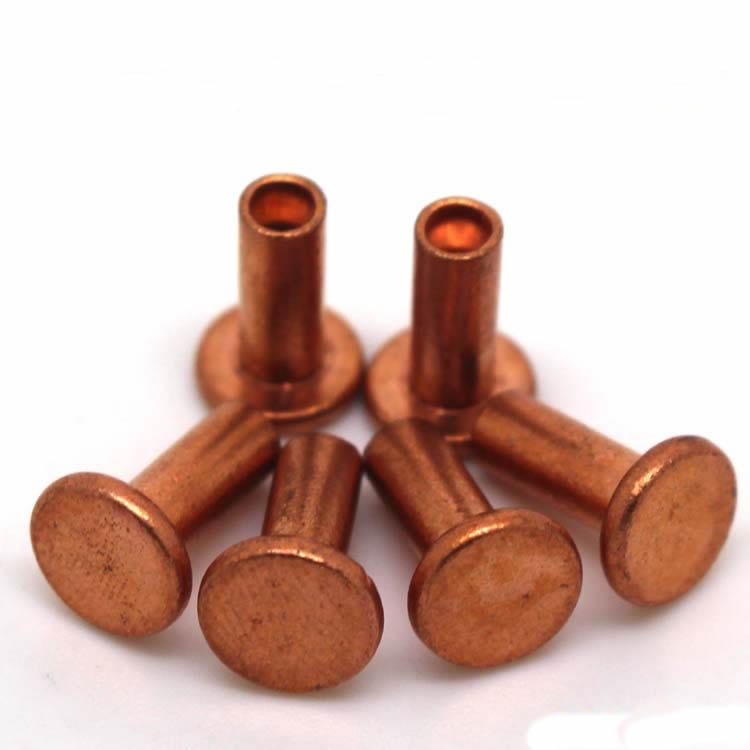
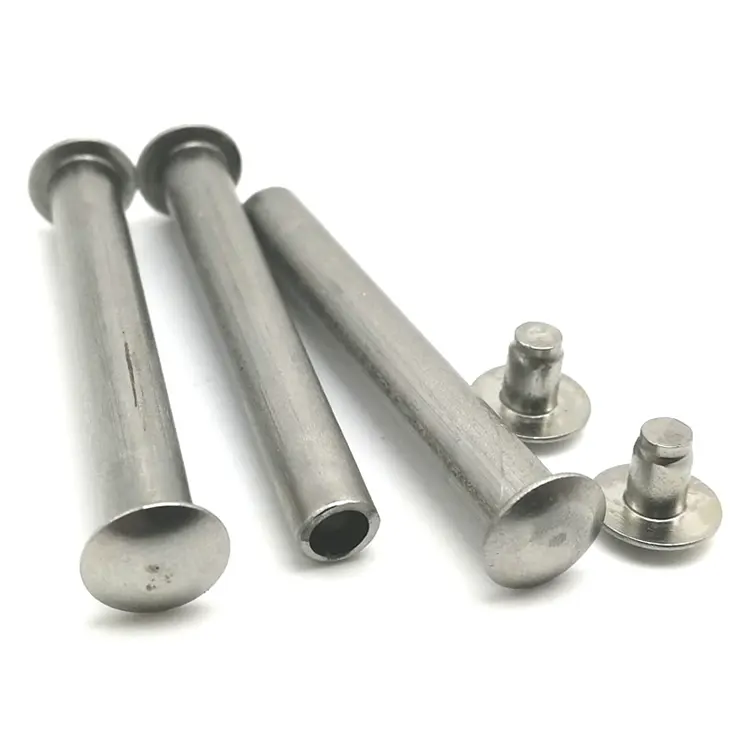
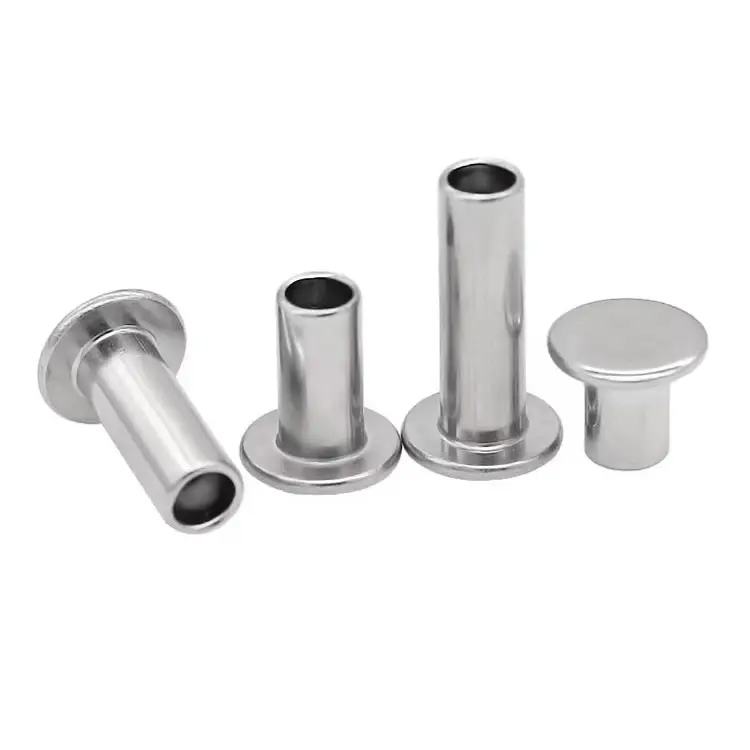
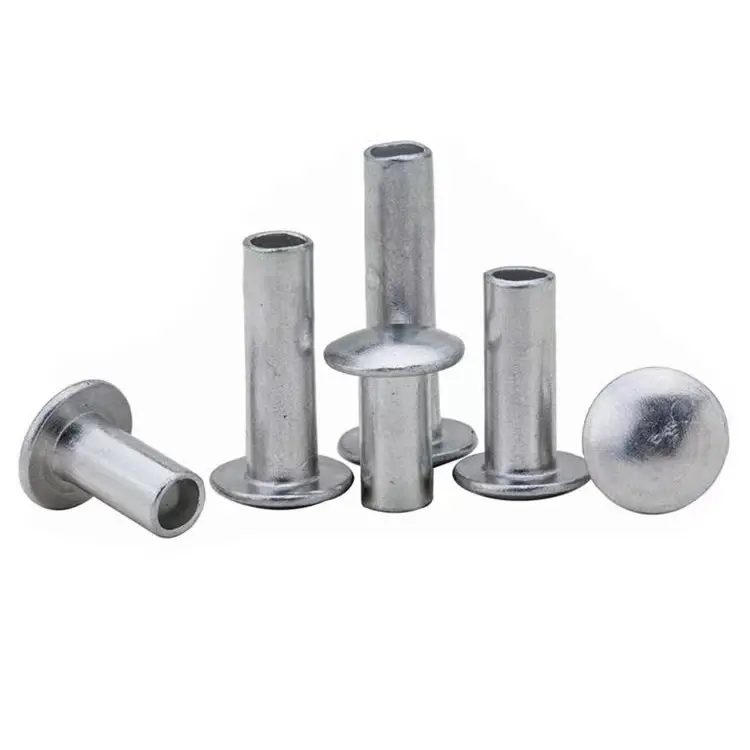
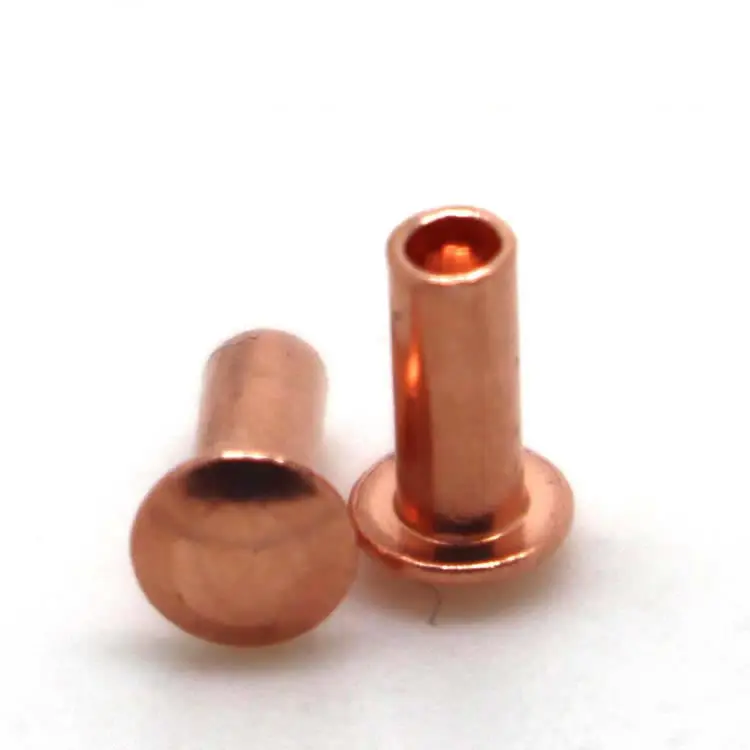
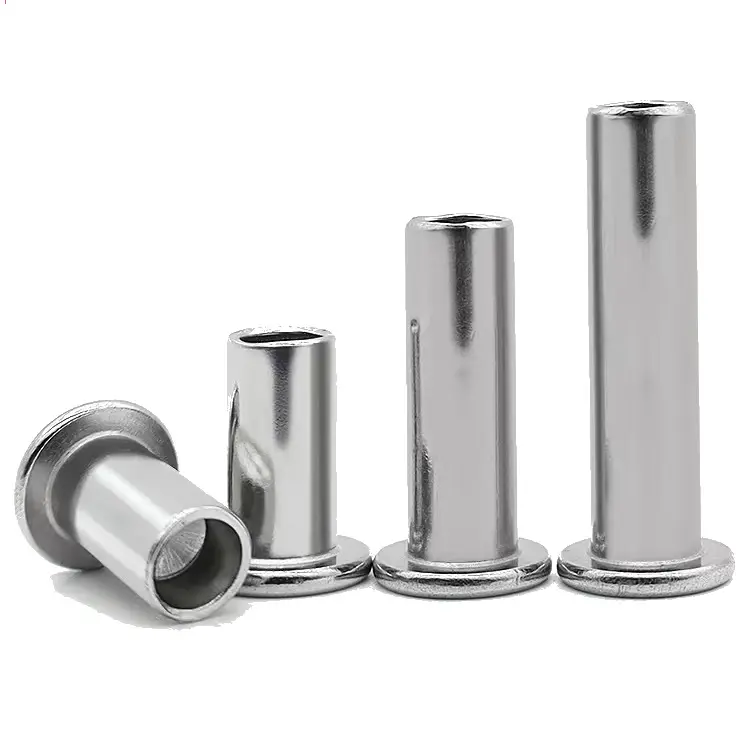
Truss Head Semi Tubular Rivets
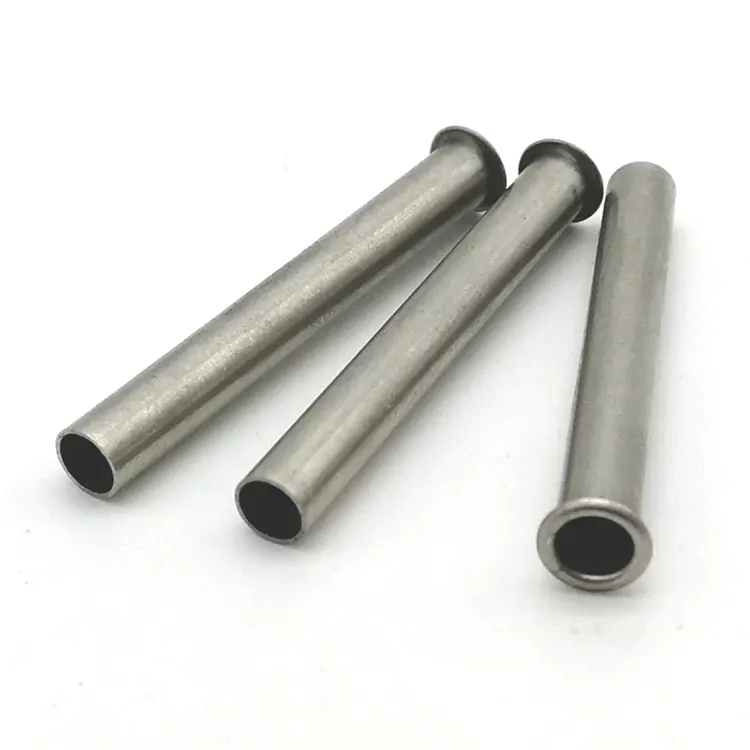
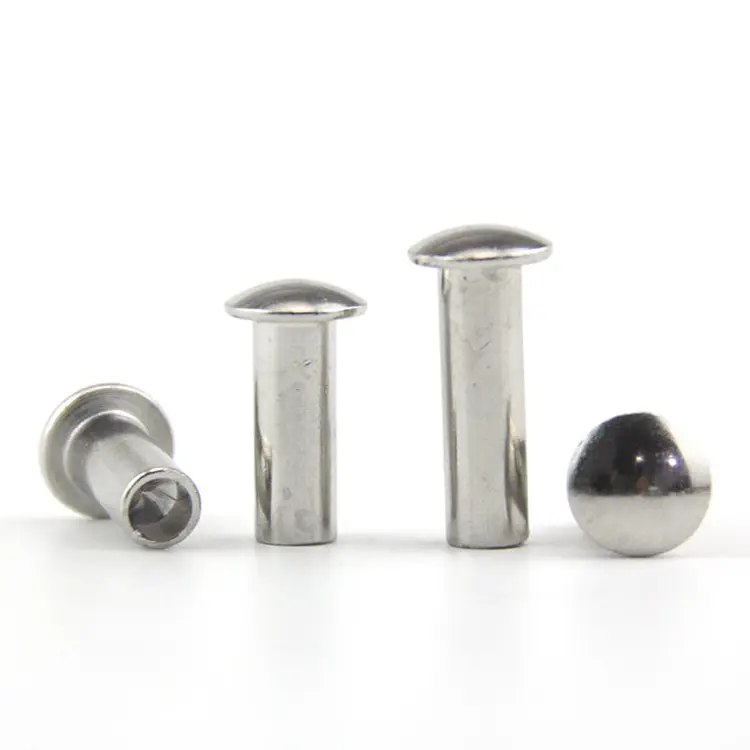
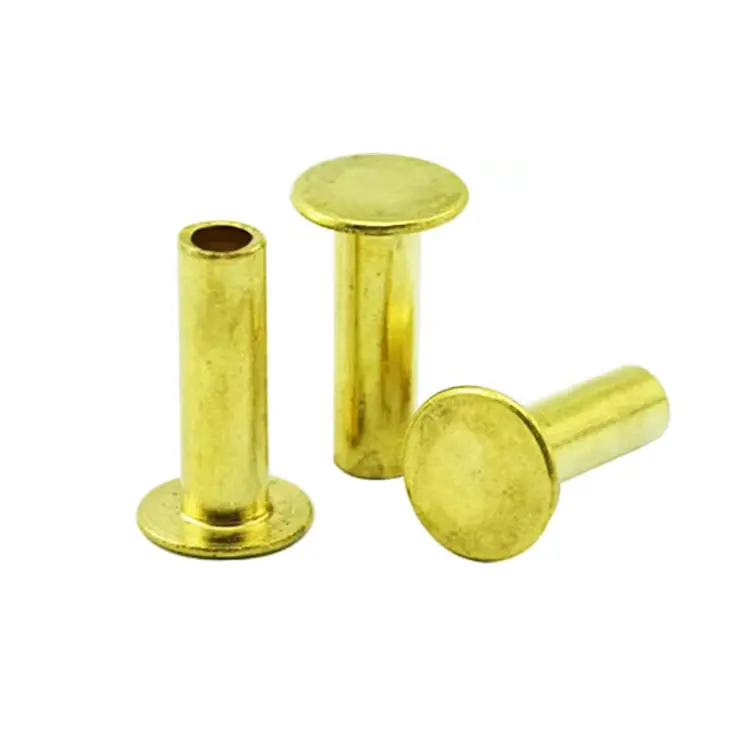
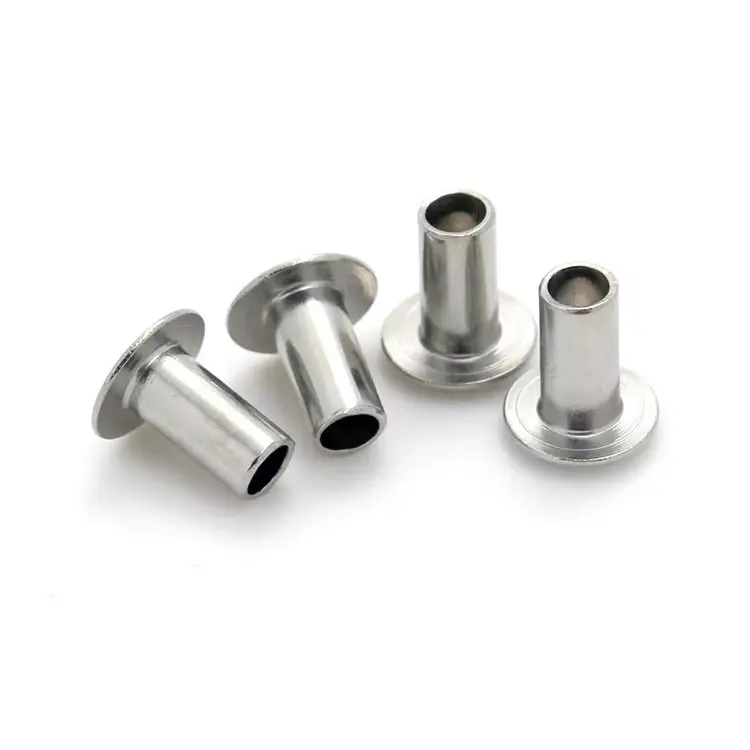
Truss head semi tubular rivets have a mushroom-shaped head with a large diameter. The head is approximately twice the diameter of the rivet body. Looking for high quality truss head half tubular rivets, pls feel free to contact Nuote Metals, which is a professional rivets manufacturer located in Dongguan, China.
Send Inquiry
Product Description
When you are fastening soft materials—plastic, leather, thin sheet metal, or composites—a standard round head rivet often fails. The narrow bearing surface concentrates force, and over time, the head pulls through. The truss head semi tubular rivet solves this with an extra‑wide, low‑profile dome that distributes clamping force over a much larger area.
The semi‑hollow cavity cuts setting force by up to 70% compared to solid rivets. You get the holding power of a rivet without the heavy press or the risk of cracking brittle materials.
Truss Head vs. Other Heads – Why the Extra Width Matters
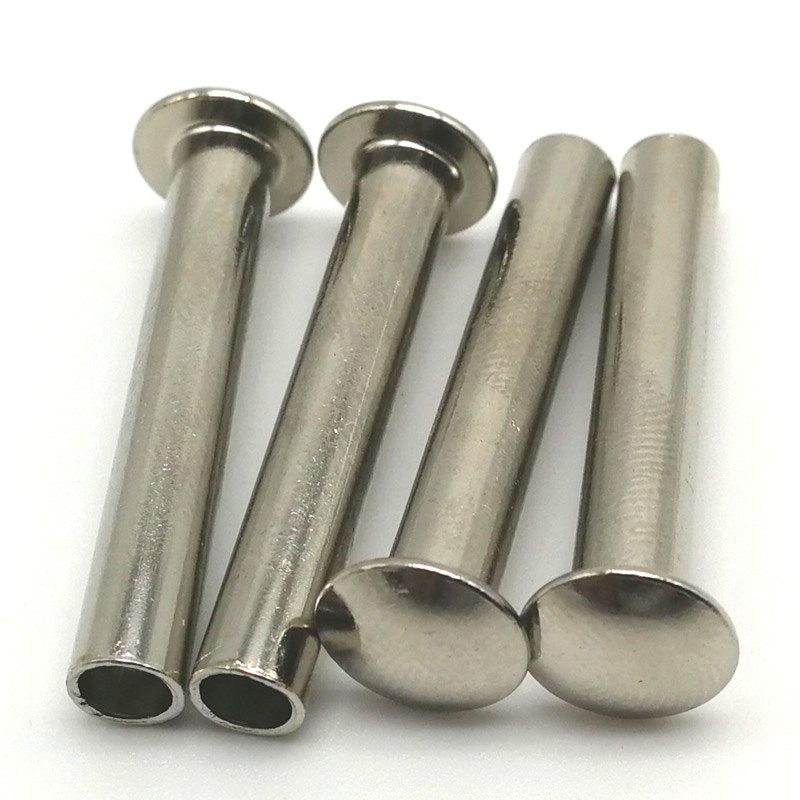
The truss head is the widest standard head style. Its diameter is 2.2 to 2.8 times the shank diameter. Compare that to other common heads:
| Head Style | Head Dia / Shank | Head Height | Best For |
|---|---|---|---|
| Round | 1.6 – 1.8 : 1 | Tall | Metal‑to‑metal, high shear |
| Flat | 2.0 – 2.5 : 1 | Low | Clearance‑limited |
| Universal | 2.0 – 2.2 : 1 | Medium | Mixed materials, general purpose |
| Truss | 2.2 – 2.8 : 1 | Very low | Soft materials, oversized holes |
The wide, low dome means the rivet acts like a built‑in washer. It spreads the load, prevents pull‑through, and sits flush enough to avoid snagging.
Truss Head Semi Tubular vs. Truss Head Solid – The Semi‑Hollow Advantage
Both head styles share the same wide profile. The difference is in the shank.
| Feature | Truss Head Semi Tubular | Truss Head Solid Rivet |
|---|---|---|
| Shank design | Partially hollow (45–55% of length) | Fully solid |
| Setting force | 25–30% of solid | 100% |
| Shear strength | 80–90% of solid | Maximum |
| Installation speed | Fast, automated | Slower, heavy press |
| Best for | Soft materials, thin substrates, high‑volume | Structural, high‑load |
The semi‑tubular design only swells at the tail, making it ideal for pivot points and assemblies where the surrounding material must not be damaged. For most furniture, electronics, and appliance applications, the semi‑tubular version provides more than enough strength while keeping production efficient.
One Real Application – Stainless Steel Locking Mechanism
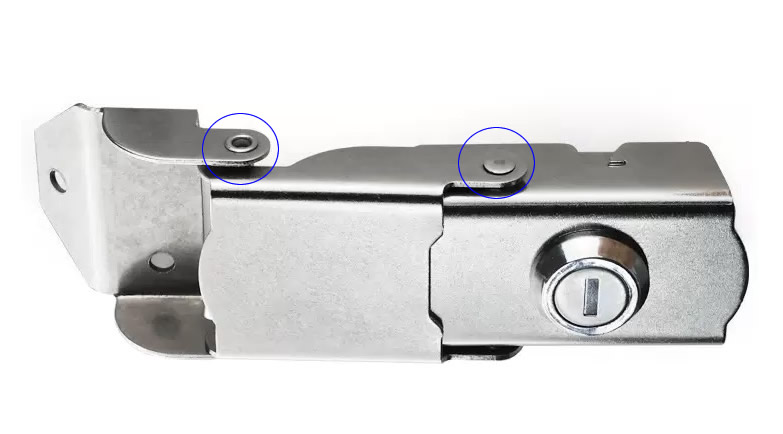
A manufacturer of industrial padlocks needed a rivet that would secure the internal locking plate without cracking the zinc‑die‑cast body. The original round head rivet pulled through under repeated latch force.
Nuote Metals supplied 304 stainless truss head semi tubular rivets – 4mm shank, 6mm barrel length. The extra‑wide 9mm head bridged a large clearance hole and prevented pull‑through under 300 N of repeated latch force. After 50,000 cycle tests, none had loosened. The customer credited the truss head design for eliminating a secondary washer.
Materials and Finishes – What We Offer
| Material | Key Advantage | Best For |
|---|---|---|
| Low‑carbon steel (zinc‑plated) | Highest strength, cost‑effective | Industrial, high‑volume, cost‑sensitive |
| Stainless steel (304/316, passivated) | Permanent corrosion resistance | Outdoor, marine, food equipment |
| Aluminum (anodized) | Lightweight, non‑magnetic | Fencing, portable equipment, electronics |
| Brass (lacquered/nickel‑plated) | Decorative, conductive, non‑magnetic | Leather goods, visible hardware, electronics |
From Raw Material to Finished Rivet – How We Make Them
Truss head semi tubular rivets are manufactured through cold heading. The wide truss head requires multi‑stage forming to ensure even metal flow without wrinkling.
1. Material Procurement – Certified wire from approved mills. Each coil comes with a mill test certificate and heat number.
2. Incoming Material Inspection – Diameter, hardness, and material composition verified. Spectrometer confirms grade. Out‑of‑spec material is rejected.
3. Tooling Setup – Carbide heading dies inspected and set up for the truss head profile and semi‑tubular cavity.
4. First Article Inspection – 10 rivets measured on optical comparator. Head diameter, head height, shank diameter, barrel length, and cavity depth verified.
5. Mass Production – In‑process checks: 5 rivets every 500 pieces. Any drift stops the press.
6. In‑Process Inspection – Every 2,000 pieces, set 3 rivets into sample material. Clinch inspected for symmetry and tightness.
7. Plating or Coating – Applied as specified.
8. Final Outgoing Inspection – 100% optical sorting. AQL sample manually verified. Dimensional report, material certificate, and Certificate of Conformance issued.
Our Certifications – Proof of Quality
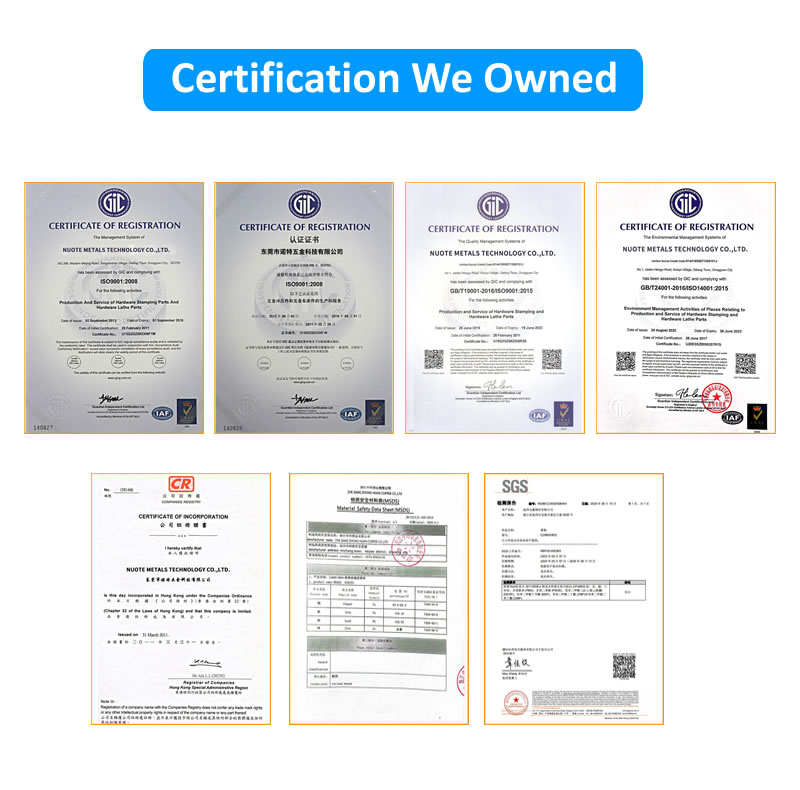
Nuote Metals maintains full traceability and quality documentation for every batch of truss head semi tubular rivets:
- ISO 9001:2015 – Certified quality management system
- RoHS compliance – Verified by SGS third‑party testing
- REACH compliance – Current SVHC declaration
- SGS test reports – Available upon request for specific batches
- Material certificates – Mill test certificates traceable to original coil
All certifications and test reports are available for download or upon request. We believe in full transparency – what we claim, we can prove.
Working with Customers Worldwide
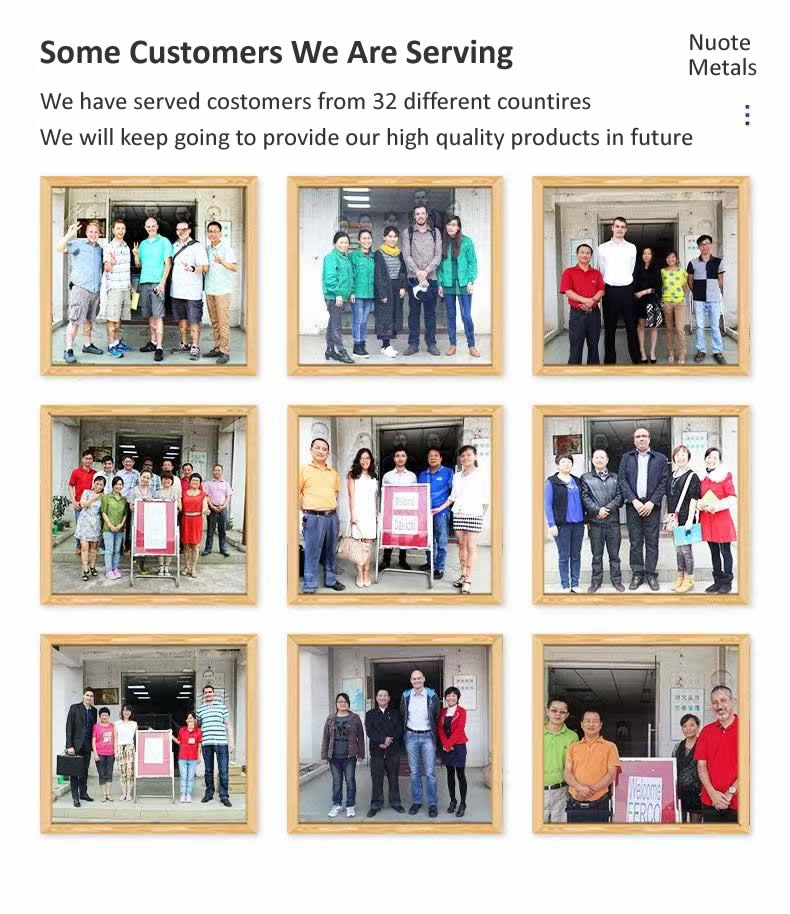
We supply truss head semi tubular rivets to manufacturers across North America, Europe, and Asia. Our customers build:
- Locking mechanisms and hardware – Padlocks, latches, hinges
- Fencing and outdoor structures – Aluminum fences, garden panels
- Electronics enclosures – Thin metal and plastic housings
- Automotive interiors – Trim panels, soft assemblies
- Luggage and cases – Handle attachments, corner brackets
- Appliances – Panel assemblies, hinge points
We partner with both small assembly shops and large OEMs – from rapid prototyping to high‑volume production runs.
Three Questions We Answer Often
Q: "Can I get samples before ordering production quantities?"
A: Yes – we offer samples for all our products. For standard existing specifications, samples are provided free of charge – you only pay the shipping cost. For custom sizes or custom tooling, sample availability and lead time depend on the specific requirements. Please contact our sales team with your drawing or specification, and they will advise on sample cost and delivery timeline.
Q: "What materials are available for truss head semi tubular rivets?"
A: We offer four material families: low‑carbon steel (zinc‑plated, cost‑effective for high‑volume), stainless steel (304/316) (permanent corrosion resistance for outdoor and marine), aluminum (lightweight, non‑magnetic, ideal for fencing and electronics), and brass (C2680) (decorative, conductive, non‑magnetic for visible hardware). All four are available with the same wide truss head profile.
Q: "How do I prevent truss head semi tubular rivets from pulling through soft materials?"
A: The truss head is specifically designed to prevent pull‑through. Its wide bearing surface (2.2–2.8× shank diameter) distributes clamping force over a larger area than any other standard head style. For the best results, ensure the head diameter is matched to your material thickness – we can recommend the optimal size based on your application. In the padlock case study above, the truss head eliminated pull‑through where round heads had failed.
Hot Tags: Truss Head Semi Tubular Rivets, China Truss Head Semi Tubular Rivets, Truss Head Semi Tubular Rivets Factory
Product Tag
Related Categories
Send Inquiry
Please feel free to fill your inquiry in the form below. We will reply you in 24 hours.



X
We use cookies to offer you a better browsing experience, analyze site traffic and personalize content. By using this site, you agree to our use of cookies.
Privacy Policy