
Products
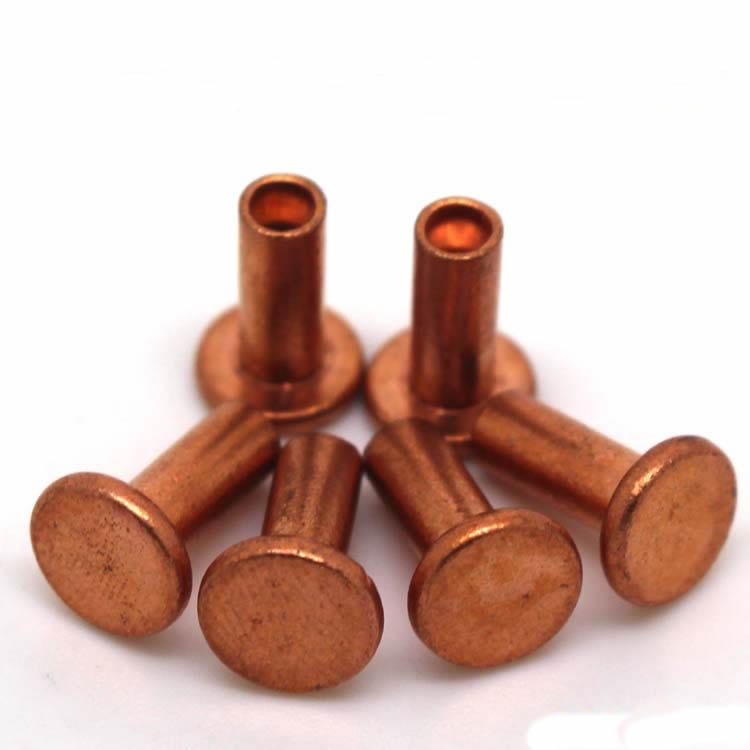
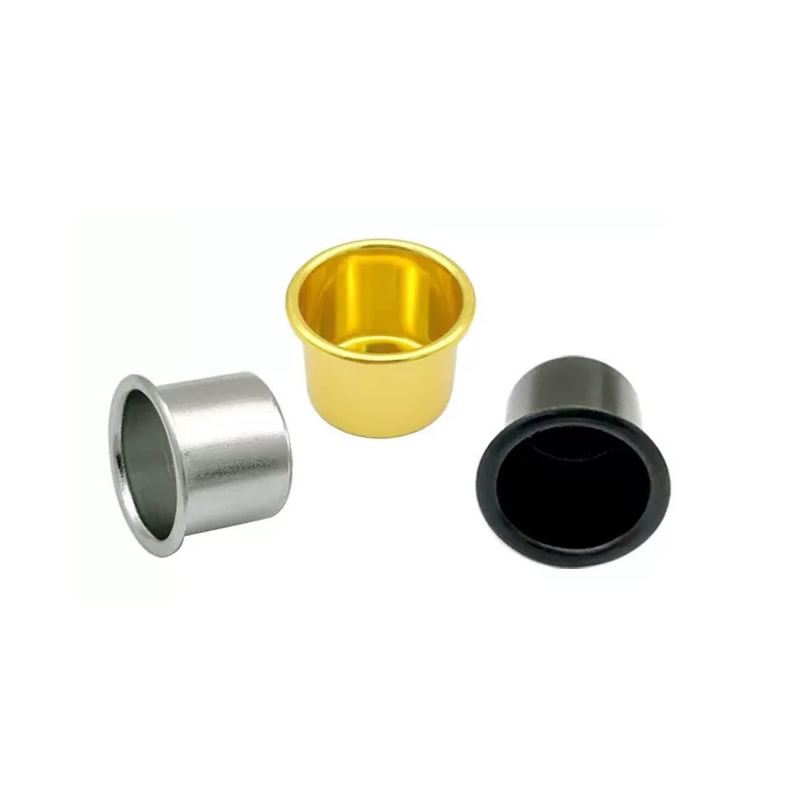
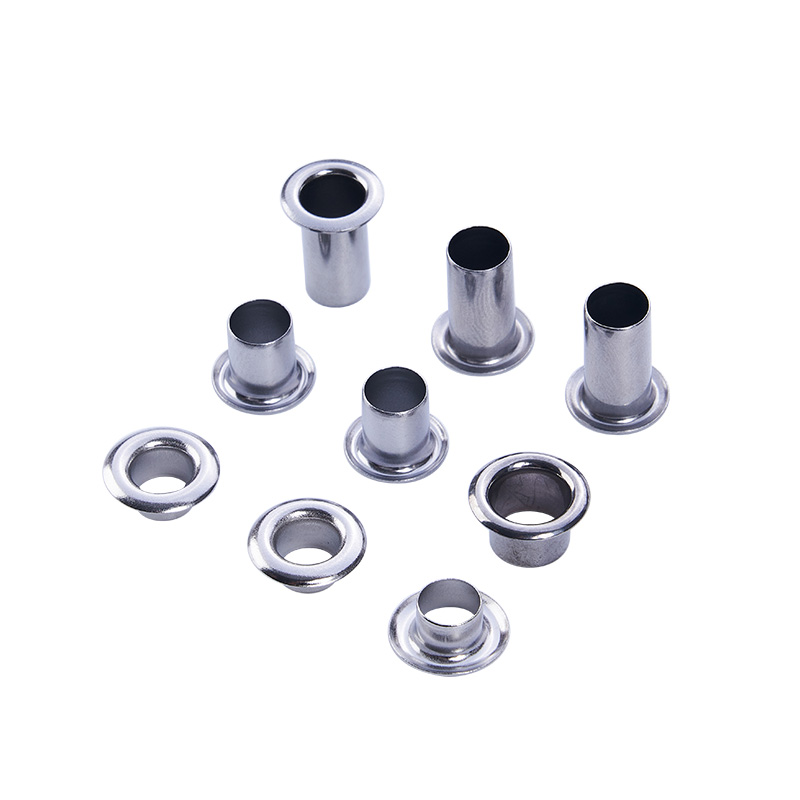
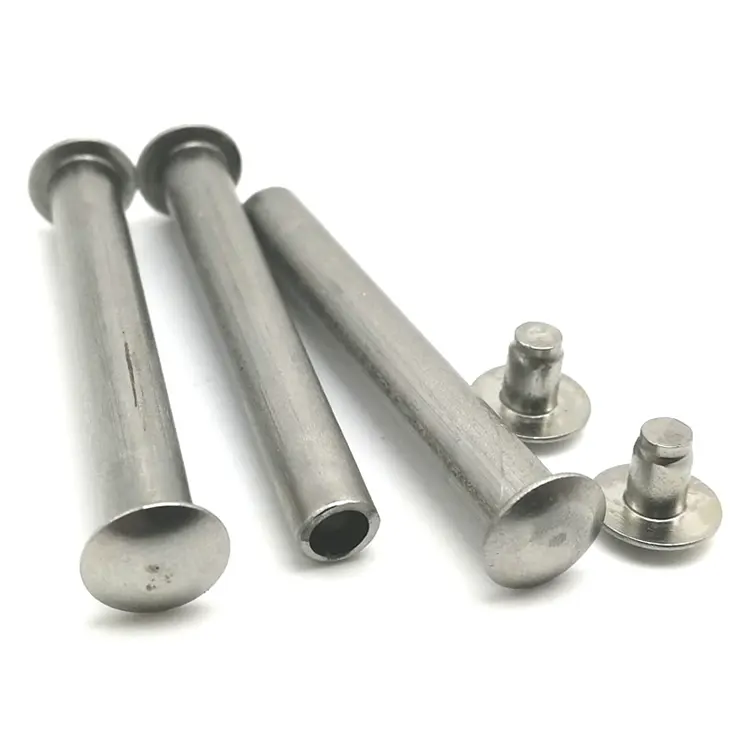
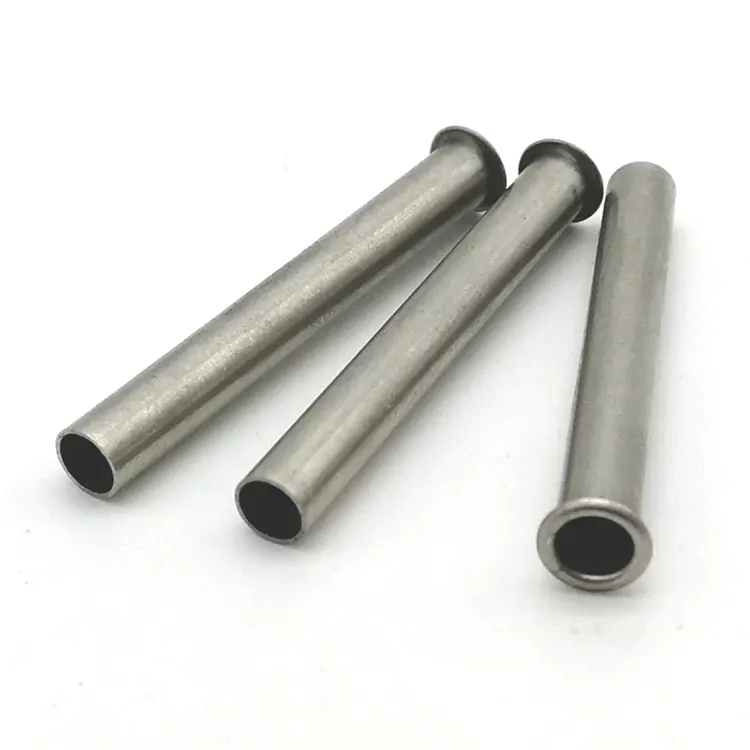
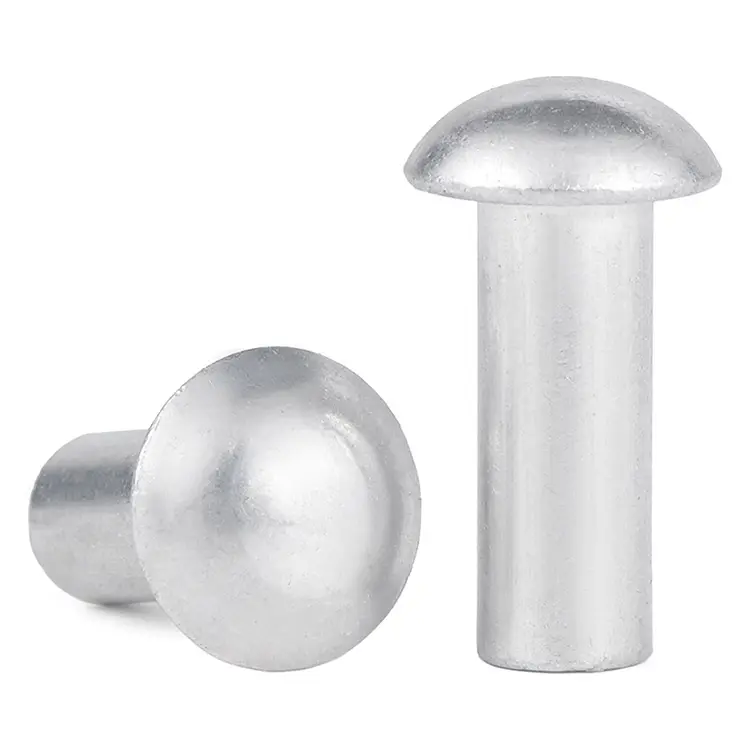
Truss Head Solid Rivets
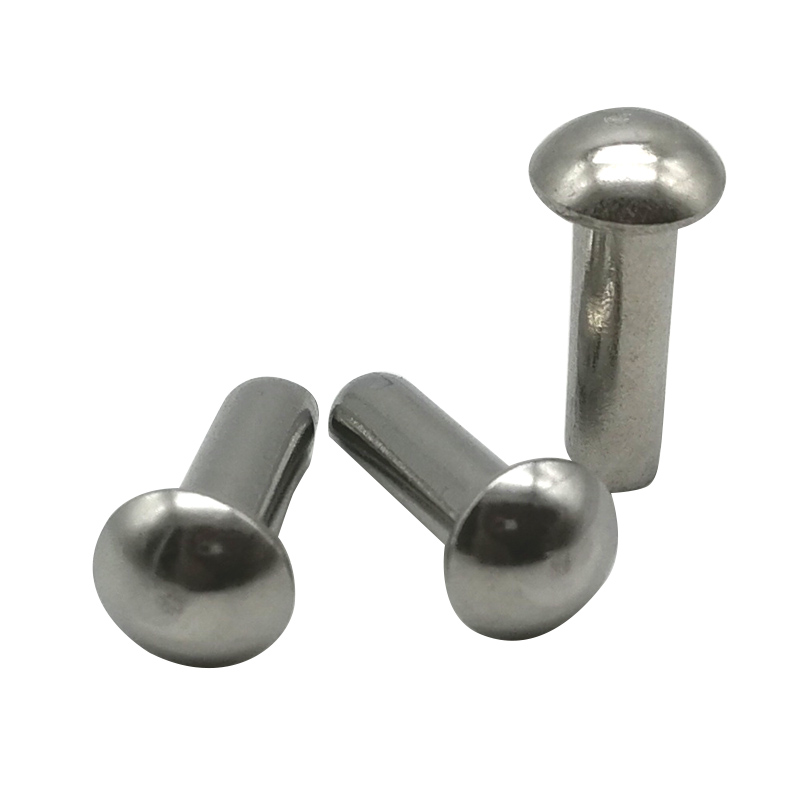
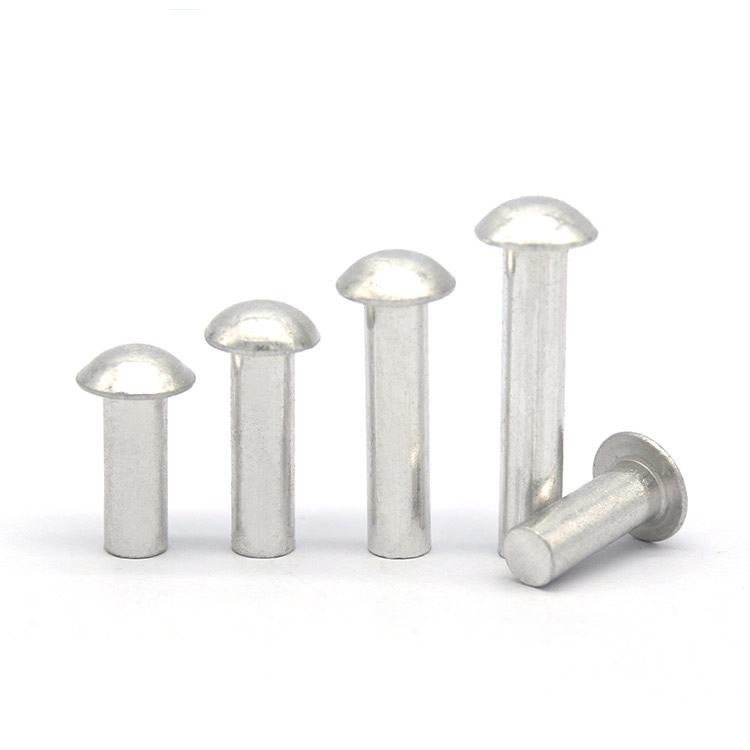
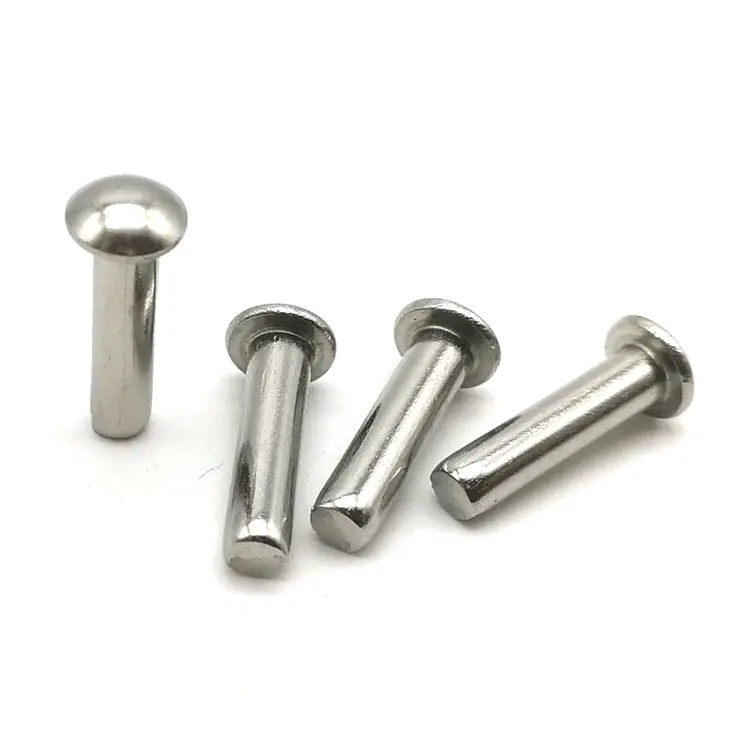
Truss head solid rivets from Nuote Metals – engineered with a head diameter 2.2–2.8× shank diameter to prevent pull‑through in plastics, wood, and thin sheet metal. Available in carbon steel, stainless steel, and aluminum, 1.5–8.0mm shank diameters. ISO 9001 certified. Free samples available. Contact us today.
Send Inquiry
Product Description
When standard round head rivets pull through plastics, composites, wood, or thin sheet metal, the problem is bearing area – there simply is not enough surface to distribute the load. Truss head solid rivets solve this with a head diameter 2.2–2.8 times the shank diameter. They spread the load, stay put, and deliver maximum strength.
Truss vs. Round – The Difference That Matters
| Feature | Truss Head Solid Rivet | Round Head Solid Rivet |
|---|---|---|
| Head diameter / shank ratio | 2.2 – 2.8 : 1 | 1.6 – 1.8 : 1 |
| Bearing area | Largest of any standard head | Moderate |
| Best for | Soft materials, oversized holes, plastic, wood | Metal‑to‑metal, structural |
| Pull‑through resistance | Excellent | Moderate |
One Real Application – Plastic Garden Stool Seat
A manufacturer of plastic garden stools was using round head rivets to attach metal leg brackets to the polypropylene seat. The narrow bearing surface pulled through the plastic after repeated use. The customer needed a wider head – and they needed solid construction for maximum strength.
We supplied zinc‑plated steel truss head solid rivets – 4.0mm shank, 11.0mm head, 12.0mm overall length. The wide head distributed the load over a larger area – no more pull‑through. The customer tested 500 stools. After 10,000 load cycles, zero failures. They now order 150,000 pieces annually.
How to Specify – What We Need From You
- Shank diameter – 1.5mm to 8.0mm
- Overall length – we calculate from your material stack thickness
- Material – carbon steel, stainless steel, or aluminum
- Finish – zinc‑plated, passivated, black oxide, plain
Sample lead time: 5–10 days standard; custom tooling: 15–20 days.
How We Produce Truss Head Solid Rivets

The wide, shallow dome of a truss head is harder to form than a round head. Our multi‑stage cold heading process ensures even metal flow without wrinkling.
Material procurement – Certified wire from approved mills.
Wire drawing – Drawn to exact shank diameter.
Cold heading – Multi‑stage forming creates the wide truss head profile.
Trimming – Flash removed for clean finish.
Tumbling – Micro‑burrs eliminated.
Plating or passivation – Applied as specified.
Lead time: 5–10 days standard; 15–20 days custom.
How We Check Critical Dimensions – Our In‑House Lab

Every batch is verified using calibrated instruments:
| What We Check | How We Check It |
|---|---|
| Shank diameter (±0.02mm) | Laser micrometer |
| Head diameter & height | Optical comparator |
| Contour & concentricity | 2.5D image measuring system |
| Raw material hardness | Rockwell hardness tester |
| Material grade | Spectrometer |
| Corrosion resistance (if required) | Salt spray chamber |
All equipment is calibrated annually. Inspection records are kept for five years.
Trusted by Customers Across Industries

Three Questions We Answer Often
Q: "Can truss head solid rivets be used in plastic without cracking?"
A: Yes – the wide head distributes setting force over a larger area, reducing stress on brittle materials. For maximum protection against stress fractures, choose a slightly longer overall length (more material to form the clinch) and use a press rather than a hammer for controlled setting. For the plastic stool case, we supplied solid rivets with a 12.0mm overall length for a 4mm material stack, giving 8mm of shank to form the clinch without bottoming out.
Q: "What is the difference between truss head and mushroom head – they both look wide?"
A: The truss head has a flatter top and a sharper edge profile – it is designed for maximum bearing area on materials like plastic, wood, and composites. The mushroom head has a generous radius at the edge and a more rounded top – it is designed for leather and fabric where the rivet contacts soft or skin‑sensitive surfaces. Choose truss for materials that need the widest possible bearing surface; choose mushroom for soft goods.
Q: "What materials are available for truss head solid rivets?"
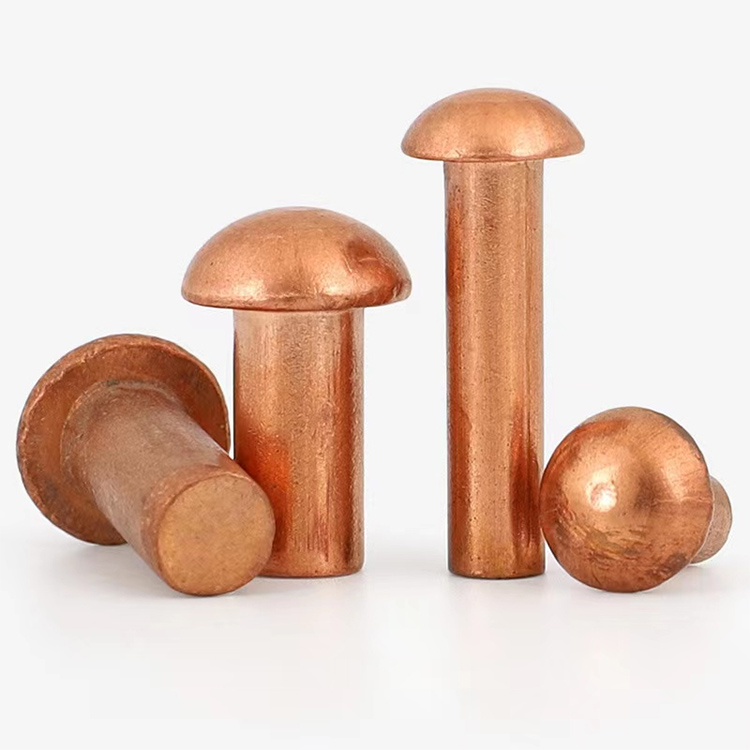
A: Carbon steel (zinc‑plated or black oxide), stainless steel (SUS304, passivated), and aluminum (5052/5056). Choose carbon steel for cost‑sensitive industrial applications, stainless for outdoor or corrosive environments, and aluminum for lightweight assemblies. All three are available with the same wide truss head profile.
Hot Tags: Truss Head Solid Rivets,China Truss Head Solid Rivets,China Truss Head Rivets
Product Tag
Related Categories
Send Inquiry
Please feel free to fill your inquiry in the form below. We will reply you in 24 hours.



X
We use cookies to offer you a better browsing experience, analyze site traffic and personalize content. By using this site, you agree to our use of cookies.
Privacy Policy