
Products
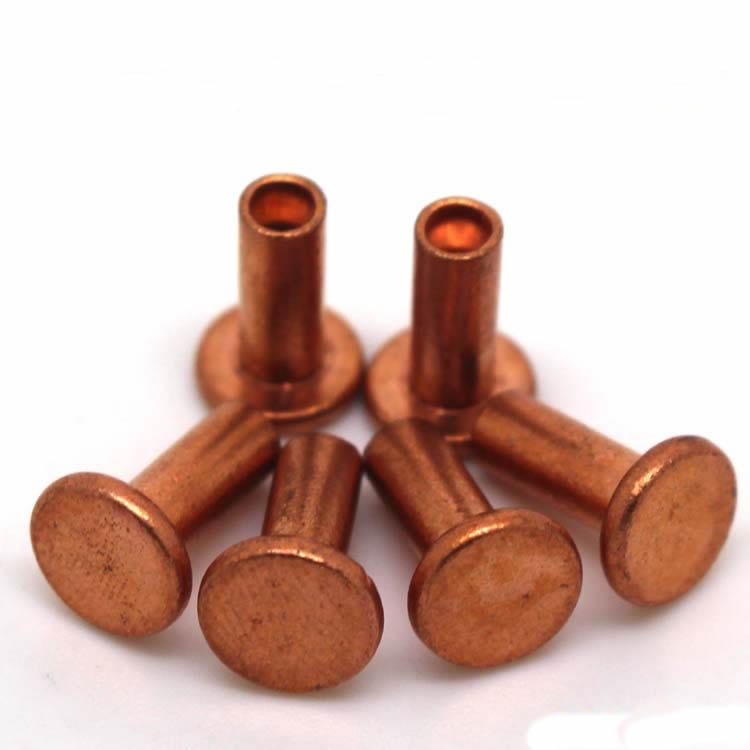
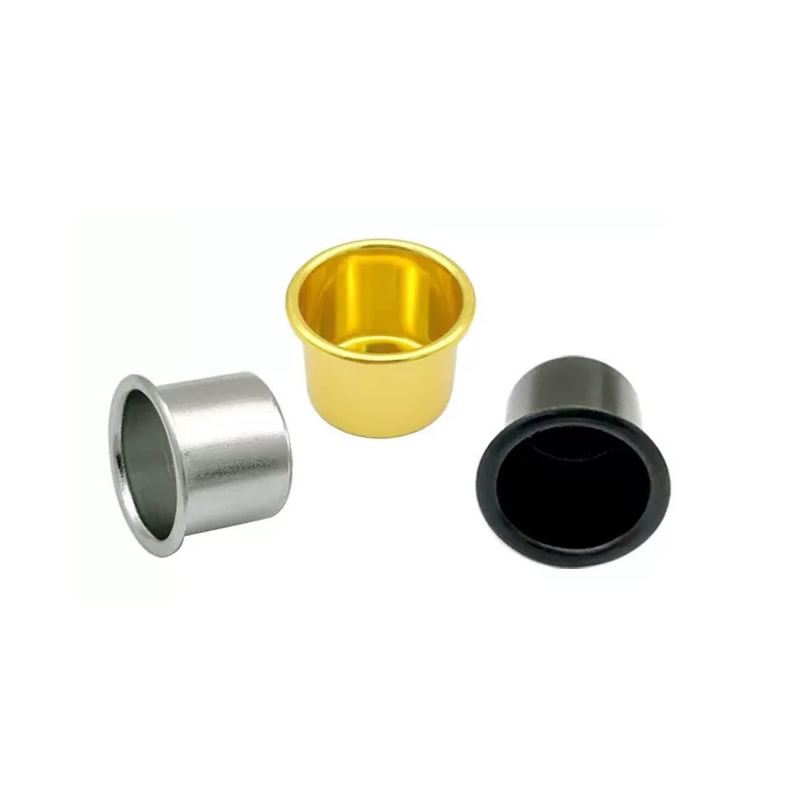
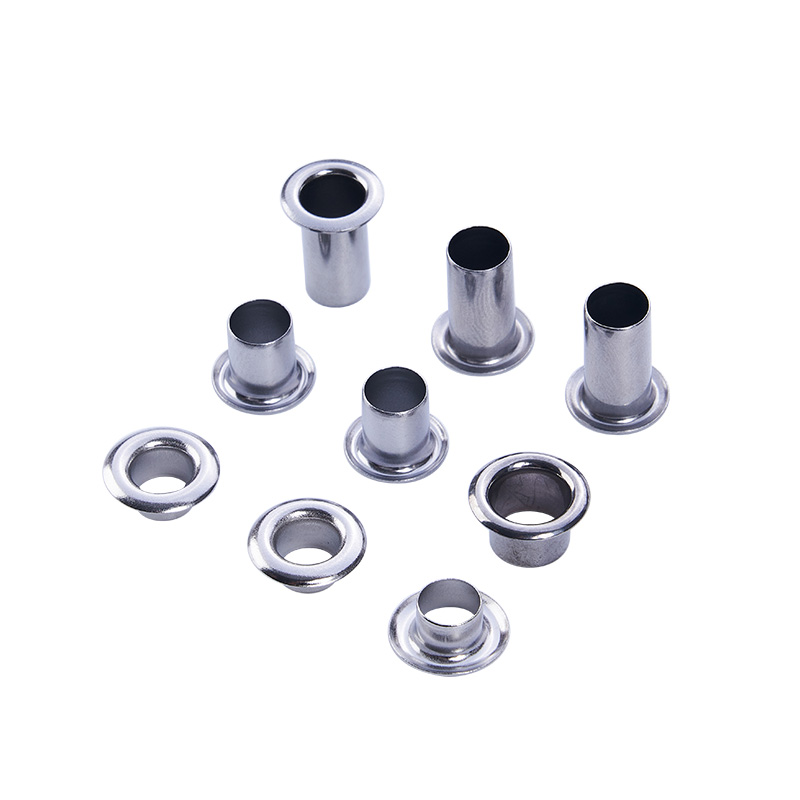
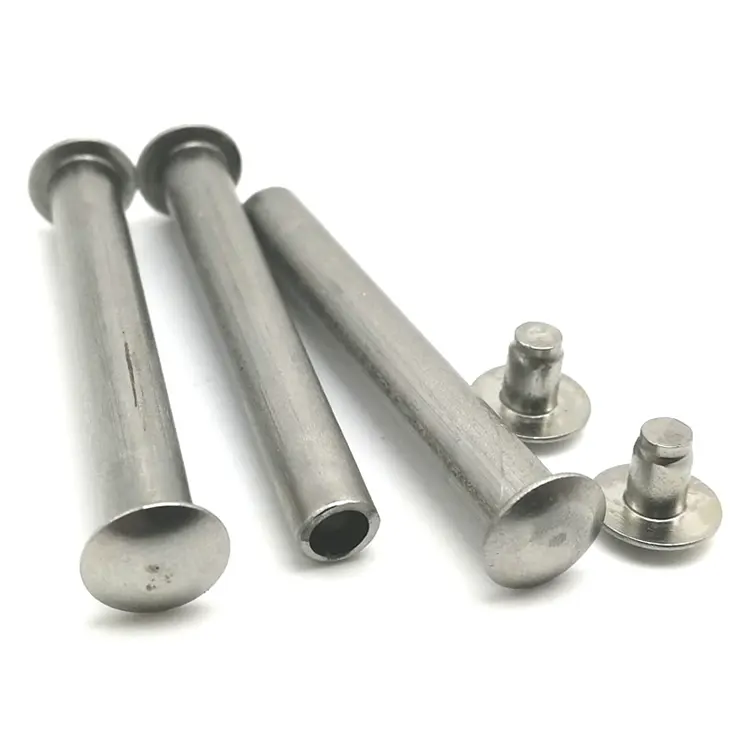
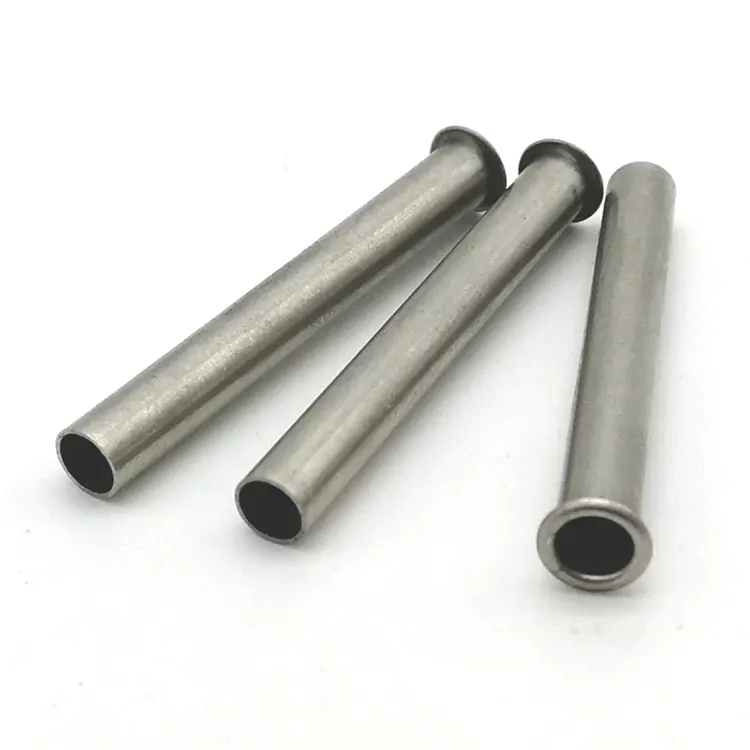
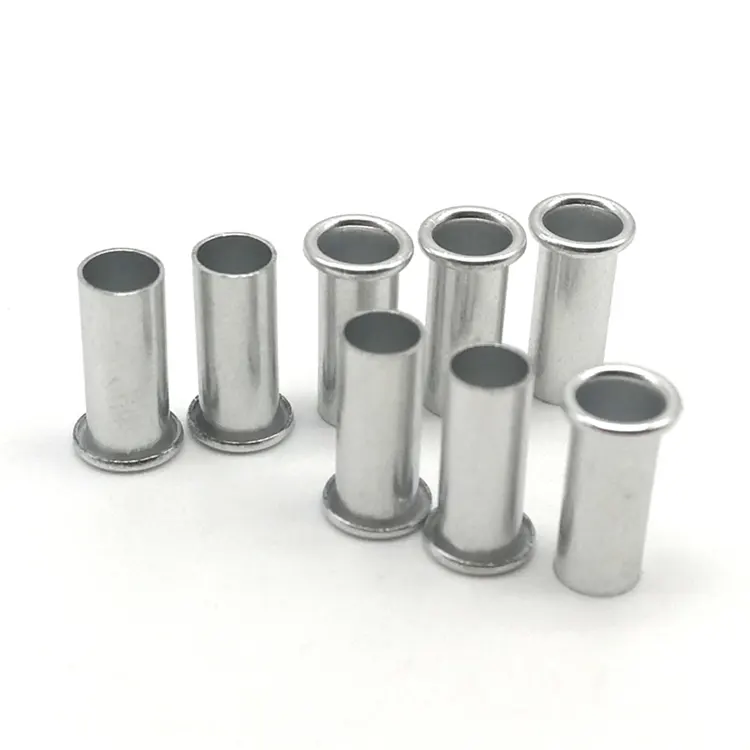
Aluminium Pipe Rivets
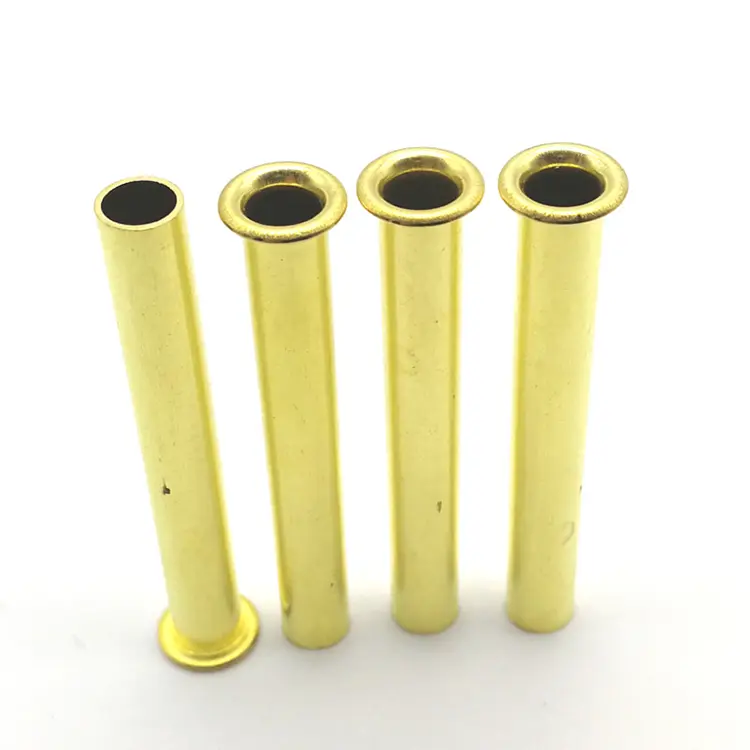
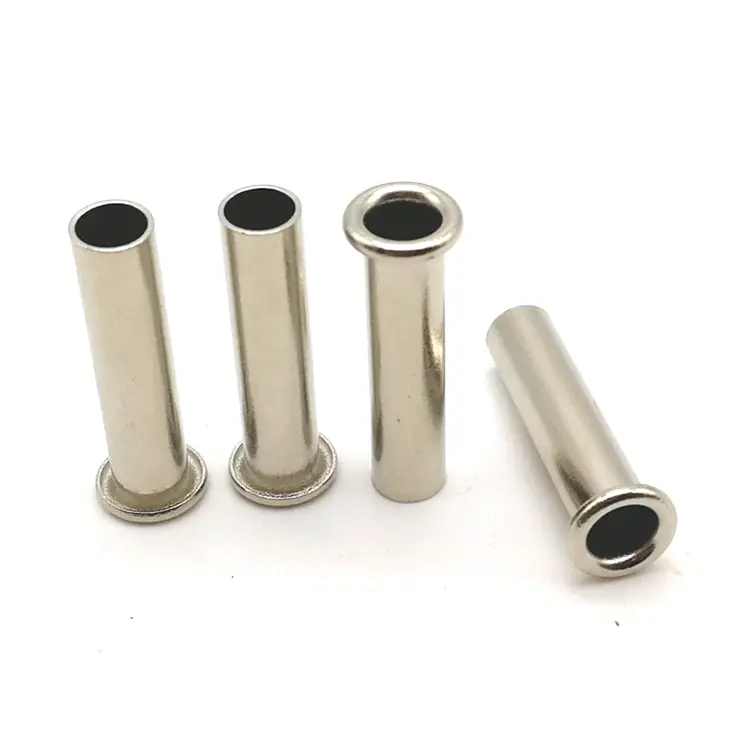
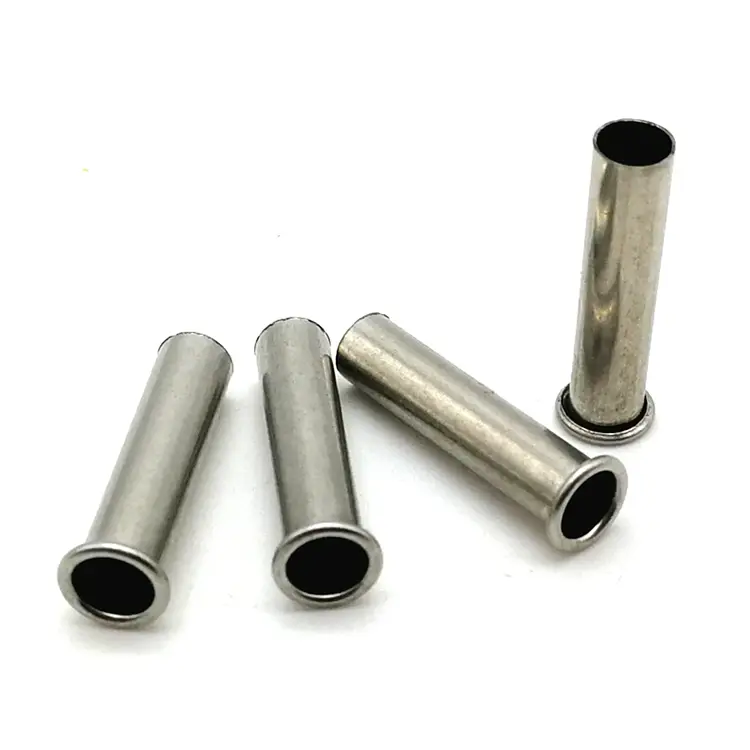
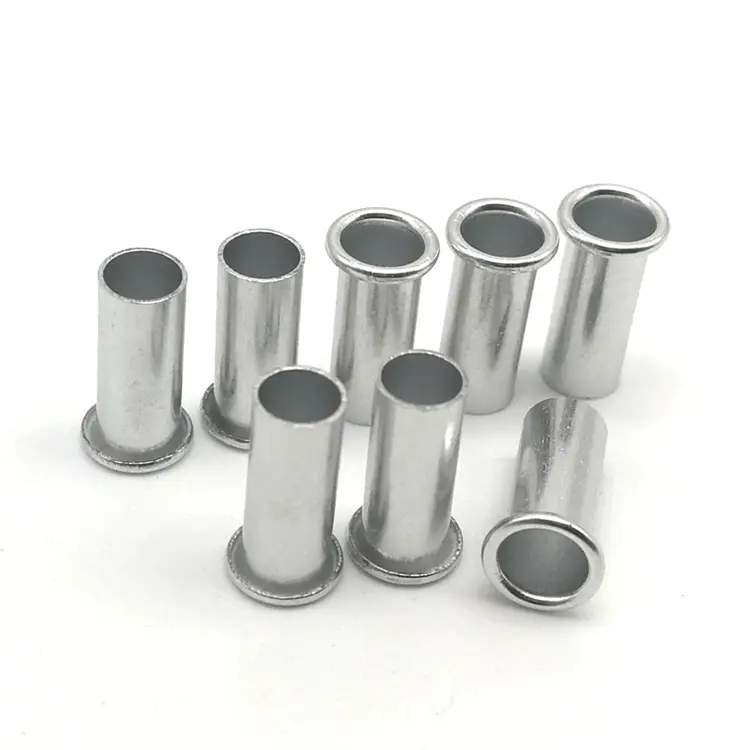
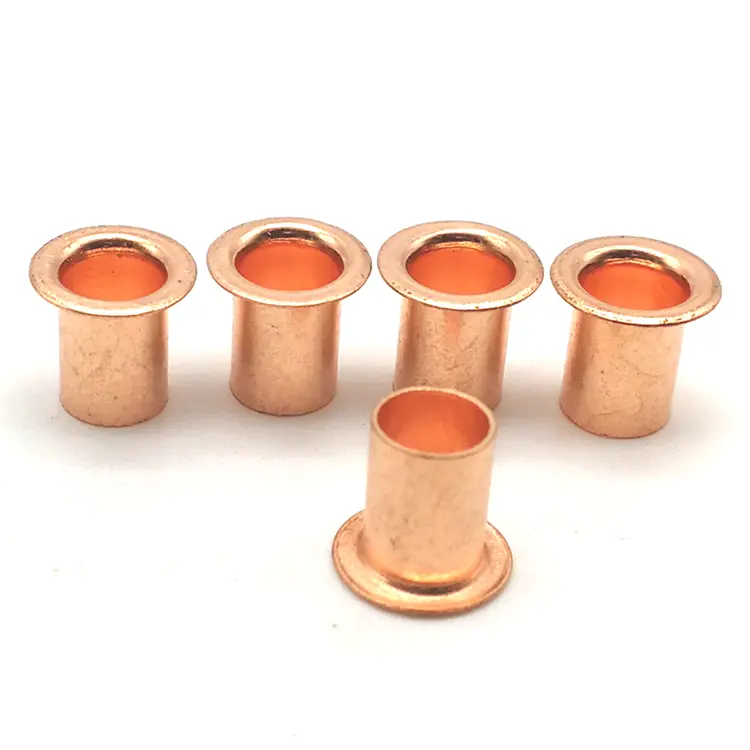
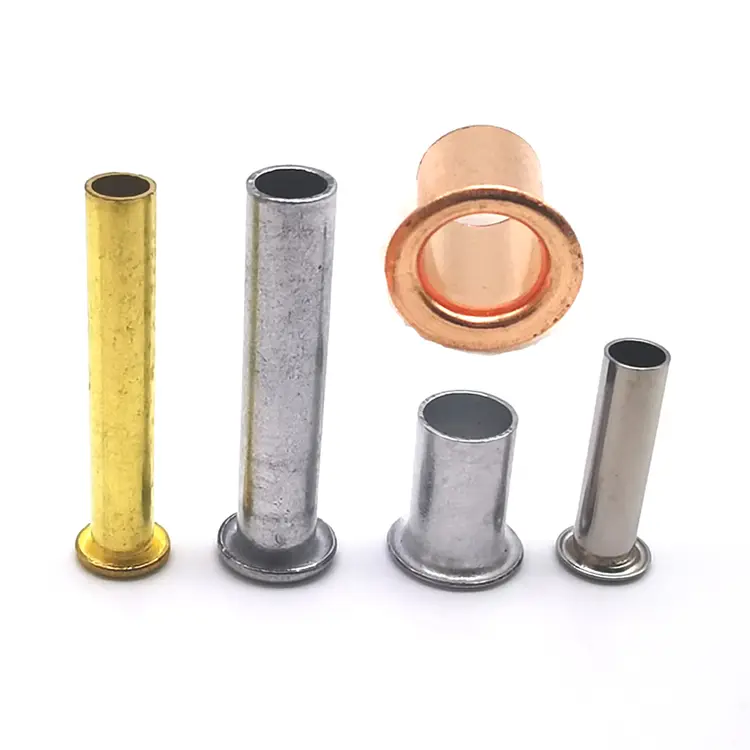
Nuote Metals is a Aluminium Pipe Rivets manufactuer in China. Aluminum pipe rivets primarily consist of a rivet head and a shank. The shank is a hollow cylinder typically made from aluminum alloys such as 5052 or 6061, which offer excellent ductility and corrosion resistance. This aluminum alloy contributes to the rivet's overall lightness, making it suitable for weight-sensitive applications. Furthermore, the aluminum's natural oxide layer effectively prevents rust from environmental factors, extending its service life.
Send Inquiry
Product Description
Aluminium pipe rivets – also commonly called aluminum hollow rivets – are hollow fasteners made from actual aluminium tube stock. Same product. Two names. We make the same reliable fastener regardless of what you call it.
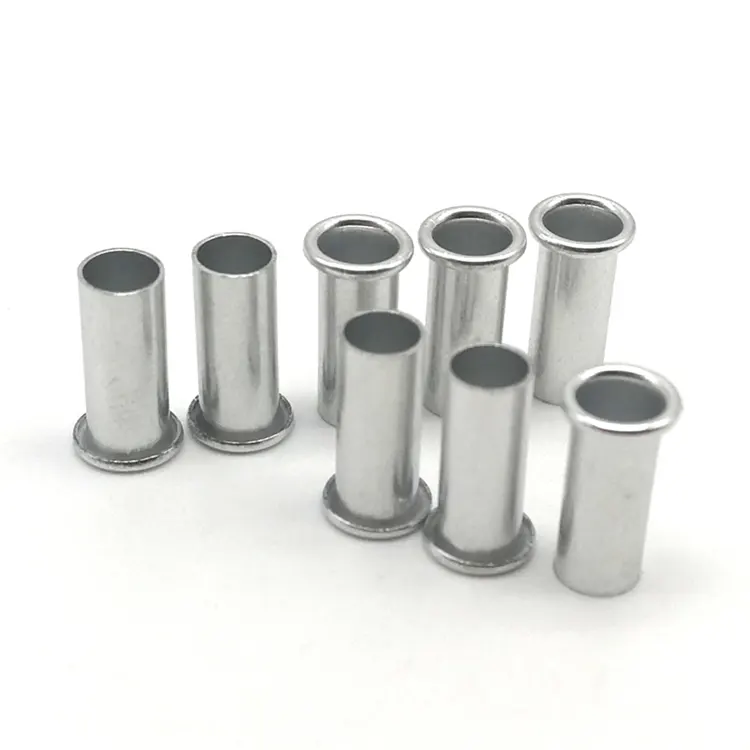
If you need a hollow fastener that weighs roughly one‑third of steel and will not rust – but you do not need the conductivity of copper or the premium appearance of brass – aluminum pipe rivets are the answer. They are the lightest option in the pipe rivet family. Non‑magnetic. Naturally corrosion‑resistant. And available in multiple alloys to match your strength requirements.
Aluminum Alloy Options – Which Grade Do You Need?
| Grade | Type | Tensile Strength | Corrosion Resistance | Best For |
|---|---|---|---|---|
| 1100 | Pure aluminum | 90 – 130 MPa | Excellent | Non‑structural, decorative, lightweight enclosures |
| 5052 | Alloy | 220 – 280 MPa | Excellent | General purpose, moderate loads, corrosion resistance |
| 5056 | Alloy | 280 – 350 MPa | Excellent (marine‑grade) | High‑strength, marine, outdoor, structural assemblies |
Choose 1100 for non‑structural applications where weight is critical and strength requirements are low – trim, enclosures, decorative assemblies.
Choose 5052 for general‑purpose lightweight assemblies where moderate strength and corrosion resistance are needed.
Choose 5056 for higher‑strength requirements, marine environments, and applications where maximum strength in a lightweight fastener is required.
Aluminum Pipe Rivet vs. Semi‑Tubular vs. Solid – Where It Fits
| Feature | Aluminium Pipe Rivet (Hollow) | Aluminum Semi‑Tubular Rivet | Aluminum Solid Rivet |
|---|---|---|---|
| Shaft design | Fully hollow (tube stock) | Partially hollow (45–55% of length) | Fully solid |
| Weight | Lightest | Light | Moderate |
| Setting force | 15–20% of solid | 25–30% of solid | 100% |
| Wall thickness | Thin, uniform | Moderate, uniform | Solid |
| Through‑hole | Open all the way through | Blocked at bottom | No passage |
| Best for | Weight‑sensitive, lacing, wiring, non‑magnetic | General purpose, moderate loads | Structural, maximum strength |
Available Finishes
| Finish | Appearance | Best For |
|---|---|---|
| Plain (as‑formed) | Natural silver | General purpose, indoor applications |
| Clear anodized | Silver, slightly enhanced | Corrosion protection, clean appearance |
| Color anodized | Various colors | Brand identity, decorative, identification |
One Real Application – Portable Electronics Enclosure
A manufacturer of portable electronic devices needed a lightweight, non‑magnetic fastener for assembling aluminum enclosures. The previous steel screws added unnecessary weight and were magnetic – interfering with sensitive internal components. The customer needed a permanent, lightweight fastener that would not add mass or interfere with electronics.
We supplied 5052 aluminium pipe rivets – 3.0mm shank, 5.5mm round head, 4.0mm barrel length, plain finish. The aluminum rivets reduced fastener weight by 65% compared to steel. The non‑magnetic aluminum caused zero interference with internal electronics. The hollow design flared with minimal force – no distortion to the thin enclosure walls. The customer tested 1,000 rivets across 500 enclosures. After 10,000 assembly cycles, zero failures. They now order aluminum pipe rivets in batches of 200,000 pieces annually.
How We Make Aluminum Pipe Rivets – And Keep Them Light
Aluminium pipe rivets start as genuine aluminum tube stock – but aluminum is softer than steel and requires careful handling to avoid tool marks and surface damage. Our process is designed specifically for aluminum.
Tube cutting – Aluminum tube is cut to precise blank length. ±0.02mm tolerance. Sharp tooling prevents burrs and deformation.
Heading – A carbide die forms the head (round, flat, or countersunk) on one end. Polished dies prevent surface marks.
Trimming & tumbling – Flash is removed, micro‑burrs eliminated.
Anodizing (if specified) – Clear or color anodizing applied for enhanced corrosion protection.
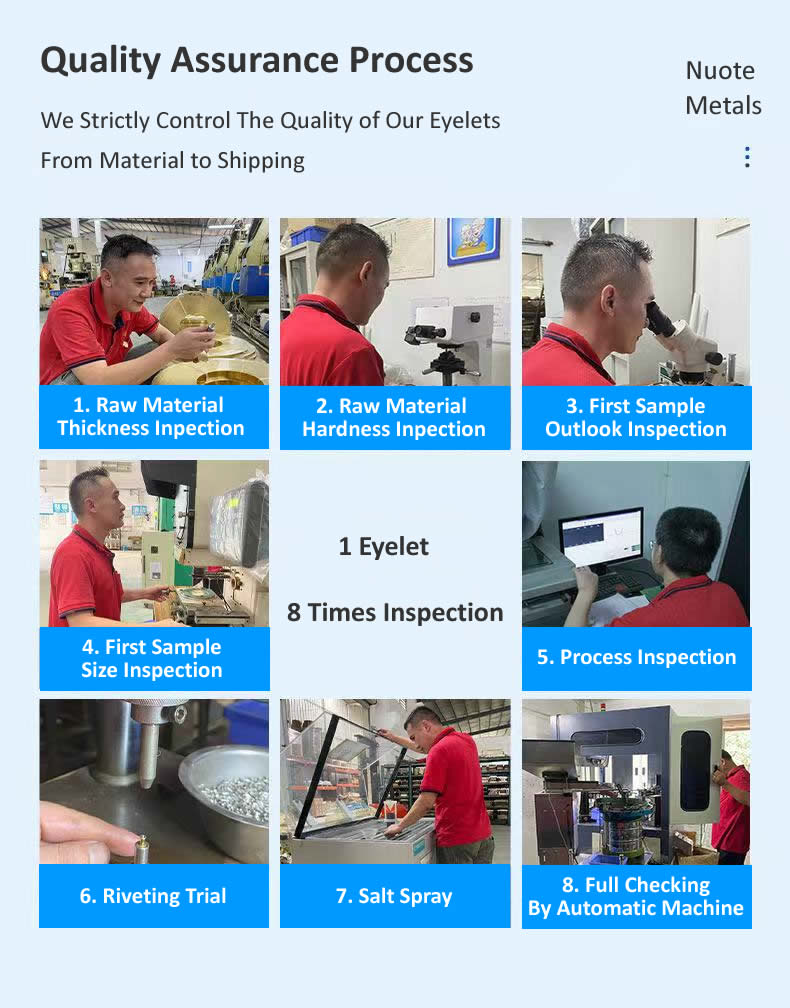
Before we cut – Incoming tube stock is verified for outside diameter, wall thickness, and material composition. Spectrometer confirms alloy grade. No out‑of‑spec material enters the cutting room.
After we head – The first 10 rivets from each tooling setup are measured on an optical comparator. Inner diameter, outer flange, barrel length, wall thickness – all verified before the press runs at speed.
During the run – Operators pull 5 rivets every 500 pieces. Any drift beyond tolerance stops the press.
Before we ship – Every 2,000 pieces, we set 3 rivets into a sample of your actual material. We check the clinch for symmetry and tightness, confirm the bore remains open, and inspect for cracks or surface marks. Every rivet then passes through optical sorting. A random AQL sample is manually verified.
We keep records for five years. If a field issue ever occurs, we can trace the batch and pull the full file.
Sample lead time: 5–7 days standard; custom tooling: 15–20 days.
Who We Work With – Trusted by Manufacturers Worldwide

We supply aluminum pipe rivets to manufacturers across North America, Europe, and Asia. Our customers build:
- Electronics and portable devices – Laptops, tablets, wearable devices
- Drones and UAVs – Frame assemblies, motor mounts, lightweight structures
- Sporting goods – Bicycles, camping equipment, outdoor gear
- Automotive components – Lightweight panels, interior trim
- Aerospace interiors – Seat components, panel assemblies
- Marine accessories – Boat interiors, non‑structural hardware
We partner with both small assembly shops and large OEMs – from rapid prototyping to high‑volume production runs. Our strength is flexibility: custom sizes, quick samples, and consistent quality at any volume.
Three Questions We Answer Often
Q: "Can I get samples before ordering production quantities?"
A: Yes – we offer samples for all our products. For standard existing specifications, samples are provided free of charge – you only pay the shipping cost. For custom sizes or custom tooling, sample availability and lead time depend on the specific requirements. Please contact our sales team with your drawing or specification, and they will advise on sample cost and delivery timeline.
Q: "What is the difference between 1100, 5052, and 5056 aluminium pipe rivets?"
A: The difference is alloy composition and resulting strength. 1100 is pure aluminum – softest and most ductile. Use for non‑structural, decorative, and lightweight enclosure applications. 5052 is a general‑purpose alloy with good strength and corrosion resistance – suitable for most applications. 5056 contains higher magnesium, giving it the highest tensile strength (280–350 MPa) and superior corrosion resistance – ideal for marine and high‑stress applications. For the electronics enclosure case above, the customer chose 5052 because it provided the right balance of strength, corrosion resistance, and light weight for a portable device housing.
Q: "Do aluminium pipe rivets corrode? How do I prevent it?"
A: Aluminum forms a natural oxide layer that protects against corrosion. For most indoor and outdoor applications, this natural protection is sufficient. For enhanced protection, we recommend anodized finish (clear or color) – it thickens the oxide layer and provides additional corrosion resistance. For marine or continuous saltwater exposure, choose 5056 alloy with anodized finish for maximum protection. If you are joining aluminum to dissimilar metals (e.g., steel), we recommend isolating washers or coatings to prevent galvanic corrosion.
Hot Tags: Aluminium Pipe Rivets Supplier, Pipe Rivets Aluminum, Aluminum Pipe Rivets Manufacturer
Related Categories
Send Inquiry
Please feel free to fill your inquiry in the form below. We will reply you in 24 hours.



X
We use cookies to offer you a better browsing experience, analyze site traffic and personalize content. By using this site, you agree to our use of cookies.
Privacy Policy