
Products
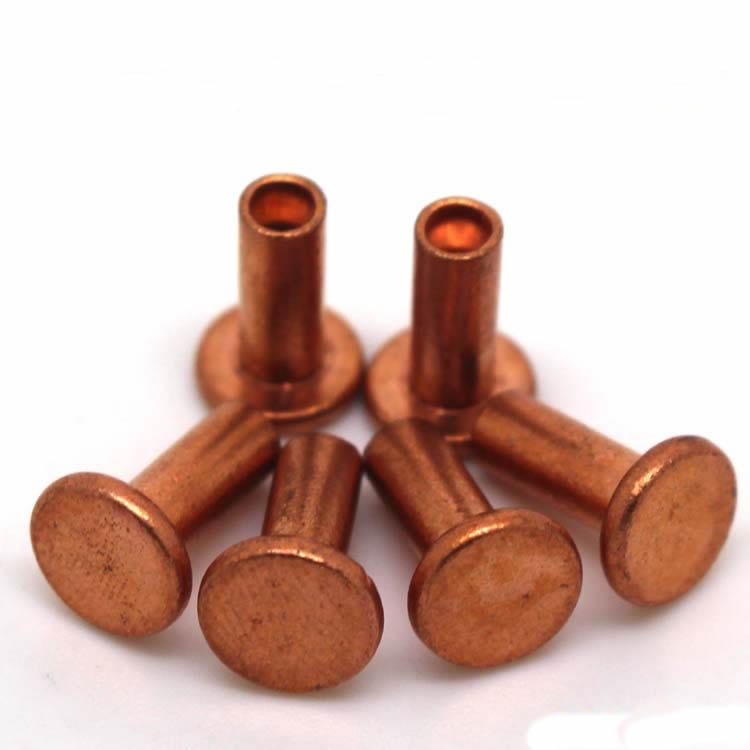
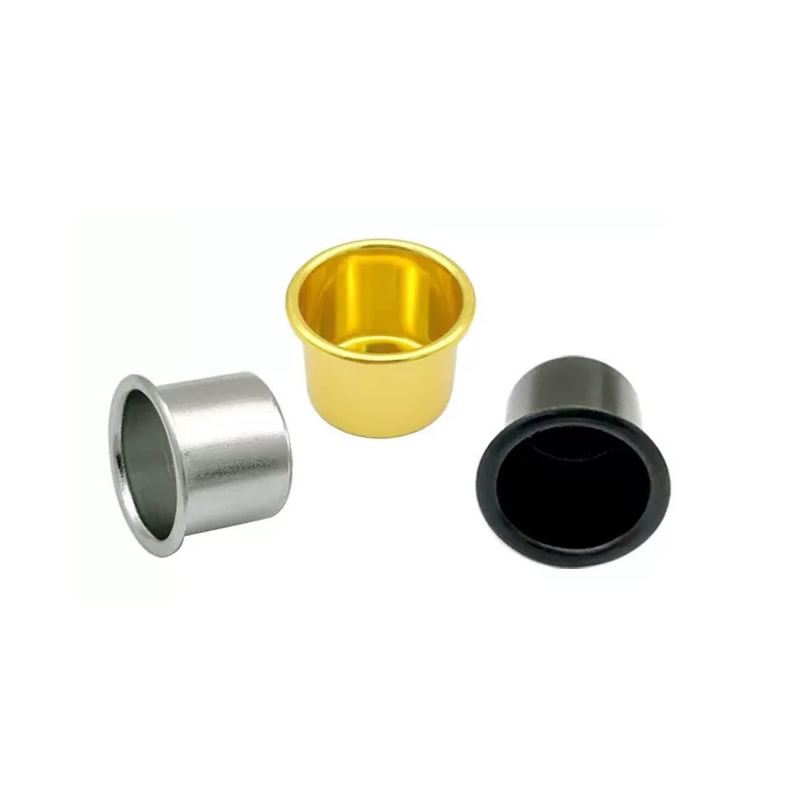
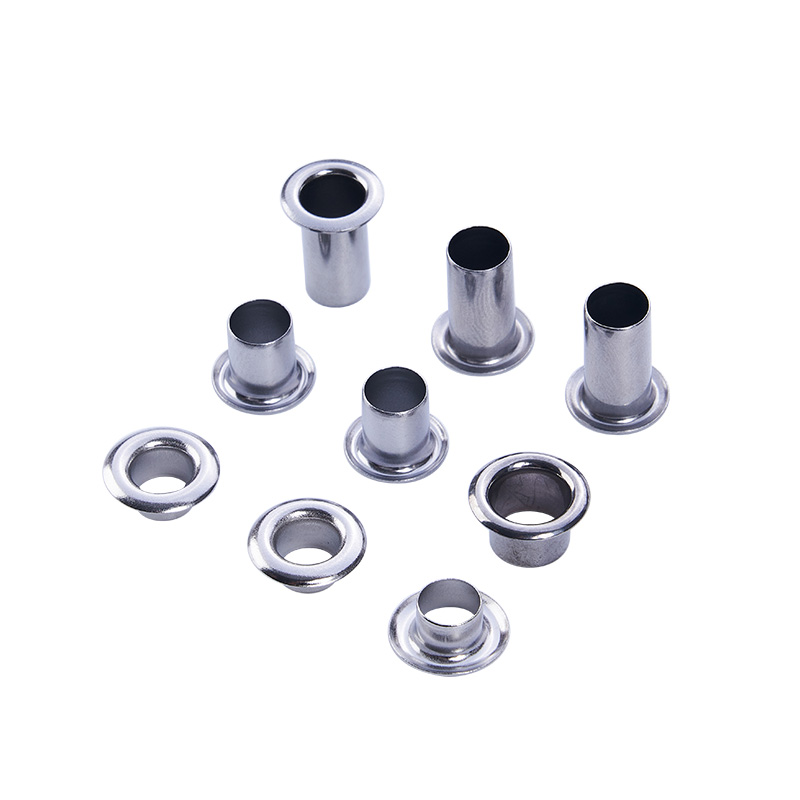
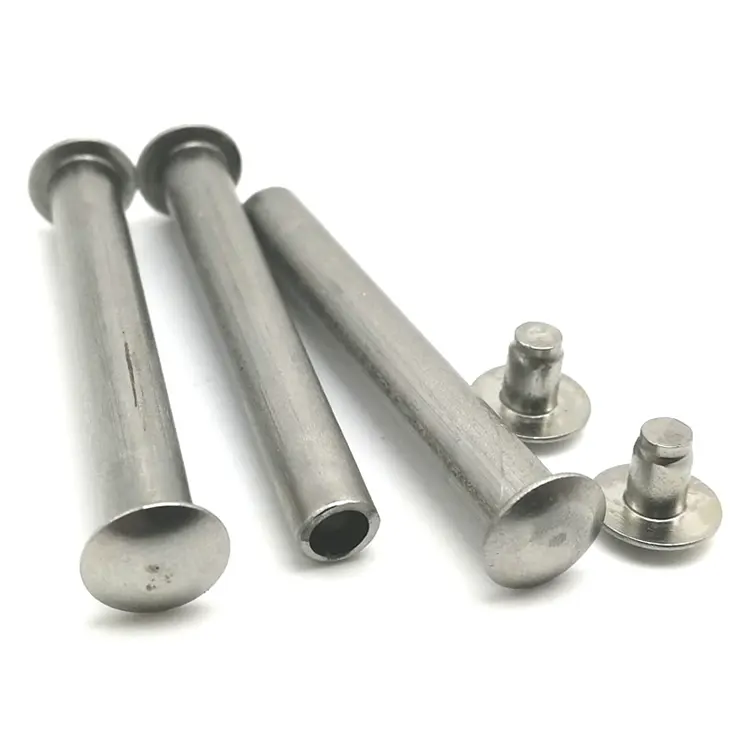
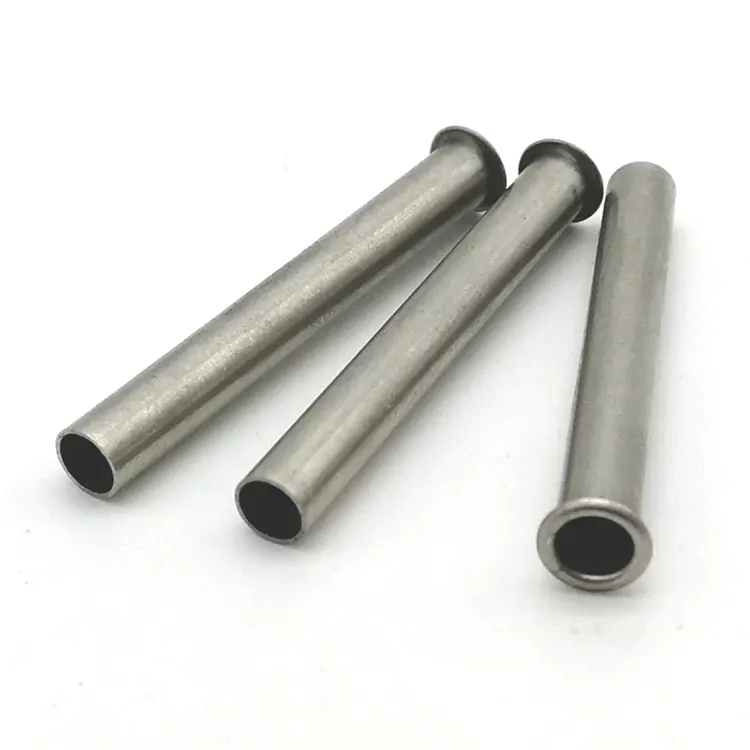
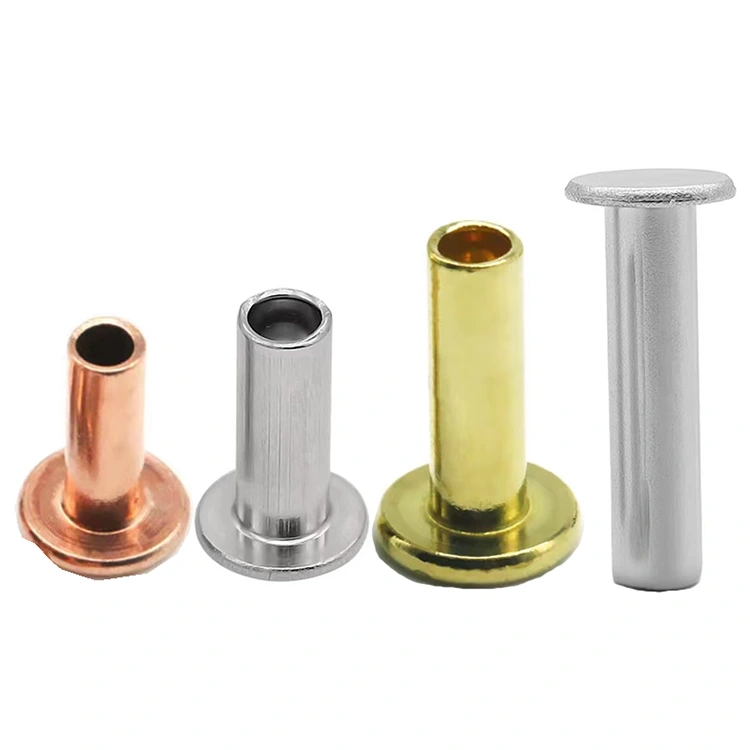
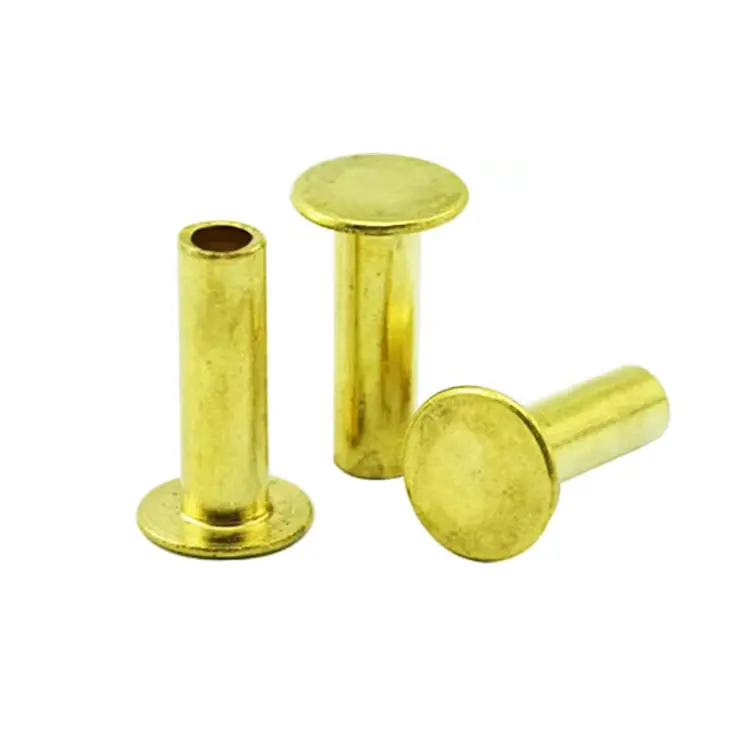
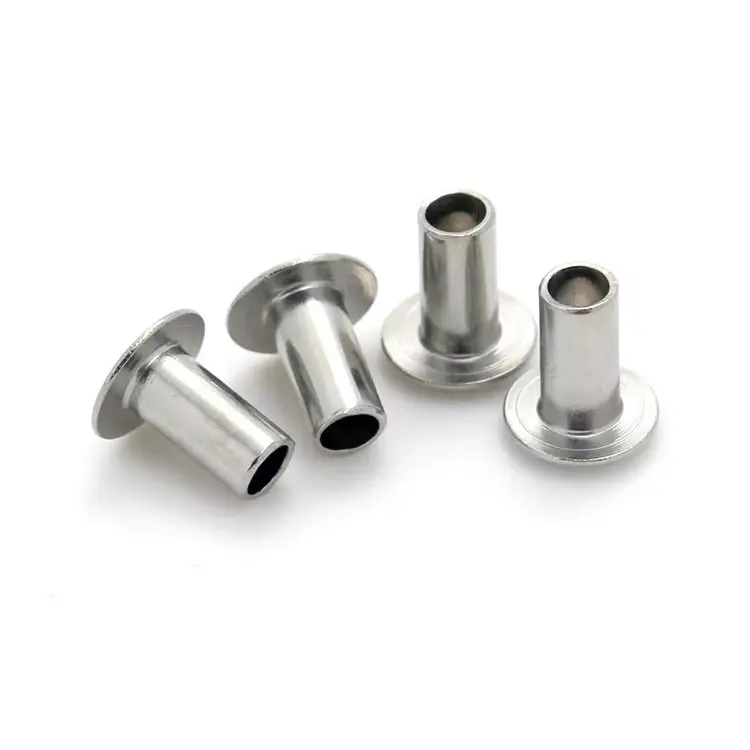
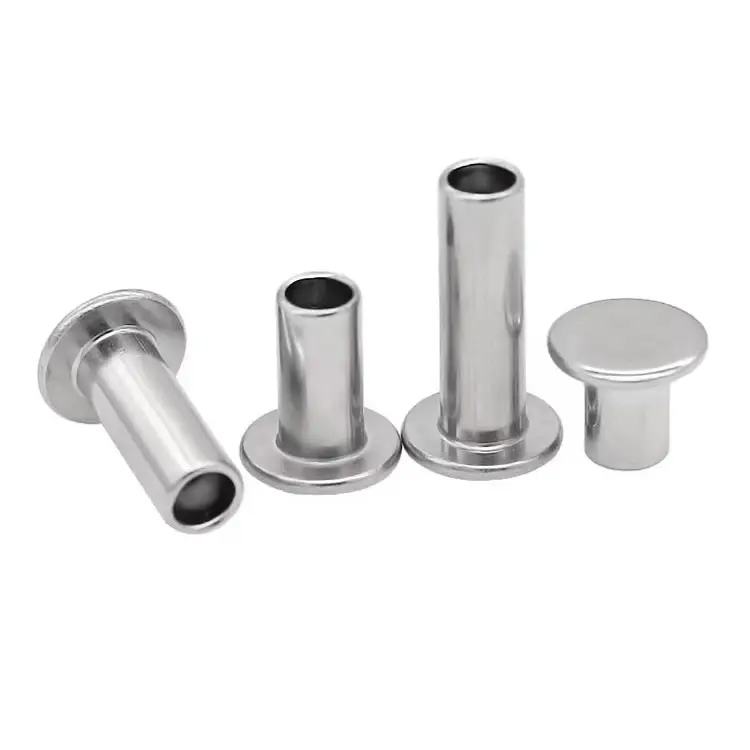
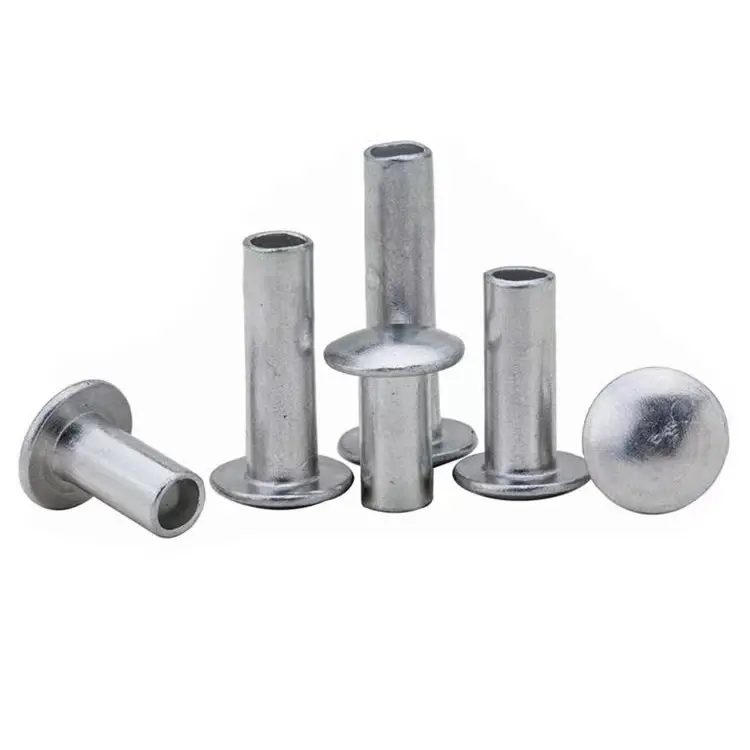
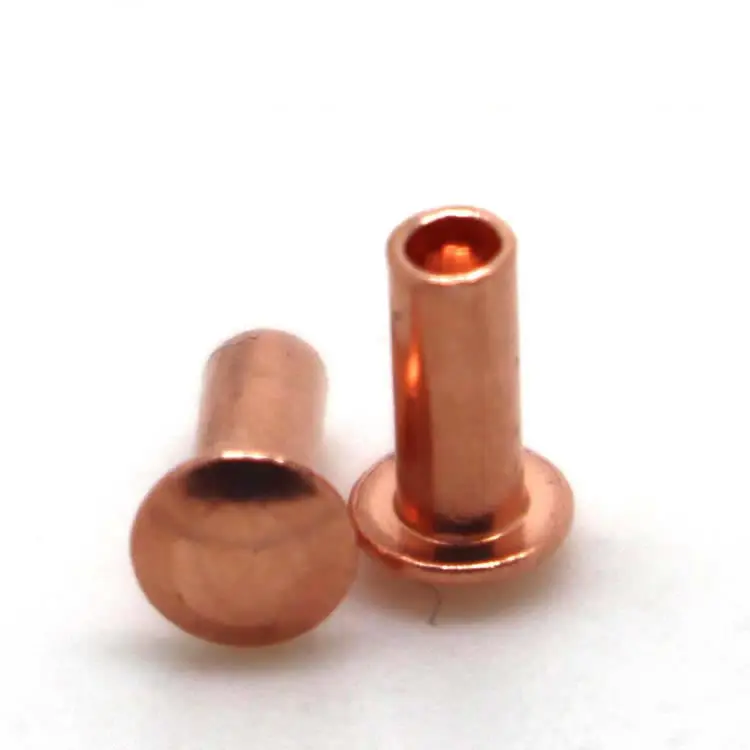
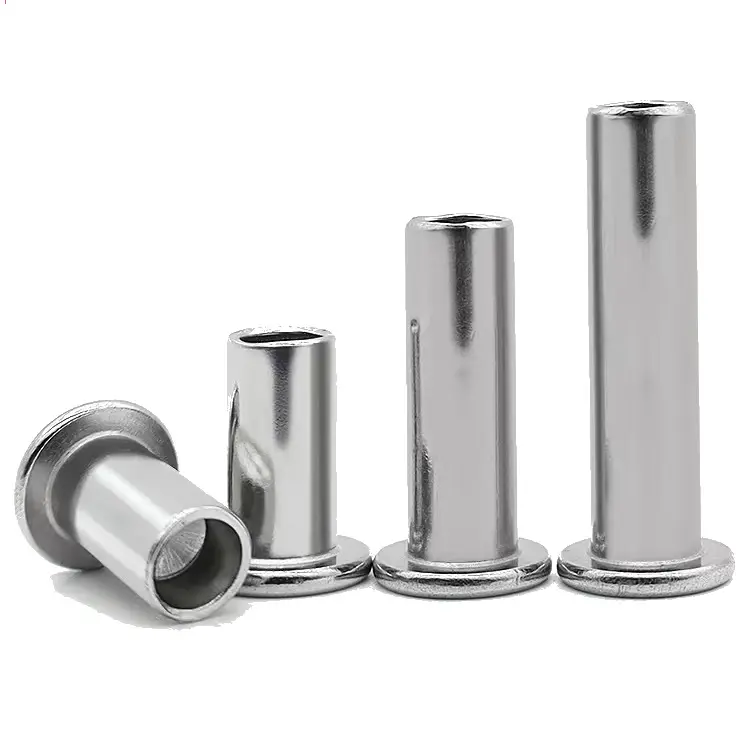
Flat Head Half Hollow Rivets
Riveting is a common method of fastening two or more components together in industrial manufacturing and everyday maintenance. Flat head half hollow rivets is a type of rivet, offer unique design and application advantages. Nuote Metals is a professional manufacturer of flat head half hollow rivets. We are located in Dongguan, China, and we have abundant surface treatment resources and convenient transportation, which reduces the cost of rivet production.
Send Inquiry
Product Description
Some assemblies need a rivet head that stays out of the way. Not flush like a countersunk head, not domed like a round head – just low enough to clear sliding parts, stackable components, and tight clearances.
Flat head half hollow rivets are exactly that. The flat head sits about 0.8–1.2mm above the surface for a 5mm shank – lower than a round head, but without the extra machining step of a countersink.
And because they are half hollow, the shallow cavity at the tail reduces setting force by about 70% compared to a solid rivet. Fast setting, low profile, clean finish.
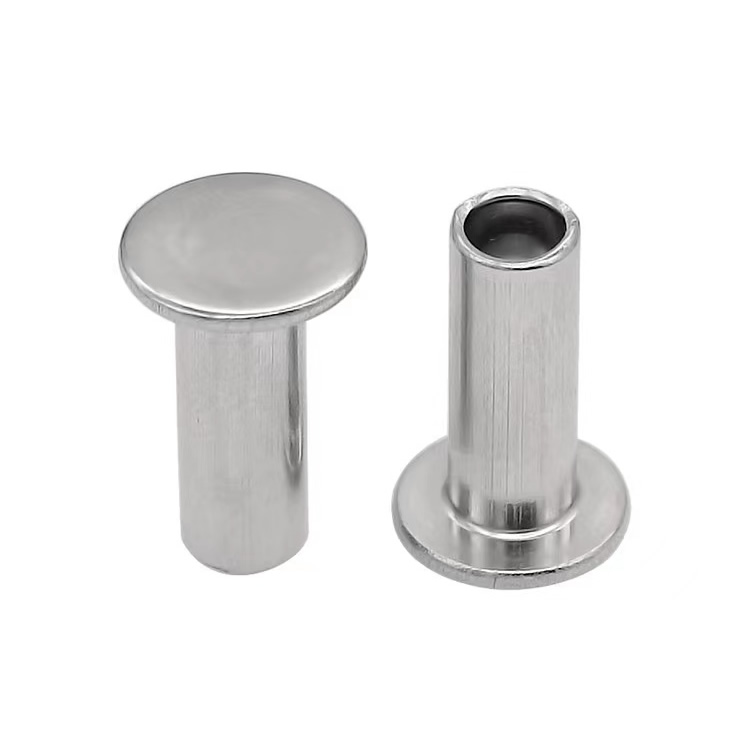
Flat Head vs. Countersunk – Where the Flat Head Fits
| Feature | Flat Head Half Hollow Rivet | Countersunk Head Rivet |
|---|---|---|
| Head profile | Flat, straight sides | Tapered (90° or 100°) |
| Hole preparation | Straight hole only | Straight hole + countersink taper |
| Head protrusion | 0.8–1.2mm (for 5mm shank) | Zero – sits flush or below |
| Machining required | None | Yes – pre‑drilled countersink |
| Best for | Low‑profile, clearance‑limited, sliding surfaces | Flush surfaces, mating parts, aerodynamics |
Choose flat head when: You need a low profile but do not want the extra cost and step of countersinking. The flat head is lower than a round head, but sits proud of the surface – no special hole preparation required.
Flat Head Half Hollow vs. Solid – The Hollow Advantage
| Feature | Flat Head Half Hollow Rivet | Flat Head Solid Rivet |
|---|---|---|
| Tail design | Partially hollow (45–55% of length) | Fully solid |
| Setting force | 25–30% of solid rivet force | 100% |
| Shear strength | 80–90% of solid rivet | 100% |
| Installation speed | Fast, automated | Slower, heavy press |
| Best for | High‑volume, thin materials, pivot points | Structural, maximum strength |
The half hollow design only swells at the tail, making it ideal for pivot points and assemblies where the surrounding material must not be damaged. Flat head half hollow rivets are often used in electronics housings, machinery covers, vehicle panels, and light metal assemblies where a smooth surface matters.
Materials and Finishes – What We Offer
Materials: Carbon steel (zinc‑plated), stainless steel (304/316, passivated), brass (C2680), copper (C11000), aluminum (1100/5052/5056)
Finishes: Zinc‑plated, nickel‑plated, passivated, lacquered, black oxide, plain
One Real Application – Folding Chair Hinge
A manufacturer of folding chairs for event halls was using round head rivets at the scissor‑hinge joints. The round heads protruded 2.5mm above the aluminum tube surface – chairs did not stack flat, and the heads scratched adjacent frames during transport. Flat head rivets were considered, but countersinking was not feasible for high‑volume production. The customer needed a rivet that sat lower than round head but did not require countersinking.
We supplied zinc‑plated steel flat head half hollow rivets – 5.0mm shank, 10.0mm flat head, 10.0mm barrel length. The flat head sat only 0.9mm above the surface – much lower than the round head. The wide 10mm diameter prevented the rivet from tilting in the aluminum hole. No countersinking was added to the assembly line. Chairs stacked cleanly, and scratching complaints dropped by 90%. The customer tested 1,000 rivets across 500 chairs. After 10,000 folding cycles, zero failures. They now order our half hollow rivets in batches of 200,000 pieces annually.

Inside Our Production – 45 Machines, 10+ Years Experience
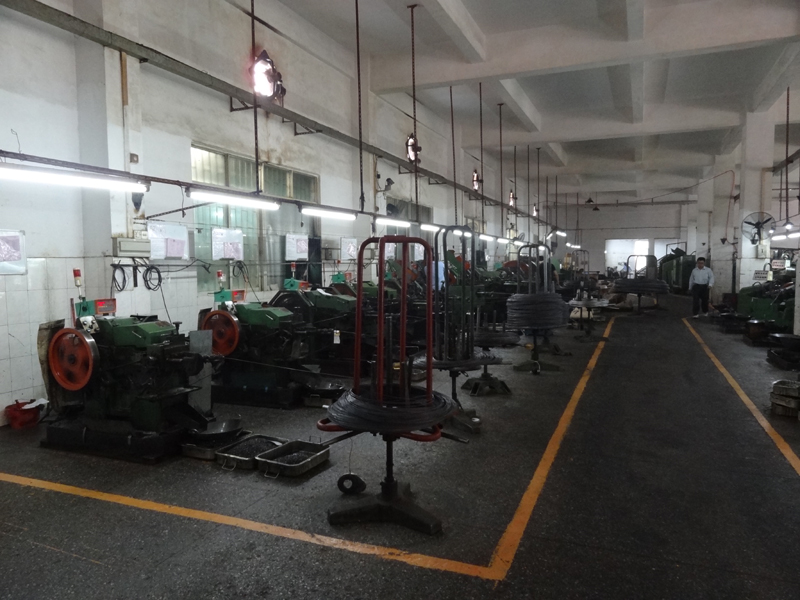
We manufacture flat head half hollow rivets on 45 cold‑heading machines in our Dongguan facility. Capable of producing rivets from 0.8mm to 10mm in diameter.
What we produce: Standard rivets for high‑volume orders, and custom rivets with non‑standard head profiles or lengths.
Who makes them: Our senior technicians have an average of 10+ years of cold‑heading experience.
What we check: Cavity depth, head geometry, shank diameter, hardness – every batch.
Production speed: Up to 400 pieces per minute on standard diameters.
Working with Customers Worldwide

We supply flat head half hollow rivets to manufacturers across North America, Europe, and Asia. Our customers build:
- Folding furniture – Chairs, tables, beds, frames
- Automotive interiors – Trim panels, door assemblies, seat components
- Electronics enclosures – Chassis, control panels, housings
- Appliances – Panel assemblies, hinge points
- Industrial equipment – Machinery guards, control panels
We partner with both small assembly shops and large OEMs – from rapid prototyping to high‑volume production runs. Our strength is flexibility: custom sizes, quick samples, and consistent quality at any volume.
Two Questions We Answer Often
Q: "Can flat head half hollow rivets be used on thin sheet metal or plastic without causing damage?"
A: Yes – the semi‑hollow cavity reduces setting force by about 70%, making them ideal for thin materials, plastics, and delicate assemblies. For the best results, choose a barrel length 1.5–2.0mm longer than your material stack thickness, and use a press rather than a hammer for controlled, even pressure. In the folding chair case above, the flat head half hollow rivets set cleanly on thin aluminum tubing with zero deformation.
Q: "Can I set flat head half hollow rivets with a hand tool, or do I need a pneumatic press?"
A: Both work, but the choice depends on your volume. For low volumes (under 500 rivets), a manual rivet squeezer or a hammer with a setting punch works fine – place the rivet on a steel plate, insert the punch, and strike once. For production volumes (1,000+ rivets), we strongly recommend a pneumatic or hydraulic press – it provides consistent setting force, faster cycles, less operator fatigue, and prevents damage to the flat head. The key requirement: the setting punch must have a flat face to avoid marking the flat head. We can supply matched setting tools for your rivet dimensions – tooling lead time is 5–7 days.
Hot Tags: Flat Head Half Hollow Rivets,Half Hollow Rivets Supplier,Half Hollow Rivets Manufacturer
Related Categories
Send Inquiry
Please feel free to fill your inquiry in the form below. We will reply you in 24 hours.



X
We use cookies to offer you a better browsing experience, analyze site traffic and personalize content. By using this site, you agree to our use of cookies.
Privacy Policy