
Products
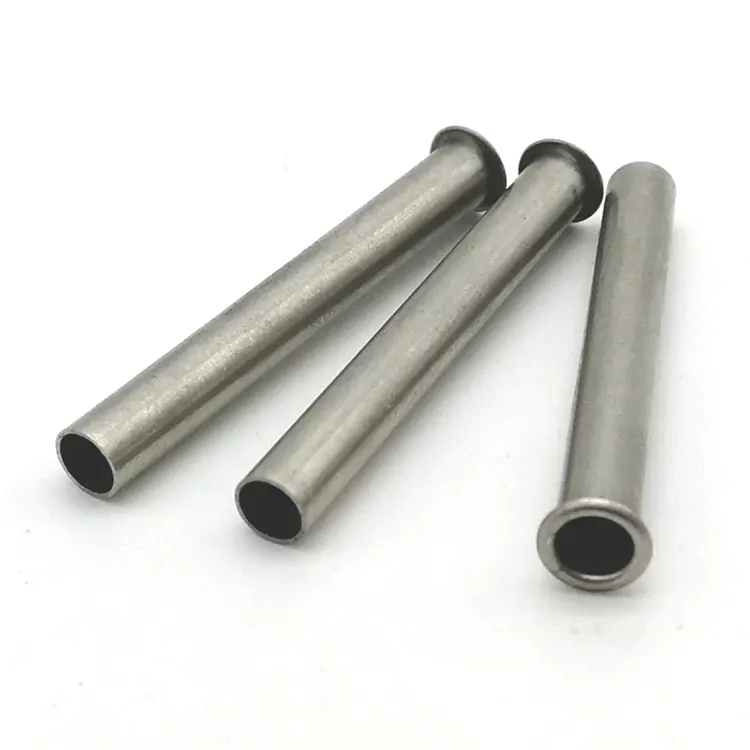
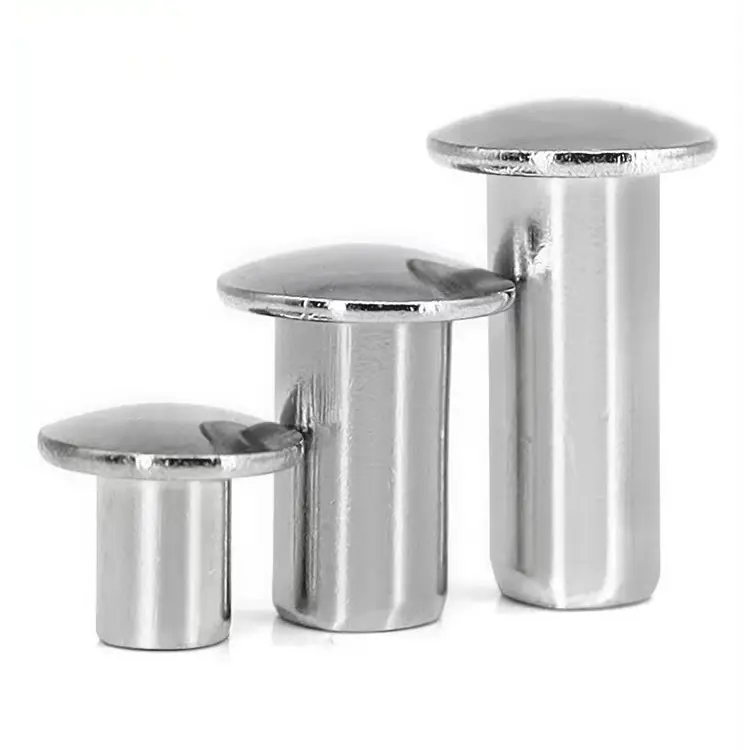
Pan Head Solid Rivets
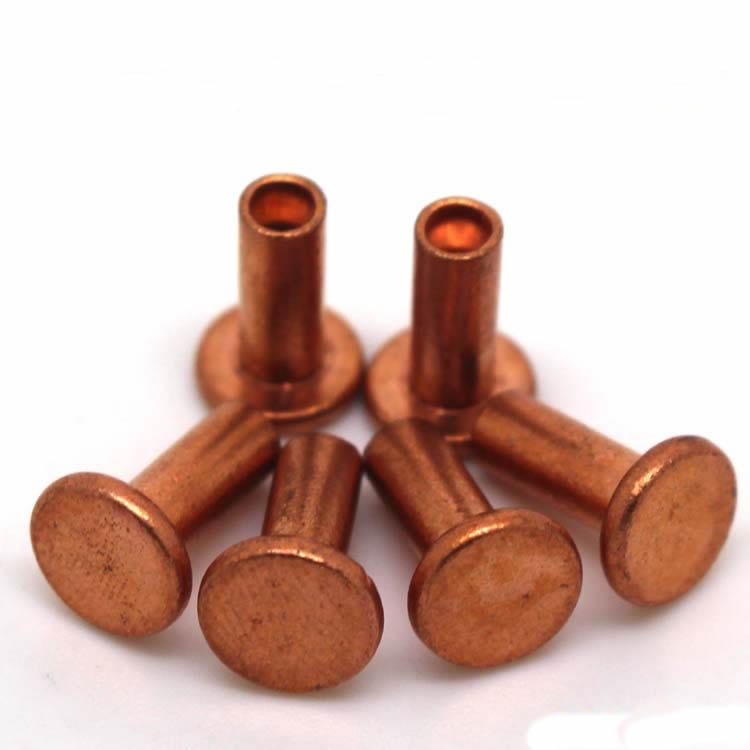
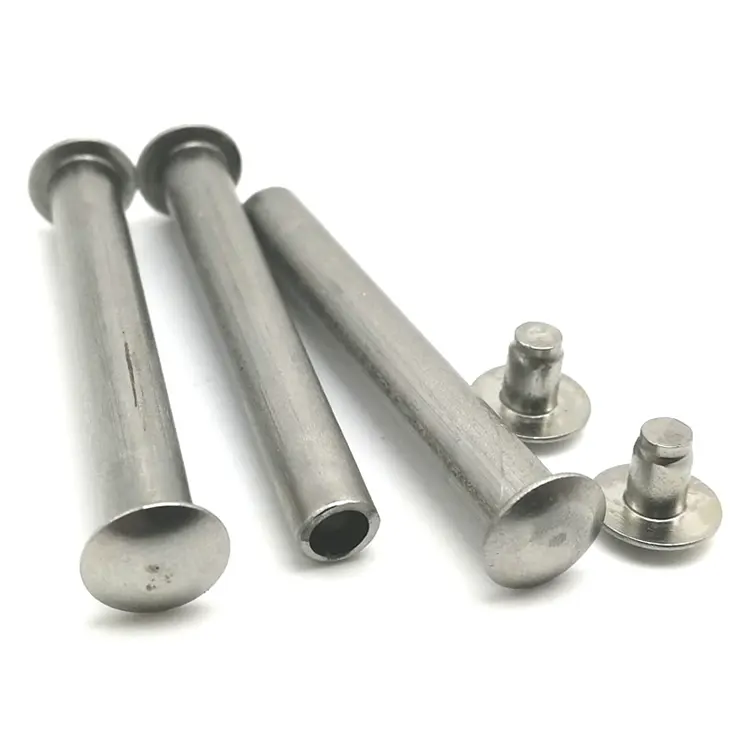
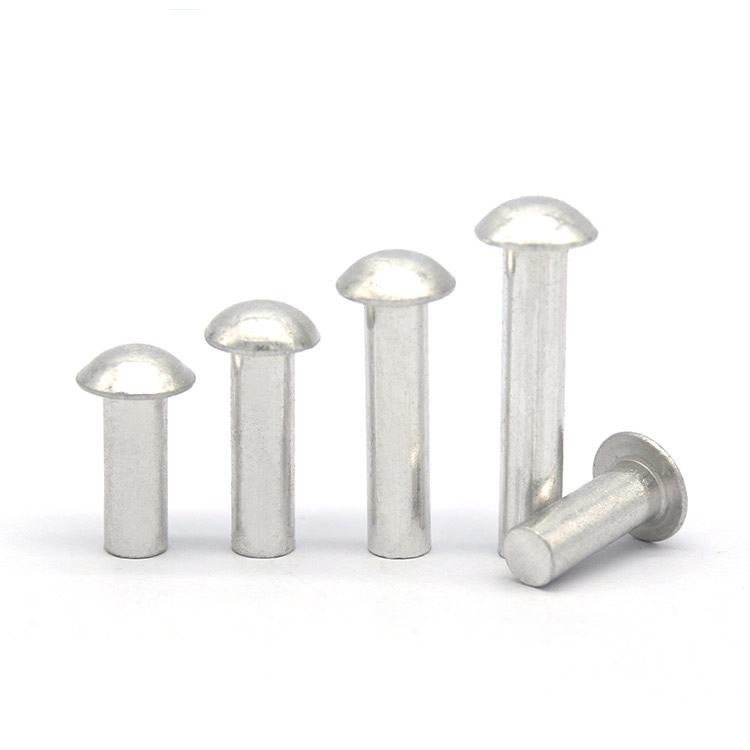
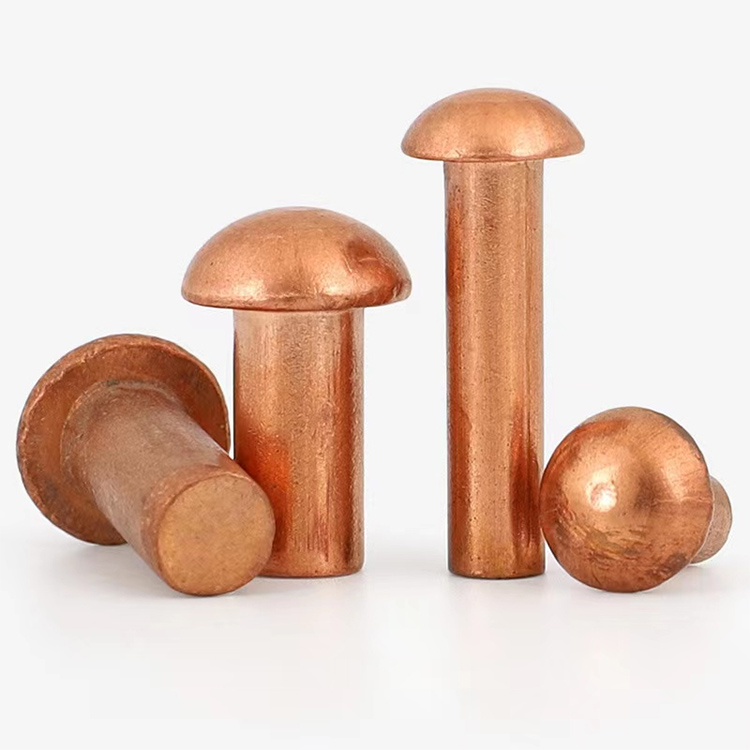
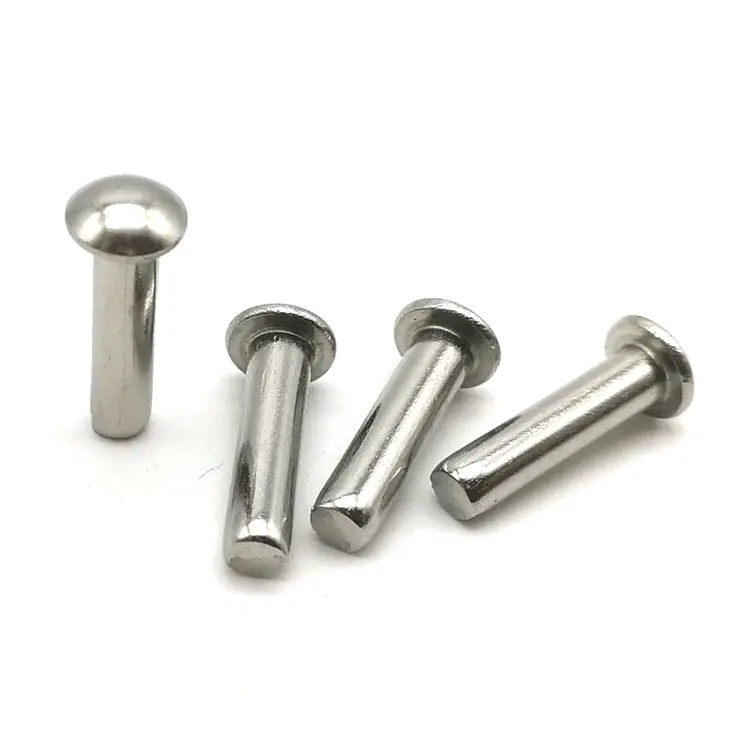
Pan head solid rivets from Nuote Metals – the head style that offers more bearing area than round head and more height than flat head, with a clean, straight sidewall for a finished look. Available in 1.5–8.0mm shank diameters, carbon steel, stainless steel, brass, copper, and aluminum. ISO 9001 certified. Free samples available. Contact us today.
Send Inquiry
Product Description
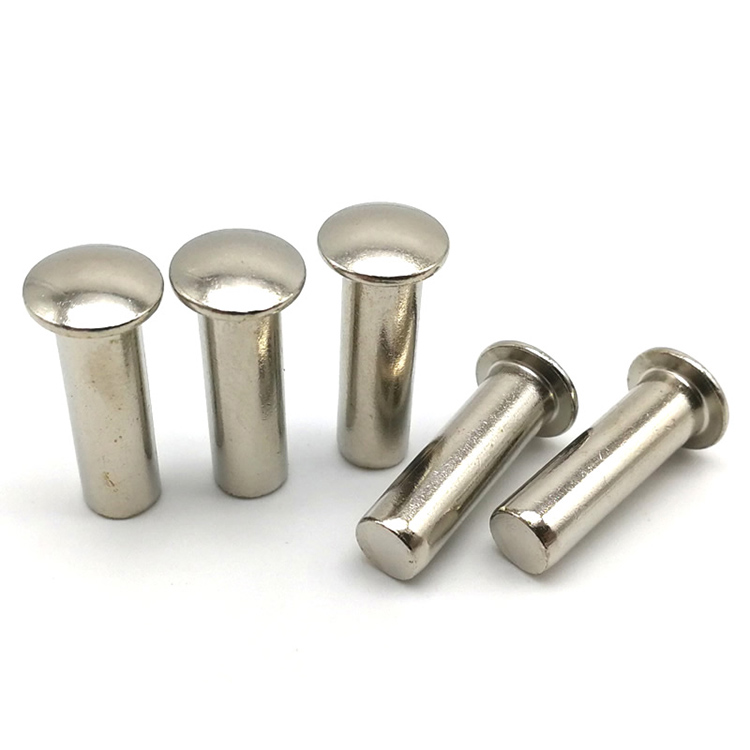
Pan head solid rivets sit between round and flat heads. The short straight sidewall gives them a clean, finished appearance that looks intentional on visible assemblies. If round head looks too industrial and flat head looks too minimal, pan head is the answer.
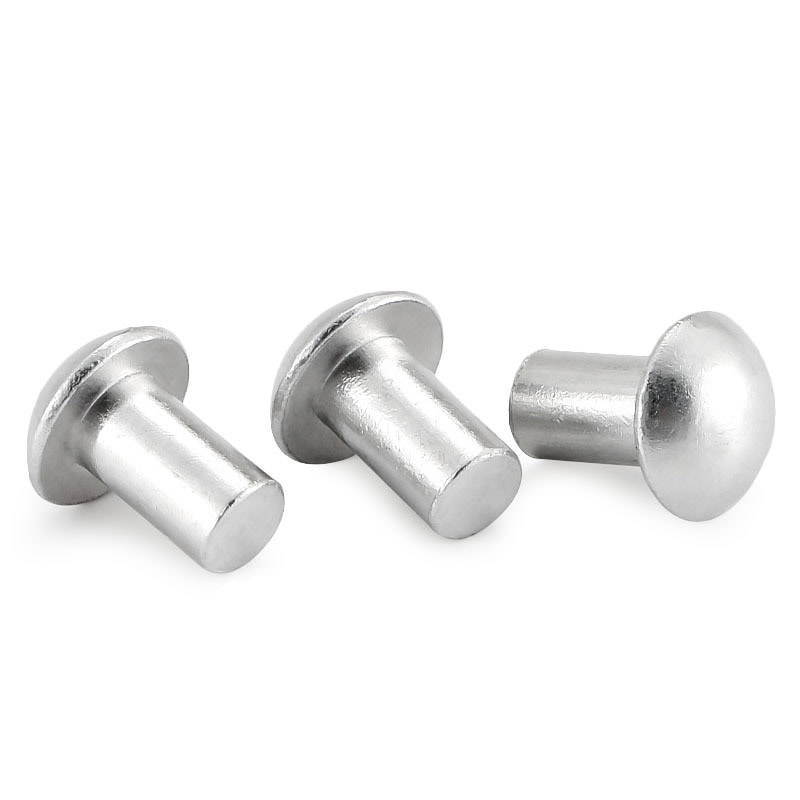
Pan vs. Round vs. Flat – Where It Sits
| Feature | Pan Head Solid Rivets | Round Head Solid Rivets | Flat Head Solid Rivets |
|---|---|---|---|
| Head diameter / shank ratio | 1.8 – 2.2 : 1 | 1.6 – 1.8 : 1 | 2.0 – 2.5 : 1 |
| Head height | Medium (35–40%) | Tall (45–50%) | Low (25–30%) |
| Side profile | Dome + straight wall | Continuous dome | Flat top |
| Best for | Visible assemblies, moderate clearance | Structural, high‑shear | Clearance‑limited |
| Appearance | Clean, finished, professional | Classic, prominent | Nearly flush, industrial |
When to choose pan head: The rivet is visible and appearance matters. You need more bearing area than round head but more head height than flat head.
One Real Application – Coffee Machine Housing
A commercial coffee machine manufacturer needed visible rivets on the outer housing that looked premium – not industrial. Round heads were too bulky, flat heads lacked visual presence. The design team wanted a rivet that would look intentional and finished.
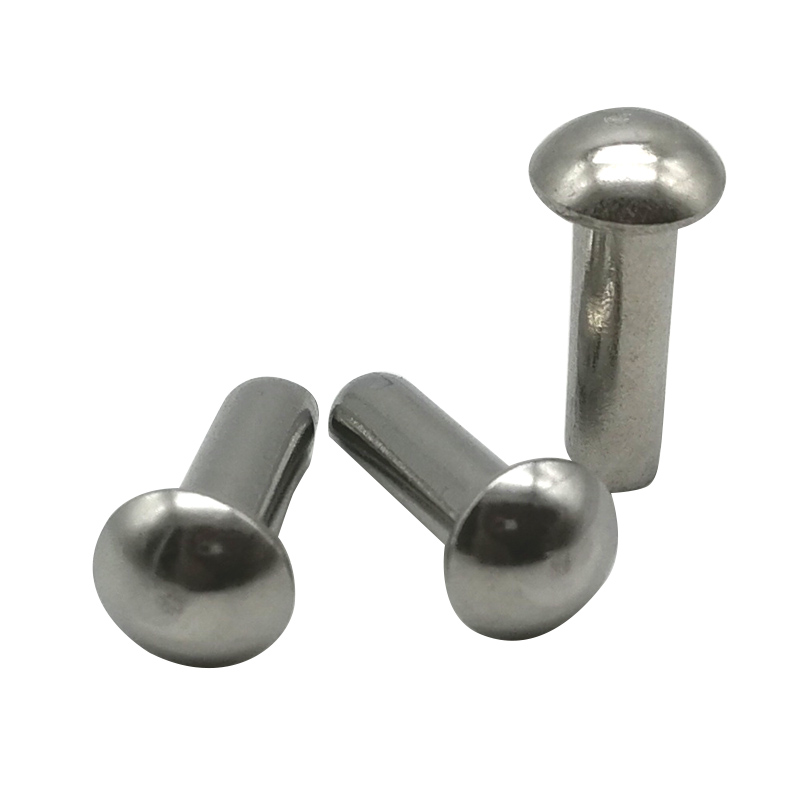
We supplied stainless steel pan head solid rivets – 4.0mm shank, 8.0mm head, 12.0mm length, passivated finish. The straight sidewall gave the housing a clean, finished look. The heads sat consistent and visible – not dominant, not invisible.
What We Offer – Materials & Custom Sizes
| Material | Best For |
|---|---|
| Carbon steel (zinc‑plated / black oxide) | Industrial, cost‑sensitive |
| Stainless steel (SUS304, passivated) | Outdoor, food, medical |
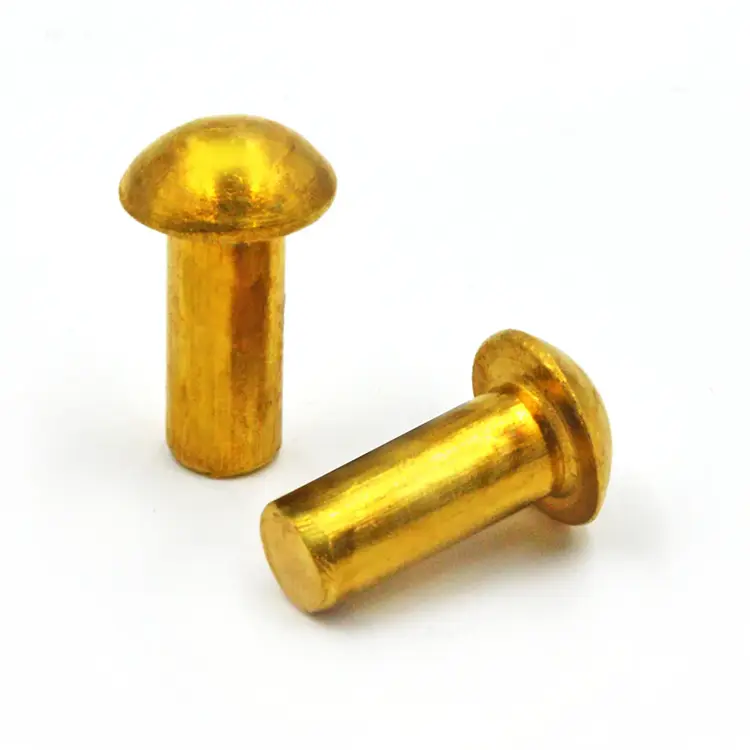
| Brass (C2680) | Decorative, electrical, non‑magnetic |
| Copper (C11000) | Electrical, thermal, antimicrobial |
| Aluminum (5052/5056) | Lightweight, non‑magnetic |
What you provide: shank diameter (1.5–8.0mm), head diameter (we can recommend), overall length (we calculate from your stack thickness), material, and finish.
Length rule for solid rivets: Overall length = material stack thickness + (1.2–1.5 × shank diameter).
Sample lead time: 5–10 days standard; custom tooling: 15–20 days.
The Pan Head Difference – Straight Wall, Clean Finish
The pan head stands out because of the short straight sidewall between the dome and the shank. That straight wall creates a distinct visual line that other head styles do not have.
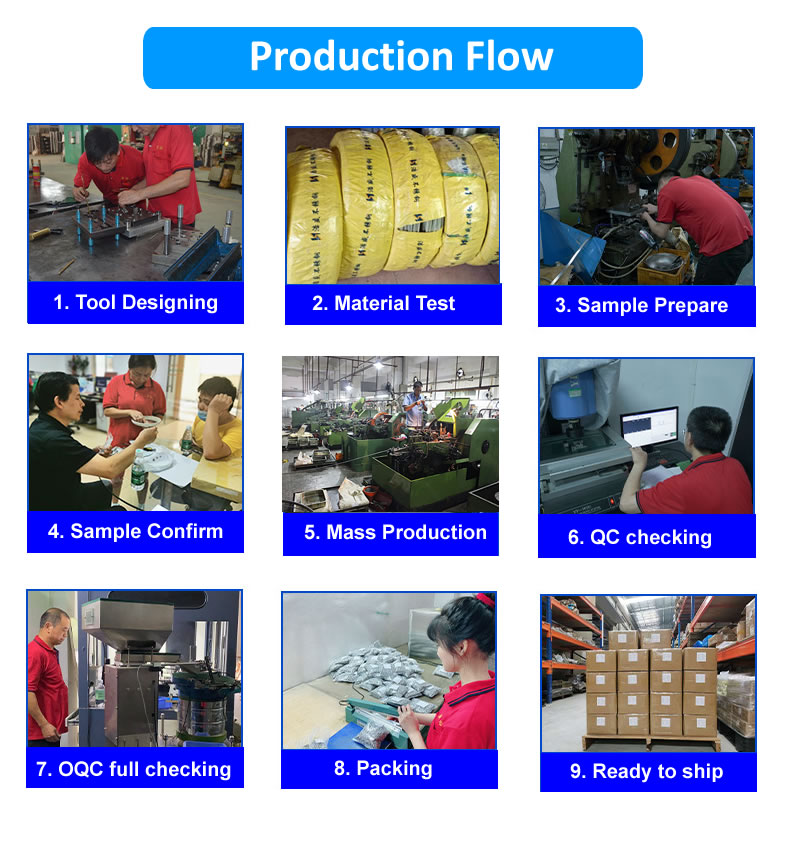
What we control during production:
Wall angle – Straight, not tapered. This creates the clean, finished look.
Crown radius – The top is slightly domed, not completely flat.
Corner radius – Smooth transition from head to shank prevents stress concentration during setting.
What we check:
| Check | Tolerance |
|---|---|
| Shank diameter | ±0.05mm |
| Head diameter | ±0.15mm |
| Head height | ±0.10mm |
| Overall length | ±0.15mm |
| Straight wall | Visual pass/fail |
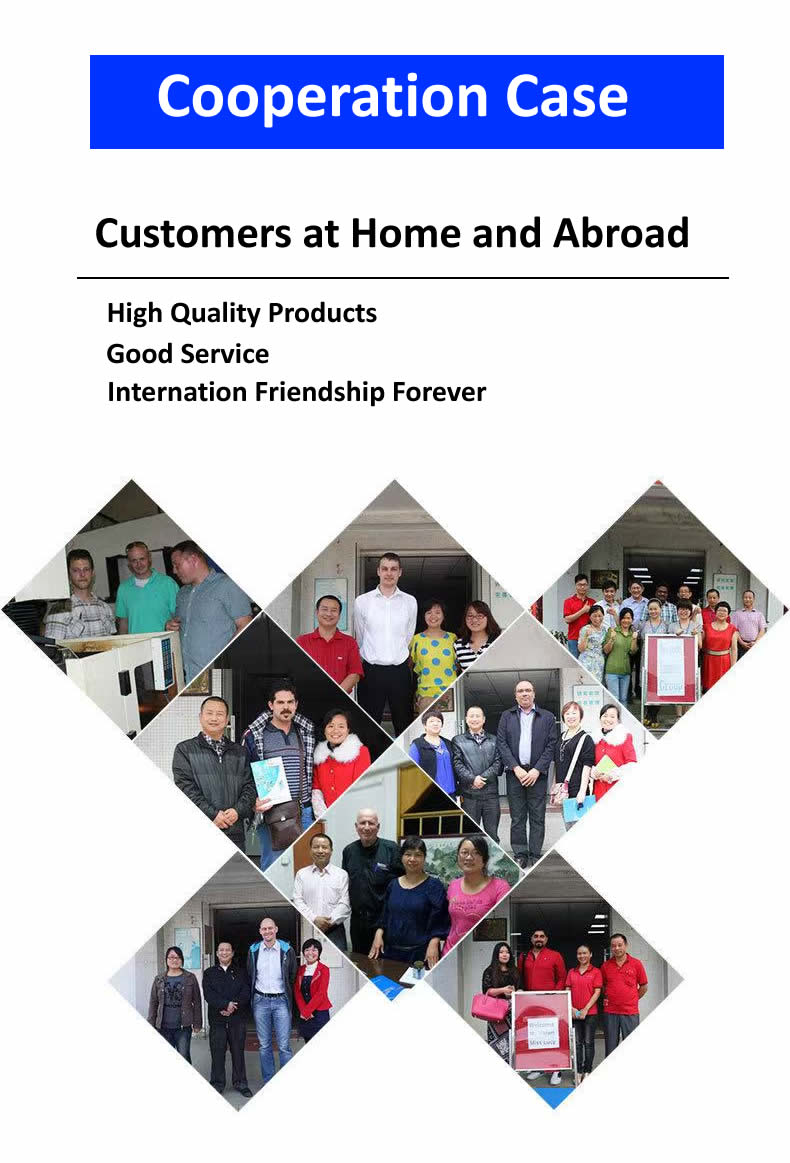
Trusted by Customers Across Industries
Two Questions We Answer Often
Q: "Why would I choose pan head over round head?"
A: Pan head offers a cleaner, more finished look on visible assemblies. The straight sidewall creates a distinct visual line that round head does not have – it looks intentional and designed, not just functional. Pan head also provides a wider bearing surface than round head (1.8–2.2× shank vs 1.6–1.8×), which means less pull‑through risk. Choose pan head when the rivet is visible and appearance matters.
Q: "Is pan head solid rivets available in all materials?"
A: Yes – carbon steel, stainless steel, brass, copper, and aluminum. For the coffee machine case, the customer chose stainless steel because the housing was exposed to moisture and needed a clean, corrosion‑resistant finish. Brass is popular for decorative hardware and furniture. Carbon steel is the most cost‑effective choice for industrial applications where appearance still matters.
Hot Tags: Pan Head Solid Rivets,Pan Head Solid Rivets Supplier,China Pan Head Solid Rivets
Product Tag
Related Categories
Send Inquiry
Please feel free to fill your inquiry in the form below. We will reply you in 24 hours.



X
We use cookies to offer you a better browsing experience, analyze site traffic and personalize content. By using this site, you agree to our use of cookies.
Privacy Policy