
Products
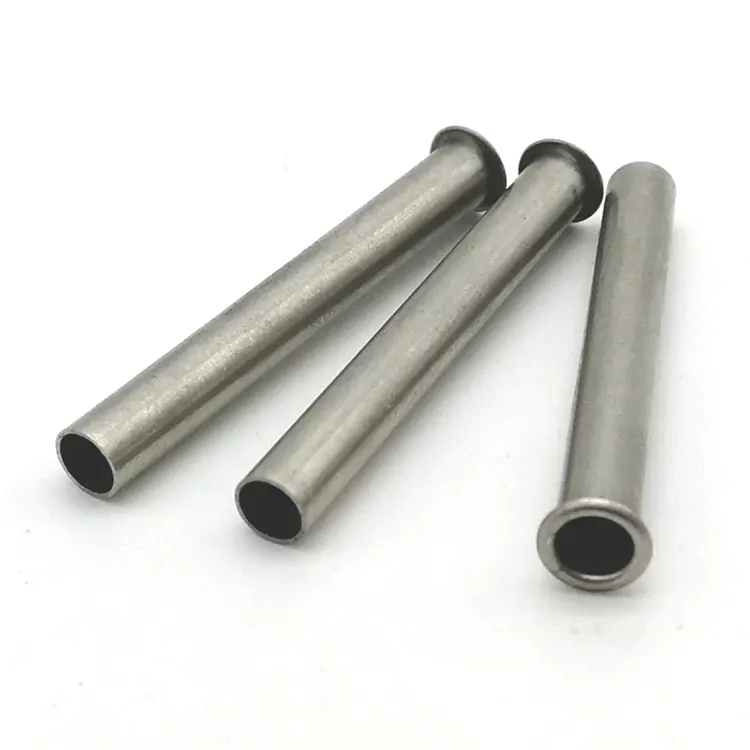
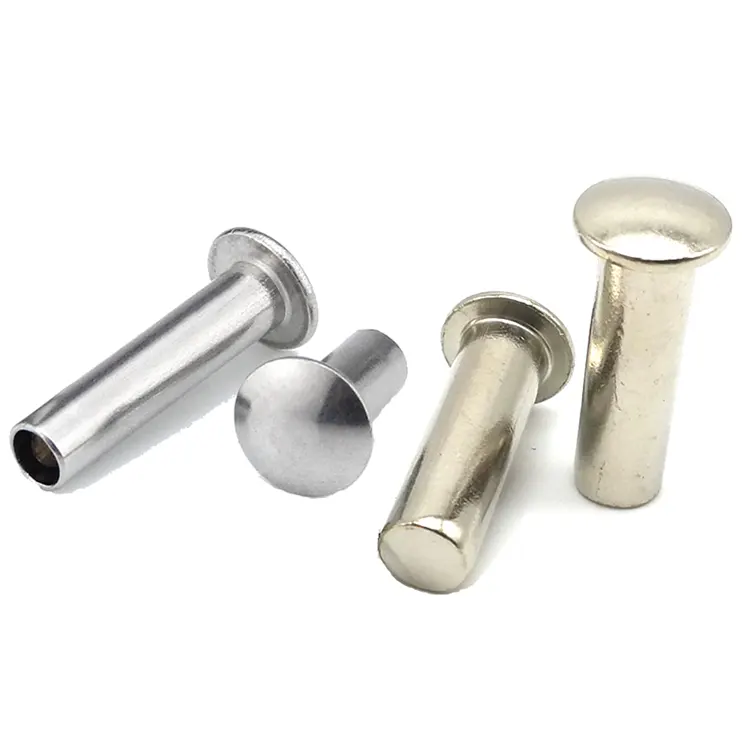
Steel Pan Head Rivets
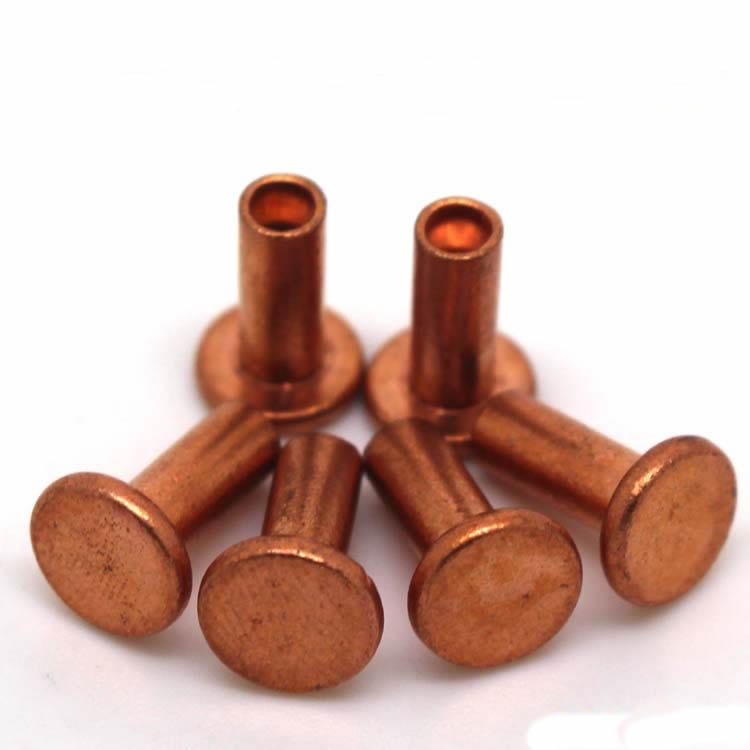
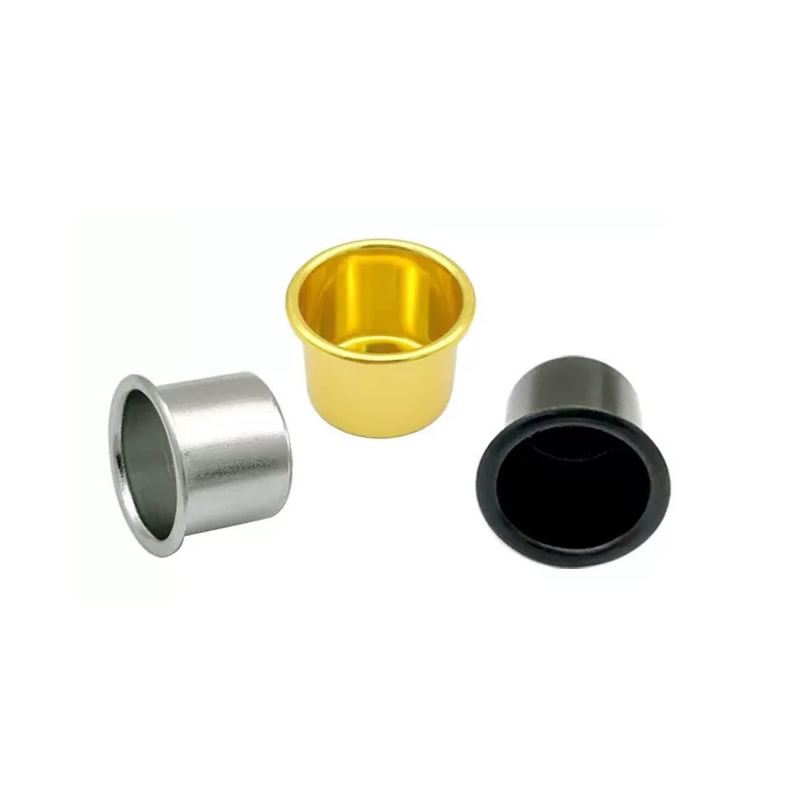
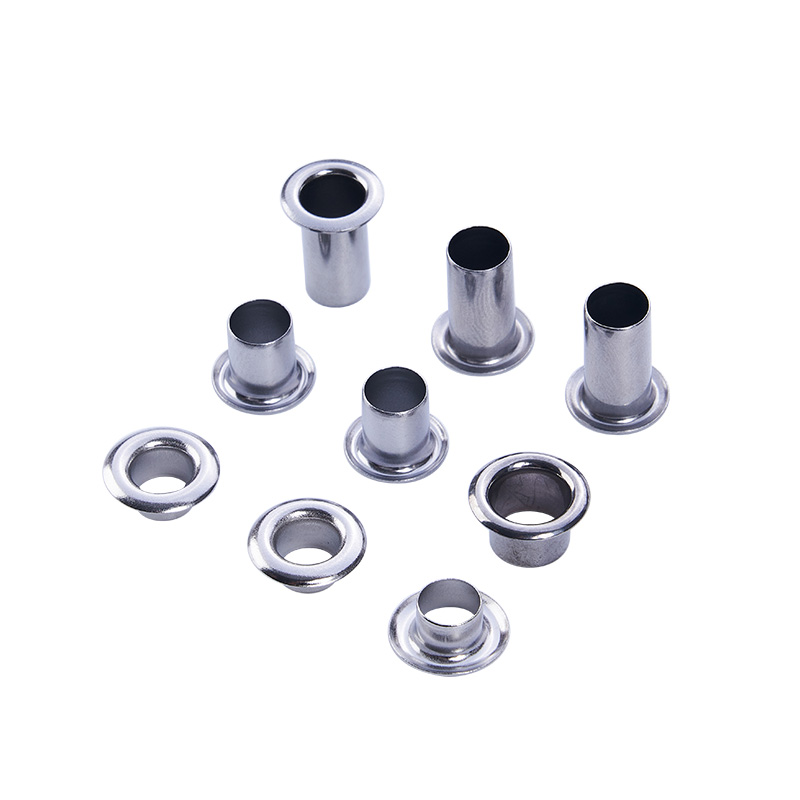
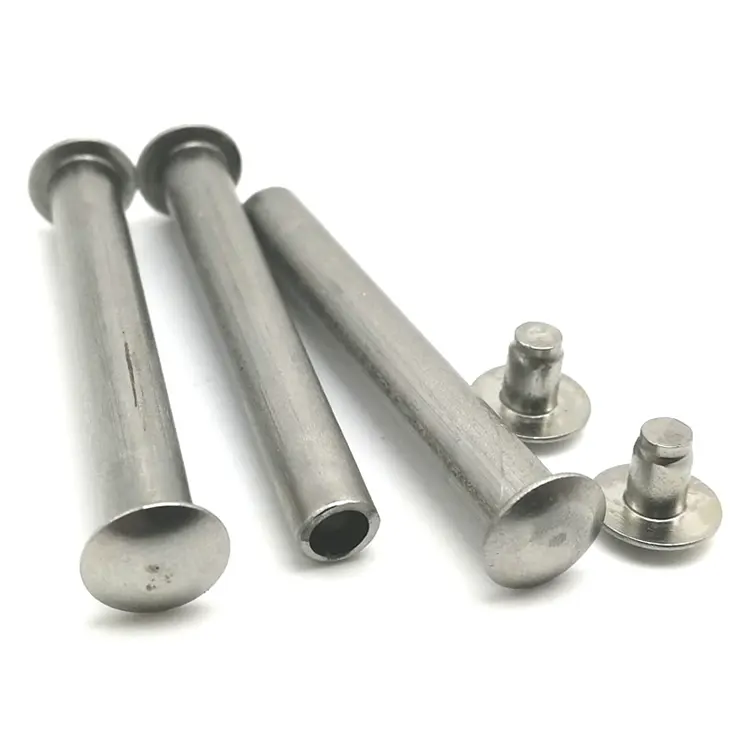
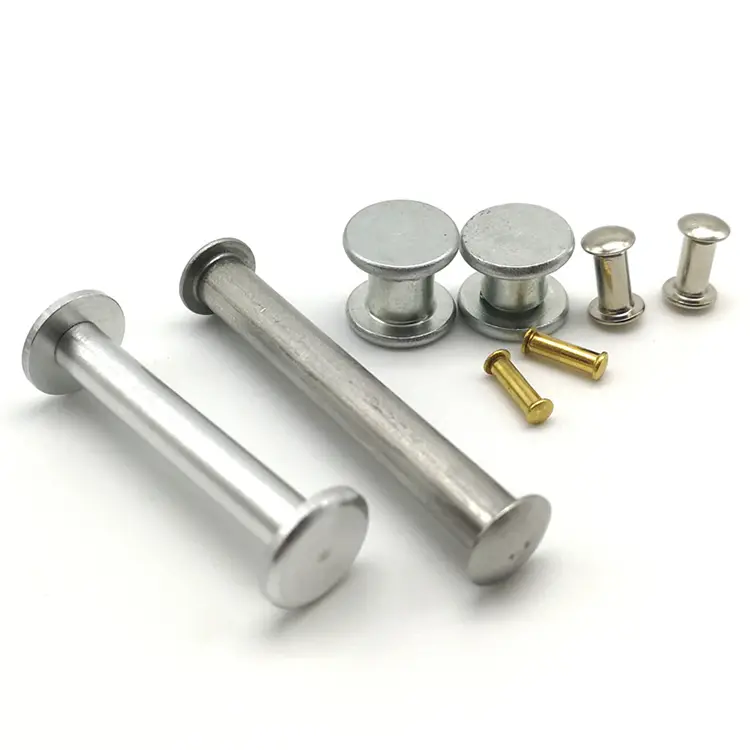
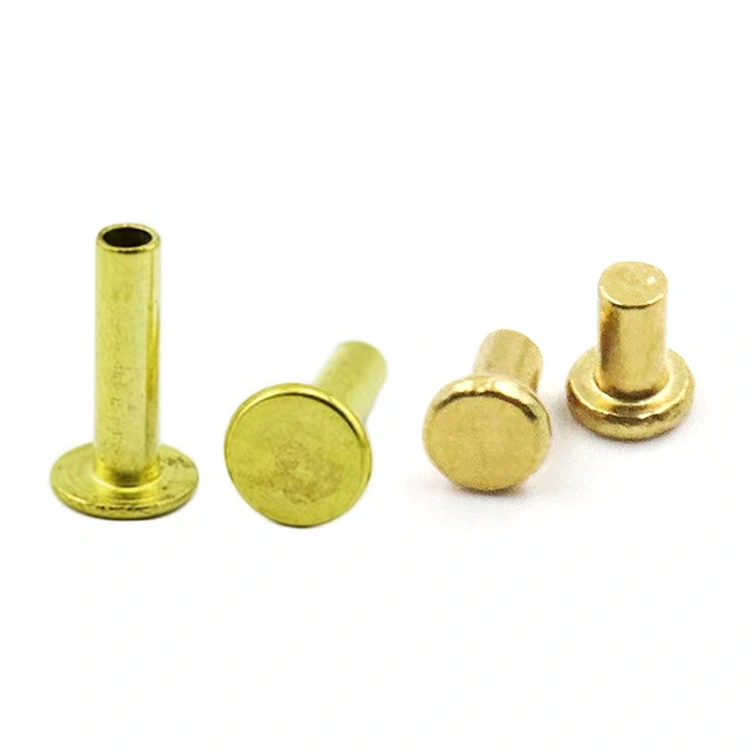
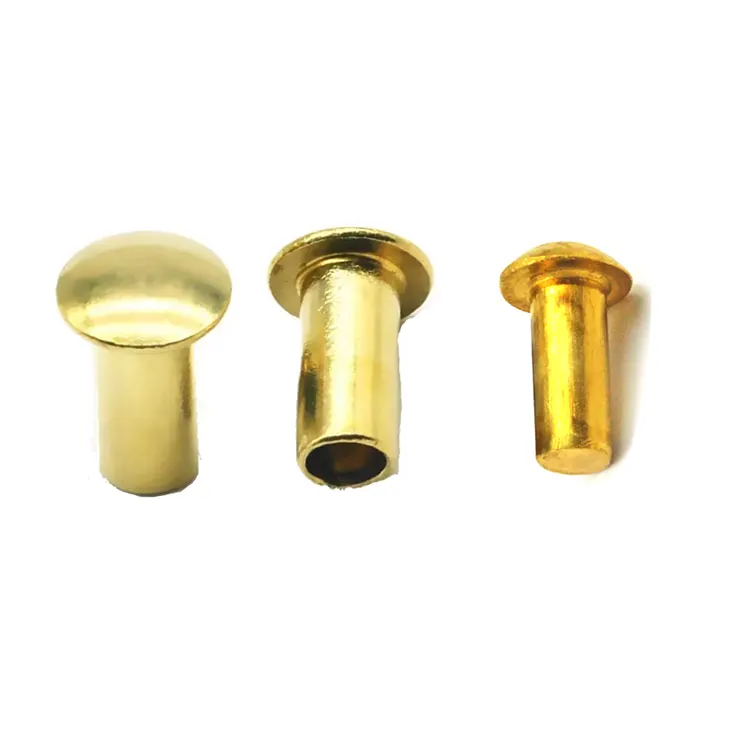
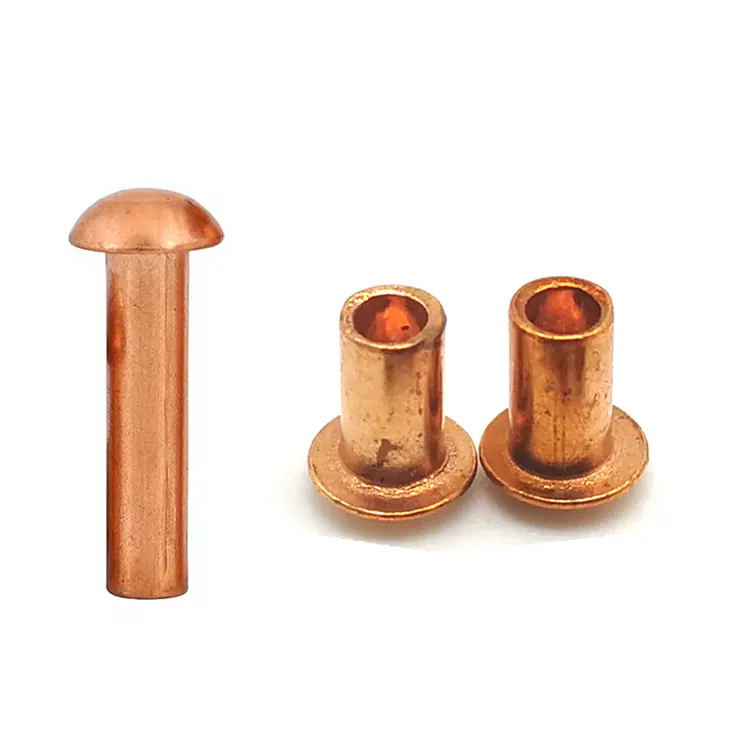
Steel pan head rivets are a common industrial fastener used in a wide range of applications, including automotive, aviation, and construction. Nuote Metals specializes in the production of steel pan head rivets, which are sold worldwide. We offer a wide range of rivets made of various materials, including brass, stainless steel, aluminum, and copper. We can also customize our products with various surface treatments, such as electroplating, pickling, and anodizing, to meet customer requirements.
Send Inquiry
Product Description
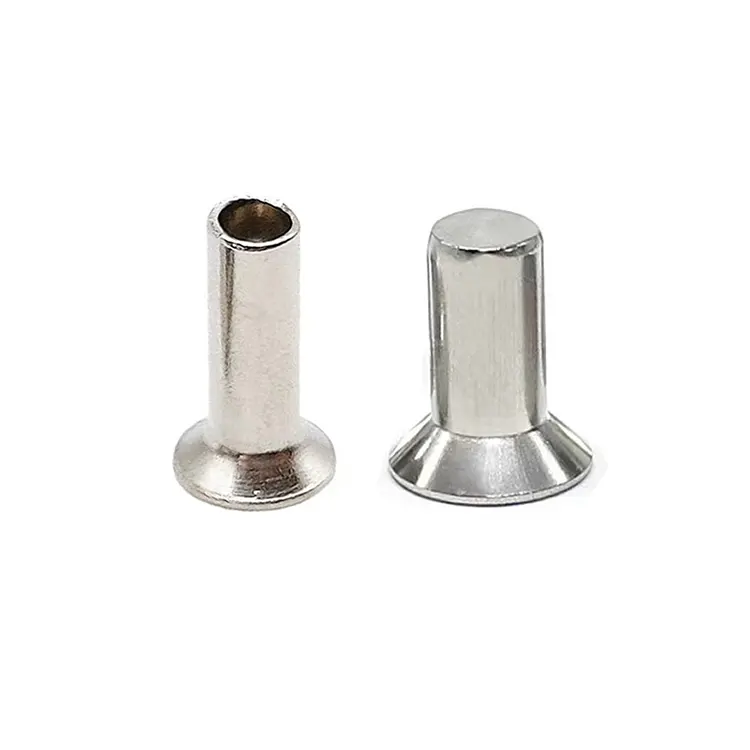
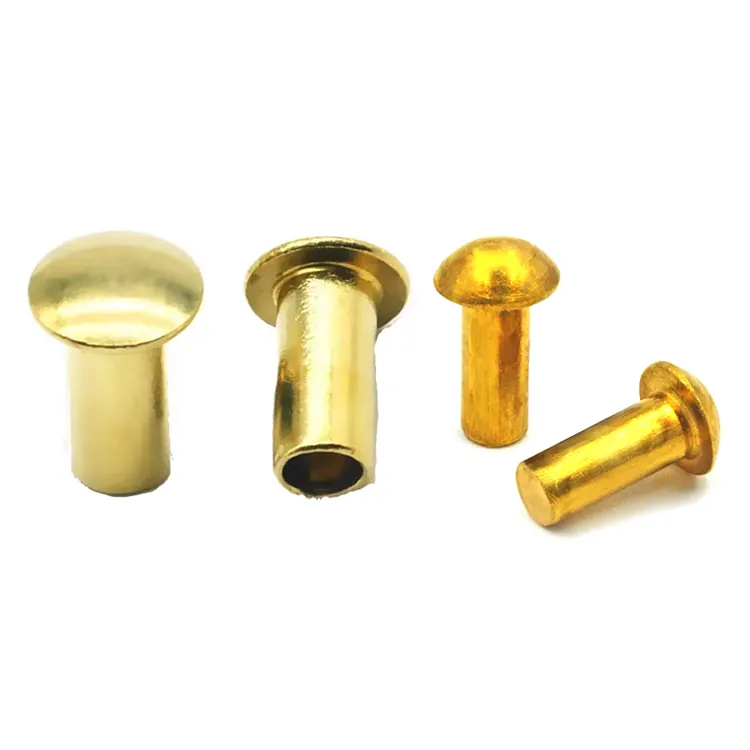
Steel pan head rivets are what you specify when a round head looks too industrial and a flat head looks too minimal. The straight sidewall gives them a clean, finished appearance that looks intentional on visible assemblies. They have a wider bearing surface than round heads – 1.8–2.2 times the shank diameter versus 1.6–1.8 – and a lower profile.
Made from low‑carbon steel, they offer the highest strength‑to‑cost ratio of any pan head rivet material. Available in both solid and semi‑tubular designs, you can choose the version that matches your strength requirements and production speed.
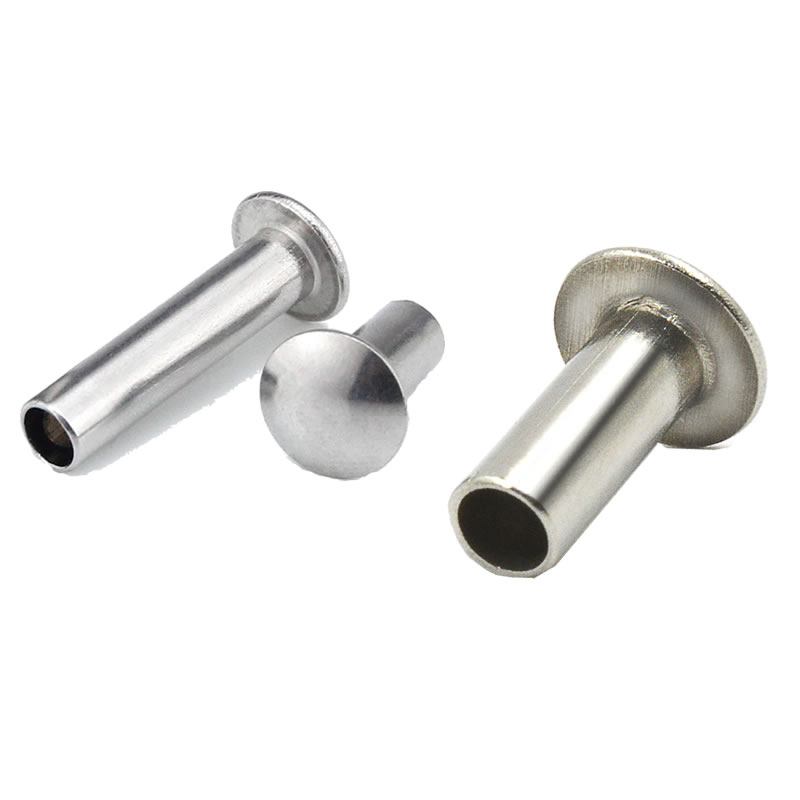
Pan Head vs. Round Head – The Straight Wall Difference
| Feature | Steel Pan Head Rivet | Steel Round Head Rivet |
|---|---|---|
| Head diameter / shank ratio | 1.8 – 2.2 : 1 | 1.6 – 1.8 : 1 |
| Head height | Medium (35–40%) | Tall (45–50%) |
| Side profile | Dome + straight wall | Continuous dome |
| Appearance | Clean, finished, intentional | Classic, industrial |
| Best for | Visible assemblies, moderate clearance | Metal‑to‑metal, high shear |
The pan head is the "designed" rivet. The straight wall is a visual signal that the fastener was chosen deliberately – not just grabbed off the shelf. If you look at commercial equipment, industrial machinery, and heavy‑duty hardware, you will see pan head rivets used as design elements, not just functional fasteners.
Choose pan head when: The rivet will be visible and appearance matters. You need more bearing area than a round head but more head height than a flat head. Clearance is moderate – not tight enough for flat head, not open enough for round head.
Solid vs. Semi‑Tubular – Which Design Do You Need?
| Feature | Steel Pan Head Solid Rivet | Steel Pan Head Semi‑Tubular Rivet |
|---|---|---|
| Tail design | Fully solid | Partially hollow (45–55% of length) |
| Setting force | 100% | 25–30% of solid |
| Shear strength | Maximum (100%) | 80–90% of solid |
| Installation speed | Slower, heavy press | Fast, automated |
| Best for | Structural, maximum strength, high‑load | High‑volume, thin materials, fast assembly |
Choose solid for structural joints where maximum strength is required. Choose semi‑tubular for high‑volume production, thin materials, and faster assembly lines.
One Real Application – Commercial HVAC Air Handler Housing
A manufacturer of commercial HVAC air handlers needed visible fasteners for assembling the outer housing panels. The panels were powder‑coated and visible to building maintenance staff – the rivets had to look professional and intentional. Round heads were too bulky. Flat heads lacked visual presence. The design team wanted a rivet that would look like it was meant to be seen.
We supplied zinc‑plated steel pan head semi‑tubular rivets – 4.0mm shank, 8.0mm head, 10.0mm barrel length. The straight sidewall gave the housing a clean, finished look. The pan head sat lower than a round head, clearing the internal components. The semi‑tubular cavity cut setting force from 3.5 tons to 1.0 ton – no deformation of the thin panels. The zinc plating provided corrosion protection for the HVAC environment. The customer tested 500 rivets across 100 units. After field testing, no loosening, no complaints. They now order steel pan head rivets in batches of 200,000 pieces annually.
Materials and Finishes – What We Offer
Material: Low‑carbon steel (1008 / Q195 / SPCC). Tensile strength: 400–500 MPa. Low‑carbon steel offers excellent formability and the highest strength‑to‑cost ratio of any rivet material.
Available finishes:
| Finish | Appearance | Corrosion Protection | Best For |
|---|---|---|---|
| Plain (uncoated) | Raw steel | None | Indoor, dry environments |
| Zinc‑plated (clear) | Silver | 48 hrs salt spray | Indoor general use |
| Zinc‑plated (yellow) | Gold tint | 96 hrs salt spray | Sheltered outdoor |
| Nickel‑plated | Bright silver | 96 hrs salt spray | Consumer products, visible hardware |
| Black oxide | Matte black | 24 hrs salt spray | Anti‑glare, industrial |
If your application is continuously wet or in a coastal environment, we recommend switching to stainless steel pan head rivets. For everything else, steel with the right finish works.
About Nuote Metals – Who We Are and What We Make
We are a Dongguan‑based fastener manufacturer with over a decade of experience in cold heading. Our facility runs 45 cold‑heading machines capable of producing rivets from 0.8mm to 10mm in diameter, in both solid and semi‑tubular designs.
What we hold:
- Tolerances – ±0.05mm on standard rivet dimensions
- Stock – over 3,000 different sizes, from 0.8mm to 10mm shank diameter
- Lead time – 3–5 days for stocked sizes; 15–25 days for custom orders
- Quality – 100% inspected before shipment
- Certification – ISO 9001:2015
We ship to manufacturers across North America, Europe, Asia, and beyond.
Why Customers Choose Us – Real Feedback and Quality You Can Trust
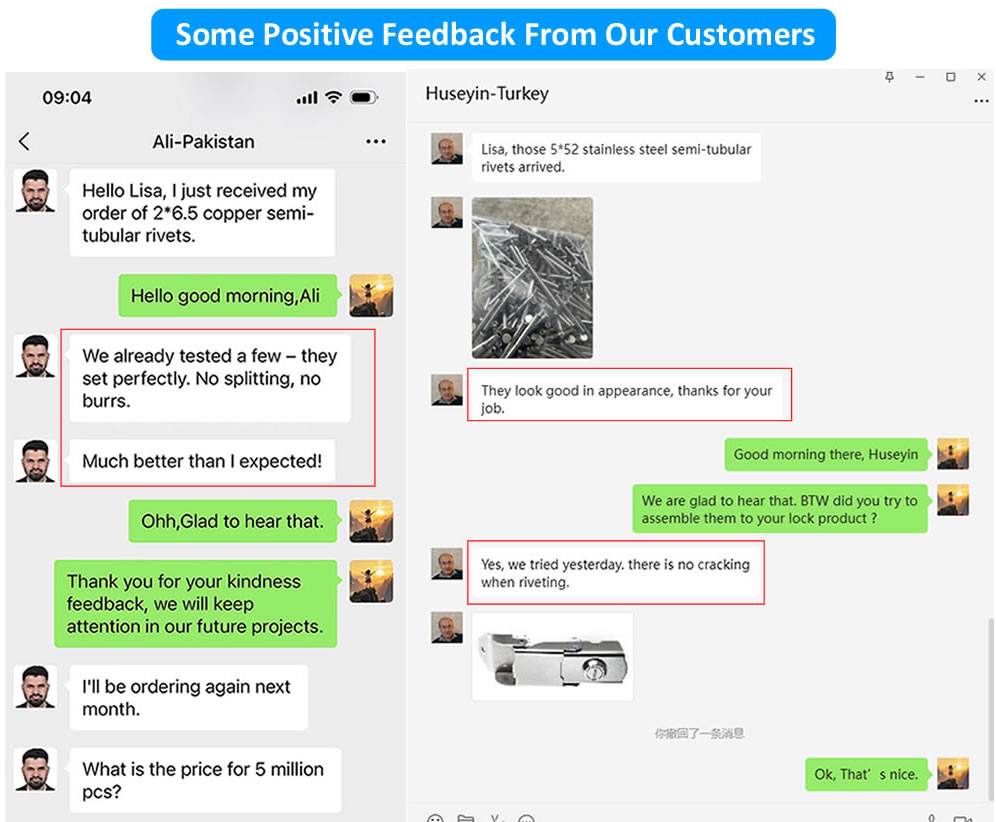
Manufacturers who use our steel pan head rivets come back to us for consistent quality and reliable delivery. Here is what they tell us:
"The straight sidewall on their pan head rivets is consistently formed – no variation between batches." – HVAC equipment manufacturer
"We switched to their pan head rivets for our visible panel assemblies. The look is much cleaner than round head." – Industrial equipment builder
"Their documentation is complete – material certs, dimensional reports, everything we need." – Commercial appliance supplier
What gives them confidence:
We check every batch – Our in‑house inspection lab is equipped with: laser micrometers (±0.02mm accuracy), optical comparators for head geometry verification, 2.5D image measuring systems, Rockwell hardness testers, spectrometers for material verification, salt spray chambers for corrosion testing (when required), and XRF thickness gauges for plating verification. All equipment is calibrated annually.
We trace everything – Every coil of steel wire comes with a mill test certificate and heat number. We can trace every batch back to the original melt.
We deliver what we promise – Samples in 5–7 days. Production on schedule. Full documentation with every shipment.
We work with manufacturers in HVAC equipment, industrial machinery, commercial appliances, automotive interiors, furniture, and heavy equipment – across North America, Europe, and Asia.

Two Questions We Answer Often
Q: "Why would I choose pan head rivet over round head rivet for visible assemblies – and does it cost more?"
A: The pan head has a wider bearing surface (1.8–2.2× shank vs 1.6–1.8×) and a lower profile. It sits lower than a round head – about 35–40% of the head diameter versus 45–50% – which means less snagging and a cleaner profile. The straight sidewall creates a distinct visual line that round head does not have. Round head is a continuous curve – it looks more "industrial." Pan head looks "designed." The cost difference is negligible – the same heading process, the same material, the same plating. You are not paying extra for the better look.
Q: "What is the straight sidewall tolerance on your pan head rivets – and does it affect holding strength?"
A: We hold the straight sidewall to a dimensional tolerance of ±0.10mm on the head diameter and ±0.05mm on the head height. The sidewall itself does not affect holding strength – it is the head diameter and shank that determine the bearing surface and shear strength. The straight sidewall is purely aesthetic – it is what gives the pan head its "designed" look. If the sidewall is not straight, the rivet will look like a round head, which defeats the purpose of specifying pan head. We check head geometry on every first article. If you need the straight sidewall for brand or design reasons, we will hold it.
Hot Tags: Steel Pan Head Rivets,Pan Head Rivets Supplier,Pan Head Rivets Manufacturer
Related Categories
Send Inquiry
Please feel free to fill your inquiry in the form below. We will reply you in 24 hours.



X
We use cookies to offer you a better browsing experience, analyze site traffic and personalize content. By using this site, you agree to our use of cookies.
Privacy Policy