
Products
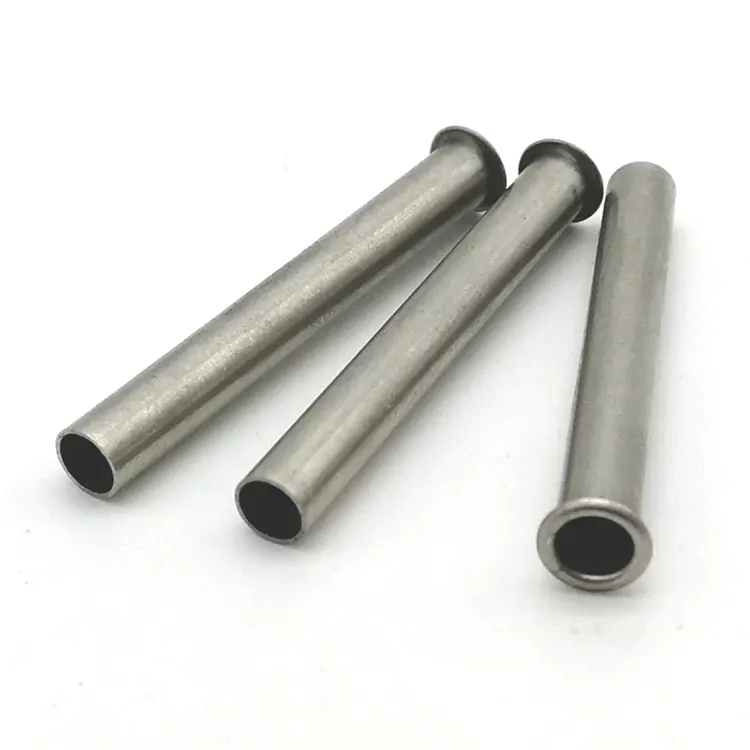
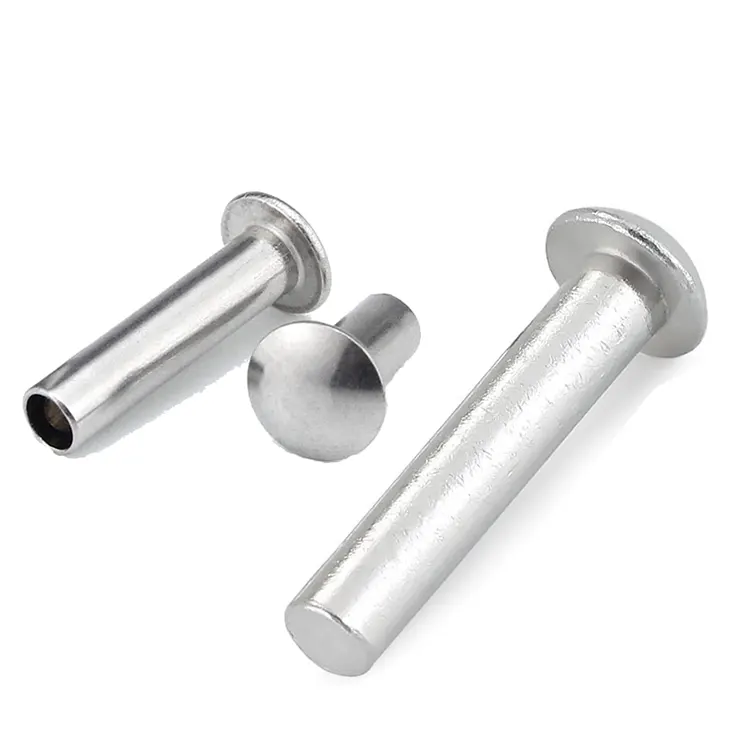
Universal Head Rivets
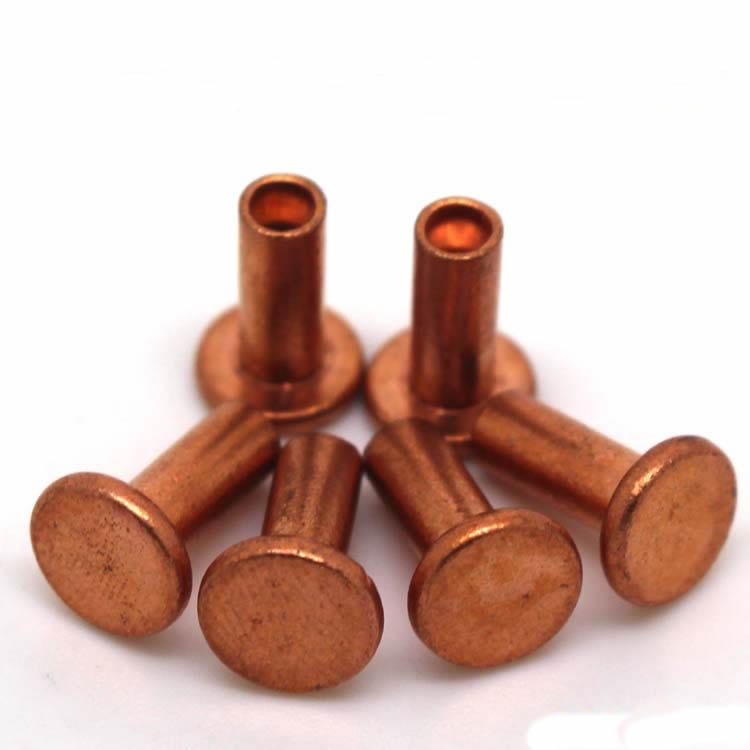
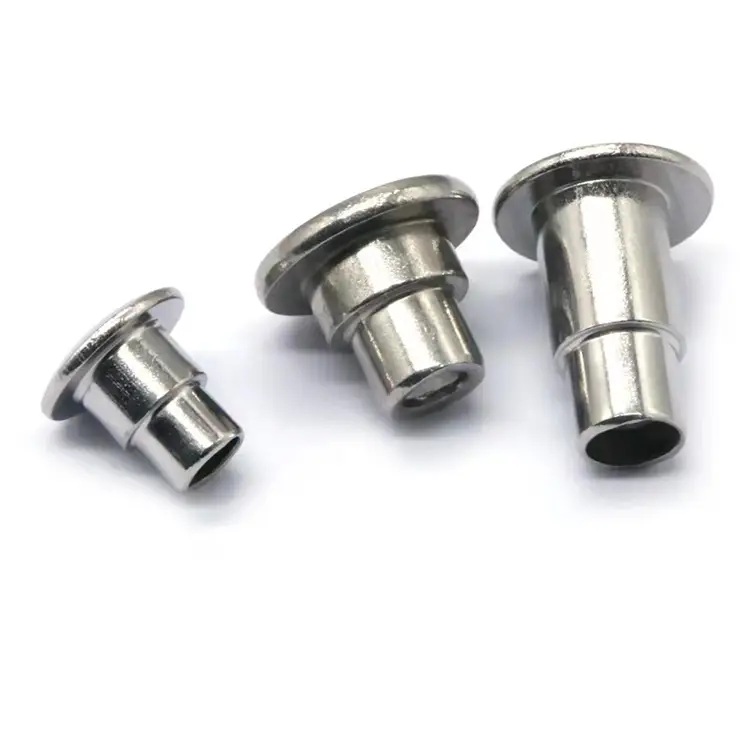
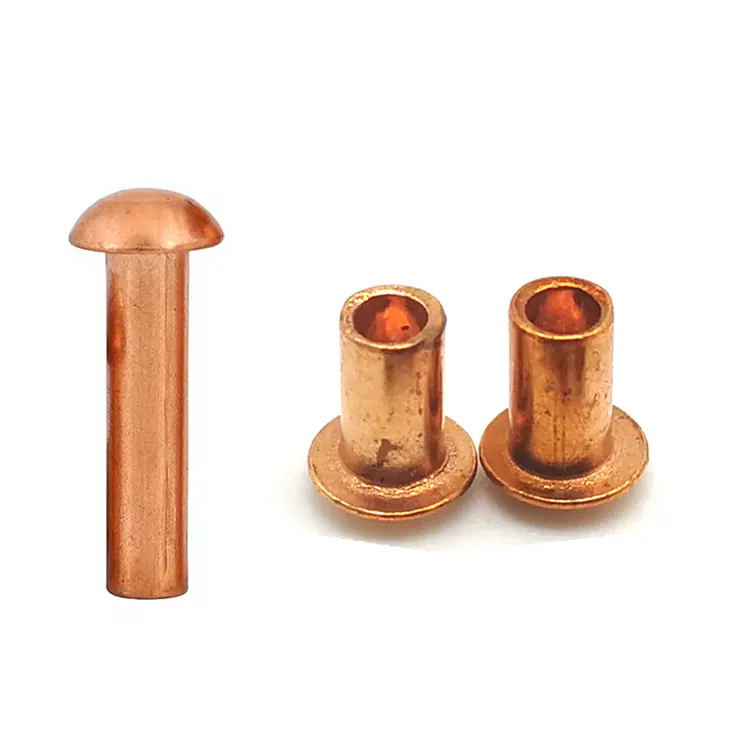
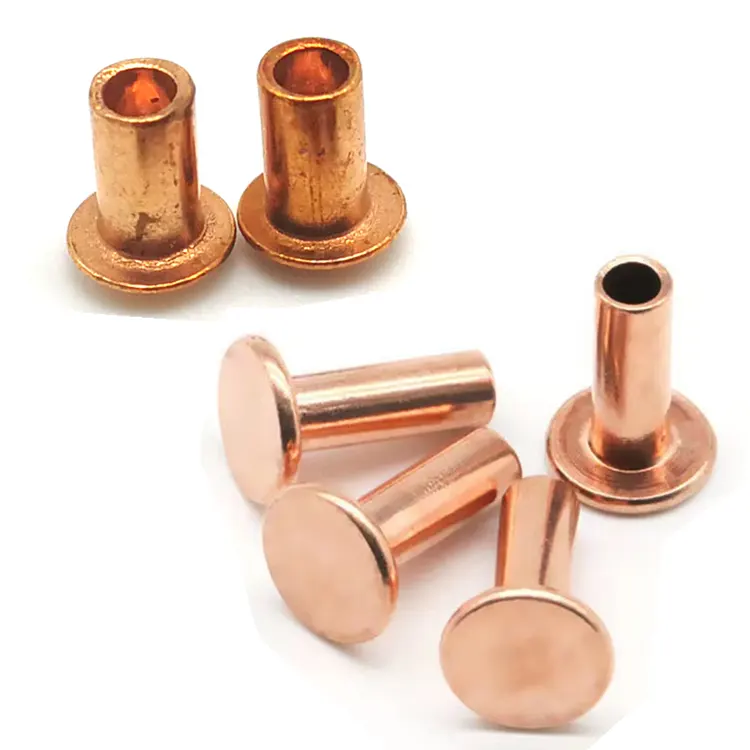
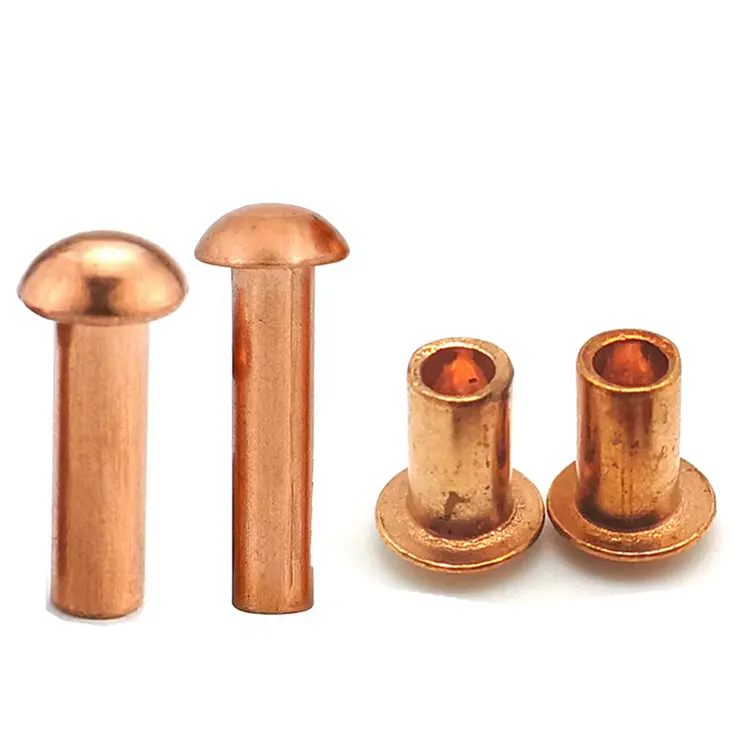
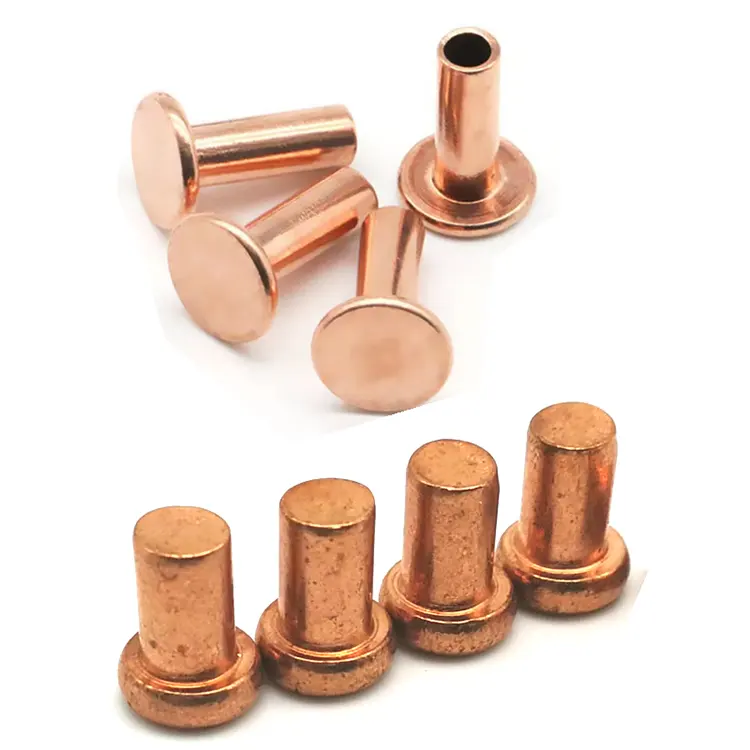
Nuote Metals is a China-based manufacturer of universal head rivets in solid and semi‑tubular designs – featuring a medium‑profile head that offers more bearing area than a round head and a lower profile than a truss head. Available in 1.5–8.0mm shank diameters, five material families, and custom lengths. ISO‑certified quality, full traceability, and free samples available – contact us to get started.
Send Inquiry
Product Description
Universal head rivets are the “just right” fastener. Not too tall, not too wide, with a smooth, radiused top that sits comfortably on most surfaces. If a round head is too narrow and a truss head is too wide, the universal head is the answer. It offers a head diameter 2.0–2.2 times the shank – wider than round (1.6–1.8×), narrower than truss (2.2–2.8×) – and a profile that looks finished without being bulky.
When you are not sure which head style to choose, the universal head is the safe bet. It works in almost every application, in almost every material, and looks good doing it.
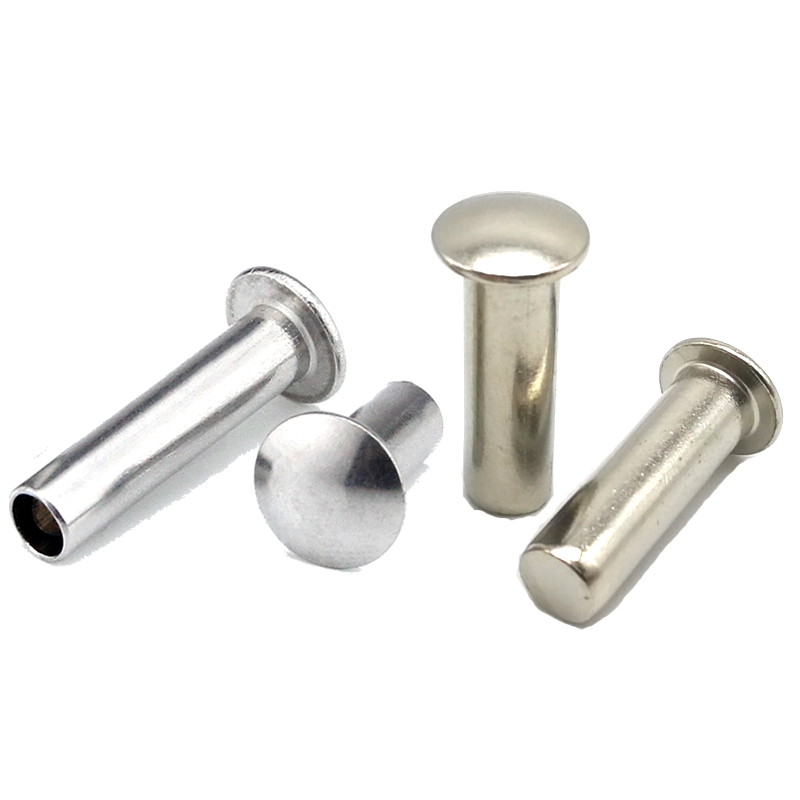
Universal vs. Round vs. Truss – Where the Universal Head Fits
| Feature | Universal Head Rivets | Round Head Rivets | Truss Head Rivets |
|---|---|---|---|
| Head diameter / shank ratio | 2.0 – 2.2 : 1 | 1.6 – 1.8 : 1 | 2.2 – 2.8 : 1 |
| Head height | Medium (35–40% of head dia) | Tall (45–50% of head dia) | Low (25–30% of head dia) |
| Edge radius | Smooth, rounded | Small, distinct | Moderate |
| Best for | Mixed materials, general purpose, visible assemblies | Metal‑to‑metal, high‑shear | Soft materials, oversized holes |
| Pull‑through resistance | Good | Moderate | Excellent |
| Snag risk | Low | Moderate | Low |
| Appearance | Clean, balanced, professional | Classic dome | Wide, low, industrial |
When to choose universal head:
- You are assembling mixed materials (metal + plastic, metal + wood)
- You want a balance of bearing area and profile
- You are not sure which head style to choose – universal is the safe default
- You want a rivet that looks good without drawing attention to itself
Two Designs, Five Materials – What We Offer
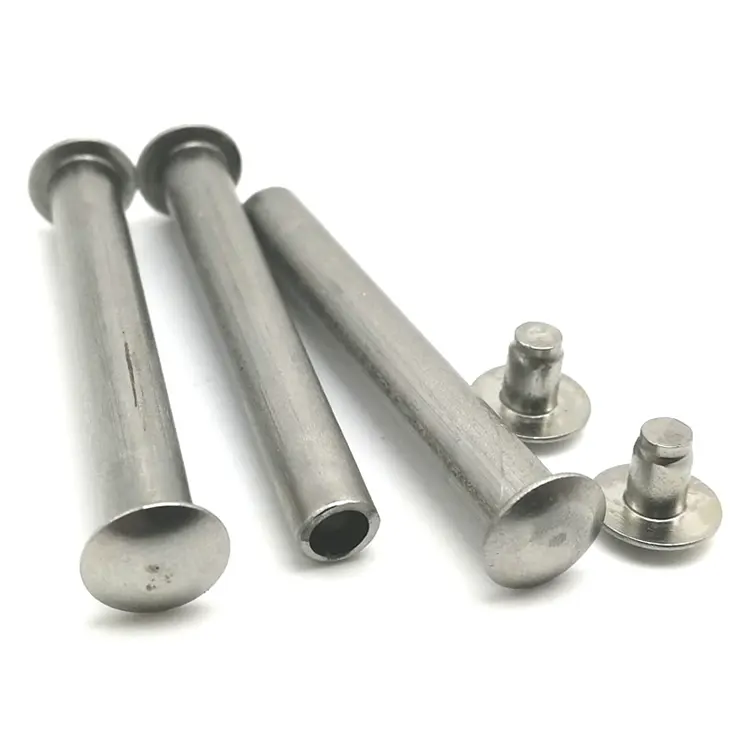
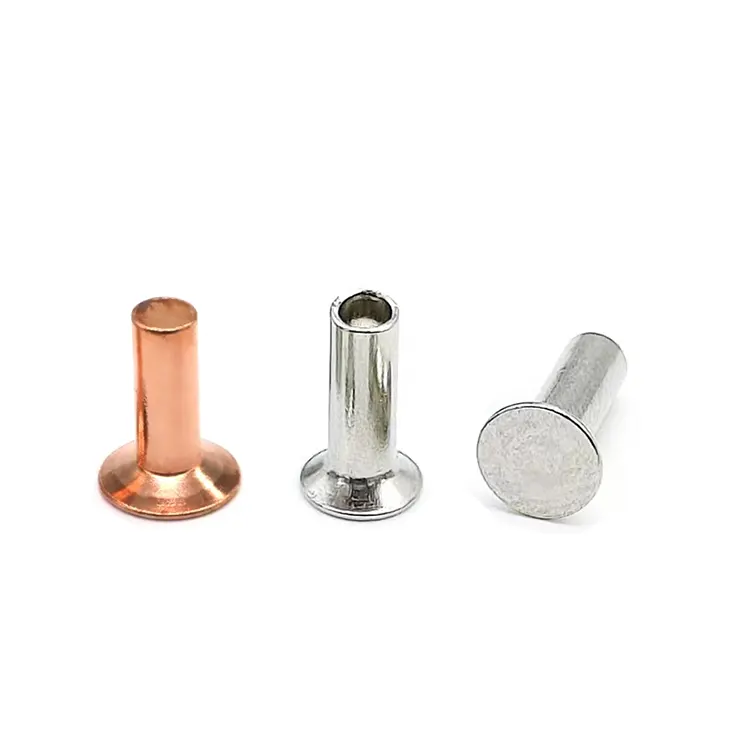
Universal head rivets are available in solid and semi‑tubular designs. Full tubular is not available for this head style due to the medium‑profile geometry which does not provide enough barrel length for proper flaring.
Which design to choose:
Solid – The entire shank is solid. Maximum shear and tensile strength. Use for structural applications, load‑bearing joints, and assemblies where failure is not an option. Higher setting force required.
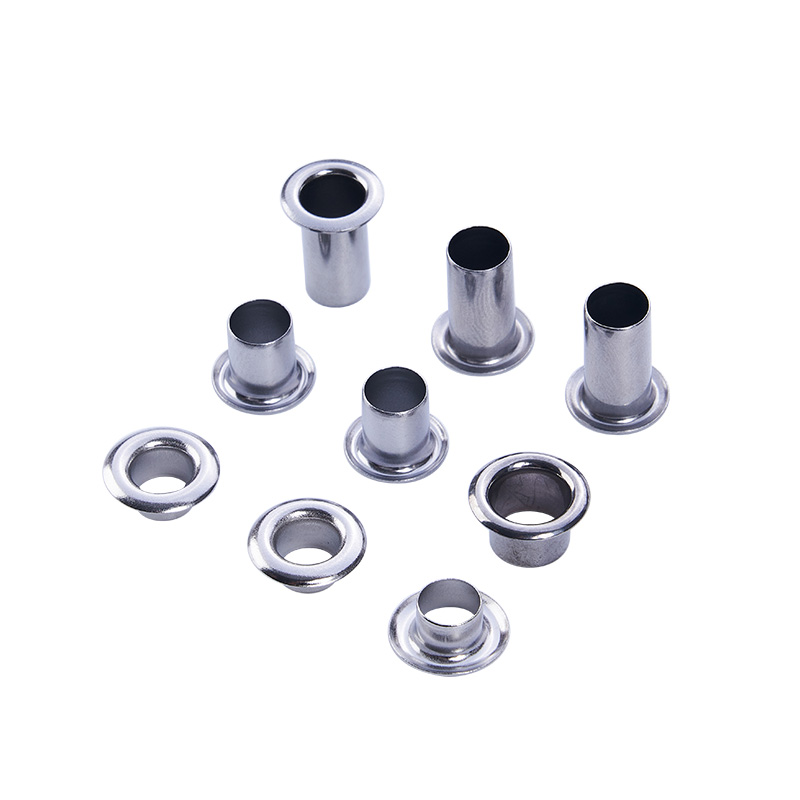
Semi‑tubular – A cavity at the tail reduces setting force by 70%. Use for high‑volume production, thin materials, and assemblies where you want to protect the surrounding material. 80–90% of solid strength.
Materials available: Low‑carbon steel, stainless steel (304/316), brass (C2680), copper (C11000), aluminum (5052/5056)
Finishes: Zinc‑plated, black oxide, passivated, lacquered, nickel‑plated, antiqued, anodized, plain – depending on material.
| Material | Strength | Corrosion Resistance | Best Application |
|---|---|---|---|
| Low‑carbon steel | Highest | Depends on finish | Industrial, cost‑sensitive |
| Stainless steel (304/316) | Very high | Excellent | Marine, outdoor, medical |
| Brass (C2680) | Moderate | Good | Decorative, electrical, leather goods |
| Copper (C11000) | Moderate | Good | Electrical, thermal, antimicrobial |
| Aluminum (5052/5056) | Moderate | Good | Lightweight, non‑magnetic |
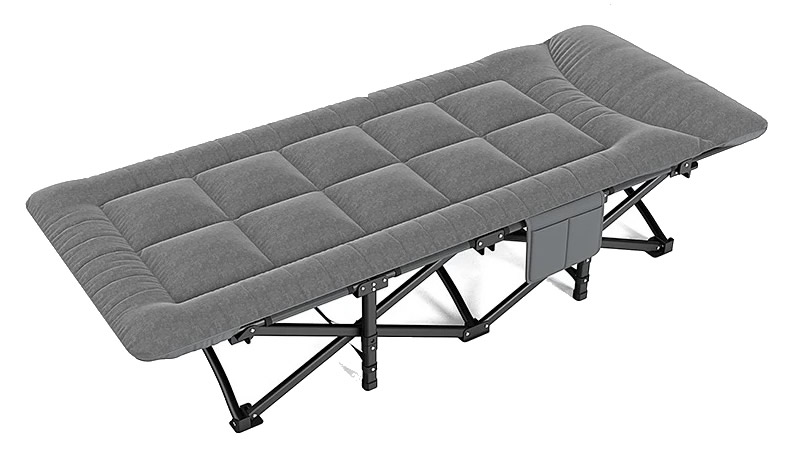
One Real Application – Folding Camp Bed Frame
A manufacturer of portable camping beds was using round head rivets for the scissor‑hinge joints. The round head was too narrow – under load, the head was pulling through the thin‑wall steel tubing. The manufacturer tried truss head rivets – they worked, but the wide head looked bulky and industrial on a consumer product. They needed a rivet with more bearing area than round head but a cleaner look than truss head – something that would hold securely without ruining the product's appearance.
Nuote Metals supplied zinc‑plated steel universal head semi‑tubular rivets – 5.0mm shank, 10.5mm universal head, 14.0mm barrel length. The universal head provided the extra bearing area needed to prevent pull‑through – the 10.5mm head diameter gave a 38% increase in bearing area over the original round head. The smooth, radiused profile looked clean and finished. The semi‑tubular cavity kept setting force low, preventing distortion of the thin‑wall tubing.
The manufacturer tested 500 rivets across 250 beds. After 5,000 folding cycles with a 120kg load, no pull‑through, no loosening, no damage. They now order universal head rivets in batches of 150,000 pieces annually.
How They Are Specified – We Make It Simple
Universal head rivets are custom‑produced to your exact requirements. Here is what we need to get your specification right.
The dimensions we need:
- Shank diameter – 1.5mm to 8.0mm. This is the part that goes through your hole.
- Head diameter – typically 2.0–2.2× shank diameter, but we can adjust to match your bearing surface requirement.
- Head height – we will recommend based on your clearance requirements.
- Overall length – we calculate this from your material stack thickness.
The choices you make:
- Material – steel, stainless, brass, copper, or aluminum
- Design – solid or semi‑tubular
- Finish – zinc, passivated, lacquered, nickel, anodized, antique, etc.
If you are not sure about head diameter or height: Send us a photo of your assembly or a sample part. We will recommend the optimal universal head dimensions for your application. We do not charge for engineering advice.
Sample lead time: 5–10 days for standard specifications. Custom tooling: 15–20 days.
The Universal Head Profile – Balanced, Versatile, Reliable
The universal head is the most versatile head style we make – and the most forgiving. It works in almost every application, which is why it is often the default choice for engineers who are not sure which head style to specify.
What makes the universal head different:
The balanced profile – The universal head is intentionally designed to be the “middle ground.” Wide enough to prevent pull‑through in most materials, low enough to avoid snagging, and rounded enough to look finished on consumer products.
The smooth, radiused top – Unlike the sharp edge of a truss head or the prominent dome of a round head, the universal head has a smooth, continuous radius from the centre to the edge. This reduces snagging and gives it a professional appearance.
The generous bearing surface – At 2.0–2.2 times the shank diameter, the universal head provides significantly more bearing area than a round head – enough for most mixed‑material assemblies.
How we make it consistent:
Precision heading – The universal head profile is cut into our carbide dies with a specific crown radius and edge angle. Every rivet gets the same profile.
Concentricity control – The head must be centred on the shank within ±0.10mm. Off‑centre heads reduce bearing effectiveness and look wrong.
Surface finish – Our dies are polished to mirror finish to produce a clean, blemish‑free head.
The result: Universal heads that work in mixed materials, look professional, and set reliably – batch after batch.
What We Check – And Why Universal Heads Need Consistent Control
Universal heads are not the hardest head style to make – that is round head. But they need consistent control because their “middle ground” design means they are used across the widest range of applications. A deviation that might be acceptable on a round head (used only on metal) could cause problems on a universal head (used on mixed materials).
Here is what we watch:
- Shank diameter – ±0.05mm. If the shank is too loose in the hole, the rivet will tilt. If it is too tight, it will not insert. We check this before production starts and monitor it throughout the run.
- Head diameter – ±0.15mm. The bearing surface is the whole reason you chose universal head. If the head is undersized, you lose bearing area. If it is oversized, it may not fit your clearance.
- Head height – ±0.10mm. Too tall, and it snags. Too short, and it looks wrong. We check this on every batch.
- Concentricity – ±0.10mm. A lopsided head reduces bearing effectiveness. It also looks wrong – and universal heads are often visible on consumer products.
- Cavity depth (semi‑tubular) – 45–55% of barrel length. Too shallow, and setting force remains high. Too deep, and the clinch is weak.
- Overall length – ±0.15mm. Must match your material stack thickness for proper clinch formation.
How we catch problems early:
| Stage | What We Do | Why |
|---|---|---|
| Incoming wire | Check diameter and hardness | Reject out‑of‑spec material before it hits the press |
| First article | Measure 10 rivets on optical comparator | Verify every dimension matches the drawing |
| In‑process | Pull 5 rivets every 500 pieces | Catch drift before it becomes a problem |
| Setting test | Set into your material every 2,000 pieces | Confirm the clinch forms correctly |
| Final | 100% optical sorting + AQL manual check | Remove rejects, verify the batch |
Your Shipment – What We Send You
When your universal head rivets arrive, they come with a full record of what was made and how it was verified.
What you will find in the box:
- Rivets in sealed poly bags – Labeled with part number, batch number, and quantity. No loose parts, no guessing.
- Material certificate – Chemical composition and tensile properties from the original coil. Traceable to the heat number.
- Inspection sheet – Actual measurements of 10 rivets from your batch. Not just “within tolerance” – the actual numbers we measured.
- Finish certificate – If your rivets are plated or coated, we include XRF thickness verification.
- Conformance document – Signed by our QA manager, with a unique batch number for traceability.
Why this matters: If a field failure ever occurs, you have the records to trace it back to the exact coil of material and the exact production run. We keep copies for five years – but we recommend you keep yours as well.
Certified to: ISO 9001:2015, RoHS, REACH

Where They Are Used
- Folding beds and furniture – Scissor‑hinge joints, frame assemblies, pivot points
- Hardware – Gate hinges, latches, door hardware, fence components
- Residential products – Window hardware, cabinet hardware, decorative assemblies
- Automotive – Interior trim, panel assemblies, seat components
- Industrial equipment – Machinery guards, control panels
- Electronics – Enclosures, chassis
- General manufacturing – Any assembly where you are not sure which head style to choose
Three Questions We Answer Often
Q1: What is the difference between a universal head and a round head? They look similar.
A: The universal head is wider (2.0–2.2× shank diameter versus 1.6–1.8×) and slightly lower than a round head. It also has a more continuous, radiused profile – less of a distinct dome. The visual difference is subtle, but the functional difference is real: the universal head provides more bearing area to prevent pull‑through in mixed materials. For metal‑to‑metal assemblies with tight holes, round head is still the better choice. For mixed materials, universal head is the safer bet.
Q2: Which design should I choose – solid or semi‑tubular?
A: Semi‑tubular rivet is the default choice for most applications – 80–90% of solid strength at 25–30% of the setting force. Choose solid rivet when you need maximum strength for structural, load‑bearing assemblies. Full tubular is not available for universal head due to the geometry of the medium‑profile head. All three designs are available with the same universal head profile.
Q3: What is the best material for universal head rivets in outdoor applications?
A: For outdoor applications, we recommend stainless steel (304 or 316) with passivated finish for permanent corrosion resistance. 304 is sufficient for general outdoor exposure (rain, humidity). 316 is recommended for coastal or salt‑spray environments. If you are working with a tighter budget, zinc‑plated steel with yellow chromate provides 96 hours of salt spray resistance – suitable for sheltered outdoor use. In the folding bed case above, the customer chose zinc‑plated steel because the beds were used indoors (camping tents) and occasional outdoor exposure was limited.
Hot Tags: Universal Head Rivets,China Cold Forming Rivets,Universal Head Rivets Manufacturer
Related Categories
Send Inquiry
Please feel free to fill your inquiry in the form below. We will reply you in 24 hours.



X
We use cookies to offer you a better browsing experience, analyze site traffic and personalize content. By using this site, you agree to our use of cookies.
Privacy Policy