
Products
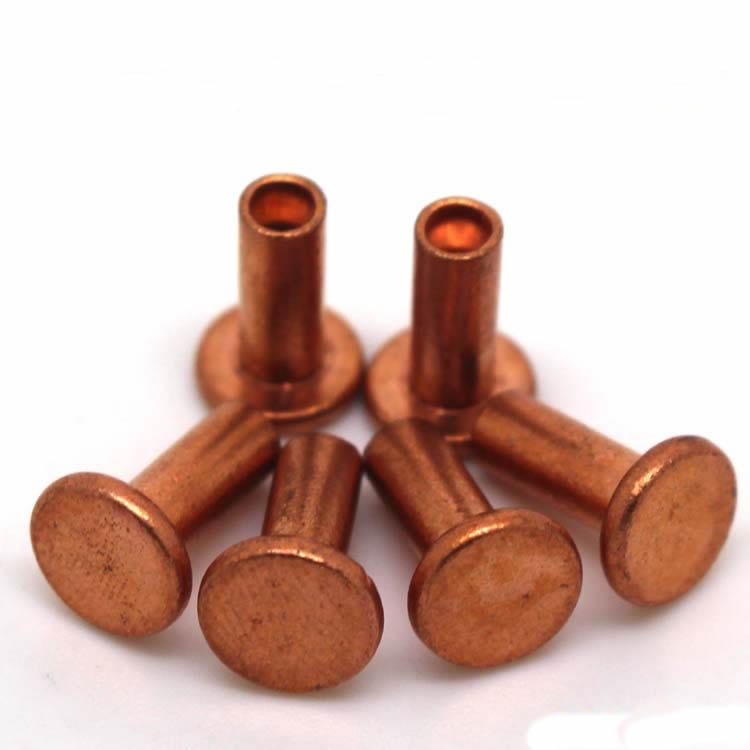
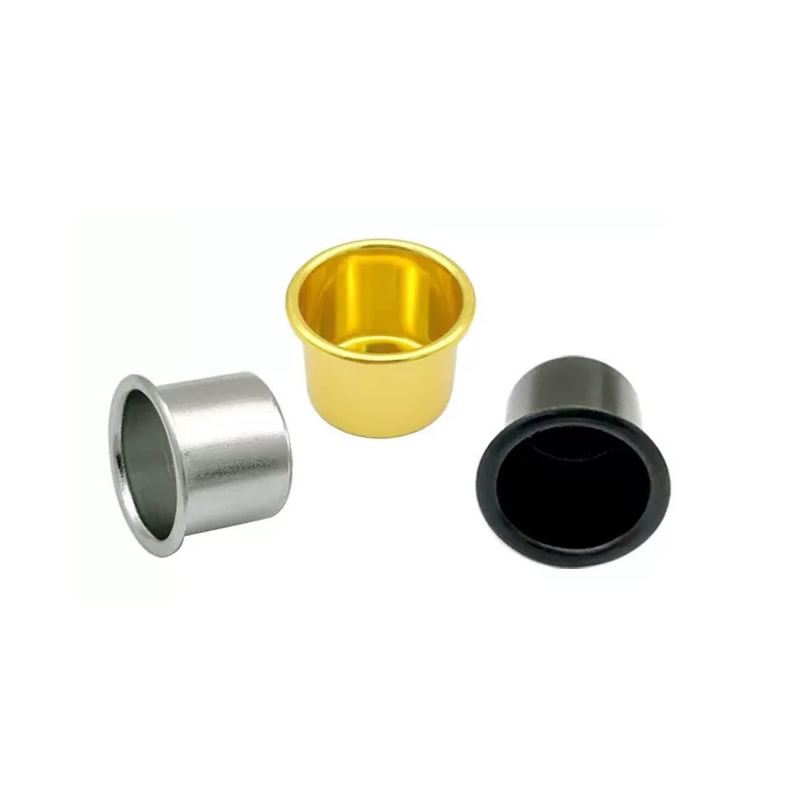
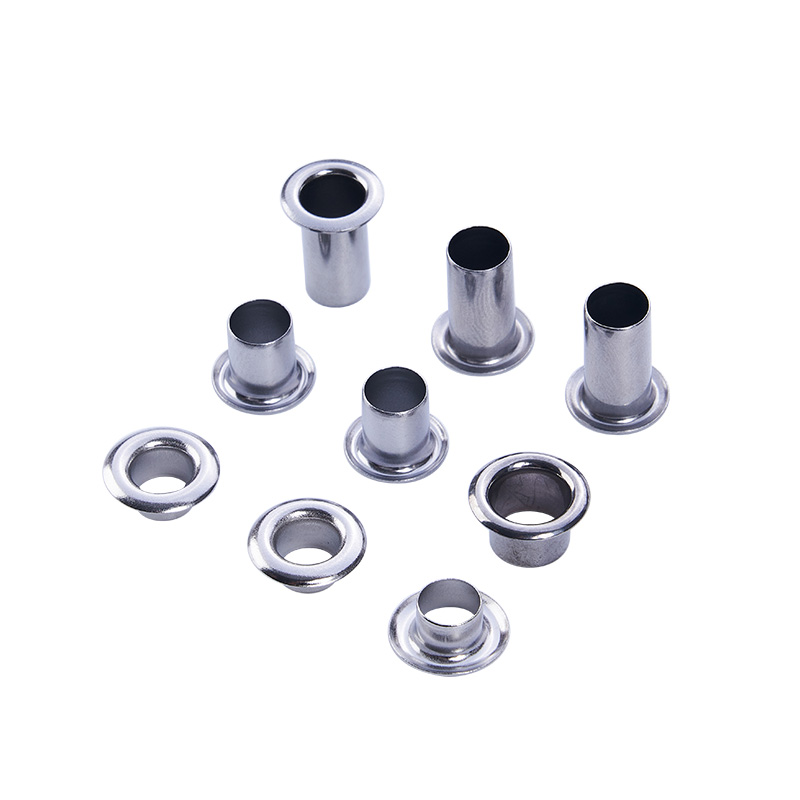
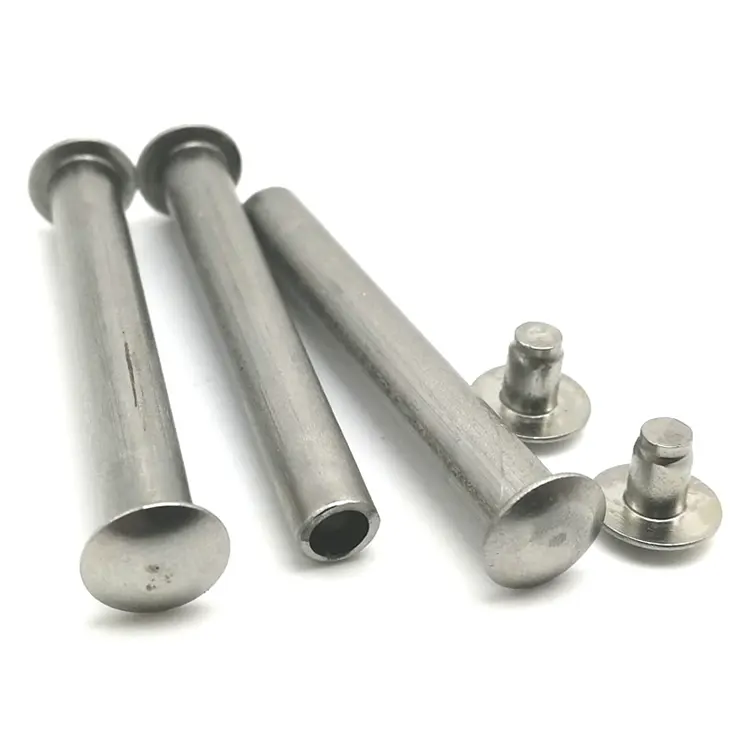
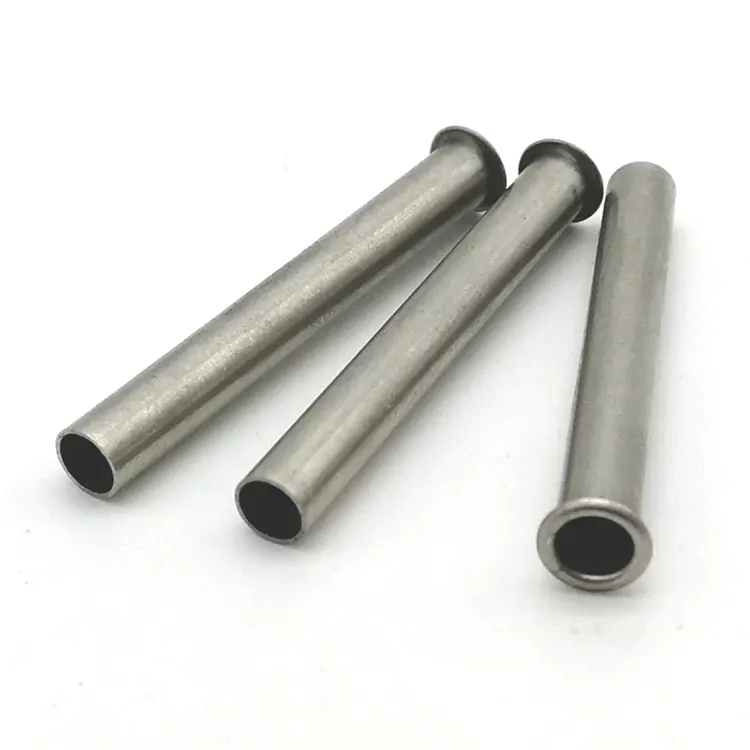
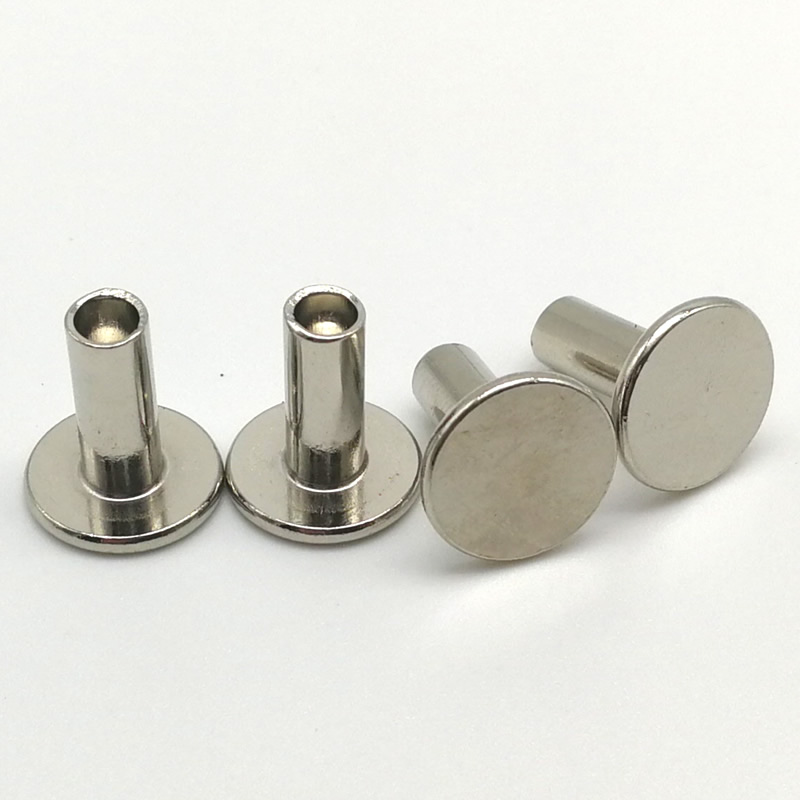
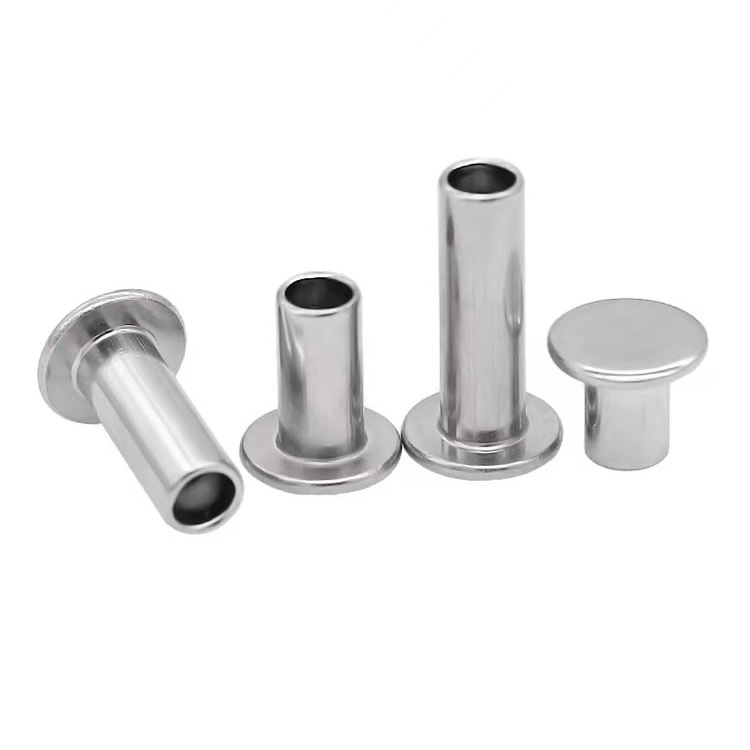
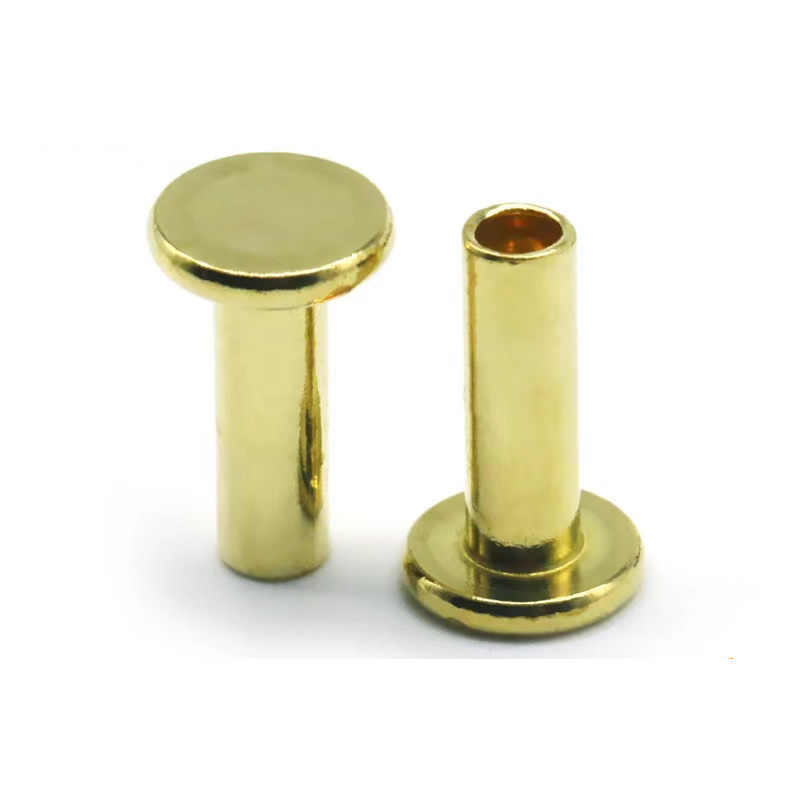
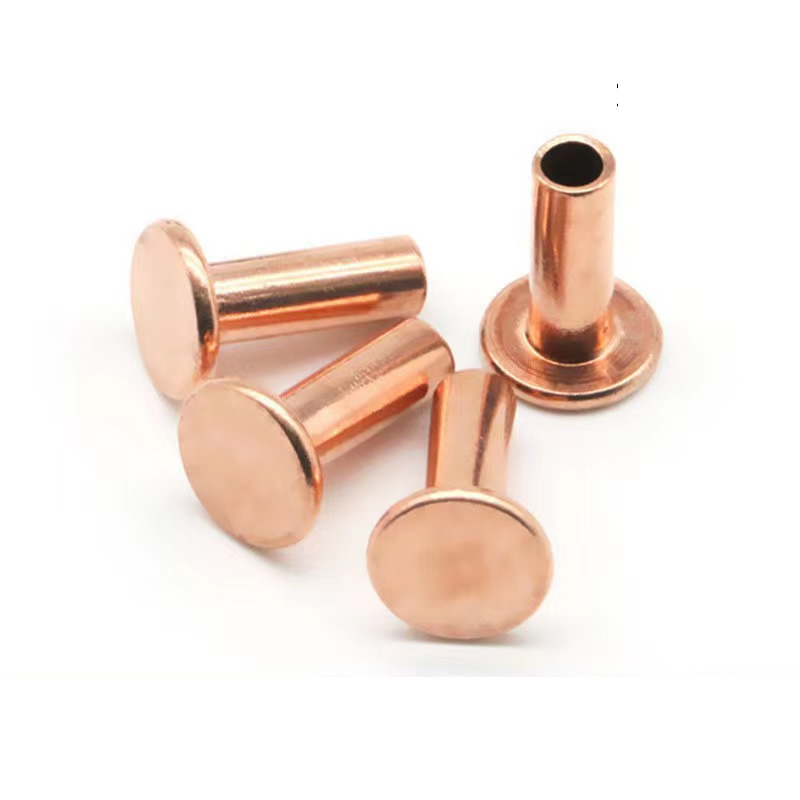
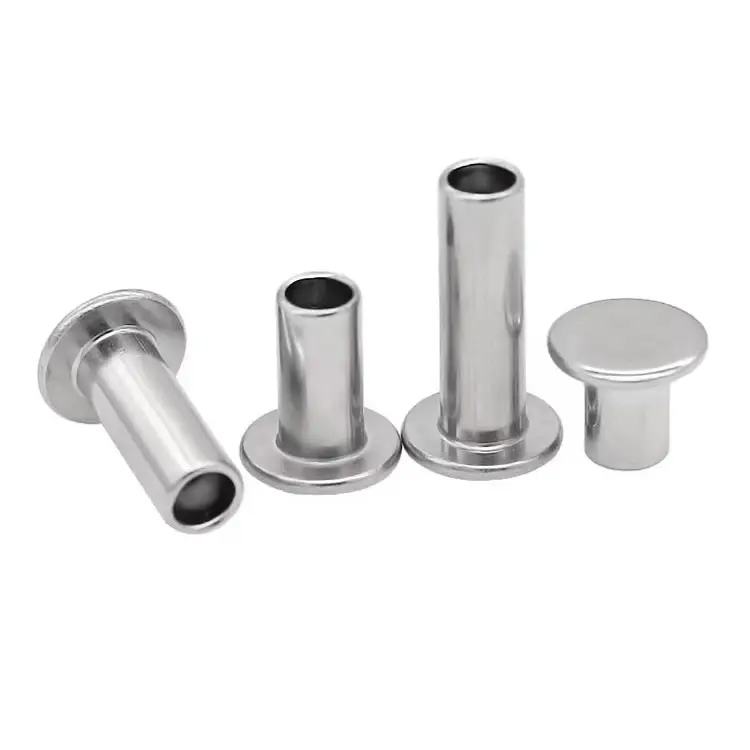
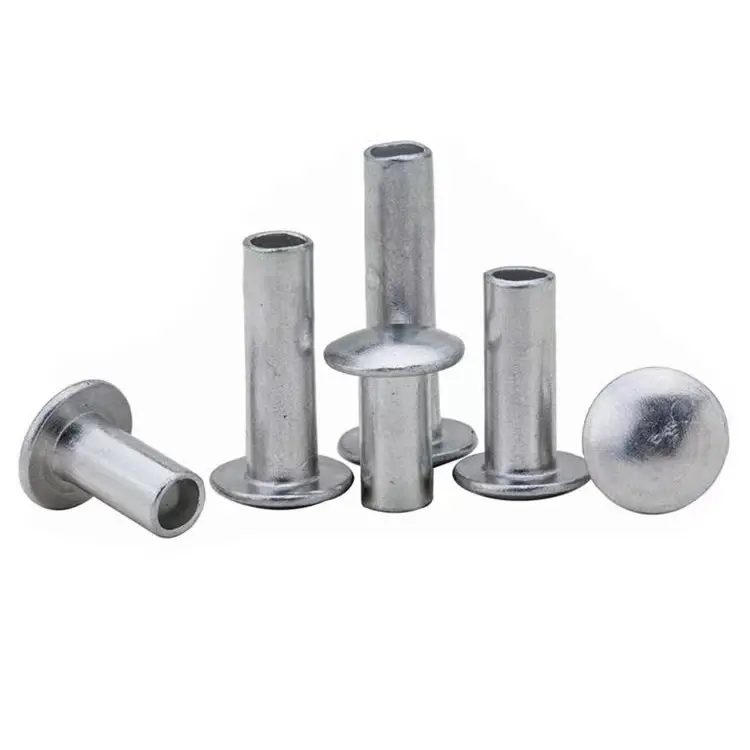
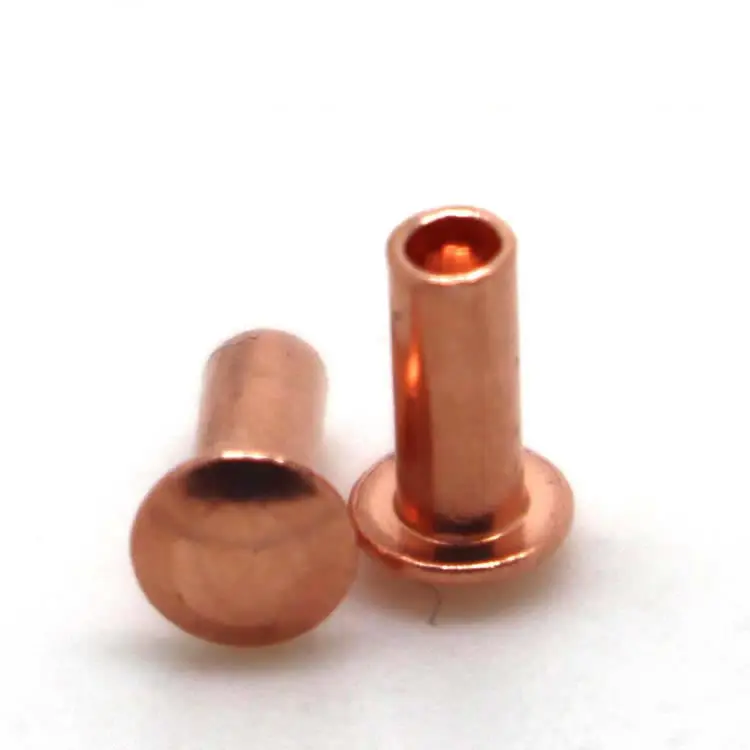
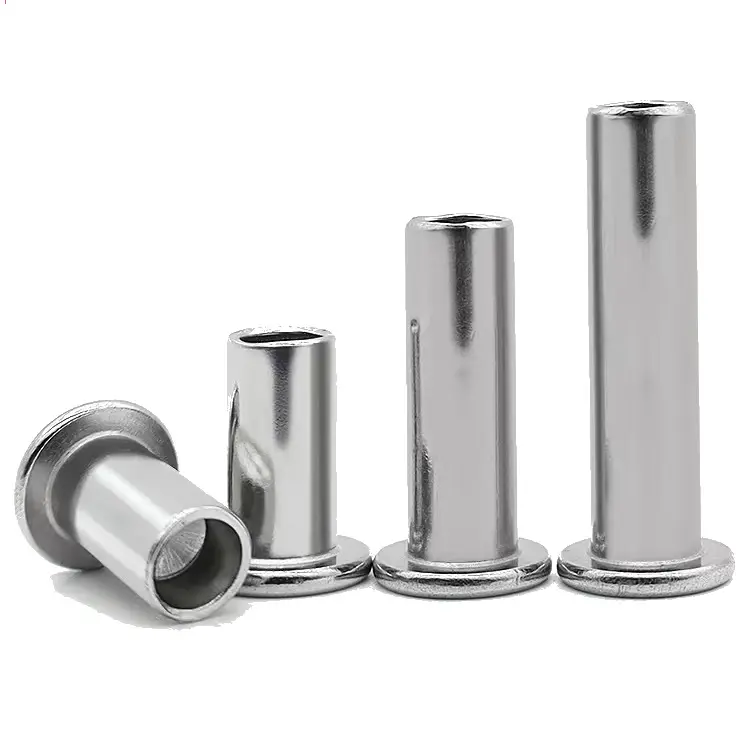
Flat Head Semi Hollow Rivets
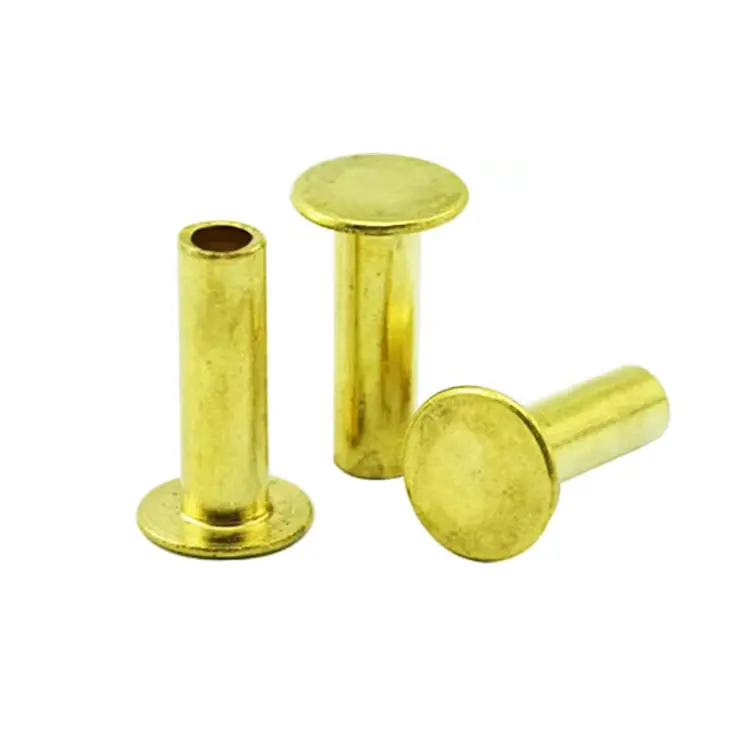
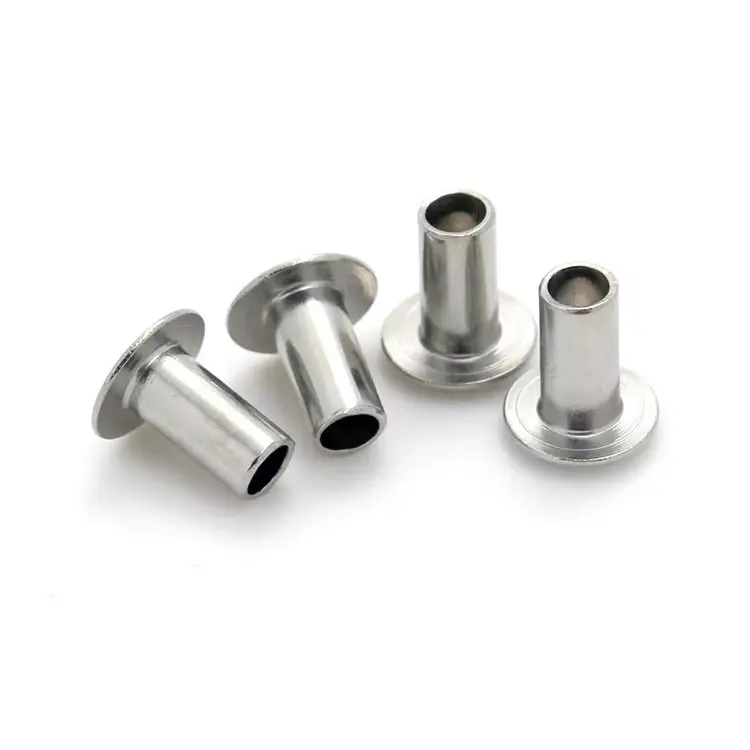
Need a flush fastening solution? Nuote Metals from China, a professional factory, offers Custom flat head semi hollow rivets. The flat head sits perfectly flush with material surfaces, ideal for electronics, nameplates, and automotive panels. The semi-hollow body reduces setting force while maintaining strong grip, preventing cracks in brittle materials. Available in brass, steel, and stainless steel. Solve surface protrusion and assembly damage with precision rivets. Trust us for consistent quality that enhances your product finish.
Send Inquiry
Product Description
A rivet head that digs into soft material or rocks back and forth in an oversized hole is a design flaw waiting to happen. The flat head semi hollow rivet provides a broad, flat top that distributes clamping force evenly—without the need for countersinking.
What is a flat head? It has a flat, disc‑shaped top with straight or slightly tapered sides. After setting, the head sits proud of the material surface, typically 0.5mm to 1.0mm above. This is different from a countersunk (conical) head which requires a tapered hole and sits flush. Flat head gives you a large bearing area and a clean, industrial look without extra machining.
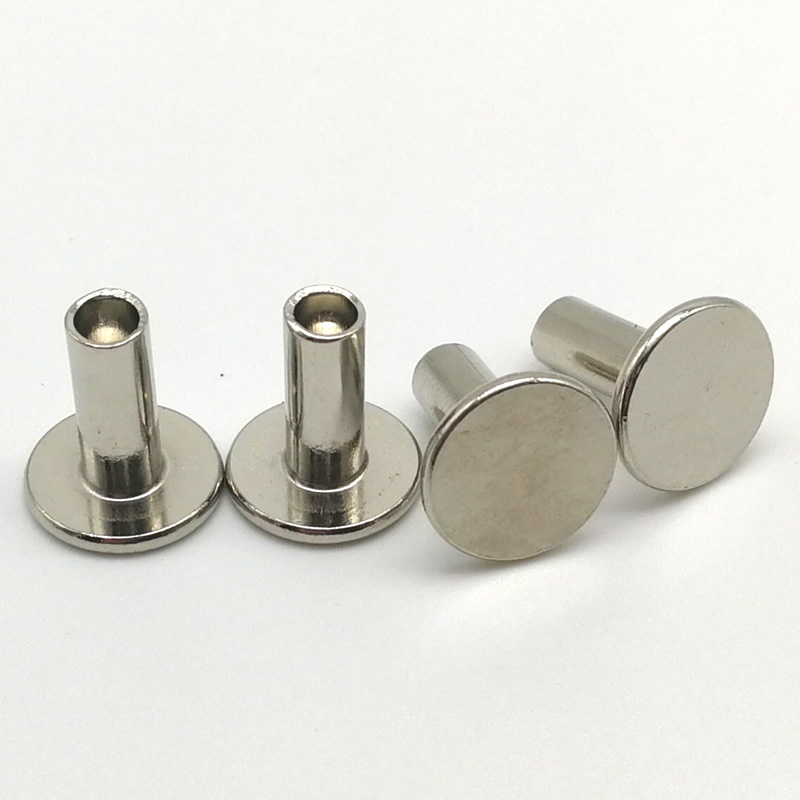
Nuote Metals manufactures flat head semi hollow rivets in low‑carbon steel, stainless steel (304/316), aluminum, and brass. This page shows two real applications, the exact dimensions we hold, and how we produce a perfectly flat head without cracks.
Two Real Applications
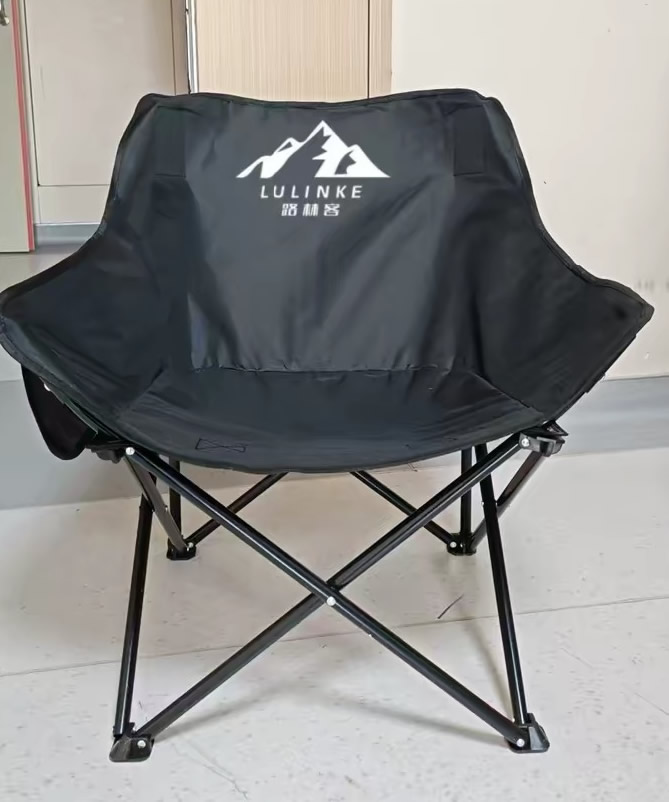
Folding Chair Hinge (Aluminum Tube, Steel Rivet)
A contract furniture maker produced folding chairs for event halls. The original round head rivet at the hinge stuck up 2.5mm. Chairs stacked poorly, and the domed head scratched adjacent frames during transport. The customer needed a rivet that sat lower than round head but did not require a countersink operation.
We supplied steel flat head semi hollow rivets (5mm shank, 10mm head diameter, zinc plated). The flat head sat 0.8mm above the tube surface—much lower than the round head. The wide 10mm diameter prevented the rivet from tilting in the aluminum hole. No countersinking was added to the assembly line. Chairs stacked cleanly, and scratching complaints dropped by 90%.
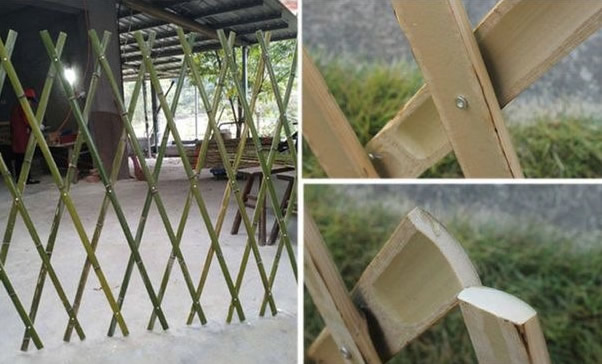
Outdoor Cedar Fence Panel (Wood‑to‑Metal Bracket, Stainless Rivet)
A fencing contractor attached galvanized steel brackets to cedar rails. Dome‑head rivets trapped moisture against the wood, accelerating rot. They also looked “industrial” on a natural fence. The contractor tried a countersunk rivet but did not want to hand‑countersink hundreds of holes.
We recommended 304 stainless flat head semi hollow rivets (4mm shank, 8mm head diameter, passivated). The flat head sat 0.6mm above the wood surface. Its wide, flat top shed rainwater rather than holding it. The clean, disc‑shaped head looked intentional, not like a protruding dome. After 18 months across 200 fence sections, no rust, no loosening, and no wood rot around the rivets.
We make different kinds of rivets, such as solid rivets, semi-tubular rivets and full tubular rivets and special customized rivets.
1. Solid Rivets, including solid round head rivets, solid flat head rivets and solid countersunk head rivets in different materials.
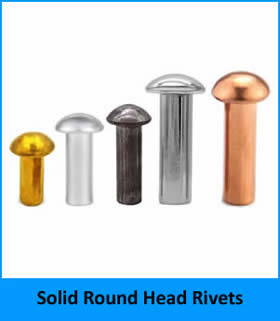
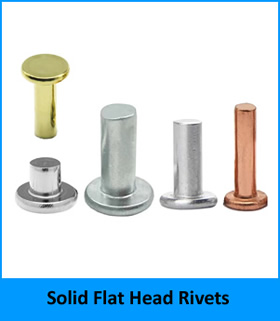
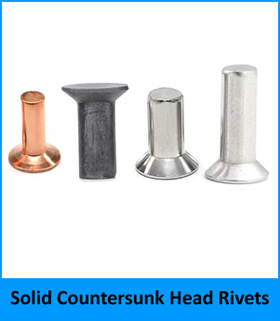
If you want to know more about our solid rivets, please click 
2. Semi-Tubular Rivets, including semi-tubular round head rivets, semi-tubular flat head rivets and semi-tubular countersunk head rivets in different materials.
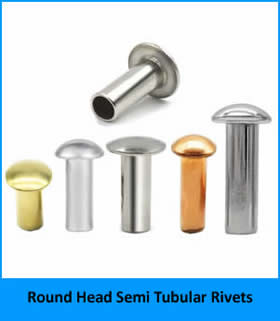
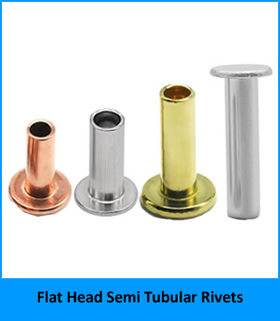
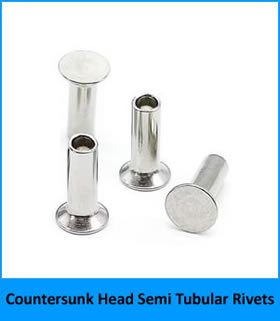
Click  to view more about our semi-tubular rivets.
3. Full Tubular rivets in brass, copper, stainless steel, aluminum and steel.
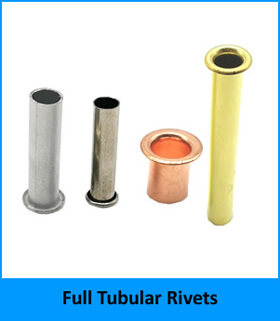
If you want to know more about tubular rivets, please click 
4. Special Rivets
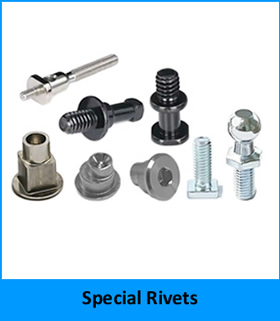
Cilck  to view more about our special rivets.
Flat Head vs. Countersunk – Know the Difference
| Feature | Flat Head | Countersunk (Conical) |
|---|---|---|
| Head shape | Flat disc, straight/tapered sides | Cone with 90° or 100° angle |
| After setting | Sits proud (above surface) | Flush or below surface |
| Hole preparation | Straight hole only | Straight hole + tapered countersink |
| Bearing area | Large, flat | Small ring at edge |
| Best for | Soft materials, thin sheet, quick assembly | Aerospace, flush surfaces, low drag |
We produce both styles. For most furniture, fencing, and general industrial use, flat head is faster and more forgiving.
Standard Sizes We Stock
| Shank Dia (mm) | Head Dia (mm) | Head Height (mm) | Barrel Lengths (mm) | Materials |
|---|---|---|---|---|
| 3.0 | 5.5 – 6.0 | 0.7 – 0.8 | 4,5,6,8 | Steel, 304, brass |
| 4.0 | 7.0 – 7.5 | 0.9 – 1.0 | 5,6,8,10,12 | Steel, 304, 316, brass |
| 5.0 | 8.5 – 9.0 | 1.1 – 1.2 | 6,8,10,12,15 | Steel, 304, 316 |
| 6.0 | 10.0 – 10.5 | 1.3 – 1.4 | 8,10,12,15,20 | Steel, 304, 316 |
| 8.0 | 13.5 – 14.0 | 1.7 – 1.8 | 10,12,15,20,25 | Steel only |
Custom head diameters and barrel lengths available. No tooling charge for standard dimensions.
How We Make a Truly Flat Head – Without Wrinkles
Forming a flat head is harder than forming a dome. The metal wants to fold or wrinkle at the sharp transition from shank to head. We prevent this with:
Precision‑ground heading dies – The die cavity has a controlled 0.2mm radius at the corner, not sharp. This allows metal to flow smoothly.
Controlled extrusion length – We limit the barrel length to 4× shank diameter for flat head designs. Longer barrels risk head wrinkles.
Post‑heading coining – A second hit compacts the head, ensuring perfect flatness within 0.05mm.
Our optical sorting machines check head diameter, flatness, and concentricity on 100% of production. We reject any rivet with a tilted head or visible step.
For more Details, please check our vedio below:
What You Get With Every Shipment
Mill test certificate (material chemistry, tensile)
Dimensional inspection report (10 pieces per batch)
Head flatness verification (±0.05mm)
Certificate of Conformance (signed, batch‑traceable)
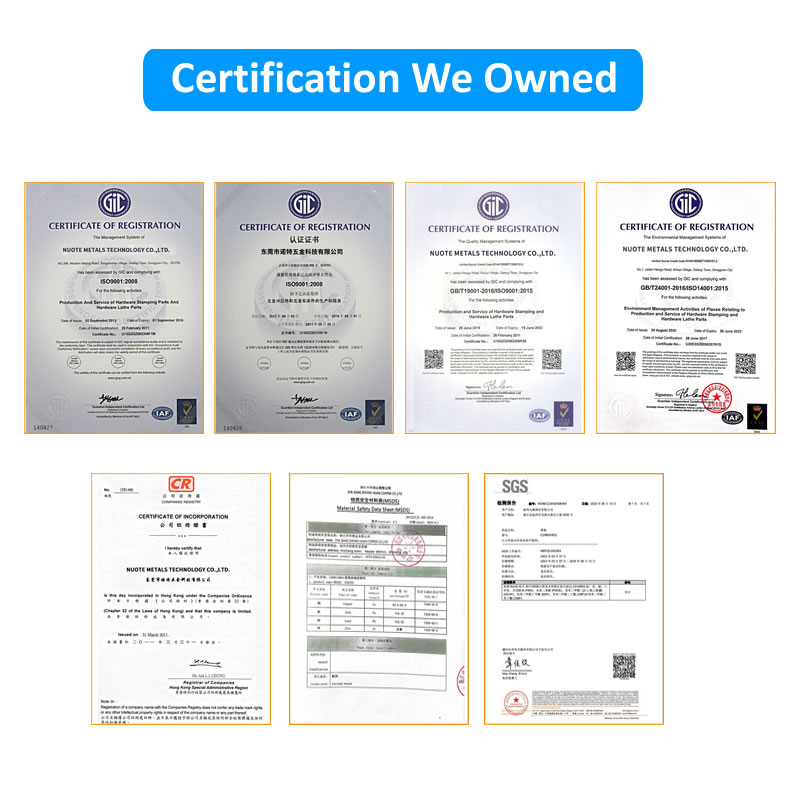
Nuote Metals is ISO 9001:2015 certified. RoHS and REACH declarations are included.
Our Policies – Straight Talk
Samples – 20 free pieces (customer pays shipping)
MOQ – 2,000 pieces (steel/brass), 3,000 pieces (stainless)
Stock lead time – 5–7 business days
Custom lead time – 12–15 days
Tooling – No charge for standard flat head tooling (sizes 3–8mm)
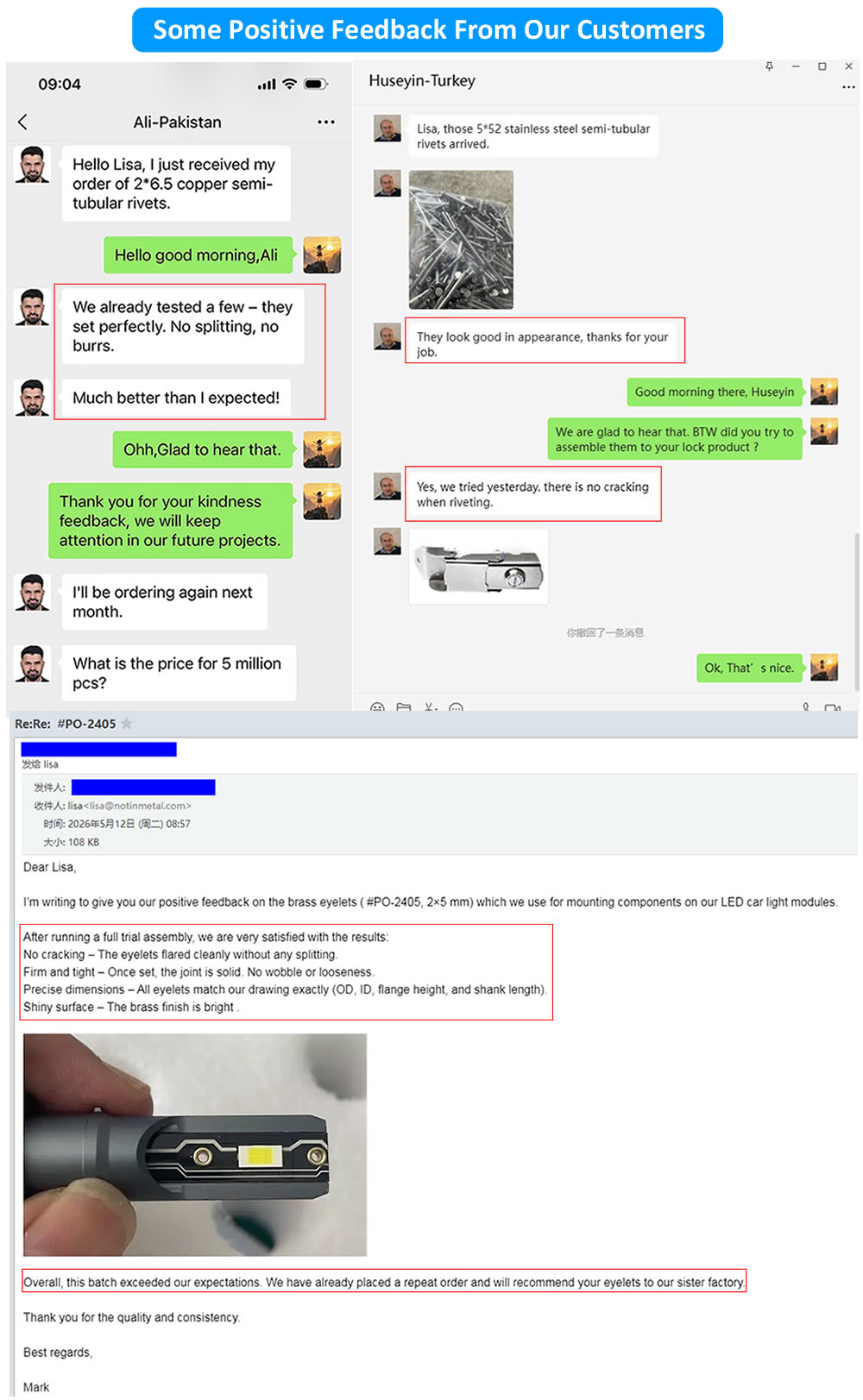
What Did our Customers' Say ?
Three Questions We Answer Every Week
Q1: Do I need to countersink the hole for a flat head semi hollow rivet?
A: No. Flat head rivets are designed for straight holes. Drill a standard clearance hole (shank diameter + 0.15–0.20mm) and insert the rivet. The flat head will sit proud of the surface. Only use countersinking if you are switching to a true countersunk rivet (conical head). Many customers confuse the two. We keep sample boards showing the difference – ask us for a photo.
Q2: Can flat head semi hollow rivets be used in soft plastic without cracking?
A: Yes. The wide, flat head distributes pressure over a larger area than a round head, reducing stress concentration. For soft plastics (ABS, polycarbonate), we recommend a barrel length exactly 1.0mm longer than the material stack. This creates a gentle clinch. Also use a press with a slow stroke, not a hammer. In our folding chair case, the aluminum tube was thin but not plastic. For plastic parts, we offer free sample testing – send us a piece of your material.
Q3: Your flat head sits above the surface. Will that snag fabric or collect dirt?
A: It can, depending on the height. Our flat head height is only 0.7–1.8mm, depending on shank size. For a 5mm shank, head height is about 1.1mm – lower than a round head (which would be ~2.5mm for the same shank). For applications where even 1mm is too high, we recommend switching to a true countersunk rivet (requires machining) or a low‑profile truss head. For the folding chair, the 0.8mm head height was low enough to stop scratching. For the fence, the 0.6mm height shed water effectively. If you need zero protrusion, tell us – we will quote countersunk.
See for Yourself – No Obligation
We can mail you 20 pieces of flat head semi hollow rivets in your chosen material and size in our list. Drill a straight hole, set the rivet, and run your finger across the head. You will feel a firm, flat surface – no sharp edges.
Contact Nuote Metals with your shank diameter, barrel length, and material. Free samples ship within one business day.
Hot Tags: Flat Head Semi Hollow Rivets,Semi Hollow Rivets Factory, Flat Head Rivets Manufacturer
Related Categories
Send Inquiry
Please feel free to fill your inquiry in the form below. We will reply you in 24 hours.



X
We use cookies to offer you a better browsing experience, analyze site traffic and personalize content. By using this site, you agree to our use of cookies.
Privacy Policy